

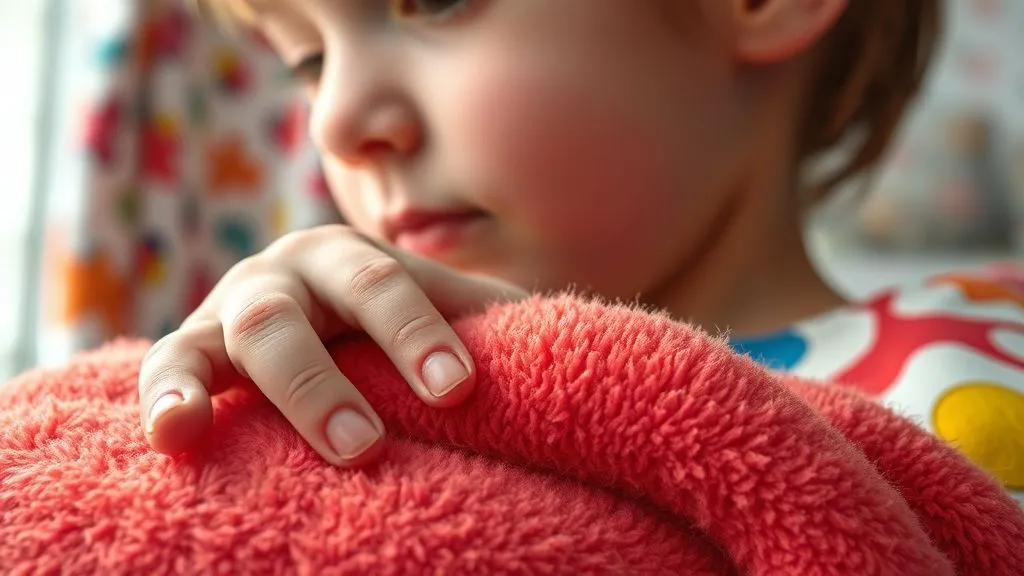
How to Design Playful Kids' Clothes That Minimize Sensory Irritation?
For over two decades in the vibrant, ever-evolving world of kids' fashion, I've had the immense privilege of witnessing pure joy – the unbridled delight of a child twirling in a new dress, or the fierce concentration of a toddler exploring in their comfy play clothes. But alongside those moments of joy, I've also observed the quiet struggles: the incessant tugging at an itchy tag, the frustrated cries over a too-tight waistband, or the outright refusal to wear an otherwise adorable outfit because "it feels wrong." This isn't just a minor inconvenience; it's a genuine barrier to a child's comfort, confidence, and ability to simply be a kid.
The problem, as I've come to understand it, is multi-faceted. Parents often feel helpless, cycling through countless garments trying to find one that doesn't trigger a sensory meltdown. Designers, while well-intentioned, frequently prioritize aesthetics or cost-efficiency over the nuanced tactile experience of a child. This oversight creates a silent battleground of discomfort, where the very clothes meant to enable play inadvertently restrict it. The pain point is real: children deserve clothes that move with them, embrace them, and allow them to explore the world without constant sensory distraction.
In this definitive guide, I want to share the actionable strategies and deep insights I've gathered from years of hands-on experience, working with both established brands and innovative startups in kids' wear. We'll delve into everything from fabric selection to seam construction, from thoughtful fit to the psychology of prints. My promise to you is not just a collection of tips, but a comprehensive framework on how to design playful kids' clothes that minimize sensory irritation, ensuring every garment you create contributes to a child's happiness and well-being. Let's transform the landscape of children's fashion, one comfortable, joyful outfit at a time.
Understanding Sensory Sensitivities: The Foundation of Thoughtful Design
Before we can truly innovate in design, we must first deeply understand the 'why' behind sensory irritation. It's not just about a child being "fussy"; it's about their unique neurological processing of tactile, visual, and proprioceptive inputs. As designers, our empathy and education in this area become our most powerful tools.
What is Sensory Irritation in Kids' Clothing?
Sensory irritation in the context of children's clothing refers to an adverse physical or emotional reaction to a garment's characteristics. This can range from mild discomfort to significant distress, often stemming from the way certain textures, seams, tags, or fits interact with a child's skin and sensory receptors. For children with heightened tactile sensitivity, common garment features can feel overwhelmingly scratchy, tight, or restrictive, leading to avoidance, anxiety, or behavioral outbursts.
Common Triggers: Tags, Seams, Fabrics, Fit
- Tags: The notorious culprit. Even soft tags can cause persistent itching and distraction, especially at the neck or side seams.
- Seams: Thick, raised, or poorly finished seams, particularly on inner surfaces, can rub and create pressure points.
- Fabrics: Stiff, rough, or synthetic materials that don't breathe well can feel abrasive, cause overheating, or trap moisture, leading to skin irritation.
- Fit: Clothes that are too tight, too loose, or have restrictive elastic bands can impede movement, cause discomfort, or create sensory overload through constant shifting.
- Embellishments: Sequins, glitter, stiff embroidery, or appliqués can be scratchy or visually overstimulating.
"The true art of designing for children with sensory sensitivities lies in anticipating potential discomforts before they even manifest. It's about designing with the skin, and the brain, in mind, not just the body."

Fabric First: Choosing Materials for Ultimate Comfort
The foundation of any sensory-friendly garment begins with its fabric. This isn't just about softness; it's a complex interplay of texture, breathability, stretch, and durability. I've spent countless hours evaluating textiles, understanding that the right choice can make or break a child's experience with a piece of clothing.
Key Fabric Types and Their Benefits:
- Organic Cotton: A timeless favorite. Opt for combed or Pima cotton for extra softness. It's breathable, hypoallergenic, and durable. Ensure it's GOTS certified for ethical and environmental standards.
- Bamboo Viscose/Lyocell: Exceptionally soft, smooth, and drapes beautifully. It's naturally thermoregulating, wicking moisture away, and has a silky feel that many sensitive children adore.
- Modal: A type of rayon made from beechwood pulp. It's incredibly soft, resistant to shrinking and fading, and breathable, often used in activewear or sleepwear for its comfort.
- Tencel™ Lyocell: Another sustainable wood-pulp fiber, known for its incredible softness, strength, and excellent moisture management properties. It's gentle on the skin and environmentally friendly.
- Fine Gauge Merino Wool: Forget the scratchy wool of old! Modern merino wool is superfine, incredibly soft, breathable, temperature-regulating, and naturally odor-resistant. Ideal for base layers.
- Blends with Spandex/Elastane: A small percentage (2-5%) of stretch fiber can dramatically improve comfort, allowing for unrestricted movement and a gentle, conforming fit without tightness.
- Source Swatches: Always request physical swatches from multiple suppliers. Touch them, stretch them, even rub them against your own sensitive skin.
- Wash and Dry Test: Fabrics can change significantly after laundering. Test for shrinkage, pilling, and how the hand-feel evolves.
- Observe Drape and Recovery: How does the fabric fall? Does it hold its shape or stretch out easily? This impacts fit and longevity.
- Check Certifications: Look for Oeko-Tex Standard 100 or GOTS (Global Organic Textile Standard) to ensure fabrics are free from harmful chemicals.
"Never compromise on fabric quality. A premium, thoughtfully selected material is an investment in a child's comfort and a brand's reputation for empathy."
The Seam Revolution: Designing for Seamless Sensation
Seams are often an afterthought, yet for a child with sensory sensitivities, they can be the primary source of discomfort. The traditional raised seam, while structurally sound, can feel like a rigid rope against delicate skin. My philosophy is to make seams disappear – or at least, to make them incredibly gentle.
Flat Seams vs. Rolled Seams vs. Seamless Technology:
- Traditional Rolled/Overlocked Seams: These are common but often create a raised ridge. While necessary for garment integrity, the thread tension and bulk can be problematic.
- Flatlock Seams: This is the gold standard for sensory-friendly design. Flatlock stitching creates a seam where the fabric edges lie flat against each other, eliminating any raised ridge on either the inside or outside of the garment. It's smooth and virtually imperceptible.
- Seamless Knitting Technology: For certain garments like base layers, socks, or underwear, seamless knitting eliminates traditional seams altogether, creating a tube-like garment that is incredibly smooth and comfortable. This technology is a game-changer for extreme sensitivities.
- Prioritize Flatlock: Wherever possible, especially in areas of high friction (underarms, inner thighs, necklines), opt for flatlock stitching. Invest in the machinery and skilled operators.
- Soft Thread Selection: Even with flatlock, the thread itself matters. Use soft, fine, polyester or cotton-wrapped polyester threads that won't chafe.
- Minimize Seams: Can a garment be designed with fewer seam lines? Consider raglan sleeves over set-in, or integrated waistbands.
- Strategic Seam Placement: If seams are unavoidable, place them in areas of less friction. For example, moving shoulder seams slightly forward or backward from the peak of the shoulder.
- Covered Seams: In some cases, a very fine, soft fabric strip can be sewn over an internal seam to provide an extra layer of comfort, though this adds complexity.
Case Study: How 'ComfyCo Kids' Solved Seam Sensitivity
ComfyCo Kids, a mid-sized children's apparel brand, faced persistent customer complaints and returns related to "itchy seams," particularly in their popular pajama lines. Despite using soft fabrics, their standard overlock stitching was causing irritation. After an audit of their manufacturing process, I advised them to transition their pajama production to incorporate flatlock seams in all critical areas (neck, armholes, side seams) and to switch to a finer, softer thread. This required an initial investment in new machinery and staff training. Within six months, ComfyCo Kids reported a 40% reduction in returns related to comfort issues and a significant boost in positive customer reviews, specifically mentioning the "silky smooth seams." This resulted in increased brand loyalty and a stronger market position as a sensory-conscious choice.

Tagless & Thoughtful: Eliminating Common Irritants
The humble clothing tag is arguably the most common culprit of sensory irritation. While regulations require care instructions and fiber content, how we deliver that information can make all the difference. My experience has shown that a "tagless" approach extends far beyond simply removing the neck tag.
Beyond the Neck Tag: Hidden Irritants
- Care Labels: Often made of stiff polyester, sewn into side seams where they can rub against the torso.
- Price Tags/Brand Tags: While usually removed by the consumer, sometimes the plastic attachment or a small, irritating stub remains.
- Embroidered Logos: If an embroidered logo is on the inside of a garment, the rough backing can be highly irritating.
- Zipper Guards: Essential for safety, but if poorly designed or made of stiff material, they can rub against the chin or neck.
- Heat Transfer Labels: The most popular and effective solution. These are printed directly onto the fabric, offering a smooth, completely tag-free experience. Ensure the ink is non-toxic and durable through washes.
- Printed Labels: Similar to heat transfers but often integrated into the fabric printing process. Ensure the print is soft and doesn't create any raised texture.
- External Labels: For certain garments, moving the care label to an external, less sensitive area (e.g., bottom hem of a shirt, outside of a pant leg) can be a solution, provided it's still soft and non-abrasive.
- Woven Labels (Soft): If a woven label is absolutely necessary for branding, ensure it's made from ultra-soft, finely woven material (e.g., satin or very fine cotton) and sewn in with minimal, flat stitching that doesn't protrude.
- Internal Embroidery Backing: If an embroidered logo is on the outside, always use a soft backing material (like a fusible interfacing) on the inside to cover the stitching and prevent irritation.
"A truly sensory-friendly garment anticipates every potential point of contact with a child's skin. Tags are just the beginning; every detail matters."According to Oeko-Tex Standard 100, ensuring textiles are free from harmful substances is a critical step towards creating safe and comfortable clothing for children, directly impacting skin sensitivity.
Fit and Function: Balancing Playfulness with Practicality
The fit of a garment is paramount not just for aesthetics, but for comfort and unrestricted movement. Kids are constantly exploring, stretching, bending, and tumbling. Their clothes need to facilitate this, not hinder it. In my design philosophy, "playful" implies freedom, and freedom starts with a comfortable fit.
The Goldilocks Fit: Not Too Tight, Not Too Loose
The ideal fit for children is often described as "just right."
- Avoid Restrictive Tightness: Overly tight clothing, especially around joints, waists, and necklines, can cause pressure points and restrict blood flow, leading to discomfort and even anxiety for sensitive children.
- Prevent Excessive Looseness: While loose clothing can feel comfortable, too much excess fabric can bunch up, twist, or get caught, creating its own set of sensory issues or even safety hazards.
- Focus on Strategic Stretch: Incorporate fabrics with natural stretch or a small percentage of elastane. This allows garments to move with the child's body without feeling restrictive.
- Thoughtful Waistbands: Wide, soft elastic waistbands that don't dig in are crucial. Consider encased elastic, adjustable drawstrings (securely stitched so they can't be pulled out), or soft knit waistbands that sit comfortably on the hip.
- Gentle Cuffs and Necklines: Ensure cuffs are stretchy enough to be pulled on and off easily but snug enough not to ride up. Necklines should be wide enough for easy dressing but not gape open.
Movement and Play: Design for Dynamic Kids
Children are rarely still. Their clothing must be designed with their dynamic lifestyle in mind.
- Gussets and Paneling: Incorporate gussets in the crotch of pants or underarms of tops to provide extra room for movement and prevent seams from digging in during active play.
- Articulated Knees/Elbows: For outerwear or more structured playwear, subtle articulation can allow for natural bending without fabric pulling.
- Layering Considerations: Design pieces that can be easily layered without adding bulk or restricting movement. Think about smooth inner surfaces.
- Durability for Play: While not directly sensory, durable construction (reinforced knees, strong stitching) contributes to a garment's longevity and prevents early wear that could lead to exposed, irritating threads.
| Fit Type | Sensory Impact | Ideal Use Case |
|---|---|---|
| Snug Fit | Can cause pressure points, restrict movement, lead to overheating. Potentially irritating for sensitive kids. | Base layers (if very soft and stretchy), sleepwear (for safety). |
| Relaxed Fit | Generally comfortable, allows freedom of movement. Less likely to cause irritation. Excess fabric might bunch. | Playwear, everyday tops and bottoms, outerwear. |
| Loose/Oversized Fit | Can feel comforting for some, but excess fabric might twist, bunch, or feel 'swampy' for others. Potential tripping hazard. | Specific fashion statements, very casual loungewear (with caution). |
| Adaptive Fit | Designed specifically for comfort and ease for diverse needs. Often features adjustable elements, wider openings, soft closures. | Children with sensory processing disorder, physical disabilities, or specific comfort requirements. |
Color and Print Psychology: Visual Playfulness Without Overstimulation
Playful design isn't just about touch; it's also about sight. Colors and prints can evoke joy, calm, or even irritation. My approach is to ensure visual playfulness enhances, rather than detracts from, a child's overall comfort and sensory experience.
Calming vs. Stimulating Colors: A Palette for Play
- Calming Colors: Soft blues, greens, pastels, and earthy tones can create a sense of tranquility and comfort. These are excellent choices for everyday wear, sleepwear, or for children who are easily overstimulated.
- Stimulating Colors: Bright reds, oranges, and neons can be energizing and fun, but in large doses or busy patterns, they might be overwhelming for some children. Use them judiciously, perhaps as accents.
- Print Placement: Consider where prints are placed. A busy print on the main body might be fine, but a highly contrasting, repetitive pattern directly over the heart or face could be distracting.
- Texture in Prints: Avoid prints that visually imply a rough texture if the fabric is smooth. This can create a disconnect between visual expectation and tactile reality, which can be unsettling.
- Non-Toxic Dyes: Always specify and verify the use of non-toxic, child-safe dyes. Skin contact with harsh chemicals can cause irritation, regardless of fabric softness.
"Playfulness in design isn't about shouting with color; it's about whispering joy through thoughtful palettes and engaging patterns that invite interaction, not overwhelm."
Incorporating Adaptive Elements: Design for Every Child
Inclusive design is not just a trend; it's a moral imperative and a smart business practice. Designing for children with diverse needs, including those with sensory processing differences, often leads to innovations that benefit all children. I've seen firsthand how small adaptive considerations can make a world of difference.
Features for Enhanced Comfort and Ease:
- Magnetic Closures: For children who struggle with fine motor skills (buttons, zippers), magnetic closures can offer independence and ease of dressing. Ensure magnets are securely encased and child-safe.
- Easy-On/Off Designs: Wider neck openings, stretchable fabrics, and simplified designs reduce the struggle of dressing, minimizing frustration for both child and parent.
- Adjustable Features: Drawstrings, elastic cinches with toggles, or adjustable waistbands allow parents to customize the fit, ensuring comfort as a child grows or as their sensory needs fluctuate.
- Reinforced Areas: For children who engage in more intense play or have specific movement patterns, reinforcing knees, elbows, or seat areas can extend garment life and prevent tears that expose irritating raw edges.
- Discreet Access Points: For children with medical devices, discreetly placed openings or snaps can facilitate access without compromising comfort or style.
- Collaborate with Parents and Therapists: The best insights come from those directly experiencing the challenges. Engage with parent groups, occupational therapists, and special education professionals. Their feedback is invaluable.
- Observe and Learn: Watch how children interact with clothing. What causes frustration? What brings joy? These observations are crucial for iterative design.
- Pilot Programs: Test adaptive designs with a small group of target users before mass production.
User Testing and Feedback Loops: The Iterative Design Process
Even with the best intentions and the most meticulous design, true sensory-friendly clothing can only be perfected through real-world testing. My philosophy has always been that the kids are the ultimate experts. Their honest, unfiltered feedback is gold.
Gathering Insights from the Real Experts: Kids and Parents
It's one thing to design for comfort on paper; it's another to see how a child actually experiences it. This is where a robust user testing program becomes indispensable for brands aiming to genuinely understand how to design playful kids' clothes that minimize sensory irritation.
- Establish a Diverse Testing Panel: Recruit a group of children with varying sensory profiles, ages, and activity levels, along with their parents. Include children with diagnosed sensory processing differences.
- Pilot Garment Distribution: Provide testers with prototype garments for a specific period (e.g., 2-4 weeks) for everyday wear and washing.
- Detailed Feedback Surveys: Develop comprehensive questionnaires for parents. Ask specific questions about:
- Initial reaction upon wearing.
- Comfort level during different activities (sitting, running, sleeping).
- Any complaints about tags, seams, fabrics, or fit.
- Ease of dressing/undressing.
- Durability after washing.
- Overall satisfaction and likelihood of purchase.
- Direct Child Interviews (Age-Appropriate): For older children, use simple, open-ended questions. "How does this feel?" "Does anything bother you?" "What do you like most?" Use visual aids if helpful.
- Observation Sessions: If possible, observe children wearing the garments in a natural play environment. Note any fidgeting, tugging, or signs of discomfort.
- Iterate and Refine: Analyze the feedback. Identify common pain points and areas for improvement. Go back to the drawing board, make adjustments, and potentially re-test. This iterative cycle is key to achieving true sensory comfort.
| Feedback Category | Common Comment | Design Implication |
|---|---|---|
| Fabric Feel | It felt scratchy after washing. | Re-evaluate fabric supplier, consider pre-washing treatment, or switch to softer fiber blend. |
| Seam Irritation | The seam under the arm rubbed when I played. | Implement flatlock seams, re-position seam, or use softer thread/seam finish. |
| Tag Discomfort | The tag on the back of the neck was itchy. | Switch to heat transfer labels or external, soft woven labels. |
| Fit Issues | The waistband was too tight, or the sleeves were too baggy. | Adjust pattern grading, use wider/softer elastic, or add adjustable features. |
Frequently Asked Questions (FAQ)
Q: What's the biggest mistake designers make when trying to create sensory-friendly kids' clothes? The most common pitfall is treating sensory comfort as an add-on rather than an integrated design principle. Often, designers focus solely on fabric softness but overlook critical elements like seam construction, tag placement, or the overall garment fit. A truly sensory-friendly design requires a holistic approach, considering every single point of interaction between the garment and the child's body. It's about proactive problem-solving from concept to completion, not just reactive fixes.
Q: Are natural fibers always better than synthetics for sensitive skin? Not necessarily always. While organic cotton, bamboo, and fine merino wool are excellent choices due to their breathability and natural softness, modern synthetic fibers have come a long way. For instance, high-quality micro-modal or Tencel lyocell (which are semi-synthetics derived from natural pulp) can be incredibly soft, smooth, and moisture-wicking. The key is the specific fiber's finish, weave, and whether it's Oeko-Tex certified to be free from harmful chemicals, rather than just its natural or synthetic origin. Some children prefer the silky feel of certain synthetics over the slight texture of cotton.
Q: How do I balance playful aesthetics with the need for sensory comfort? This is the sweet spot of innovative kids' fashion! Balancing aesthetics and comfort means rethinking how playfulness is expressed. Instead of rough appliqués or stiff glitter, consider soft-touch prints, subtle textural variations in knit patterns, or vibrant, non-toxic dyes. Playful designs can come through thoughtful color blocking, engaging silhouettes that allow for movement, or even hidden "surprise" elements (like a soft lining in a print). The goal is to delight the eye without irritating the skin.
Q: What specific considerations should I have for children with Sensory Processing Disorder (SPD)? For children with SPD, sensitivities are often heightened and more specific. This requires an even more rigorous approach. Prioritize absolutely flat seams, completely tagless designs, and ultra-soft, breathable fabrics. Avoid anything that could create a tight or restrictive feeling. Consider adaptive features like magnetic closures or easy-on/off designs. Most importantly, involve parents of children with SPD in your user testing, as their insights are invaluable for truly meeting these specialized needs.
Q: As a small brand, how can I implement these strategies without a huge budget? You absolutely can! Start small and prioritize. Focus on one or two key areas first, like eliminating all tags or switching to a superior, softer fabric for your core products. Source smaller quantities of premium materials initially. Build relationships with manufacturers willing to do flatlock stitching. Leverage community feedback: create a small, engaged group of parents for product testing. Your authenticity and commitment to comfort can be a powerful differentiator, even on a limited budget.
Key Takeaways and Final Thoughts
Designing playful kids' clothes that minimize sensory irritation is more than just a trend; it's a compassionate approach to fashion that deeply impacts a child's daily life and a parent's peace of mind. As we've explored, it's a holistic endeavor that requires attention to every detail, from the fiber to the finish.
- Empathy is Your North Star: Always design from the child's perspective, understanding their unique sensory world.
- Fabric is Fundamental: Prioritize ultra-soft, breathable, and natural or high-quality synthetic fibers.
- Seams Matter: Embrace flatlock stitching and minimize internal bulk to eliminate friction points.
- Go Tagless: Eliminate all internal tags and ensure smooth internal finishes for any embellishments.
- Perfect the Fit: Aim for a "just right" fit that allows unrestricted movement without being too tight or too loose.
- Thoughtful Visuals: Use colors and prints that engage without overstimulating.
- Embrace Adaptive Design: Consider features that enhance ease and comfort for all children.
- Test, Learn, Iterate: Real-world user feedback is indispensable for refining your designs.
I genuinely believe that by integrating these expert strategies, you can create children's clothing that not only looks delightful but feels like a comforting embrace. This commitment to sensory-friendly design isn't just about selling clothes; it's about fostering joy, confidence, and unhindered play for the next generation. Let's continue to innovate, collaborate, and design with heart, making a tangible difference in the lives of children everywhere. Your dedication to this craft is truly building a better, more comfortable world for our little ones.
As Forbes suggests regarding the future of fashion, innovation in comfort and inclusivity will define leading brands.Recommended Reading
- 5 Steps: What to Do When a Sustainable Supplier Violates Labor Codes?
- Are Virtual Fashion Shows Eco-Friendly? The Surprising Truth Revealed
- Unlocking Transparency: The Ultimate Guide to Tracking Ethical Sourcing in Fashion
- Unlock the Secret: How to Pick the Perfect Activewear Size for Growing Kids
- Ultimate Guide: Best Men's Skincare Routine for Sensitive Skin



Your email address will not be published. Required fields are marked *