

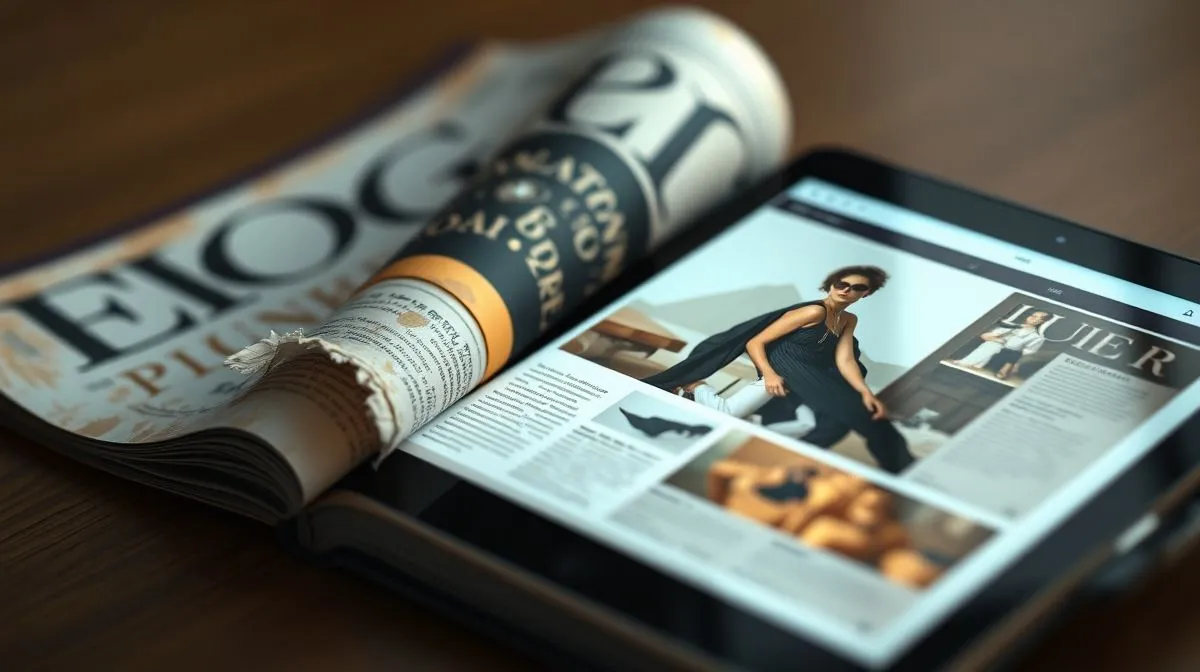
How to Adapt Luxury PR for Declining High Fashion Print Media?
For over two decades in the luxury fashion industry, I've had a front-row seat to its spectacular evolution. I remember the days when the arrival of the September issue was an event, a bible for brand visibility and prestige. Full-page spreads in Vogue, Harper's Bazaar, or W were the holy grail, non-negotiable pillars of a luxury brand's PR strategy.
However, the landscape has fundamentally shifted. We're witnessing an undeniable, accelerating decline in high fashion print media readership and advertising revenue. This isn't just a challenge; it's a seismic shift that renders traditional luxury PR playbooks obsolete, leaving many brands scrambling to find new, effective ways to maintain their exclusivity, desirability, and market presence.
In this definitive guide, I will share the strategies, frameworks, and mindset shifts I've seen successful luxury brands employ to not just survive but thrive in this new era. You'll gain actionable insights into redefining your PR approach, leveraging digital platforms, fostering authentic connections, and truly measuring the impact of your efforts beyond the fading glossy page.
Beyond the Page: Embracing Digital-First Storytelling & Platforms
The first, and perhaps most critical, adaptation for luxury PR is a complete pivot to digital-first storytelling. Print offered a controlled, curated environment; digital demands agility, authenticity, and engagement. It's no longer about getting a mention; it's about crafting an immersive narrative that resonates directly with your audience wherever they are.
Key considerations for digital storytelling:
- Rich Media Content: Invest heavily in high-quality video, interactive lookbooks, 360-degree product views, and immersive web experiences. Think cinematic short films for collections, behind-the-scenes documentaries on craftsmanship, or virtual reality fashion shows.
- Platform-Specific Optimisation: Content must be tailored to the nuances of each platform – TikTok's rapid-fire authenticity, Instagram's visual storytelling, YouTube's long-form narrative capabilities, and even LinkedIn for thought leadership.
- SEO and Content Marketing Integration: Your owned digital channels (website, blog) become critical PR assets. Optimize product descriptions, blog posts, and brand stories with relevant keywords to ensure discoverability.
“In the digital age, your brand's story isn't just told; it's experienced, shared, and co-created with your audience. Authenticity is the new luxury.”
According to a report by Deloitte, digital channels now influence over 50% of luxury purchases, underscoring the imperative for a robust online presence. This isn't just about sales; it's about building and maintaining brand perception.
The Power of Visual Narratives on Social Media
Social media platforms have become the new 'glossy pages' for luxury. But it's not just about static images anymore. Brands must master the art of dynamic, engaging visual narratives.
- Curated Instagram Grids & Reels: Maintain the aspirational aesthetic while embracing Reels for short, engaging, and often raw glimpses.
- YouTube Channels as Brand Hubs: Use YouTube for longer-form content – interviews with designers, atelier tours, campaign films, and styling tips.
- Emerging Platforms: Keep an eye on new platforms like TikTok or even metaverse spaces for experimental PR opportunities, understanding that early adoption can yield significant first-mover advantage.
Influencer Relations Reinvented: Quality Over Quantity & Micro-Focus
The era of blanket influencer gifting and generic partnerships is over, especially for luxury. As I've observed, consumers, particularly in the luxury segment, are increasingly discerning. They crave authenticity and genuine connection, not just celebrity endorsement.
Strategies for effective luxury influencer relations:
- Micro and Nano-Influencers: These individuals often have highly engaged, niche audiences that align perfectly with specific luxury segments. Their recommendations carry more weight due to perceived authenticity and relatability.
- Long-Term Partnerships: Move beyond one-off campaigns. Foster genuine, enduring relationships with influencers who truly embody your brand's values. This creates brand advocates, not just paid promoters.
- Co-Creation: Involve influencers in the creative process – from product development feedback to campaign conceptualization. This deepens their investment and results in more authentic content.
- Transparent Disclosure: Always ensure clear disclosure of paid partnerships. Trust is paramount in luxury, and hidden endorsements erode it rapidly.
Case Study: Elevating 'Atelier Lumière' Through Micro-Influencers
Atelier Lumière, a fictional boutique haute joaillerie brand known for its intricate, handcrafted pieces, faced a challenge in reaching a younger, globally-minded clientele through traditional print. They shifted their PR strategy to focus on a network of 10-15 carefully selected micro-influencers (with 20k-100k followers) who specialized in art, independent design, and sustainable luxury. Instead of gifting, Atelier Lumière invited these influencers for immersive atelier visits, allowing them to experience the craftsmanship firsthand and co-create unique content (e.g., short documentaries, 'day in the life' stories). This authentic approach led to a 400% increase in qualified website traffic from influencer channels and a 15% increase in direct-to-consumer sales within six months, demonstrating the power of deep, meaningful connections over broad reach.
Data-Driven PR: Measuring Impact Beyond Impressions
One of the most significant advantages of digital PR is the ability to track and measure virtually everything. This moves luxury PR from a 'soft' investment to a strategic, ROI-driven function. We can no longer rely solely on press clippings as a measure of success.
Key metrics to track:
- Website Traffic & Engagement: Track direct referrals from PR placements, time on page for brand stories, and conversion rates.
- Social Media Reach & Engagement: Beyond follower counts, measure likes, comments, shares, saves, and sentiment analysis.
- Brand Mentions & Sentiment: Utilize listening tools to monitor online conversations about your brand, assessing both volume and tone.
- Media Value Equivalency (MVE) – Reimagined: While MVE from print is outdated, a new MVE can be calculated for digital by comparing earned media with paid ad costs for similar reach and engagement, focusing on quality interactions.
As Seth Godin often says, “Marketing is no longer about the stuff that you make, but about the stories you tell.” And now, we can measure how those stories resonate.
Experiential PR: Crafting Unforgettable Offline & Hybrid Moments
While print media declines, the desire for exclusive, tangible experiences remains a cornerstone of luxury. Experiential PR bridges the gap between the digital and physical worlds, creating buzz that translates into shareable content.
Ideas for luxury experiential PR:
- Immersive Pop-Up Activations: Create temporary, highly Instagrammable spaces that offer unique brand experiences, limited edition products, or interactive displays.
- Exclusive Private Events: Host intimate dinners, atelier tours, or bespoke styling sessions for top clients, VIPs, and select influencers.
- Hybrid Experiences: Combine physical events with digital components, such as livestreaming fashion shows, offering virtual try-ons at in-store events, or creating augmented reality experiences.
“Luxury is not just about ownership; it's about belonging to an exclusive world of unique experiences and elevated taste.”
Sustainability & Purpose-Driven Narratives: The New Luxury Language
Today's luxury consumer, particularly the affluent millennial and Gen Z demographic, places immense value on sustainability, ethical sourcing, and brand purpose. This isn't a trend; it's a fundamental shift in values that luxury PR must embrace.
How to integrate purpose into luxury PR:
- Transparent Supply Chains: Showcase your commitment to ethical production, sustainable materials, and fair labor practices. Use storytelling to highlight the artisans and processes behind your products.
- Environmental & Social Impact: Communicate your brand's initiatives in reducing its carbon footprint, supporting local communities, or contributing to social causes.
- Authentic Partnerships: Collaborate with NGOs, environmental organizations, or social enterprises that align with your brand's values, creating credible and impactful narratives.
A study published by McKinsey & Company highlighted that consumers are increasingly willing to pay more for sustainable brands, making purpose a powerful PR differentiator.
The Rise of Owned Media: Building Your Brand's Ecosystem
With external media channels in flux, luxury brands must invest heavily in building and nurturing their own media ecosystems. This provides direct control over messaging, aesthetics, and the customer journey, reducing reliance on third parties.
Components of a strong owned media strategy:
- Brand Website & Blog: Your website should be a destination, not just a storefront. Feature rich editorial content, brand stories, interviews, and behind-the-scenes glimpses. Your blog can act as a luxury lifestyle magazine, curated by your brand.
- Email Marketing: Build a highly segmented email list to deliver exclusive content, early access to collections, and personalized communications.
- Podcasts & Webinars: Explore audio and video content formats that allow for deeper dives into brand heritage, craftsmanship, or industry thought leadership.
- Brand Apps: Develop exclusive apps that offer personalized shopping experiences, loyalty programs, or augmented reality features.
By owning your narrative channels, you create a direct line to your most valuable consumers, fostering loyalty and advocacy.
Crisis Communication in the Digital Age: Agility and Authenticity
The speed of information in the digital age means that a luxury brand's reputation can be built or shattered in moments. Traditional crisis PR, with its slow response times, is no longer viable. Agility, transparency, and authenticity are paramount.
Principles for modern luxury crisis communication:
- Proactive Monitoring: Utilize social listening tools to detect potential issues early.
- Rapid Response: Develop clear protocols for quick, decisive, and empathetic responses across all digital channels.
- Transparency & Accountability: Acknowledge mistakes, take responsibility, and communicate concrete steps for remediation. Evasion or defensiveness will only amplify negative sentiment.
- Consistent Messaging: Ensure all spokespeople and digital channels deliver a unified message.
As I've learned from painful experiences, a crisis handled poorly can irrevocably damage brand equity, while one handled with grace and authenticity can even strengthen consumer trust.
Collaborative PR: Unexpected Partnerships for Broader Reach
Luxury PR can extend its reach beyond traditional fashion boundaries by exploring unexpected collaborations. This strategy introduces the brand to new audiences and reinforces its status as a cultural innovator.
Potential collaboration avenues:
- Art & Culture: Partner with renowned artists, galleries, or cultural institutions for limited edition collections, exhibitions, or sponsored events.
- Technology: Explore collaborations with leading tech companies for innovative product integrations, digital experiences, or metaverse activations.
- Automotive & Hospitality: Joint ventures with luxury car brands, high-end hotels, or exclusive travel experiences can create aspirational narratives.
- Wellness & Lifestyle: Partner with premium wellness brands, Michelin-starred chefs, or exclusive fitness studios to tap into the holistic luxury market.
These cross-industry partnerships generate fresh narratives, expand media coverage to new sectors, and position the luxury brand at the intersection of diverse cultural conversations.
Frequently Asked Questions (FAQ)
Question: Is print media entirely dead for luxury PR, or does it still hold any value? While its influence has significantly diminished, print is not entirely 'dead' for luxury. It has transitioned from a primary outreach channel to a niche, prestige play. Select, high-gloss publications can still serve as a curated archive of brand history or offer a powerful, tactile experience for a very specific, traditional demographic. However, the ROI on print advertising or editorial placements must be scrutinized far more rigorously, and it should certainly not be the cornerstone of your strategy. Think of it as a complementary, highly selective tool, not the main engine.
Question: How do we measure the true ROI for digital luxury PR beyond vanity metrics like likes? Measuring ROI for digital luxury PR requires moving beyond superficial metrics. Focus on quantifiable business outcomes. Track website traffic referrals from PR efforts, analyze conversion rates (e.g., newsletter sign-ups, product page views, e-commerce sales directly attributed to PR initiatives), monitor brand sentiment shifts, and measure audience engagement quality (comments, shares, saves, time spent on content) rather than just reach. Employ sophisticated attribution models to understand the multi-touchpoint journey of a luxury consumer.
Question: What's the biggest mistake luxury brands make when trying to adapt their PR for the digital age? The biggest mistake I've observed is attempting to simply port traditional print content onto digital platforms without understanding the unique nuances of each. Digital isn't just another distribution channel; it's a completely different communication paradigm. Brands often fail to embrace authenticity, agility, and audience engagement, instead pushing highly polished, one-way messaging that feels out of place in a dynamic, interactive digital environment. They treat social media like a billboard rather than a conversation.
Question: How important is authenticity when working with luxury influencers, and how can brands ensure it? Authenticity is paramount, especially in luxury. Consumers can spot inauthenticity from a mile away, which can severely damage a brand's prestige. To ensure it, brands must: 1) Select influencers whose personal brand genuinely aligns with the luxury brand's values, not just their follower count. 2) Foster long-term relationships rather than one-off transactions. 3) Provide creative freedom and encourage genuine expression, rather than dictating every word. 4) Prioritize transparency and clear disclosure of partnerships. True authenticity comes from a shared passion, not just a paycheck.
Question: Should luxury brands engage in social commentary or political issues, and how does this affect PR? This is a complex and often polarizing question. My advice is that luxury brands should engage in social commentary only if it aligns authentically with their core values and long-term brand purpose. Superficial or opportunistic engagement can backfire severely. If a brand has a genuine, consistent commitment to a cause (e.g., sustainability, diversity), then thoughtful, nuanced commentary can strengthen its connection with value-driven consumers. However, if the brand's stance is not deeply integrated into its DNA, it's often safer to focus on its craft and heritage, or risk alienating segments of its clientele. Transparency and careful consideration are key.
Recommended Reading
- Lab-Grown Diamonds Soaring? 7 Strategies for Natural Stone Sales
- Apple Picking Perfection: Best Fall Accessories for Your Outfit
- Unlock Peak Performance: Why Moisture-Wicking is Crucial for Activewear Comfort
- Unlocking the Secret: How Fashion Jewelry Trends Shape Design
- Unlock the Secret: How to Prevent Platinum Jewelry from Scratching Easily
Key Takeaways and Final Thoughts
The world of luxury PR is undergoing a profound transformation, moving away from its traditional reliance on high fashion print media. This shift, while challenging, presents unprecedented opportunities for innovation and deeper connection with discerning consumers. Here are the critical takeaways:
- Digital-First Mindset: Embrace digital platforms as your primary canvases for storytelling, leveraging rich media and platform-specific optimization.
- Authentic Influencer Engagement: Prioritize quality over quantity, fostering genuine, long-term relationships with micro-influencers and co-creating content.
- Data-Driven Decisions: Move beyond vanity metrics to measure true ROI, focusing on website traffic, conversions, and sentiment analysis.
- Experience is Everything: Craft unforgettable offline and hybrid experiential moments that generate buzz and shareable content.
- Purpose-Driven Narratives: Weave sustainability, ethics, and social responsibility into your brand's core messaging.
- Build Your Owned Ecosystem: Invest in your website, blog, and other direct channels to control your narrative and audience relationship.
- Agile Crisis Communication: Be prepared to respond swiftly, transparently, and authentically to maintain brand reputation in real-time.
- Strategic Collaborations: Explore unexpected cross-industry partnerships to broaden reach and cultural relevance.
The future of luxury PR isn't about mourning the decline of print; it's about embracing the boundless possibilities of the digital age with foresight, creativity, and a steadfast commitment to authenticity. By adapting these strategies, your luxury brand won't just survive; it will redefine prestige for the next generation, continuing to captivate and inspire in an ever-evolving media landscape.

Your email address will not be published. Required fields are marked *