

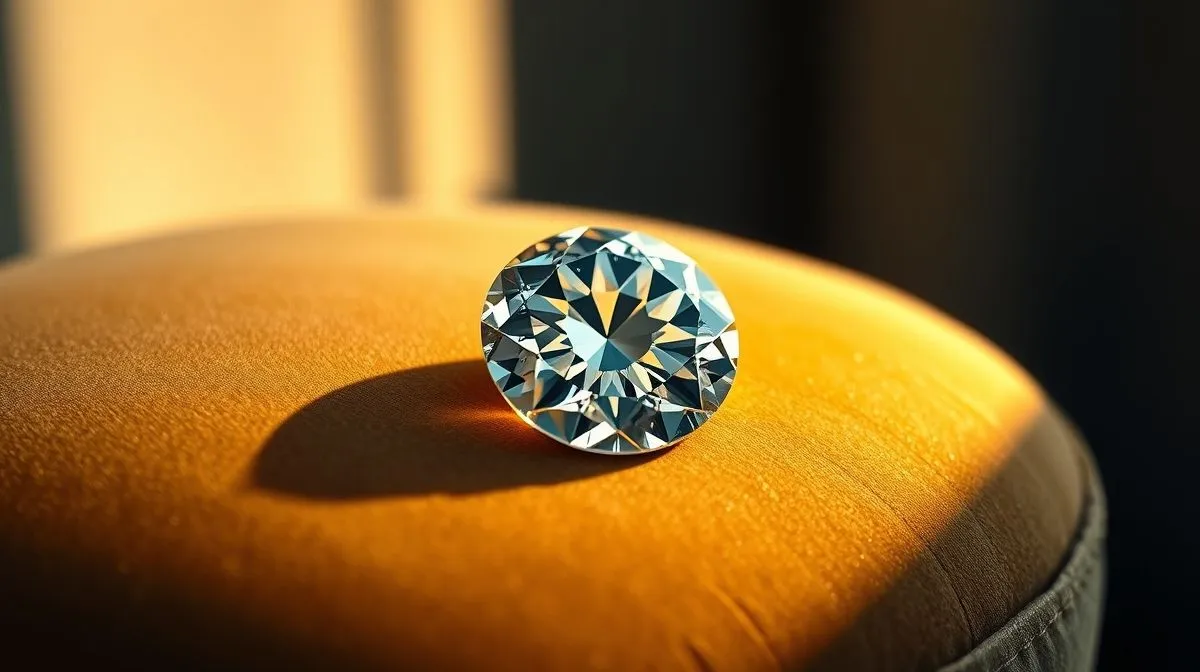
What to do when lab-grown diamond demand impacts natural stone sales?
For over three decades in the intricate world of bridal fashion, I've witnessed countless shifts – from design trends to sourcing ethics. One constant has been the enduring allure of the natural diamond. Yet, today, many of you, my colleagues and friends in the industry, are grappling with an unprecedented challenge: the meteoric rise of lab-grown diamonds and the very real question of what to do when lab-grown diamond demand impacts natural stone sales.
I understand the apprehension. This isn't just a fleeting trend; it’s a significant market redefinition. The fear is palpable: Will natural diamonds become obsolete? Will your carefully curated inventory lose its value? These are valid concerns that, if left unaddressed, can indeed erode your business.
But here's what I've learned through every market fluctuation: disruption isn't the end; it's an invitation to innovate. This comprehensive guide isn't about ignoring the shift or resisting it; it’s about providing you with actionable, expert-backed frameworks to not just survive, but to truly thrive. We'll explore strategies that leverage your unique strengths, re-articulate the irreplaceable value of natural stones, and ultimately, secure your position in a rapidly evolving market.
Understanding the Modern Bridal Landscape
Before we devise solutions, we must first deeply understand the landscape we're navigating. The bridal market is no longer solely driven by tradition; it's a complex interplay of values, aesthetics, and increasingly, ethical considerations. The emergence of lab-grown diamonds isn't just about price point; it reflects a deeper shift in consumer priorities.
The Shifting Consumer Mindset
Today's couples, particularly millennials and Gen Z, are more informed and value-driven than ever. They research extensively, compare options, and prioritize transparency. While affordability is a factor, their decision-making process is also heavily influenced by perceived sustainability, ethical sourcing, and the narrative behind their purchase. Lab-grown diamonds, with their clear origin stories and often lower price tag for similar carat weight, have tapped into these evolving preferences.
Beyond Price: Values and Perceptions
It's a mistake to view the lab-grown phenomenon solely through the lens of cost. Many consumers genuinely believe they are making a more 'responsible' choice. This perception, whether fully accurate or not, is a powerful driver. Your challenge, and opportunity, is to re-educate and re-engage these consumers by highlighting the unique, intrinsic values of natural diamonds that lab-grown alternatives simply cannot replicate.
Re-Articulating the Irreplaceable Value of Natural Diamonds
When lab-grown diamond demand impacts natural stone sales, your first line of defense is to reinforce what makes natural diamonds unique. This goes beyond 'rare' and delves into the poetic and scientific marvel.
- Geological Miracle: Emphasize that natural diamonds are billions of years old, formed deep within the Earth's mantle under immense pressure and heat. They are a tangible piece of geological history, a true miracle of nature.
- Rarity & Uniqueness: No two natural diamonds are exactly alike. Each possesses unique inclusions and characteristics, making it truly one-of-a-kind. This contrasts with the mass-produced nature of lab-grown diamonds.
- Legacy & Heritage: Natural diamonds carry a story of timelessness, passed down through generations. They represent enduring love, tradition, and a connection to the past.
- Intrinsic Value & Appreciation: While no investment is guaranteed, natural diamonds have historically retained and often appreciated in value over long periods, unlike lab-grown diamonds whose resale market is currently nascent and uncertain.
“The true value of a natural diamond isn't just in its sparkle, but in its story – a story billions of years in the making, waiting to be woven into a new legacy.”
Elevating the In-Store Experience: From Transaction to Education
Your physical showroom or boutique remains a powerful asset, especially when facing digital competition. It's where you can offer an immersive, educational, and emotionally resonant experience that online-only retailers or generalized jewelers cannot. This is crucial for what to do when lab-grown diamond demand impacts natural stone sales.
- Empower Your Sales Team as Educators: Your staff must be more than salespeople; they need to be passionate educators and storytellers. Invest in comprehensive training on geology, the history of diamonds, ethical sourcing practices, and the distinct value propositions of both natural and lab-grown stones. They should be able to articulate the 'why' behind a natural diamond purchase with confidence and empathy.
- Interactive Displays: Create engaging displays that highlight the origin and journey of a natural diamond. Use visual aids, videos, and even microscopes to allow customers to explore the unique characteristics of natural stones.
- Personalized Consultations: Move beyond a transactional sale. Offer in-depth, one-on-one consultations where you listen to the couple's story, understand their values, and guide them towards a choice that aligns with their personal narrative, whether it's a natural diamond, or a thoughtful blend.
- Sensory Engagement: The tactile experience of trying on different settings and feeling the weight and presence of a natural diamond is irreplaceable. Focus on the luxury, the feel, and the emotion of the moment.
According to a study published by Harvard Business Review, customers who have a positive emotional experience with a brand are more likely to recommend it and make repeat purchases. This emotional connection is your competitive edge.
Strategic Marketing & Storytelling in a Digital Age
In a world saturated with digital noise, your ability to tell a compelling story about natural diamonds is paramount. This isn't about countering lab-grown diamonds directly, but about amplifying your unique message.
Crafting Compelling Narratives
Shift your marketing focus from just the 4Cs to the 4Es: Exclusivity, Emotion, Ethics, and Endurance. Share stories of specific mines, the journey of a diamond from rough to polished, and the artisans who craft the settings. Highlight the role of natural diamonds in creating sustainable livelihoods for communities where they are sourced. Showcase real couples who chose natural diamonds for their enduring symbolism.
Leveraging Digital Platforms
Your online presence must reflect this elevated narrative. Use high-quality photography and video that captures the unique sparkle and character of natural diamonds. Create blog content that educates consumers on the differences, the value, and the legacy. Leverage social media to share behind-the-scenes glimpses of your craft and testimonials from satisfied clients. SEO for 'what to do when lab-grown diamond demand impacts natural stone sales' will lead them to your expert insights.
Case Study: The Seraphina Bridal Story
Seraphina Bridal, a multi-generational independent jeweler, found their natural diamond sales stagnating amidst a surge in lab-grown interest. Instead of slashing prices, they invested heavily in content marketing and staff education. They launched a blog series, 'The Earth's Embrace,' detailing the geological marvels of natural diamonds and their ethical sourcing. Their Instagram shifted from product shots to showcasing the journey of a diamond, paired with intimate stories of love and legacy. Their sales associates underwent intensive training, becoming 'Diamond Storytellers.' Within 18 months, their natural diamond sales not only stabilized but saw a 15% increase, driven by a new segment of highly educated and value-aligned clientele who sought authentic, meaningful purchases.
Curated Inventory & Complementary Offerings
When lab-grown diamond demand impacts natural stone sales, it doesn't mean you abandon natural stones. It means you curate your offerings more thoughtfully and diversify your value proposition.
Consider:
- Unique Natural Stones: Focus on rare cuts, fancy colored diamonds, or unique natural inclusions that make a stone truly distinct. These are pieces that lab-grown technology struggles to replicate with the same character.
- Estate & Vintage Jewelry: Highlight the circular economy aspect of repurposing existing natural diamonds. These pieces carry history, are inherently sustainable, and offer unparalleled character.
- Complementary Services: Offer bespoke design services, expert appraisals, cleaning and maintenance packages, and re-setting options. These services add tangible value beyond the diamond itself and foster long-term client relationships.
- Tiered Options: While focusing on natural diamonds, you might also consider offering a small, highly curated selection of lab-grown diamonds to cater to all client needs, positioning them as a distinct, modern alternative rather than a direct competitor to your natural inventory. This allows you to capture the full spectrum of the market, ensuring you can still help clients who specifically seek lab-grown, while maintaining your primary focus.
According to the Deloitte Global Powers of Luxury Goods report, consumers are increasingly seeking unique, personalized, and ethically conscious luxury items, a space where natural diamonds, when properly positioned, excel.
Building Trust Through Transparency and Certification
Trust is your most valuable currency, especially in a market where consumers are wary. This is a critical component of what to do when lab-grown diamond demand impacts natural stone sales.
The Role of GIA, AGS, and Other Certifications
Always provide clear, legitimate certification from reputable, independent grading laboratories like GIA (Gemological Institute of America) or AGS (American Gem Society) for all your natural diamonds. These certifications provide an objective assessment of the 4Cs and authenticate the stone's natural origin. Educate your customers on what these certifications mean and why they are important for value and authenticity.
Ethical Sourcing and Sustainability Narratives
The 'blood diamond' narrative, though largely outdated due to initiatives like the Kimberley Process, still lingers in consumer minds. Proactively address this by transparently sharing your ethical sourcing policies. Highlight your commitment to responsible mining practices, environmental stewardship, and community development programs in diamond-producing regions. Many natural diamond companies are investing heavily in these areas, and their stories are powerful. Transparency builds confidence and distinguishes you from less scrupulous actors. For more information on ethical sourcing, refer to resources from GIA.
The Power of Collaboration and Community
No business operates in a vacuum. Building strong relationships within your local community and the wider bridal industry can open new avenues for growth and resilience.
- Local Partnerships: Collaborate with wedding planners, photographers, florists, and bridal gown boutiques. Cross-promotional efforts can introduce your business to new audiences who are already in the mindset of planning a wedding. Offer exclusive packages or events together.
- Community Engagement: Host workshops on diamond education, jewelry care, or even engagement proposal planning. Position yourself as a trusted resource and an integral part of your community.
- Industry Associations: Be an active member of trade organizations. Share insights, learn from peers, and collectively advocate for the natural diamond industry. Strength in numbers can help shape market narratives.
As Forbes often highlights, strategic partnerships can unlock new market segments and enhance brand credibility, particularly for small to medium-sized businesses.
Adapting Your Pricing Strategy Without Devaluing Natural Stones
It's tempting to engage in a price war when lab-grown diamond demand impacts natural stone sales, but this is a dangerous path. Instead, focus on value-based pricing.
“Price is what you pay. Value is what you get. For natural diamonds, the value extends far beyond the monetary figure.”
- Emphasize Lifetime Value: Discuss the longevity of a natural diamond, its potential for appreciation, and the services you offer over its lifetime (cleaning, inspection, re-setting). This frames the purchase as a long-term investment, not a one-time transaction.
- Bundle Value-Added Services: Instead of discounting the diamond, consider bundling services like complimentary appraisals, insurance referrals, or a free annual cleaning for life. These add perceived value without eroding the diamond's price.
- Educate on Resale Market: Be honest about the current resale market for lab-grown diamonds (virtually non-existent for value retention) versus the established, albeit fluctuating, secondary market for natural diamonds. This positions natural diamonds as a more sound long-term asset.
Understanding the nuances of consumer spending and market trends, particularly how luxury goods are valued, is key. Recent reports from consulting firms like Bain & Company consistently emphasize that the luxury market thrives on perceived value, exclusivity, and heritage, rather than just raw price competition.
Frequently Asked Questions (FAQ)
Are natural diamonds truly losing their value, or is this just a market perception? While the immediate market for new natural diamonds has seen some shifts due to lab-grown popularity, their intrinsic value as rare, geological wonders with historical appreciation remains. The 'loss of value' is more a market perception influenced by aggressive lab-grown marketing and a focus on price. Historically, natural diamonds have retained and often grown in value over the long term, unlike lab-grown diamonds, which are a manufactured product with a rapidly depreciating value in the secondary market. Your role is to educate on this distinction and the long-term asset value of natural stones.
How do I train my staff to sell both types of diamonds effectively without devaluing natural stones? The key is education and positioning. Train staff to understand the unique value propositions of both – natural diamonds for their rarity, heritage, and enduring value; lab-grown for their affordability and modern appeal. They should be transparent and knowledgeable about origins, formation, and market realities. The goal isn't to disparage lab-grown, but to passionately articulate the irreplaceable qualities of natural diamonds, allowing the customer to make an informed choice based on their values and priorities. Frame it as offering a comprehensive solution for every client's dream.
Should I stop stocking natural diamonds entirely and pivot solely to lab-grown? Absolutely not. This would be a premature and potentially detrimental decision. Natural diamonds still command a significant market share, especially among those who value tradition, legacy, and true rarity. While it's wise to acknowledge and potentially carry a curated selection of lab-grown options, abandoning natural diamonds would alienate a substantial portion of your existing and potential clientele. Your strategy should be about smart adaptation and diversification, not complete abandonment. What to do when lab-grown diamond demand impacts natural stone sales is about balance and strategic positioning.
What's the future for small, independent jewelers in this changing landscape? Small, independent jewelers are uniquely positioned to thrive. They can offer personalized service, curate unique natural diamond collections, and build deep, trust-based relationships that larger chains often struggle to replicate. Their agility allows them to adapt quickly to market shifts, tell authentic stories, and focus on niche markets that value bespoke craftsmanship and ethical sourcing. The future is bright for those who embrace their unique strengths and focus on delivering unparalleled value and experience.
How can I appeal to younger buyers who seem to prefer lab-grown diamonds for ethical reasons? Appeal to them through authenticity and transparency. Highlight the ethical advancements in natural diamond mining, the positive impact on communities, and the environmental stewardship efforts in the industry. Emphasize the circularity of natural diamonds through estate and vintage pieces, promoting sustainability through longevity and reuse. Share the unique story of your natural diamonds and your commitment to responsible practices. Often, perceived ethical superiority of lab-grown is due to a lack of complete information about natural diamond sourcing.
Recommended Reading
- Sweaty Feet? Discover the Best Shoe Materials for Ultimate Comfort!
- Ultimate Guide: Best Men's Skincare Routine for Sensitive Skin
- 7 Steps to Liquidate Unsold Wedding Dresses Profitably: An Expert's Guide
- 7 Red Carpet Style Mistakes: How They Ruin a Business Professional's Image
- Unlock Profit: How to Avoid Missing Crucial Fashion Trend Shifts?
Key Takeaways and Final Thoughts
The rise of lab-grown diamonds is undoubtedly a significant shift, but it's not a death knell for natural stone sales. It's a powerful catalyst for innovation and a call to redefine your value proposition.
- Re-Educate and Re-Articulate: Focus on the unique, irreplaceable attributes of natural diamonds – their geological marvel, rarity, and legacy.
- Elevate the Experience: Transform your sales process into an educational, emotionally resonant journey. Your expertise is your greatest asset.
- Strategic Storytelling: Craft compelling narratives that highlight authenticity, ethical sourcing, and the enduring symbolism of natural diamonds.
- Curate and Diversify: Offer unique natural pieces and consider complementary services, rather than engaging in a price race.
- Build Trust: Leverage certifications and transparent ethical sourcing to build unwavering customer confidence.
I've seen the bridal industry evolve through countless cycles. The businesses that flourish are those that don't just react to change, but actively shape their response with foresight, integrity, and a deep understanding of their product and their customer. By embracing these strategies, you won't just learn what to do when lab-grown diamond demand impacts natural stone sales; you'll redefine your success and ensure the timeless sparkle of natural diamonds continues to illuminate the path for generations to come.


Your email address will not be published. Required fields are marked *