


What red carpet style mistakes ruin a business professional's image?
For over two decades in the luxury fashion industry, advising high-profile individuals and corporate leaders, I've had a front-row seat to the intricate dance between personal style and professional gravitas. I've witnessed countless moments where a brilliant mind, a sharp negotiator, or an innovative leader inadvertently sabotaged their own powerful message, not with words, but with an errant sartorial choice. It's a subtle but potent form of self-sabotage, often played out on the very stages designed to elevate one's status – the red carpet, the gala, the high-stakes industry event.
The pain point is palpable: you've worked tirelessly to build your reputation, to cultivate an image of competence, trustworthiness, and vision. Yet, in environments where every detail is magnified, a single style misstep can erode that meticulously crafted perception, creating a dissonance between who you are and how you appear. It's not about vanity; it's about the silent language of influence, where your attire speaks volumes before you utter a single word.
In this definitive guide, I will share the critical insights and actionable frameworks necessary to navigate these high-visibility events with flawless precision. We'll dissect the common red carpet style mistakes that ruin a business professional's image, offering not just warnings but concrete strategies, case studies, and expert advice to ensure your presence is always an asset, never a liability. Prepare to transform your approach to executive dressing, ensuring your style amplifies your professional power.
The Peril of Ill-Fitting Garments: A Foundation of Failure
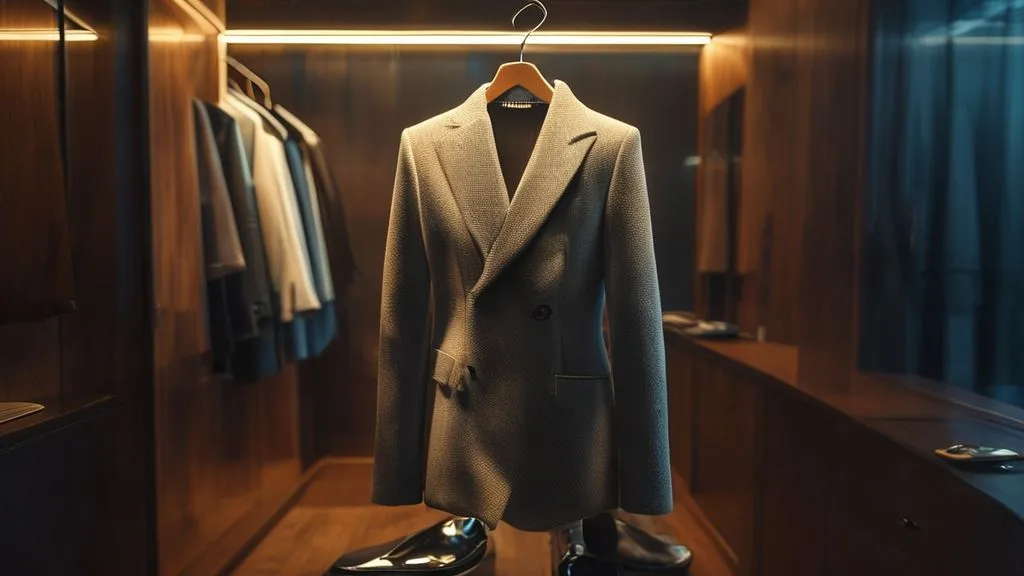
In my experience, the single most destructive red carpet style mistake, regardless of the occasion or the individual, is ill-fitting clothing. It’s a fundamental flaw that undermines every other effort at elegance or professionalism. A suit that’s too baggy whispers 'sloppy,' while one that's too tight screams 'uncomfortable' and 'unprepared.' Neither conveys the authority or precision a business professional needs.
The Tailoring Imperative: Your Secret Weapon
Luxury fashion understands that fit is paramount. Off-the-rack garments are designed for a statistical average, not your unique physique. This is where a skilled tailor becomes an indispensable partner in your professional journey. They don't just hem trousers; they sculpt fabric to flatter your frame, ensuring clean lines and a silhouette that projects confidence and control.
- Shoulder Seams: Ensure they sit precisely at the edge of your natural shoulder. Anything wider or narrower distorts your posture.
- Sleeve Length: For jackets, the sleeve should end where your wrist meets your hand, allowing about a quarter to half-inch of shirt cuff to show.
- Trouser Break: Aim for a 'no break' or 'slight break' – trousers that gently skim the top of your shoes without puddling.
- Jacket Closure: When buttoned, your jacket should close comfortably without pulling or creating 'X' wrinkles across the torso.
- Waist Fit: Trousers or skirts should sit comfortably at your natural waist without needing a belt to stay up, or creating a 'muffin top' effect.
Case Study: How Sarah M. Transformed Her Brand with Proper Fit
Sarah M., a rising tech CEO, approached me feeling frustrated. Despite wearing designer brands, she felt her presence at industry events wasn't resonating. Her clothes seemed to wear her, rather than the other way around. After a comprehensive style audit, we identified the core issue: ill-fitting garments. Her suits were consistently a size too large, her dresses too long, and her blouses billowed. We embarked on a tailoring overhaul, investing in bespoke adjustments for her existing wardrobe and ensuring all new purchases were immediately taken to a master tailor. Within six months, Sarah reported a dramatic shift. Colleagues commented on her newfound 'commanding presence,' and she felt an undeniable boost in confidence. Her refined silhouette allowed her intellect and leadership to shine unobstructed, proving that impeccable fit is not a luxury, but a strategic asset.
“Fit is not a trend; it is the timeless foundation of elegant and authoritative dressing. Neglect it, and you undermine your entire presentation.” – Industry Expert Insight
According to a study published in the Harvard Business Review, non-verbal cues, including appearance, significantly impact perceptions of competence and trustworthiness. A perfect fit communicates meticulousness and attention to detail, qualities highly valued in any business setting.
Over-Accessorizing & Under-Accessorizing: The Goldilocks Zone of Adornment
The line between tasteful accentuation and visual clutter is exceptionally fine, especially on a red carpet. One of the most common red carpet style mistakes I observe is either piling on too many distracting elements or, conversely, neglecting accessories altogether, leaving an outfit feeling incomplete. The goal is balance, to find that 'Goldilocks Zone' where accessories enhance, rather than overwhelm, your professional image.
The Statement Piece vs. The Clutter
A single, well-chosen statement piece can elevate an entire ensemble, drawing the eye to a point of interest and reflecting your discerning taste. Think a striking watch, an elegant pocket square, a sophisticated pair of earrings, or a unique brooch. The mistake arises when you combine multiple competing statement pieces, creating a chaotic visual narrative that detracts from your professional message.
- Too many rings: Distracts from hand gestures and can appear ostentatious.
- Multiple large necklaces or bracelets: Creates noise and overpowers the neckline or sleeves.
- Overly elaborate cufflinks and tie pins: While details matter, an abundance can look fussy.
- Mismatching metal tones: Stick to one dominant metal for continuity (e.g., all silver, all gold).
- Neglecting accessories entirely: Can make an outfit feel unfinished, lacking personality or polish.
As marketing guru Seth Godin often says, "People do not buy goods and services. They buy relations, stories, and magic." Your accessories tell a story; ensure it's one of refined taste, not disarray.
Ignoring the Event's Dress Code: A Sign of Disrespect
Every red carpet event, every gala, every significant industry dinner comes with an unspoken, or often explicitly stated, dress code. Failing to adhere to it is not merely a fashion faux pas; it's a profound sign of disrespect to the hosts, the occasion, and the other attendees. It signals a lack of understanding of social cues and a disregard for the established norms of high-level professional engagement, which is a critical red carpet style mistake.
Decoding the Invitation: Beyond the Obvious
Understanding dress codes requires more than just reading the words on the invitation. It requires contextual intelligence. 'Black Tie' for a corporate awards ceremony might be interpreted differently than 'Black Tie' for a Hollywood premiere. Research the event, the venue, and the typical attire of attendees. When in doubt, it’s almost always better to be slightly overdressed than underdressed.
- Black Tie: For men, a tuxedo (black or midnight blue), white dress shirt, black bow tie, black dress shoes. For women, a formal floor-length gown or a sophisticated cocktail dress.
- Cocktail Attire: For men, a dark suit (navy, charcoal) with a dress shirt and tie. For women, a knee-length or midi-length elegant dress, a dressy pantsuit, or a skirt and top ensemble.
- Business Formal: For men, a dark suit, dress shirt, conservative tie. For women, a tailored suit, a professional dress, or a skirt suit. This is less common for red-carpet events but essential for related dinners.
- Creative Black Tie: Allows for more personality within the black-tie framework, such as a patterned bow tie, a velvet jacket, or a gown with unique embellishments. Still, maintain elegance.
A recent survey by Forbes indicated that 70% of executives believe adhering to dress codes reflects professionalism and respect for others' time and effort. This underscores the subtle but powerful impact of compliance.
Hair, Makeup, & Grooming: The Unspoken Message
Your attire is only one component of your overall presentation. The finishing touches – your hair, makeup (if applicable), and general grooming – speak volumes about your attention to detail, self-care, and respect for the occasion. Neglecting these areas is a common red carpet style mistake that can undermine even the most exquisite outfit.
Polished from Head to Toe: The Devil is in the Details
For men, this means a fresh haircut, a clean shave or meticulously trimmed beard, and well-manicured hands. For women, it encompasses a styled, neat hairstyle, appropriate makeup that enhances rather than distracts, and clean, healthy nails. These elements collectively contribute to an aura of composure and preparedness, essential for a business professional.
“Your grooming is a non-negotiable aspect of your personal brand. It reflects discipline, meticulousness, and a commitment to excellence that extends beyond your core competencies.” – Industry Expert Insight
Consider these actionable steps for ensuring your grooming is always red-carpet ready:
- Hair: Ensure it's clean, styled, and doesn't require constant adjustment. For longer hair, consider an elegant updo or sleek, controlled waves. For shorter styles, ensure it’s freshly cut and neatly styled.
- Skin & Complexion: A well-hydrated, clear complexion is key. For makeup, aim for a natural, polished look that highlights your features without being overly dramatic or theatrical. Avoid heavy foundation or glitter.
- Hands & Nails: Clean, neatly trimmed nails are a must. For women, a neutral or classic red polish is always appropriate. For men, ensure nails are clean and buffed.
- Fragrance: Opt for a subtle, sophisticated scent. Avoid overpowering colognes or perfumes that might be offensive in close quarters. Less is always more.
- Teeth: Ensure your teeth are clean and bright. A confident smile is your best accessory.
The Fabric Fiasco: Wrinkles, Stains, and Cheap Material
Imagine the perfect suit or gown, impeccably tailored, in a stunning color. Now imagine it marred by visible wrinkles, a faint stain, or made from a fabric that puckers, shines unnaturally, or simply looks cheap under the lights. This is a critical red carpet style mistake that instantly diminishes your authority and perceived value. The quality and condition of your fabric are silent indicators of your standards.
Investing in Impeccable Textiles and Care
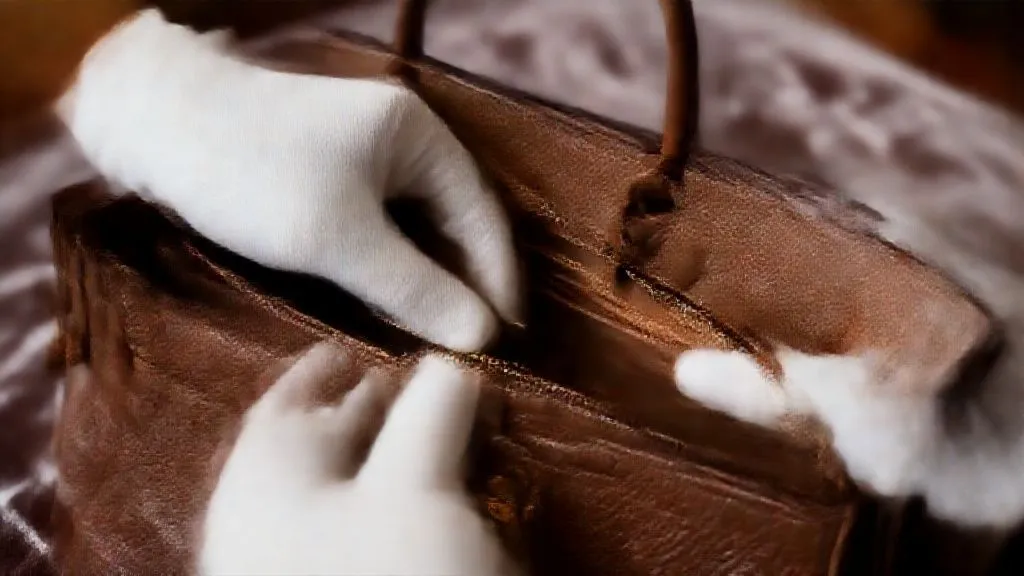
Luxury fashion emphasizes the tactile experience and the visual integrity of textiles. Wool, silk, cashmere, and high-quality cotton blends drape beautifully, resist wrinkles better, and convey a sense of refinement. Conversely, synthetic fabrics often wrinkle easily, don't breathe well, and can look dated or inexpensive, especially under flash photography.
- Wrinkle Prevention: Always hang garments immediately after wearing. For travel, use garment bags and consider portable steamers. Never arrive with visible creases or rumples.
- Stain Vigilance: Before leaving, do a quick check for any spills or marks. Carry a small stain remover pen for emergencies.
- Fabric Quality: Prioritize natural fibers or high-quality blends. These not only look better but also last longer and feel more comfortable.
- Proper Storage: Store formal wear in breathable garment bags to protect from dust and light, and use appropriate hangers to maintain shape.
As a seasoned expert, I've observed that investing in quality fabrics and maintaining them meticulously is not an expense, but an investment in your personal brand. It speaks to a commitment to excellence in every detail. For further insights on the impact of quality, consider research from the WGSN, a leading consumer trend forecaster, often highlighting the shift towards quality and sustainability in luxury.
Shoes and Socks: The Often-Overlooked Details that Betray
It's an age-old adage in fashion: people notice your shoes. And on a red carpet, where photographers capture every angle, this truth becomes even more pronounced. Scuffed, worn, or inappropriate footwear is a glaring red carpet style mistake that can instantly undermine an otherwise perfect ensemble. Similarly, the wrong socks can disrupt the entire visual flow and signal a lack of attention to detail.
The Foundation of Your Persona: Grounding Your Look
For men, this means polished, high-quality leather dress shoes (oxfords, loafers, or monk straps) in black or dark brown, matched appropriately to your suit. Socks should be dark, long enough to cover your calves when seated, and free of holes or pilling. For women, elegant closed-toe heels or sophisticated flats are generally preferred. Avoid overly casual shoes like open-toe sandals unless the event explicitly allows for it and your specific outfit warrants it.
- Cleanliness: Always ensure your shoes are immaculately clean and polished. A quick wipe-down or shine can make a huge difference.
- Condition: Check for scuffs, worn-down heels, or damaged leather. These are easy fixes that yield significant returns.
- Style Appropriateness: Match the formality of your shoes to the formality of your outfit and the event. Sneakers, even designer ones, are almost never appropriate for a red carpet business event.
- Sock/Hosiery Choice: For men, socks should match your trousers or shoes, and be long enough to prevent exposed skin when seated. For women, sheer black or nude hosiery can add a polished finish, especially with closed-toe shoes.
- Comfort: While style is key, ensure your shoes are comfortable enough to stand and walk in for extended periods. Agony will show on your face.
The subtle yet profound impact of footwear on perception is well-documented. A study from the University of Kansas, for instance, indicated that people can accurately judge personality traits based solely on a person's shoes. Ensure your shoes are telling the right story about you.
Brand Misalignment: When Your Style Contradicts Your Message
Perhaps the most insidious red carpet style mistake is not a specific garment, but a fundamental misalignment between your outward appearance and your core professional brand. If you present yourself as a minimalist innovator but wear flashy, overly ornate clothing, or if you champion sustainability but arrive in fast fashion, you create a confusing and ultimately untrustworthy message.
Dressing Your Professional Narrative
Your personal brand is your promise to the world. Your style should reinforce, not detract from, that promise. This requires introspection and strategic planning. Consider your industry, your company's values, your leadership style, and the message you want to convey. Are you a disruptor, a traditionalist, an empathetic leader, or a visionary? Your wardrobe should be a visual extension of that identity.
- Consistency: While you can adapt your style to different events, there should be an underlying consistency that is recognizably 'you' and aligned with your brand.
- Authenticity: Don't try to be someone you're not. Your style should feel authentic to your personality and professional role.
- Strategic Color & Texture: Colors evoke emotions and perceptions. Understand what different colors communicate in a professional context (e.g., navy for trustworthiness, grey for sophistication). Textures also play a role in perceived luxury and comfort.
- Subtle Storytelling: Use subtle elements to hint at your interests or values, such as a watch from a brand with a strong heritage, or a piece of jewelry that holds personal significance, but always within professional bounds.
As a luxury fashion expert, I often guide clients through this process, helping them articulate their professional narrative and then translating it into a cohesive, impactful wardrobe. It's about empowering your brand through every thread. The importance of authentic personal branding is continually highlighted by experts like Simon Sinek, who emphasize the 'why' behind everything we do, including how we present ourselves.
The 'Too Trendy' Trap: Sacrificing Timelessness for Fleeting Fads
In the world of luxury and high-stakes business, timeless elegance almost always trumps fleeting trends. Chasing every new fashion fad on a red carpet can lead to a significant red carpet style mistake: appearing out of touch, unprofessional, or even desperate to be relevant. While staying current is important, adopting overly trendy pieces for a formal business event can dilute your gravitas.
Classic vs. Current: Striking the Right Balance
The goal is to incorporate modern sensibilities without sacrificing the enduring power of classic silhouettes and styles. Think of it as a foundation of timeless pieces, subtly updated with contemporary accessories or cuts that reflect current tastes without being overtly 'of the moment.'
“True style for a business professional isn't about being fashionable; it's about being timelessly appropriate and subtly current. Trends fade, but gravitas endures.” – Industry Expert Insight
- Invest in Classics: A well-tailored black or navy suit, a classic white dress shirt, an elegant black dress, and high-quality leather accessories form the backbone of a timeless professional wardrobe.
- Subtle Updates: Incorporate trends through small elements like a modern tie pattern, a contemporary cut on a lapel (within classic bounds), or a fashionable handbag, rather than through the entire outfit.
- Longevity: Choose pieces that will look appropriate and sophisticated for years to come, not just for one season.
- Contextual Awareness: Some industries (e.g., creative, tech) might have more leeway for trendy elements, but for most formal business events, conservatism paired with quality is key.
The luxury market itself often emphasizes timelessness and craftsmanship over rapid trend cycles. Reports from major consulting firms like Deloitte's Global Powers of Luxury Goods consistently show that consumers value heritage, quality, and enduring style.
Frequently Asked Questions (FAQ)
How do I balance personal style with corporate expectations for a red carpet event? The key is integration, not sacrifice. Identify elements of your personal style (e.g., a preference for certain colors, minimalist aesthetic, a unique accessory) and integrate them subtly within the bounds of corporate formal wear. For instance, if you love bold colors, choose a deep jewel-toned tie or pocket square with a classic suit, or a gown in a rich, sophisticated hue. It's about expressing your individuality through nuance and quality, ensuring it enhances your professional image rather than detracting from it.
What's the most common style mistake senior executives make on a red carpet? In my observation, it's often a lack of attention to detail that stems from complacency or an assumption that their status exempts them from sartorial scrutiny. This manifests as ill-fitting garments (perhaps from weight changes), scuffed shoes, wrinkled shirts, or dated accessories. For senior executives, these small oversights can speak volumes about their current level of meticulousness and attention, impacting perceptions of their leadership.
Is it ever acceptable to wear casual elements on a red carpet for a business event? Generally, no. A red carpet for a business professional demands a high level of formality and polish. Casual elements like sneakers, open-collared shirts (unless specified by a very progressive dress code), or distressed fabrics are almost universally inappropriate. If the event is 'creative black tie,' you might have room for a unique texture or color, but the underlying formality of the ensemble should remain intact. When in doubt, err on the side of formality.
How much should I invest in a 'red carpet' wardrobe for business events? Investment should be viewed as strategic. You don't need a vast collection, but a few high-quality, impeccably tailored pieces will serve you far better than numerous cheaper options. Prioritize classic staples like a well-fitting tuxedo or dark suit, and a versatile formal gown or tailored dress. The true 'investment' is in tailoring and proper care, which extends the life and impact of your garments. Start with one or two perfect ensembles and build from there.
What's the role of color in professional red carpet attire? Color plays a significant role in conveying a message. For men, classic black, midnight blue, or charcoal grey are always safe and authoritative. For women, deep jewel tones (emerald, sapphire, ruby), classic black, or sophisticated metallics (gold, silver, bronze) are excellent choices. Avoid overly bright, neon, or distracting patterns that might detract from your professional gravitas. The goal is elegance and sophistication, not to draw attention through loudness.
Recommended Reading
- Unlock the Secret: How to Wear Streetwear Without Looking Sloppy
- Best Affordable Streetwear Brands 2024: Your Ultimate Guide to Stylish Savings
- 7 Proven Strategies: How to Mitigate Financial Risks at Luxury Fashion Week
- The Ultimate Guide to Selecting Your Dream Destination Wedding Dress Fabrics
- The Ultimate Fix: Why Do Your Heels Slip Out of Women's Shoes?
Key Takeaways and Final Thoughts
- Fit is Non-Negotiable: Invest in tailoring. It is the single most important factor in looking polished and authoritative.
- Detail Matters: From shoes and socks to grooming and accessories, every element contributes to your overall message.
- Respect the Code: Always adhere to the event's dress code; it's a sign of professionalism and respect.
- Quality Over Quantity: Prioritize high-quality fabrics and construction for longevity and a luxurious appearance.
- Align with Your Brand: Ensure your style authentically reinforces your professional identity and values.
- Timelessness Trumps Trends: Focus on classic elegance with subtle modern touches for enduring impact.
Navigating the red carpet as a business professional is more than just dressing up; it's a strategic act of personal branding and influence. The red carpet style mistakes that ruin a business professional's image are often subtle, but their impact can be profound. By understanding and meticulously avoiding these pitfalls, you transform a potentially treacherous social landscape into an opportunity. Your presence becomes a powerful, silent affirmation of your competence, your confidence, and your unwavering commitment to excellence. Step onto that carpet not just dressed, but impeccably prepared to command the room and elevate your professional narrative.

Your email address will not be published. Required fields are marked *