

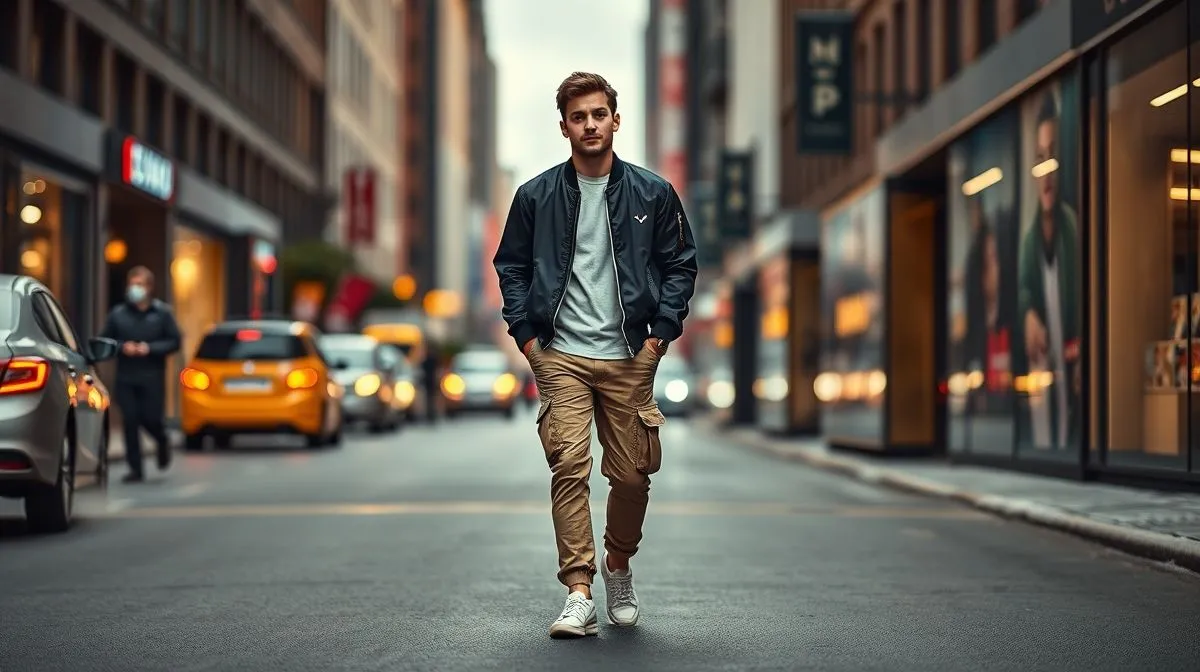
How to Wear Streetwear Without Looking Sloppy: The Definitive Guide
Have you ever admired a street style icon, effortlessly cool in their oversized hoodie and sneakers, only to try replicating the look yourself and end up feeling like you just rolled out of bed? It's a common dilemma. Streetwear, at its core, is about comfort, self-expression, and a relaxed aesthetic. Yet, there's a fine line between 'effortlessly cool' and 'downright disheveled'.
The problem often lies in misinterpreting the 'relaxed' aspect. Many associate streetwear solely with baggy clothes, mismatched pieces, and a general lack of attention to detail. This misconception leads to outfits that look less like a deliberate style choice and more like an accidental ensemble, undermining the very essence of what makes streetwear compelling.
This comprehensive guide will unravel the mysteries of refined streetwear. You'll learn the fundamental principles that elevate casual pieces into cohesive, stylish outfits, ensuring you master how to wear streetwear without looking sloppy. By the end, you'll possess the knowledge to curate looks that are both comfortable and impeccably polished, reflecting a true understanding of modern urban fashion.
Understanding the Core Principles of Refined Streetwear
Before diving into specific styling tips, it's crucial to grasp the underlying philosophy of refined streetwear. It's more than just a collection of brands or trends; it's an approach to dressing that prioritizes intentionality and quality, even within a casual framework.
The Evolution of Streetwear
Streetwear emerged from subcultures like skateboarding, surfing, and hip-hop in the late 20th century. It was characterized by comfort, practicality, and a rebellious spirit. Over time, it evolved, incorporating elements from high fashion and becoming a global phenomenon. What started as niche counter-culture attire has transformed into a dominant force in the fashion industry, influencing mainstream trends and luxury brands alike. Understanding this evolution helps appreciate its current sophisticated iteration. For a deeper dive into its origins, you can explore its history on Wikipedia.
Beyond Baggy: The Modern Aesthetic
While oversized silhouettes remain a hallmark of streetwear, modern refined streetwear moves beyond mere bagginess. It embraces thoughtful proportions, premium fabrics, and a cohesive aesthetic. The aim is to create a look that feels relaxed but deliberate, comfortable but curated. Think of it as casual elegance, where every piece, despite its relaxed nature, serves a purpose in the overall ensemble.
The Art of Fit: Tailoring Your Streetwear Look
Fit is arguably the single most important factor in distinguishing a polished streetwear look from a sloppy one. It's the foundation upon which all other styling elements are built.
It's All About Proportion
Streetwear often plays with exaggerated proportions, but this isn't random. It's about creating a balanced silhouette. If you opt for an oversized top, consider balancing it with slimmer-fit bottoms. Conversely, wide-leg pants can be paired with a more fitted or slightly relaxed top. The goal is to avoid looking swallowed by your clothes or appearing disproportionate.
The Sweet Spot: Not Too Tight, Not Too Loose
Even oversized pieces have a 'right' fit. An oversized hoodie, for instance, should drape well and have appropriate shoulder seams, not look like it belongs to someone twice your size. Similarly, trousers should have a comfortable waist and a clean break or stack at the ankle, rather than pooling excessively. Pay attention to:
- Shoulders: For tops, shoulder seams should ideally sit at or just slightly past your natural shoulder line, even on oversized items.
- Length: T-shirts and hoodies should generally end around your hip or slightly below. Pants should have a clean break or a controlled stack – avoid excessive bunching at the ankles.
- Waistline: Even relaxed-fit pants should fit comfortably at the waist without needing a belt to hold them up, or conversely, digging in too tightly.
- Sleeves: Sleeves on jackets and shirts should end cleanly at the wrist, or be intentionally cuffed for a specific look.
Investing in a good tailor, even for casual items, can make a world of difference. A simple hem adjustment or a slight taper can transform an average garment into a perfectly fitting piece, instantly elevating your entire outfit.
Fabric and Quality: The Unsung Heroes of Sophistication
The material of your clothing speaks volumes about its quality and, by extension, your attention to detail. Cheap, flimsy fabrics often look sloppy, regardless of the fit.
Why Material Matters
High-quality fabrics drape better, hold their shape longer, and often have a richer texture and color. A thick, heavy cotton hoodie will look inherently more premium than a thin, synthetic one. Similarly, well-constructed denim or a durable technical fabric will elevate your streetwear ensemble. The tactile experience and visual appeal of good materials contribute significantly to a polished look. For insights into the evolution of textiles and their impact on fashion, consider exploring resources like MIT's research on fashion and textiles.
Investment Pieces vs. Fast Fashion
While fast fashion can be tempting for trendy pieces, building a refined streetwear wardrobe benefits greatly from investing in key, high-quality items. Think durable outerwear, well-made sneakers, and foundational pieces like heavy-gauge cotton t-shirts or hoodies. These items will not only last longer but will also maintain their shape and appearance, contributing to a consistently sharp look. When you learn how to wear streetwear without looking sloppy, you understand that quality is a non-negotiable component.
- Heavyweight Cotton: For tees, hoodies, and sweats, look for cotton with a higher GSM (grams per square meter). It feels more substantial and drapes better.
- Quality Denim: Invest in raw or selvedge denim that will break in beautifully over time.
- Technical Fabrics: For outerwear or performance wear, look for fabrics like Gore-Tex, ripstop nylon, or high-performance fleece that offer both functionality and a clean aesthetic.
- Wool Blends: For more structured pieces like overshirts or looser trousers, wool blends can add a touch of sophistication and warmth.
Strategic Layering: Adding Depth and Intent
Layering is a cornerstone of streetwear, offering both practical utility and stylistic depth. However, haphazard layering can quickly lead to a bulky, shapeless, and ultimately sloppy appearance.
The Rule of Three (or More)
A common and effective layering strategy involves three distinct layers: a base layer (t-shirt, long-sleeve), a mid-layer (hoodie, crewneck, flannel shirt), and an outer layer (jacket, coat, vest). Each layer should complement the others in terms of fit and texture, creating visual interest without adding unnecessary bulk. The key is to ensure each layer is visible and adds to the overall aesthetic.
Textural Play
Don't just layer similar fabrics. Experiment with different textures to add dimension. Combine a smooth cotton tee with a fleece hoodie and a structured nylon bomber jacket. Or, pair a crisp button-down under a chunky knit sweater. The contrast in textures creates visual intrigue and makes your outfit feel more considered and less flat. This deliberate choice of textures is vital for those aiming to master how to wear streetwear without looking sloppy.
Practical Layering Tips:
- Start Thin: Begin with a lighter, more fitted base layer.
- Gradual Increase: Each subsequent layer should be slightly larger and looser than the one beneath it, allowing for comfortable movement and proper drape.
- Color Harmony: Ensure your layered pieces work together in terms of color palette. Tonal layering (different shades of the same color) or complementary colors can be very effective.
- Length Variation: Varying the lengths of your layers can create a dynamic silhouette. For example, a longer t-shirt peeking out from under a shorter hoodie and jacket.
Color Palette and Cohesion: Creating a Harmonious Look
While streetwear is known for bold graphics and vibrant colors, a refined approach often leans on a more curated color palette. This doesn't mean boring; it means intentional.
Mastering Neutrals
Neutrals like black, white, grey, navy, and earth tones (beige, olive green, brown) form the backbone of a sophisticated streetwear wardrobe. They are versatile, easy to mix and match, and provide a clean canvas for other elements. Building a strong foundation of quality neutral pieces allows for endless styling possibilities and ensures your outfits always look cohesive.
Pops of Color: When and How
Once you have a solid neutral base, strategic pops of color can add personality without overwhelming the outfit. This could be a brightly colored hoodie, a vibrant pair of sneakers, or a statement accessory. The key is balance: let one or two colorful items be the focal point, allowing the rest of your outfit to recede into the background. Avoid combining too many clashing bright colors, which can quickly lead to a chaotic and sloppy appearance.
The Importance of Balance
Consider the overall visual weight of your outfit. If you have a heavily graphic tee, balance it with simpler, unadorned bottoms. If your sneakers are very bold, keep the rest of your outfit more subdued. This balance prevents any single element from screaming for attention and instead allows the entire outfit to harmonize. A great example of balanced fashion and its history can be explored through collections like those at the Victoria and Albert Museum.
Footwear and Accessories: The Finishing Touches
Often overlooked, footwear and accessories are critical in pulling together a refined streetwear look. They can make or break an outfit, acting as powerful statements or subtle enhancers.
The Power of Clean Sneakers
Sneakers are the quintessential streetwear footwear, but their condition is paramount. Scuffed, dirty, or worn-out sneakers will immediately drag down an otherwise well-put-together outfit, making it look sloppy. Invest in quality sneakers and keep them meticulously clean. White sneakers, in particular, require diligent maintenance to retain their crispness. A fresh pair of sneakers can instantly elevate even the simplest t-shirt and jeans combination.
Elevating with Accessories
Accessories are opportunities to add personality and polish. However, moderation is key. Over-accessorizing can quickly lead to a cluttered look. Consider:
- Watches: A classic timepiece or a sleek digital watch can add a touch of sophistication.
- Bags: A well-designed cross-body bag, backpack, or tote made from quality materials (leather, technical nylon) can be both functional and stylish.
- Headwear: Beanies, baseball caps, or bucket hats can complement your outfit, but ensure they fit well and are clean.
- Jewelry: Minimalist chains, rings, or bracelets can add subtle flair without overwhelming the look.
Each accessory should feel intentional and contribute to the overall aesthetic, rather than just being an afterthought.
Practical Application: Building a Smart Streetwear Wardrobe
Now that you understand the principles, let's look at how to build a wardrobe that embodies refined streetwear.
Essential Staples
Start with foundational pieces that are versatile and high-quality. These are the building blocks that you can mix, match, and layer to create countless outfits.
- Plain T-shirts: In heavyweight cotton, in black, white, grey, and navy.
- Hoodies/Crewnecks: Well-fitting, quality fleece in neutral tones.
- Jeans: A well-fitting pair of straight-leg or slightly tapered dark wash and light wash denim.
- Cargo Pants/Trousers: Modern, tailored fits in durable fabrics like cotton twill or ripstop.
- Outerwear: A versatile bomber jacket, a clean denim jacket, or a structured overshirt.
- Sneakers: At least one pair of clean white sneakers and a darker, versatile pair.
Curating Your Collection
Don't just buy clothes; curate a collection. Think about how each new piece integrates with your existing wardrobe. Does it add versatility? Does it elevate your current style? Focus on timeless pieces with quality construction rather than fleeting trends. This thoughtful approach ensures every item in your closet contributes to your goal of mastering how to wear streetwear without looking sloppy.
Common Pitfalls to Avoid in Streetwear Styling
Even with the best intentions, certain mistakes can undermine your efforts to achieve a polished streetwear look. Being aware of these pitfalls can help you avoid them.
Over-accessorizing
While accessories are important, too many can make an outfit look cluttered and disorganized. Avoid wearing multiple statement necklaces, an armful of bracelets, and a busy hat all at once. Choose one or two focal accessories that complement your outfit rather than competing with it.
Neglecting Grooming
Even the most perfectly styled outfit will look sloppy if your personal grooming is neglected. Unkempt hair, a scraggly beard, or poor hygiene can detract significantly from your overall appearance. Pay attention to your hair, nails, and overall cleanliness. A fresh haircut and a clean shave (or a well-maintained beard) make a remarkable difference.
Chasing Every Trend
Streetwear is dynamic, with new trends emerging constantly. However, trying to incorporate every new trend into your wardrobe can lead to a disjointed and ultimately unstylish look. Focus on building a strong foundation of classic, versatile pieces and then selectively integrate trends that genuinely resonate with your personal style. Not every trend is meant for everyone, and authenticity always trumps fleeting fads.
Frequently Asked Questions (FAQ)
Is streetwear only for young people? Absolutely not. While streetwear originated from youth subcultures, its principles of comfort, quality, and self-expression are universal. With thoughtful styling and an emphasis on refined fits and premium fabrics, streetwear can be adopted by people of all ages. Many mature individuals successfully incorporate streetwear elements into their wardrobes, proving its versatility.
How do I start building a streetwear wardrobe on a budget? Start with key foundational pieces. Focus on quality over quantity for items like a good pair of jeans, a versatile hoodie, and clean sneakers. Look for sales, thrift stores, or ethical second-hand platforms. You don't need expensive brands; you need well-made items that fit well and are maintained properly. Gradual acquisition of pieces is better than a rushed, budget-breaking splurge.
Can I wear streetwear in a professional setting? It depends on the professional setting. For highly formal environments, traditional business attire is typically required. However, for creative industries, tech companies, or more relaxed offices, elements of smart streetwear can be incorporated. Think tailored trousers with clean sneakers and a structured overshirt, or a high-quality polo shirt paired with modern chinos. The key is 'smart' and 'clean' – avoiding anything too casual or overtly branded.
What's the difference between streetwear and casual wear? While both prioritize comfort, streetwear typically has a more distinct aesthetic rooted in urban culture, often incorporating specific silhouettes, brands, and graphic elements. Casual wear is a broader category that simply means informal clothing. Streetwear is a specific style within casual wear, characterized by its intentionality, community, and often, its connection to specific subcultures and artists.
Recommended Reading
- Unlock the Secrets: How to Care for Delicate Antique Pearl Jewelry
- Best Sneakers for Walking All Day: Ultimate Comfort Guide
- Mastering Authentication: How to Spot Fake Limited Edition Sneakers
- Unveiling the Future: How Advanced Textile Technologies Are Slaying Fashion Waste
- Killer Fashion Blog Posts: Your Ultimate Writing Guide!
Conclusion
Mastering how to wear streetwear without looking sloppy is less about following rigid rules and more about understanding fundamental principles: impeccable fit, discerning fabric choices, strategic layering, harmonious color palettes, and meticulous attention to footwear and accessories. By prioritizing these elements, you transform casual garments into expressions of deliberate style, exuding confidence and sophistication. Embrace the comfort and individuality of streetwear, but always with an eye towards refinement and intentionality. Your journey to polished urban style starts now – apply these insights, experiment, and confidently express your unique aesthetic.




Your email address will not be published. Required fields are marked *