

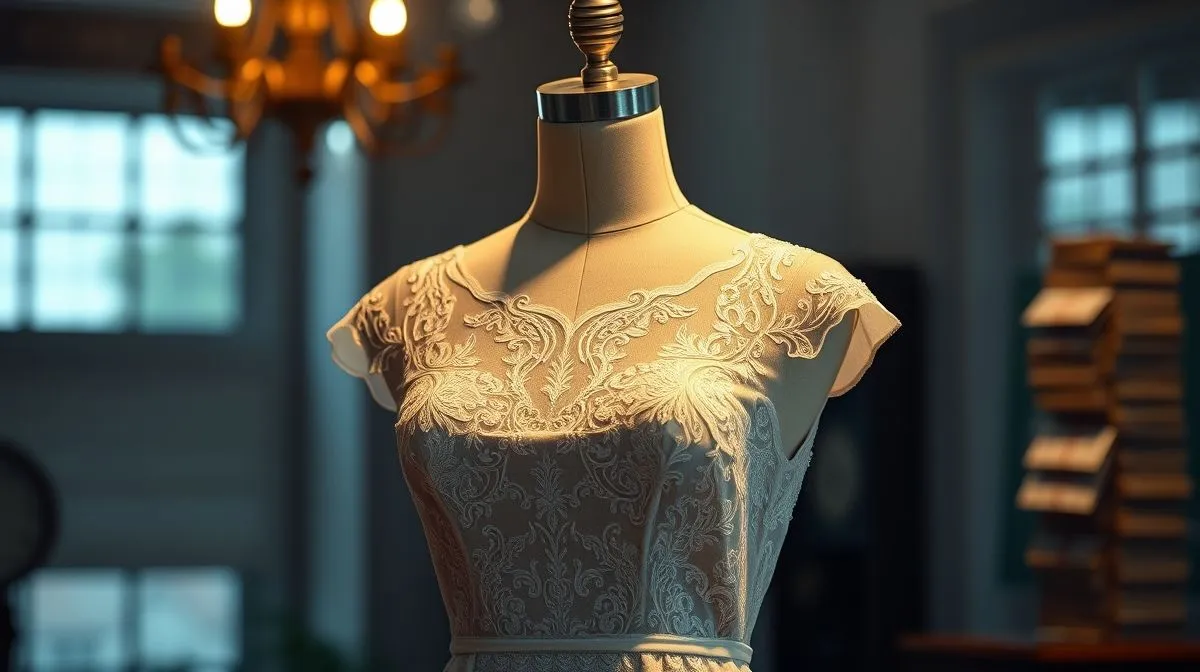
How to Liquidate Unsold Wedding Dress Stock Profitably?
For over two decades, I've had the privilege of navigating the intricate, often emotionally charged, world of bridal fashion. I've witnessed countless dreams come to life, but also, unfortunately, observed many bridal businesses grapple with a silent, insidious challenge: the accumulation of unsold inventory.
This isn't just about dresses taking up space; it's about significant capital tied up, suffocating your cash flow, and ultimately, hindering your boutique's growth potential. The weight of dead stock can feel overwhelming, leading to desperate decisions that often slash profits rather than preserve them.
But what if I told you there's a methodical, strategic way to transform that burden into a boon? This comprehensive guide will arm you with actionable frameworks, real-world insights, and expert strategies on how to liquidate unsold wedding dress stock profitably, ensuring you reclaim your investment and pave the way for a healthier, more vibrant business future.
Understanding Your Unsold Inventory: The First Critical Step
Before you can effectively liquidate, you must first understand what you're liquidating. This isn't just a pile of dresses; it's a diverse collection with varying values and potential.
Categorizing Your Stock (Age, Style, Condition)
Begin by meticulously auditing your unsold inventory. Create a detailed spreadsheet or use your inventory management system to classify each gown.
- Age: How long has the dress been in your possession? Dresses older than 18-24 months are typically considered 'dead stock' in the fast-paced bridal industry.
- Style: Is it a classic, timeless design, or a highly trend-driven piece? Trend-driven gowns become obsolete faster.
- Condition: Is it pristine, a sample with minor wear, or does it require significant cleaning or repair? This impacts pricing and potential sales channels.
- Designer/Brand: High-end designer gowns may command different liquidation strategies than entry-level pieces.
This categorization will be your roadmap, guiding which liquidation strategy is most appropriate for each segment of your inventory.
Calculating True Holding Costs
Many boutique owners underestimate the true cost of holding onto unsold inventory. It's far more than just the initial purchase price.
- Storage Costs: Rent for your physical space, insurance, utilities.
- Opportunity Cost: The capital tied up in these dresses could be invested in new, fast-moving inventory or other growth initiatives.
- Depreciation: Bridal gowns, especially seasonal collections, depreciate rapidly. Their value diminishes significantly with each passing season.
- Maintenance: Cleaning, steaming, protecting from dust and damage.
As Harvard Business Review often highlights, the hidden costs of inventory can erode profitability faster than you realize. Understanding these true costs will motivate you to act decisively and strategically.
Strategy 1: The High-Impact Sample Sale & Pop-Up Event
One of the most immediate and effective ways to move a significant volume of unsold dresses is through a well-executed sample sale or pop-up event. These create urgency and excitement.
- Strategic Planning: Define your target audience for the sale. Is it budget-conscious brides, or those looking for designer steals? Determine the pricing structure – fixed price tiers, percentage off original retail, or a combination. Set clear dates and times, ideally over a weekend to maximize attendance.
- Aggressive Marketing: This is where many businesses fall short. Don't just put a sign in your window. Utilize social media (Instagram, Facebook, Pinterest) with stunning photos and compelling language. Run targeted ads. Send exclusive email invitations to your existing customer list. Partner with local wedding planners or bridal bloggers for cross-promotion.
- Event Execution & Merchandising: Even at a sample sale, presentation matters. Ensure dresses are clean, steamed, and displayed attractively. Provide ample fitting rooms and staff. Create a festive atmosphere with music and perhaps light refreshments. Clearly mark prices and sizes. Consider offering 'add-on' discounts for accessories purchased during the sale.
- Follow-Up: Capture email addresses of attendees. Send a thank-you note and perhaps a limited-time offer for accessories or future services.
Case Study: The Bridal Nook's Quarterly Clear-Out Success
The Bridal Nook, a boutique I advised in a competitive market, was struggling with 25% of its floor space occupied by gowns over 18 months old. By implementing a targeted, bi-annual 'Designer Sample Showcase' event, they transformed their approach. They meticulously curated 50-60 dresses, priced them aggressively, and invested in a hyper-local digital marketing campaign targeting brides searching for deals. They added a personal touch by having stylists help brides find their dream dress, regardless of the discount. This resulted in clearing 70% of their targeted dead stock within a single weekend, generating significant cash flow and freeing up valuable showroom space. Their secret? Treating it as a premium event, not just a clearance bin.
Strategy 2: Strategic Consignment and Rental Partnerships
Not every gown is suitable for a flash sale. For higher-value, gently used, or pristine samples, consignment or even rental can be viable options.
Identifying Reputable Consignment Boutiques
Research and partner with bridal consignment stores that have a strong online presence and a good reputation. They often have a dedicated customer base looking for pre-owned or sample gowns.
Actionable Steps for Consignment:
- Vetting Partners: Look for clear commission structures, transparent payment schedules, and a professional display environment. Ask for references from other boutiques or individuals they work with.
- Contract Negotiation: Ensure the consignment agreement clearly outlines pricing, duration of consignment, responsibilities for cleaning/alterations, and return policies for unsold items.
- Inventory Tracking: Maintain your own detailed inventory list of dresses placed on consignment, including their condition and agreed-upon selling price.
Exploring Bridal Rental Market Opportunities
The bridal rental market is growing, catering to brides who desire luxury gowns without the full purchase commitment. While less common for new stock, it can be an excellent avenue for pristine samples or classic designs.
Actionable Steps for Rental:
- Market Research: Identify reputable bridal rental platforms or local services. Understand their inventory needs and target demographic.
- Condition & Maintenance: Rental gowns must be in impeccable condition. Establish clear protocols for cleaning, repairs, and insurance.
- Pricing Model: Develop a rental pricing strategy that considers the dress's value, rental duration, and cleaning costs, ensuring a profitable return over multiple uses.
Strategy 3: Leveraging Online Marketplaces & Direct-to-Consumer Sales
The digital age offers unparalleled reach. Don't underestimate the power of selling directly to consumers online.
Specialized Bridal Resale Platforms
Platforms like Stillwhite, PreOwnedWeddingDresses.com, and BridalReloved are tailor-made for selling new, sample, or pre-owned wedding gowns. They attract highly motivated buyers.
Utilizing Your Own E-commerce (Website, Social Media Shops)
If you have an existing e-commerce presence, create a dedicated 'Sample Sale' or 'Archive Collection' section. Leverage Instagram and Facebook Shops, allowing customers to browse and purchase directly from your social media feeds.
Actionable Steps for Online Sales:
- Professional Photography: This is non-negotiable. High-quality, well-lit photos from multiple angles are crucial. Include detail shots and photos on a model if possible.
- Compelling Descriptions: Provide accurate sizing, measurements, fabric details, original retail price, and your liquidation price. Highlight any unique features or special embellishments. Be transparent about any imperfections for samples.
- Competitive Pricing: Research similar dresses on these platforms to ensure your pricing is attractive yet profitable. Consider offering free shipping or a small discount for immediate purchase.
- Customer Service: Be responsive to inquiries. Offer clear return/exchange policies (or state 'final sale' clearly).
- SEO Optimization: For your own website, use relevant keywords in product titles and descriptions (e.g., 'size 10 Pronovias sample sale dress,' 'unworn Mori Lee bridal gown').
As Forbes consistently points out, a strong e-commerce strategy is no longer optional for modern retailers; it's essential for reaching a broader audience and driving sales, especially for niche products like bridal wear.
Strategy 4: Innovative Pricing Models & Discounting Tactics
Simply slashing prices might move stock, but it often erodes your brand and profits. Smart pricing is an art.
Dynamic Pricing & Flash Sales
Consider a tiered pricing strategy that drops over time. For example, a dress might be 50% off for the first week, then 60% off the second, and 70% off the third. This creates urgency without immediately devaluing the product too much.
Bundle Deals & Accessory Add-ons
Offer a discount on an accessory (veil, belt, headpiece) when a liquidation dress is purchased. This increases the average transaction value and helps move slow-moving accessories.
Key Insight: "Perceived value often trumps actual cost. A bride is buying a dream, not just a dress. Even at a discount, maintain the allure and respect for the gown's potential."
Psychological pricing, as discussed in numerous marketing texts, plays a crucial role. Ending prices in .99 or .95, or highlighting the 'savings' rather than just the final price, can influence buyer perception.
Strategy 5: Donations & Tax Write-offs – A Different Kind of Profit
Sometimes, the most profitable path isn't direct cash, but a tax benefit and a boost to your brand's goodwill.
Reputable Charities & Non-Profits
Organizations like Brides Against Breast Cancer, Brides for a Cause, or local charities that assist low-income brides can be excellent recipients for gowns that are difficult to sell. This clears inventory while supporting a good cause.
Understanding Tax Benefits
Donating inventory can provide significant tax write-offs for your business. The specific benefits depend on your business structure and local tax laws. It's crucial to obtain proper documentation from the charity for your records.
Important Note: Always consult with a qualified tax professional to understand the specific tax implications and documentation requirements for donating inventory in your region. This ensures you maximize your benefits and comply with all regulations.
Strategy 6: Repurposing & Upcycling – Unleashing Creativity
This strategy requires a bit more creativity but can unlock surprising value, especially for unique or very old samples.
Transforming Gowns into Other Bridal Items
Could a long, elaborate train be repurposed into a stunning reception dress? Could intricate lace appliques be removed and used to embellish veils, sashes, or even evening bags? This requires a skilled seamstress but can create new, sellable products from old stock.
Collaborating with Designers for Custom Creations
Partner with local emerging designers who specialize in upcycling or custom bridal wear. They might be interested in purchasing gowns for their fabric, lace, or unique elements, giving new life to otherwise unsellable pieces.
Strategy 7: The Power of Storytelling & Emotional Connection
Even for liquidation, the emotional aspect of a wedding dress remains. A compelling narrative can transform a 'sale' item into a 'special find'.
Highlighting the Dress's Unique Journey
Rather than just stating it's a sample, share its story: "This gown graced our runway at the 2022 Bridal Market, a true showstopper!" or "This classic design has been a favorite for years, now available for a bride to make her own."
Creating a Narrative for Each Gown
When listing online or displaying in-store, add a short, evocative description that paints a picture. "Imagine floating down the aisle in this ethereal tulle creation," or "This timeless satin gown is perfect for the elegant, modern bride." This helps brides connect emotionally, even with a discounted dress.
Avoiding Future Overstock: Proactive Inventory Management
The best way to liquidate unsold wedding dress stock profitably is to prevent excessive accumulation in the first place. Proactive inventory management is key to long-term profitability.
Data-Driven Purchasing Decisions
Move away from gut feelings. Analyze your sales data rigorously. Which designers, styles, sizes, and price points sell fastest? Which sit for too long? Use this data to inform your future buying decisions, focusing on what truly resonates with your clientele.
Supplier Relationship Management
Cultivate strong relationships with your designers and suppliers. Negotiate favorable terms, reorder minimums, and potential return policies for slow-moving items if possible. A good relationship can open doors to special order flexibility or even smaller minimums.
Actionable Steps for Prevention:
- Regular Inventory Audits: Conduct monthly or quarterly audits to identify slow-moving stock early. Don't wait until it's dead stock.
- Sales Forecasting: Develop more accurate sales forecasts based on historical data, market trends, and upcoming seasons. Adjust your buying accordingly.
- Strategic Ordering: Order smaller quantities more frequently if possible, rather than large, infrequent orders. This reduces risk.
- Early Markdowns: Don't be afraid to implement small, strategic markdowns on slow-movers before they become deeply discounted dead stock.
As principles from McKinsey & Company consistently demonstrate, robust supply chain and inventory management are foundational to retail success, minimizing waste and maximizing efficiency.
Frequently Asked Questions (FAQ)
Question: How do I price a sample dress for liquidation without devaluing my brand? The key is transparency and framing. Clearly label it as a 'sample' or 'archive piece.' Price samples typically 30-70% off retail, depending on condition and age. For newer, pristine samples, closer to 30-40% off. Older or more worn samples might go 60-70% off. Market it as an exclusive opportunity for a designer gown at an incredible value, not just a 'cheap' dress. Emphasize the original value and the unique chance to acquire it.
Question: What are the legal considerations for selling used wedding dresses? When selling your own boutique's samples or discontinued stock, generally the legal considerations are minimal beyond standard sales regulations. However, for consignment or selling items that were previously rented, ensure your contracts clearly define ownership, condition, and liability. If you're selling a dress that was worn by a bride (not a sample), ensure you have clear consent and documentation for its resale. Always comply with consumer protection laws regarding product descriptions and return policies.
Question: Is it better to sell unsold stock online or through in-person events? Both channels offer distinct advantages, and often, a hybrid approach is most effective. In-person events (sample sales) create urgency, allow brides to try on gowns, and foster immediate sales. Online platforms offer broader reach, 24/7 accessibility, and lower overhead per sale. For higher volume, diverse stock, a combination is ideal: use a pop-up for immediate impact, and then list remaining desirable pieces on online marketplaces.
Question: How long should I hold onto unsold stock before considering liquidation? In the bridal industry, gowns typically have a shelf life of 12-18 months from the season they were introduced. After 18 months, their value depreciates significantly as new collections arrive. My advice is to identify slow-moving stock at the 9-12 month mark and start planning initial markdown strategies. By 18-24 months, if a gown hasn't sold, it's firmly in 'dead stock' territory and should be a priority for aggressive liquidation.
Question: Can I liquidate dresses that are slightly damaged or need repairs? Absolutely, but transparency is paramount. For minor issues (e.g., missing button, small tear in inner lining), disclose them clearly in the description and price accordingly. For more significant damage, you might consider selling them as 'as-is' for a very low price, or even donating them. Alternatively, if the damage is repairable, factor the repair cost into your liquidation price or have it fixed beforehand if it significantly increases the gown's perceived value. Some brides are looking for projects and are willing to take on a repair if the price is right.
Recommended Reading
- Dazzle on Your Day: Choosing the Best Jewelry for Strapless Dresses
- Mastering Character Costume Design: How to Conceptualize Effectively
- The Frustrating Truth: Why Does Seamless Activewear Roll Down During Workouts?
- Unlock Comfort & Style: The Ultimate Guide to Wide Feet Shoe Trends
- Bespoke Jewelry Design: Your Ultimate Guide to Getting Started
Key Takeaways and Final Thoughts
Liquidating unsold wedding dress stock profitably is not about desperation; it's about strategic business management. It's about transforming a potential liability into an asset, freeing up capital, and making space for the new, exciting collections that will drive your future success.
- Audit Meticulously: Understand every piece of your unsold inventory.
- Diversify Your Channels: Don't put all your eggs in one basket – use sales, consignment, and online platforms.
- Price Smartly: Balance attractiveness with profitability, using innovative tactics.
- Be Transparent: Always be honest about a dress's condition or status as a sample.
- Prevent Future Overstock: Implement robust inventory management practices.
- Embrace Creativity: Look for unique ways to repurpose or tell a dress's story.
- Seek Expert Advice: For tax implications or complex legalities, consult professionals.
By adopting these expert-backed strategies, you're not just clearing out old inventory; you're investing in the health and longevity of your bridal boutique. Take control of your stock, reclaim your capital, and continue to help brides find their dream dresses, season after profitable season.





Your email address will not be published. Required fields are marked *