

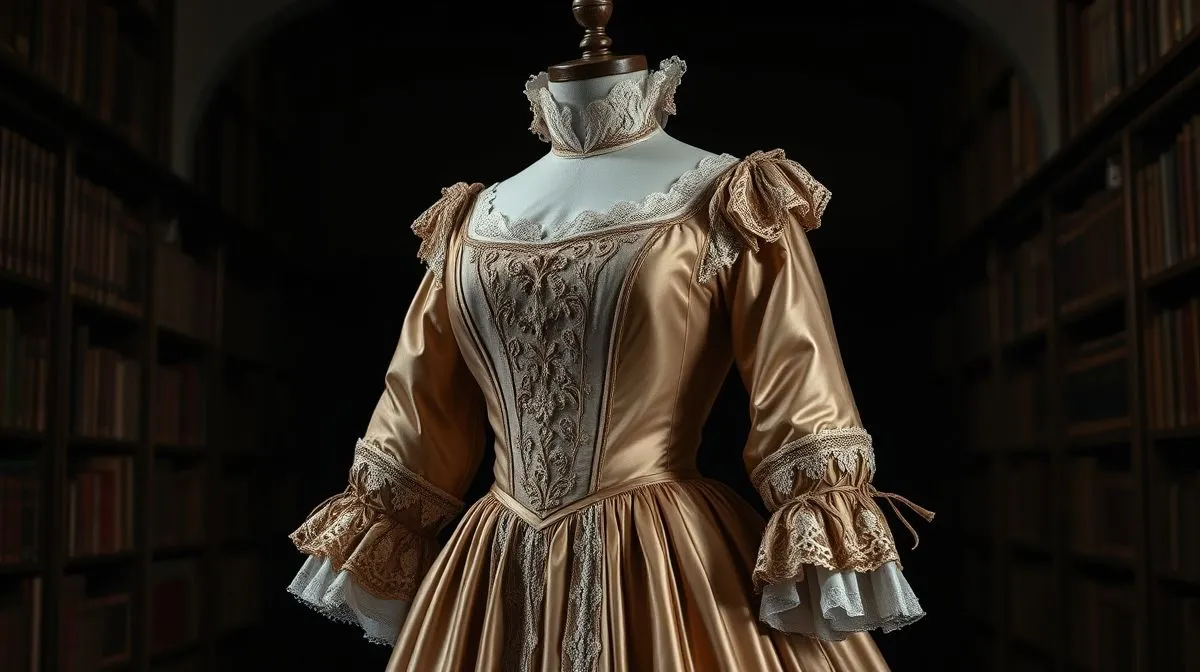
Have you ever gazed upon a portrait from the 18th century, mesmerized by the intricate details of a silk gown or the tailored precision of a gentleman's coat? The allure of Georgian and Rococo fashion is undeniable, a period of unparalleled elegance, grandeur, and distinct silhouettes. For many, the desire to recreate these sartorial masterpieces is a passion, a journey into a bygone era.
However, translating historical images and descriptions into wearable, accurate garments presents a unique set of challenges. Modern interpretations often fall short, failing to capture the true essence and construction of period clothing. The problem lies not just in superficial aesthetics but in a deep misunderstanding of materials, techniques, and the very cultural context that shaped these garments.
This comprehensive guide will walk you through the meticulous process of how to achieve historical accuracy in 18th-century fashion. From foundational research to the minute details of embellishment, you will learn the expert strategies and insights needed to bring the past to life with unparalleled authenticity, transforming your understanding and practice of historical costuming.
The Indispensable Foundation: Deep Dive into Research
Before a single stitch is made, the true work of historical accuracy begins with rigorous research. This isn't just about looking at pretty pictures; it's about understanding the 'why' behind every element of 18th-century dress.
Primary Sources: The Unfiltered Truth
Primary sources offer direct insights into the period. They are the closest we can get to the people and practices of the 18th century. Neglecting them is a common mistake for those seeking true authenticity.
- Extant Garments: Studying surviving clothing in museum collections is paramount. These garments reveal construction techniques, fabric choices, and wear patterns that no drawing can fully convey. Websites like the Victoria and Albert Museum's collection offer extensive photographic records and detailed descriptions.
- Portraits and Fashion Plates: While visually rich, these must be interpreted with caution. Portraits often idealize or flatter, and fashion plates could depict aspirational rather than everyday wear. Pay attention to details like posture, accessories, and the way fabric drapes.
- Written Records: Diaries, letters, household inventories, tailor's bills, and even court records provide invaluable context. They tell us what people actually wore, how much it cost, and what materials were available. Sumptuary laws, for example, dictated who could wear what, revealing social hierarchies.
- Period Publications: Newspapers, magazines, and even satirical prints can offer glimpses into contemporary fashion trends, social commentary, and advertisements for goods.
Secondary Sources: Expert Interpretations
Once you've delved into primary sources, secondary sources provide expert analysis and synthesis. These are often academic texts or exhibition catalogs that interpret primary data.
- Academic Books and Journals: Look for scholarly works by costume historians. They often provide detailed analysis of construction, social context, and material culture.
- Museum Catalogs: These frequently accompany exhibitions and offer in-depth essays and high-quality images of garments, often with conservation notes.
- Reputable Online Archives: Many university libraries and major museums now digitize their collections, making a wealth of information accessible. Always check the source's authority and references.
Understanding Context: Beyond the Garment
A garment doesn't exist in a vacuum. Its form, function, and materials were shaped by the world around it. To achieve historical accuracy in 18th-century fashion, you must understand this broader context.
- Social Norms and Class: Dress varied significantly between social classes and for different occasions. A working-class woman's gown would be vastly different from that of an aristocratic lady.
- Economic Conditions: The availability and cost of materials, labor, and dyes influenced fashion choices. Trade routes brought exotic silks, while local production provided wool and linen.
- Regional Variations: Fashion in colonial America differed from that in France or England, even within the same period. Climate, available resources, and cultural influences all played a role.
- Technological Advancements: While the 18th century was pre-industrial revolution for much of textile production, innovations like the flying shuttle had an impact on weaving.
Fabric of Time: Choosing Period-Appropriate Materials
The choice of fabric is perhaps the most critical element in achieving an authentic 18th-century look. Modern fabrics, even natural ones, often have different weaves, weights, and finishes that fundamentally alter a garment's drape and appearance.
Silks, Linens, and Wools: The Core Trio
These were the dominant fibers of the 18th century, each with specific uses and characteristics.
- Silks: Worn by the wealthy for formal wear. Common weaves included taffeta, satin, brocade, damask, and velvet. Patterns were often large and elaborate, featuring floral motifs, stripes, or 'bizarre' designs.
- Linens: The workhorse fabric, used for undergarments (shifts, shirts), linings, and everyday wear for all classes. Linen varied from fine cambric and lawn to coarser plain weaves. It was also used for men's shirts and breeches.
- Wools: Ranged from fine broadcloths and serges used for men's suits and riding habits to coarser homespuns for working-class attire. Wool was warm, durable, and easily dyed.
- Cottons: While growing in popularity, especially printed cottons (chintz), they were still less common than linen, silk, or wool, and often imported from India.
Prohibited Materials: What to Avoid
To ensure authenticity, certain materials must be strictly avoided. These include:
- Synthetics: Polyester, rayon, nylon, and acrylic did not exist. They have different drapes, sheens, and breathability compared to natural fibers.
- Modern Blends: Fabrics that mix synthetic and natural fibers, or even natural fibers in non-period-appropriate blends (e.g., modern stretch cottons).
- Non-Period Weaves/Finishes: Even if a fiber is natural, a modern weave (e.g., stretch denim, jersey knit) or finish (e.g., permanent press) will look incorrect.
Dyeing Techniques and Colors
18th-century dyes were derived from natural sources, leading to a different range and intensity of colors than modern chemical dyes. Colors tended to be softer, and some vibrant hues were very expensive.
- Common colors included various shades of blue (indigo), red (madder, cochineal), yellow (weld), brown (walnut, oak gall), and green (often a combination of blue and yellow dyes).
- Research specific color palettes for the period and social class you are replicating.
Silhouettes and Structure: The Unseen Framework
The defining characteristic of 18th-century fashion is its silhouette, which was entirely dependent on the elaborate underpinnings worn beneath the outer garments. Without the correct foundation, no amount of beautiful fabric will yield an accurate result.
Underpinnings: The Secret to Shape
These garments were not merely functional; they sculpted the body into the desired fashionable shape.
- Stays (Corsets): Essential for women, stays created a conical torso, flattening the stomach and pushing the breasts upwards. They were stiffened with whalebone or reed.
- Paniers/Hoops: These structures created the wide, often oval or round, skirt silhouette. Their size and shape varied throughout the century.
- Bum Rolls/Rumps: Padded crescent-shaped rolls worn at the back to support the fullness of skirts later in the century.
- Petticoats: Multiple layers of petticoats were worn over the under-structures to provide fullness and modesty.
- Chemises/Shirts: The innermost layer, protecting outer clothing from body oils and providing comfort. Made of linen or cotton.
Outer Garments: Defining the Look
Once the foundation is set, the outer garments fall into their historically correct lines.
- Women's Gowns: Varied from the wide-skirted robe à la française and robe à l'anglaise to more informal 'polonaises' and 'caracos'.
- Men's Suits: Typically comprised of a coat, waistcoat (vest), and breeches. Coats evolved from full-skirted styles to more tailored, cut-away versions.
- Working-Class Attire: Simpler, more practical garments made of durable fabrics like wool and linen, often with less elaborate construction.
Patterning and Construction Methods
Period-appropriate patterns are crucial. Modern commercial patterns rarely capture the nuances of 18th-century cutting and fitting.
- Historical Patterns: Many reputable companies offer drafted patterns based on extant garments or period tailoring manuals.
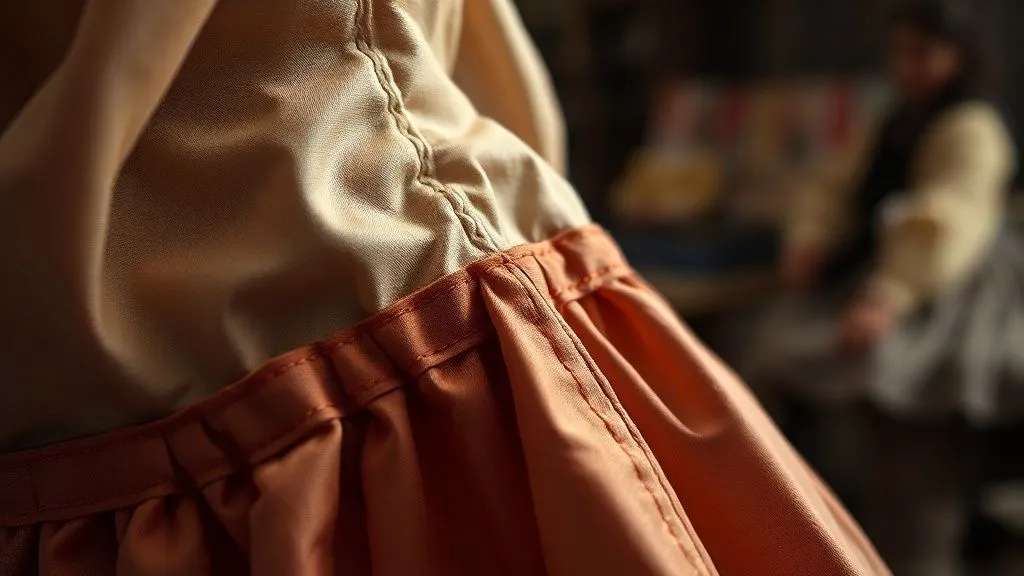
- Hand-Sewing: While machine sewing became available late in the century for some industrial purposes, all personal garments were hand-sewn. For ultimate authenticity, hand-sewing is recommended, using period stitches like backstitch, running stitch, and felling.
- Seams and Finishes: Learn about period seam finishes (e.g., run and fell seams, whip-stitching) and closures (lacing, hooks and eyes, buttons, ties).
Embellishments and Accessories: The Finishing Touches
The details truly make the difference when you strive to achieve historical accuracy in 18th-century fashion. Accessories were not mere afterthoughts but integral components of the overall ensemble, conveying status, taste, and occasion.
Lace, Ribbons, and Trims
These elements added richness and refinement to garments.
- Lace: Hand-made bobbin lace and needle lace were highly prized. Look for cotton or linen lace with period designs, avoiding modern machine-made polyester lace.
- Ribbons: Silk ribbons were used extensively for trimmings, rosettes, and bows on gowns, hats, and shoes.
- Embroidery: Hand-embroidery, particularly silk thread on silk or linen, was common for decorative purposes on everything from waistcoats to gowns.
Headwear and Hair
Hair was often powdered and styled elaborately, especially in the latter half of the century.
- Wigs: Men wore powdered wigs (perukes) in various styles; women's hair was often built up over pads and powdered.
- Caps and Hats: Women wore various caps indoors (e.g., mob caps, ruffled caps) and hats outdoors (e.g., bergère hats). Men wore tricorn hats.
Footwear and Jewelry
Shoes were typically buckled, often made of silk, leather, or brocade, with a curved heel. Jewelry included paste stones, pearls, and cut steel. Necklaces, earrings, and brooches were common.
Personal Items: Fans, Muffs, and Swords
These items completed the look and served practical or social functions. Fans for women, muffs for warmth, and swords for gentlemen (even for non-military wear) were ubiquitous.
Common Pitfalls and How to Avoid Them
Even with the best intentions, it's easy to make mistakes when recreating historical fashion. Awareness of these common pitfalls can save significant time and effort.
Anachronisms: The Devil in the Details
Anachronisms are elements that do not belong to the specific historical period being recreated. They can instantly undermine authenticity.
- Modern Closures: Zippers, velcro, and modern snaps were not available. Stick to hooks and eyes, lacing, buttons, and ties.
- Visible Machine Stitching: While machine sewing existed in rudimentary forms by the very end of the century, it was not used for fine clothing construction.
- Incorrect Footwear or Undergarments: Wearing modern shoes or bras with a historical costume will ruin the silhouette and overall impression.
- Inaccurate Hairstyles/Makeup: Modern hairstyles or makeup trends are a common giveaway.
Misinterpreting Sources
It's crucial to understand the context of your research materials. A single portrait or fashion plate does not represent the entirety of 18th-century fashion.
- Generalizing: Do not assume what was fashionable in Paris was also common in rural England or the American colonies.
- Ignoring Social Class: A peasant's clothing bore little resemblance to that of a noble. Ensure your costume aligns with the social standing you aim to portray.
- Misunderstanding Evolution: The 18th century was a long period (1700-1799), and fashion evolved significantly within it. Be specific about the decade or quarter-century you are recreating.
Compromising for Convenience
The temptation to use easier, cheaper, or faster modern alternatives can be strong, but it often sacrifices authenticity.
- Using Wrong Materials: Substituting synthetic lace for period-appropriate bobbin lace, or polyester for silk, will always be noticeable.
- Simplified Construction: Cutting corners on hand-finishing or complex construction techniques will result in a garment that lacks the correct drape and feel.
- Ignoring Underpinnings: Attempting to achieve a period silhouette without the correct stays or paniers is futile; the outer garment will never hang correctly.
Bringing History to Life: Practical Application and Ethical Considerations
Once you've absorbed the theory, the next step is the practical application. This involves sourcing materials, honing your skills, and engaging with the broader historical costuming community.
Sourcing Materials and Patterns
Finding the right materials can be a challenge, but dedicated suppliers exist.
- Reputable Fabric Suppliers: Seek out companies that specialize in historical reproductions or offer high-quality natural fibers suitable for period work.
- Historical Pattern Companies: Look for patterns based on documented extant garments or period tailoring manuals. Examples include JP Ryan, Reconstructing History, and American Duchess.
- Vintage/Antique Finds: Occasionally, you might find period-appropriate lace, buttons, or trims at antique markets, but verify their authenticity carefully.
Collaboration and Community
The historical costuming community is a rich resource for learning and sharing.
- Join Reenactment Groups: Participating in living history events or reenactment groups provides invaluable practical experience and feedback.
- Online Forums and Social Media: Many communities exist where enthusiasts share tips, ask questions, and showcase their work.
- Consult Experts: Don't hesitate to reach out to costume historians, museum curators, or experienced historical tailors for advice.
The Ethics of Historical Recreation
Recreating historical dress comes with a responsibility to the past.
- Respecting Original Context: Understand the social, economic, and political realities that shaped the clothing. Avoid reducing complex historical periods to mere 'dress-up'.
- Avoiding Caricature: Strive for respectful and accurate portrayal, rather than exaggerated or stereotypical representations often seen in popular media.
- Acknowledging Labor: Recognize the immense skill and labor involved in creating these garments in the 18th century, often by skilled artisans or enslaved individuals.
According to research published by the Metropolitan Museum of Art's Costume Institute, the true understanding of historical garments comes from a holistic approach, considering not just the visual but also the tactile, structural, and social aspects.
Frequently Asked Questions (FAQ)
Is hand-sewing essential for historical accuracy? While not always strictly required for all levels of accuracy, hand-sewing was the primary method of garment construction in the 18th century. Using period-appropriate stitches and techniques significantly enhances authenticity and the drape of the garment.
Where can I find authentic 18th-century patterns? Several reputable companies specialize in historically accurate patterns drafted from extant garments or period tailoring manuals. Look for brands like JP Ryan, Reconstructing History, and American Duchess, often available through their websites or specialized historical costuming suppliers.
How do I choose the right fabrics for 18th-century fashion? Focus on natural fibers like silk (taffeta, brocade, satin), linen (various weights), and wool (broadcloth, serge). Avoid all synthetics and modern blends. Research specific weaves and patterns that were common for the social class and period you are recreating.
What's the most common mistake in 18th-century costuming? Often, it's neglecting the proper underpinnings. The correct 18th-century silhouette is entirely dependent on wearing appropriate stays (corsets), paniers, or bum rolls. Without these foundational garments, the outer clothing will not fall correctly, leading to an inaccurate overall look.
How did 18th-century fashion vary by region? Fashion, while influenced by major European centers like Paris and London, exhibited significant regional differences. For example, colonial American fashion often lagged behind European trends and incorporated more practical, durable fabrics due to local availability and lifestyle. Climate also played a crucial role in fabric and style choices.
Recommended Reading
- Unlock the Secrets: How Do Brands Achieve Sustainable Textile Sourcing?
- The Secret to Timeless Bridal Style: How to Pick Trends Without Looking Dated Later
- The Ultimate Guide: How to Find Practical Kids Wear That Lasts & Grows
- Unleash Your Style: How to Incorporate Bold Prints into Streetwear Outfits
- The Secret to Effortless Sophistication: How to Infuse Timeless Elegance into Casual Wear
Conclusion
Achieving historical accuracy in 18th-century fashion is a rewarding journey that extends far beyond merely sewing a garment. It demands a deep commitment to research, an understanding of period materials and construction, and an appreciation for the intricate social and cultural contexts that shaped the clothing of the era. By meticulously studying primary sources, selecting appropriate fabrics, mastering period silhouettes through correct underpinnings, and paying attention to the smallest details of embellishment, you can create truly authentic reproductions that honor the past.
This pursuit of authenticity is not just about aesthetics; it's about connecting with history, understanding the lives of people who lived centuries ago, and preserving their material culture. We hope this guide empowers you with the knowledge and confidence to embark on your own path to discovering how to achieve historical accuracy in 18th-century fashion, transforming your passion into a tangible piece of the past.

Your email address will not be published. Required fields are marked *