

What are Best Practices for Integrating Washable Power into Smart Apparel?
For over 15 years in the textile innovation space, I've seen countless promising smart apparel concepts falter, not because the technology wasn't brilliant, but because it couldn't survive a simple wash cycle. The dream of truly integrated, invisible electronics often collides with the harsh reality of laundry day, leaving developers frustrated and consumers disappointed.
The core problem isn't just about making electronics waterproof; it's about making them textile-compatible, mechanically robust, chemically resilient, and seamlessly integrated to withstand the rigors of everyday wear and, crucially, washing. This balancing act between cutting-edge tech and traditional textile demands represents one of the most significant hurdles in bringing smart apparel to the mainstream.
Today, I want to share the definitive best practices I've distilled from years of hands-on experience and observing industry leaders. You'll learn not just what to do, but actionable frameworks, critical design principles, material selection strategies, and rigorous testing protocols to ensure your smart apparel isn't just smart, but truly washable and durable.
The Core Challenge: Bridging Electronics and Textiles
Integrating power into smart apparel isn't merely about attaching a battery to a shirt. It's about fundamentally rethinking how electronics interact with flexible, porous, and often stretchy substrates. The textile environment is inherently challenging for traditional electronics.
Material Compatibility and Degradation
Traditional electronic components are rigid, often encased in plastic or metal, and designed for stable, dry environments. Textiles, however, are soft, absorbent, and exposed to detergents, heat, and mechanical agitation during washing. The chemical interactions between electronic materials (e.g., conductive inks, encapsulants) and textile fibers, dyes, and detergents can lead to degradation, reduced conductivity, or even complete failure.
Mechanical Stress During Washing
A washing machine subjects garments to significant mechanical stress: tumbling, twisting, stretching, and compression. These forces can cause fatigue in conductive traces, delamination of layers, or breakage in rigid components. Even flexible electronics, if not properly designed and integrated, can succumb to repeated stress cycles.
The fabric isn't just a casing; it's an integral part of the circuit's resilience. Ignoring its dynamic nature during washing is a recipe for failure.
My early attempts involved simply gluing components, which, as you can imagine, didn't last beyond the first rinse cycle. We quickly learned that a holistic approach, considering both the electronic and textile properties from the outset, is paramount.
Foundational Design Principles for Washable Power
Successful washable power integration begins long before a single wire is woven. It starts with a design philosophy centered on durability and maintainability.
Design for Modularity and Replaceability
While full integration is the ultimate goal, consider modularity for certain power components, especially batteries. Removable power packs, even if washable, allow for easier replacement, upgrading, and recycling. This extends the lifespan of the garment and offers flexibility to the user.
- Identify Critical Power Components: Determine which elements (e.g., battery, main control unit) are most susceptible to wear or obsolescence.
- Design for Easy Removal: Use water-tight, textile-friendly connectors (e.g., magnetic, snap-on) that are intuitive for the user to detach before washing.
- Standardize Interfaces: If possible, use common charging ports or battery form factors to reduce manufacturing complexity and increase consumer convenience.
Encapsulation First: The Golden Rule
Every electronic element exposed to the textile environment, especially power lines and connectors, must be robustly encapsulated. This isn't just about waterproofing; it's about protecting against chemical ingress, abrasion, and mechanical stress.
- Micro-Encapsulation for Conductive Yarns: Ensure conductive fibers are individually coated or integrated into robust polymer matrices during yarn production.
- Component-Level Sealing: Small, rigid components like resistors or LEDs should be hermetically sealed before integration into the textile.
- System-Level Overmolding/Lamination: Once integrated, consider overmolding critical areas or laminating entire sections with flexible, washable polymers that bond securely to the fabric.
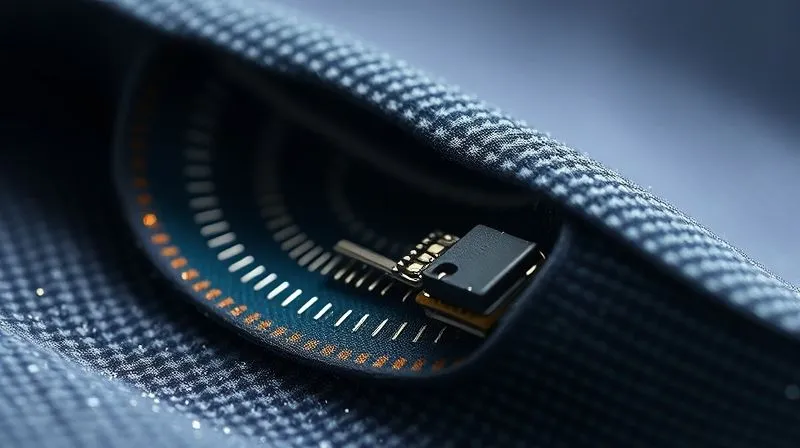
According to a recent study by the Nature Electronics journal, advancements in flexible encapsulation materials are key to unlocking the full potential of washable e-textiles, highlighting the need for materials that can withstand repeated stretching and chemical exposure.
Selecting the Right Conductive Materials and Components
The choice of materials is perhaps the most critical decision in achieving washable power. Not all conductive materials are created equal when it comes to laundry.
Washable Conductive Yarns and Inks
Traditional copper wires are too rigid and prone to breakage. The industry has moved towards textile-compatible alternatives:
- Silver-Coated Yarns: Offer excellent conductivity but can be susceptible to oxidation and degradation from certain detergents, leading to reduced performance over time.
- Carbon-Based Conductive Yarns/Inks: Generally more stable against chemical degradation and mechanical stress, though often with lower conductivity compared to silver. They are also more cost-effective.
- Polymer-Based Conductive Inks: Flexible and can be printed directly onto fabrics. Their washability depends heavily on the specific polymer matrix and curing process.
When I was working on a heated jacket project, we experimented with several silver-based inks. While they performed well initially, their conductivity dropped significantly after just 10 wash cycles due to detergent interaction. Switching to a carbon-polymer blend, though slightly less conductive, offered superior wash durability.
Flexible Batteries and Energy Harvesters
Rigid lithium-ion batteries are a non-starter for washable apparel. The focus shifts to:
- Flexible Solid-State Batteries: These are still emerging but offer high energy density in a bendable, often thin form factor. Their washability depends on their outer casing.
- Textile-Integrated Supercapacitors: Excellent for short bursts of power and can be woven directly into fabrics. They are inherently more robust to washing.
- Kinetic and Solar Energy Harvesters: While not primary power sources, textile-integrated piezoelectric or photovoltaic elements can trickle-charge small batteries, extending garment life between charges.
| Material Type | Conductivity (S/cm) | Washability (Cycles) | Flexibility | Cost |
|---|---|---|---|---|
| Silver-Coated Nylon | 1000-5000 | ~20-50 (detergent dependent) | High | Medium-High |
| Carbon-Polymer Blend | 100-500 | ~50-100+ | High | Low-Medium |
| Conductive Polymer Ink | 1-100 | ~30-80 (formulation dependent) | Very High | Medium |
Robust Encapsulation and Sealing Techniques
Once you've chosen your materials, how you protect them is paramount. This goes beyond simple waterproofing.
Polymer Coatings and Laminates
Applying a protective layer over conductive traces and small components is essential. This can be done through:
- Dip Coating: Immersing the textile or component in a liquid polymer (e.g., silicone, polyurethane) that cures to form a protective film.
- Spray Coating: Applying a fine mist of polymer, suitable for delicate structures or selective protection.
- Lamination: Bonding thin, flexible polymer films over larger areas, often using heat and pressure. This creates a strong barrier against water and abrasion.
The key is to use polymers that are highly flexible, adhere well to the textile, and are chemically resistant to common detergents. I've found that multi-layer encapsulation, using a thin primer layer followed by a thicker, more robust topcoat, often yields the best results.
Advanced Sealing for Connectors
Connectors are often the weakest link. They need to be both functional and impenetrable:
- Overmolding: Encasing the connector and the immediate surrounding textile in a thermoplastic polymer. This creates a seamless, water-tight seal and provides strain relief.
- Ultrasonic Welding: For textile-to-textile or textile-to-film connections, ultrasonic welding can create strong, water-resistant bonds without adhesives.
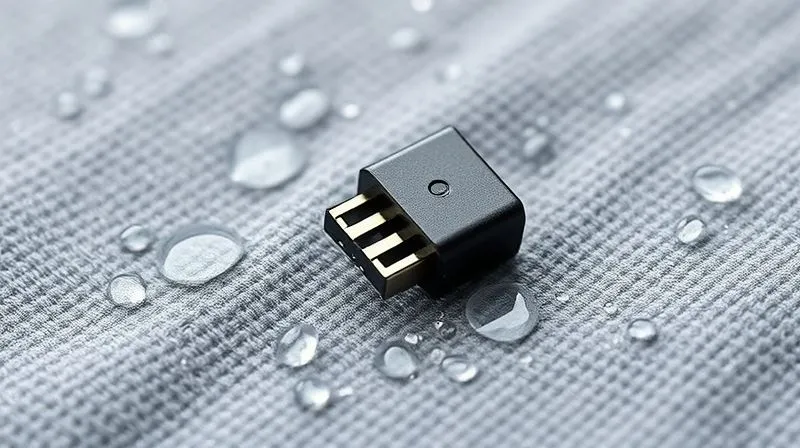
- Gasket Sealing: For removable components, using silicone or rubber gaskets ensures a tight seal when the component is inserted.
Power Management and Safety Protocols
Washable power isn't just about physical survival; it's about reliable, safe operation.
Low-Voltage Systems and Circuit Protection
Designing for low voltage (typically under 5V) significantly reduces safety risks, especially in a potentially wet environment. Furthermore, robust circuit protection is non-negotiable:
- Short-Circuit Protection: Implement fuses or current limiters to prevent overcurrent in case of a short circuit caused by damage or water ingress.
- Over-Voltage/Under-Voltage Protection: Safeguard components from power fluctuations.
- ESD Protection: Electrostatic discharge can damage sensitive electronics, so incorporate protection at all exposed interfaces.
Battery Management Systems (BMS) for Wearables
If you're using rechargeable batteries, even small ones, a sophisticated BMS is crucial. This system monitors the battery's state, prevents overcharging or deep discharge, balances cells (if multi-cell), and provides thermal protection.
Safety isn't an add-on; it's the bedrock of user trust in smart apparel. A well-designed BMS is your first line of defense against both component failure and user harm.
I've personally seen prototypes catch fire due to inadequate battery management during charging. The consequences for consumer products are unthinkable, making investment in robust BMS a critical best practice.
Validation and Testing: The Washability Gauntlet
No matter how well you design, true washability can only be confirmed through rigorous, repetitive testing that mimics real-world conditions.
Accelerated Life Cycle Testing
You can't wait years to see if your product lasts. Accelerated testing simulates years of use and washing in a condensed timeframe. This involves:
- Repeated Wash Cycles: Performing dozens, even hundreds, of wash cycles under various conditions (different temperatures, detergents, load sizes).
- Mechanical Stress Testing: Subjecting the garment to repeated stretching, bending, and abrasion tests.
- Environmental Extremes: Testing performance in varying humidity, temperature, and even chemical exposure beyond typical washing conditions.
Standardized Washing Protocols
Leverage existing industry standards to ensure consistency and comparability of your test results. ISO 6330 and AATCC 135 are common standards for textile washing and dimensional stability, which can be adapted for smart apparel washability. These standards provide specific parameters for machine type, detergent, temperature, and drying methods.
Case Study: How LuminaWear Mastered Washable LED Integration
LuminaWear, a startup I advised, initially struggled with LED strips failing after just a few washes in their illuminated running vests. The issue wasn't the LEDs themselves, but the conductive traces and their connections. By implementing the 'Encapsulation First' principle, they adopted a multi-layer polymer lamination technique that completely sealed the flexible LED strips and their power lines within the fabric. They then subjected prototypes to 50 ISO 6330 cycles at 40°C. Their initial failure rate of 80% dropped to less than 5%, proving that meticulous material selection and robust sealing, validated by rigorous testing, are non-negotiable. This resulted in a successful product launch and high consumer satisfaction.
For comprehensive textile testing standards, I often refer to the guidelines provided by organizations like ISO (International Organization for Standardization), particularly their standards for domestic washing and drying procedures.
User Experience and Maintenance Guidelines
Even the most robust washable power integration can be undermined by improper user care. Clear communication is key.
Clear Care Instructions
Do not assume users will know how to care for smart apparel. Provide explicit, easy-to-understand instructions, ideally both on the garment label and in accompanying documentation.
- Washing Temperature: Specify maximum temperature.
- Detergent Type: Recommend mild, non-bleaching detergents.
- Drying Method: Advise air drying or low-heat tumble drying.
- Component Removal: Clearly instruct users to remove any modular power units before washing.
- Ironing: Indicate if ironing is permissible and at what temperature, avoiding electronic areas.
End-of-Life Considerations
Smart apparel, like all electronics, eventually reaches its end of life. Consider how components can be recycled or disposed of responsibly. Designing for modularity can aid in separating electronic waste from textile waste.
| Symbol | Meaning |
|---|---|
| ? | Remove electronic components before washing |
| ? | Machine wash cold (30°C) |
| ?? | Do not tumble dry |
| ? | Do not bleach |
| ? | Do not iron over electronic areas |
The Future Landscape: Self-Healing and Energy Harvesting
The journey towards truly seamless, washable power is ongoing. The next frontier promises even greater resilience and autonomy.
Emerging Materials and Technologies
Researchers are actively developing:
- Self-Healing Polymers: Materials that can automatically repair micro-cracks or damage, extending the life of encapsulation.
- Stretchable Electronics: Beyond flexible, these materials can withstand significant deformation without losing conductivity.
- Bio-Compatible Power Sources: Batteries and energy harvesters that are non-toxic and environmentally friendly.
Sustainable Power Solutions
The industry is also pushing for more sustainable approaches:
- Textile-Integrated Solar Cells: Thin, flexible solar cells woven into the fabric can continuously charge small devices, reducing the need for external charging.
- Thermoelectric Generators: Converting body heat into electricity, offering a passive power source for low-power applications.
- Washable Wireless Charging: Imagine placing your smart jacket on a pad, and it charges without any physical connection, even after a wash.
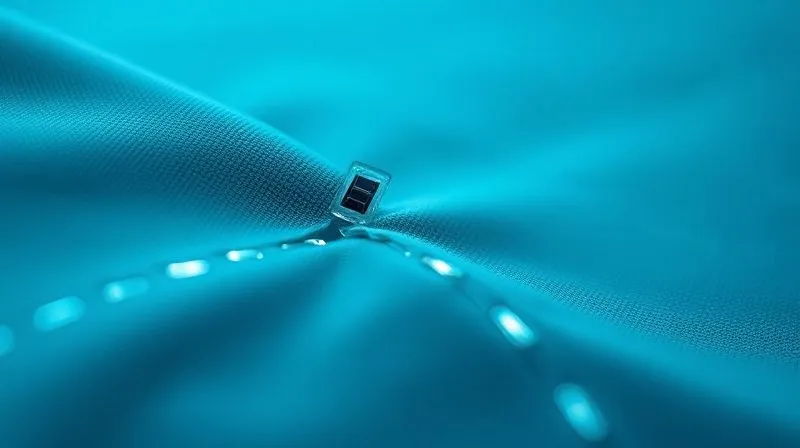
The convergence of materials science and textile engineering is driving incredible innovations. For a deeper dive into sustainable e-textiles, I recommend exploring research from institutions focusing on energy harvesting textiles and sustainable smart fabrics.
Frequently Asked Questions (FAQ)
What's the biggest hurdle for washable smart apparel? In my experience, the biggest hurdle is achieving a balance between high electronic performance (conductivity, power density) and extreme textile durability (flexibility, washability, chemical resistance). It's a multi-faceted challenge requiring interdisciplinary expertise.
Are there fully washable batteries available today? While significant progress has been made with flexible and stretchable batteries, truly 'fully washable' batteries that can withstand dozens of machine wash cycles without degradation are still primarily in research and development. Most commercial solutions involve removable battery packs or highly encapsulated, small capacity flexible cells.
How do washing temperatures affect integrated electronics? High washing temperatures can accelerate the degradation of polymer encapsulants, conductive inks, and even some electronic components. It can also cause differential expansion between materials, leading to delamination or stress. Cold or lukewarm washes are generally recommended for smart apparel.
Can existing apparel be retrofitted with washable power? While technically possible for some basic integrations, it's not a best practice. Optimal washable power integration requires designing the garment and electronics in tandem from the ground up, considering fabric structure, seam placement, and component protection as integral parts of the design process.
What certifications should I look for? Look for certifications related to textile washability (e.g., ISO 6330, AATCC 135), electrical safety (e.g., CE, FCC, UL for specific components), and material safety (e.g., Oeko-Tex Standard 100 for textiles and skin contact). These indicate a commitment to quality and safety.
Key Takeaways and Final Thoughts
- Design Holistically: Treat the electronics and textiles as one integrated system from conception.
- Prioritize Encapsulation: Robust, flexible encapsulation is the non-negotiable foundation for washability.
- Choose Materials Wisely: Select conductive materials and power sources specifically engineered for textile integration and laundry resilience.
- Validate Relentlessly: Rigorous, accelerated testing against industry standards is crucial to prove durability.
- Educate Your Users: Clear care instructions extend the life and satisfaction of smart apparel.
The future of smart apparel hinges on its ability to seamlessly integrate into our daily lives, and that includes surviving the washing machine. By adhering to these best practices, you're not just building a product; you're building trust and paving the way for a truly integrated, durable, and transformative wearable technology experience. Embrace the challenge, test thoroughly, and innovate responsibly – the washable smart apparel revolution is within our grasp.
Recommended Reading
- Unlocking Value: 7 Steps to Accurately Appraising 1950s Couture Resale
- Best Affordable Streetwear Brands 2024: Your Ultimate Guide to Stylish Savings
- 7 Proven Strategies for Consistent Waste Streams in Upcycled Fashion
- 7 Proven Strategies: Liquidate Unsold Bridal Gowns Quickly & Profitably
- 5 Proven Strategies to Conquer Kids Accessory Supply Chain Delays


Your email address will not be published. Required fields are marked *