

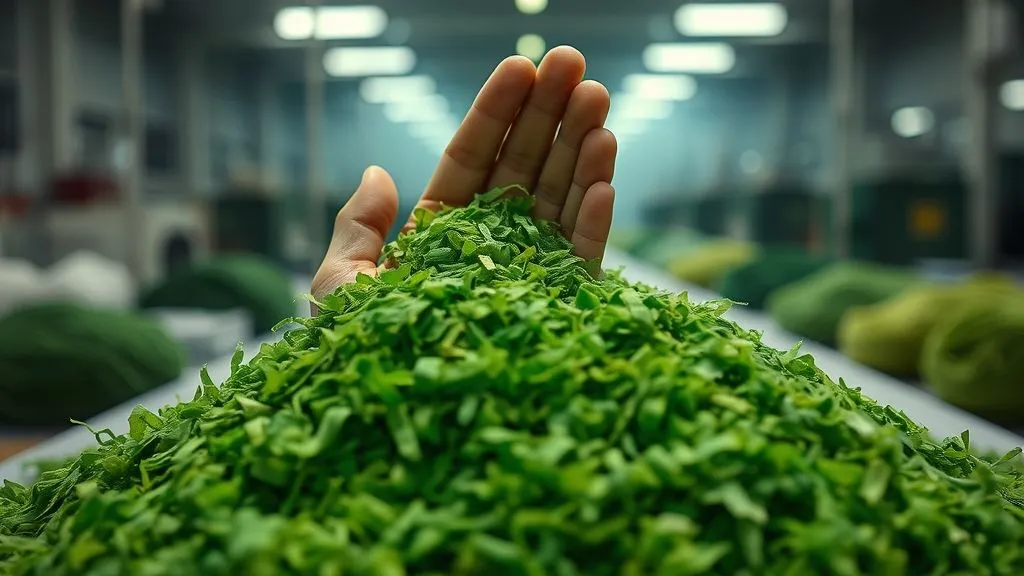
How to Avoid Greenwashing When Selecting Sustainable Textile Suppliers?
For over 15 years in the sustainable fashion industry, I've witnessed a profound transformation. What began as a niche movement has blossomed into a mainstream imperative. Yet, this growth has brought a formidable challenge: the pervasive shadow of greenwashing. I've seen countless brands, with genuine intentions, fall prey to misleading claims, inadvertently compromising their values and eroding consumer trust.
The problem is insidious. Brands are under immense pressure to demonstrate their commitment to sustainability, but the path to truly ethical and eco-conscious sourcing is fraught with complexities. Without a robust framework for verification, it’s all too easy to be swayed by slick marketing and vague promises, leading to procurement decisions that are superficial at best, and actively harmful at worst. This isn't just about PR; it's about real environmental and social impact.
In this definitive guide, I will share the actionable frameworks, expert insights, and practical tools I've developed over years of navigating the sustainable textile supply chain. My goal is to equip you with the knowledge to discern genuine sustainability from mere rhetoric, ensuring your brand makes truly responsible choices when selecting sustainable textile suppliers and effectively avoiding greenwashing.
The Greenwashing Epidemic: Understanding the Deception
Greenwashing is, at its core, deceptive marketing. It's when a company spends more time and money claiming to be 'green' through advertising and misleading branding than actually implementing business practices that minimize environmental impact. In the fashion industry, where supply chains are notoriously opaque and consumer demand for sustainability is skyrocketing, it has become an epidemic.
The allure of appearing eco-friendly is powerful, driving some suppliers to make unsubstantiated claims about their materials, processes, or labor practices. They might highlight a single eco-friendly attribute while ignoring significant environmental harm elsewhere in their operations. This makes the crucial task of knowing how to avoid greenwashing when selecting sustainable textile suppliers incredibly challenging.
Common greenwashing tactics include using vague terms like 'eco-friendly' or 'natural' without certification, selectively sharing data, or even creating fake certifications. As a result, brands struggle to differentiate between authentic commitment and clever marketing. The long-term cost is not just financial, but also reputational, severely damaging trust with conscious consumers.
"The true cost of greenwashing extends far beyond a damaged reputation; it undermines the very foundation of the sustainable movement, making it harder for genuinely responsible businesses to thrive and for consumers to make informed choices."
Understanding these tactics is your first line of defense. It's about developing a critical eye and a healthy skepticism for claims that lack verifiable evidence.
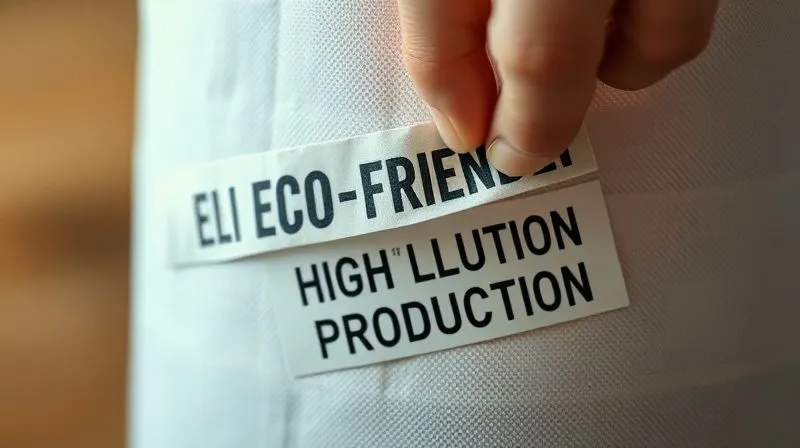
Step 1: Demand Unwavering Transparency and Traceability
The foundation of genuine sustainability lies in transparency. Without knowing precisely where your materials come from and how they are processed, any sustainability claim is built on shaky ground. In my experience, suppliers who are truly committed to sustainability are eager to share their journey and data.
Why Traceability Matters
Traceability allows you to follow the journey of a product from its raw material origin to the finished good. This visibility is crucial for verifying environmental and social claims. It helps identify potential risks, ensures compliance with ethical standards, and provides the data needed to make informed decisions.
For instance, understanding the origin of cotton can reveal whether it's organic, recycled, or linked to forced labor. Similarly, tracing a synthetic fiber back to its chemical components and manufacturing process can expose its true environmental footprint.
Key Questions to Ask
When engaging with potential suppliers, I always advise clients to ask probing questions. Don't settle for generic answers. Demand specifics about their entire supply chain, not just the part they directly control.
- Where are your raw materials sourced from? Request details about farms, forests, or recycling facilities.
- Can you provide a full list of your sub-suppliers (e.g., dyeing, finishing, spinning mills)? This extends transparency beyond tier-1.
- What systems do you have in place to track materials through each stage of production? Look for digital platforms or robust documentation.
- How do you ensure fair labor practices at every tier of your supply chain? Ask for audit reports and worker engagement programs.
- Can you provide environmental impact assessments for each stage of production? This includes water, energy, and chemical usage.
According to a report by the Deloitte Consumer Business group, supply chain transparency is no longer a 'nice-to-have' but a 'must-have' for modern fashion brands seeking to build trust and genuinely address sustainability challenges.
Step 2: Unpack Certifications: Beyond the Eco-Label Hype
Certifications can be powerful tools for verifying sustainability claims, but they are not all created equal. Many suppliers proudly display 'eco-labels' that offer little more than marketing fluff. Learning to differentiate between robust, third-party verified certifications and self-proclaimed badges is critical when you want to know how to avoid greenwashing when selecting sustainable textile suppliers.
Differentiating Robust vs. Weak Certifications
A truly robust certification involves rigorous third-party auditing, clear standards, and a comprehensive scope (e.g., environmental, social, chemical). Weak certifications, on the other hand, might be self-issued, have vague criteria, or focus on only one minor aspect of sustainability.
I always recommend looking for certifications that are internationally recognized and have a clear chain of custody requirements. These ensure that the certified claims apply throughout the entire supply chain, not just a single stage.
Here are some examples of highly reputable certifications:
- Global Organic Textile Standard (GOTS): The leading standard for organic fibers, covering ecological and social criteria.
- Oeko-Tex Standard 100: Focuses on human ecological safety, ensuring textiles are free from harmful substances.
- Bluesign: A holistic system that works to minimize environmental impact throughout the textile supply chain, from raw materials to finished products.
- Recycled Claim Standard (RCS) / Global Recycled Standard (GRS): Verifies recycled content and responsible social, environmental, and chemical practices.
- Fair Trade Certified: Ensures fair wages, safe working conditions, and community development.
- B Corp Certification: Assesses a company's entire social and environmental performance, transparency, and accountability.
"Don't just ask 'Is it certified?' Ask 'What does the certification cover, who issued it, and what are the standards for compliance?' This level of scrutiny separates the truly sustainable from the greenwashed."
Remember, a single certification doesn't always tell the whole story. A supplier might have GOTS-certified fabric, but what about their energy consumption or labor practices in other departments? A holistic view is essential.
| Certification | Focus Area | Verification | Scope |
|---|---|---|---|
| GOTS | Organic Fibers, Social & Eco | Third-Party Audit | Entire Supply Chain |
| Oeko-Tex 100 | Harmful Substances | Third-Party Testing | Finished Product |
| Bluesign | Chemicals, Water, Energy | Systemic Audit | Manufacturing Processes |
| GRS | Recycled Content, Social & Eco | Third-Party Audit | Recycled Input to Final Product |
Step 3: Scrutinize the Entire Lifecycle: From Fiber to Finish
Greenwashing often occurs when a supplier highlights one sustainable aspect while ignoring others. To truly avoid greenwashing when selecting sustainable textile suppliers, you must evaluate their practices across the entire product lifecycle. This means looking beyond the 'eco-friendly' raw material to encompass processing, manufacturing, and even end-of-life considerations.
Raw Material Sourcing
The journey begins with the fiber. Is it organic, recycled, regenerative, or innovatively sustainable? Dig into the specifics. For organic cotton, verify GOTS certification. For recycled polyester, confirm GRS or RCS. Understand the environmental footprint of cultivation or production.
Manufacturing Processes (Water, Energy, Chemicals)
This is where significant environmental impacts often occur. Inquire about their water management systems, effluent treatment, and water recycling initiatives. Ask about their energy sources: do they use renewable energy? What are their carbon emissions? Crucially, investigate their chemical management system, adherence to restricted substance lists (RSLs), and safe disposal practices.
Labor Practices and Social Impact
Sustainability isn't just environmental; it's deeply social. Fair wages, safe working conditions, freedom of association, and no child or forced labor are non-negotiable. Request social audit reports (e.g., SA8000, SMETA) and inquire about worker representation and grievance mechanisms. This is a critical area where many greenwashing claims fall apart.
Key indicators to assess:
- Water Usage: Liters per kilogram of fabric, wastewater treatment efficiency.
- Energy Consumption: kWh per kilogram of fabric, percentage from renewable sources.
- Chemical Management: Adherence to RSLs, ZDHC (Zero Discharge of Hazardous Chemicals) commitments.
- Waste Management: Waste diversion rates, recycling programs, hazardous waste disposal.
- Social Audits: Regular third-party audits confirming fair labor practices.
- Community Engagement: Investments in local communities, worker well-being programs.
As highlighted by Harvard Business Review, a holistic approach to sustainability, encompassing environmental, social, and governance (ESG) factors, is essential for long-term business resilience and ethical operations.
Step 4: Engage in Direct Dialogue and On-Site Verification
While documents and certifications are vital, nothing replaces direct engagement. Visiting a supplier's facility, meeting their team, and observing their operations firsthand provides invaluable insights that no amount of paperwork can fully capture. This is a crucial step in knowing how to avoid greenwashing when selecting sustainable textile suppliers.
The Power of Supplier Visits
On-site visits allow you to verify claims, assess working conditions, and gain a deeper understanding of their culture and commitment. You can see their waste management systems, observe energy-saving initiatives, and speak directly with workers (if appropriate and respectful of local customs). These visits are not just audits; they are opportunities to build trust and partnership.
Building Long-Term Partnerships
Sustainable sourcing is not a transactional relationship; it's a partnership. By investing time in direct dialogue and building rapport, you foster a relationship based on mutual trust and shared goals. This encourages honesty and continuous improvement, making it easier to address challenges collaboratively.
- Plan a Comprehensive Audit: Go beyond a checklist. Engage experts in environmental and social compliance if needed.
- Observe and Engage: Pay attention to details – cleanliness, safety protocols, worker morale. Engage in respectful conversations.
- Review Documentation On-Site: Ask to see recent energy bills, water usage logs, chemical inventory, and training records.
- Verify Certifications: Ask for original certificates and follow up with the certifying body if any doubts arise.
- Discuss Improvement Plans: A truly sustainable supplier will have ongoing initiatives and be open to discussing areas for improvement.
Case Study: How 'EcoThread Collective' Vetted a Dyeing Mill
EcoThread Collective, a small but ambitious sustainable fashion brand, was sourcing organic cotton fabric but suspected their dyeing mill might not be as eco-friendly as claimed. Instead of relying solely on a certificate, their sourcing manager, Anya, conducted an unannounced site visit. During the visit, Anya observed that while the mill had an impressive wastewater treatment plant, it was not operating at full capacity due to 'maintenance issues' – a red flag. Further investigation revealed they occasionally discharged untreated water during peak periods. By engaging directly, Anya uncovered this critical greenwashing tactic. EcoThread then worked with the mill to implement a robust maintenance schedule and invested in additional training, transforming a potential greenwashing scenario into genuine improvement.

Step 5: Leverage Data, Metrics, and Performance Indicators
In the world of sustainable sourcing, data is king. Vague claims like 'we use less water' are insufficient. You need quantifiable metrics to verify impact and track progress. This analytical approach is fundamental to knowing how to avoid greenwashing when selecting sustainable textile suppliers.
Quantifying Sustainability Claims
Ask suppliers for specific data points. How much water is used per kilogram of finished fabric? What are their energy consumption figures? What percentage of their waste is recycled? These numbers provide objective evidence that can be compared against industry benchmarks and your own brand's targets.
I often advise clients to request data over a period (e.g., last 3-5 years) to identify trends. A supplier showing consistent improvement in their metrics is a strong indicator of genuine commitment, not just a one-off effort for marketing purposes.
Key Performance Indicators (KPIs)
Establish clear sustainability KPIs that align with your brand's values. These might include:
- Carbon Footprint: Measured in CO2e emissions per unit of production.
- Water Footprint: Total water consumption, broken down by source and discharge.
- Chemical Usage: Volume of hazardous chemicals used, adherence to ZDHC MRSL.
- Waste Diversion Rate: Percentage of waste recycled or reused versus landfilled.
- Social Compliance Scores: Results from third-party social audits.
- Renewable Energy Share: Percentage of energy derived from renewable sources.
Don't be afraid to dig into the methodology behind these numbers. A supplier who can clearly explain how they measure and report their KPIs is far more trustworthy than one who provides only high-level, unaudited figures. This is crucial for truly understanding how to avoid greenwashing when selecting sustainable textile suppliers.
For more insights on robust sustainability reporting, I recommend exploring resources from the Global Reporting Initiative (GRI), which provides a comprehensive framework for organizations to report on their economic, environmental, and social impacts.
Step 6: Beware of Vague Language and Green-Washing Buzzwords
One of the easiest ways for suppliers to greenwash is through language. They use terms that sound eco-friendly but lack specific, verifiable meaning. As an expert in this field, I've developed a keen ear for these linguistic red flags. Your ability to detect these is paramount to knowing how to avoid greenwashing when selecting sustainable textile suppliers.
Common Red Flags
When reviewing supplier communications, marketing materials, and even their websites, be on high alert for:
- "Natural": This term is almost meaningless. Arsenic is natural, but not sustainable. Does it mean plant-based? Untreated?
- "Eco-friendly" / "Environmentally Friendly": Without specific metrics or certifications, these are just marketing slogans.
- "Green" / "Sustainable": Similarly vague. What specific actions make them green or sustainable?
- "Conscious Collection": Often used by brands to highlight a small percentage of their line as sustainable, while the majority remains conventional.
- "Biodegradable" / "Compostable": Unless specified for industrial composting, these claims can be highly misleading for home environments.
- "Chemical-free": Everything is made of chemicals. This is often used to imply 'non-toxic' without scientific backing.
- "Ethically sourced": Again, what does 'ethical' mean to them? Demand details on labor conditions, wages, and community impact.
- "Reducing our footprint": Without quantifiable data, this is just an aspiration, not a verified achievement.
"If a sustainability claim feels too good to be true, it probably is. True sustainability is complex, nuanced, and rarely presented with simplistic, catch-all buzzwords."
Always ask for the evidence behind these claims. A reputable supplier will be able to provide data, certifications, or detailed explanations. A greenwasher will deflect, generalize, or provide irrelevant information.
Step 7: Continuous Monitoring and Improvement
Sustainability is not a destination; it's an ongoing journey. Even after you've thoroughly vetted and selected a supplier, your work isn't done. Continuous monitoring and a commitment to improvement are essential to maintaining genuine sustainable practices and ensuring you continue to avoid greenwashing when selecting sustainable textile suppliers.
Sustainability is an Ongoing Journey
The landscape of sustainable fashion is constantly evolving, with new technologies, materials, and best practices emerging regularly. What was considered cutting-edge sustainability five years ago might be baseline today. Your suppliers should demonstrate a commitment to continuous learning and adaptation, always seeking to reduce their impact further.
Regular Audits and Feedback Loops
Implement a schedule for regular re-audits of your suppliers, both environmental and social. These shouldn't just be compliance checks; they should be opportunities for collaborative improvement. Establish clear feedback loops where you can share new insights, discuss challenges, and work together on innovative solutions.
Encourage suppliers to set their own ambitious sustainability goals and support them in achieving these. A strong partnership is one where both parties are invested in mutual growth and shared values. This proactive approach helps prevent complacency and ensures that your supply chain remains aligned with your ethical commitments.
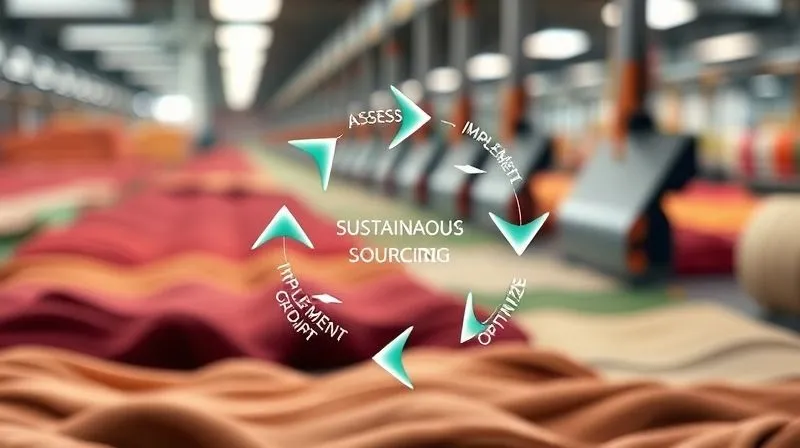
Frequently Asked Questions (FAQ)
Is it possible to find 100% sustainable textile suppliers? In my experience, achieving 100% sustainability is an aspirational goal rather than a current reality. Every process has some impact. The aim should be to find suppliers who are demonstrably committed to minimizing their negative impact and maximizing positive contributions across environmental, social, and ethical dimensions. Focus on progress, transparency, and continuous improvement rather than a mythical 'perfect' supplier.
How much extra cost should I expect for sustainable sourcing? Initially, sustainable sourcing can sometimes incur higher costs due to premium materials, ethical labor practices, and investments in cleaner technology. However, I've seen that these costs often balance out over time. Sustainable practices can lead to efficiencies (e.g., reduced water/energy use), better brand reputation, increased consumer loyalty, and reduced regulatory risks. View it as an investment, not just an expense.
What if a supplier has some good practices but also some red flags? This is a common scenario. It's rarely black and white. If a supplier shows genuine willingness to improve and has a clear plan to address the red flags, it can be an opportunity for partnership. Engage in open dialogue, set clear expectations, and monitor their progress closely. If there's no commitment to change, then you must reconsider.
How can small brands compete in sustainable sourcing against larger companies? Small brands often have an advantage in agility and direct relationships. Focus on building strong, transparent partnerships with a few key suppliers. Leverage certifications and utilize online platforms that connect sustainable suppliers with brands. Don't be afraid to start small with one or two truly sustainable product lines and expand as you grow. Your authentic story of ethical sourcing can be a powerful differentiator.
What's the role of blockchain in supply chain transparency? Blockchain technology holds immense promise for enhancing supply chain transparency and traceability. By creating an immutable, decentralized ledger of transactions and material movements, it can provide verifiable proof of origin and processing steps, making greenwashing significantly harder. While still emerging in widespread textile application, I believe it will become a crucial tool in the fight against deceptive claims, offering unprecedented levels of trust and accountability.
Key Takeaways and Final Thoughts
Navigating the complex world of sustainable textile sourcing requires vigilance, diligence, and a commitment to continuous learning. Greenwashing is a persistent challenge, but it is one that can be overcome with the right strategies and a deep understanding of what true sustainability entails.
- Demand Transparency: Always ask for detailed, verifiable information about the entire supply chain.
- Validate Certifications: Understand what each label truly signifies and look for robust third-party verification.
- Holistic Assessment: Evaluate environmental and social impact across the entire product lifecycle.
- Direct Engagement: Build relationships and conduct on-site visits to verify claims firsthand.
- Data-Driven Decisions: Rely on quantifiable metrics and KPIs, not just vague promises.
- Critical Language Analysis: Be wary of buzzwords and demand specific, evidence-backed claims.
- Commit to Improvement: Recognize that sustainability is an ongoing journey requiring continuous monitoring and adaptation.
By adopting these seven actionable steps, you will not only protect your brand from the pitfalls of greenwashing but also contribute meaningfully to a more ethical and environmentally responsible fashion industry. The journey to genuine sustainability is challenging, but it is unequivocally worth it. Your commitment today shapes the future of fashion, ensuring that every fiber tells a story of integrity and positive impact.

Recommended Reading
- Best Affordable Streetwear Brands 2024: Your Ultimate Guide to Stylish Savings
- 7 Proven Steps: Mitigate Infant Clothing Recall Risks in Manufacturing
- 7 Steps to Verify Ethical Supply Chains in Sustainable Activewear
- 9 Steps to Eradicate Razor Burn for a Confident Executive Presence
- 5 Expert Strategies: Stop Functional Textile Coating Degradation Post-Wash




Your email address will not be published. Required fields are marked *