

How to boost slow-moving designer eyewear sales quickly?
For over 15 years in the luxury eyewear sector, I've had the privilege of witnessing market shifts, product innovations, and the ebb and flow of consumer demand. What often surprises me is how even the most exquisite designer eyewear collections can, at times, gather dust on shelves, defying their inherent value and aesthetic appeal.
The sight of beautiful, high-quality frames simply sitting, unpurchased, is a familiar pain point for many optical retailers and brand managers. It's not just about lost revenue; it’s about tying up capital, missing out on inventory turnover, and potentially damaging your brand's perceived freshness. You’ve invested in premium designs, quality materials, and unique aesthetics, only to find them moving at a snail's pace.
But here’s the good news: slow-moving designer eyewear sales are not a death sentence; they're a strategic challenge. In this definitive guide, I'll share seven battle-tested, actionable strategies, drawing from my extensive experience, to not only revitalize your stagnant inventory but also to inject new life and urgency into your entire sales approach. We'll explore frameworks, real-world tactics, and expert insights that promise to turn those slow movers into fast sellers, quickly and effectively.
Understanding the 'Why' Behind Slow Sales
Before we can accelerate sales, we must first diagnose the root cause of the slowdown. In my experience, attributing slow sales solely to "lack of interest" is a superficial diagnosis. The real reasons are often multi-faceted, ranging from market misalignments to internal operational gaps.
Analyzing Inventory Data Beyond the Surface
While basic sales reports tell you what isn't selling, truly understanding why requires a deeper dive. I advocate for an analytical approach that goes beyond simple sell-through rates. Look at metrics like conversion rates for specific frames, customer demographics associated with purchases (or lack thereof), and even the journey customers take (or don't take) to those specific frames in-store or online.
Consider implementing a more granular inventory analysis. Are these frames consistently slow across all your locations or channels, or is it isolated? Is there a seasonality factor you haven't accounted for? Are they competing directly with newer, trendier arrivals without a distinct value proposition?
| Metric | Slow-Moving Target | Actionable Insight |
|---|---|---|
| Average Days on Hand | >180 days | High holding costs, potential obsolescence. |
| Conversion Rate (Frame-Specific) | <1% | Poor merchandising, lack of compelling story, pricing perception. |
| Customer Feedback Score | <3/5 stars | Quality concerns, fit issues, style mismatch with target audience. |
Market Trends vs. Your Stock: A Disconnect?
The eyewear fashion landscape is dynamic. What was 'in' last season might be perceived as dated today. It's crucial to continuously monitor broader fashion trends, color palettes, and material preferences. Is your slow-moving stock out of sync with current minimalist aesthetics, bold statements, or sustainable material demands? Sometimes, a slight tweak in how a frame is presented, aligning it with an emerging trend, can make all the difference.
As marketing guru Seth Godin often says, "People don't buy what you do; they buy why you do it." This applies directly to designer eyewear. If the 'why' – the story, the trend relevance, the emotional connection – isn't clear or resonant, sales will suffer.
Strategy 1: Re-Engage with Storytelling and Brand Heritage
Designer eyewear isn't just about vision correction; it's about identity, craftsmanship, and a narrative. When frames become slow-moving, it's often because their inherent story isn't being effectively communicated or has been forgotten amidst newer arrivals. Your first powerful move is to rekindle that narrative.
Crafting Compelling Narratives for Each Frame
Every designer frame has a story: the inspiration behind its design, the heritage of the brand, the artisan's touch, the materials used, or the iconic figures who might have worn similar styles. Don't just list features; paint a picture. Is it a classic piece inspired by 1950s Hollywood glamour? Is it a cutting-edge design born from sustainable innovation? These stories create emotional connections that transcend mere functionality.
For example, instead of "Black acetate frame," try, "Experience the timeless elegance of the 'Midnight Muse,' a frame hand-polished to perfection, reminiscent of classic film noir heroines, designed for the modern woman who commands attention."

Leveraging Designer Endorsements and Collaborations
If possible, tap into the designer's personal story or past collaborations. Did the designer win awards? Are they known for a specific aesthetic? Highlighting these aspects adds layers of prestige and authenticity. Consider creating limited-time 'designer spotlight' features in-store and online, sharing interviews or behind-the-scenes glimpses that humanize the brand and the product. This builds an immediate connection that generic marketing often misses.
Strategy 2: Dynamic Pricing and Bundling Tactics
While designer eyewear commands a premium, strategic pricing adjustments and creative bundling can significantly reduce perceived risk and increase value for hesitant buyers, without necessarily cheapening your brand. This isn't about deep discounting; it's about smart value creation.
Strategic Discounts That Don't Devalue Your Brand
Avoid blanket percentage off sales. Instead, think about targeted promotions. Perhaps a 'first-time buyer' discount on specific slow-moving collections, or a limited-time 'archive sale' that frames the items as rare finds rather than unsold stock. Consider offering a fixed dollar amount off rather than a percentage, which can feel more substantial and less like a desperate markdown. Ensure any discount is communicated as an exclusive opportunity, not a permanent price drop.
According to a Harvard Business Review article on pricing strategy, perceived value often outweighs the actual cost. Your goal is to increase that perception of value even as you adjust the price.
Bundling for Added Value: Frames + Lenses + Accessories
Bundling is a powerful tool to move slow inventory by making the overall offer irresistible. Instead of just selling the frame, package it with premium lenses (anti-glare, blue light filtering), a designer cleaning kit, an exclusive case, or even a complimentary eyewear styling consultation. This transforms a single-item purchase into a comprehensive luxury experience, justifying the investment and making the slow-moving frame part of a more attractive package.
Expert Insight: "The goal isn't just to sell a frame; it's to sell a complete vision solution and a style statement. Bundling allows you to elevate the entire proposition, making slow-moving items more appealing as part of a high-value package."
Strategy 3: Optimize In-Store and Online Merchandising
Presentation is paramount in luxury retail. How your designer eyewear is displayed, both physically and digitally, profoundly impacts its desirability. A frame that looks neglected or difficult to find will naturally move slowly, regardless of its inherent quality.
Creating Immersive In-Store Experiences
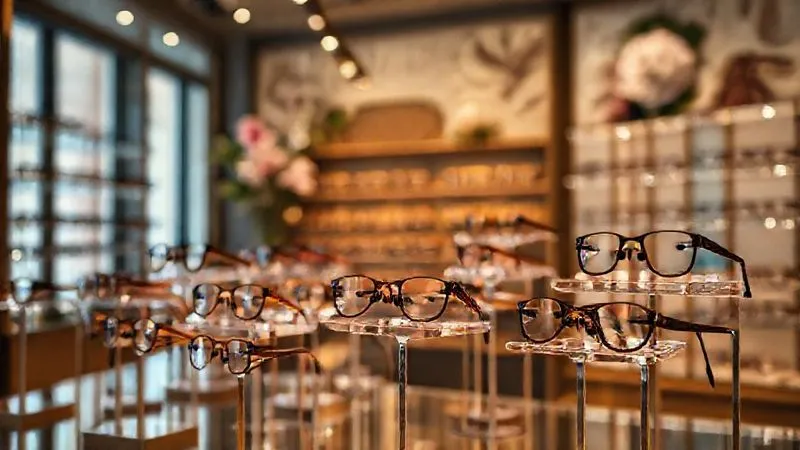
Walk into your store as a customer. Are your slow-moving frames prominently displayed? Are they well-lit? Are they grouped with complementary styles or accessories that enhance their appeal? Consider creating dedicated 'capsule collections' or 'designer spotlights' for these frames, complete with visual merchandising that tells their story (Strategy 1). Use elegant props, high-quality signage, and ample space to allow each piece to breathe and be appreciated. A cluttered display diminishes perceived value.
Elevating Your E-commerce Presentation
Your online presence is often the first, and sometimes only, impression. For slow-moving frames, scrutinize their product pages. Are the images high-resolution, showcasing every detail from multiple angles, including lifestyle shots? Is the product description rich with the storytelling elements we discussed earlier? Does it clearly articulate benefits beyond features? Is there a virtual try-on option?
Here’s a checklist for online optimization:
- High-Quality Photography: Professional, consistent, multiple angles, lifestyle shots, detail shots.
- Engaging Product Descriptions: Focus on brand story, design inspiration, material benefits, and emotional appeal.
- Virtual Try-On: A crucial tool for designer eyewear, reducing purchase friction and returns.
- Customer Reviews & Testimonials: Prominently display positive feedback (we'll cover this more).
- Seamless User Experience: Easy navigation, clear calls-to-action, fast loading times.
- Related Products: Suggest complementary items (lenses, cases, cleaning kits) to increase average order value.
Strategy 4: Targeted Marketing & Personalization
Broad-stroke marketing campaigns are inefficient for slow-moving inventory. Instead, leverage data to identify your most likely buyers and craft highly personalized messages that resonate directly with their preferences and past behaviors. This is where precision beats volume.
Data-Driven Customer Segmentation
Go back to your CRM and sales data. Who has previously purchased designer eyewear? Who has browsed similar styles but didn't convert? Who has shown interest in the specific brand of your slow-moving frames? Segment your audience based on purchase history, browsing behavior, demographics, and psychographics. A young professional might respond to messages about trendiness and innovation, while an established connoisseur might prefer messaging around heritage and craftsmanship.
Hyper-Personalized Campaigns
Once you have your segments, tailor your marketing messages. An email campaign for a specific segment might highlight a slow-moving frame that perfectly matches their past purchases or expressed style preferences. Use dynamic content in your emails or website banners to show relevant slow-moving items to returning visitors. This level of personalization makes customers feel seen and understood, significantly increasing conversion potential.
Case Study: How 'LuxeLens Boutique' Revitalized a Stagnant Collection
LuxeLens Boutique, an independent optical retailer, found themselves with an excess of a specific avant-garde designer collection that wasn't resonating with their usual clientele. Instead of discounting heavily, they implemented a targeted marketing strategy. They segmented their customer database to identify individuals who had previously purchased unique, statement-making frames or had engaged with their social media posts on edgy fashion. LuxeLens then launched an exclusive email campaign, inviting these specific customers to a private 'Art of Eyewear' viewing event, featuring the collection. Each invitation included a personalized note about why they believed this collection would appeal to the recipient's unique style. They sold 60% of the stagnant collection within three weeks, not by lowering prices, but by connecting the right product with the right audience through tailored experience and communication. This resulted in maintaining brand prestige while clearing inventory effectively.
This approach demonstrates the power of understanding your customer deeply and delivering value that extends beyond the product itself. It's about creating a relevant experience.
Strategy 5: Empowering Your Sales Team with Product Knowledge
Your sales associates are the front line. If they aren't equipped with deep knowledge and passion for your designer eyewear, even the most compelling marketing campaigns will fall flat. They need to be more than order-takers; they need to be eyewear stylists and brand ambassadors.
Transforming Sales Associates into Eyewear Stylists
Invest in comprehensive training for your team, particularly for those slow-moving collections. Don't just teach them features; teach them the story, the designer's vision, the ideal face shapes, the fashion pairings, and the unique selling propositions of each frame. Encourage them to wear the frames themselves, fostering genuine enthusiasm. When an associate can confidently articulate why a specific frame is special and how it enhances a customer's personal style, sales naturally follow.
Here’s how to empower your team:
- Deep Dive Product Training: Beyond basic features, focus on brand history, design inspiration, and craftsmanship.
- Styling Workshops: Teach associates how to pair frames with different face shapes, skin tones, and personal styles.
- Role-Playing Scenarios: Practice handling common objections and effectively communicating value for slow-moving items.
- Incentive Programs: Motivate sales of specific slow-moving collections with targeted bonuses or recognition.
- Regular Refreshers: Keep product knowledge fresh with ongoing training sessions and updates.
As I've observed countless times, a well-informed and enthusiastic sales associate can turn a browsing customer into a loyal patron. Their expertise builds trust, which is invaluable in the luxury market.
Strategy 6: Host Exclusive Events & Trunk Shows
Creating a sense of occasion and exclusivity can dramatically boost interest and sales for designer eyewear, especially those pieces that need a little extra spotlight. These events generate buzz and provide a unique purchasing environment.
Creating Urgency and Exclusivity
Organize 'Designer Spotlight Evenings' or 'Archive Collection Trunk Shows' where you specifically feature your slow-moving designer frames. Position these events as exclusive opportunities to acquire unique or limited-edition pieces. Invite your segmented VIP customer list (from Strategy 4). Offer a small, exclusive incentive for purchases made during the event, such as a complimentary frame adjustment service for life, or a luxury eyewear care kit.
The atmosphere should feel curated and special, not like a clearance sale. Think champagne, light refreshments, and dedicated styling consultations. This elevates the shopping experience and imbues the eyewear with higher perceived value.
Partnering with Complementary Luxury Brands
Expand your reach by collaborating with other luxury businesses. Imagine a joint event with a high-end fashion boutique, a bespoke tailor, or a luxury watch dealer. This cross-promotional synergy introduces your designer eyewear to a new, affluent audience that already appreciates quality and exclusivity. It also positions your brand within a broader luxury lifestyle ecosystem, reinforcing its premium status. According to a Forbes article on brand partnerships, strategic collaborations can significantly enhance brand perception and market reach.
Strategy 7: Harnessing the Power of Customer Reviews and UGC
In today's digital age, social proof is king. Potential customers trust their peers more than they trust brands. Leveraging authentic customer reviews and user-generated content (UGC) can provide the validation needed to move slow-moving designer eyewear.
Encouraging Authentic Testimonials
Actively solicit reviews from customers who have purchased similar designer frames, even if they haven't bought the slow-moving ones. A positive review for a brand or your store builds overall trust. For those who *do* purchase a slow-moving frame (perhaps through your targeted campaigns), follow up with a personalized email asking for their feedback. Offer a small incentive, like entry into a draw for a luxury accessory, to encourage participation. Highlight these reviews prominently on product pages and in marketing materials.
| Review Source | Impact | Action |
|---|---|---|
| Website Product Page | Direct conversion influence, SEO benefits. | Implement easy review submission, display prominently. |
| Google My Business | Local SEO, trust, foot traffic. | Encourage reviews post-purchase, respond to all reviews. |
| Social Media (Comments/Mentions) | Brand engagement, organic reach. | Monitor, respond, re-share positive UGC. |
Showcasing User-Generated Content
Nothing sells designer eyewear like seeing real people wear it beautifully. Encourage customers to share photos of themselves wearing their new frames on social media, using a specific hashtag. Run contests where the best UGC wins a prize. Then, curate and feature this content on your website, social media channels, and even in-store digital displays. This not only provides authentic social proof but also inspires others by showing how the frames look on diverse individuals, making those slow-moving styles feel more accessible and desirable.

This strategy is a testament to the power of community. When your customers become your advocates, your sales challenges often diminish.
Frequently Asked Questions (FAQ)
Q: Is discounting slow-moving designer eyewear always a bad idea? A: Not necessarily, but it requires strategy. Blanket, deep discounts can devalue your brand. Instead, consider targeted promotions, fixed-dollar-amount offers, or bundling. Frame discounts as exclusive 'archive sales' or limited-time opportunities rather than clearance. The goal is to move inventory while preserving the perceived luxury of your brand.
Q: How quickly can I expect to see results from these strategies? A: Some strategies, like optimizing online product pages or empowering your sales team, can show immediate improvements in conversion rates. Events and targeted marketing campaigns might take a few weeks to plan and execute, but can yield significant results in a short period. Sustainable long-term growth, however, comes from consistent application and refinement of all these strategies. Don't expect miracles overnight, but expect noticeable shifts within 1-3 months with dedicated effort.
Q: What if my slow-moving frames are genuinely out of style? A: Even if a frame is no longer at the peak of fashion, it doesn't mean it's unsellable. Focus on repositioning. Can it be framed as a 'vintage-inspired' piece, a 'timeless classic,' or a 'unique statement piece' for a niche audience? Leverage storytelling to highlight its craftsmanship or heritage. Bundling with modern accessories can also refresh its appeal. In extreme cases, consider donation or repurposing if the holding costs truly outweigh any potential sales.
Q: How important is a virtual try-on tool for boosting online eyewear sales? A: Extremely important for designer eyewear. Virtual try-on significantly reduces the major barrier to online eyewear purchases: uncertainty about fit and appearance. It enhances customer confidence, reduces returns, and provides a highly engaging shopping experience. For slow-moving items, it can be the critical factor that helps a hesitant customer visualize themselves wearing the frame, leading to a conversion they might otherwise have abandoned.
Q: Should I prioritize in-store or online strategies first? A: The answer depends on your primary sales channel and customer demographic. However, in today's omnichannel retail landscape, it's crucial to address both simultaneously. Many customers research online and purchase in-store, or vice-versa. A cohesive strategy that optimizes both physical and digital touchpoints will yield the best results for boosting slow-moving designer eyewear sales quickly. Ensure your messaging, branding, and promotions are consistent across all channels.
Key Takeaways and Final Thoughts
Boosting slow-moving designer eyewear sales quickly isn't about magic bullets; it's about strategic action, deep customer understanding, and unwavering commitment to your brand's value. From my years in this fascinating industry, I've learned that every challenge is an opportunity for innovation.
- Diagnose First, Then Treat: Understand the 'why' behind slow sales before implementing solutions.
- Storytelling is Your Superpower: Reconnect customers with the narrative and heritage of your designer frames.
- Value Over Discount: Use dynamic pricing and bundling to enhance perceived value, not just slash prices.
- Optimize Every Touchpoint: Ensure your in-store and online merchandising speaks volumes about quality and style.
- Targeted Precision: Leverage data for personalized marketing that resonates with the right audience.
- Empower Your Team: A knowledgeable and passionate sales force is your greatest asset.
- Create Experiences: Host exclusive events and collaborate to generate buzz and new clientele.
- Harness Social Proof: Let your happy customers be your most convincing advocates through reviews and UGC.
The journey to revitalizing your slow-moving designer eyewear inventory is an exciting one, requiring creativity, data-driven decisions, and a passion for what you do. By implementing these seven expert strategies, you're not just moving frames; you're reinforcing your brand's prestige, delighting your customers, and ensuring the continued success of your optical business. Embrace these challenges, stay agile, and watch your designer eyewear sales flourish once again.
Recommended Reading
- 6 Ways to Unmask Greenwashing in 'Cruelty-Free' Beauty Claims
- 7 Strategies: Price Ethical Fashion Competitively, Uphold Your Values
- Safeguarding Haute Couture: 7 Strategies to Prevent Heritage Technique Erosion
- 5 Urgent Steps: Esthetician's Fix for Client Skin Barrier Damage?
- 8 Pillars: Prevent Clean Beauty Launches Failing in 2024+




Your email address will not be published. Required fields are marked *