

How to Prevent Erosion in Haute Couture Heritage Techniques?
For over three decades in the rarefied world of haute couture, I've had the distinct privilege of witnessing unparalleled artistry, but also the profound sorrow of seeing invaluable heritage techniques teeter on the brink of extinction. I recall a conversation with a master embroiderer in Paris, her hands calloused yet nimble, lamenting that her unique stitch, passed down through generations, might well die with her. It's a stark reality many in our industry face.
The erosion of haute couture heritage techniques isn't a dramatic collapse; it's a quiet fading, often imperceptible until it's too late. It stems from a confluence of factors: declining apprenticeship, the allure of industrial efficiency, economic pressures, and a lack of formalized documentation. This loss isn't merely aesthetic; it's a severance of cultural memory, a diminishment of human ingenuity, and a tragic blow to the very soul of fashion.
In this definitive guide, I will share the actionable frameworks and expert insights I've gathered from years at the forefront of this exquisite craft. We will explore a multi-faceted approach, offering concrete strategies to not just halt, but reverse, the erosion of these precious skills, ensuring they flourish for future generations. My aim is to equip you with the knowledge to safeguard the intangible legacy of haute couture.
1. Documenting the Intangible: The First Line of Defense
The first, and perhaps most foundational, step in preventing the erosion of haute couture heritage techniques lies in comprehensive documentation. In my experience, many ateliers possess an incredible wealth of knowledge, but it often resides solely in the minds and hands of their master artisans. This tacit knowledge, while invaluable, is inherently vulnerable.
Comprehensive Archiving Protocols for Artisanal Knowledge
Moving beyond simple pattern books, we must embrace a holistic approach to archiving. This involves capturing not just the 'what' but the 'how' and 'why' of each technique. Think of it as creating a digital and physical 'DNA' of the craft.
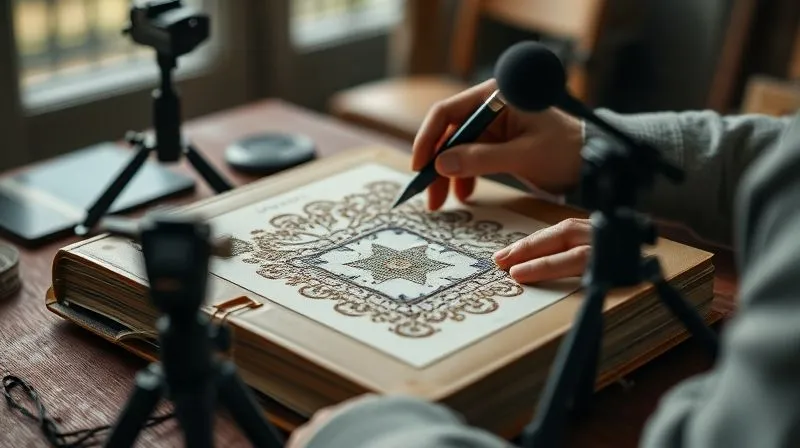
- High-Definition Video Recording: Systematically film artisans at work, capturing every subtle movement, tool manipulation, and material interaction from multiple angles. Include slow-motion and close-up shots.
- Detailed Written Manuals: Accompany videos with meticulously written manuals that define terminology, specify materials (thread counts, fiber types, dye recipes), and outline precise, step-by-step instructions for each technique.
- Oral Histories and Interviews: Conduct in-depth interviews with master artisans, capturing their personal stories, experiences, and the nuanced wisdom that can only come from decades of practice. These provide invaluable context and cultural significance.
- Material Libraries and Samples: Create physical archives of finished samples, detailing the materials used, their provenance, and the date of creation. This allows for future material analysis and replication.
- 3D Scanning and Digital Reconstruction: Employ advanced scanning technologies to create digital twins of complex embellishments, patterns, and tools. This preserves precise dimensional data for future reference and teaching.
According to a UNESCO report on intangible cultural heritage, systematic documentation is crucial for cultural transmission and safeguarding against loss, particularly in rapidly changing environments. It's the bedrock upon which all other preservation efforts are built.
2. Fostering Apprenticeship and Mentorship: Passing the Torch
While documentation is vital, the true heart of heritage technique preservation lies in the direct transmission of skills from master to apprentice. The tactile, intuitive knowledge embedded in the artisan's hands cannot be fully conveyed through any manual or video alone. It requires presence, repetition, and personalized guidance.
Structured Training Programs and Atelier Succession Planning
I've seen firsthand that informal, ad-hoc training is no longer sufficient. We need formalized, attractive apprenticeship programs that are both rigorous and sustainable.
- Long-Term Commitment: Establish programs that span several years, allowing apprentices to truly master the intricacies of a technique, moving beyond basic proficiency.
- Mentorship Matching: Carefully pair apprentices with experienced masters, ensuring not just skill transfer but also the passing on of ethos, problem-solving approaches, and the 'spirit' of the atelier.
- Fair Compensation and Benefits: To attract and retain talent, apprentices must receive fair wages and benefits, making a career in haute couture craftsmanship a viable and respected path.
- Certification and Recognition: Implement formal certification processes that recognize different levels of mastery, providing apprentices with tangible proof of their expertise and encouraging career progression.
Case Study: How Atelier Lumina Revitalized its Passementerie
Atelier Lumina, a historic Parisian house specializing in passementerie (the art of making elaborate trimmings and tassels), faced a severe skill gap. Their last two master passementiers were nearing retirement, and few young artisans were entering the field. By implementing a three-year, fully salaried apprenticeship program, complete with health benefits and a clear path to becoming a senior artisan, they attracted five promising candidates. Each apprentice was assigned to a master, working side-by-side daily. This direct, intensive mentorship, combined with structured technical lessons, not only preserved the unique Lumina techniques but also inspired innovation. Within five years, the atelier saw a 40% increase in bespoke commissions and successfully launched a new collection that reinterpreted traditional passementerie for modern interiors, securing their future and attracting significant media attention.
"The hands remember what the mind forgets. True mastery is a dance between tradition and intuition, passed on through shared breath and focused intent." - An anonymous haute couture artisan.
For more insights into effective apprenticeship models, explore the resources available from institutions like the École Lesage, a beacon of haute couture craftsmanship education.
3. Integrating Modern Technology Responsibly: Augmenting, Not Replacing
The fear that technology will replace traditional skills is understandable, but often misplaced. I advocate for a nuanced integration of modern tools that augment, rather than diminish, human craftsmanship. Technology should serve as an ally in preservation, offering new avenues for analysis, education, and even creation.
3D Scanning, Digital Reconstruction, and AI-Assisted Design
Consider the possibilities:
- Precision Pattern Making: Advanced CAD/CAM software can be used to meticulously draft and grade complex haute couture patterns, ensuring accuracy and consistency while reducing material waste during prototyping. This doesn't replace the pattern maker's artistry but enhances their precision.
- Digital Archiving of Textiles: High-resolution digital microscopy and spectroscopy can analyze the weave, fiber composition, and dye pigments of historic textiles without damage, providing invaluable data for conservation and replication.
- Virtual Reality (VR) for Training: Imagine apprentices practicing intricate embroidery stitches in a VR environment, receiving haptic feedback, and learning from virtual master artisans. This can supplement, not supplant, hands-on training.
- AI in Material Sourcing: AI algorithms can help identify sustainable and ethically sourced materials that closely mimic traditional ones, ensuring the integrity of the craft while addressing modern ethical concerns.
The key is to leverage technology where it offers a clear advantage in preservation, efficiency, or educational reach, always ensuring that the human hand and eye remain central to the creative process. It's about empowering artisans, not sidelining them.
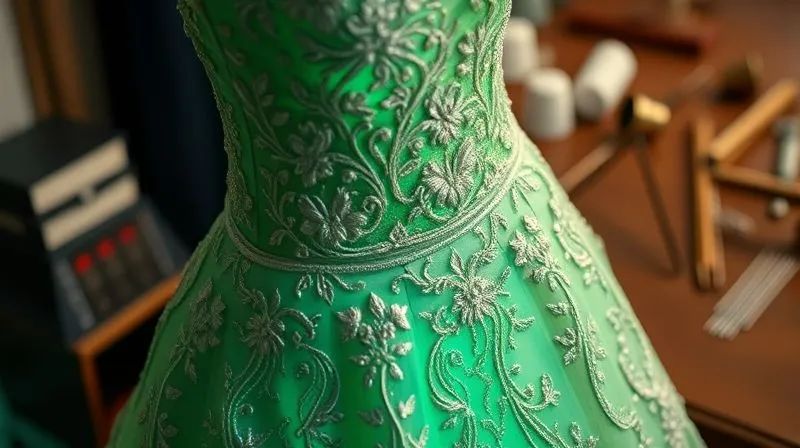
Here's a comparison of how traditional and tech-assisted methods can complement each other in haute couture:
| Process Area | Traditional Method | Tech-Assisted Enhancement | Benefit |
|---|---|---|---|
| Pattern Drafting | Manual drafting on paper, draping on mannequin | CAD software for precision, 3D body scanning for custom fit | Increased accuracy, reduced material waste, faster iterations |
| Material Analysis | Visual inspection, tactile assessment | Spectroscopy, microscopy for fiber/dye analysis | Non-destructive analysis, precise material replication, historical accuracy |
| Skill Training | Direct master-apprentice mentorship | VR/AR simulations, interactive digital tutorials | Broader access to learning, safe practice environment, supplementary learning |
| Archiving | Physical samples, written notes | High-res digital photography, 3D scanning, video documentation | Enhanced detail preservation, global accessibility, disaster recovery |
4. Cultivating Economic Viability: Making Heritage Sustainable
Ultimately, for haute couture heritage techniques to survive, they must be economically viable. Artisans need to earn a living wage, and ateliers must be able to cover their operational costs. The perception that these crafts are a luxury that can only be sustained by philanthropy is dangerous; they need to stand on their own economic merits.
Collaborative Collections, Ethical Sourcing, and Niche Market Development
In my view, this requires a multi-pronged business approach:
- Niche Market Development: Identify specific high-value markets for products incorporating heritage techniques. This could be bespoke commissions for discerning clients, unique art pieces, or collaborations with other luxury sectors (e.g., interior design, jewelry).
- Ethical Pricing and Transparency: Educate clients on the true cost of craftsmanship. Transparent pricing that reflects the time, skill, and rare materials involved helps justify the investment and builds trust.
- Collaborative Collections: Partner with contemporary designers or brands that can integrate heritage techniques into modern collections, introducing them to a wider audience and creating new demand. This injects fresh perspective while honoring tradition.
- Diversification of Offerings: Beyond bespoke garments, consider offering workshops, limited-edition accessories, or even curated material kits that allow enthusiasts to engage with the craft.
- Government Grants and Patronage: Actively seek out cultural heritage grants, arts funding, and private patronage. While not a sole solution, these can provide crucial support for training programs and initial documentation efforts.
As Forbes contributor Pamela N. Danziger often highlights, the luxury market increasingly values authenticity, craftsmanship, and storytelling. Haute couture heritage techniques offer all three, providing a powerful narrative that resonates with today's conscious consumer. This intrinsic value must be effectively communicated and monetized.
Explore more on sustainable business models in luxury fashion from reputable sources like Harvard Business Review's luxury goods section.
5. Educating the Next Generation and the Public: Building Appreciation
Without public appreciation and a pipeline of new talent, even the most well-documented and economically viable techniques will struggle. Education is paramount, both within specialized institutions and for the broader public.
Immersive Educational Initiatives and Public Engagement
I believe we need to ignite passion and curiosity early on:
- Partnerships with Fashion Schools: Establish strong collaborations with leading fashion and textile design schools. Offer masterclasses, guest lectures by artisans, and internships that immerse students in traditional techniques.
- Museum Exhibitions and Demonstrations: Work with museums and cultural institutions to create engaging exhibitions that showcase the beauty and complexity of heritage techniques, complete with live artisan demonstrations.
- Interactive Workshops: Offer short, accessible workshops for the public, allowing them to try their hand at basic elements of a craft. This builds empathy and understanding for the skill involved.
- Digital Storytelling: Utilize social media, documentaries, and online platforms to tell the stories of artisans and their techniques, reaching a global audience and demystifying the craft.
This approach fosters a new generation of designers who understand and value these techniques, and a public that demands them. It's about making heritage relevant and exciting in a contemporary context.
6. Establishing Global Partnerships and Networks: Collective Strength
No single atelier or nation can bear the full weight of heritage preservation alone. I've learned that collective action, shared resources, and cross-cultural exchange are incredibly powerful. The challenges faced by an embroiderer in Paris may resonate with a lacemaker in Venice or a weaver in Kyoto.
International Heritage Alliances and Knowledge Exchange Programs
Building a robust network is key:
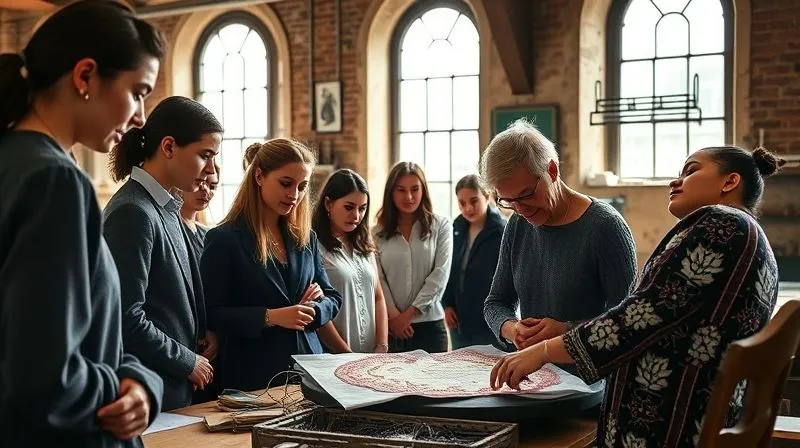
- International Artisan Exchange Programs: Facilitate exchanges where artisans from different countries can learn from each other, sharing techniques, tools, and cultural contexts. This cross-pollination can lead to innovation and strengthen individual crafts.
- Shared Resource Libraries: Create digital platforms where documented techniques, research papers, and material analyses can be shared among member organizations, preventing redundant efforts and accelerating knowledge dissemination.
- Joint Research Initiatives: Collaborate on research into historical techniques, material science, and conservation methods. Pool expertise and funding for projects that benefit the entire community.
- Global Advocacy Campaigns: Unite to advocate for the protection of artisanal crafts on an international stage, influencing policy and raising global awareness.
Organizations like the World Crafts Council actively promote and preserve traditional crafts globally, demonstrating the power of such alliances. Their efforts highlight how shared vision and resources can create a resilient framework for cultural heritage.
For more information on international efforts in cultural heritage, visit UNESCO's Culture and Heritage section, a leading authority in this field.
7. Advocacy and Policy Influence: Protecting at a Higher Level
While individual efforts are crucial, the long-term preservation of haute couture heritage techniques often requires support and protection at governmental and international levels. This involves active advocacy and influencing policy to create a favorable environment for these crafts.
Legal Frameworks for Artisanal Protection and Cultural Heritage Laws
From my perspective, this means:
- Intellectual Property Protection: Advocate for stronger legal frameworks that protect traditional knowledge and design elements from appropriation and mass replication, ensuring fair compensation and recognition for artisans.
- Cultural Heritage Designations: Work towards having specific techniques or entire artisanal traditions recognized as intangible cultural heritage by national and international bodies (e.g., UNESCO). This provides official recognition and can unlock funding and protection.
- Tax Incentives and Subsidies: Lobby governments to provide tax breaks, grants, or subsidies for ateliers and organizations dedicated to preserving and teaching heritage techniques, acknowledging their cultural and economic value.
- Educational Mandates: Advocate for the inclusion of traditional craft education in vocational and design curricula, ensuring a foundational understanding for future generations.
Policy influence is a long game, but a necessary one. It creates the structural support that allows individual efforts to thrive and ensures that heritage is not merely appreciated but actively safeguarded by law.
Here’s a snapshot of policy approaches in different regions:
| Region | Key Policy Focus | Impact on Heritage |
|---|---|---|
| Europe (e.g., France, Italy) | Geographical indications, craft schools, cultural subsidies | Strong protection of regional crafts, sustained atelier presence |
| Japan | Living National Treasure system, cultural property laws | High societal recognition of masters, direct state support |
| India | Handloom/handicraft boards, skill development programs | Supports large artisanal populations, faces commercialization challenges |
| United States | Grants for arts/humanities, non-profit initiatives | Relies heavily on private and philanthropic support, less direct state intervention for specific crafts |
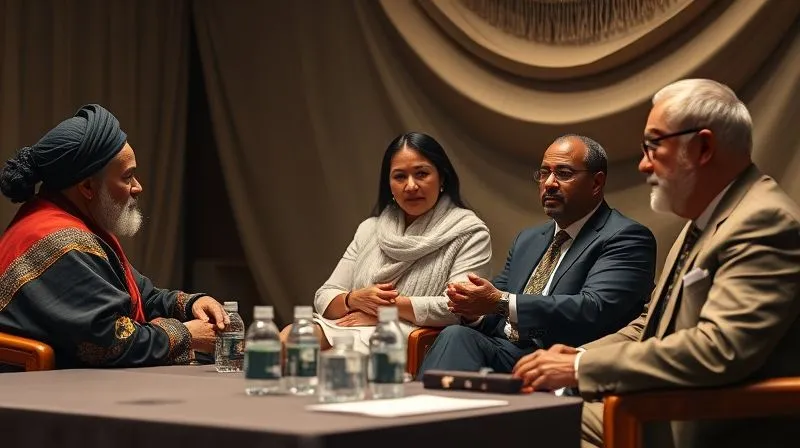
8. Innovation Through Respectful Reinterpretation: Evolving with Integrity
Finally, preventing erosion doesn't mean freezing techniques in time. It means allowing them to breathe, evolve, and find new expressions, always with respect for their origins. In my career, the most successful heritage houses are those that balance tradition with a forward-looking vision.
Contemporary Applications of Traditional Craft
This involves:
- Contextual Reinterpretation: Applying ancient embroidery, weaving, or feather work techniques to modern silhouettes, materials, or even non-fashion items (e.g., art installations, bespoke furniture).
- Material Innovation: Experimenting with new, sustainable materials that can be worked with traditional tools and methods, opening up new possibilities without abandoning the craft's essence.
- Collaborations with Avant-Garde Designers: Engaging with designers who push boundaries can challenge artisans to apply their skills in unexpected ways, fostering creativity and proving the versatility of the techniques.
- Storytelling Through Design: Using contemporary collections to tell the story of the heritage techniques, educating consumers about the process and the artisans behind it.
This approach ensures that heritage techniques remain vibrant and relevant, attracting new talent and clientele, rather than becoming relics admired only from a distance. It's about a living legacy, not a static museum piece.
Frequently Asked Questions (FAQ)
Is it possible to preserve haute couture techniques without them becoming stagnant or losing their relevance? Absolutely. Preservation is not about fossilization. It's about maintaining the core knowledge and skill while allowing for respectful reinterpretation and innovation. By integrating techniques into contemporary design, collaborating with modern artists, and exploring new material applications, these crafts can remain vibrant and relevant, attracting new audiences and designers who appreciate their intrinsic value and versatility. The key is a balanced approach that honors the past while embracing the future.
What role does fast fashion play in the erosion of these heritage techniques? Fast fashion, with its emphasis on speed, low cost, and mass production, indirectly contributes to the erosion by devaluing the concept of handcrafted quality and the time investment required for haute couture. It shifts consumer expectations towards disposability rather than longevity and artistry. This economic pressure makes it harder for artisanal ateliers to compete and attract talent, as consumers are often unwilling to pay the true cost of meticulous, slow craftsmanship. However, it also creates a counter-movement, with a growing segment of consumers seeking authenticity and sustainability, which haute couture can uniquely offer.
How can small independent ateliers compete with larger luxury brands in their preservation efforts? Small ateliers, while lacking the vast resources of large brands, possess unique advantages: agility, deep specialization, and a direct, personal connection to their heritage. They can focus on highly niche, bespoke commissions, cultivate strong client relationships based on transparency and storytelling, and collaborate with independent designers or cultural institutions. Leveraging digital platforms for global reach and participating in artisan networks can also amplify their impact and visibility without requiring extensive capital. Their authenticity is their greatest asset.
What are the biggest financial hurdles in preserving haute couture heritage techniques, and how can they be overcome? The primary financial hurdles are the high costs of materials, labor (given the extensive time and skill required), and the lack of consistent demand for bespoke items. Overcoming these requires a multi-faceted approach: diversifying revenue streams (workshops, limited-edition accessories), transparent pricing that educates clients on value, seeking cultural grants and patronage, and exploring collaborations that introduce techniques to new markets. Investing in efficient, yet respectful, technological aids can also reduce some operational costs without compromising quality.
How can consumers contribute to preventing the erosion of these techniques? Consumers play a vital role. Firstly, by choosing to invest in high-quality, handcrafted pieces over fast fashion, they signal a demand for skilled craftsmanship. Secondly, by educating themselves about the techniques and the artisans, they can appreciate the true value. Supporting brands and ateliers that champion heritage preservation, attending exhibitions, participating in workshops, and engaging with digital content that promotes these crafts all contribute to creating a market and cultural environment where these invaluable skills can thrive. Your choices have power.
Key Takeaways and Final Thoughts
- Documentation is Foundational: Comprehensive archiving of techniques, materials, and oral histories is the essential first step to prevent loss.
- Apprenticeship is Irreplaceable: Formal, well-supported master-apprentice programs are crucial for the direct transmission of tacit knowledge and skill.
- Technology is an Ally: Thoughtful integration of modern tools can augment, not replace, traditional craftsmanship, enhancing precision and reach.
- Economic Viability is Non-Negotiable: Developing sustainable business models, ethical pricing, and niche markets ensures these crafts can thrive financially.
- Education Builds Appreciation: Engaging the next generation and the public through schools, museums, and digital storytelling fosters demand and talent.
- Collaboration Strengthens: Global partnerships, shared resources, and collective advocacy amplify individual efforts and create resilience.
- Policy Provides Structure: Influencing legal frameworks and cultural heritage designations offers crucial top-down protection and support.
- Innovation Keeps it Alive: Respectful reinterpretation ensures techniques remain relevant and vibrant for contemporary applications.
The erosion of haute couture heritage techniques is a challenge that demands our collective attention and a deeply committed, multi-faceted response. Having dedicated my career to this world, I can attest to the profound beauty and human spirit embodied in every stitch, every embellishment, every handcrafted detail. These aren't just techniques; they are living histories, cultural treasures, and testaments to human ingenuity. By implementing these strategies, we can ensure that the whisper of silk, the glint of a bead, and the intricate dance of a master's hands continue to tell their stories for generations to come, enriching our world with unparalleled artistry and enduring legacy. The future of haute couture lies in our hands – let us safeguard its soul with vision and unwavering dedication.
Recommended Reading
- 7 Master Steps: Invisibly Repairing Haute Couture Hand-Sewn Details
- 5 Pillars: Crafting Streetwear Graphic Tees That Defy Trends
- The Secret: How Phase Change Materials Regulate Clothing Temp?
- Beat the Shine: The Ultimate Makeup Guide for Oily Skin This Summer
- Unlock Organic Growth: 7 Steps to Leverage Celebrity Social Media for Eyewear Brands




Your email address will not be published. Required fields are marked *