


Esthetician's Urgent Fix for Client Skin Barrier Damage?
For over 15 years in the bustling world of beauty fashion, specializing in advanced skincare, I've witnessed countless skin transformations. But among the most challenging and, frankly, most alarming cases I encounter are clients presenting with a severely compromised skin barrier. It’s a silent crisis for their skin, often manifesting as persistent irritation, redness, dehydration, and an overall lack of resilience.
The pain point for clients is palpable: discomfort, frustration with products that used to work, and a feeling of losing control over their skin's health. For us as estheticians, it's a critical moment – a call to action where our expertise in an esthetician's urgent fix for client skin barrier damage? becomes paramount. This isn't just about aesthetics; it's about restoring fundamental skin health and comfort.
In this definitive guide, I'll share the precise, step-by-step framework I've developed and refined over years to effectively diagnose, soothe, and rebuild a damaged skin barrier. You'll gain actionable strategies, insights from real-world scenarios, and the expert knowledge to confidently guide your clients back to healthy, resilient skin. We'll move beyond superficial treatments to foundational healing.
Understanding the Skin Barrier: Your First Line of Defense
What is the Skin Barrier and Why Does it Matter?
Think of your skin barrier, or stratum corneum, as a meticulously constructed brick-and-mortar wall. The 'bricks' are your skin cells (corneocytes), and the 'mortar' is a lipid matrix composed of ceramides, cholesterol, and fatty acids. This intricate structure is your body's primary defense against environmental aggressors like pollution, UV radiation, and pathogens, while simultaneously preventing transepidermal water loss (TEWL).
When this wall is intact, your skin feels smooth, looks radiant, and functions optimally. It retains moisture efficiently and keeps irritants out. A healthy barrier is the cornerstone of all good skin, acting as a shield and a regulator. According to a review published in the Journal of Clinical and Aesthetic Dermatology, an intact skin barrier is crucial for maintaining skin hydration and protecting against external insults.
Common Culprits Behind Barrier Breakdown
So, what causes this vital 'wall' to crumble? In my experience, the causes are multifaceted, often a combination of internal and external factors. Externally, I frequently see damage from over-exfoliation (chemical or physical), harsh cleansers, excessive use of active ingredients (like retinoids or strong AHAs), environmental stressors (extreme weather, low humidity), and even improper product layering. Internally, genetics, chronic stress, dietary deficiencies, certain medications, and underlying skin conditions such as eczema, rosacea, or psoriasis can significantly compromise barrier function.
It's crucial to remember that what works for one client might be detrimental to another. A client's lifestyle and product history are often key indicators of potential barrier damage. I've seen this mistake countless times: clients trying to 'fix' their skin with more active ingredients, inadvertently exacerbating the damage.
The Immediate Assessment: Diagnosing Barrier Damage
Visual Cues and Client Feedback
When a client walks in with a compromised barrier, the signs are often clear to an experienced eye. Visually, I look for widespread redness, flakiness, excessive dryness, a tight or uncomfortable sensation, and sometimes even small, bumpy texture or increased sensitivity to touch. The skin might appear dull, lack its usual plumpness, and sometimes have an almost 'cracked' or 'leaky' appearance under magnification.
Client feedback is equally critical. They often report their skin feeling 'raw,' 'burning,' or 'stinging,' especially after applying products they once tolerated. They might complain of persistent breakouts that don't respond to typical acne treatments, or an unusual reactivity to environmental changes. This subjective experience, combined with objective visual cues, forms the foundation of our diagnosis. As the American Academy of Dermatology states, listening to patient symptoms is as important as visual assessment in diagnosing skin conditions.
Identifying Underlying Triggers
Once barrier damage is suspected, my next step is a thorough consultation to uncover the triggers. This involves asking detailed questions about their current skincare routine (products, frequency, application methods), recent lifestyle changes (stress, diet, travel), medication history, and any new environmental exposures. I often ask them to bring in all their current skincare products so I can review ingredients. This helps me identify potential irritants or over-used actives.
I also inquire about their water intake, sun exposure habits, and any history of skin conditions. Sometimes, clients are unaware that seemingly innocuous habits, like taking very hot showers or using abrasive towels, can contribute to barrier breakdown. This detective work is vital; without identifying and eliminating the trigger, any reparative efforts will be short-lived.
Phase 1: Urgent Soothing and Damage Control
The first and most critical phase in an esthetician's urgent fix for client skin barrier damage? is to halt the assault and immediately calm the skin. This isn't the time for active ingredients or aggressive treatments. Our goal is to create a peaceful, healing environment.
Step 1: Gentle Cleansing & Product Elimination
- Halt All Actives: Immediately instruct the client to discontinue all exfoliating acids (AHAs, BHAs, PHAs), retinoids, vitamin C serums, physical scrubs, and harsh foaming cleansers. This is non-negotiable.
- Introduce a Gentle Cleanser: Recommend a creamy, pH-balanced, fragrance-free, sulfate-free cleanser. It should feel nourishing, not stripping. I often suggest a micellar water or a balm cleanser for extremely sensitive skin, followed by a lukewarm water rinse.
- Pat Dry, Don't Rub: Emphasize gently patting the skin dry with a soft towel, avoiding any friction that could further irritate.
Step 2: Calming Inflammation & Redness
Once cleansing is addressed, the focus shifts to reducing inflammation. Ingredients like niacinamide (Vitamin B3), allantoin, bisabolol, and oat extract are phenomenal for their anti-inflammatory and soothing properties. I often recommend serums or toners rich in these ingredients, applied directly after cleansing.
Cool compresses can also provide immediate relief. A simple, clean cloth soaked in cool water or even chamomile tea can be applied to the affected areas for 10-15 minutes. This physical cooling effect helps constrict blood vessels and reduce visible redness.
Step 3: Replenishing Essential Lipids
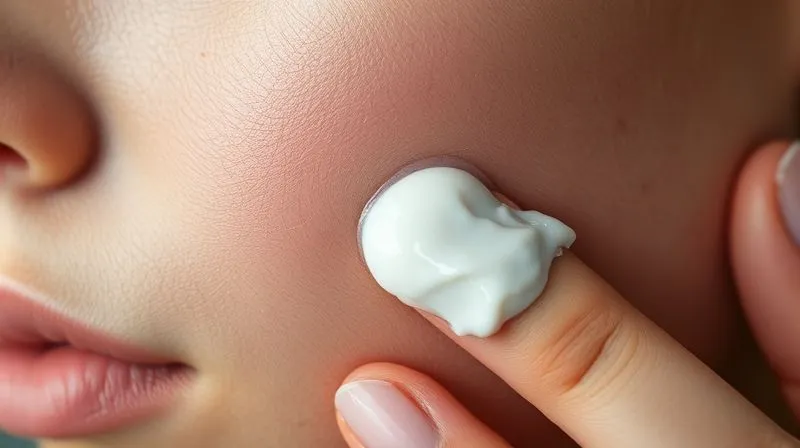
This is where we start rebuilding the 'mortar' of our skin barrier wall. The focus here is on bland, occlusive, and lipid-rich moisturizers. Look for products containing a blend of ceramides, cholesterol, and fatty acids in a physiological ratio (often 3:1:1 or 1:1:1). These mimic the skin's natural lipid composition, helping to seal in moisture and repair the barrier.
Layering is key: a hydrating serum (e.g., hyaluronic acid, glycerin) followed by a rich cream, and then potentially a balm or oil to create an occlusive layer, especially overnight. This creates a protective cocoon, minimizing further water loss and allowing the skin to heal. As Dr. Leslie Baumann, a renowned dermatologist, often emphasizes, 'The best moisturizer for a damaged barrier is one that contains the three major lipids found in the skin: ceramides, cholesterol, and fatty acids.'
Phase 2: Rebuilding & Fortifying the Barrier
Targeted Ingredients for Barrier Repair
Once the initial inflammation has subsided and the skin feels less reactive, we can strategically introduce ingredients that actively support barrier reconstruction. This phase is about long-term strengthening, not just temporary relief. I stress the importance of a 'less is more' approach, adding one new product at a time and monitoring the skin's response.
Key ingredients include: hyaluronic acid for deep hydration, squalane for emollience and barrier support, panthenol (Vitamin B5) for its healing and soothing properties, and glycerin as a powerful humectant. These work synergistically to provide comprehensive support for the skin's natural healing processes.
The Power of Ceramides, Fatty Acids, and Cholesterol
I cannot overstate the importance of these three lipids. They are the building blocks of a healthy skin barrier. Ceramides make up approximately 50% of the lipids in the stratum corneum, playing a critical role in both barrier function and water retention. Fatty acids and cholesterol comprise the remaining lipids, ensuring the integrity and fluidity of the lipid matrix. When these are deficient, the barrier becomes compromised, leading to increased TEWL and vulnerability to irritants.
Choosing products that deliver these lipids in the right balance is paramount. Many reputable brands now formulate specific barrier-repair creams and serums that are excellent for this phase. It's about providing the skin with exactly what it needs to repair itself, without overwhelming it. This focused approach is a cornerstone of an effective esthetician's urgent fix for client skin barrier damage?.
Case Study: Sarah's Journey from Reactive to Resilient Skin
Case Study: How Sarah Restored Her Severely Damaged Barrier
Sarah, a 32-year-old marketing professional, came to me with intensely red, flaky, and stinging skin around her mouth and nose. She had been diligently using a high-strength retinol serum daily for months, coupled with a harsh foaming cleanser, hoping to clear persistent adult acne. Instead, her skin became increasingly sensitive, painful, and prone to breakouts.
My initial assessment confirmed severe barrier damage. We immediately implemented Phase 1: Sarah stopped all actives and switched to a creamy, fragrance-free cleanser. For two weeks, her routine consisted only of the gentle cleanser, a niacinamide serum, and a rich moisturizer formulated with ceramides, cholesterol, and fatty acids. She also used cool compresses twice daily.
Within two weeks, the redness had significantly reduced, and the stinging sensation was gone. Her skin felt calmer and more comfortable. We then moved to Phase 2, maintaining the core barrier-repair products but slowly reintroducing a very mild hyaluronic acid serum. Over the next month, her skin continued to heal, regaining its plumpness and resilience. Her breakouts also subsided as her barrier strengthened, proving that sometimes, less truly is more. This resulted in Sarah regaining confidence in her skin and understanding the importance of barrier health.
| Ingredient | Primary Benefit | Key Role |
|---|---|---|
| Ceramides | Restores lipid barrier, improves hydration | The 'bricks' of the barrier, preventing water loss |
| Fatty Acids | Maintains skin integrity, provides nourishment | Component of the 'mortar', essential for flexibility |
| Cholesterol | Enhances barrier function, reduces TEWL | Crucial lipid for barrier cohesion and repair |
| Niacinamide (Vit B3) | Reduces inflammation, strengthens barrier | Supports ceramide production, soothes skin |
| Hyaluronic Acid | Attracts & retains moisture, plumps skin | Humectant, provides deep hydration |
Phase 3: Long-Term Maintenance & Prevention
Strategic Product Selection for Ongoing Health
Once the barrier is largely repaired, the focus shifts to maintaining its integrity and preventing future damage. This involves educating the client on how to make informed product choices. I advise them to look for products labeled 'fragrance-free,' 'non-comedogenic,' and 'hypoallergenic.' Ingredients like antioxidants (e.g., Vitamin E, green tea extract) can be slowly introduced to protect against environmental damage, but always with caution.
Sun protection is non-negotiable. A broad-spectrum mineral sunscreen with at least SPF 30 should be applied daily, rain or shine. Mineral sunscreens (zinc oxide, titanium dioxide) are generally better tolerated by sensitive, recovering skin. I often recommend reintroducing active ingredients very slowly, starting with lower concentrations and less frequent application, and always paired with a robust barrier-supportive routine. This careful reintroduction is vital for sustained skin health.
Lifestyle Adjustments for Barrier Integrity
Skincare isn't just about what you put on your face; it's also about holistic well-being. I counsel clients on lifestyle factors that influence skin health. Adequate hydration (drinking enough water) is fundamental. A balanced diet rich in omega-3 fatty acids, antioxidants, and vitamins can significantly support skin health from within. Stress management techniques, such as meditation or yoga, can also play a role, as chronic stress can trigger inflammatory responses in the skin.
Avoiding excessively hot showers, using a humidifier in dry environments, and getting sufficient sleep are all simple yet effective ways to support barrier function. As marketing guru Seth Godin often says, 'The smallest change can make the biggest difference.' These subtle shifts can profoundly impact skin resilience and prevent future barrier breakdown.
Advanced Modalities: When to Consider Professional Treatments
While the core of an esthetician's urgent fix for client skin barrier damage? lies in a meticulous at-home routine, there are professional treatments that can accelerate healing and further fortify the barrier, but only once the skin is no longer acutely inflamed or reactive. Timing is everything here; introducing treatments too soon can cause a setback.
Gentle LED Therapy and Low-Level Lasers
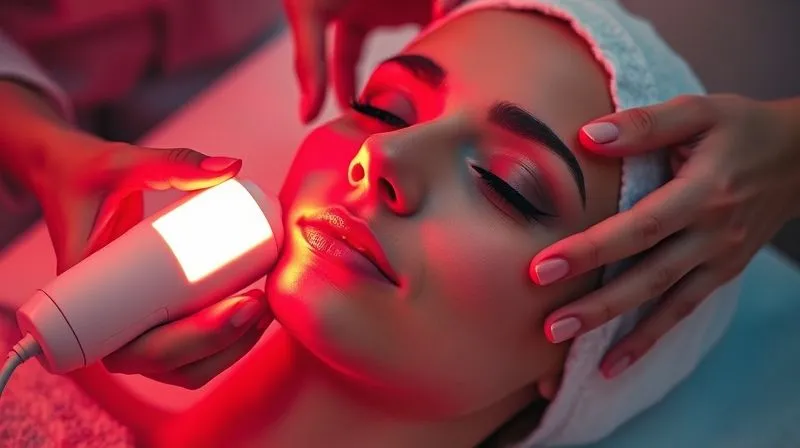
Red and near-infrared LED light therapy can be incredibly beneficial during the recovery phase. Red light (around 630-660nm) has proven anti-inflammatory properties and can stimulate cellular repair, accelerating the healing process without causing irritation. Near-infrared light (around 810-850nm) penetrates deeper, promoting circulation and collagen production, further strengthening the skin's foundation. These are non-invasive, gentle, and can be a wonderful adjunct to a reparative home care routine.
Low-level laser therapies, when used judiciously and at appropriate settings, can also aid in reducing inflammation and promoting cellular regeneration. However, these require extreme caution and should only be performed by highly experienced professionals on stable, non-inflamed skin. The goal is always gentle support, never aggression.
Hydrating Facials and Specialized Masks
Once the barrier has stabilized, carefully chosen hydrating facials can provide an intensive boost of moisture and nutrients. These should focus on gentle cleansing, soothing massage techniques, and the application of barrier-supportive masks. Ingredients like hyaluronic acid, glycerin, ceramides, and botanical extracts known for their calming properties are ideal. I specifically avoid any form of exfoliation, extractions, or stimulating massage during these facials.
Sheet masks infused with reparative serums, or professional-grade jelly masks designed for sensitive skin, can deliver a concentrated dose of healing ingredients. The occlusive nature of a mask can also temporarily enhance ingredient penetration and reduce TEWL, providing a significant sense of relief and aiding recovery. These treatments are about nurturing the skin, not challenging it.
Educating Your Client: The Cornerstone of Success
Simple Explanations and Realistic Expectations
As estheticians, our role extends far beyond treatment; we are educators. Explaining the concept of the skin barrier in simple, relatable terms (like the 'brick-and-mortar wall' analogy) empowers clients to understand *why* certain steps are necessary. I always emphasize that barrier repair is a journey, not a sprint. Setting realistic expectations about the timeline for recovery is crucial – it can take weeks, even months, for a severely damaged barrier to fully heal.
I provide clear, concise instructions for their home care routine, often writing them down. I explain the purpose of each product and ingredient, helping them connect the dots between their actions and their skin's response. This transparency builds trust and encourages compliance, which is vital for the long-term success of an esthetician's urgent fix for client skin barrier damage?.
The Importance of Patience and Consistency
Patience is perhaps the most challenging, yet most important, virtue for a client with a damaged barrier. Their skin has been through a lot, and rushing the healing process with new products or aggressive treatments will only lead to setbacks. I often tell clients that 'slow and steady wins the race' when it comes to barrier repair. Consistency in their gentle, reparative routine is far more effective than sporadic attempts at 'fixing' things with harsh products.
I encourage them to keep a simple skin diary, noting how their skin feels daily. This helps them identify what works and what doesn't, and also allows them to see the gradual, positive changes over time, reinforcing their commitment. It’s about fostering a gentle, nurturing relationship with their skin, moving away from a mindset of 'attacking' perceived imperfections.
Common Pitfalls: What to Avoid During Barrier Repair
Even with the best intentions, clients can inadvertently sabotage their barrier repair efforts. As a mentor, I proactively educate them on common mistakes to avoid, reinforcing the principles of gentle, consistent care. Preventing these pitfalls is as important as implementing the correct steps.
Over-Exfoliation and Harsh Actives
This is by far the most common culprit for barrier damage and the biggest temptation for clients. The desire for smooth, clear skin often leads to an overzealous use of chemical exfoliants (AHAs, BHAs, retinoids) or physical scrubs. While these ingredients have their place in a healthy skin routine, they are detrimental to a compromised barrier. They strip away the protective lipid layer, exacerbating dryness, irritation, and inflammation. It's imperative to completely avoid them until the barrier is fully restored and resilient.
Ignoring Sun Protection
UV radiation is a significant aggressor to the skin barrier. Even a mildly compromised barrier is more susceptible to sun damage, which can further degrade lipids, increase inflammation, and slow down the healing process. Skipping daily sun protection, even on cloudy days or indoors near windows, is a critical error. The use of a broad-spectrum mineral sunscreen is non-negotiable for anyone, but especially for clients undergoing barrier repair. It acts as an additional physical shield, allowing the skin to focus its energy on healing.
“The proper repair of a damaged skin barrier requires a comprehensive approach that includes not only appropriate topical agents but also the elimination of aggravating factors and diligent protection against environmental stressors like UV radiation.”
| Action Category | Do's for Barrier Repair | Don'ts for Barrier Repair |
|---|---|---|
| Cleansing | Use ultra-gentle, pH-balanced, non-foaming cleansers with lukewarm water. | Avoid harsh sulfates, hot water, scrubbing, or abrasive cleansing devices. |
| Exfoliation/Actives | Completely halt all chemical exfoliants (AHAs, BHAs, retinoids) and physical scrubs. | Do not reintroduce actives until the barrier is fully healed and stable. |
| Moisturizing | Layer bland, fragrance-free moisturizers rich in ceramides, fatty acids, cholesterol, and humectants. | Avoid fragranced lotions, essential oils, or products with known irritants. |
| Sun Protection | Apply a broad-spectrum mineral SPF 30+ daily, even indoors. | Never skip SPF; avoid direct sun exposure during peak hours. |
| Lifestyle | Stay hydrated, manage stress, use a humidifier, get adequate sleep. | Avoid excessively hot showers, smoking, or diets lacking essential nutrients. |
Frequently Asked Questions (FAQ)
Question: How long does it typically take to repair a damaged skin barrier? The timeline for barrier repair varies significantly depending on the severity of the damage, the client's consistency with the repair routine, and individual skin healing capabilities. Mild damage might show improvement within 2-4 weeks, but a severely compromised barrier can take 2-3 months, or even longer, to fully normalize. It's a gradual process, and patience is key.
Question: Can I use natural oils to help repair the skin barrier? While some natural oils can be beneficial, caution is advised. Oils like jojoba, squalane, and oat oil are generally well-tolerated and can help replenish lipids and soothe skin. However, some essential oils can be highly irritating to a compromised barrier. Always opt for pure, non-fragrant, cold-pressed oils and patch test them first. Focus on a balanced blend of ceramides, fatty acids, and cholesterol for foundational repair.
Question: My client's skin is still breaking out while their barrier is damaged. How should I address this? Breakouts can indeed occur with a damaged barrier because the skin's defense mechanism is impaired, making it more susceptible to bacteria and inflammation. The priority is still barrier repair. Avoid harsh acne treatments. Instead, focus on soothing inflammation and strengthening the barrier. Ingredients like niacinamide, known for its anti-inflammatory and barrier-supporting properties, can also help manage breakouts gently. Once the barrier is restored, acne treatments can be cautiously reintroduced.
Question: When can I reintroduce active ingredients like retinoids or AHAs after barrier repair? Reintroducing actives must be done with extreme caution and only after the skin barrier is completely healed, stable, and no longer reactive. This typically means waiting at least 2-3 months post-repair. Start with the lowest possible concentration, apply infrequently (e.g., once or twice a week), and monitor the skin's response closely. Always pair actives with a robust barrier-supportive routine. It’s advisable to consult with a dermatologist or experienced esthetician before reintroducing potent ingredients.
Question: Are there specific dietary recommendations to support skin barrier repair? Yes, diet plays a significant role. Encourage clients to incorporate foods rich in omega-3 fatty acids (found in fatty fish like salmon, flaxseeds, chia seeds), antioxidants (berries, leafy greens), and vitamins (especially Vitamin C and E). These nutrients support overall skin health, reduce inflammation, and provide essential building blocks for a strong barrier. Limiting processed foods, excessive sugar, and inflammatory foods can also be beneficial.
Key Takeaways and Final Thoughts
- Prioritize Soothing: Immediately halt all irritating products and focus on calming inflammation and redness.
- Rebuild with Lipids: Utilize products rich in ceramides, fatty acids, and cholesterol to reconstruct the skin's natural barrier.
- Educate and Empower: Teach clients about their skin barrier and set realistic expectations for the healing journey.
- Practice Patience: Barrier repair is a marathon, not a sprint. Consistency and gentle care are paramount.
- Prevent Future Damage: Emphasize daily mineral SPF, gentle routines, and supportive lifestyle choices.
As an esthetician, guiding a client through the process of repairing a damaged skin barrier is one of the most rewarding aspects of our profession. It’s about more than just skin deep; it’s about restoring comfort, confidence, and the fundamental health of their largest organ. By following this comprehensive framework for an esthetician's urgent fix for client skin barrier damage?, you’re not just treating symptoms; you’re empowering your clients with resilient, healthy skin for life. Trust your expertise, be patient, and watch their skin, and their confidence, flourish.
Recommended Reading
- 5 Proven Methods: Reinforcing Delicate Wearable Art for Dynamic Stage Performance
- 7 Steps to Liquidate Unsold Wedding Dresses Profitably: An Expert's Guide
- Unlock Savings: Do Grow With Me Clothes Truly Save Parents Money?
- 7 Proven Ways to Slash Toddler Outfit Returns: Sizing Solutions
- 5 Expert Steps: Pairing a Cathedral Veil with Your Minimalist Gown




Your email address will not be published. Required fields are marked *