


How to Reinforce Delicate Wearable Art for Dynamic Stage Wear?
For over two decades in the vibrant, often unforgiving, world of costume design and wearable art for performance, I've witnessed the heartbreaking moment when a painstakingly crafted piece, a true labor of love, succumbs to the rigors of the stage. A dancer's powerful leap, a sudden quick change backstage, or even the sheer force of gravity over a prolonged performance can turn exquisite fragility into a costly disaster. It's a problem that plagues every designer who dares to push the boundaries of materials and form.
The inherent paradox of wearable art for stage is its delicate nature contrasted with the brutal demands of dynamic movement. These aren't static museum pieces; they're designed to move, to tell a story, to withstand sweat, friction, and the relentless energy of a live performance. The challenge isn't just about making it look beautiful; it's about engineering its survival without compromising its artistic vision or the performer's freedom of movement.
This article isn't just a collection of tips; it's a deep dive into the strategic thinking, material science, and practical techniques I've refined over my career to ensure your most delicate wearable art not only survives but thrives under the spotlight. We'll explore everything from foundational material choices to advanced internal structuring, offering actionable frameworks and expert insights to transform your fragile masterpieces into resilient stage marvels.
Understanding the Unique Challenges of Wearable Art on Stage
Before we delve into solutions, it's crucial to fully grasp the multifaceted challenges. Unlike everyday garments, wearable art often prioritizes aesthetic impact and conceptual expression over conventional durability. When these pieces hit the stage, they face a perfect storm: extreme movements, varying temperatures, potential snags, repeated donning and doffing, and the sheer physicality of the performer.
In my experience, a common oversight is underestimating the cumulative stress. A single performance might be fine, but a week-long run with eight shows, each involving aggressive choreography, will expose every weak point. Gravity itself becomes an enemy for heavily embellished or structured pieces, pulling at seams and attachment points. The designer's vision must be balanced with a pragmatic understanding of engineering principles.
"The true test of wearable art on stage isn't how beautiful it looks at rest, but how beautifully it endures motion."
Strategic Material Selection: The Foundation of Durability
The journey to reinforcement begins long before you even consider an extra stitch. It starts with informed material choices. While the artistic vision might demand a specific delicate fabric or component, an experienced designer knows how to either integrate inherent strength or plan for external support from the outset. Think of it as choosing the right foundation for a skyscraper.
I often advise my students to consider not just the aesthetic properties but also the tensile strength, abrasion resistance, and flexibility of every material. For example, a seemingly delicate silk can be backed with an invisible, ultra-fine fusible interfacing, or a fragile lace can be appliquéd onto a more stable, sheer mesh. It's about building in strength from the molecular level upwards.
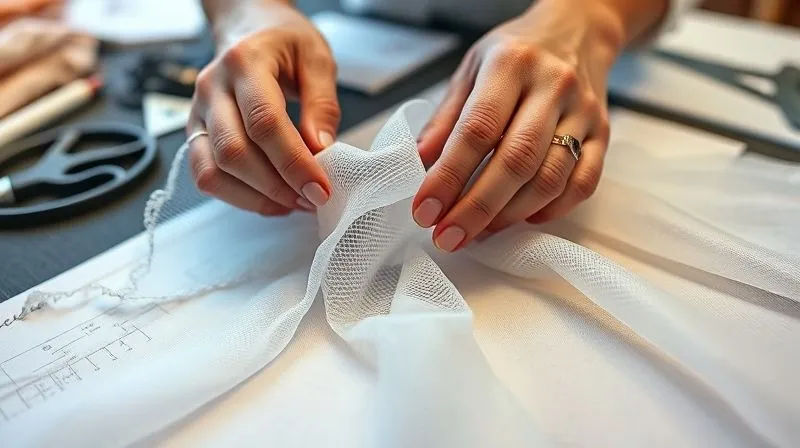
Here's a quick comparison of common reinforcement materials:
| Material | Strength Contribution | Flexibility | Visibility | Best Use Case |
|---|---|---|---|---|
| Fusible Interfacing (Ultra-light) | Adds body, prevents stretching/fraying | High | Low (when applied correctly) | Sheer fabrics, delicate silks, preventing seam stress |
| Stretch Mesh/Power Mesh | Distributes tension, provides structural support | Very High | Medium (can be dyed to match) | Base layers, internal lining for openwork, areas of high strain |
| Bonaflex/Rigilene Boning | Provides shape, prevents collapse, distributes weight | Medium to High | Low (when encased) | Bodices, corsetry, structural elements, supporting heavy embellishments |
| Clear Elastic/Silicone Tape | Stabilizes edges, prevents stretching, adds grip | High | Low (transparent) | Necklines, armholes, waistbands, shoulder straps |
| Heavy-Duty Thread (e.g., upholstery, nylon) | Reinforces seams, secures heavy components | Dependent on stitch | Low (when matched) | Structural seams, button attachments, securing hardware |
Invisible Scaffolding: Internal Reinforcement Techniques
Much like a building requires a hidden steel skeleton, delicate wearable art benefits immensely from internal structuring that isn't visible to the audience. This "invisible scaffolding" is where true costume engineering shines, ensuring the piece maintains its form and integrity under duress.
- Understructures and Linings: Always consider a robust base layer. Even if the outer fabric is sheer, a well-constructed lining of power mesh, coutil, or even a strong cotton can bear the brunt of tension. This lining can also house boning, cording, or other internal supports.
- Strategic Boning and Casing: Don't reserve boning just for corsets. Flexible boning (like Rigilene or Bonaflex) can be strategically placed along seams, around necklines, or within sculptural elements to prevent sagging, maintain shape, and distribute weight. Ensure casings are securely sewn and the boning tips are capped.
- Cording and Wiring: For sculptural elements or edges that need to hold a precise shape, cording or fine gauge wiring can be inserted into channels. This provides stiffness and prevents distortion without adding excessive bulk.
- Interfacing and Stabilizers: Beyond fusibles, non-woven stabilizers can be used in specific stress points like armholes, necklines, or attachment areas for heavy embellishments. These prevent stretching and tearing.
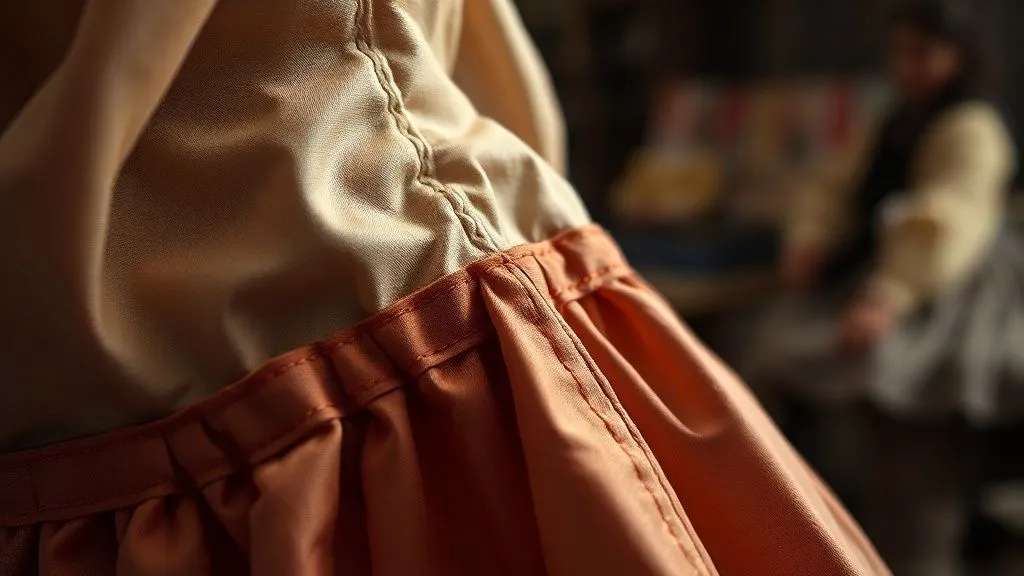
- Seam Reinforcement: Every seam is a potential weak point. Flat-felled seams, French seams, or simply double-stitching critical areas with a strong thread can significantly increase durability. For stretch fabrics, use a serger with a differential feed or a stretch stitch on a regular machine.

Case Study: The "Phoenix Rising" Gown
A few years ago, I consulted on a contemporary ballet piece featuring a lead dancer in a gown designed to evoke a phoenix. The gown was constructed from layers of incredibly delicate, custom-dyed silk organza and thousands of hand-stitched, iridescent feathers. The choreographer envisioned dramatic spins, lifts, and floor work, which presented an enormous challenge for the costume's integrity. The initial prototypes showed rapid deterioration at the shoulders, waist, and where the skirt attached to the bodice.
By implementing a multi-pronged reinforcement strategy, we transformed the gown. First, the silk organza was backed with an ultra-fine, sheer power mesh, dyed to match, which provided a stable base without altering the fabric's drape. Second, the bodice incorporated an internal corset of coutil, boned with spiral steel, onto which the main weight of the feather embellishments was anchored, rather than directly onto the silk. Third, the skirt's attachment to the bodice was reinforced with a wide, bias-cut strip of heavy-duty silk faille, sewn with a flat-felled seam to distribute tension. Finally, all critical seams were double-stitched with bonded nylon thread. This resulted in a gown that not only survived a six-week, high-intensity performance run but looked pristine for every single show, much to the relief of the entire production team.
Surface Protection and Embellishment Security
Beyond the internal structure, the outer layer and its embellishments are often the most visible and vulnerable parts of wearable art. Protecting these elements while maintaining their visual impact requires meticulous attention.
- Securing Embellishments: Beads, sequins, crystals, and other adornments should be sewn on with strong, often double, thread. For heavy or critical embellishments, consider using a clear monofilament thread for extra strength, or even tiny jump rings to attach them to a more stable base fabric, allowing some movement. Avoid relying solely on glue, especially in high-stress areas or where sweat might be an issue.
- Edge Finishing: Raw edges are an invitation for fraying. French seams, bias binding, or rolled hems offer robust, clean finishes. For very delicate edges, a narrow, machine-stitched zigzag or satin stitch can encapsulate the raw edge.
- Protective Overlays: In areas prone to heavy friction (e.g., underarms, inner thighs, shoulders), consider using a sheer, durable overlay like fine nylon tulle or mesh. This acts as a sacrificial layer that can be replaced if damaged, protecting the main garment.
- Strategic Appliqué: If delicate components (like lace or cut-outs) are integral, appliqué them onto a stronger, invisible base. This provides a 'net' of support that prevents tearing.
According to an article in The Costume Designer's Guild Journal, the longevity of stage costumes is often directly proportional to the investment made in robust internal construction and secure embellishment techniques, highlighting that these are not mere add-ons but fundamental design considerations.
Engineering Movement: Flex Points and Stress Distribution
A static piece might hold up, but a dynamic one demands an understanding of kinetics. Where will the fabric stretch, pull, and rub? Identifying these "flex points" and engineering for them is paramount. This is where your design moves from art to applied science.
- Gussets and Godets: Incorporating gussets (diamond-shaped fabric inserts) in underarms or crotches, and godets (triangular fabric inserts) in skirts, adds extra ease and mobility without stressing the main seams. These should be made from strong, flexible fabric.
- Strategic Darts and Pleats: Darts and pleats aren't just for shaping; they can also be used to build in ease and distribute stress. A carefully placed pleat can absorb tension that would otherwise tear a seam.
- Stretch Inserts: For areas requiring significant stretch, integrate panels of high-quality, four-way stretch fabric (like spandex or power mesh) into the design. These can be invisibly integrated or designed as a feature.
- Reinforced Attachment Points: If parts of the costume attach to the performer or other costume elements, these points need maximum reinforcement. Think bartacks, multiple lines of stitching, or even small, sturdy fabric tabs sewn into seams.

The Role of Understructure and Body Mapping
Sometimes, the wearable art piece itself is inherently too delicate or structurally complex to directly bear the forces of performance. This is when an entirely separate, robust understructure becomes indispensable. This is distinct from a simple lining; it’s a foundational garment designed to manage weight and distribute stress.
I often refer to this as "body mapping" – understanding how the body moves and where the costume's weight will naturally fall. A custom-fitted leotard or corset made from heavy-duty stretch fabric or coutil can serve as the anchor for an entire elaborate costume. The delicate outer layers are then attached to this secure base, allowing the performer full range of motion while the understructure takes the strain.
For large, sculptural elements, consider internal frameworks made from lightweight, flexible materials like plastic tubing, aluminum wire, or even carbon fiber rods. These frameworks can be secured to the understructure and then enveloped by the delicate art, providing support without being seen. This approach is frequently employed in haute couture theatrical productions, as detailed by Vogue's coverage of fashion and costume design.
Maintenance, Repair, and Pre-Performance Checks
Even the most expertly reinforced piece requires ongoing vigilance. A proactive maintenance routine is not an afterthought; it's a critical component of ensuring longevity and preventing catastrophic failure during a show. Think of it as preventative medicine for your art.
- Thorough Post-Performance Inspection: After every single wear, the costume should be meticulously inspected for any signs of stress, loose threads, detached embellishments, or minor tears. This is where small issues are caught before they become major problems.
- Immediate, Meticulous Repairs: Any damage, no matter how minor, should be repaired immediately by a skilled technician. A loose bead today could lead to a cascade of fallen embellishments tomorrow. Use the same reinforcement techniques and materials as the original construction.
- Specialized Storage: Delicate wearable art should never be crammed into a costume trunk. Use padded hangers, acid-free tissue paper, custom-built boxes, or even mannequins to store pieces, ensuring they maintain their shape and are not subjected to unnecessary stress.
- Pre-Performance Checklist: Before every show, a quick but comprehensive check should be performed. This includes:
- Checking all closures (zippers, hooks, snaps) for security.
- Inspecting all major seams for signs of strain.
- Verifying all embellishments are securely attached.
- Testing any moving parts or structural elements for proper function.
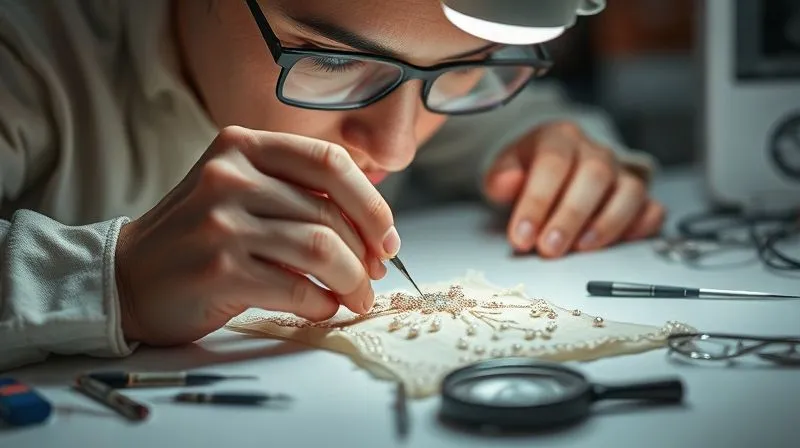
Here’s a sample pre-performance checklist structure I've used successfully:
| Component | Check Points | Action/Notes |
|---|---|---|
| Bodice/Torso | Seams, boning integrity, closures, embellishment security | Look for fraying, loose stitches. Ensure boning isn't poking out. Test zippers/hooks. Re-secure any loose beads. |
| Sleeves/Shoulders | Armhole seams, sleeve attachments, range of motion | Check for tears at high-stress points. Ensure full arm movement without strain on fabric. |
| Skirt/Lower Garment | Waistband, hemline, movement panels, embellishments | Inspect for snags or tears from floor work. Verify integrity of godets/gussets. |
| Accessories (if applicable) | Attachment points, structural elements, security | Ensure headpieces, gloves, footwear are securely attached and intact. |
| Overall Fit & Flex | Performer comfort, movement freedom | A quick visual check and light stretch test to ensure nothing feels overly tight or restrictive for the performer. |
Collaboration is Key: Working with Performers and Production Teams
No matter how brilliant your design and reinforcement techniques, they exist in a vacuum without effective communication. A truly durable wearable art piece for the stage is a result of collaboration, not isolation. I've learned that listening to the performer and the production team is as critical as my design skills.
Engage with the performer early and often. Their feedback on movement restrictions, comfort, and potential snag points is invaluable. They are the ones who truly test the limits of your design. Similarly, understand the stage environment from the production manager and stage crew. Are there quick changes? Tight wings? Props that might snag? These practical considerations must inform your reinforcement strategy. As Harper's Bazaar often emphasizes, the best costume designs are those that serve the narrative and the performer seamlessly, which inherently includes durability for dynamic roles.
Furthermore, educate the wardrobe team on the specific needs of the piece. Provide clear instructions for handling, dressing, undressing, and emergency repairs. A small investment in training can prevent significant damage and extend the life of your precious wearable art.
Frequently Asked Questions (FAQ)
How do I reinforce transparent or sheer fabrics without losing their aesthetic? The key is to use equally sheer but strong materials. Fine power mesh or nylon tulle, dyed to match the original fabric, can be used as an invisible backing or lining. For seams, a narrow French seam or a very fine zigzag stitch with clear monofilament thread can be effective. Consider using clear fusible interfacing for areas needing subtle stiffening without opacity. The goal is to build strength without adding visual weight.
What are the best methods for securing delicate embellishments like beads or feathers? For beads and sequins, always use strong, fine thread (like upholstery or bonded nylon thread) and sew them on individually or in very small groups, securing each section with a knot. Avoid long, continuous strands. For feathers, consider attaching them to a base of felt or buckram first, then sewing that base onto the garment. Using tiny jump rings or small, strong fabric tabs can also create secure, yet flexible, attachment points for heavier elements, allowing them to move without stressing the main fabric. Always test attachment methods on a scrap piece first.
How do I balance reinforcement with the need for performer comfort and flexibility? This is the perpetual tightrope walk of costume design. The answer lies in strategic placement and material choice. Use flexible boning (like Rigilene) instead of steel where extreme movement is needed. Integrate stretch panels (power mesh, spandex) in high-movement areas like joints or the back. Ensure all internal structures are smooth and non-chafing, with soft casings for boning. Most importantly, conduct extensive fittings with the performer in full motion to identify and address any points of restriction or discomfort. Their input is paramount.
What's the biggest mistake designers make when reinforcing wearable art for stage? The most common mistake I've observed is waiting until damage occurs to think about reinforcement, or applying a 'one-size-fits-all' solution. Every piece of wearable art, and every performer's movement, is unique. Reinforcement must be an integral part of the initial design process, custom-tailored to the specific stresses the piece will endure. Failing to anticipate these forces, and not building in preventative measures, is a recipe for disaster. It's about proactive engineering, not reactive patching.
Are there any specific adhesive types I should avoid or prefer for stage wear? For stage wear, I generally advise extreme caution with adhesives, especially as the sole method of attachment. Many common craft glues become brittle, discolored, or lose adhesion with sweat, heat, or repeated flexing. If adhesives must be used (e.g., for very fine details or temporary holds), opt for specialized fabric glues designed for flexibility and washability (though dry cleaning is often preferred for wearable art). E6000 is a popular choice for heavy embellishments due to its flexibility and strength, but should always be used with ventilation and ideally in conjunction with stitching. Always test on a discreet area first and understand its limitations.
Key Takeaways and Final Thoughts
Reinforcing delicate wearable art for dynamic stage wear is not merely a technical challenge; it's an art form in itself, requiring foresight, material knowledge, and a deep understanding of performance demands. It's about creating an illusion of effortless beauty while secretly engineering robust survival.
- Design for Durability from Day One: Integrate reinforcement into your initial concept, not as an afterthought.
- Master Material Science: Choose materials for both aesthetics and inherent strength, using backing and interfacing wisely.
- Build Invisible Scaffolding: Employ internal structures like boning, cording, and robust linings to manage stress.
- Protect the Surface: Secure embellishments meticulously and use durable edge finishes.
- Engineer for Movement: Incorporate gussets, stretch panels, and stress distribution techniques at flex points.
- Prioritize Understructures: Use robust base garments to bear the weight and forces of performance.
- Implement Proactive Maintenance: Regular inspections and immediate repairs are non-negotiable for longevity.
- Collaborate Extensively: Work closely with performers and production teams for invaluable insights.
Embrace these principles, and you'll not only preserve your artistic vision but elevate it, allowing your delicate wearable art to shine brilliantly, performance after performance, inspiring awe and enduring the very dynamism it helps to create. The stage is a demanding mistress, but with intelligent design, your creations can dance with her, not against her.
Recommended Reading
- Unlock Style: Integrating Luxury Runway Trends into Your Classic Wardrobe
- The Secret to Soothing Comfort: How to Choose Newborn Clothes for Sensitive Skin
- Why Does Your Expensive Tailored Suit Scream 'Unprofessional'? 7 Hidden Flaws
- Unlock Ultimate Comfort: How Responsive Textiles Enhance Wearer Experience
- Eco-Chic Fashion: Unveiling the Truth – Is It Truly Sustainable and Ethical?


Your email address will not be published. Required fields are marked *