

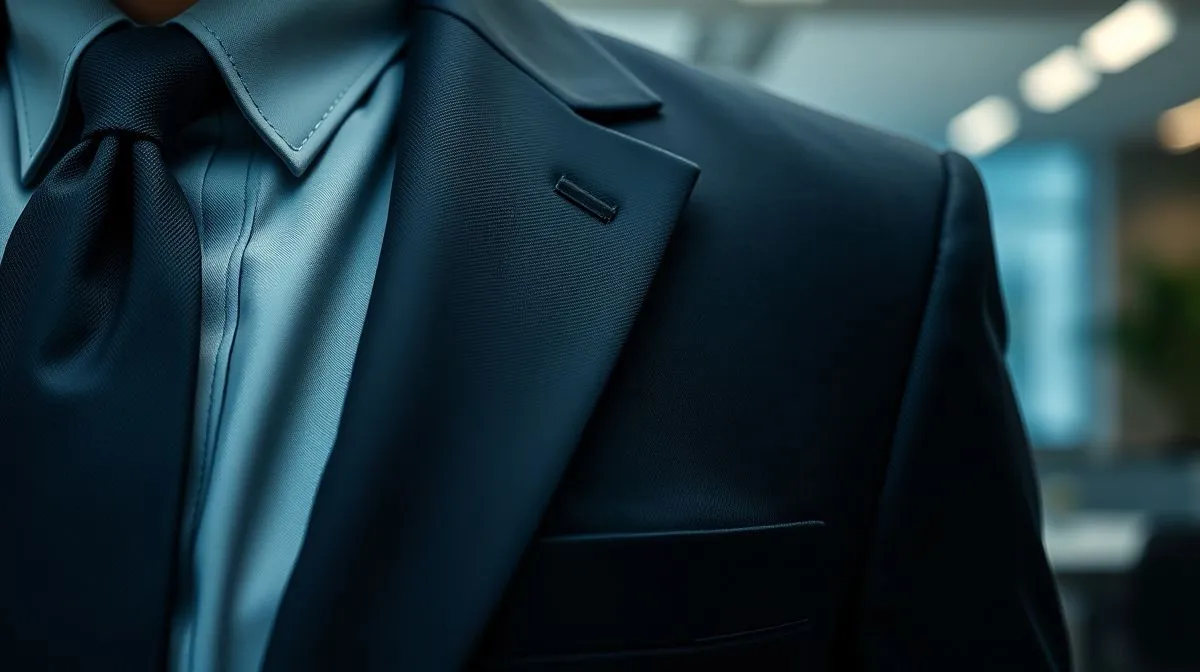
Why does my expensive tailored suit make me look unprofessional?
For over two decades in the world of menswear, guiding countless gentlemen from sartorial confusion to confident style, I've witnessed a perplexing phenomenon: men investing significant sums in what they believe is a professional, perfectly tailored suit, only to have it subtly, or sometimes overtly, undermine their professional image. It's a disheartening sight, and often, the wearer is completely oblivious to the silent signals their attire is sending.
This isn't about budget suits or cheap fabrics. We're talking about high-end, often custom-made garments that, by all accounts, should exude authority and polish. Yet, instead of projecting competence, they can inadvertently convey sloppiness, a lack of attention to detail, or even an air of inauthenticity. The irony is palpable: you've spent more to look worse.
Today, I'm pulling back the curtain on this paradox. I will share the critical, often overlooked reasons why your expensive tailored suit might be failing you, offering actionable insights, real-world examples, and expert strategies to transform your wardrobe from a source of professional detriment into a powerful asset. By the end of this deep dive, you'll possess the knowledge to ensure every dollar spent on your attire amplifies your professional presence, rather than detracting from it.
The Deceptive Illusion of 'Tailored': It's Not Just About the Label
The term 'tailored' has become remarkably broad, often leading to misunderstandings. Many assume that because a suit carries a 'tailored' label or was purchased at a bespoke house, it automatically fits flawlessly. This is a dangerous assumption that can quickly lead to an expensive suit making you look unprofessional.
Understanding True Bespoke vs. Made-to-Measure vs. Off-the-Rack Altered
Firstly, let's clarify the hierarchy of 'tailored' garments:
- Bespoke: This is the pinnacle. A suit cut from scratch for your unique body, involving multiple fittings, a hand-drawn pattern, and extensive handwork. Every curve, every nuance of your posture is considered. This is where true perfection of fit is achievable.
- Made-to-Measure (MTM): Here, an existing block pattern is modified to your measurements. While it offers more customization than off-the-rack, it's limited by the base pattern's parameters. You won't get the same degree of individual contouring as bespoke.
- Off-the-Rack with Alterations: This is simply purchasing a standard size suit and having a local tailor make adjustments. While crucial for improving fit, it's inherently limited by the suit's original cut and construction. You can't change the shoulder slope or chest suppression significantly.
Case Study: Mr. Thompson's Bespoke Blunder
I recall a client, Mr. Thompson, a successful lawyer who came to me exasperated. He'd invested in a "bespoke" suit, yet felt it made him look "frumpy." Upon inspection, it was clear: while the suit was MTM, not true bespoke, the primary issue was a poor initial consultation and a fitter who didn't understand his unique posture. Mr. Thompson carried his shoulders slightly forward, a common postural nuance. The MTM suit, based on a standard block, created excess fabric at the back and pulling across the chest, making him appear slouched and ill-at-ease, despite the high price tag. By addressing these specific fit points with a true bespoke approach for his next suit, we transformed his silhouette, making him look taller, more confident, and undoubtedly more professional.
The Critical Role of the Fitter and Your Body
Even with a bespoke or MTM suit, the expertise of the fitter is paramount. A good fitter doesn't just take measurements; they observe your posture, your gait, how you move. They understand how fabric drapes and how to account for asymmetries in the human body – because very few of us are perfectly symmetrical. If your fitter rushed the process or lacked this crucial observational skill, even an expensive suit can end up looking anything but professional.
Fit First, Always: The Unforgivable Sins of an Ill-Fitting Suit
This is where 90% of the problems lie. An expensive fabric and designer label cannot compensate for poor fit. It’s the single biggest reason why your expensive tailored suit makes you look unprofessional.
Shoulder Fit: The Foundation of Formality
The shoulders are the suit's foundation. If they don't fit perfectly, the entire jacket will look off. The shoulder seam should end precisely where your shoulder ends, with no divots, puckering, or excess fabric. If it's too wide, you'll look like a child playing dress-up; too narrow, and you'll appear squeezed and uncomfortable. This is non-negotiable.
Jacket Length & Button Stance: Proportions That Matter
A jacket that's too long can make your legs look short, while one that's too short can look trendy and informal. The classic rule: the jacket hem should cover your seat and end roughly at the midpoint of your thumb when your arms are relaxed at your sides. The button stance (where the button is positioned) also dramatically affects the suit's appearance. Too high or too low, and it disrupts the visual balance, making your torso appear disproportionate.
Sleeve Length & Cuff Exposure: The Details That Speak Volumes
Your jacket sleeves should end where your wrist meets your hand, allowing about 0.5 to 1 inch of your shirt cuff to show. This subtle detail is a hallmark of good tailoring. Too long, and it looks sloppy, hiding your shirt. Too short, and it looks like you've outgrown your suit. This is a common mistake that immediately screams 'unprofessional'.
Trousers: Break, Width, and Rise – Beyond Just Length
Trousers are often overlooked. The 'break' – the slight crease where the trouser hem meets your shoe – is a matter of personal preference but needs to be consistent. A full break can look dated, while no break can be too fashion-forward for some professional settings. Crucially, the width of the trouser leg and its rise (how high it sits on your waist) must complement your body shape and the jacket. Baggy or overly skinny trousers destroy the clean lines of an expensive suit.
- Check Shoulder Fit: Stand against a wall. Does the shoulder pad extend beyond your actual shoulder bone? If so, it's too wide. Do you see wrinkles radiating from the shoulder? Too tight.
- Assess Jacket Length: With arms relaxed, the hem should cover your backside and fall to the middle of your thumb's knuckle.
- Verify Sleeve Length: Your shirt cuff should peek out by about half an inch to an inch when your arms are down.
- Inspect Trouser Break: Stand in your dress shoes. Aim for a minimal or no break for a modern, clean look, or a slight break for classic elegance. Avoid pooling fabric.
- Examine Collar Gap: Ensure the suit collar lies flat against your shirt collar, with no gap. A gap indicates a poor fit around the neck and upper back.
Fabric, Pattern, and Color: When Luxury Clashes with Context
Even the finest Loro Piana wool can make you look unprofessional if it's the wrong choice for the context. Your expensive tailored suit might look out of place, signaling a lack of judgment rather than sophistication.
Fabric Weight & Weave: Seasonality and Occasion
A heavy tweed in summer, or a super-light tropical wool in winter, immediately creates a visual dissonance. Similarly, certain weaves (e.g., a very textured hopsack) are more casual than a smooth worsted wool. Understanding seasonality and the formality of the occasion is key. A suit that's too warm for a meeting will show with perspiration, while a too-light fabric in a cold climate looks unprepared.
Bold Patterns & Loud Colors: The Professional Paradox
While a subtle pinstripe or glen plaid can be elegant, overtly bold patterns, wide chalk stripes, or bright colors (think electric blue or deep burgundy) can be distracting in many professional environments. They draw attention to the suit itself, rather than to you and your message. They can make you appear flashy or less serious, particularly in traditional fields. As I often advise:
“In professional settings, your suit should be a frame, not the painting. It should enhance your presence, not overshadow it.”
The Devil in the Details: Accessories, Shirt, and Tie Synergy
A perfectly tailored suit can be ruined by poorly chosen accessories. These small elements are often the final nails in the coffin for a professional image.
Shirt Collar & Cuff Fit: Frame Your Face, Flatter Your Wrists
A shirt collar that's too tight will make you look uncomfortable and can cause the suit collar to buckle. Too loose, and it looks sloppy. The collar should allow two fingers to comfortably fit between your neck and the collar band. Similarly, shirt cuffs should be snug enough to show under your suit jacket sleeve, but not so tight they constrict movement. They should kiss your wrist bone.
Tie Choice & Knot: Balance is Key
The width of your tie should generally match the widest part of your lapel. A skinny tie with wide lapels, or vice-versa, creates an imbalance. The tie knot should be proportionate to your collar spread and the formality of the occasion – a Windsor for wide spreads, a Four-in-Hand for narrower. The tie length is critical: it should just graze the top of your belt buckle. A tie that's too long or too short is a glaring sign of amateurism. Too often, I see expensive suits paired with cheap, shiny ties or novelty patterns that completely detract from the overall gravitas.
Footwear & Belt: The Grounding Elements
Your shoes and belt are the foundation of your outfit. They must match in color and formality. Scuffed shoes, worn-out soles, or a belt that's too casual (e.g., a canvas belt with a formal suit) instantly cheapen the entire look, regardless of the suit's price. Polish your shoes, ensure your belt is leather and matches your shoes, and choose classic styles like Oxfords or Derbies. Loafers, while versatile, may not always be appropriate for the most formal settings.
- Shirt Collar: Ensure it's neither too tight nor too loose. You should be able to comfortably fit two fingers.
- Tie Width: Match your tie width to your suit lapel's widest point for harmonious proportions.
- Tie Length: The tip of your tie should just touch your belt buckle.
- Shoe & Belt Match: Always ensure your shoes and belt are the same color and similar in material/finish.
- Pocket Square: If used, ensure it complements the tie and shirt without being an exact match. It's an accent, not a duplicate.
Your Posture and Demeanor: The Unseen Tailor
Even the best bespoke suit will look bad on someone with poor posture. Your expensive tailored suit makes you look unprofessional if you slouch, hunch, or carry yourself without confidence.
Standing Tall: Projecting Confidence
A suit is designed to enhance the human form, but it relies on that form being held correctly. Shoulders back, chest out, chin parallel to the floor – this posture not only makes you look more confident but also allows the suit's fabric to drape as intended. Slouching creates unnatural wrinkles and pulls, distorting the suit's lines and making you appear smaller and less assertive. As body language experts often emphasize, your physical presence speaks volumes before you utter a single word.
Sitting Gracefully: Avoiding Creases and Crinkles
How you sit in your suit is just as important as how you stand. Unbutton your jacket when sitting to prevent strain on the buttons and fabric. Avoid hunching forward, which can create deep, unsightly creases across the stomach and shoulders. Proper posture, even when seated, helps maintain the suit's crisp appearance and prevents premature wear.
Maintenance Matters: A Wrinkled Suit is a Warning Sign
An expensive suit, if not cared for properly, can quickly look neglected. A wrinkled, dusty, or unkempt suit is a surefire way to make you look unprofessional, regardless of its original cost.
Proper Storage & Hanging: Preserve the Drape
Always hang your suit on a wide, sturdy wooden hanger that fills the shoulders. Wire hangers will deform the shoulder pads and cause the suit to lose its shape. Allow suits to air out after wearing before putting them back in the closet. Use a breathable garment bag for long-term storage or travel.
Steaming vs. Ironing: When and How
Steaming is generally preferred for removing wrinkles from suits as it's gentler on the fabric. A good quality garment steamer can work wonders. Ironing, if necessary, should be done with extreme care on a low heat setting, preferably with a pressing cloth to protect the fabric from shine or scorching. Over-ironing or ironing incorrectly can damage the fabric's fibers and sheen, making your expensive tailored suit look aged and cheap.
Dry Cleaning: A Necessary Evil?
Dry cleaning should be done sparingly, typically only once or twice a year, or when the suit is visibly soiled. Frequent dry cleaning can strip the natural oils from the wool, shortening its lifespan and altering its drape. For minor refreshes, spot cleaning or airing out is often sufficient. For more in-depth care advice, I often recommend consulting resources like The Woolmark Company's suit care guides, which provide authoritative advice on preserving wool garments.
The Subtleties of Style: When 'Fashion Forward' Backfires Professionally
While it's tempting to follow trends, some stylistic choices, even in an expensive tailored suit, can inadvertently undermine your professional credibility.
Overly Trendy Cuts: The Fleeting Nature of Fashion
Super-slim lapels, extremely cropped jackets, or trousers with an exaggerated taper might be fashionable today, but they date quickly and can look out of place in more traditional professional environments. A classic, timeless cut ensures your suit remains relevant and authoritative for years, avoiding the impression of chasing fleeting fads. This is particularly true for an expensive tailored suit; you want longevity in style, not just in fabric.
Lapel Width & Notch Position: Timeless vs. Trendy
Lapel width has fluctuated dramatically over the decades. Currently, a medium-width lapel (around 3-3.5 inches at its widest point) is considered classic and universally flattering. Extremely narrow or wide lapels can look anachronistic or trendy, potentially making your suit seem less serious. The position of the notch or peak on the lapel also contributes to the suit's overall character. A higher notch can look more modern, while a lower one is more traditional.
Button Count & Vents: Classic Considerations
While two-button single-breasted suits are the most common and versatile, venturing into three-button or double-breasted territory requires careful consideration of proportions and personal style. Similarly, single vents (in the center) are more common in American tailoring, while double vents (two side vents) are a hallmark of British and European tailoring, offering a cleaner drape when seated. Choosing a style that aligns with classic principles rather than fleeting trends ensures your expensive suit maintains its professional integrity. For a comprehensive look at classic suit styling, I often refer clients to authoritative sources like GQ's guides on suit anatomy and style, which balance modern relevance with timeless principles.
The Psychology of Perception: Why Mistakes Resonate More Than Perfection
It's a curious aspect of human psychology: flaws often stand out more than perfections. This plays a significant role in why your expensive tailored suit might be making you look unprofessional.
Cognitive Biases and First Impressions
When someone sees an expensive suit, there's an inherent expectation of perfection. Any deviation from that expectation – a pooling trouser, a gapping collar, a scuffed shoe – is immediately noticed because it clashes with the mental image of what 'expensive' and 'tailored' should represent. This is an example of the 'contrast effect,' where a discrepancy is magnified. According to studies on first impressions, non-verbal cues, including attire, form up to 93% of the initial judgment. If your suit sends conflicting signals, it creates cognitive dissonance for the observer.
The Halo/Horn Effect in Professional Settings
The 'halo effect' suggests that positive traits (like an expensive suit) can lead to positive overall impressions. However, the 'horn effect' is its inverse: a single negative trait (like an ill-fitting suit) can lead to a negative overall impression, even overshadowing otherwise positive attributes. If your expensive tailored suit makes you look unprofessional due to these subtle flaws, it can trigger the horn effect, leading others to subconsciously question your attention to detail, competence, or judgment in other areas. For more on how attire influences perception, a fascinating read is often found in academic articles on professional image, such as those published by Harvard Business Review, which frequently touch upon the psychology of professional attire.
Investing Wisely: Beyond the Price Tag
The ultimate goal isn't just to buy an expensive suit, but to make a wise investment that genuinely enhances your professional standing. This requires a shift in mindset from mere purchase to strategic wardrobe building.
Finding the Right Tailor: An Investment in Expertise
The single most important factor for an expensive tailored suit to look exceptional is the tailor. Don't choose based on price alone. Seek out a tailor with a reputation for understanding body mechanics, fabric drape, and individual style. A truly great tailor will ask questions, observe your posture, and offer honest, expert advice, even if it means telling you a particular style isn't right for you. They are not just altering fabric; they are crafting your professional image.
Building a Versatile Wardrobe: Less is More, When Done Right
Instead of acquiring many mediocre suits, focus on investing in a few exceptionally well-fitting, versatile suits in classic colors (charcoal grey, navy blue). These can be dressed up or down with different shirts, ties, and accessories, giving you more mileage and ensuring you always look impeccably put-together. This approach aligns with the philosophy of timeless style, where quality and fit trump quantity and fleeting trends. As Forbes often highlights in its menswear columns, a well-curated wardrobe is a powerful professional asset. You can read more about making smart investments in professional attire on Forbes' Lifestyle: Menswear section.
Frequently Asked Questions (FAQ)
Question: Can an off-the-rack suit ever look as good as a truly tailored bespoke suit? Answer: While an off-the-rack suit can be significantly improved with expert alterations, it will rarely achieve the precise, body-hugging fit and unique drape of a true bespoke suit. Bespoke is cut from a unique pattern created specifically for you, accounting for every nuance of your posture and body shape. Off-the-rack is based on standardized sizing. So, no, it won't look 'as good' in terms of perfect fit, but it can certainly look 'good enough' and highly professional with the right tailor.
Question: How often should I dry clean my suit? Answer: Dry cleaning should be done sparingly, ideally no more than once or twice a year, or only when the suit is visibly soiled or has an odor. Frequent dry cleaning can be harsh on the wool fibers, stripping their natural oils and potentially shortening the suit's lifespan. For routine maintenance, airing out the suit, brushing it gently to remove dust, and steaming out wrinkles are much better options.
Question: What's the one most important fit aspect to get right if I'm on a budget? Answer: Without a doubt, the shoulders. The shoulder fit is the most difficult and expensive part of a suit to alter correctly. If the shoulders are too wide or too narrow, the entire jacket's balance and drape will be off, and no amount of other alterations can truly fix it. Always prioritize a perfect shoulder fit when buying any suit, regardless of price.
Question: Is it worth investing in multiple tailored suits, or should I focus on one or two? Answer: For most professionals, investing in one or two high-quality, perfectly tailored suits in versatile colors like charcoal grey and navy blue is far more beneficial than owning multiple cheaper, ill-fitting ones. A small collection of impeccable suits, rotated regularly and properly cared for, will project a consistently professional image and last much longer. Quality over quantity, always.
Question: How do I find a truly good tailor who understands bespoke principles? Answer: Start by asking for recommendations from well-dressed individuals you respect. Look for tailors who ask detailed questions about your posture and lifestyle, take numerous measurements, and invite you for multiple fittings. A true bespoke tailor should never rush the process. Examine their previous work if possible, and don't hesitate to ask about their experience and philosophy on fit. An initial consultation can often tell you a lot about their expertise.
Recommended Reading
- Best Affordable Streetwear Brands 2024: Your Ultimate Guide to Stylish Savings
- Unlock the Secret: How to Reduce Microplastic Shedding from Your Clothes for a Cleaner Planet
- Unveiling the True Value: What Makes a Luxury Designer Brand Worth Buying?
- 7 Proven Strategies to Boost Handmade Hair Accessory Profit Margins
- Slash Kids' Character Apparel Dead Stock: 7 Expert Strategies
Key Takeaways and Final Thoughts
- Fit is Paramount: No amount of money or luxurious fabric can compensate for a poor fit. Focus on shoulders, jacket length, sleeve length, and trouser break.
- Context Matters: Your suit's fabric, pattern, and color must be appropriate for the season and professional setting.
- Details Elevate or Detract: Shirt fit, tie choice, and footwear are critical. They are the finishing touches that can make or break an expensive suit.
- Posture is Part of the Package: Carry yourself with confidence. Your demeanor directly influences how your suit is perceived.
- Maintenance Extends Life & Image: Proper care, storage, and judicious dry cleaning will keep your expensive suit looking its best.
- Invest in Expertise: The right tailor is an invaluable partner in achieving sartorial excellence.
Ultimately, your suit is an extension of your professional self. When your expensive tailored suit makes you look unprofessional, it's not the suit's fault, but rather a misalignment between its potential and its execution. By understanding these critical elements – from the nuances of fit to the psychology of perception – you can transform your wardrobe from a source of subtle sabotage into a powerful, silent advocate for your expertise and professionalism. Go forth, gentlemen, and dress not just expensively, but impeccably. Your career will thank you for it.





Your email address will not be published. Required fields are marked *