

How to Generate Unique Outfit Ideas When Creativity Runs Dry?
For over 15 years immersed in the dynamic world of fashion blogging and styling, I've witnessed firsthand the cyclical nature of creative inspiration. Every fashion enthusiast, from seasoned stylists to daily dressers, eventually hits that wall – the dreaded 'nothing to wear' syndrome, even with a closet full of clothes. I've been there, and I've guided countless others through it.
It's more than just a minor inconvenience; it's a genuine creative block that can stifle your personal expression and even make getting dressed feel like a chore. The excitement of putting together a unique look dwindles, replaced by a sense of frustration and a repetitive loop of the same few outfits. This isn't about lacking clothes; it's about lacking fresh perspective and innovative thought.
But what if I told you that overcoming this style rut isn't about buying new things, but about rediscovering what you already have and learning new ways to see it? In this definitive guide, I'll share expert frameworks, actionable strategies, and real-world insights I've honed over years, designed to reignite your fashion creativity and consistently generate unique outfit ideas, even when your inspiration well feels completely dry.
Deconstructing the Rut: Understanding Your Creative Block
Before we can build, we must understand why the construction stopped. The first step in how to generate unique outfit ideas when creativity runs dry is to honestly assess the nature of your creative block. Is it decision fatigue? A feeling of being overwhelmed by choice? Or perhaps a lack of confidence in trying new combinations?
In my experience, many people default to familiar outfits because they're safe and require minimal thought. This habit, while convenient, slowly corrodes the adventurous spirit of personal style. It’s like eating the same meal every day – eventually, you lose your taste for food itself.
Recognizing these patterns is crucial. Are you constantly reaching for the same black trousers or the same neutral sweater? This isn't a judgment; it's an observation that paves the way for intentional change. Let's dig deeper into the common culprits.
Common Causes of Outfit Idea Fatigue
- Lack of variety or perceived lack in your wardrobe.
- Decision fatigue from too many options or too little time.
- Fear of trying new styles or looking 'wrong'.
- Over-reliance on trends rather than personal style development.
- Disconnection from your evolving personal identity or lifestyle changes.
True creativity in fashion isn't about having the most clothes, but about having the most innovative ways to combine them.
The Wardrobe Audit: Your Foundation for Freshness
One of the most powerful initial steps I recommend to clients struggling with how to generate unique outfit ideas when creativity runs dry is a thorough wardrobe audit. This isn't just a spring clean; it's a strategic reassessment of every item you own, designed to reveal hidden gems and identify gaps.
According to a study published by the University of Hertfordshire, people only wear 20% of their clothes 80% of the time. This staggering statistic underscores the potential untapped resources hanging idly in our closets. An audit helps you reconnect with these forgotten pieces.
My proven 3-step audit process will transform your relationship with your wardrobe, making it a source of inspiration rather than stress. This foundational work is non-negotiable for sustained creative output.
Step-by-Step Wardrobe Rejuvenation
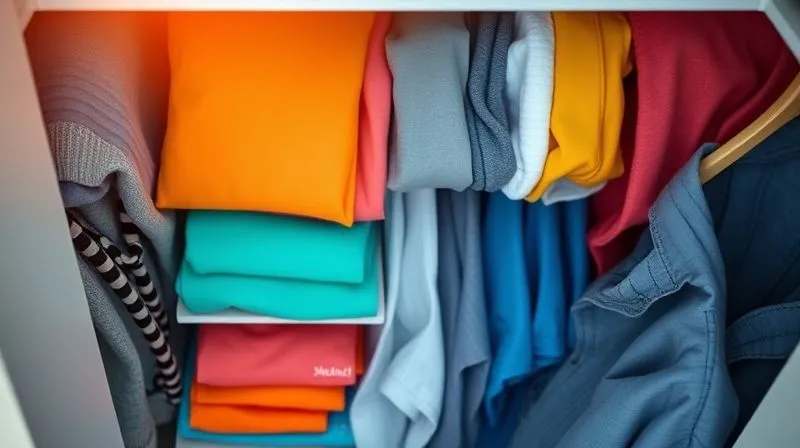
- Step 1: The Purge & Categorize. Empty your closet completely. Sort items into three piles: 'Keep & Love,' 'Maybe/Alter,' and 'Donate/Sell.' Be ruthless but honest. For the 'Keep & Love' pile, categorize by type (e.g., tops, bottoms, dresses) and then by color. This visual organization is key.
- Step 2: Identify Your 'Core 10.' From your 'Keep & Love' pile, select 10 versatile pieces that genuinely represent your style and can be mixed and matched easily. These are your foundational items. Think classic jeans, a crisp white shirt, a versatile blazer, etc.
- Step 3: Spot the Gaps & Versatility Score. With your 'Core 10' in mind, scan the rest of your 'Keep & Love' items. How many different outfits can you make with each piece, incorporating your core items? If an item can only be worn one way, it might be a candidate for the 'Maybe' pile. Identify missing essentials that would unlock more combinations for existing pieces (e.g., a specific belt, a layering camisole). Forbes often highlights the power of a capsule wardrobe, and this audit is your first step towards that mindset.
Case Study: Sarah's Style Renaissance
Sarah, a marketing professional, consistently felt uninspired by her work wardrobe, leading to rushed, uncreative choices each morning. Her closet was overflowing, yet she felt she had nothing to wear. By implementing my 3-step wardrobe audit, she discovered several blouses she'd forgotten and realized she lacked versatile layering pieces. After purging 40% of her unused items and investing in two key layering cardigans and a statement necklace, she found herself creating 3-4 new outfits from existing pieces each week. This not only saved her money but also significantly reduced her morning stress and boosted her confidence in her professional appearance.
Strategic Styling: The Power of the 'Third Piece' and Beyond
Once your wardrobe is optimized, the next phase is about applying strategic styling principles. One of the most impactful, yet often overlooked, techniques for how to generate unique outfit ideas when creativity runs dry is the 'Third Piece Rule.' This simple concept instantly elevates any basic outfit.
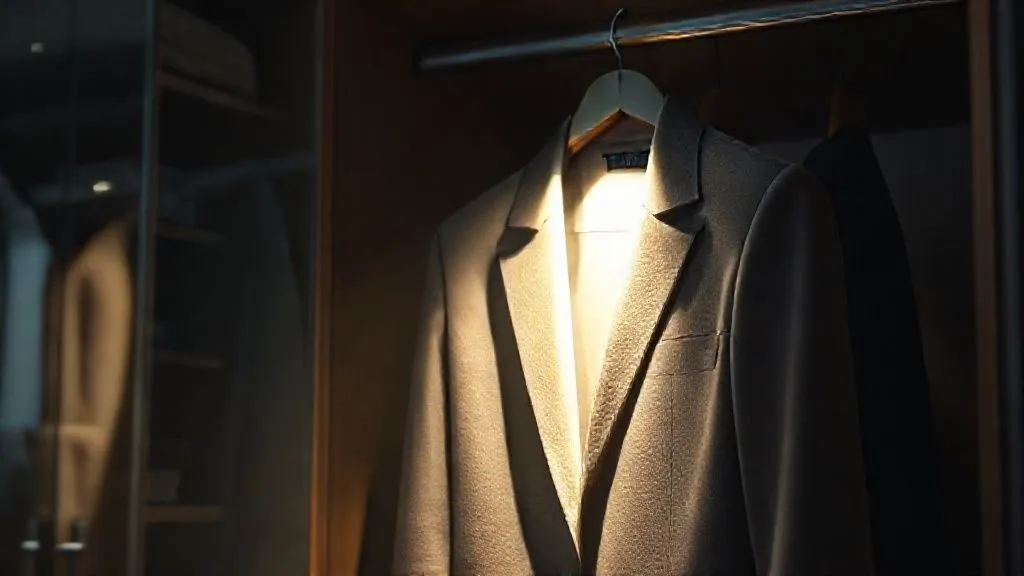
Think of an outfit as having a base: a top and a bottom. The 'third piece' is anything additional that adds interest, dimension, and a polished finish. It could be a blazer, a denim jacket, a vest, a statement scarf, or even a bold pair of shoes. This principle is a cornerstone of professional styling.
Beyond the third piece, consider the interplay of proportions and silhouettes. An oversized sweater paired with slim-fit trousers creates a different vibe than a fitted top with wide-leg pants. Experimentation here is key to unlocking new visual narratives with your existing garments.
Elevating Basics with Styling Techniques
- Layering: Not just for warmth, but for visual interest. A silk camisole under a shirt, a turtleneck under a dress.
- Tucking & Knotting: Simple adjustments like a French tuck or knotting a shirt at the waist can completely change a silhouette.
- Rolling Sleeves: A subtle detail that adds a relaxed, intentional vibe.
- Mixing High & Low: Pairing a designer piece with fast fashion, or a formal item with a casual one.

Embracing Inspiration: Beyond the Runway and Instagram
While fashion magazines and social media feeds are obvious sources, true inspiration for how to generate unique outfit ideas when creativity runs dry often lies in unexpected places. Limiting your visual diet to only fashion-specific content can actually narrow your perspective, leading to creative fatigue.
I often advise my mentees to look beyond the immediate fashion sphere. Art, architecture, nature, historical periods, interior design – these are rich tapestries of color palettes, textures, and structural forms that can be translated into unique personal style.
Think of the vibrant hues in a sunset, the intricate patterns of a mosaic, or the flowing lines of a modern building. How can these visual cues inform your next outfit? This approach cultivates a more profound and personal source of inspiration.
Unconventional Sources for Outfit Inspiration
- Art Galleries & Museums: Pay attention to color combinations, historical silhouettes, and artistic movements. How would a Cubist painting translate into an outfit? Or a Renaissance portrait?
- Nature Walks: Observe the organic color gradients, the textures of bark and leaves, the way elements combine harmoniously. A forest floor can inspire a rich, earthy palette.
- Travel & Culture: Different cultures have unique approaches to textiles, draping, and adornment. Even if you can't travel physically, explore documentaries and books. National Geographic's culture section is a treasure trove of visual ideas.
- Interior Design: The way textures, colors, and patterns are combined in a well-designed room can offer fresh perspectives for your wardrobe. Think about contrasting elements or focal points.
The Outfit Formula Blueprint: Creating Your Personal System
Generating unique outfit ideas doesn't mean reinventing the wheel every day. Instead, it's about having a flexible framework – an 'outfit formula blueprint' – that you can adapt and personalize. This is a game-changer for those asking how to generate unique outfit ideas when creativity runs dry.
A formula provides a starting point, reducing decision fatigue, but leaves ample room for creative expression. It allows you to swap out components while maintaining a cohesive structure. This approach is highly efficient and surprisingly versatile.
Consider these common foundational formulas and how you can make them your own. The key is to understand the underlying structure, then inject your unique style through color, texture, and accessories.
Core Outfit Formulas to Master
| Formula | Example | Creative Twist |
|---|---|---|
| Top + Bottom + Third Piece | T-shirt + Jeans + Blazer | Swap tee for silk cami, jeans for tailored trousers, add statement belt. |
| Dress/Jumpsuit + Layer + Accessory | Midi Dress + Denim Jacket + Sneakers | Midi Dress + Long Cardigan + Ankle Boots + Belt at waist. |
| Monochromatic Base + Pop of Color | All Black + Red Bag | Neutrals (Beige/White) + Emerald Green Scarf/Shoes. |
| Pattern Mix + Solid Neutral | Striped Top + Solid Skirt | Floral Blouse + Plaid Trousers (ensure one pattern is subtle) + Neutral Blazer. |
Once you have these blueprints, you can mix and match elements from your audited wardrobe. This systematic approach ensures that even on your least inspired days, you have a reliable method to construct a stylish and unique look.
Color Play and Texture Fusion: Elevating Basic Looks
Beyond the structural elements, the most impactful way to answer how to generate unique outfit ideas when creativity runs dry is through intentional color play and texture fusion. These elements can transform the most basic garments into something extraordinary.
Many people stick to safe, neutral palettes, which is understandable, but it often limits creative potential. Learning to confidently combine colors and textures opens up a vast new world of outfit possibilities. It's like adding spices to a meal – the same ingredients can taste entirely different with a new flavor profile.
Don't be afraid to experiment. The worst that can happen is an outfit you don't love, which is a valuable learning experience in itself. Start with subtle shifts and gradually build your confidence.
Mastering Color Combinations
- Analogous Colors: Colors next to each other on the color wheel (e.g., blue, blue-green, green). Creates a harmonious, sophisticated look.
- Complementary Colors: Colors opposite each other (e.g., blue and orange, red and green). High contrast, bold, and energetic. Use one as the dominant, the other as an accent.
- Monochromatic: Different shades and tints of the same color. Elegant and elongating.
- Triadic Colors: Three colors evenly spaced on the color wheel (e.g., red, yellow, blue). Vibrant and playful.
Color is a language that speaks volumes before you even say a word. Learn its grammar, and your outfits will tell compelling stories.
The Art of Texture Mixing
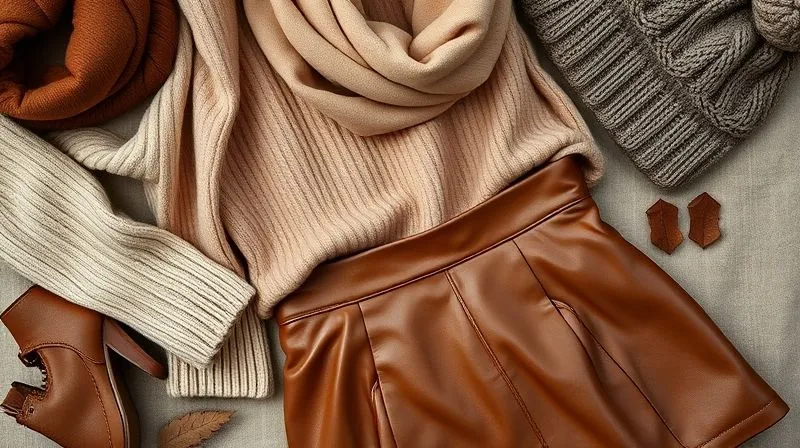
Texture adds depth and interest to an outfit, preventing it from looking flat. Think about the tactile quality of fabrics – soft cashmere, rough tweed, smooth silk, structured denim, delicate lace, chunky knit. Combining these creates a rich visual and sensory experience.
For example, pairing a delicate lace top with rugged denim jeans and a chunky knit cardigan creates a dynamic contrast that is far more interesting than an all-cotton ensemble. The interplay of soft and hard, smooth and coarse, adds a sophisticated layer to your styling.
Accessory Alchemy: Transforming the Mundane
Accessories are often underestimated, yet they are the true alchemists in the quest for how to generate unique outfit ideas when creativity runs dry. A simple white t-shirt and jeans can be transformed into a dozen different looks with just a change of accessories.
Think beyond just jewelry. Accessories encompass bags, shoes, belts, scarves, hats, eyewear, and even hosiery. Each piece offers an opportunity to inject personality, color, and trend into an otherwise basic ensemble. They are your punctuation marks in the language of style.
The trick is to view accessories not as afterthoughts, but as integral components of your outfit strategy. They can define a mood, elevate a casual look, or ground a flamboyant one.
Strategic Accessory Application
- Statement Jewelry: A bold necklace or oversized earrings can be the focal point of a simple outfit.
- Belts: Cinch a loose dress, define your waist over a sweater, or add a pop of color to trousers.
- Scarves: Worn around the neck, in your hair, tied to a bag, or even as a makeshift top – scarves are incredibly versatile. Vogue often features creative ways to style scarves.
- Shoes & Bags: These can completely alter the formality or vibe of an outfit. Sneakers vs. heels, a tote vs. a clutch.
- Eyewear: A stylish pair of glasses or sunglasses can add an intellectual or chic touch.
| Accessory Type | Impact | Outfit Example |
|---|---|---|
| Statement Necklace | Draws eye upwards, adds glamour to basic tops. | Plain white tee + jeans + statement necklace. |
| Wide Belt | Defines waist, adds structure to flowy garments. | Flowy midi dress + wide belt + ankle boots. |
| Silk Scarf | Adds color/pattern, versatility for hair, neck, bag. | Monochromatic suit + patterned silk scarf as necktie. |
Mindset Shift: Cultivating Daily Fashion Creativity
Ultimately, the long-term solution to how to generate unique outfit ideas when creativity runs dry lies in cultivating a creative mindset. Fashion isn't just about clothes; it's a form of self-expression, a daily art project. Approaching it with curiosity and playfulness is transformative.
I've observed that the most consistently stylish individuals aren't necessarily the ones with the biggest budgets, but those with the most adventurous and open-minded approach to their wardrobe. They see possibilities where others see limitations.
This mindset shift involves embracing imperfection, celebrating experimentation, and learning from every outfit. It's about developing your 'fashion eye' – the ability to see potential in combinations you might have previously dismissed.
Practices for a Creative Fashion Mindset
- The 'Outfit Challenge': Pick one item you rarely wear and challenge yourself to create three different outfits with it.
- Photo Diary: Take a picture of every outfit you wear. Reviewing them helps you identify patterns, what works, and what doesn't.
- Mood Boards: Create digital or physical mood boards of images that inspire you, not just fashion, but anything that resonates with your aesthetic.
- Shop Your Closet Days: Dedicate time to simply playing dress-up with your existing clothes, trying on combinations you've never considered.
- Seek Feedback (Wisely): Ask a trusted, stylish friend for their honest opinion on new combinations.
Your personal style is an ongoing conversation with yourself. Keep it curious, keep it evolving, and keep it authentic.
Remember, fashion should be fun. When it stops being fun, that's when creativity truly starts to wane. Reconnect with the joy of dressing, and the unique outfit ideas will follow.
According to research on creativity by Teresa Amabile at Harvard Business School, intrinsic motivation—the desire to do something because it is inherently interesting or enjoyable—is the most important factor for creativity. Apply this to your daily dressing. Harvard Business Review's insights on creativity underscore this point.
Frequently Asked Questions (FAQ)
Q: How can I stop buying new clothes and still feel like I have unique outfits? A: The key is shifting your mindset from consumption to creation. Focus on maximizing the versatility of your existing wardrobe through the techniques discussed: strategic layering, accessory changes, and mixing high-low pieces. A regular wardrobe audit and outfit challenges can also reveal untapped potential in items you already own, making new purchases less appealing. It's about seeing your closet as a puzzle with endless solutions, rather than a collection of fixed pieces.
Q: What if I only wear neutrals? Can I still create unique outfits? A: Absolutely! Neutrals offer a sophisticated canvas. To create unique looks, focus on texture mixing (e.g., chunky knit with sleek leather, sheer organza with matte cotton), varying silhouettes (e.g., oversized blazer with slim trousers, flowy skirt with structured top), and subtle pops of color through accessories like a vibrant scarf, a metallic belt, or a unique handbag. Monochromatic looks in varying shades of a single neutral are also incredibly chic and unique.
Q: How do I find my personal style if I feel lost and uninspired? A: Start by collecting inspiration that genuinely resonates with you, not just what's trending. Create a visual mood board from diverse sources (art, nature, film, specific eras, not just fashion influencers). Then, analyze common themes: what colors, textures, silhouettes, and moods appear repeatedly? Experiment with these elements in your existing wardrobe. Your personal style is an evolution, not a destination, so give yourself permission to explore and refine over time.
Q: Is it okay to copy outfits I see online or in magazines? A: Copying can be a great starting point for learning and experimentation, especially when you're seeking how to generate unique outfit ideas when creativity runs dry. However, the goal isn't exact replication, but adaptation. Use inspirational images as a blueprint: identify the core elements (color palette, silhouette, key pieces) and then interpret them using items you already own or can acquire ethically. Add your own 'twist' through accessories or a unique styling choice to make it truly yours. This process helps you understand styling principles rather than just blindly following trends.
Q: My lifestyle has changed (new job, motherhood, etc.). How do I adapt my style without feeling like I'm losing myself? A: This is a very common challenge. Begin by acknowledging that your style *should* evolve with your life. Perform a thorough wardrobe audit, keeping your new lifestyle demands in mind. Identify pieces that no longer serve you and those that could be adapted. Focus on versatility and comfort without sacrificing your aesthetic preferences. For instance, if you're a new mom, can your favorite dress be styled with comfortable sneakers and a hands-free bag? If you have a new corporate job, can your casual pieces be elevated with a blazer and smart accessories? It's about finding the intersection of your identity and your new practical needs.
Key Takeaways and Final Thoughts
- Audit Your Wardrobe: A strategic purge and organization is the essential first step to rediscovering your style potential.
- Embrace Strategic Styling: Utilize techniques like the 'Third Piece Rule' and thoughtful layering to instantly elevate basic outfits.
- Seek Diverse Inspiration: Look beyond traditional fashion sources to art, nature, and culture for fresh perspectives.
- Develop Outfit Formulas: Create flexible blueprints that provide structure while allowing for creative adaptation.
- Master Color & Texture: Experiment with combinations to add depth, interest, and personality to your looks.
- Leverage Accessories: View accessories as powerful tools to transform and personalize any outfit.
- Cultivate a Creative Mindset: Approach dressing with curiosity, playfulness, and a willingness to experiment.
Remember, the journey of how to generate unique outfit ideas when creativity runs dry is less about finding a magic bullet and more about cultivating a consistent practice of intentionality and self-discovery. Your personal style is a dynamic reflection of who you are, constantly evolving and adapting.
Don't be discouraged by moments of creative block; see them as opportunities for growth and deeper exploration. By applying these expert strategies, you'll not only overcome your current style rut but also build a resilient and inspiring relationship with your wardrobe that will serve you for years to come. Go forth and create!
Recommended Reading
- Oily Skin & Makeup Oxidization: 5 Pro Fixes for Flawless Wear
- Mastering Professional & Trendy Glasses: Your 7-Step Style Guide
- Mastering Couture: 7 Strategies for Flawless Fit Despite Posture Issues
- Restore Heavily Corroded Edwardian Platinum: The Damage-Free Expert Guide
- How to Ethically Source Exotic Leather for Luxury Handbags: A 7-Step Guide



Your email address will not be published. Required fields are marked *