

How to prevent professional makeup from oxidizing on oily skin?
For over 15 years in the beauty fashion industry, I've witnessed countless makeup transformations, from runway glam to bridal perfection. But one challenge consistently surfaces for those with oily skin: the dreaded makeup oxidation. It's that moment when your perfectly matched foundation subtly, or not so subtly, shifts in color, often turning a shade or two darker, sometimes even a disheartening orange.
This isn't just a minor inconvenience; it's a confidence killer. You spend time and effort perfecting your look, only to have it betray you hours later, leaving you feeling self-conscious and frustrated. The professional finish you aimed for seems to vanish, replaced by an uneven, discolored appearance that no amount of touch-up can truly fix.
But what if I told you that this frustrating phenomenon isn't an inevitable fate? In this definitive guide, I'll share my expert insights, battle-tested strategies, and insider tips on how to prevent professional makeup from oxidizing on oily skin. We'll dive deep into the science, product selection, and application techniques that will empower you to achieve a flawless, long-lasting finish, every single time.
Understanding the Enemy: What Causes Makeup Oxidation on Oily Skin?
Before we can conquer oxidation, we must understand its roots. Oxidation, in the context of makeup, is a chemical reaction. It's not magic; it's chemistry playing out on your skin, often exacerbated by your skin type.
The Science Behind the Shade Shift
At its core, makeup oxidation occurs when the pigments in your foundation, particularly titanium dioxide and iron oxides, react with oxygen in the air and the natural oils (sebum) on your skin. This reaction causes the pigments to darken or change color. Think of how an apple turns brown after being cut and exposed to air – it's a similar principle.
Factors like pH levels of your skin, environmental humidity, and even certain ingredients in your skincare or makeup can accelerate this process. It's a complex interplay, but knowing the basic science helps us strategize our defense.
Why Oily Skin is a Prime Target
This is where oily skin enters the spotlight as the primary culprit. People with oily skin naturally produce more sebum. This excess oil acts as a catalyst, speeding up the oxidative reaction with your foundation's pigments. The more oil, the faster and more dramatically your makeup can shift shades.
Furthermore, oily skin often has a slightly more acidic pH, which can also contribute to the breakdown and alteration of makeup ingredients. It's a perfect storm for foundation discoloration, making the question of how to prevent professional makeup from oxidizing on oily skin a critical one for many.
The Pre-Makeup Ritual: Building a Bulletproof Base
The foundation for flawless, non-oxidizing makeup isn't just the foundation itself; it's the meticulous preparation of your skin underneath. This is where I've seen the biggest difference in my clients' makeup longevity and color stability.
Cleansing and Toning: The Unsung Heroes
Your journey to oxidation-free makeup begins with a clean canvas. I always emphasize the importance of a thorough, yet gentle, cleansing. Use a mild, oil-balancing cleanser to remove excess sebum, dirt, and impurities without stripping your skin. Over-stripping can actually trigger your skin to produce *more* oil, which is counterproductive.
Follow with an oil-controlling toner. Look for ingredients like salicylic acid, witch hazel, or niacinamide, which help to minimize pores and regulate sebum production. Pat it gently onto your skin, allowing it to fully absorb before moving to the next step.
The Right Moisturizer: Hydration Without the Heft
It's a common misconception that oily skin doesn't need moisturizer. On the contrary, proper hydration is crucial! Dehydrated skin can produce more oil to compensate. The key is choosing the *right* moisturizer.
Opt for a lightweight, oil-free, non-comedogenic gel or fluid formula. Ingredients like hyaluronic acid provide hydration without adding oil. Apply a thin layer and give it ample time – at least 5-10 minutes – to sink into your skin before applying primer or makeup. This creates a smooth, balanced surface.
Primer Perfection: Your First Line of Defense
A high-quality primer is non-negotiable for oily skin prone to oxidation. Think of it as a barrier between your skin's natural oils and your foundation.
- Choose Wisely: Select a mattifying, oil-controlling, or pore-minimizing primer. Silicone-based primers often create a smooth canvas and help blur imperfections while creating a barrier.
- Application Technique: Apply a pea-sized amount, focusing on your T-zone and any other areas where oil production is highest. Gently pat it into the skin, don't rub.
- Allow to Set: Give your primer a minute or two to fully set and create its barrier before applying foundation. This crucial waiting period ensures maximum effectiveness.
"A well-chosen primer doesn't just make your makeup last longer; it actively mitigates the chemical reactions that lead to oxidation. It's your unsung hero in the fight against discoloration."
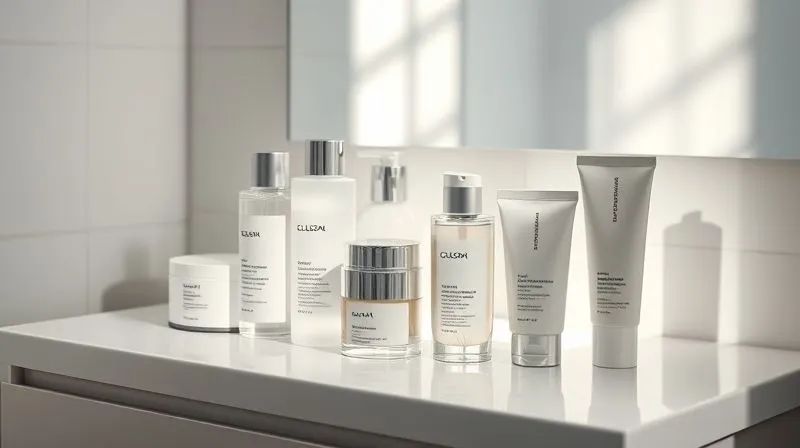
Foundation Formulas: Choosing Your Oxidization-Resistant Ally
The foundation itself plays a pivotal role. Not all formulas are created equal when it comes to combating oxidation on oily skin.
Oil-Free and Non-Comedogenic: Essential Attributes
This might seem obvious, but it bears repeating: always choose oil-free foundations. The less oil in the product, the less it has to react with your skin's natural sebum. Look for labels that explicitly state 'oil-free,' 'non-comedogenic,' or 'non-acnegenic.' These formulations are designed to minimize oil and prevent pore clogging, both of which contribute to a more stable makeup wear.
Silicone-Based vs. Water-Based: A Crucial Distinction
The base of your foundation can significantly impact its performance on oily skin. In my experience, silicone-based foundations tend to be more effective at creating a smooth, long-lasting barrier that resists oil and, consequently, oxidation.
| Foundation Type | Pros | Cons |
|---|---|---|
| Oil-Free Liquid (often silicone-based) | Excellent oil control, smooth finish, long-lasting, less prone to oxidation | Can feel heavier, may require specific removal |
| Water-Based (light/sheer) | Natural look, breathable, lightweight | Less oil control, quicker wear, more susceptible to oxidation |
| Mineral Powder | Absorbs oil, lightweight, good for sensitive skin | Less coverage, can look dry if skin is not prepped well |
Ensure your primer and foundation bases are compatible. A silicone-based primer works best with a silicone-based foundation, and water-based with water-based. Mixing incompatible bases can lead to pilling and uneven wear, compromising your efforts to prevent oxidation.
Color Matching Beyond the Bottle: The Oxidation Test
Here's a crucial tip I share with all my clients: never trust the shade in the bottle or even a fresh swatch on your skin. Foundation often oxidizes differently on different skin types. To truly prevent professional makeup from oxidizing on oily skin, you need to perform an oxidation test.
- Swatching: Apply a small swatch of your chosen foundation along your jawline.
- Wait and Observe: Go about your day for at least 10-15 minutes, or even an hour. Allow the foundation to interact with your skin's natural oils and air.
- Assess: Check the swatch in natural light. Has the color darkened or shifted? If it matches perfectly *after* this waiting period, you've found your shade. If it oxidizes, go a half-shade lighter than what initially looked perfect.
Application Techniques: Mastering the Art of Lasting Wear
Even with the right products, improper application can undermine your efforts. Precision and technique are paramount for oily skin.
Less is More: The Power of Thin Layers
This is a golden rule for oily skin. Applying thick layers of foundation not only looks heavy and unnatural but also provides more pigment for your oils to react with, accelerating oxidation. I always advise:
- Start with a very small amount of foundation.
- Apply it in thin, even layers.
- Build up coverage only where absolutely necessary (e.g., areas of redness or blemishes).
This approach allows your skin to breathe, minimizes the potential for oxidation, and ensures a more natural, lasting finish.
Tools of the Trade: Brushes, Sponges, and Fingers
The tool you use can also impact application and oil control.
- Brushes: A dense, flat-top buffing brush can provide good coverage while pushing the product into the skin for better adherence.
- Sponges: A damp beauty sponge can help sheer out foundation for a more natural look and absorb excess product, preventing cakiness.
- Fingers: While some prefer fingers, I generally advise against it for oily skin as it can transfer more oils and bacteria. If you must, ensure your hands are meticulously clean.
Regardless of the tool, ensure it's clean! Dirty tools can harbor oils and bacteria, negatively impacting your makeup's longevity and hygiene.
The Art of Spot Concealing
Instead of piling on foundation to cover every imperfection, embrace spot concealing. After applying a thin layer of foundation, use a precise concealer to target specific blemishes, redness, or dark circles. This reduces the overall amount of product on your face, further minimizing oxidation potential.
Choose an oil-free, long-wearing concealer that matches your foundation shade precisely. Gently pat it onto the area with a small brush or your ring finger, then lightly blend the edges.
Setting the Stage: Powders, Sprays, and Baking
Once your liquid and cream products are applied, it's time to lock them in. This step is critical for oily skin and directly impacts how to prevent professional makeup from oxidizing on oily skin.
Translucent Setting Powders: Your Best Friend
A finely milled, translucent setting powder is essential. It absorbs excess oil, sets your liquid products, and creates a matte barrier against environmental factors. Research into cosmetic formulations often highlights the role of powders in absorbing sebum and improving wear.
- Application: Use a fluffy brush or a powder puff. Lightly press the powder onto your T-zone and any other oily areas.
- Less is More (Again): Don't overdo it. A light dusting is sufficient. Too much powder can look cakey and, ironically, sometimes even make oily skin appear duller later.
The Baking Method: A Deep Dive
For truly stubborn oiliness, the 'baking' method can be a game-changer. This technique involves applying a generous layer of translucent powder to specific areas (like under the eyes, T-zone, or around the mouth) and letting it sit on the skin for 5-10 minutes. The warmth of your skin 'bakes' the powder, allowing it to deeply absorb oil and set your makeup intensely.
After the baking time, lightly brush off the excess powder. The result is an incredibly matte, smooth, and long-lasting finish that significantly reduces oxidation. This is particularly effective for high-stakes events or long days.
Setting Sprays: The Ultimate Lock-In
Finally, a good setting spray acts as an invisible shield, fusing your makeup layers together and creating a protective film that helps resist transfer, smudging, and, crucially, oxidation. Look for mattifying or oil-control setting sprays.
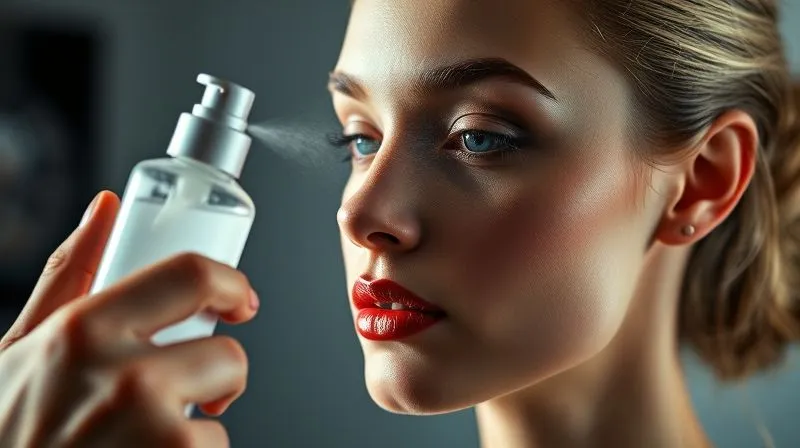
- Application: Hold the bottle 8-10 inches away from your face.
- Mist Evenly: Spray in an 'X' and 'T' formation to ensure even coverage.
- Allow to Dry: Let it air dry completely. Do not touch your face while it's drying.
Mid-Day Maintenance: Keeping Oxidation at Bay
Even with the best preparation, oily skin can eventually show signs of shine. The key is how you manage it.
Blotting Papers: Your Secret Weapon
Blotting papers are infinitely better than adding more powder to absorb excess oil. They lift oil away without disturbing your makeup. I always carry them and recommend my clients do the same.
- Technique: Gently press the blotting paper onto oily areas (forehead, nose, chin).
- Lift, Don't Rub: Press and lift, rather than rubbing, to avoid smudging your makeup.
Powder Touch-Ups: A Delicate Art
If you absolutely need a powder touch-up, blot first to remove oil, then use a very light dusting of translucent powder. Applying powder directly to oily skin can lead to a cakey, clumpy mess and even exacerbate oxidation by trapping the oils underneath.
Case Study: Sarah's Flawless Event Makeup
Case Study: How Sarah Conquered Oxidization for Her Sister's Wedding
Sarah, a client with notoriously oily skin, always struggled with her foundation turning orange by mid-day, especially during important events. For her sister's outdoor summer wedding, she was desperate for her professional makeup to last and look fresh. We implemented a rigorous strategy focusing on how to prevent professional makeup from oxidizing on oily skin.
Her routine included a salicylic acid cleanser, a lightweight gel moisturizer, and a silicone-based mattifying primer. I used an oil-free, long-wear foundation, meticulously shade-matched after an oxidation test. Crucially, we applied it in thin layers, spot-concealing where needed, followed by a thorough baking process in her T-zone with a translucent powder, and a final lock-in with a heavy-duty setting spray. Throughout the day, she used blotting papers every 2-3 hours.
The result? Her makeup remained flawless, perfectly color-matched, and completely shine-free from the ceremony through the late-night reception. She reported feeling confident and radiant, a stark contrast to her previous experiences. This success story underscores the power of a comprehensive, multi-step approach.
Lifestyle & Diet: The Unseen Influencers
While topical solutions are vital, I've observed that overall skin health, influenced by lifestyle, plays a significant role in managing oil production and, by extension, makeup oxidation.
Hydration from Within
Staying adequately hydrated by drinking plenty of water helps regulate your body's functions, including sebum production. Dehydration can sometimes trick your skin into producing more oil to compensate, creating a cycle that contributes to makeup oxidation.
Diet's Role in Sebum Production
While direct links are still being researched, many dermatologists and nutritionists suggest that a diet high in processed sugars and unhealthy fats can potentially exacerbate oil production. Conversely, a diet rich in antioxidants, omega-3 fatty acids, and lean proteins may contribute to healthier, more balanced skin. Consider incorporating more fruits, vegetables, and whole grains into your diet.
Stress Management and Skin Health
Stress hormones like cortisol can stimulate oil glands, leading to increased sebum production. Incorporating stress-reducing activities like meditation, yoga, or regular exercise can have a positive impact on your skin's oil balance, making it easier to prevent professional makeup from oxidizing on oily skin.
Debunking Myths and Common Mistakes
Let's address some common pitfalls and misconceptions I've encountered over the years.
Myth: Buying a Lighter Shade Prevents Oxidation
This is a common but flawed strategy. While a lighter shade might seem to counteract the darkening effect of oxidation, it often results in an unnatural, ashy, or ghost-like appearance before oxidation even fully sets in. The goal is a perfect match that *stays* a perfect match, not a compromise. Always shade match correctly, then use the techniques outlined above.
Mistake: Skipping Skincare Steps
Thinking you can skip cleansing, moisturizing, or priming because you're in a rush or believe your skin is 'too oily' is a grave error. As we've discussed, each step in your pre-makeup ritual is a critical defense against oil and oxidation. A comprehensive routine is non-negotiable for lasting makeup on oily skin.
| Mistake | Impact | Expert Fix |
|---|---|---|
| Skipping primer | Uneven application, quicker oil breakthrough, faster oxidation | Always use an oil-controlling, mattifying primer |
| Incorrect shade matching | Foundation appears orange/ashy after oxidation | Test foundation on jawline, wait 10-15 mins for oxidation check |
| Over-powdering | Cakey texture, dull finish, can exacerbate oiliness | Use translucent powder sparingly, focus on T-zone, blot first |
| Applying foundation to un-prepped skin | Poor adherence, increased oiliness, accelerated oxidation | Cleanse, tone, moisturize, and prime every time |
Mistake: Not Cleaning Makeup Brushes Regularly
This is a major oversight. Dirty brushes harbor old makeup, oils, and bacteria, which can transfer back to your face, contributing to breakouts and, yes, accelerating oxidation. Make it a habit to clean your foundation and concealer brushes at least once a week. This maintains hygiene and helps your products perform optimally. Regular cleaning of makeup tools is crucial for skin health and product efficacy.
Frequently Asked Questions (FAQ)
Q: Can my skincare products cause my makeup to oxidize? A: Yes, absolutely. Rich, oil-heavy moisturizers or serums applied immediately before makeup can create a greasy layer that accelerates oxidation. Ensure your skincare is lightweight, oil-free, and fully absorbed before applying primer and foundation. Certain ingredients like high concentrations of Vitamin C can also react with some foundation formulas, though this is less common than oil-induced oxidation.
Q: Does buying a more expensive foundation guarantee it won't oxidize? A: Not necessarily. While high-end foundations often have more refined formulas, the propensity for oxidation is largely dependent on your skin's chemistry and how you prep it. I've seen affordable foundations perform exceptionally well with the right technique, and expensive ones fail without proper skin prep. Focus on ingredients and proper application rather than just price tag.
Q: How do I know if my foundation is oxidizing or if I just picked the wrong shade? A: The key difference is timing. If your foundation looks perfect when first applied but then darkens or changes color after 15-30 minutes of wear, it's likely oxidizing. If it looks off from the moment you apply it, you've probably chosen the wrong shade. The oxidation test (applying a swatch and waiting) is the best way to determine this.
Q: Can humid weather make oxidation worse? A: Yes, humidity can definitely exacerbate makeup oxidation. Increased moisture in the air can interact with your skin's oils and foundation pigments more readily. In humid climates, focusing on mattifying primers, waterproof/long-wear formulas, and diligent setting spray application becomes even more critical.
Q: Are there any specific foundation ingredients I should look for or avoid to prevent oxidation? A: Look for foundations that are explicitly labeled 'oil-free,' 'long-wear,' or 'mattifying.' Formulas containing silica or dimethicone (silicone derivatives) can help create a barrier and absorb oil. Some foundations with higher concentrations of zinc oxide or titanium dioxide might be more prone to oxidation if not formulated carefully, but these are also common UV filters. The overall formulation and how it interacts with your skin's unique chemistry are more important than singling out one ingredient.
Key Takeaways and Final Thoughts
Preventing professional makeup from oxidizing on oily skin is a multi-faceted challenge, but one that is entirely conquerable with the right knowledge and consistent effort. As an industry specialist, I've observed that the most successful transformations come from a holistic approach, addressing not just the makeup itself, but the entire canvas – your skin.
- Prioritize Skin Prep: A clean, balanced, and primed base is your absolute first line of defense.
- Choose Wisely: Opt for oil-free, long-wear foundation formulas and always perform an oxidation test.
- Master Application: Thin layers, proper tools, and strategic spot concealing make a significant difference.
- Lock It In: Don't skip setting powders (and baking!) and a reliable setting spray.
- Maintain Throughout the Day: Blotting papers are your best friend for mid-day oil control.
- Consider Lifestyle: Hydration, diet, and stress management contribute to overall skin health.
Remember, achieving a flawless, oxidation-free makeup look is a journey of learning and experimentation. Don't be discouraged by initial setbacks. By implementing these expert strategies, you're not just preventing your makeup from changing color; you're investing in your confidence and ensuring your professional look stays impeccable from morning to night. Embrace these techniques, and you'll unlock the secret to lasting beauty, no matter how oily your skin may be.
Recommended Reading
- 7 Proven Strategies: Slash Sport Eyewear Returns by 30%+
- The Ultimate Guide: Mastering Care for Your Rare Exotic Leather Handbags
- 7 Expert Checks: Quickly Spot Advanced Replica Luxury Handbags
- The Smart Bride's Guide: How to Budget for Your Dream Designer Wedding Dress
- Why Fashion Editorial Photography Fails: 7 Fixes for Brand Engagement



Your email address will not be published. Required fields are marked *