

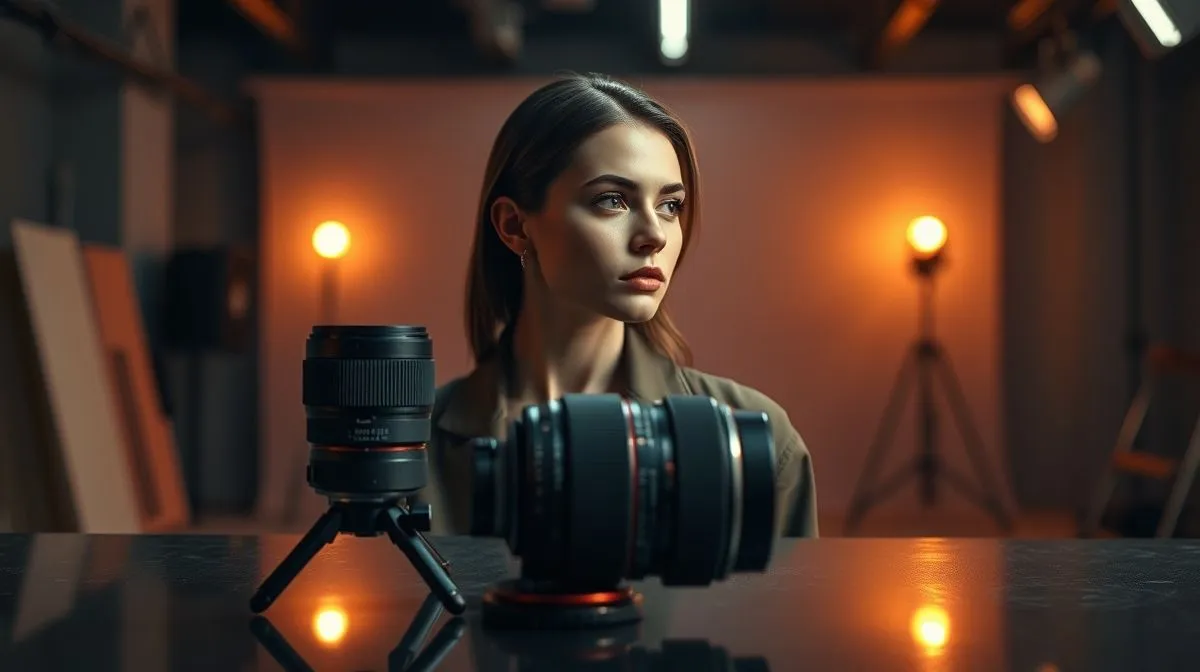
Why is our fashion brand's editorial photography failing to engage readers?
For over two decades, I've had the privilege of witnessing the evolution of fashion photography from film to digital, from print to pixels. I've seen brands soar on the wings of captivating visuals and, heartbreakingly, I've watched others stumble, despite investing heavily in what they *thought* was impactful editorial content. The most common lament I hear from struggling brands goes something like this: 'Our photos are beautiful, our clothes are stunning, but our audience just isn't connecting.'
This disconnect isn't just a minor hiccup; it's a fundamental breakdown in communication. In a visually saturated world, if your fashion brand's editorial photography is failing to engage readers, you're not just losing potential sales; you're eroding brand relevance and missing out on the vital emotional connection that turns browsers into loyal advocates. It's a frustrating, often perplexing problem that can feel like shouting into a void.
But I'm here to tell you that this problem is not insurmountable. In this definitive guide, I'll draw upon my years of experience to dissect the core reasons why your fashion editorial photography might be falling flat. More importantly, I'll provide you with actionable frameworks, real-world insights, and expert strategies to transform your visual content from mere images into powerful storytelling tools that captivate, convert, and cement your brand's place in the hearts and minds of your audience.
The Missing Narrative: Why Storytelling is Non-Negotiable
The biggest mistake I've observed brands make is treating editorial photography as merely a showcase for garments. While product visibility is important, true engagement stems from narrative. People don't just buy clothes; they buy into a lifestyle, an aspiration, an emotion. If your photos aren't telling a compelling story, they're just pretty pictures.
Beyond the Product Shot: Crafting Emotional Journeys
A compelling narrative imbues your fashion photography with soul. It transforms a static image into a moment, a dream, a relatable experience. Think about the most iconic fashion campaigns; they evoke a feeling, not just display an outfit. This emotional resonance is what makes people stop scrolling, lean in, and ultimately, connect.
- Character: Who is the person wearing your clothes? What's their personality, their dreams, their daily life?
- Setting: Where does this story unfold? The environment should amplify the narrative, not just be a backdrop.
- Emotion: What feeling do you want to convey? Joy, confidence, rebellion, tranquility?
- Aspiration: What does wearing your brand enable the viewer to become or achieve?
Actionable Steps:
- Define Your Brand's Core Story: Before a single click, articulate the overarching narrative of your brand. Is it about sustainable luxury, urban adventure, timeless elegance? This becomes your guiding star.
- Develop Detailed Mood Boards: Go beyond just clothing references. Include art, film stills, architecture, textures, and color palettes that evoke your brand's narrative and desired emotion.
- Collaborate for Story: Work closely with stylists, models, and set designers who understand your narrative. Their input is crucial for bringing the story to life authentically.
- Sequence Your Shots: Consider how images will be presented. Can they tell a mini-story when viewed sequentially in a gallery or social carousel?
“Fashion photography isn't about selling clothes; it's about selling a dream, an identity, a moment in time. If your visuals aren't whispering a story, they're just making noise.”
Audience Misalignment: Are You Talking to the Right People?
I've seen countless brands produce stunning editorial content that simply doesn't resonate because it's aimed at the wrong audience, or worse, at no one in particular. You can have the most beautiful photographs in the world, but if they're not speaking to the desires, values, and aesthetics of your target consumer, they will inevitably fail to engage readers.
Deep Diving into Your Ideal Customer Persona
Understanding your audience goes far beyond basic demographics. It's about delving into their psychographics – their aspirations, pain points, daily routines, media consumption habits, and aesthetic preferences. This deep understanding informs every creative decision, from model casting to location scouting to post-production mood.
According to a study by HubSpot, companies that use buyer personas see 2x higher website conversion rates. This principle applies directly to visual content. If you know who you're talking to, you know how to capture their attention and earn their trust. Learn more about building effective buyer personas here.
Actionable Steps:
- Conduct Thorough Market Research: Utilize surveys, focus groups, social listening tools, and analyze your existing customer data to build robust personas.
- Analyze Competitors' Engagement: See what kind of visual content your successful competitors are producing and, more importantly, what their audience is responding to (comments, shares, saves).
- Test and Iterate: Don't be afraid to experiment with different visual styles or narratives. Use A/B testing on social media or your website to see what resonates most with specific audience segments.
- Involve Your Sales Team: They are on the front lines and often have invaluable insights into customer questions, objections, and desires that can inform your visual storytelling.
The Authenticity Deficit: Why Polished Perfection Can Repel
In an age of hyper-curated feeds, there's a growing fatigue with overly polished, artificial imagery. While professionalism is key, a lack of authenticity can make your fashion brand's editorial photography feel unrelatable and distant. Viewers crave genuine connection, and sometimes, perfection can be the enemy of engagement.
Embracing Rawness: The Power of Imperfect Beauty
Authenticity doesn't mean sacrificing quality; it means allowing for a sense of realness, a glimpse behind the curtain, or a portrayal of diverse experiences. A recent survey by Stackla revealed that 90% of consumers say authenticity is important when deciding which brands they like and support. This trend is undeniable in fashion. Explore the Stackla report on consumer content here.
This isn't about ditching high-fashion concepts. It's about injecting humanity. It’s about showing clothes not just on a mannequin-like model, but on individuals with personality, caught in candid, believable moments that hint at a richer life beyond the frame.
Actionable Steps:
- Incorporate Behind-the-Scenes (BTS) Content: Share glimpses of the photoshoot process. This builds transparency and allows your audience to feel more connected to your brand's creative journey.
- Feature Diverse Casting: Move beyond conventional beauty standards. Represent different body types, ages, ethnicities, and abilities. Authenticity resonates when people see themselves reflected in your visuals.
- Embrace Natural Settings and Lighting: While studio shoots have their place, outdoor locations and natural light can often lend a more organic, relatable feel to your editorial shots.
- Consider User-Generated Content (UGC): Encourage customers to share photos of themselves wearing your brand. Curate and reshare the best UGC (with permission, of course) – it's incredibly powerful social proof and authenticity.
Technical Slip-Ups: When Execution Fails the Vision
Even the most brilliant concept can be undermined by poor technical execution. I've witnessed countless times how beautiful garments and compelling narratives are let down by amateurish lighting, awkward posing, or inconsistent post-production. These technical flaws scream 'unprofessional' and immediately erode trust, causing your fashion brand's editorial photography to fail.
Lighting, Composition, and Post-Production Pitfalls
Technical mastery is the bedrock of professional fashion photography. It's not about expensive gear; it's about understanding light, framing, and the nuanced art of editing. Viewers, often subconsciously, pick up on these details. Harsh shadows, unflattering angles, or over-edited skin tones can quickly detract from your brand's prestige and the garment's appeal.
- Lighting: Is it flattering? Does it highlight the fabric and details? Does it match the desired mood (e.g., soft and ethereal vs. sharp and dramatic)?
- Composition: Is the subject well-framed? Is there a clear focal point? Are leading lines used effectively to guide the viewer's eye?
- Posing: Do the models look natural and comfortable? Do their poses convey the intended emotion and showcase the garment effectively?
- Post-Production: Is the color grading consistent across the series? Is skin retouching subtle and natural? Are distractions removed?
Actionable Steps:
- Invest in Professional Talent: If budget allows, hire experienced fashion photographers, lighting technicians, and retouchers. Their expertise is invaluable.
- Prioritize Pre-Production Planning: A detailed shot list, lighting diagrams, and posing references can prevent many on-set technical issues.
- Ensure Consistency in Post-Production: Develop a brand-specific editing style guide (color palette, exposure, contrast, retouching rules) and stick to it across all your editorial content.
- Regularly Review Your Portfolio: Critically assess your published work. Are there recurring technical issues? Solicit feedback from trusted industry peers.
Stagnant Concepts: The Danger of Repetition
In the fast-paced world of fashion, visual stagnation is a death knell for engagement. Brands that repeatedly churn out the same type of photoshoot – same studio, same poses, same aesthetic – quickly become forgettable. Your fashion brand's editorial photography will fail to engage if it doesn't evolve and offer fresh perspectives.
Injecting Novelty: Beyond the Studio White Wall
Innovation in visual storytelling is crucial for maintaining audience interest. This doesn't mean chasing every fleeting trend, but rather understanding the pulse of contemporary aesthetics and being willing to experiment within your brand's identity. Think about how major fashion houses constantly reinvent their campaign aesthetics while retaining their core essence.
Case Study: Luxe Threads' Urban Revival
Luxe Threads, a mid-tier sustainable fashion brand, was facing a significant drop in Instagram engagement and website traffic. Their editorial photography, while technically sound, consisted primarily of clean studio shots against minimalist backdrops. Their audience, largely Gen Z and young millennials, found the content repetitive and sterile. By implementing the advice to inject novelty, they completely revamped their approach. They began shooting in dynamic urban environments, collaborating with street artists for unique backdrops, and featuring models who embodied diverse, real-life scenarios. They also integrated short-form video content from these shoots. This shift resulted in a 45% increase in Instagram saves and shares within three months, and a 20% uplift in direct website traffic, proving that fresh concepts directly translate to revitalized engagement.
Actionable Steps:
- Conduct Trend Research (Beyond Fashion): Look at trends in art, architecture, film, and even technology for inspiration. How can these inform your visual concepts?
- Collaborate with Diverse Creatives: Bring in new photographers, stylists, or art directors with different perspectives to challenge your existing norms.
- Explore Unconventional Locations: Move beyond traditional studios. Consider historical buildings, natural landscapes, bustling cityscapes, or even abstract architectural spaces.
- Integrate Movement and Motion: Don't just rely on still images. Incorporate GIFs, short video clips, or cinemagraphs to add dynamism and capture attention.
Neglecting the Platform: Optimizing for Digital Engagement
It's not enough to just create great photos; you need to ensure they perform optimally on the platforms where your audience consumes them. A common reason why a fashion brand's editorial photography fails to engage readers is a one-size-fits-all approach to digital distribution. Each platform has its own nuances, from aspect ratios to audience behavior.
From Website Galleries to Social Feeds: Tailoring Your Visuals
Think about how an image appears differently on a full-screen website gallery versus a tiny Instagram thumbnail or a Pinterest board. Optimizing for each environment means understanding its technical requirements and its unique user experience. What works for a print magazine spread won't necessarily translate directly to a mobile-first social feed.
- Aspect Ratios: Instagram favors vertical (4:5) or square (1:1). Pinterest thrives on vertical (2:3). Your website might use horizontal (16:9).
- File Size & Compression: Large files slow down websites, leading to bounces. Over-compression can degrade image quality.
- Interactive Elements: Social platforms offer shoppable tags, carousels, stories, and reels. Are you leveraging these features?
- Audience Behavior: People scroll quickly on social media. Your images need to grab attention instantly. On a website, they might spend more time exploring.
Actionable Steps:
- Tailor Imagery for Each Platform: Don't just crop. Consider different compositions, focal points, or even entirely different shots for various platforms to maximize impact.
- Optimize File Sizes for Web: Use tools to compress images without losing noticeable quality. Prioritize fast loading times for your website galleries.
- Leverage Platform-Specific Features: Utilize Instagram's carousel feature to tell a multi-image story, create Pinterest Idea Pins, or incorporate shoppable tags directly into your images.
- Analyze Platform Analytics: Track which types of images perform best on each platform (likes, comments, shares, saves, click-throughs) and adjust your strategy accordingly.
The Call to Action Conundrum: What Do You Want Viewers to Do?
Finally, a critical oversight I often encounter is beautiful editorial photography that exists in a vacuum. If your stunning visuals don't have a clear purpose or a guiding call to action (CTA), they become mere art pieces rather than powerful marketing tools. This lack of direction is a fundamental reason why a fashion brand's editorial photography fails to engage readers beyond a fleeting glance.
Guiding the Gaze: Turning Viewers into Customers
Every piece of content, especially visual content, should have a strategic objective. Do you want them to visit a product page? Sign up for a newsletter? Share the image? Without a clear next step, you're leaving potential engagement and conversion on the table. As Forbes highlights, clear calls to action are essential for guiding consumer behavior. Read more about effective CTAs on Forbes.
Your editorial photography should be part of a larger, cohesive user journey. It's the visual hook, but there must be a clear path for the viewer to follow once they're hooked. This isn't about being overtly salesy in the photo itself, but about providing the infrastructure for engagement and conversion.
Actionable Steps:
- Integrate Shoppable Elements: On your website or social media, make it easy for viewers to click directly from an editorial image to the featured products.
- Contextualize with Copy: Use compelling captions or accompanying blog post text to provide context, tell more of the story, and direct viewers to a relevant CTA.
- Track Engagement to Conversion: Use analytics to understand not just likes and shares, but also how many people click through from your editorial images to product pages or sign-up forms.
- Experiment with Different CTAs: Test various calls to action (e.g., 'Shop the Look', 'Discover the Collection', 'Learn More About Our Story') to see which resonates most with your audience.
Frequently Asked Questions (FAQ)
How often should we refresh our editorial photography? The frequency depends on your brand's pace and audience's appetite for newness. For fast fashion, it might be weekly or bi-weekly. For luxury or slow fashion, quarterly or bi-annually might suffice. However, always aim to have fresh, engaging content consistently. More important than rigid frequency is ensuring each new collection or narrative is accompanied by new, compelling visuals. Don't just refresh for the sake of it; refresh with purpose and a new story to tell.
What's the biggest mistake fashion brands make with their visuals? From my perspective, the single biggest mistake is creating 'pretty' but 'empty' visuals. They might be technically flawless, but if they lack story, authenticity, and a clear connection to the brand's identity or audience's desires, they're just wallpaper. They don't evoke emotion, don't build trust, and don't drive action. It's the difference between a beautifully rendered portrait and a passport photo – one tells a story, the other just documents.
How do we measure the engagement of our editorial photos? Beyond likes and comments, focus on metrics that indicate deeper engagement and conversion. On social media, track 'saves' and 'shares' (indicating intent to revisit or endorse). On your website, monitor 'time on page' for galleries, 'click-through rates' from editorial images to product pages, and ultimately, 'conversion rates' that originate from these visual touchpoints. Tools like Google Analytics and platform-specific insights dashboards are your best friends here.
Is it better to shoot in-house or hire an external team? Both have merits. In-house teams offer consistency, deep brand understanding, and agility. External teams bring fresh perspectives, specialized expertise, and a network of diverse talent. For brands starting out or with limited budgets, a mix might be best – outsourcing complex campaigns while handling simpler content in-house. Ultimately, prioritize expertise and a shared vision over cost or convenience alone. The quality of the output directly reflects on your brand.
How can small brands compete with big ones on visual content? Small brands can win through authenticity, niche appeal, and agility. While big brands might have massive budgets, small brands can leverage their unique story, connect deeply with a specific audience, and respond faster to trends or audience feedback. Focus on compelling storytelling, user-generated content, behind-the-scenes glimpses, and collaborating with micro-influencers who align perfectly with your brand's ethos. Authenticity often trumps high production value for smaller, more nimble brands.
Recommended Reading
- Unleash Your Style: How to Incorporate Bold Prints into Streetwear Outfits
- The Frustrating Truth: Why Does Seamless Activewear Roll Down During Workouts?
- Unlock Your Look: The Ultimate Guide to Choosing Glasses That Enhance Features
- Unveiling the Secret: How to Clean Delicate Theatrical Stage Costumes Like a Pro
- 7 Steps to Liquidate Unsold Wedding Dresses Profitably: An Expert's Guide
Key Takeaways and Final Thoughts
The journey to captivating fashion editorial photography is multifaceted, extending far beyond the camera's lens. It's a blend of artistic vision, strategic thinking, and a deep understanding of your audience. If your fashion brand's editorial photography is failing to engage readers, it's rarely one single issue, but rather a combination of the points we've discussed.
- Prioritize Storytelling: Your images must tell a compelling narrative, not just display clothes.
- Know Your Audience: Tailor your visuals to resonate deeply with your ideal customer persona.
- Embrace Authenticity: Relatability and genuine human connection are powerful engagement drivers.
- Master Technical Execution: Professional quality builds trust and elevates your brand.
- Seek Novelty: Keep your visual content fresh and evolving to avoid creative stagnation.
- Optimize for Platform: Tailor your images to perform best on each digital channel.
- Define Your Call to Action: Guide your viewers on what to do next to convert engagement into action.
Remember, your fashion photography is your brand's visual voice. It has the power to inspire, to connect, and to convert. By meticulously addressing these critical areas, you won't just fix failing engagement; you'll build a visual legacy that truly resonates and propels your fashion brand forward in an ever-competitive landscape. The power is in your hands to transform your imagery into an irresistible force.


Your email address will not be published. Required fields are marked *