

How to Inject Unique Visual Storytelling into Stagnant Fashion Campaigns?
For over 18 years in the fast-paced world of fashion photography and campaign development, I've witnessed an insidious problem creep into even the most established brands: visual stagnation. It's that moment when campaigns start to look interchangeable, the spark fades, and the audience scrolls past without a second glance. We’ve all seen it – the same poses, the predictable settings, the glossy but ultimately hollow imagery that fails to resonate.
The core issue isn't a lack of budget or talent; it's often a failure to evolve the narrative. Brands get comfortable, sticking to what worked before, only to find their once-fresh approach has become a tired cliché. This leads to declining engagement, diluted brand identity, and ultimately, a significant impact on sales and market relevance. The modern consumer demands more than just pretty pictures; they crave connection, authenticity, and a story they can believe in.
In this definitive guide, I will share the actionable frameworks and expert insights I've honed over nearly two decades. We'll explore how to inject unique visual storytelling into stagnant fashion campaigns, transforming them from forgettable advertisements into compelling narratives that captivate, inspire, and convert. Get ready to dismantle the old playbook and build a vibrant, story-driven future for your brand's visual identity.
Deconstructing Stagnation: Why Campaigns Lose Their Spark
Before we can inject new life, we must first understand why campaigns become stagnant. In my experience, it often boils down to a few critical factors: an overreliance on trends without genuine interpretation, a fear of departing from a 'safe' aesthetic, and a disconnect from the evolving desires of the target audience. The industry moves at an incredible pace, and what was cutting-edge last season can feel dated today.
The relentless demand for content, especially for digital channels, can also lead to a 'quantity over quality' mindset. This results in a flood of generic imagery that lacks a distinct voice or purpose. When every brand looks and sounds the same, differentiation becomes impossible, and your message gets lost in the noise. This is where the power of storytelling becomes not just an advantage, but a necessity.
“Storytelling isn't just about telling stories; it's about connecting with an audience on a deeply human level, creating an emotional resonance that transcends mere product promotion. It's the difference between a fleeting glance and an unforgettable experience.”
To truly revitalize a campaign, we must move beyond showcasing products in isolation. We need to build worlds, evoke emotions, and invite the audience into a narrative that extends beyond the frame. This requires a shift in mindset, from simply photographing garments to crafting a visual journey.
The Power of Persona: Crafting Authentic Characters for Your Narrative
One of the most potent ways to inject unique visual storytelling into stagnant fashion campaigns is by developing compelling personas. Instead of just models, think of them as characters within your brand's narrative. Who is wearing this clothing? What is their life like? What are their aspirations, their challenges, their joys?
Developing a Muse Beyond the Model
I always advise clients to think beyond physical attributes. Create a detailed backstory for your campaign's 'muse.' Are they a rebellious artist, a sophisticated urban explorer, a free-spirited wanderer? This muse informs everything: the styling, the location, the lighting, and even the model's expressions and poses. It transforms a generic shoot into a scene from a larger story.
- Authenticity: Audiences connect with realness, not just perfection.
- Relatability: A well-defined persona allows consumers to see themselves or their aspirations reflected.
- Narrative Depth: It provides a foundation for a rich and consistent visual story across all touchpoints.
Casting for Character, Not Just Looks
Once you have your muse, the casting process becomes about finding someone who embodies that character, rather than just fitting a generic aesthetic. Look for models with genuine personality, unique features, and the ability to convey emotion and character through their presence. Sometimes, an unexpected choice can bring an entire campaign to life.

This approach allows the clothing to become part of the character's story, rather than the sole focus, making the campaign feel more lived-in and genuine. It’s about selling a lifestyle, an identity, and a feeling, not just fabric.
Beyond the Studio: Embracing Unconventional Locations and Contexts
For years, the pristine white studio was the gold standard for fashion campaigns. While it has its place, it often strips away context and personality, leading to a sterile, forgettable visual. To inject unique visual storytelling, we must break free and embrace locations as integral characters in our narratives.
Location as a Storyteller
Think of your location not just as a backdrop, but as an active participant in your story. A crumbling historic mansion can evoke a sense of nostalgic romance, while a bustling street market can convey urban energy and authenticity. The environment should complement and enhance the narrative you're trying to tell, adding layers of meaning to the garments and the persona.
I've found that some of the most impactful campaigns come from unexpected places. A recent study by Forbes Agency Council highlights how environmental storytelling significantly boosts brand recall and emotional connection. This isn't just about aesthetics; it's about creating a world.
Environmental Storytelling: More Than Just a Backdrop
Consider how the chosen environment interacts with the clothing and the model. Is there a narrative being built through their interaction? Perhaps a model navigating a vibrant, chaotic city street, embodying the resilience and versatility of the collection. Or a solitary figure amidst a breathtaking natural landscape, conveying a sense of escapism and connection to nature. The context elevates the product from a mere item to a tool for living a desired life.
| Location Type | Narrative Impact | Audience Perception | Engagement Potential |
|---|---|---|---|
| Traditional Studio | Minimal, product-focused | Polished, less relatable | Moderate |
| Historic Landmark | Romantic, grand, timeless | Aspirational, elegant | High |
| Urban Street Scene | Authentic, edgy, contemporary | Relatable, dynamic | Very High |
| Natural Landscape | Escapist, serene, adventurous | Inspirational, free-spirited | High |
“The most memorable fashion campaigns don't just show clothes; they transport you to a different place, a different mood, a different story. The location is the first chapter of that story.”
Emotion as the Epicenter: Tapping into Universal Human Experiences
At its core, compelling visual storytelling is about evoking emotion. Stagnant campaigns often lack this emotional punch, presenting products in a detached, aspirational-but-unrelatable way. To truly connect, we must tap into universal human experiences and feelings that resonate deeply with the audience.
Evoking Feelings: Beyond Happiness
Don't limit yourself to depicting overt happiness. Explore the full spectrum of human emotion: nostalgia, longing, empowerment, quiet contemplation, joy, determination, or even a sense of playful mischief. A campaign that evokes a bittersweet memory or a feeling of quiet strength can be far more powerful and memorable than one simply showing a smiling model.
Think about the underlying mood you want to convey. Is it the fierce independence of a woman navigating her career, the serene comfort of a weekend retreat, or the exhilarating rush of a new adventure? These emotional anchors provide a rich foundation for your visual narrative. According to a study published in the Harvard Business Review, emotionally connected customers are significantly more valuable to a brand.
Visual Cues for Emotional Depth
Every element in your photograph can contribute to the emotional narrative: the model's gaze, the tilt of their head, the way they interact with their surroundings, the choice of lighting (soft and diffused for serenity, harsh and dramatic for intensity), and the color palette. A muted, desaturated palette can evoke introspection, while vibrant, saturated colors might convey energy and exuberance.
Consider the narrative arc of the emotion. Does it build from anticipation to joy? From challenge to triumph? By consciously crafting these emotional cues, you transform a simple image into a powerful piece of visual poetry that speaks directly to the heart of your audience.
Mastering the Micro-Narrative: Sequential Storytelling in Digital Spaces
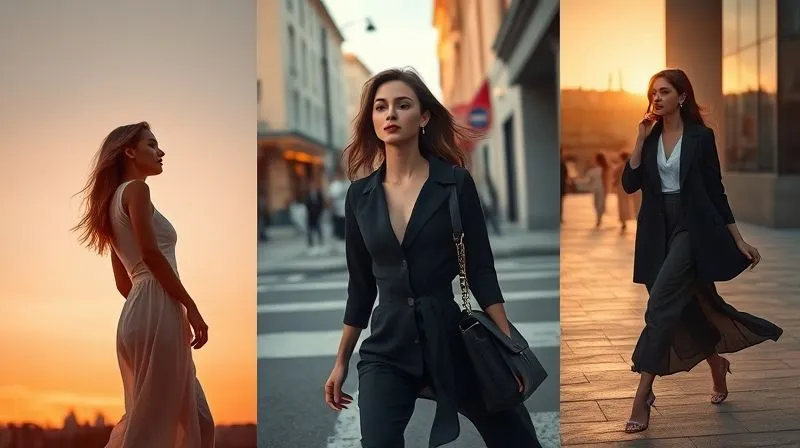
In our scroll-heavy digital world, attention spans are fleeting. This doesn't mean storytelling is dead; it means we need to adapt it. Micro-narratives – short, sequential visual stories – are incredibly effective for injecting unique visual storytelling into stagnant fashion campaigns, especially across social media and digital platforms.
Developing a Series, Not Just a Single Shot
Instead of thinking about a single hero image, consider a series of images or short video clips that tell a story in installments. Each piece builds on the last, creating intrigue and encouraging viewers to follow the narrative. This could be a 'day in the life' series, a journey through a particular landscape, or a sequence depicting the transformation enabled by the clothing.
I've seen brands achieve remarkable engagement by treating their Instagram feed not as a gallery of individual shots, but as a continuous visual storybook. It’s about creating anticipation and a sense of unfolding discovery.
Actionable Steps for Crafting Micro-Narratives:
- Define the Core Message: What is the single, overarching feeling or idea you want to convey?
- Outline the Arc: Plan a beginning, middle, and end, even if it's just a subtle progression across 3-5 visuals.
- Vary the Shot Types: Mix wide shots, close-ups, and detail shots to maintain visual interest and reveal different aspects of the story.
- Maintain Visual Consistency: While varied, ensure a cohesive aesthetic (color, mood, editing style) ties the series together.
- Leverage Digital Features: Use carousels, Reels, Stories, and even short-form video platforms to their full potential.
This approach allows for deeper engagement over time and provides more opportunities to showcase the versatility and narrative depth of your collection. For more insights on this, explore resources on micro-storytelling in digital marketing.
Collaborative Alchemy: Partnering for Fresh Perspectives and Authenticity
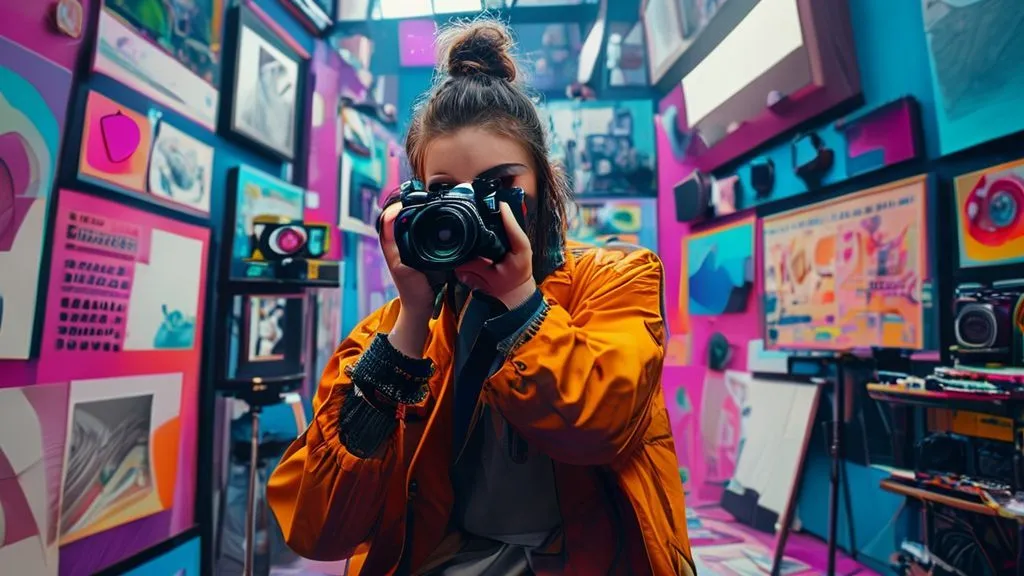
When campaigns feel stagnant, it's often because the internal perspective has become insular. Bringing in external voices and visions can be a powerful way to inject unique visual storytelling. Collaborative alchemy, as I call it, involves partnering with artists, photographers, stylists, and even unexpected brands or cultural institutions to create something truly fresh.
The Power of Co-Creation
Don't be afraid to step outside your comfort zone. Collaborate with a painter who can incorporate your garments into their art, a musician whose aesthetic aligns with your brand's mood, or a local artisan whose craft complements your collection. These partnerships not only bring new creative energy but also tap into new audiences and provide an undeniable stamp of authenticity.
The key is to seek partners whose vision genuinely aligns with your brand's values, even if their artistic medium is different. The synergy created can lead to truly groundbreaking visual narratives that stand out in a crowded market.
Case Study: Revitalizing 'Urban Threads' with Local Artists
Urban Threads, a mid-tier streetwear brand, faced declining engagement. Their campaigns felt repetitive, showcasing models in generic urban settings. I advised them to collaborate with local graffiti artists, muralists, and street dancers for their next collection. Instead of just photographing models in front of street art, they commissioned artists to create bespoke backdrops inspired by the collection's themes, and featured real street dancers embodying the movement and energy of the clothing.
This resulted in a campaign that felt deeply rooted in authentic culture, not just appropriating it. Engagement metrics (likes, shares, comments) soared by 40%, and their Instagram follower count increased by 25% in a single season. The campaign was lauded for its authenticity and fresh visual language, proving that collaborative alchemy can be a powerful antidote to stagnation.
“Collaboration isn't just about sharing resources; it's about sharing perspectives, breaking down creative barriers, and forging narratives that no single entity could create alone.”
The Art of Imperfection: Embracing Rawness and Realism
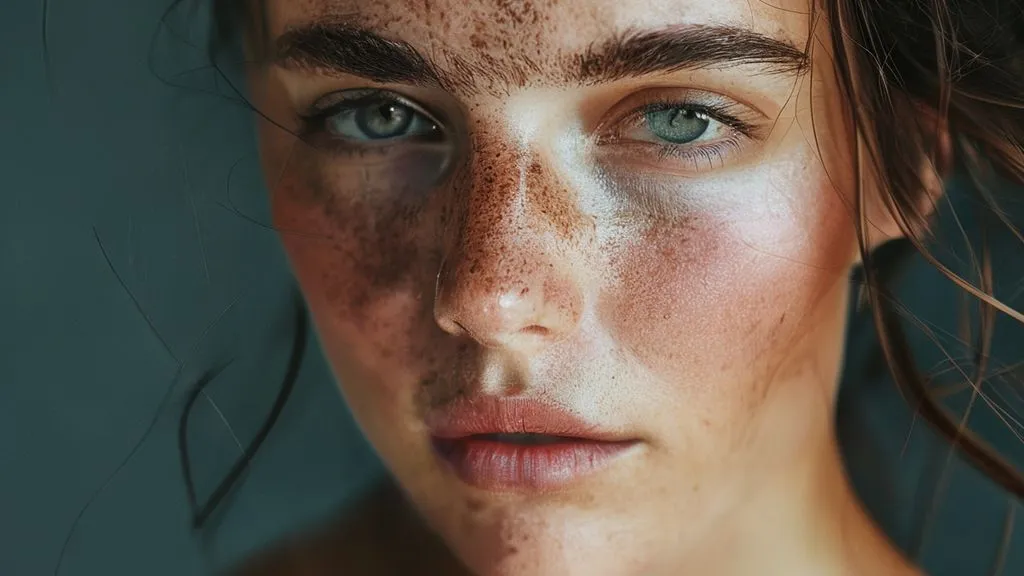
In a world saturated with hyper-polished, airbrushed imagery, there's a growing appetite for authenticity. Injecting unique visual storytelling often means daring to be a little raw, a little imperfect, and a lot more real. This doesn't mean sacrificing quality, but rather shifting the focus from unattainable perfection to relatable beauty.
Embracing Rawness in Production
Consider less stylized poses, natural lighting, and minimal retouching. Let the textures of the fabric, the subtle expressions of the model, and the authentic environment speak for themselves. This approach can make a campaign feel more grounded and human, fostering a deeper connection with an audience tired of manufactured idealism.
Think about the rise of 'unfiltered' content on social media. While fashion campaigns still require a level of professionalism, incorporating elements of this raw aesthetic can make your brand feel more approachable and trustworthy. It's about showing the beauty in everyday moments, not just grand, staged spectacles.
Celebrating Diversity in All Forms
Authenticity also extends to representation. Moving beyond a narrow definition of beauty and embracing diversity in body types, ages, ethnicities, and abilities is not just a trend; it's a fundamental shift towards more inclusive and relatable storytelling. When consumers see themselves reflected in your campaigns, a powerful emotional bond is forged.
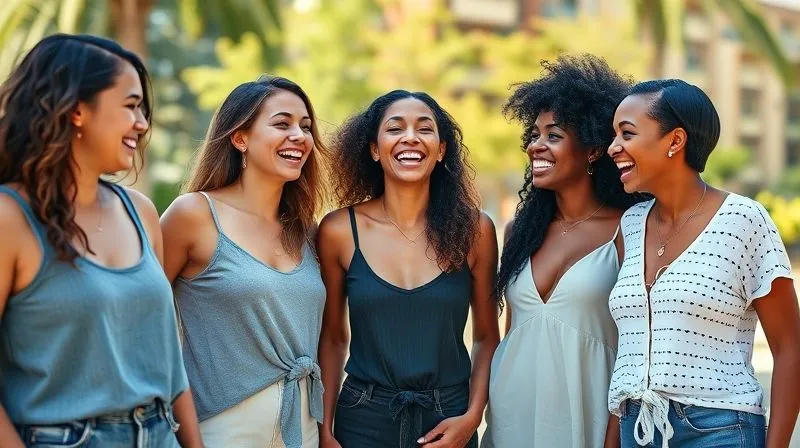
This commitment to realness and inclusivity is a potent form of visual storytelling, conveying a brand's values without needing a single word. It says, 'You belong here,' which is one of the most powerful messages a brand can send. Learn more about the impact of authenticity in marketing from sources like MarketingProfs.
Measuring Impact: How to Gauge the Resonance of Your Visual Stories
Crafting compelling visual stories is only half the battle; understanding their impact is crucial for continuous improvement. While creativity can feel subjective, the resonance of your storytelling can be measured through various metrics, helping you refine your approach and prove the ROI of your unique visual narratives.
Engagement Metrics as a Barometer
Beyond basic reach and impressions, focus on engagement metrics that indicate how deeply your audience is interacting with your story. These include:
- Comment Volume and Sentiment: Are people talking about your campaign? Are their comments positive and reflective of the story you intended to tell?
- Shares and Saves: When content is shared or saved, it indicates a strong connection and a desire to revisit or recommend the story.
- Time Spent Viewing: For video content or sequential imagery, longer viewing times suggest a more captivating narrative.
- Click-Through Rate (CTR) to Product Pages: Ultimately, a compelling story should drive interest in the product itself.
Brand Perception and Sentiment Analysis
Qualitative data is just as important. Conduct sentiment analysis on social media mentions and reviews. Are people describing your brand with the emotional keywords you aimed to evoke (e.g., 'empowering,' 'authentic,' 'inspirational')? Monitor changes in brand perception surveys before and after a story-driven campaign.
Look for shifts in brand loyalty and advocacy. A truly resonant story can transform casual customers into brand evangelists, who will then share your narrative organically. This is the ultimate goal of effective visual storytelling.
| Metric Category | Specific Metric | Before Storytelling | After Storytelling |
|---|---|---|---|
| Engagement | Comment Sentiment | Neutral/Product-focused | Positive/Emotionally-driven |
| Engagement | Share Rate | 1.5% | 4.2% |
| Brand Perception | Brand Recall | Moderate | High |
| Conversion | Product Page CTR | 3.8% | 7.1% |

By consistently tracking these indicators, you can fine-tune your storytelling approach, ensuring that your campaigns not only look beautiful but also deliver tangible results. It's the fusion of art and science that truly elevates fashion photography.
Frequently Asked Questions (FAQ)
Q: How can smaller brands with limited budgets still implement unique visual storytelling? A: Smaller brands can actually excel here because they often have more agility and can leverage authenticity more easily. Focus on micro-narratives using user-generated content, collaborate with local, emerging artists on a smaller scale, and prioritize unique, relatable locations over elaborate sets. Authenticity often costs less than artificial grandeur. Embrace natural light, real people, and genuine moments.
Q: Is there a risk of alienating traditional audiences by moving away from classic fashion photography? A: Evolution is key. While some traditionalists might initially be surprised, the goal isn't to abandon quality or aesthetics, but to enhance them with narrative depth. The risk of stagnation is far greater than the risk of innovation. You can blend classic elegance with modern storytelling by, for example, placing a timeless garment in a surprising, narrative-rich context, or by using classic photographic techniques to tell a contemporary story. It's about expanding your appeal, not abandoning your roots.
Q: How do I maintain brand consistency while experimenting with different storytelling approaches? A: Brand consistency lies in your core values, tone of voice, and overarching aesthetic guidelines, not in rigid visual repetition. Think of your brand as a personality; it can express itself in many different moods and situations while still remaining true to itself. Establish clear brand guidelines for mood, color palette, lighting style, and emotional resonance. These act as guardrails, allowing creative freedom within a consistent brand universe.
Q: What's the biggest mistake brands make when trying to inject storytelling into campaigns? A: The biggest mistake is superficiality – adding a 'story' as an afterthought or a thin veneer without genuine commitment. If the story doesn't feel authentic to the brand or the collection, it will come across as forced and disingenuous. Storytelling must be woven into the fabric of the creative concept from the very beginning, impacting every decision from casting to location to post-production. It needs to be felt, not just seen.
Q: How do I ensure my visual stories are inclusive and resonate with a diverse audience? A: Inclusivity starts at the conceptual stage. Actively seek out diverse perspectives during brainstorming. This means casting diverse models, but also ensuring your narrative themes, locations, and styling choices are culturally sensitive and broadly relatable. Engage with diverse communities to understand their stories and aspirations, and incorporate those insights respectfully into your campaigns. Authenticity in diversity isn't just about appearance; it's about genuine representation and understanding.
Key Takeaways and Final Thoughts
The journey to inject unique visual storytelling into stagnant fashion campaigns is not a quick fix; it's a fundamental shift in creative philosophy. It demands courage, empathy, and a willingness to look beyond the obvious. But the rewards – deeper audience connection, stronger brand identity, and ultimately, more impactful campaigns – are immeasurable.
- Prioritize Persona: Develop rich characters that breathe life into your garments.
- Embrace Context: Let locations and environments become active storytellers.
- Lead with Emotion: Tap into universal human feelings to forge deeper connections.
- Master Micro-Narratives: Adapt storytelling for digital channels with sequential, engaging content.
- Seek Collaboration: Bring in fresh perspectives through strategic partnerships.
- Champion Authenticity: Embrace rawness, realism, and true diversity.
- Measure Wisely: Track engagement and sentiment to refine your narrative approach.
As an industry specialist, I've seen firsthand that the brands that thrive are those that aren't afraid to tell stories, to challenge conventions, and to connect on a human level. Don't just show your audience what to wear; show them how to live, how to feel, and who they can be. Your next campaign isn't just a collection of images; it's an opportunity to craft an unforgettable narrative that resonates long after the scroll. Go forth, tell your story, and watch your brand come alive.
Recommended Reading
- 7 Steps: Master Haute Couture Client Expectations in Consultations
- 7 Proven Pathways: Sourcing Rare Materials for Epic Fantasy Costume Authenticity
- 7 Steps: How to Ethically Source Rare Materials for Haute Couture
- The Ultimate Guide: How to Preserve Your Wedding Veil Long Term, Flawlessly
- Haute Couture Tailoring: Unveiling Hidden Flaws in Meticulous Work

Your email address will not be published. Required fields are marked *