

How to Profitably Clear Excess High-End Scarf Inventory?
For over two decades in the luxury accessories market, I’ve witnessed countless brands, from emerging designers to established houses, grapple with the delicate dance of inventory management. The allure of high-end scarves lies in their exclusivity, craftsmanship, and timeless appeal, yet even the most coveted collections can, at times, find themselves accumulating in storerooms, transforming from assets into liabilities.
The problem isn't just about unsold units; it's about the erosion of capital, the opportunity cost of tied-up funds, and, most critically for luxury, the potential damage to brand perception if liquidation isn't handled with extreme care. Unlike mass-market goods, high-end scarves cannot simply be 'slashed' in price without significant repercussions on their perceived value and future collections.
This comprehensive guide will equip you with actionable frameworks, real-world case studies, and expert insights to navigate the complex landscape of luxury inventory liquidation. We'll explore seven proven strategies that not only help you clear excess high-end scarf inventory but do so profitably, preserving your brand's prestige and opening new avenues for revenue. My goal is to transform your challenge into a strategic advantage.
Understanding the Nuances of High-End Inventory Liquidation
Before diving into specific strategies, it's crucial to grasp what makes high-end inventory different. It's not just a product; it's a promise of quality, exclusivity, and a certain lifestyle. Any misstep in its disposal can have long-lasting negative impacts.
The Perils of Discounting Luxury
In the luxury sector, price is often an indicator of quality and status. Aggressive discounting can signal a devaluation of your brand, leading loyal customers to question their past purchases and potential customers to wait for future sales. This 'race to the bottom' diminishes perceived value and can be incredibly difficult to recover from. I've seen brands attempt a quick fix through deep discounts, only to find their next collection struggling to sell at full price because customers now expect markdowns.
Maintaining Brand Integrity Above All Else
The core of luxury is brand integrity. Every decision, especially concerning inventory, must align with your brand's ethos. This means carefully selecting channels, controlling pricing, and ensuring that the narrative around your products remains consistent. The objective is not just to sell, but to sell in a way that reinforces, rather than undermines, your brand's position in the market.
"In the luxury market, your brand's reputation is its most valuable asset. Protecting it during inventory clearance is paramount to long-term success, far outweighing any short-term gains from aggressive discounting."
Strategy 1: Curated Private Sales & Exclusive Events
One of the most effective ways to clear excess high-end scarf inventory without eroding brand value is through highly curated private sales and exclusive events. These are not public clearance sales; they are invitation-only experiences designed for your most loyal customers or a carefully selected new audience.
Leveraging Customer Data for Targeted Outreach
Begin by segmenting your existing customer base. Identify your VIPs, repeat buyers, and those who have shown interest in similar products. Utilize your CRM data to craft highly personalized invitations, emphasizing the exclusivity and limited nature of the opportunity. This approach fosters a sense of appreciation and loyalty, making customers feel privileged to access these unique offers.
- Identify Your Target Audience: Segment your CRM for top-tier customers, past purchasers of similar items, or those with high average order values.
- Craft an Exclusive Invitation: Design elegant, personalized invitations (digital or physical) that clearly state the private nature of the event and the limited availability of products.
- Set a Controlled Environment: Host the sale in a discreet location, either a temporary pop-up, a private showroom, or a password-protected section of your e-commerce site.
- Offer a 'Soft' Discount: Instead of deep price cuts, consider offering a modest discount (e.g., 20-30%) or value-added incentives like complimentary styling sessions, exclusive packaging, or a small luxury gift with purchase.
- Emphasize Storytelling: Reiterate the craftsmanship, origin, and unique qualities of the scarves, even those from past seasons. Frame them as 'archive pieces' or 'collector's items.'
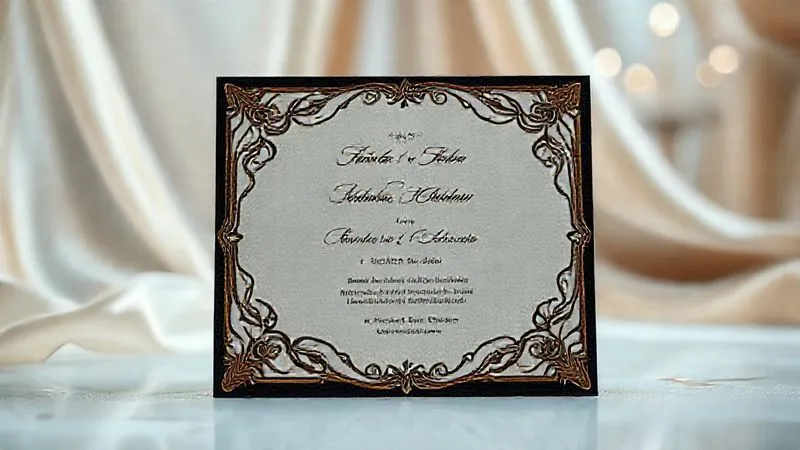
This strategy allows you to move stock while reinforcing brand prestige, creating a 'velvet rope' experience that customers appreciate. It's about providing value, not just a markdown.
Strategy 2: Partnering with Luxury Consignment & Resale Platforms
The burgeoning luxury resale market presents a significant opportunity for brands to clear excess high-end scarf inventory. Platforms like The RealReal, Vestiaire Collective, and Fashionphile have cultivated sophisticated audiences who appreciate authenticated pre-owned luxury goods.
Navigating the World of Authenticity and Commission
When choosing a partner, authenticity verification is paramount. These platforms pride themselves on their rigorous authentication processes, which aligns perfectly with maintaining your brand's integrity. Understand their commission structures, which can vary significantly, and negotiate terms that ensure a profitable return while also considering the service they provide in terms of reach, marketing, and logistics.
- Research Reputable Platforms: Identify platforms specializing in high-end accessories with a strong track record for authenticity and customer service.
- Review Commission Structures: Compare various platforms' commission rates, payout schedules, and any additional fees. Some offer tiered structures based on item value.
- Understand Authentication Processes: Ensure their authentication methods are robust enough to protect your brand from counterfeits and maintain trust with buyers.
- Negotiate Bulk Consignment Terms: If you have a significant volume, discuss special terms for bulk consignment, which might include lower commission rates or expedited processing.
- Provide Detailed Product Information: Supply high-quality images and comprehensive descriptions, including original retail price, material, and unique features, to aid in faster sales.
| Platform | Focus | Typical Commission (Seller) |
|---|---|---|
| The RealReal | Broad Luxury, Strong Authentication | Up to 85% (variable) |
| Vestiaire Collective | Curated, European Presence | Up to 70% (fixed fee + %) |
| Fashionphile | Handbags & Accessories, US Market | Up to 80% (buyout/consignment) |
This strategy taps into a different customer segment – those seeking luxury at a more accessible price point – without directly impacting your primary retail channels. It's a smart way to gain revenue from items that might otherwise sit dormant. For more insights into the luxury resale market, consider studies from industry leaders like Bain & Company on the global luxury market.
Strategy 3: Repackaging & Repositioning for New Appeal
Sometimes, excess inventory isn't about a lack of desire for the product itself, but a perceived lack of novelty or relevance. Creative repackaging and repositioning can breathe new life into existing high-end scarf inventory, making it attractive to both new and existing customers.
Creative Bundling and Gifting Opportunities
Consider bundling scarves with complementary luxury items. This could be a scarf paired with a high-end leather accessory, a bespoke jewelry piece, or even a luxury fragrance. The perceived value of the bundle is often greater than the sum of its parts, allowing you to move multiple items while offering a compelling narrative. Think about creating limited-edition 'gift sets' for holidays or special occasions.
Storytelling to Reinvigorate Perceived Value
Every high-end scarf has a story – of its design inspiration, its artisan craftsmanship, or the luxurious materials used. Revisit these narratives. Can you reposition a classic design as a 'heritage piece' or a 'timeless icon'? Can you create new content, perhaps a mini-documentary or an editorial spread, showcasing the versatility and enduring elegance of these scarves? This shifts the focus from 'old stock' to 'cherished treasures.'
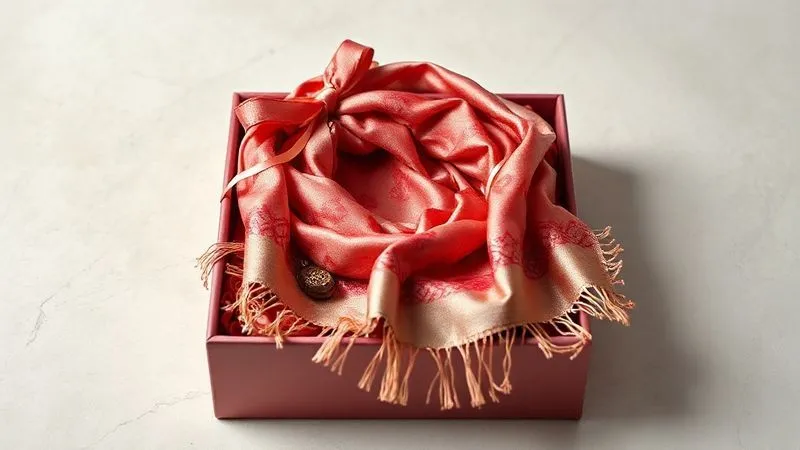
This approach requires creativity and a deep understanding of your brand's narrative. It's about transforming perception, not just moving units. By investing in compelling presentation and storytelling, you can elevate the desirability of your existing stock.
Strategy 4: Strategic Donations & Corporate Gifting
While not directly generating cash, strategic donations and corporate gifting can be a highly profitable way to clear excess high-end scarf inventory when considering tax benefits, public relations, and relationship building.
Tax Benefits and Philanthropic Branding
Donating luxury items to eligible charities can often provide significant tax write-offs, effectively recouping some of the initial investment. Beyond the financial incentive, philanthropic activities enhance your brand's reputation and demonstrate corporate social responsibility. Partnering with reputable charities that align with your brand's values can generate positive press and goodwill among your target audience.
Case Study: Luxury Brand X's Impactful Donation Drive
Luxury Brand X, known for its exquisite silk scarves, found itself with a substantial quantity of a particular colorway that hadn't performed as expected. Instead of deep discounting, they partnered with a prominent women's empowerment charity. They donated 500 scarves, not as 'excess,' but as 'gifts of elegance' for women transitioning into new careers, providing them with a confidence boost. This initiative generated widespread positive media coverage, highlighting Brand X's commitment to empowering women. The tax benefits significantly offset the initial cost, and the PR value far exceeded what a traditional sale could have achieved, subtly boosting sales of their current collections.
Corporate gifting, on the other hand, involves using scarves as high-value gifts for key clients, partners, or top-performing employees. This strengthens relationships, acts as a sophisticated form of marketing, and provides a legitimate channel to move inventory without public price reductions. The perception here is one of generosity and appreciation, not liquidation.
Strategy 5: Leveraging Influencer Collaborations & Editorial Features
In the digital age, the right voice can transform perception and drive demand. Collaborating with high-end fashion influencers or securing editorial features can be an ingenious way to showcase your excess high-end scarf inventory in a fresh, aspirational context.
The Power of Endorsement in the Luxury Sphere
Influencers with an authentic following in the luxury fashion space can introduce your scarves to a new, engaged audience. Instead of a direct 'sale,' the focus should be on styling, storytelling, and demonstrating the versatility and enduring appeal of the pieces. An influencer showcasing how to style a 'past season' scarf in a contemporary way can instantly elevate its desirability.
- Identify Relevant Influencers: Look for micro- and macro-influencers whose personal brand aligns perfectly with your luxury aesthetic and who have engaged, authentic audiences.
- Propose Creative Collaborations: Beyond simple product placement, suggest content ideas like '5 Ways to Style a Classic Scarf,' 'Behind the Design' stories, or travel-themed shoots featuring the scarves.
- Offer Gifting for Exposure: Provide the scarves as gifts in exchange for authentic content creation, rather than paying for outright endorsements, which can sometimes dilute authenticity.
- Secure Editorial Placements: Pitch compelling stories to luxury fashion magazines or online publications, focusing on the craftsmanship, history, or unique styling potential of the scarves.
- Track Engagement and Conversions: Use unique codes or landing pages to measure the effectiveness of these collaborations in driving traffic and interest in the featured items.
This strategy requires a keen eye for genuine alignment and a willingness to cede some creative control to the influencer, but the payoff in terms of renewed interest and perceived value can be substantial. For guidance on effective influencer marketing, resources like Forbes' insights on influencer marketing trends offer valuable perspectives.
Strategy 6: Exploring International Markets with Different Demand Curves
Demand for specific styles, colors, or even entire collections can vary significantly across different geographical markets. What might be considered 'excess' in one region could be highly sought after in another due to cultural preferences, seasonal differences, or varying fashion trends.
Identifying Untapped Geographies for Luxury Scarves
Conduct market research to identify countries or regions where your current excess inventory might resonate. For instance, a collection featuring warmer tones might be less popular in a tropical climate but highly desirable in a region with distinct autumn/winter seasons. Similarly, certain patterns or motifs might have stronger cultural appeal elsewhere.
Logistics and Market Entry Considerations
Exploring international markets requires careful consideration of logistics, customs regulations, and local retail partnerships. You might consider partnering with local luxury boutiques, department stores, or even specialized e-commerce platforms that cater to a specific international audience. This can be a complex undertaking, but the potential for profitable clearance of high-end scarf inventory can be significant, as you're tapping into genuinely unmet demand rather than creating it through discounts.

This strategy allows you to maintain full price or close to it, as you're not competing with your existing market's perception of value. It's about finding the right audience for the right product, globally.
Strategy 7: Data-Driven Inventory Analysis and Future Prevention
The most profitable way to clear excess high-end scarf inventory in the long run is to prevent it from accumulating in the first place. This requires a robust, data-driven approach to inventory management and forecasting.
Implementing Advanced Forecasting Models
Move beyond simple historical sales data. Incorporate predictive analytics that consider fashion trends, economic indicators, seasonal variations, marketing campaign impacts, and even social media sentiment. Tools that integrate AI and machine learning can offer far more accurate forecasts, allowing you to optimize production and purchasing decisions for future collections.
The Role of Customer Feedback in Inventory Planning
Actively solicit and analyze customer feedback, not just on what they bought, but what they wished was available, what colors they look for, and what styles resonate. This qualitative data, combined with quantitative sales figures, provides a holistic view that can inform future inventory decisions, reducing the likelihood of overstocking unpopular items.
| Metric | Description | Target |
|---|---|---|
| Sell-Through Rate (STR) | Percentage of inventory sold vs. received | 80%+ for luxury |
| Inventory Turnover Ratio | How many times inventory is sold/replaced in a period | 3-5x for luxury goods |
| Days of Inventory (DOI) | Number of days inventory sits before selling | <90 days |
| Return on Inventory (ROI) | Profit generated per dollar invested in inventory | Maximize |
By investing in sophisticated inventory management systems and regularly reviewing key performance indicators, you can minimize future instances of excess inventory, ensuring that every high-end scarf produced has a clear path to a profitable sale. This proactive approach is the ultimate solution to how to profitably clear excess high-end scarf inventory, as it tackles the root cause. For a deeper dive into optimizing inventory, consider insights from leading business publications like the Harvard Business Review on inventory optimization.
Frequently Asked Questions (FAQ)
Question: How can I maintain brand exclusivity while still needing to move excess inventory at a reduced price point?
Answer: Maintaining exclusivity is paramount. The key is 'controlled distribution.' Instead of public sales, opt for private, invitation-only events for loyal customers, or partner with high-end, authenticated resale platforms. Frame any price adjustment as an 'archive sale' or 'exclusive member benefit,' rather than a general discount. The goal is to make customers feel privileged, not like they're getting a clearance deal.
Question: What are the legal implications or potential risks of selling through luxury consignment platforms?
Answer: The main risks involve authenticity disputes, payment terms, and brand control. Ensure the platform has robust authentication processes to protect your brand from counterfeits. Carefully review the consignment agreement regarding commission rates, payment schedules, return policies, and how they handle damaged or lost items. It's also wise to understand their marketing practices to ensure they align with your brand's image.
Question: How do I determine the 'right' liquidation price for a high-end scarf without devaluing future collections?
Answer: This is a delicate balance. Start by analyzing your cost of goods sold, but also consider the original retail price, the scarf's age, its perceived desirability, and the chosen liquidation channel. For private sales, a 20-30% reduction often works. For consignment, the platform's pricing algorithms often guide. The 'right' price is one that moves the inventory, offers a reasonable return, and doesn't set a precedent for future discounting. Focus on 'value' rather than just 'price.'
Question: Can excess high-end scarf inventory be used for marketing or promotional campaigns?
Answer: Absolutely, and often very effectively! Scarves can be excellent high-value gifts for top-tier influencers, media partners, or as exclusive giveaways in high-profile collaborations. They can also be styled in editorial features to demonstrate versatility and timelessness, generating aspirational content without being directly 'sold.' This leverages their value for brand building and awareness rather than immediate profit, but the long-term returns can be significant.
Question: What's the best time of year to strategically liquidate luxury scarves?
Answer: The 'best' time often depends on your specific market and the nature of the scarves. Generally, early spring or late autumn, before new seasonal collections fully launch, can be opportune. This allows you to clear older stock without directly competing with your latest offerings. Holidays (like Mother's Day or end-of-year gifting seasons) can also provide natural opportunities for repackaged or bundled gift sets, appealing to gift-givers looking for premium presents.
Key Takeaways and Final Thoughts
- Prioritize Brand Integrity: Every liquidation strategy must protect your luxury brand's perceived value and exclusivity above short-term profit.
- Diversify Your Channels: Don't rely on a single method. A multi-pronged approach combining private sales, consignment, and strategic partnerships is most effective.
- Leverage Data and Storytelling: Use customer insights to target sales, and compelling narratives to reposition and re-engage interest in your inventory.
- Think Beyond Direct Sales: Consider the value of tax benefits from donations, strengthened relationships from corporate gifting, and brand exposure from influencer collaborations.
- Prevent Future Overstock: Implement robust, data-driven inventory forecasting to minimize excess in the first place, ensuring long-term profitability.
Clearing excess high-end scarf inventory is undeniably a challenge, but it is also a powerful opportunity for strategic refinement and brand reinforcement. By approaching this task with a blend of creativity, data-driven decisions, and an unwavering commitment to your brand's prestige, you can transform what seems like a liability into a profitable, reputation-enhancing endeavor. Remember, in luxury, every piece tells a story; ensure yours is one of enduring value and astute management.
Recommended Reading
- 7 Essential Jewelry Trends: Master Your Style & Investment for 2024
- Mastering Athleisure: 7 Steps to Blend Performance Fabrics Seamlessly
- Unlock Your Sparkle: How to Choose Jewelry Trends for Your Personal Style
- 7 Proven Strategies: Ethically Sourcing Rare Gemstones for Sustainable Jewelry Lines
- 5 Proven Steps: Eliminate Daily Outfit Decisions for Busy Professionals




Your email address will not be published. Required fields are marked *