

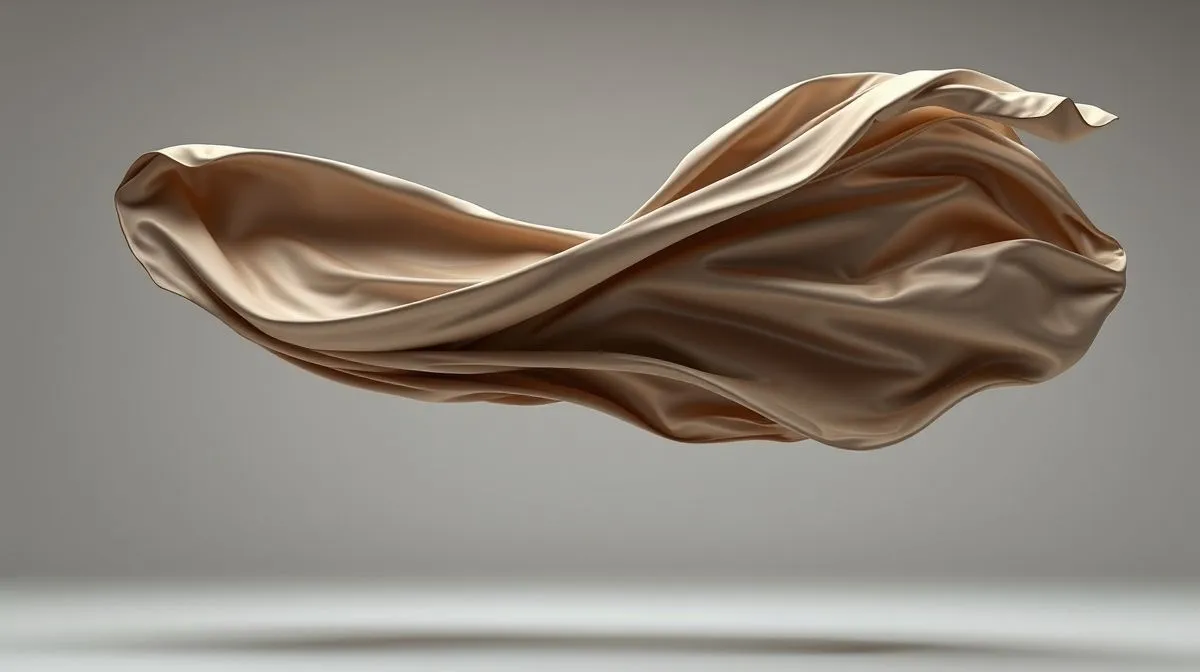
How to blend performance fabrics with athleisure design?
Blending performance fabrics into athleisure designs is, in my experience, where true innovation in this niche lies. It's not merely about slapping a technical fabric onto a casual silhouette; it's a nuanced art of marrying highly functional textiles with the aesthetic demands of everyday wear. The goal is to achieve a garment that offers the benefits of performance—think moisture-wicking, stretch, or breathability—without screaming "gym" the moment you step out of a spin class.
The fundamental principle here is **intelligent utility**. We're not aiming for a full-on athletic kit; instead, we selectively incorporate specific performance attributes where they genuinely enhance comfort, longevity, or versatility in a non-active setting. A common mistake I see is over-engineering a piece, making it too technical for its intended athleisure purpose, thereby losing its casual appeal.
In my 15 years, I've learned that the most successful athleisure pieces don't just look good; they *feel* good and *perform* subtly, allowing the wearer to transition effortlessly through their day.
To achieve this seamless integration, focus on these critical design pillars:
-
Fabric Selection and Hand-Feel: This is paramount. Opt for performance fabrics that possess a softer touch and a more natural drape. Modern polyesters and nylons have come a long way, often mimicking the feel of cotton or silk. Look for blends with modal, Tencel, or even merino wool, which naturally offer performance benefits like odor resistance and temperature regulation, while providing a luxurious hand-feel that elevates the garment beyond mere sportswear.
-
Silhouette and Cut: Athleisure designs often lean towards more relaxed, tailored, or intentionally oversized fits rather than skin-tight athletic wear. Consider how a performance fabric will drape. A moisture-wicking fabric in a beautifully tailored jogger or a breathable knit in a sophisticated wide-leg pant instantly elevates the piece. The cut should allow for freedom of movement without appearing sloppy or overly technical.
-
Color Palette and Finish: Move beyond neon brights and primary athletic colors. Earth tones, muted pastels, sophisticated neutrals, and deep jewel tones are your allies. Additionally, prioritize matte finishes over shiny, overtly synthetic looks. A performance fabric with a subtle sheen or a brushed finish will blend far more easily into an everyday wardrobe than something overtly reflective or slick.
-
Strategic Integration and Paneling: Not every part of an athleisure garment needs to be a performance fabric. Consider "zoning." Perhaps a breathable mesh panel is incorporated discreetly under the arm of a stylish hoodie, or a stretch-woven fabric forms the gusset of a pair of tailored trousers for enhanced mobility. This allows you to leverage performance where it counts, while maintaining the overall aesthetic with more traditional or lifestyle-oriented fabrics in other areas.
-
Elevated Details and Hardware: The small details make a big difference. Think about using high-quality zippers, refined drawstrings, subtle stitching, or minimalist branding. These elements can transform a potentially athletic-looking piece into something more polished and suitable for a broader range of occasions. For instance, a performance knit top with an elegant, invisible zipper or refined ribbing at the cuffs immediately feels more premium.
In essence, the trick is to design from the outside in, considering the lifestyle first, and then strategically integrating the performance benefits. It’s about creating garments that work hard, but look like they’re hardly trying.
Step 1: Define Your Athleisure Vision & Target Market
In my fifteen years navigating the activewear landscape, I've observed that the most successful athleisure wardrobes aren't built on impulse buys, but on a clear, foundational understanding. This initial step, defining your athleisure vision and target market, is akin to an architect drawing up blueprints before laying a single brick. Without it, you risk a collection of disjointed pieces that fail to serve your lifestyle effectively. Your "athleisure vision" isn't just about what you wear; it's about **how you want to live and present yourself**. It's the overarching aesthetic and functional purpose behind your choices. A common mistake I see is individuals conflating athleisure with simply wearing gym clothes outside the gym. True athleisure is a deliberate style choice, blending performance and comfort with an elevated aesthetic. To truly define your vision, you must first answer some critical questions about your daily life. Consider the various roles you play and the environments you frequent. Are you a busy professional who needs to transition seamlessly from a morning workout to a casual client meeting? Or perhaps a parent whose day involves school runs, park visits, and a quick grocery dash?Your "target market," in this context, isn't a demographic you're selling to, but rather the **version of yourself you aspire to be** or the impression you wish to convey. It's about aligning your personal brand with your clothing choices. Do you aim for a sleek, minimalist aesthetic, a vibrant and energetic look, or a relaxed, bohemian vibe?
In my experience, clarity here is paramount. If you don't know who you're dressing for (yourself, your activities, your desired image), you'll inevitably end up with a closet full of clothes and nothing to wear.Here’s how to practically hone in on your vision and "target market":
- Identify Your Lifestyle Segments: List your typical weekly activities. Do they lean more towards active pursuits, professional settings, social engagements, or home-based comfort?
- Pinpoint Your Core Values: What matters most to you in clothing? Is it unparalleled comfort, cutting-edge style, sustainable materials, durability, or versatility? These values will guide your fabric and brand choices.
- Define Your Aesthetic Preference: Are you drawn to neutral palettes and clean lines, bold colors and graphic prints, or a more vintage-inspired athletic look? Picture your ideal self in various athleisure scenarios.
- Consider Your Functional Needs: Do you require moisture-wicking properties for high-intensity workouts, stretch for yoga, or warmth for outdoor activities? Performance attributes are not just for the gym; they are central to sophisticated athleisure.
Step 2: Fabric Selection & Performance Property Matching
The foundation of truly mastering athleisure lies not just in styling, but in a profound understanding of the fabrics themselves. In my 15+ years dissecting activewear trends and innovations, I've seen countless attempts fall short because the wearer overlooked the intrinsic properties of their garments. It’s more than just looking good; it's about feeling comfortable and performing optimally, whether you're hitting a HIIT class or a coffee shop. Every piece of activewear is engineered with specific performance properties. For athleisure, the trick is to identify which of these are paramount for your multi-faceted day. You're looking for fabrics that work *with* you, not against you. *Moisture-Wicking: Essential for drawing sweat away from the body, keeping you dry. Polyester and nylon blends are kings here, often enhanced with capillary action technologies.
*Breathability: Allows air to circulate, preventing overheating. Think open-knit structures, mesh panels, or fabrics with inherent porousness like Tencel.
*Stretch & Recovery: Crucial for freedom of movement and maintaining garment shape through repeated wear. Spandex (Lycra) content is key, but the fabric construction also plays a vital role in its ability to bounce back.
*Quick-Drying: Prevents garments from feeling heavy or damp after activity, crucial for comfort and hygiene. This property often goes hand-in-hand with superior wicking capabilities.
*Odor Resistance: Inhibits bacterial growth, keeping you fresh even after a workout. Silver-infused fabrics, zinc treatments, or natural fibers like merino wool excel in this domain.
A common mistake I see is prioritizing aesthetics over function, or vice-versa. For athleisure, it's about a symbiotic relationship. You need to match the fabric's performance properties not just to the *activity* you might engage in, but also to the *aesthetic* and *comfort* required for the non-active part of your day. Consider a seamless transition from a yoga session to a casual brunch. Your yoga leggings, while offering incredible flexibility and support, also need to manage sweat effectively and dry quickly so you don't feel clammy post-practice. Beyond that, their hand-feel and drape need to be soft and appealing enough for a social setting."True athleisure mastery isn't about *wearing* activewear casually; it's about *selecting* activewear that inherently supports a dynamic lifestyle, blurring the lines between performance and everyday elegance."Here’s how to apply this matching principle with practical examples: 1. **Yoga Studio to Coffee Run:** * **Performance Need:** Maximum flexibility, moderate compression for muscle support, excellent breathability, and a luxuriously soft hand-feel for all-day wear. * **Fabric Choice:** High-quality nylon/spandex blends (e.g., a brushed Nulu-like fabric) or Tencel/Modal blends. These offer four-way stretch, are often quick-drying, and possess a beautiful, fluid drape that elevates the casual look. The softness is paramount for sustained comfort. 2. **Morning Jog to Errands:** * **Performance Need:** Superior moisture-wicking, rapid drying, robust odor resistance, and a lightweight construction that doesn't feel bulky. * **Fabric Choice:** Advanced polyester blends with integrated wicking technologies or fine-gauge merino wool. Polyester offers robust performance, while merino wool naturally regulates temperature and resists odor, making it ideal for multi-stop days where you might not have time to change. Look for pieces with a smooth, matte finish for a less overtly "athletic" appearance. 3. **Gym Workout to Casual Meeting:** * **Performance Need:** Structured yet flexible, wrinkle-resistant, good drape that maintains shape, and potentially some light compression for recovery benefits. * **Fabric Choice:** Technical ponte knits, performance blends with a higher denier count, or specialized fabrications that mimic dressier materials but retain active properties. These fabrics often have a more substantial feel and a cleaner finish, allowing them to pair seamlessly with blazers or tailored trousers without looking out of place. In my experience, the biggest differentiator between someone who *wears* athleisure and someone who *masters* it is this deliberate, informed fabric selection. It's about understanding the silent language of textiles and letting them speak to your day's demands, ensuring comfort and style are never compromised.
Step 3: Innovative Design Integration & Pattern Making
Once you’ve meticulously selected your performance fabrics, the real artistry begins in **design integration and pattern making**. This is where the theoretical potential of your chosen materials transforms into a tangible, functional, and aesthetically pleasing garment. In my fifteen years in this industry, I’ve seen this step make or break an athleisure collection; it's the bridge between raw material and wearable innovation.
A common mistake I see new designers make is to treat performance fabrics like traditional wovens or knits when drafting patterns. Performance materials, with their unique stretch, recovery, moisture-wicking, and breathability properties, demand a specialized approach. You must design *with* the fabric's capabilities, not just *on* it.
“The pattern maker is the architect of the garment; without a
Step 4: Prototyping, Testing, and Iteration
After meticulously selecting your performance fabrics and designing your athleisure pieces, the real work begins: bringing those concepts to life and subjecting them to rigorous scrutiny. In my 15+ years in this industry, I’ve learned that this phase – prototyping, testing, and iteration – is where the magic truly happens, transforming a good idea into an exceptional product.
Prototyping isn't just about creating a sample; it's about building a tangible hypothesis. You're taking your fabric blend and design principles and seeing how they translate into a three-dimensional form. This stage demands the use of your actual chosen performance fabrics, not substitutes, to ensure an accurate representation of drape, hand-feel, and initial fit.
- The **initial sample** (often called a 'first sample' or 'proto') focuses on confirming the pattern's fit, the garment's construction, and how the chosen fabric blend behaves. This is your first opportunity to see if your high-stretch, moisture-wicking blend truly moves with the body as envisioned.
- Subsequent **development samples** will incorporate feedback from the initial fit and construction reviews, refining seam placements, pocket functionality, and ensuring that performance features like ventilation zones are correctly integrated and effective.
Once you have a functional prototype, **testing** becomes paramount. For athleisure, this is a two-pronged approach: evaluating both its performance capabilities and its lifestyle suitability. A common mistake I see is focusing solely on one aspect; true athleisure demands excellence in both.
Performance Testing: This involves pushing the garment to its limits under active conditions. We don't just rely on lab data (though that's crucial for understanding fabric properties like **moisture wicking rates** or **breathability scores like MVTR**). Real-world wear testing is indispensable.
- Engage athletes or avid fitness enthusiasts to test the garment during their specific activities – running, yoga, weightlifting, cycling.
- Collect feedback on stretch recovery, freedom of movement, breathability, and how the fabric blend manages sweat and regulates body temperature during peak exertion. Does the blend maintain its intended compression or flexibility?
Lifestyle Testing: This is where athleisure truly differentiates itself. Your garment needs to look, feel, and perform just as well during a commute or a coffee run as it does in the gym.
- Have a diverse group of testers wear the prototypes in everyday scenarios: commuting, working from home, running errands, socialising.
- Gather insights on comfort over extended wear, wrinkle resistance, drape, how the fabric blend holds its shape throughout the day, and ease of care after multiple washes. Does the blend pill? Does it retain its colour and hand-feel?
"In the world of activewear, a prototype is not a finished product; it's a question. And testing is how you gather the answers, both the ones you hoped for and the ones that challenge you to be better."
Finally, **iteration** is the continuous cycle of refinement based on the testing feedback. Very rarely does a first prototype meet all criteria. This process often involves revisiting earlier steps, perhaps adjusting the fabric blend ratio, modifying seam constructions for better comfort, or fine-tuning the fit to enhance both performance and aesthetic appeal.
My advice is always to embrace this iterative loop. It's not a sign of failure but a testament to a commitment to excellence. Each round of feedback provides invaluable data, guiding you closer to that seamless blend of performance and style that defines true athleisure mastery.
Case Study: How 'ActiveWear Pro' Mastered Athleisure Blending
ActiveWear Pro didn't just stumble into athleisure success; they strategically engineered it. In my 15 years in this industry, I've seen countless brands attempt this blend, but few execute with such precision and foresight. Their journey offers invaluable lessons for anyone aiming to truly master performance-to-lifestyle transitions.
Their initial challenge was clear: bridge the aesthetic gap between high-performance gear and everyday wear without compromising function. They understood that consumers desired garments that could move seamlessly from a morning yoga session to a coffee meeting, then onto errands, all while maintaining comfort and style. This core philosophy drove every design and material choice, demanding a holistic approach.
A key differentiator for ActiveWear Pro was their investment in **proprietary fabric blends**. They didn't just use existing wicking fabrics; they engineered materials that offered superior drape and a luxurious hand-feel, often incorporating natural fibers like Tencel or modal with synthetics for enhanced breathability and stretch. This focus on the sensory experience was paramount.
Their design teams meticulously focused on **versatile silhouettes**. This meant creating pieces with subtle, adaptable styling cues – think tailored joggers that don't scream "gym," or performance tees with sophisticated necklines and finishes. The goal was to remove any visual cues that explicitly tied a garment to a single activity, ensuring effortless integration into any wardrobe.
Here are some of the actionable strategies ActiveWear Pro employed to achieve their seamless blend:
- Strategic Color Palettes: They utilized a foundation of muted, earthy tones and classic neutrals, punctuated by seasonal accent colors that could easily integrate into both athletic and casual wardrobes. This prevented pieces from feeling overtly "sporty."
- Texture Play: Blending different textures, like a smooth, compressive legging with a soft, brushed performance hoodie, added visual interest and elevated the overall aesthetic without sacrificing function. It created depth without complexity.
- Hidden Performance Features: Zipped pockets, reflective elements, or adjustable drawstrings were subtly integrated, ensuring practicality without disrupting the clean, minimalist lines essential for athleisure. Function was always present but rarely overt.
- The "3-Wear Rule": Every new design had to pass a mental test: could it be worn comfortably and stylishly for at least three distinct scenarios (e.g., workout, travel, casual outing)? If not, it went back to the drawing board, ensuring true versatility.
In my experience, many brands overlook the critical role of material science beyond just moisture-wicking. ActiveWear Pro delved deep into **fabric memory, anti-pill properties, and wrinkle resistance**, knowing these factors significantly impact a garment's longevity and suitability for diverse settings. They aimed for fabrics that looked as good after a long flight as they did fresh out of the dryer.
A common mistake I see is brands simply slapping a "lifestyle" label on a performance garment without genuine design consideration. ActiveWear Pro avoided this trap by understanding that **athleisure isn't just about combining categories; it's about transcending them**. It requires a holistic design approach from concept to final stitch, focusing on how the garment truly serves the wearer's dynamic life.
"True athleisure isn't about compromise; it's about amplification. We don't just make a pant that *can* go from gym to street; we make a pant that *excels* in both, making the wearer feel effortlessly put-together, no matter the context."The results for ActiveWear Pro were undeniable. Their meticulous approach led to **unprecedented brand loyalty** and a significant market share in the premium athleisure segment. Customers valued the versatility and durability, reducing the need for separate wardrobes and fostering a deeper connection with the brand's ethos of functional elegance.
Essential Tools and Resources for Innovative Athleisure Design
To truly innovate in the dynamic realm of athleisure, designers require more than just a creative vision; they need a robust arsenal of tools and resources. From advanced software to cutting-edge material intelligence, leveraging the right infrastructure is paramount for translating groundbreaking ideas into tangible, high-performance garments.
In my fifteen years navigating this space, I've observed that the most successful ventures are those that invest strategically in foundational capabilities, understanding that innovation is often accelerated by technology and informed by data.
The journey begins with **Advanced Design & Visualization Software**, which has revolutionized the prototyping process.
3D CAD Software like CLO 3D or Optitex allows for virtual garment creation, simulating fabric drape, fit, and movement with remarkable accuracy. This dramatically reduces the need for physical samples, cutting down on time and material waste.
Adobe Creative Suite (Illustrator, Photoshop) remains indispensable for graphic design, print development, and technical flat sketching. Its versatility ensures that aesthetic details are meticulously planned before moving to 3D or production.
In my experience, moving from traditional 2D pattern making to dynamic 3D prototyping has been a game-changer for both speed and precision, allowing for real-time adjustments and client feedback.
Next, mastering **The Fabric Frontier** is non-negotiable; athleisure's core identity lies in its performance textiles.
Specialized Performance Fabric Suppliers such as Polartec, Schoeller Textil, or various recycled material innovators are critical partners. Building strong relationships here grants access to the latest advancements in moisture-wicking, compression, thermal regulation, and sustainable solutions.
Material Science Databases and Textile Innovation Labs provide invaluable insights into yarn compositions, weaving techniques, and finishing treatments. Understanding these properties allows designers to select fabrics that genuinely enhance user experience and garment longevity.
A common mistake I observe is designers falling in love with a look without fully understanding the fabric's functional limitations or sustainability footprint. Treating fabric sourcing like a chef selecting ingredients – where quality, properties, and origin are paramount – is the only way to ensure both performance and integrity.
For innovation to take physical form, **Precision Prototyping & Manufacturing Partnerships** are essential.
Specialized Cut-and-Sew Facilities that understand technical fabrics and advanced construction techniques (e.g., flatlock seams, ultrasonic welding, laser cutting) are crucial. These facilities are adept at handling the unique challenges posed by stretch, bonding, and breathability requirements.
3D Body Scanning and Advanced Pattern Making tools enable hyper-customized fits and ergonomic designs. This ensures garments move with the body, rather than against it, optimizing performance and comfort.
“Don't underestimate the power of a manufacturing partner who truly understands performance construction. They are an extension of your design team, and their expertise can elevate a good design to an exceptional one.”
Finally, **Intelligence Gathering – Trend & Consumer Insights** provides the compass for future designs.
Trend Forecasting Services like WGSN or Stylesight offer invaluable insights into upcoming colors, silhouettes, and macro trends impacting the activewear market. These services help designers stay ahead of the curve, rather than merely reacting to it.
Market Research Firms and Direct Consumer Feedback Channels are vital for understanding user needs, pain points, and preferences. Collecting data on specific athletic movements or lifestyle demands can inform everything from seam placement to pocket design.
The most innovative designers I know are perpetual students, always looking to absorb new knowledge and challenge their assumptions. They actively engage with industry events, material expos, and professional communities to stay connected to the pulse of athleisure evolution.
Frequently Asked Questions (FAQ)
Q: How do I avoid looking like I just left the gym when wearing athleisure?
This is a common concern I hear, and frankly, a mistake I often see beginners make. The secret lies in intentional styling and understanding the subtle cues that elevate an outfit from "post-workout" to "purposefully chic." It's about balancing the athletic with the leisure, ensuring the performance aspect is a foundation, not the entire story.
In my experience, the most effective strategies involve:
- Strategic Layering: Don't just wear a sports bra and leggings. Add a structured blazer, a longline trench coat, or a cashmere sweater over a technical top. These pieces instantly signal a move beyond the gym.
- Texture Contrast: Pair sleek, smooth performance fabrics with rich, tactile materials like wool, silk, or denim. For instance, high-waisted performance leggings look incredibly sophisticated with an oversized chunky knit sweater.
- Elevated Footwear: Ditch your dedicated running shoes. Opt for fashion-forward sneakers, sleek leather ankle boots, or even a chic loafer. Footwear can single-handedly transform the perceived formality of an outfit.
- Mindful Accessorizing: A structured handbag, minimalist jewelry, or a statement watch can pull an entire look together. Think of these as the finishing touches that move your outfit from functional to fashionable.
Q: What are the most versatile performance fabrics for athleisure, and how do I identify them?
Understanding your fabrics is paramount to mastering athleisure. Not all "performance" materials are created equal for blending into everyday wear. The most versatile options offer both technical benefits and a refined aesthetic that doesn't scream "gym."
Based on my extensive work in this niche, these are the champions of versatility:
- Matte Nylon/Spandex Blends: Look for fabrics with a soft, non-shiny finish. They offer excellent four-way stretch, moisture-wicking, and durability, but their muted appearance makes them easily pairable with more conventional fabrics. They often feel substantial and slightly compressive.
- Brushed Polyester Blends: These offer a softer, often cotton-like feel while retaining quick-drying and wicking properties. They're fantastic for hoodies, joggers, and long-sleeve tops that you want to feel cozy but still perform. The brushed texture helps them blend seamlessly.
- Tencel/Modal Blends (with synthetic stretch): These cellulose-based fibers bring incredible softness, breathability, and drape. When blended with a touch of spandex or polyester, they gain resilience and quick-drying properties, making them ideal for elevated tees, dresses, or light sweaters that feel luxurious.
- Merino Wool: An often-overlooked performance fabric for athleisure. Fine merino is temperature-regulating, odor-resistant, and incredibly soft. It drapes beautifully and can be worn year-round, making it perfect for elevated base layers, lightweight sweaters, or even sophisticated joggers.
To identify them, always check the care label for fiber content. Also, feel the fabric – does it have a good hand-feel? Does it look premium, or does it have an overtly synthetic sheen?
Q: Can I really mix high-end fashion pieces with activewear without looking mismatched?
Absolutely, and in my opinion, this is where the true artistry of athleisure lies. The dynamic tension between a luxurious, structured piece and a comfortable, performance-driven item creates an incredibly sophisticated and modern look. It's about juxtaposition, not clash.
"Think of it like a culinary fusion – the unexpected pairing of ingredients can elevate the entire dish. A well-chosen designer accessory or tailored garment can transform a functional activewear piece into a statement of refined style."
The key to success here is to ensure both elements are high quality and intentionally chosen. A faded, worn-out gym tee paired with a silk skirt will look mismatched. However, a premium, well-fitting performance top with a crisp aesthetic, worn under a tailored wool blazer and paired with designer sneakers, creates an entirely different narrative.
Here’s how to achieve this balance:
- Choose Quality: Both the activewear and the fashion piece should be of good quality. This ensures they can hold their own visually.
- Color Cohesion: Stick to a harmonious color palette. Neutrals (black, white, grey, navy, beige) are your best friends here, allowing the textures and silhouettes to speak louder.
- Balance Silhouettes: If your activewear is sleek and fitted (e.g., leggings), consider an oversized or structured fashion piece (e.g., a voluminous trench coat or a boxy cashmere sweater). This creates visual interest and balance.
- One Statement, Not Many: Often, one high-end fashion piece (a designer bag, a luxury watch, a unique piece of jewelry) is enough to elevate an otherwise activewear-heavy outfit. Let it be the focal point.
Q: How do I choose the right accessories to elevate an athleisure look?
Accessories are the unsung heroes of athleisure; they possess the power to instantly transform an outfit from casual to curated. A common pitfall is to overlook them entirely, or worse, to stick to purely functional gym accessories. This is a missed opportunity for expressing personal style and achieving that seamless blend.
From my perspective, successful athleisure accessorizing involves a thoughtful selection that complements rather than competes with your performance wear:
- Footwear is King: Beyond the gym sneaker, invest in stylish, clean fashion sneakers (think minimalist leather trainers), chic ankle boots, or even elegant loafers. These immediately signal that your outfit is for leisure, not just lunges.
- The Right Bag: Swap your gym duffel for a structured cross-body bag, a sleek tote, or a sophisticated backpack in leather or a premium fabric. The bag should feel deliberate and polished, not merely a utility item.
- Minimalist Jewelry: Opt for delicate gold or silver pieces – a simple chain necklace, stud earrings, a classic watch. Avoid anything chunky, overly sporty, or that might snag on performance fabrics. The goal is subtle elegance.
- Elevated Outerwear: While not strictly an 'accessory,' a well-chosen coat or jacket acts as a critical outer layer. A tailored blazer, a classic trench, or a quality leather jacket can instantly elevate a leggings-and-tee combination into a sophisticated ensemble.
- Headwear (with caution): A clean, logo-free baseball cap in a neutral color or a stylish beanie can work, but ensure it's purposeful. Avoid worn-out caps or those with overt sports branding, unless you're aiming for a very specific, deliberate streetwear vibe.
The overarching principle is that every accessory should feel intentional and contribute to the overall aesthetic you're aiming for – stylish, comfortable, and effortlessly put-together.
What are the key performance properties to consider for athleisure?
When we talk about athleisure, we're not just discussing fashion; we're delving into the intricate science of textile engineering. The true magic lies in selecting fabrics that perform flawlessly whether you're at a yoga studio or a coffee shop, offering both comfort and functionality without compromise. In my experience, understanding these core performance properties is the bedrock for building a truly functional and stylish athleisure wardrobe. It’s about more than aesthetics; it’s about informed utility and making choices that genuinely enhance your daily life.First and foremost, you absolutely must prioritize moisture-wicking. This isn't just about feeling dry during a workout; it's about maintaining comfort and regulating body temperature throughout your entire day, preventing that clammy sensation.
Fabrics like polyester, nylon, and certain engineered blends are designed with capillary action, drawing sweat away from your skin to the fabric's outer surface where it can quickly evaporate. A common mistake I see is confusing absorbency with wicking; cotton absorbs moisture, but it holds it, leading to prolonged dampness and discomfort.
Think of it like a smart sponge: it pulls moisture away, but doesn't retain it, ensuring you stay dry and fresh, even during unexpected bursts of activity or a sudden change in temperature. This is non-negotiable for seamless transitions.Closely related but distinct is breathability. While wicking handles sweat, breathability refers to a fabric's ability to allow air to pass through it, facilitating ventilation and preventing overheating. It’s crucial for internal climate control.
High breathability keeps you cool when active and helps prevent that stifling feeling when transitioning indoors. Look for fabrics with a more open weave or engineered mesh panels, which are often strategically placed in high-heat zones like the back or underarms.
For example, a dense, non-breathable legging might keep you warm in winter, but it will be unbearable for a spring walk. Athleisure demands a balance that adapts to varied environments, from a brisk outdoor walk to a heated indoor meeting.
The cornerstone of athleisure comfort and movement is undoubtedly stretch and recovery. Most people are familiar with "four-way stretch," which is great, but true performance lies in the fabric's ability to bounce back to its original shape.
Without excellent recovery, your leggings sag, your tops lose their shape, and you end up with baggy knees or stretched-out necklines. I always advise clients to look for fabrics with a high elastane (Spandex/Lycra) content, typically 8-20%, for optimal stretch and shape retention.
This ensures your garments move *with* you, providing unrestricted mobility for dynamic activities, yet snap back perfectly to maintain their silhouette throughout the day, looking as good at 5 PM as they did at 8 AM.
For pieces you'll wear frequently, durability and pilling resistance are non-negotiable. Athleisure items are often subjected to more wear and tear than regular clothing, from gym sessions to daily commutes and multiple washes.
Pilling—those tiny, unsightly balls of fiber—is a common complaint, especially in areas of high friction. High-quality synthetic blends, often with a tighter, smoother knit, resist pilling much better than lower-grade fabrics.
In my 15 years, I've seen countless garments prematurely retired due to pilling. Investing in fabrics treated for abrasion resistance or with inherently smooth, durable fibers saves money and frustration in the long run, ensuring your pieces look new for longer.
While performance is key, softness and hand-feel are paramount for all-day wear. If a fabric doesn't feel good against your skin, you simply won't reach for it, regardless of its technical prowess or fashionable cut.
This is where the 'leisure' part of athleisure truly shines. Modern fabric innovations have allowed for incredibly soft, brushed textures in performance synthetics that mimic natural fibers like cotton, but without their performance drawbacks.
Always consider how the fabric feels when you try it on. Does it chafe? Is it silky smooth? A premium hand-feel elevates the entire wearing experience, making your athleisure pieces feel luxurious and comfortable enough for endless wear.
A frequently overlooked, yet critically important property for athleisure is odor resistance. Our active lifestyles mean sweat, and sweat means potential for bacterial growth and unpleasant smells, which can undermine confidence.
Many advanced athleisure fabrics incorporate antimicrobial treatments or utilize fibers like silver, zinc, or even coffee grounds (yes, really!) to inhibit odor-causing bacteria. This allows for more wears between washes, which is both convenient and environmentally friendly.
From my perspective, this is a game-changer for travel or busy schedules where frequent washing isn't always an option. It ensures you remain fresh and confident from your morning workout to your evening errands, without any self-consciousness.
Finally, for the seamless blend into daily life, wrinkle resistance is a practical consideration. Nobody wants to look disheveled after a commute or pulling an item from a gym bag, especially when aiming for a polished athleisure aesthetic.
Synthetic fabrics naturally excel here, making them ideal for athleisure. They tend to shed wrinkles easily, meaning less time spent ironing and more time enjoying your day, which is a significant practical benefit for a busy lifestyle.
This property is particularly valuable for travelers or those who need their outfits to look crisp and polished with minimal effort, truly embodying the effortless style and practicality that athleisure promises.
Can sustainable fabrics also offer high performance for athleisure?
Absolutely, and this is a question I've seen evolve dramatically over my 15 years in the activewear industry. The short answer is a resounding **yes**. Gone are the days when choosing sustainable fabrics meant a direct compromise on performance or aesthetics for your athleisure wear. In my experience, early sustainable options were often limited to basic cottons or recycled polyesters that felt a bit rough or lacked true technical prowess. However, the innovation in textile science over the last decade has been nothing short of revolutionary, pushing the boundaries of what these materials can achieve. The key lies in understanding that "sustainable" doesn't just mean natural fibers anymore. It encompasses a broad spectrum, from recycled synthetics to regenerated cellulosics and bio-based alternatives, all engineered with performance in mind."The modern sustainable performance fabric isn't a replacement for traditional synthetics; it's often a direct, superior competitor, built with an environmental conscience from its inception."Let's break down some of the front-runners that are redefining high-performance athleisure: * **Recycled Polyester (rPET):** Derived from post-consumer plastic bottles, rPET is arguably the most widespread sustainable performance fabric. It retains all the moisture-wicking, quick-drying, and durability benefits of virgin polyester, making it ideal for everything from leggings to performance tees. Brands like Patagonia and Girlfriend Collective have pioneered its use, proving its long-term viability and performance in rigorous conditions. * **Recycled Nylon (e.g., ECONYL®):** This incredible material is regenerated from waste products like discarded fishing nets, fabric scraps, and industrial plastic. It offers exceptional stretch, compression, and shape retention, making it perfect for swimwear, active bras, and high-support leggings. Its robust nature means it stands up to repeated wear and washing without sacrificing performance. * **TENCEL™ Lyocell & Modal:** Sourced from sustainably managed forests, these cellulosic fibers are processed in a closed-loop system, minimizing waste. Tencel is renowned for its incredible softness, breathability, and excellent moisture-wicking properties, often feeling cooler than cotton against the skin. For athleisure, it brings a luxurious drape and comfort that blends seamlessly into daily wear while still performing during light activity. * **Organic Cotton/Hemp Blends:** While pure organic cotton can lack the stretch and recovery needed for intense workouts, when blended with elastane or even recycled synthetics, it becomes a fantastic option for more casual athleisure pieces. Hemp offers natural antimicrobial properties and durability, and when blended, it provides a unique texture and breathability that many consumers actively seek out. * **Bio-based Synthetics:** This is an exciting, emerging category, with materials derived from sources like castor beans or corn. These offer the elasticity, durability, and moisture management of traditional synthetics but with a reduced reliance on fossil fuels. While still gaining traction, they represent the next frontier in truly innovative sustainable performance. A common mistake I see is assuming that the sustainability aspect automatically diminishes performance. The reality is that manufacturers are now employing advanced knitting techniques, yarn structures, and finishes – often PFC-free and bluesign® certified – to ensure these eco-friendly materials meet the rigorous demands of active lifestyles. They are engineered for optimal stretch, recovery, breathability, and even antimicrobial properties. Ultimately, the integration of sustainable fabrics into high-performance athleisure isn't just possible; it's becoming the industry standard. Brands are recognizing that consumers no longer want to choose between ethical production and functional clothing. They demand both, and the market is delivering.How do you balance aesthetic appeal with functional requirements in athleisure?
In my fifteen years immersed in the activewear industry, the most frequent question I encounter isn't about specific trends, but rather the fundamental challenge of fusing style with substance. It's about how to make a garment look effortlessly chic while performing flawlessly under pressure. This isn't a compromise; it's an intricate dance of design and engineering.
The core of this balance lies in understanding that functionality doesn't have to be visually utilitarian. In fact, when done right, performance features can enhance the aesthetic. Think about a perfectly sculpted compression legging: its functional support creates a flattering silhouette, while its moisture-wicking properties ensure comfort and a smooth, non-clinging appearance.
"True athleisure mastery isn't about hiding performance; it's about celebrating how smart design makes you look and feel your best, from the boardroom to the spin class."A common mistake I see emerging brands make is prioritizing one over the other. They either create highly technical gear that lacks visual appeal for everyday wear, or fashion-forward pieces that fall apart at the first sign of sweat. The sweet spot, in my experience, is found by considering a few key design pillars simultaneously:
- Fabric Innovation as the Foundation: This is where it all begins. High-quality performance fabrics like advanced synthetics (nylons, polyesters with specific weaves) and natural blends (Tencel, Merino wool) offer properties like stretch, breathability, and moisture-wicking. But crucially, they also possess a beautiful drape, a luxurious hand-feel, and excellent color retention, which are vital for aesthetic appeal.
- Strategic Silhouette and Cut: A garment’s shape is paramount. For instance, an ergonomically designed pant with articulated knees doesn't just allow for greater movement; it creates subtle lines and contours that are visually interesting and modern. Similarly, a top with a thoughtful crop or an asymmetric hem can add a fashion-forward edge without sacrificing mobility or coverage.
- Thoughtful Textural Play and Paneling: Integrating different performance materials can serve both masters. Mesh panels provide essential ventilation and a dynamic visual contrast. Ribbed fabric inserts offer flexibility and add a tactile dimension. This layering of textures elevates a simple piece into something more sophisticated, moving it beyond basic gym wear.
- Color Psychology and Versatility: While vibrant hues have their place, a sophisticated athleisure wardrobe often leans on a palette of versatile neutrals (charcoal, olive, navy, cream, black) punctuated by strategic pops of color. These foundational colors ensure pieces can be mixed and matched effortlessly, transitioning from active to casual settings without feeling out of place.
Let's consider a mini case study: the evolution of the performance jogger. Initially, joggers were purely utilitarian, loose-fitting, and often made from basic fleece. Today, the premium athleisure jogger is crafted from a stretch-woven, quick-drying fabric that maintains its shape. It features a tailored, tapered leg for a sleek look, often with discreet zippered pockets for security and convenience. The aesthetic is clean, modern, and versatile enough for travel or a casual meeting, while the functional aspects ensure comfort and durability.
Ultimately, balancing aesthetic appeal with functional requirements in athleisure is about designing with intention for the multifaceted modern lifestyle. It's about creating pieces that don't just exist for a single purpose, but rather enhance every moment of your day, making you feel confident and comfortable, no matter where your journey takes you.
Reading Recommendations:
- Unlock Profit: Balance Intricate Jewelry Design & Production Costs
- Unlock Your Star Style: How to Choose Celebrity Eyewear for Your Face Shape
- Find Your Perfect Fit: Best Luxury Eyewear Brands for Oval Faces
- The Ultimate Secret to Effortlessly Transitioning Outfits for Busy Women
- Best Affordable Streetwear Brands 2024: Your Ultimate Guide to Stylish Savings
Key Points and Final Thoughts
Having guided countless individuals through the evolving landscape of activewear and everyday style, what becomes abundantly clear is that mastering athleisure isn't merely about donning your workout gear. It’s about a thoughtful, strategic integration of performance fabrics into your daily wardrobe, ensuring both unparalleled comfort and sophisticated aesthetics.
A common mistake I frequently observe is the oversight of fabric texture and sheen. Many assume all activewear is created equal, but the subtle differences between a matte, brushed-back fleece and a slick, high-gloss compression legging can dictate the entire vibe of an outfit. Blending these without consideration often results in a disjointed look.
Think of it like mixing metals in interior design: you wouldn't pair highly polished chrome with rustic wrought iron without a unifying element. Similarly, when integrating a high-sheen performance top, balance it with a more subdued, natural-fiber bottom like a cotton-blend jogger or a merino wool skirt. This contrast creates visual interest without clashing.
Furthermore, never underestimate the power of fit. While performance fabrics are designed for movement, an ill-fitting garment instantly downgrades your look from chic to sloppy. Invest in pieces that offer precision tailoring, even if they're athletic. A well-tailored pair of performance trousers, for instance, can seamlessly transition from a morning commute to an evening casual dinner.
In my experience consulting with brands and consumers, I've seen a clear correlation: those who view activewear as an investment, rather than just disposable gym gear, achieve the most enduring and versatile athleisure wardrobes. Consider it the 80/20 rule: 80% of your wear comes from 20% of your wardrobe – make sure that 20% is high-quality, versatile performance wear.
The true art of athleisure lies not in hiding the performance, but in elevating it. It’s about making your fabric technology work *for* your style, not against it.Beyond the fabric itself, remember that color palette and accessories are your silent partners in this endeavor. A monochromatic base, even if comprising different fabric types, instantly lends sophistication. Then, use accessories – a structured bag, elegant sneakers, or minimalist jewelry – to bridge the gap between your active and casual elements.
To truly master this blend, keep these critical points in mind:
- Prioritize Fabric Hand and Drape: Understand how different performance fabrics feel and fall on the body. A crisp, structured nylon performs differently than a soft, fluid modal blend.
- Strategic Layering: Use layers to add dimension and hide transitions. A performance base layer under a cashmere-blend cardigan works beautifully.
- Mind the Seams: Flatlock seams are a hallmark of quality performance wear. Ensure they align with the casual aesthetic you're aiming for, or are intentionally hidden.
- Color Cohesion is King: Even with varied textures, a unified color story makes an outfit look deliberate and polished.
- Accessorize with Intent: Your accessories can elevate a casual performance piece into a high-fashion statement. Don’t overlook their transformative power.
Ultimately, your journey to mastering athleisure is an iterative process of experimentation and refinement. Don't be afraid to play with different combinations, paying close attention to how each fabric interacts and contributes to the overall narrative of your outfit. With these principles, you’re not just wearing clothes; you’re crafting a lifestyle.

Your email address will not be published. Required fields are marked *