

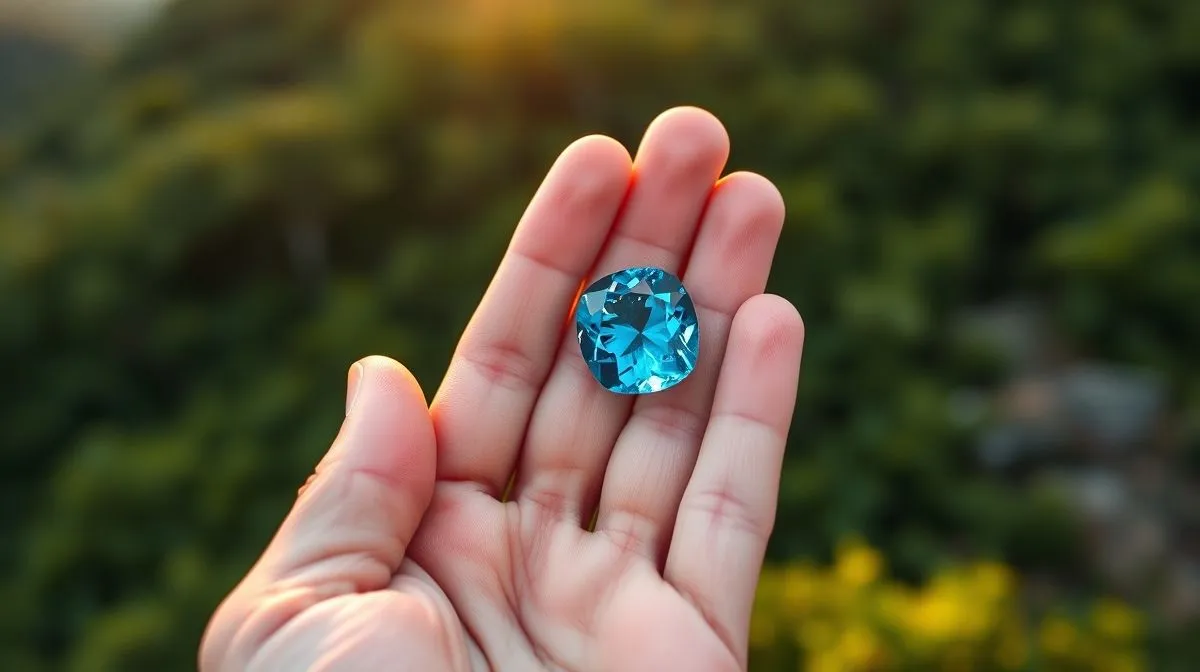
How to ethically source rare gemstones for sustainable jewelry lines?
For over two decades in the intricate world of jewelry design and manufacturing, I've witnessed a profound transformation. What was once a niche concern for a handful of conscious consumers has blossomed into a fundamental expectation: transparency and ethics.
The allure of rare gemstones is undeniable – their unique beauty, their scarcity, the stories they hold. However, the path from mine to market for these exquisite treasures can often be fraught with ethical dilemmas, environmental damage, and social injustice. Many jewelers, driven by a genuine desire to do good, find themselves navigating a murky landscape, unsure how to truly verify the origins of their gems and ensure their supply chain aligns with their values.
This comprehensive guide is born from my direct experience and countless hours spent at the source, in cutting houses, and with industry leaders. I will provide you with a definitive framework, actionable strategies, and critical insights into how to ethically source rare gemstones for your sustainable jewelry lines, transforming a complex challenge into a clear path towards responsible luxury.
Understanding the Complex Landscape of Rare Gemstone Sourcing
Before we delve into solutions, it's crucial to grasp the inherent complexities. Unlike standardized commodities, rare gemstones often originate from small, artisanal, and sometimes informal mining operations. These operations, while providing livelihoods for millions, frequently lack the oversight and resources for safe working conditions, fair wages, or environmental protection.
The term 'conflict-free', popularized by the Kimberley Process for diamonds, is a vital starting point but falls woefully short of encompassing true ethical sourcing. A gemstone can be 'conflict-free' yet still be associated with child labor, unsafe mining practices, environmental devastation, or exploitative wages. The demand for transparency, therefore, extends far beyond simply avoiding conflict zones; it requires understanding the entire journey of a gem.
In my experience, the biggest challenge isn't a lack of desire for ethical practices, but a lack of actionable knowledge. Many established supply chains are opaque, making it difficult to trace a gem back to its true origin. This is where your commitment to due diligence becomes your greatest asset.
Pillar 1: Deep-Dive Due Diligence and Traceability
True ethical sourcing begins with an unwavering commitment to due diligence. This goes far beyond requesting a certificate; it means knowing your suppliers, their suppliers, and ideally, reaching back to the mine itself. Think of it as building a genealogical tree for your gemstones.
I've seen countless brands assume a gem is ethical simply because a reputable dealer sold it. But without asking the hard questions and demanding proof, you're building on shaky ground. Traceability, once a niche concept, is now a non-negotiable for anyone serious about sustainability.
Actionable Steps for Enhanced Traceability:
- Verify Supplier Claims: Don't just take their word for it. Request documentation, visit their facilities if possible, and ask for references. A truly ethical supplier will welcome your scrutiny.
- Demand Origin Information: Insist on knowing the specific mine or mining region. If a supplier is vague, it's a red flag.
- Utilize Digital Traceability Platforms: Emerging technologies like blockchain are revolutionizing supply chain transparency. Platforms specifically designed for the jewelry industry can record every transfer of custody, from mine to market.
- Engage in Third-Party Audits: For larger volume sourcing, consider engaging independent auditors to assess the social and environmental practices of your direct suppliers.
Case Study: Solara Gems' Transparent Supply Chain
Solara Gems, a boutique jeweler specializing in rare Paraiba tourmalines, faced initial skepticism regarding their 'ethically sourced' claims due to the gem's complex origins. By implementing a blockchain-based traceability system for their rare emeralds, providing QR codes on each finished piece linking to the mine of origin, cutting house, and even the artisan miner's profile, they not only built immense customer trust but also saw a 25% increase in sales of their rare gem collections. This level of transparency, which I've advocated for years, truly resonates with conscious consumers and demonstrates that investment in ethical practices pays dividends.
According to a report by the Deloitte Center for Consumer Insights, transparency is increasingly a top purchasing driver for luxury consumers, especially millennials and Gen Z.
Pillar 2: Building Direct Relationships with Artisanal Miners and Communities
One of the most impactful ways to ensure ethical sourcing is to bypass layers of intermediaries and establish direct relationships with artisanal and small-scale miners (ASM) and their communities. This is where the real human connection and direct impact lie.
I've spent time in remote mining communities, and I can tell you that direct trade isn't just about fair prices; it's about empowering people. It's about ensuring miners receive a living wage, have access to safe equipment, and that a portion of the revenue directly benefits their community through schools, healthcare, or infrastructure projects.
“Ethical sourcing isn't just about avoiding harm; it's about actively creating positive impact and empowering the communities at the very start of your supply chain.”
Key Considerations for Direct Sourcing:
- Fair Prices: Pay above market prices to ensure miners receive a genuine living wage.
- Safe Working Conditions: Work with communities to implement and monitor safety protocols. This might involve providing training or safety equipment.
- Community Development: Invest in local initiatives. This could be supporting education, healthcare, or environmental restoration projects identified by the community itself.
- Cultural Sensitivity: Approach these relationships with respect for local customs and traditions.
While direct sourcing requires more effort and potentially travel, the deep trust and positive impact it generates are invaluable, offering a compelling story for your brand and a truly ethical foundation for your jewelry.
Pillar 3: Embracing Third-Party Certifications and Standards (with Caution)
While direct relationships are ideal, they are not always feasible for every type or volume of rare gemstone. This is where robust third-party certifications and industry standards play a crucial role. They provide a baseline of assurance that certain ethical and environmental criteria have been met.
Organizations like the Responsible Jewellery Council (RJC) offer a comprehensive standard covering human rights, labor rights, environmental performance, product integrity, and more, across the entire jewelry supply chain. Other certifications like Fairmined for gold or specific standards for colored gemstones (e.g., from SCS Global Services) focus on particular aspects or materials.
However, it's vital to approach certifications with a critical eye. They represent a minimum standard, not necessarily the pinnacle of ethical practice. A 'certified' gem is better than an uncertified one, but it doesn't absolve you of your own due diligence. Always ask: what exactly does this certification guarantee? What are its limitations?
Pillar 4: Prioritizing Environmental Stewardship in Gemstone Extraction
The impact of mining on the environment can be devastating if not managed responsibly. Rare gemstone mining, often small-scale, can lead to deforestation, soil erosion, water pollution, and habitat destruction. A truly sustainable jewelry line must consider the ecological footprint of its raw materials.
I've observed that the best practices in environmental stewardship involve proactive measures. It's not just about minimizing harm, but about actively rehabilitating and restoring the natural landscape post-extraction. This commitment signals a profound respect for the planet that resonates deeply with conscious consumers.
Environmental Considerations:
- Low-Impact Mining Techniques: Support miners who use methods that minimize earth disturbance, such as hand-digging or targeted extraction rather than large-scale excavation.
- Water Management: Ensure responsible use and discharge of water, preventing contamination of local water sources.
- Waste Management: Proper disposal of mining waste and prevention of chemical runoff.
- Land Reclamation and Restoration: A commitment to rehabilitating mined land, reforesting, and restoring biodiversity after extraction.
Partnering with organizations that specifically focus on environmental restoration in mining regions, or even allocating a portion of your profits to such initiatives, can further bolster your brand's environmental credentials. As highlighted by a study from the Harvard Business Review, environmental performance is a growing factor in consumer choice.
Pillar 5: Innovating with Recycled, Reclaimed, and Lab-Grown Alternatives
While the focus of this guide is on newly mined rare gemstones, a truly sustainable jewelry line should also explore and integrate alternatives where appropriate. This diversified approach broadens your ethical scope and appeals to a wider range of conscious consumers.
Recycled and Reclaimed Gemstones: Many beautiful rare gemstones already exist in circulation. Sourcing reclaimed gems from antique jewelry or repurposing existing stones significantly reduces the demand for new mining. This is a practice I've personally championed for years, as it breathes new life into historical pieces and minimizes environmental impact.
Lab-Grown Gemstones: Advancements in technology have led to high-quality, chemically identical lab-grown versions of many rare gemstones. While their environmental footprint varies depending on the energy source used in their production, they offer a controlled origin and often a more transparent supply chain, free from the social complexities of mining.
Integrating these alternatives doesn't diminish the value of ethically mined natural gems; rather, it provides a holistic approach to sustainability, offering choices that align with different aspects of responsible consumption. For example, a brand might offer a signature collection of directly-sourced, artisanal rare gems, complemented by pieces featuring recycled diamonds or lab-grown sapphires.
Pillar 6: Educating Your Customers and Telling Your Story Authentically
Having an ethically sourced jewelry line is only half the battle; the other half is communicating your efforts transparently and authentically to your customers. In today's market, consumers are not just buying a piece of jewelry; they are buying into a brand's values and story.
I've observed that the most successful sustainable brands are those that don't just state they are 'ethical' but can actually *show* it. This means sharing the journey of your gemstones, highlighting the communities you support, and being open about the challenges and continuous improvements you're striving for.
Strategies for Authentic Communication:
- Share the Gem's Story: Provide detailed origin information, perhaps with a small card or digital link accompanying each piece.
- Showcase Impact: Feature stories and photos of the mining communities you work with (with their permission).
- Be Transparent About Challenges: Acknowledge that ethical sourcing is a journey, not a destination. Share how you're addressing complexities.
- Educate on Certifications: Explain what your chosen certifications mean and why they matter.
- Train Your Sales Team: Ensure your frontline staff are knowledgeable and passionate about your ethical practices.
Authenticity builds trust, and trust builds brand loyalty. As Seth Godin often says, "People do not buy goods and services. They buy relations, stories, and magic." Your ethical journey is a powerful story waiting to be told.
Pillar 7: Continuous Improvement and Industry Collaboration
The landscape of ethical sourcing is constantly evolving. New technologies emerge, standards improve, and consumer expectations shift. Therefore, ethical sourcing is not a one-time achievement but an ongoing commitment to continuous improvement.
I cannot stress enough the importance of staying informed and engaged. This means regularly reviewing your supply chain, seeking out new ethical suppliers, and adapting to best practices. Furthermore, collaboration within the industry is paramount. We are stronger together in driving positive change.
Ways to Stay Engaged:
- Join Industry Groups: Participate in organizations dedicated to ethical sourcing, like the Responsible Jewellery Council or the Alliance for Responsible Mining.
- Attend Conferences and Workshops: Stay updated on the latest research, technologies, and best practices in sustainable sourcing.
- Network with Peers: Share insights and learn from other jewelers who are committed to ethical practices.
- Support Research and Advocacy: Contribute to or support non-profits and academic initiatives that work to improve conditions in mining communities.
By actively participating in the broader conversation and consistently striving for higher standards, you not only strengthen your own brand but also contribute to a more just and sustainable global jewelry industry. A recent report by McKinsey & Company indicates that sustainable practices are increasingly becoming a competitive imperative, not just a moral one.
Frequently Asked Questions (FAQ)
Question: Is "conflict-free" the same as "ethically sourced"? No, absolutely not. "Conflict-free," particularly in the context of the Kimberley Process, primarily refers to diamonds not financing rebel movements. "Ethically sourced" is a much broader term encompassing fair labor practices, safe working conditions, environmental responsibility, community development, and full traceability. A gemstone can be conflict-free but still have significant ethical issues in its production.
Question: How can small-scale jewelers afford to implement these extensive ethical sourcing practices? While it might seem daunting, many of these practices are scalable. Starting with direct relationships for a few key stones, prioritizing transparency, and supporting one or two specific community projects can make a significant difference. The investment often pays off in enhanced brand reputation and customer loyalty, leading to increased sales. Focus on authenticity over perfection, and communicate your journey.
Question: What are the biggest red flags when vetting a gemstone supplier? Vagueness about origin, an unwillingness to provide documentation or allow audits, unusually low prices that seem too good to be true, and a lack of transparency about their own supply chain are all major red flags. Trust your instincts; if something feels off, it likely is.
Question: Can ethical sourcing ever be cost-effective? In the short term, direct ethical sourcing might sometimes incur slightly higher initial costs due to fair wages and investments in communities. However, in the long term, it builds invaluable brand equity, customer trust, and resilience against supply chain disruptions. The reputational benefits and increased consumer willingness to pay a premium for ethical products often make it highly cost-effective and profitable.
Question: How do I verify a gemstone's origin without extensive travel to remote mining sites? While direct visits are ideal, they aren't always practical. Leverage digital traceability platforms (e.g., blockchain solutions), request third-party audit reports from your suppliers, ask for detailed photographic or video evidence from the source, and build relationships with trusted, certified brokers who specialize in transparent supply chains. Networking within ethical industry groups can also provide valuable leads and vetted contacts.
Recommended Reading
- Fashion Blogging: Social Media Style Tips to Explode Your Brand
- Victorian Dress Patterns: Your Ultimate Guide to Sewing History
- The Smart Bride's Guide: How to Budget for Your Dream Designer Wedding Dress
- Find Your Perfect Hat: The Ultimate Guide to Choosing the Right Style for Your Face Shape
- The Secret Playbook: How to Get Early Access to New Shoe Launches
Key Takeaways and Final Thoughts
- Due Diligence is Paramount: Go beyond certificates; demand and verify detailed origin information for every rare gemstone.
- Build Direct Relationships: Empowering artisanal miners and their communities creates the deepest positive impact.
- Leverage Certifications Wisely: Use third-party standards as a baseline, but always conduct your own critical assessment.
- Prioritize Environmental Care: Support mining practices that minimize harm and actively restore the environment.
- Embrace Innovation: Integrate recycled, reclaimed, and responsibly lab-grown alternatives into your sustainable line.
- Communicate Authentically: Your ethical journey is your brand's most compelling story; share it transparently.
- Commit to Continuous Improvement: Ethical sourcing is an ongoing journey that requires constant learning and collaboration.
The journey to ethically source rare gemstones for sustainable jewelry lines is not without its complexities, but it is a profoundly rewarding one. By embracing these pillars, you are not just creating beautiful jewelry; you are crafting a legacy of responsibility, fairness, and environmental stewardship. This commitment will not only resonate deeply with your customers but will also contribute to a more just and sustainable future for our industry and the planet. Step forward with confidence, for the path to true luxury is paved with integrity.





Your email address will not be published. Required fields are marked *