

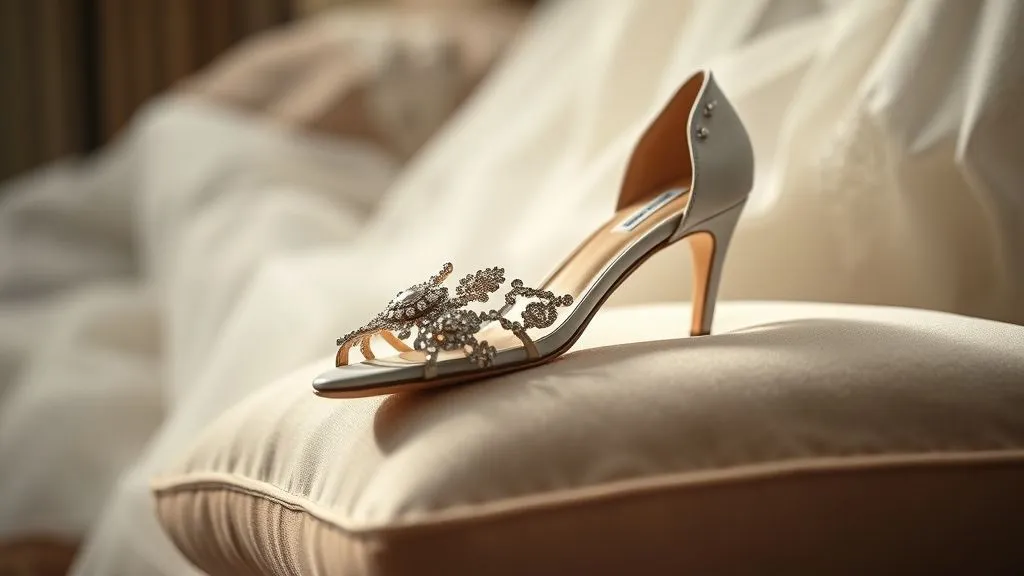
How Do Bridal Stylists Ensure Comfort in High-Fashion Wedding Shoes?
For over two decades in the intricate world of bridal fashion, I've witnessed countless brides grapple with a poignant dilemma: the heart's desire for breathtaking, high-fashion wedding shoes versus the pragmatic need for comfort. It's a tale as old as time, where the dream of gliding gracefully down the aisle often clashes with the reality of aching feet by the reception. Many assume that style inevitably dictates sacrifice, particularly when it comes to footwear.
The pain point is palpable: brides envision themselves dancing the night away, yet fear being relegated to a chair, or worse, swapping their dream shoes for flats before the first dance. This isn't just about physical discomfort; it's about the emotional toll of compromise, the worry that a crucial element of their bridal ensemble will detract from their joy on the most important day of their lives. The market is flooded with stunning designs, but identifying those that offer both elegance and endurance requires a discerning eye and a wealth of experience.
But what if I told you that this compromise is largely avoidable? As a veteran bridal stylist, I've developed and refined a comprehensive approach to harmonizing high-fashion aesthetics with unparalleled comfort. In this definitive guide, I'll pull back the curtain on the expert strategies, meticulous techniques, and insider secrets that bridal stylists employ to ensure every step you take on your wedding day is as joyful as it is beautiful. You'll learn not just what to look for, but how to achieve genuine foot happiness from ceremony to last dance, complete with actionable frameworks and real-world insights.
The Stylist's Comfort Blueprint: Beyond the Bling
The journey to comfortable high-fashion wedding shoes begins long before any pair is even considered. In my experience, a truly skilled bridal stylist operates with a 'comfort blueprint' – a holistic understanding that footwear is an integral part of the bride's overall well-being and experience on her wedding day, not just an accessory. This blueprint prioritizes preventative measures and informed choices, ensuring that the foundation for comfort is laid from the very first consultation.
It's about understanding the bride's unique foot anatomy, her wedding day itinerary, and the environmental factors of her venue. We delve into questions like: Is she prone to blisters? Does she have any pre-existing foot conditions? How many hours will she be on her feet? Will she be dancing extensively? These aren't just polite inquiries; they are critical data points that inform every subsequent recommendation. This meticulous preliminary assessment is paramount to avoiding potential pitfalls and tailoring solutions that genuinely work for the individual.
This proactive approach means we're not just finding a shoe; we're crafting a footwear experience. It’s about leveraging our deep knowledge of shoe construction, materials, and innovative comfort technologies to match a bride with shoes that feel as good as they look. We understand that a truly memorable wedding day is one where the bride feels utterly confident and unburdened, from head to toe. This foundational philosophy underpins every strategy we employ to ensure comfort in high-fashion wedding shoes.
Pre-Selection Protocols: The Foundation of Foot Happiness
Before a bride even sets foot in a shoe salon, a seasoned bridal stylist has already begun a rigorous pre-selection process. This isn't about guesswork; it's about informed decision-making based on a clear understanding of the wedding's unique parameters and the bride's personal needs.
Understanding the Venue & Vibe
The environment plays a colossal role in shoe comfort. A garden wedding on soft grass demands a different heel type than a ballroom wedding on polished marble. I always consider the terrain: will there be cobblestones, uneven surfaces, or a long walk from the ceremony to the reception? These factors directly influence heel stability and material durability. For instance, a delicate stiletto might be stunning but impractical for an outdoor, grassy affair, where a block heel or wedge would offer far more stability and prevent sinking. The overall formality and theme of the wedding also guide material and embellishment choices, ensuring aesthetic harmony without sacrificing practicality.
Heel Height & Stability Assessment
While a sky-high heel might offer an alluring silhouette, it's not for everyone. We assess a bride's comfort level with various heel heights during initial consultations. It's not just about the height, but also the heel's construction: a wider heel offers more stability than a needle-thin stiletto. Furthermore, the pitch – the angle of the foot within the shoe – is crucial. A well-designed high heel will distribute weight more evenly, reducing pressure on the ball of the foot. We also consider the bride's posture and natural gait, guiding her towards options that complement her body mechanics, ensuring she can move with confidence and ease throughout the day.
Material Matters: Leather, Silk, & Synthetics
The material of a shoe is a primary determinant of comfort. Natural materials like soft leather and genuine silk tend to mold to the foot over time, offering breathability and reducing friction. Leather lining, for example, is far superior to synthetic alternatives in preventing sweat and heat build-up. Synthetics, while often more affordable and resistant to stains, can be less forgiving and cause more rubbing. I always advise brides to prioritize shoes with high-quality natural linings, even if the exterior is a synthetic blend. According to a study published by the Journal of Foot and Ankle Research, breathable materials significantly reduce the risk of foot discomfort and skin irritation during prolonged wear. Read more about footwear comfort factors here.
The Fitting Room Formula: Stylist's Secret Weapon
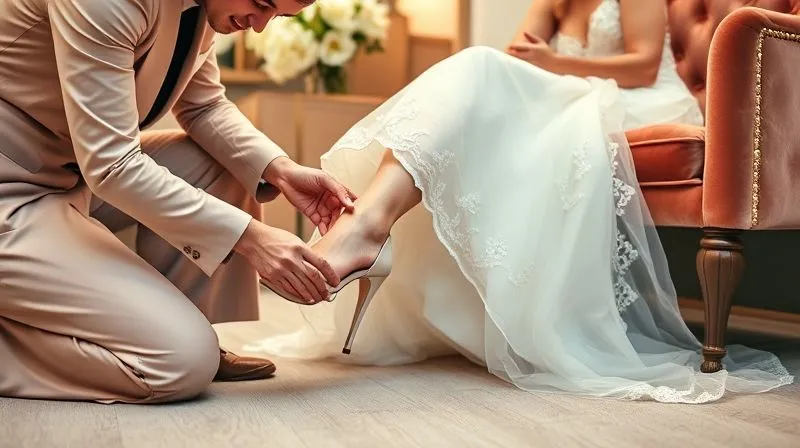
The fitting room is where the magic truly happens. It's not just about trying on shoes; it's a meticulously orchestrated process where the bridal stylist employs specific techniques to assess fit, identify potential issues, and implement immediate solutions. This is where expertise transforms a beautiful shoe into a comfortable one.
Timing is Everything: Shoe Fittings Done Right
I always schedule shoe fittings later in the day. Why? Because our feet naturally swell throughout the day. Fitting shoes when feet are at their largest ensures that they won't feel uncomfortably tight later on the wedding day. It's a simple yet incredibly effective strategy that many overlook. Additionally, brides should bring the hosiery or tights they plan to wear on the wedding day, as this can subtly affect fit. The goal is to replicate wedding day conditions as closely as possible to get the most accurate fit.
The 'Walk Test' & Pressure Point Analysis
Once a shoe is on, the 'walk test' begins. This isn't just a few steps; it's an observation of the bride's natural gait, looking for any signs of imbalance, rubbing, or discomfort. I pay close attention to pressure points: the ball of the foot, the sides of the toes, the back of the heel. I ask specific questions: "Do you feel any pinching? Is there enough room for your toes to wiggle? Does your heel slip?" We'll walk on different surfaces if possible – carpet, hardwood – to simulate varied wedding day conditions. This diagnostic walk helps pinpoint areas that might require additional padding or stretching.
Customization & Inserts: A Tailored Approach
This is where a stylist's true value shines. For shoes that are almost perfect but need a little extra something, customization is key. This could involve:
- Gel Cushions: Strategically placed under the ball of the foot or heel to absorb impact.
- Arch Supports: For brides needing extra support to prevent foot fatigue.
- Heel Grips: To prevent slippage and reduce friction at the heel, often made of suede or soft gel.
- Toe Spacers: To alleviate pressure on bunions or overlapping toes.
- Stretching: Professional shoe stretching can gently expand areas that are slightly too snug, particularly in leather shoes.
These small, tailored adjustments can make a monumental difference, transforming a merely beautiful shoe into one that feels custom-made for the bride's foot.
Innovative Comfort Technologies: A Deep Dive
The bridal footwear industry has evolved significantly, incorporating advanced technologies previously reserved for athletic shoes. Bridal stylists are adept at identifying and recommending brands that integrate these innovations, ensuring high-fashion doesn't mean low-comfort.
Gel Inserts & Cushioned Soles
Beyond generic inserts, many luxury bridal shoe brands now integrate proprietary gel or foam cushioning directly into the sole. These aren't just thin pads; they are engineered layers designed to provide superior shock absorption and pressure distribution. Brands like Emmy London or Bella Belle are renowned for their attention to internal cushioning, often using memory foam or specialized gel layers that contour to the foot. This built-in comfort reduces foot fatigue over hours of wear, making them ideal for the extensive standing and dancing on a wedding day.
Arch Support & Ankle Straps
Proper arch support is critical for preventing discomfort, especially for brides with high arches or those prone to plantar fasciitis. Stylists look for shoes with anatomically designed footbeds that provide adequate support without being overly rigid. Additionally, ankle straps are not just a design feature; they play a vital role in stability. A well-placed ankle strap secures the foot within the shoe, preventing forward slippage and reducing the strain on the toes, particularly in higher heels. This not only enhances comfort but also boosts confidence when walking and dancing.
Breathable Linings & Moisture-Wicking
Foot health and comfort are intrinsically linked to ventilation. High-quality bridal shoes often feature leather or specialized moisture-wicking synthetic linings that draw sweat away from the skin, preventing blisters and discomfort. This is particularly important for summer weddings or for brides who know they'll be dancing vigorously. A breathable shoe keeps feet cooler and drier, significantly contributing to overall comfort and preventing common issues like swelling and friction. This commitment to internal engineering is a hallmark of truly comfortable high-fashion footwear.
"The true elegance of a bridal shoe isn't just in its exterior shimmer, but in the unseen engineering that allows a bride to forget her feet and fully immerse herself in her joyous day. Custom inserts are often the unsung heroes of wedding day comfort." - Veteran Bridal Stylist Insight
Breaking Them In: The Non-Negotiable Step
Even the most perfectly fitted, technologically advanced shoe needs to be broken in. This isn't an optional step; it's absolutely essential for ensuring comfort on the wedding day. A bridal stylist will emphasize this process and provide clear guidance on how to do it effectively.
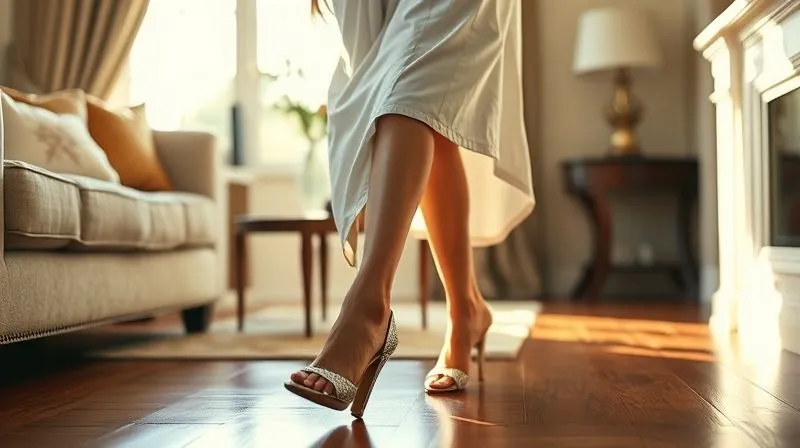
The goal of breaking in is to allow the shoe materials to soften and mold to the unique contours of your foot, preventing stiffness and hot spots on the big day. Here's the actionable plan I recommend to all my brides:
- Start Early: Begin the breaking-in process at least 4-6 weeks before the wedding. This gives your feet and the shoes ample time to adjust without last-minute stress.
- Short Bursts, Consistent Effort: Wear your shoes for 30-60 minutes at a time, several times a week. Don't try to wear them for hours straight initially. Gradually increase the duration.
- Wear Wedding Day Hosiery: Always wear the specific hosiery, socks, or tights you intend to wear on your wedding day during the breaking-in period. This ensures an accurate fit and prevents surprises.
- Practice Walking & Dancing: Walk around your home on different surfaces. Practice walking up and down stairs. If you plan to dance, put on some music and practice a few spins and moves. This identifies any areas of friction under dynamic movement.
- Address Hot Spots Immediately: If you feel any rubbing or pressure, don't ignore it. Use moleskin, silicone pads, or specialized anti-blister balm immediately to prevent blisters. Your stylist can recommend specific products.
- Condition Leather: For leather shoes, a good quality leather conditioner can help soften the material and make it more pliable, speeding up the breaking-in process.
Think of it as training for your feet – preparing them for the marathon of your wedding day. This dedicated effort pays dividends in comfort and confidence.
Case Study: Sarah's Seamless Steps Down the Aisle
Let me share a real-world (fictionalized for privacy) example that perfectly illustrates how a comprehensive approach ensures comfort. Sarah, a bride I worked with last year, dreamed of wearing a stunning pair of designer stilettos for her grand ballroom wedding. She loved their intricate crystal embellishments and their statuesque height, but privately confessed her fear of foot pain, having suffered blisters at previous events.
The Challenge and The Solution
Sarah's main concern was the shoe's narrow toe box and high, slender heel. During our initial fitting, we identified key pressure points around her bunionettes and the ball of her foot. Instead of discouraging her from her dream shoes, we implemented a multi-pronged strategy:
- Strategic Stretching: We had the leather upper professionally stretched in the toe box area over a two-week period, specifically targeting the pressure points.
- Custom Inserts: I recommended ultra-thin, medical-grade gel inserts for the ball of her foot, designed to absorb impact without altering the shoe's aesthetic. We also added discreet heel grippers to prevent any slippage.
- Breaking-In Protocol: Sarah diligently followed the 4-6 week breaking-in schedule, wearing the shoes with her bridal stockings for increasing durations, practicing her walk and even a few dance steps.
- Backup Plan: As a final safeguard, we prepped a pair of elegant, embellished ballet flats, perfectly matching her dress, to be tucked away for the reception if needed (though she never used them!).
The result? Sarah glided through her ceremony, danced for hours at her reception, and even managed to keep her designer shoes on until the very end of the night. Her feedback was that she felt supported and comfortable, allowing her to fully enjoy every moment without a single thought of her feet. This case perfectly demonstrates that with the right expertise and a tailored plan, even the most high-fashion shoes can be incredibly comfortable.
| Shoe Feature | Sarah's Preference | Comfort Strategy |
|---|---|---|
| Heel Height | High Stiletto (4-inch) | Assess pitch, add ball-of-foot gel inserts |
| Toe Box | Narrow, point-toe | Professional stretching, bunionette pads |
| Material | Delicate silk with embellishments | Protective spray, gentle breaking-in, heel grippers |
| Venue | Grand Ballroom (smooth floor) | No specific heel type adjustments needed, focus on internal cushioning |
Backup Plans & Emergency Kits: Prepared for Anything
Even with the most meticulous planning, a wise bridal stylist always prepares for the unexpected. The wedding day is long, and feet can be unpredictable. Having a 'Plan B' and an emergency comfort kit is a hallmark of truly comprehensive bridal styling.
This isn't an admission of defeat, but rather a proactive measure to ensure peace of mind. I always advise my brides to have a secondary pair of shoes – usually elegant, comfortable flats or low block heels – readily available at the reception venue. These don't have to be plain; many designers offer beautiful, embellished flats that can still feel incredibly bridal. This provides an escape hatch, allowing the bride to switch into something more relaxed if her feet simply can't handle another moment in heels, without compromising her overall look.
Beyond a backup pair, an emergency shoe comfort kit is indispensable. This small pouch, often entrusted to a bridesmaid or the wedding coordinator, contains immediate remedies for common foot woes. Here's what I recommend including:
- Blister patches/band-aids: Essential for immediate relief and protection.
- Moleskin: Can be cut to size to prevent rubbing in any problem areas.
- Anti-friction balm/stick: Applied to areas prone to rubbing before issues arise.
- Small pain relievers: For any unexpected aches.
- Foot spray/wipes: For a refreshing pick-me-up.
- Clear nail polish: A quick fix for runs in hosiery.
- Extra heel caps: If wearing stilettos, a spare pair can save the day if one comes loose.
According to experts at the American Podiatric Medical Association (APMA), proper foot care and preparation are crucial for preventing discomfort on high-stress days. You can find more foot health tips from the APMA here. Being prepared means the bride can fully surrender to the joy of her day, knowing she has every comfort contingency covered.
The Long-Term View: Post-Wedding Foot Care
While the focus is understandably on the wedding day itself, a truly holistic bridal stylist also offers guidance on post-wedding foot care. After hours of dancing, standing, and celebrating, feet deserve some serious pampering and recovery.
I always encourage brides to plan for some immediate post-wedding foot relief. This could be as simple as a warm foot bath with Epsom salts, a gentle foot massage, or elevating the feet to reduce swelling. It's an important step in preventing prolonged discomfort and ensuring that the joy of the day isn't overshadowed by lingering aches. Investing in a good quality foot cream or balm can also help soothe tired muscles and rehydrate the skin after being enclosed in shoes for so long.
For those who experienced significant foot strain, a brief period of wearing supportive, comfortable footwear in the days following the wedding can be beneficial. It's about allowing the feet to recover naturally and gently. This long-term perspective ensures that the memories of the wedding day are purely happy ones, extending beyond the last dance to the days of recovery. For further tips on foot recovery and health, consider resources like those found on Healthline's foot care section.
Frequently Asked Questions (FAQ)
Q: Can I truly wear high heels comfortably for 10+ hours on my wedding day? A: With the right selection, expert fitting, strategic inserts, and diligent breaking-in, absolutely. It's not about magic, but a methodical approach. Many brides achieve this by prioritizing stability, material quality, and custom comfort solutions from their stylist, combined with a smart breaking-in schedule.
Q: What's the biggest mistake brides make regarding wedding shoe comfort? A: The most common mistake is prioritizing aesthetics above all else and neglecting the breaking-in process. Many brides buy beautiful shoes but don't wear them until the wedding day, leading to immediate discomfort. Another common error is choosing the wrong heel height or type for their venue and personal comfort level.
Q: Are expensive designer shoes always more comfortable? A: Not necessarily. While designer shoes often use higher quality materials and construction, which can contribute to comfort, price isn't the sole determinant. Some mid-range brands prioritize comfort technologies more effectively than ultra-luxury brands that focus purely on aesthetics. A stylist's expertise helps discern true comfort from brand hype.
Q: Should I buy my wedding shoes before or after my dress? A: Ideally, you should purchase your wedding shoes before your first dress fitting. This is crucial because the heel height of your shoes directly impacts the length of your dress and how it needs to be hemmed. Having your actual shoes ensures accurate alterations, preventing your dress from being too short or too long.
Q: What if I have specific foot conditions like bunions or flat feet? A: These conditions require even more careful consideration. A skilled bridal stylist will guide you towards styles that accommodate your specific needs, such as wider toe boxes, flexible materials, or shoes with built-in or custom-fitted orthotic-friendly insoles. Sometimes, a lower heel or a block heel is a more comfortable option, and there are many elegant choices available. Consulting with a podiatrist in conjunction with your stylist can also be beneficial.
Key Takeaways and Final Thoughts
Navigating the world of high-fashion bridal shoes while ensuring comfort is an art form, perfected by experienced bridal stylists. It's a journey that extends far beyond simply picking a pretty pair; it's about a meticulous, holistic approach that prioritizes your well-being on one of the most significant days of your life.
- Proactive Planning is Paramount: Assess your venue, itinerary, and foot anatomy early.
- Expert Fittings Make the Difference: Leverage your stylist's eye for pressure points and fit.
- Embrace Innovative Solutions: Don't shy away from gel inserts, arch supports, or professional stretching.
- The 'Break-In' is Non-Negotiable: Dedicate time to mold your shoes to your feet.
- Always Have a Backup Plan: An emergency kit and a second pair of shoes are your peace of mind.
Remember, your wedding day is a celebration of love, joy, and new beginnings. You deserve to experience every moment of it feeling confident, beautiful, and utterly comfortable, from the moment you step into your shoes until the last dance. With these expert strategies, you can confidently choose high-fashion wedding shoes that are not just stunning, but also a joy to wear, allowing you to glide down the aisle and dance the night away without a single worry about your feet. Trust in the process, and let your stylist guide you to foot happiness on your unforgettable day.
Recommended Reading
- 5 Ways to Stop Chafing: Select Gym Outfits for Intense Workouts
- The 7 Pillars: What Elements Define an Iconic Haute Couture Masterpiece?
- Unlock Profit: 7 Strategies for Niche Outdoor Wear Brands
- 7 Steps to Safely Clean & Preserve Fragile Vintage Silk Heirlooms
- Low-Light Fashion: How to Achieve Consistent Editorial Quality?

Your email address will not be published. Required fields are marked *