

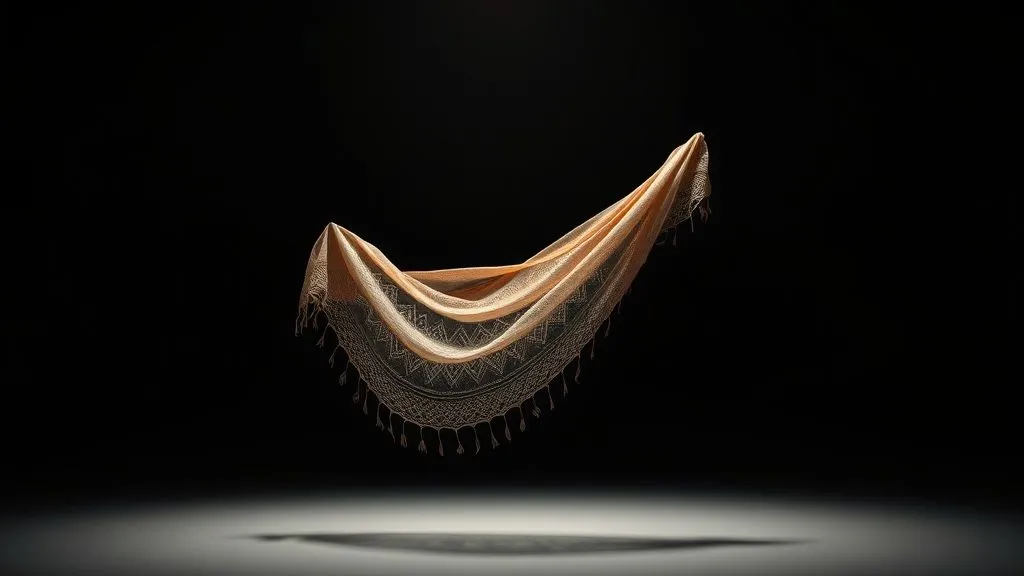
How to safely clean and preserve fragile vintage silk heirlooms?
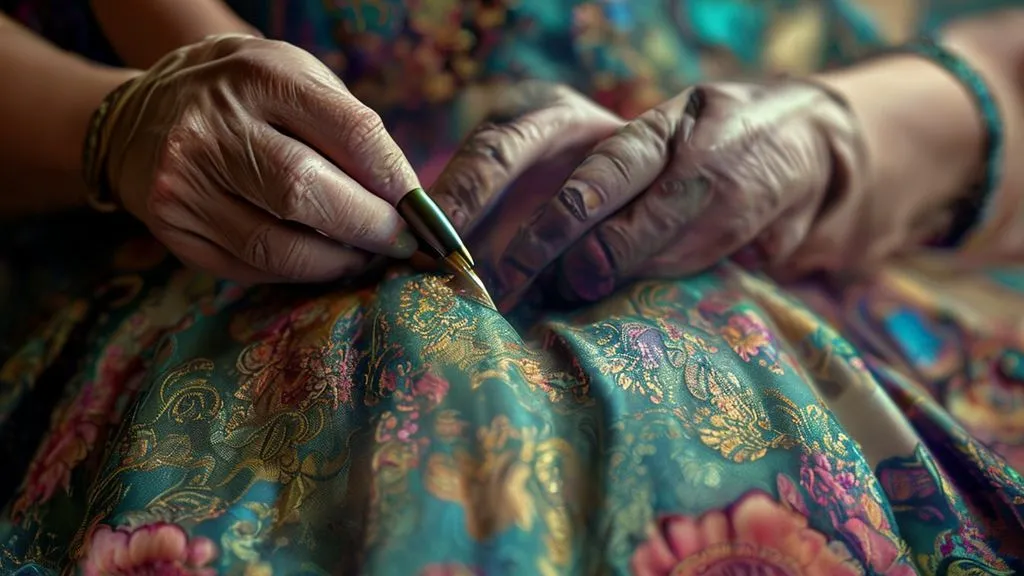
Cleaning and preserving fragile vintage silk heirlooms is, in my experience, one of the most delicate tasks a vintage enthusiast can undertake. These pieces are not merely garments; they are textile narratives, often decades or even centuries old, and their fibers have become inherently vulnerable to the ravages of time and inappropriate handling. The first, and perhaps most crucial, step involves a thorough **assessment** of the garment's condition. Before any cleaning attempt, carefully inspect the silk for tears, loose embroidery, weakened seams, or areas of severe discoloration. A common mistake I see is plunging an item directly into water without understanding its structural integrity, which can turn a minor flaw into irreversible damage.I always recommend a **patch test** on an inconspicuous area, such as an inner seam or hem, to gauge the fabric's reaction to water and any cleaning solution. This helps determine dye fastness and whether the silk will shrink or distort, providing critical insight before committing to a full wash.
For the actual cleaning, the mantra is **gentle hand washing**, and only if the item’s condition truly permits. Dry cleaning, while often recommended for modern silk, can be too harsh for vintage pieces, as the chemicals can degrade fragile fibers and often leave residues that attract dirt over time.
-
Prepare the "Bath": Fill a clean basin or tub with cool, distilled water. Tap water contains minerals and chlorine that can yellow silk or leave deposits. The water should be barely lukewarm, never hot, as heat can irreversibly shrink or damage silk fibers.
-
Choose Your Detergent Wisely: Select a pH-neutral, gentle detergent specifically formulated for silk or delicates. I’ve had excellent results with detergents containing enzymes designed to break down organic stains without stripping the natural proteins of silk. Use a minimal amount – just a few drops are often sufficient for a small basin.
-
Submerge with Care: Support the entire garment as you gently lower it into the water. Never let it hang unsupported, as the weight of the water can stretch and distort wet silk. Allow it to soak for no more than 10-15 minutes, gently swishing the water around the garment rather than rubbing or scrubbing the fabric itself.
-
Rinse Thoroughly: Drain the soapy water and refill the basin with fresh, cool distilled water. Gently press the garment to release suds, repeating this process several times until the water runs completely clear. This is paramount; residual soap can yellow the silk and attract dust.
-
Drying Protocol: Do not wring or twist the silk. Instead, gently lift the garment and lay it flat on a clean, white cotton towel. Roll the towel and garment together, pressing gently to absorb excess water. Then, unroll and lay the silk flat on a fresh, dry towel or a padded drying rack, away from direct sunlight or heat, which can cause yellowing or damage.
Once clean and thoroughly dry, the focus shifts to **preservation**. The goal here is to create a stable, protective environment that minimizes further degradation. In my years, I've seen countless beautiful pieces ruined by improper storage, underscoring the importance of this final stage.“Patience is not just a virtue in vintage textile care; it is the fundamental tool that separates preservation from destruction. Rushing any step, from assessment to drying, guarantees regret.”
The ideal storage environment is **cool, dark, and dry**, with stable humidity levels (around 50% relative humidity). Avoid storing silk in attics or basements where temperature and humidity fluctuate wildly, as these conditions accelerate fiber breakdown and encourage mold growth.
For storage materials, always opt for **acid-free and lignin-free** options. This includes archival tissue paper, which should be used to gently stuff sleeves, bodices, and folds to prevent creasing and support the garment's shape. For larger items like shawls or long dresses, rolling them with acid-free tissue can be preferable to folding, as it avoids sharp creases that can weaken fibers over time.
Store items in **archival-quality textile boxes** made from corrugated, acid-free board, or in breathable cotton muslin garment bags. Crucially, avoid plastic garment bags or containers, as plastic can trap moisture, promote yellowing, and off-gas chemicals that are detrimental to delicate textiles.
Finally, **pest control** is a non-negotiable aspect of preservation. Cedar chips or lavender sachets can be deterrents, but ensure they never directly touch the silk, as their oils can stain. Regular inspection of your stored heirlooms, perhaps once every six months, allows you to catch any potential issues – be it pests, mold, or environmental changes – before they cause irreversible harm.
Understanding the Root of the Problem: Why Do Fragile Vintage Silk Heirlooms Degrade or Get Damaged?
Understanding why vintage silk heirlooms degrade is the first step toward effective preservation. In my fifteen years of working with these delicate treasures, I've observed that the primary culprits are a combination of the fabric's inherent properties, environmental stressors, chemical interactions, and, regrettably, improper human handling or neglect. At its core, silk is a protein fiber, similar to human hair or wool. This organic composition makes it inherently susceptible to a range of environmental and chemical assaults that synthetic fibers can often withstand. Over time, these attacks weaken the very structure of the silk, leading to its characteristic fragility. One of the most significant factors is simply age and natural degradation. Even under ideal conditions, silk fibers undergo a slow process of hydrolysis and oxidation. The protein chains that give silk its strength begin to break down, leading to a loss of elasticity and an increased tendency to become brittle or shatter."Many enthusiasts mistakenly believe a silk garment stored in a dark closet is safe. While dark is good, 'safe' is a far more complex equation involving the very air it breathes, the materials it touches, and its own internal chemistry."Environmental factors play a critical role in accelerating this decay. Exposure to light, particularly ultraviolet (UV) radiation, is a major enemy. UV rays break down the peptide bonds within the silk protein, causing irreversible damage such as fading, yellowing, and a dramatic loss of tensile strength. I've seen countless examples of once-vibrant silk panels that have become sheer and crumbly on the side exposed to even indirect sunlight. Fluctuations in humidity and temperature also pose a significant threat. High humidity encourages the growth of mold and mildew, which literally feed on the silk fibers, leaving behind stains and irreparable structural damage. Conversely, overly dry conditions can lead to the silk becoming parched and brittle, making it prone to cracking or tearing with the slightest touch. Furthermore, atmospheric pollutants are silent destroyers. Airborne particles like dust, soot, and acidic gases (sulfur dioxide, nitrogen oxides) found in urban environments can settle on silk, causing gradual discoloration, yellowing, and embrittlement. These pollutants often create a mildly acidic environment on the fabric surface, accelerating its deterioration. Chemical damage is another common root cause. This can stem from residual cleaning agents used decades ago that were not fully rinsed, or from unstable dyes and mordants present in the original fabric. Over time, these chemicals can become acidic, slowly 'burning' the silk fibers and leading to fragile spots or overall weakness. A common mistake I see is the use of acidic storage materials. Storing a silk heirloom directly against acidic tissue paper, cardboard boxes, or wooden hangers can cause 'acid migration'. The acid leaches into the silk, leading to yellowing, embrittlement, and localized deterioration that often manifests as dark, crispy areas where the fabric touched the acidic material. Finally, physical stress and improper handling contribute significantly to damage. This includes repeated wear and tear, incorrect cleaning methods (such as harsh detergents, hot water, or vigorous agitation), and poor storage practices like tight folding, hanging heavy garments on thin hangers, or crushing items in overcrowded spaces. Even the oils from our hands can leave residues that attract dirt and degrade silk over time. * **Pests:** Moths, silverfish, and carpet beetles are notorious for feasting on protein fibers. A small, unnoticed infestation can decimate a silk heirloom in short order, leaving behind holes and weakened areas. Regular inspection is paramount.
Common Damage Sources: Pests, Light, and Acidic Storage
The journey to preserving vintage silk heirlooms often begins with understanding the myriad threats they face. In my experience, even the most cherished pieces can succumb to damage from insidious sources if not properly protected. These silent destroyers can turn a vibrant, supple silk into a brittle, faded shadow of its former self. One of the most immediate and devastating threats to vintage silk comes from **pests**. Clothes moths, carpet beetles, and even silverfish are not just nuisances; they are voracious consumers of protein fibers, and silk, being animal-derived, is a prime target. The larvae of these insects are the true culprits, silently munching through delicate threads, often leaving behind tell-tale holes and frass.The damage caused by these tiny invaders can range from pinprick holes to large, irregular gaps, often concentrated in areas with residual body oils or food stains. I've witnessed priceless 1920s flapper dresses reduced to mere lace by an undetected moth infestation, a heartbreaking sight for any vintage enthusiast.
- Moth Larvae: Create irregular holes, often with silken webbing or frass (excrement) nearby.
- Carpet Beetle Larvae: Prefer soiled areas, causing surface abrasion or holes, and leave behind shed skins.
- Silverfish: Feast on starched or sized fabrics, leaving irregular holes and yellow stains.
"Vigilance is your first line of defense against pests. Regular, gentle inspections of your stored silks can prevent a minor incident from becoming a full-blown catastrophe."Equally insidious, though often slower in its manifestation, is damage from **light**. Both ultraviolet (UV) light, found in sunlight and some fluorescent bulbs, and even visible light can cause irreversible harm to silk. This isn't just about fading; light energy breaks down the molecular bonds within the silk fibers and dyes, leading to embrittlement, yellowing, and a significant loss of structural integrity.
Think of light damage like a slow, invisible bleach. While a garment might not be directly in sunlight, ambient room light, over years, will cause delicate pastel shades to deepen or shift, whites to yellow irreversibly, and the fabric itself to become noticeably weaker and more prone to tearing.
- Fading: Colors become dull, uneven, or completely disappear in exposed areas.
- Embrittlement: Fibers become brittle and weak, leading to tears and shattering, especially along folds.
- Yellowing: White and cream silks often yellow significantly due to the breakdown of protein fibers.
To protect your silks, always store them in complete darkness. If displaying a piece, do so for limited periods and ideally behind UV-filtering glass or in a room with diffused, indirect lighting. Never place a vintage silk near a window or under direct spotlights.
Finally, and perhaps the most overlooked threat, is **acidic storage**. Many common household materials, such as non-archival cardboard boxes, tissue paper, wooden hangers, and certain plastics (like PVC garment bags), contain acids that off-gas over time. These acids slowly migrate into the delicate silk fibers, causing a type of chemical degradation often referred to as "acid burn."I've seen countless beautiful silks develop irreversible yellowing, brown stains along folds, and a general brittleness simply because they were stored in seemingly innocuous materials. This damage is cumulative and often mistaken for general aging, but it's a specific chemical reaction that can be entirely prevented.
- Yellowing/Browning: Acidic materials cause the silk to yellow or develop distinct brown stains, particularly where it touches the acidic source.
- Fiber Degradation: The acid breaks down the silk's protein structure, making it weak, brittle, and prone to shattering.
- Odor: Stored items may develop a distinct, stale, or acidic odor.
Always use **archival-quality, acid-free, and lignin-free** storage materials. This includes tissue paper for stuffing or wrapping, storage boxes, and garment bags made from unbleached cotton or a breathable, non-woven polypropylene. In my experience, investing in proper storage is as crucial as gentle cleaning; it's the long-term guardian of your heirloom's integrity.
The Risks of Improper Cleaning Methods and Products
As an expert who has dedicated over 15 years to the preservation of vintage textiles, I can tell you that the allure of a shimmering silk heirloom often comes with a significant caveat: its extreme fragility. Many enthusiastic owners, driven by good intentions but lacking the requisite knowledge, inadvertently inflict irreparable damage on these delicate pieces, mistaking them for modern, more resilient fabrics.
A common mistake I see is the assumption that 'gentle' modern detergents are safe for vintage silk. In my experience, even products marketed as 'mild' can contain enzymes, brighteners, or harsh surfactants that are utterly devastating to aged silk fibers. These chemicals can strip away the natural sericin, which is crucial for silk's strength and luster, leading to a process known as fiber degradation.
The consequences of using inappropriate cleaning agents or techniques are far-reaching and, sadly, often irreversible. Here are some of the most critical risks:
-
Irreversible Shrinkage and Distortion: Silk, being a protein fiber, is highly susceptible to heat and agitation. Washing in water that is too warm or subjecting the fabric to vigorous scrubbing or machine washing can cause the fibers to contract and felt, leading to significant shrinkage and a complete loss of the garment's original drape and silhouette. Imagine a beautifully tailored 1940s bias-cut gown suddenly becoming several sizes smaller and stiff.
-
Catastrophic Color Bleeding and Fading: Many dyes used in vintage silk, particularly those from before the mid-20th century, are notoriously unstable. Exposure to the wrong pH level, excessive water, or harsh chemicals can cause these dyes to bleed spectacularly, staining other parts of the garment, or to fade unevenly, leaving a patchy, washed-out appearance. I've witnessed stunning hand-painted silks from the Art Deco era lose their vibrant artistry in a single, misguided wash.
-
Fiber Weakening, Brittleness, and Tearing: Beyond stripping sericin, harsh chemicals and mechanical stress (like twisting or wringing) can physically break down the delicate silk threads. This leaves the fabric brittle, prone to snagging, and easily torn, especially at stress points like seams or underarms. Over time, what was once a supple fabric becomes stiff and almost paper-thin in places, leading to irreparable holes.
-
Permanent Stain Setting: Attempting to remove a stain with an incorrect method or product can chemically alter the stain, bonding it permanently to the silk fibers. For instance, using an acidic cleaner on a protein-based stain (like blood) or a strong alkali on a tannin stain can 'cook' it into the fabric, making any future professional removal impossible. It’s a classic case where trying to help actually causes lasting harm.
-
Damage to Embellishments and Structural Integrity: Many vintage silk pieces feature intricate embellishments such as beading, sequins, delicate lace, or embroidery. Improper cleaning can cause these elements to:
- Discolor or dissolve (e.g., certain plastics in sequins).
- Detached or unravel (e.g., hand-sewn beads).
- Become brittle or stiff (e.g., antique metallic threads).
-
Residue Buildup and Yellowing: Incomplete rinsing, often a result of over-applying detergent or inadequate washing techniques, leaves behind detergent residues. These residues can attract dirt, become sticky, and oxidize over time, leading to unsightly yellowing, especially on lighter-colored silks. This residue can also continue to degrade the fibers long after the wash.
In my professional opinion, the biggest risk is underestimating the unique fragility of vintage silk. It’s not just fabric; it’s a time capsule, a piece of history that reacts far differently to modern cleaning practices than contemporary textiles. A single error can transform a cherished heirloom into a textile tragedy.
Step-by-Step: A Practical Framework to Safely Clean and Preserve Your Vintage Silk Heirlooms
Embarking on the journey to clean and preserve a vintage silk heirloom is less a chore and more a delicate ritual, demanding reverence for the fabric’s history and an understanding of its unique vulnerabilities. In my 15 years immersed in the world of vintage textiles, I’ve witnessed countless pieces brought back to life, and, regrettably, some irrevocably damaged by well-intentioned but ill-informed cleaning attempts.
This framework is designed to provide you with a meticulous, step-by-step approach, ensuring your treasured silk receives the care it deserves. Remember, the goal is not just to clean, but to stabilize and extend the life of these remarkable artifacts.
The Foundational Steps: Assessment & Preparation
-
The Forensic Examination: Know Your Heirloom.
Before any water or cleaning agent comes near your silk, a thorough, almost forensic, examination is paramount. This isn't just a glance; it's a deep dive into the item's history and current condition.
-
Fiber Identification: While you assume it's silk, vintage blends are common. A burn test (on an inconspicuous thread, if available) can confirm. Pure silk smells like burning hair and leaves a soft, powdery ash. Synthetics melt or form hard beads.
-
Dye Stability Test: This is non-negotiable. Dampen a clean, white cotton swab with distilled water and gently press it onto an inconspicuous area (e.g., an inner seam). If any color transfers to the swab, the dyes are unstable, and wet cleaning is likely too risky. In such cases, professional dry cleaning by a specialist in museum-grade textile conservation is your only safe recourse.
-
Condition Assessment: Inspect for existing damage – tears, weak seams, frayed edges, or areas of extreme thinness. These areas become exponentially more fragile when wet. A common mistake I see is underestimating how much a small tear can propagate once saturated.
-
Stain Analysis: Identify the nature of any stains if possible. Protein-based stains (blood, food) require different approaches than oil-based or unknown discolorations. Some stains, particularly those set over decades, may be permanent and attempting to remove them could damage the surrounding fabric.
-
-
Curating Your Cleaning Arsenal.
Just as a chef prepares their mise en place, you need the right tools before you begin. Using inappropriate products can strip silk of its natural sheen and strength.
-
pH-Neutral Silk Detergent: Opt for gentle, no-rinse formulas specifically designed for silk and wool, such as Eucalan or Soak Wash. These products preserve the natural lanolin/sericin in the fibers, which is crucial for silk's integrity.
-
Distilled Water: Tap water contains minerals, chlorine, and other impurities that can react with delicate dyes, leave residues, or even cause discoloration on vintage fabrics. Distilled water eliminates this risk.
-
Clean, White Terry Towels: Several large, highly absorbent towels are essential for blotting and drying. Ensure they are free of dyes or fabric softeners.
-
Large Basin or Bathtub: Thoroughly cleaned and free of any residues from previous uses.
-
Mesh Laundry Bag (Optional but Recommended): For smaller, extremely delicate items, this provides an extra layer of protection and support during washing.
-
Flat Drying Rack or Clean, Dry Surface: For air drying.
-
The Cleaning Protocol: Gentle Care in Action
-
The Gentle Dust-Off: Pre-Cleaning Ritual.
Before introducing any moisture, remove loose dust and superficial dirt. This prevents these particles from turning into muddy streaks once wet, which can be incredibly difficult to remove.
-
Soft Brushing: Use a very soft-bristled brush (like a dedicated garment brush or even a clean, soft makeup brush) to gently brush away surface dust. Work in one direction.
-
Vacuuming (with Caution): For larger, less delicate items, you can use a handheld vacuum or the upholstery attachment of a full-sized vacuum. Crucially, place a piece of clean nylon mesh (like window screen or pantyhose) over the nozzle and hold it slightly above the fabric. This creates a barrier, preventing direct suction and potential damage.
-
-
The Sacred Bath: Hand Washing with Utmost Care.
This is the most critical stage. The key here is minimal agitation and consistent support for the fabric.
-
Prepare the Bath: Fill your basin or tub with cool to lukewarm distilled water (never hot). Add the recommended amount of your pH-neutral silk detergent. Swirl gently to dissolve.
-
Gentle Submersion: Carefully lower the silk item into the water. Support its full weight as you do so; never let it hang or stretch. Allow it to fully saturate naturally. For very fragile pieces, I often place them in a mesh bag first.
-
Minimal Agitation: Gently swish the item in the water for no more than 5-10 minutes. Do not rub, scrub, or wring. Think of it as allowing the water and detergent to penetrate and lift dirt, rather than scrubbing it away. If the water becomes heavily discolored, you may need a second, fresh bath.
-
Stain Spot Treatment (Optional & Cautious): If, after the initial soak, a specific stain remains, you can *very gently* dab a tiny amount of the diluted detergent directly onto the stain with a clean cotton swab. Allow it to sit for a minute, then gently blot. This is a high-risk maneuver; proceed with extreme caution and only if the fabric can tolerate it.
-
-
The Rinsing Revelation: Thoroughness is Key.
Detergent residue can stiffen silk, attract dirt, and even weaken fibers over time. Rinsing must be thorough, yet gentle.
-
Multiple Rinses: Drain the soapy water. Refill the basin with clean, cool distilled water. Again, gently submerge and swish the item, supporting its weight. Repeat this process 2-3 times, or until the water runs completely clear and no suds are visible.
-
No Wringing: Absolutely avoid wringing or twisting the silk. This can permanently damage the delicate fibers and distort the garment's shape.
-
-
The Art of Drying: Patience and Precision.
How you dry silk is almost as important as how you wash it. Improper drying can lead to shrinkage, stretching, or permanent creasing.
-
Initial Water Removal: Gently lift the item from the rinse water, supporting its entire weight. Lay it flat on a clean, dry, white terry towel. Roll the towel and the silk together, gently pressing to absorb excess water. You may need to repeat this with a second dry towel.
-
Air Drying: Lay the silk flat on a clean, dry surface or a mesh drying rack. Ensure it's away from direct sunlight, radiators, or any heat source, which can cause shrinkage and fade dyes. Allow ample air circulation. Turn the item periodically to ensure even drying.
-
Shaping: While damp, gently smooth and shape the item to its original dimensions. This helps prevent permanent creases and maintains the garment’s form. In my experience, rushing this step leads to headaches later with ironing.
-
Ironing (If Necessary): Only iron silk when it is *slightly* damp, never fully dry. Use the coolest setting on your iron (silk/low) and iron on the reverse side. For added protection, place a clean pressing cloth between the iron and the silk.
-
“To truly preserve vintage silk is to understand its silent language of fragility. Every touch, every decision, must be a gentle conversation with history, not a forceful command.”
Long-Term Guardianship: Proactive Preservation
-
Proactive Preservation: Long-Term Guardianship.
Cleaning is only half the battle. Proper storage is crucial to prevent future damage and ensure your heirloom's longevity. Think of this as creating a mini time capsule for your textile.
-
Acid-Free Storage Materials: Always use acid-free tissue paper for folding and acid-free archival boxes. Regular tissue paper and cardboard contain acids that can yellow and degrade silk over time. For larger garments, a padded archival hanger within a breathable garment bag can be used, but generally, folding is preferred to prevent stress on shoulders and seams.
-
Folding Techniques: Fold items with as few creases as possible, and pad the folds with acid-free tissue to prevent sharp creases from weakening the fibers. For very delicate items, rolling with tissue paper can be an excellent alternative to folding.
-
Environmental Control: Store your silk in a cool, dark, and dry environment. Avoid attics, basements, or direct sunlight. Stable temperature (around 60-75°F / 15-24°C) and moderate humidity (around 50%) are ideal. Fluctuations cause textiles to expand and contract, leading to stress.
-
Pest Prevention: Cedar sachets or lavender bags can deter moths and other pests, but ensure they do not directly touch the silk. Avoid mothballs (naphthalene), as their fumes can damage textiles and are toxic.
-
Regular Inspection: Periodically (e.g., every 6-12 months) remove your silk from storage, gently refold it along different lines, and inspect for any signs of damage, pests, or deterioration. This proactive approach allows you to address issues before they become irreversible.
-
Step 1: Initial Assessment and Pre-Cleaning Preparations
Before any water or cleaning solution even grazes your precious vintage silk, a meticulous initial assessment is not just recommended, it is absolutely non-negotiable. In my experience, skipping or rushing this foundational step is the leading cause of irreparable damage to treasured heirlooms. Begin by laying the silk flat on a clean, white surface under good, natural light. This allows for a comprehensive visual inspection, much like a forensic detective examining a crime scene. Your objective is to identify any pre-existing conditions that could be exacerbated by cleaning. Specifically, look for:- Structural Weaknesses: Pinholes, tiny tears, fraying at seams, or areas where the fabric appears unusually thin or transparent. These are often indicative of dry rot or fiber degradation, making the silk extremely fragile.
- Fabric Type and Weave: Determine if it's a delicate charmeuse, a robust dupioni, a textured crepe de chine, or a sheer chiffon. Each weave has different tensile strength and will react differently to moisture and handling.
- Embellishments: Carefully inspect beads, sequins, embroidery, lace, or metallic threads. Note their material (glass, plastic, metal), their method of attachment, and any signs of tarnish, rust, or loose threads that might bleed or detach.
- Stains: While full identification may be difficult, try to categorize stains as oily, protein-based (e.g., blood, food), or general grime. This informs potential pre-treatment needs and the likelihood of successful removal.
- pH-Neutral Silk Detergent: Specifically formulated for delicate fibers, free from harsh enzymes or optical brighteners.
- Distilled Water: Crucial for preventing mineral deposits or reactions from tap water impurities that can stain or damage silk.
- Several Clean, White Towels: For blotting and supporting the garment, ensuring they are free of dyes or fabric softeners.
- Mesh Laundry Bag: For gentle handling during washing, if appropriate for the garment's size and fragility.
- Flat Drying Rack: Essential for air-drying silk without stretching or distorting its delicate structure.
- Clean White Cotton Gloves: To prevent transferring oils, lotions, or dirt from your hands to the delicate silk.
A common mistake I see is the assumption that all silk is created equal, or that a quick wash will suffice. Vintage silk, especially, carries the weight of decades, sometimes centuries, of history and environmental exposure. Its fibers are often far more fragile than modern counterparts, demanding respect and a methodical approach.
Step 2: Gentle Cleaning Techniques for Delicate Silk
Having successfully prepared your vintage silk heirloom, we now move to the most critical phase: the actual cleaning. In my experience spanning over fifteen years in vintage textile preservation, this step is where most irreparable damage occurs if not approached with the utmost care and precision. Remember, we are not just cleaning; we are coaxing decades of dust and grime from fragile fibers, much like delicately dusting a priceless antique sculpture.
The cardinal rule for virtually all vintage silk, especially those identified as highly delicate in Step 1, is hand washing. Machine washing, even on the gentlest cycle, introduces levels of agitation and stress that these aged fibers simply cannot withstand. Think of vintage silk as a sleeping baby; every movement must be gentle and deliberate.
Begin by preparing your washing station. You’ll need a pristine, clean basin or tub – I recommend a dedicated plastic tub to avoid any residue from household cleaners. Fill it with lukewarm or cool water. The temperature is crucial; hot water can cause shrinkage, fade dyes, and even set certain stains permanently. Cooler temperatures are always safer for delicate, dyed textiles.
Next, select your cleaning agent. This is not the time for harsh detergents or even standard "gentle" laundry soaps. You need something specifically formulated to be kind to natural fibers. My go-to choices, based on years of successful restoration, include:
- pH-neutral baby shampoo: Surprisingly effective and widely available. Ensure it's free of dyes and strong fragrances.
- Specialized silk wash: Brands like The Laundress or Eucalan offer formulations designed to protect silk fibers and maintain their luster.
- Orvus Paste (sodium lauryl sulfate): A professional-grade, highly concentrated, pH-neutral detergent often used by museums and conservators for its gentle yet effective cleaning power. A tiny amount goes a long way.
Whichever agent you choose, dispense a very small amount – usually no more than a teaspoon for a medium-sized garment – into the water. Swish the water gently with your hand until the soap is completely dissolved and evenly distributed, creating a mild, sudsy solution. A common mistake I see is adding the silk before the soap is fully dissolved, leading to concentrated spots of detergent that can be difficult to rinse out.
"Patience is not just a virtue in vintage textile care; it is an essential tool. Rushing through the cleaning process is the surest path to regret."
Now, for the washing itself:
- Submerge Gently: Carefully lower your silk garment into the prepared water. Avoid dropping it in or allowing it to plop, which can stress the fabric. Let it fully submerge naturally, allowing the water to penetrate the fibers.
- Minimal Agitation: Do not scrub, twist, or wring the silk. Instead, gently support the garment with your hands and delicately swish it back and forth in the water for a minute or two. The goal is to allow the soapy water to loosen dirt, not to mechanically remove it.
- Soak (Optional & Brief): For heavily soiled items, a very short soak (no more than 5-10 minutes) might be considered, but only if the fabric passed your colorfastness test flawlessly. For most items, active gentle washing is sufficient.
- Targeted Treatment (If Needed): If there are specific, stubborn spots, you can very gently dab them with a clean cotton swab dipped in the soapy water. Never rub aggressively. This is where your pre-cleaning assessment of the stain type is invaluable.
Once you feel the garment is clean – typically after 5-10 minutes of gentle movement – it’s time for the crucial rinsing phase. This step is just as important as washing, as any residual soap can attract dirt, yellow the fabric, or degrade the silk over time.
- Drain & Refill: Carefully lift the garment from the soapy water, supporting its weight completely. Do not wring or squeeze. Drain the dirty water from the basin.
- First Rinse: Refill the basin with fresh, cool water, again ensuring it's free of any temperature extremes. Gently lower the silk back into the clean water and swish it around delicately.
- Repeat Rinsing: Repeat the draining and refilling process at least 2-3 more times, or until the water remains perfectly clear and free of any suds. This thorough rinsing ensures all soap residue is removed.
After the final rinse, gently lift the garment from the water, allowing excess water to drip off naturally. Again, resist the urge to wring or twist. The fibers are at their most vulnerable when wet, and any harsh handling can cause permanent distortion or damage.
Step 3: Rinsing and Drying Without Damage
Once your delicate silk heirloom has undergone its gentle cleansing, the next critical phase, often underestimated, is rinsing and drying without damage. This stage is just as vital as the wash itself, as improper execution can lead to irreversible issues like residue buildup, yellowing, or distortion.
In my fifteen years of working with vintage textiles, I've seen countless pieces compromised not by the wash, but by an incomplete rinse. Any residual cleaning solution, even the mildest, can become corrosive over time, leading to fiber degradation and unsightly stains, particularly on lighter silks.
Your goal here is to meticulously remove every trace of the cleaning agent without stressing the delicate silk fibers. Think of it as slowly coaxing impurities out, rather than forcefully flushing them.
- Begin by gently lifting the item from its cleaning bath, supporting its full weight with both hands to prevent stretching.
- Prepare a fresh basin with cool, clean water. The temperature should be consistent with your wash water to avoid shocking the fibers.
- Submerge the silk, allowing it to relax. Gently compress the fabric with your open palm a few times to encourage water exchange. Do not rub, twist, or wring.
- Drain the water, which will likely appear slightly cloudy or soapy. Repeat this process, refilling the basin with fresh, cool water, until the water remains perfectly clear and the silk no longer feels "slippery" or sudsy to the touch. This often requires 3-5 changes of water, sometimes more.
- A common pitfall I observe is rushing this step. Patience is paramount; ensure every fiber is free of residue.
"The rinse is not merely a step; it's a purification ritual. Rushing it is akin to leaving traces of poison in a healing balm."
Once thoroughly rinsed, the silk is at its most vulnerable. Improper drying can lead to permanent creases, stretching, or heat damage. Our objective is to remove moisture slowly and evenly, preserving the garment's original shape and integrity.
Never wring or twist vintage silk. This will irrevocably damage the delicate protein fibers, leading to tears or permanent creasing. Instead, we employ a method of gentle blotting and air circulation.
- Lay a large, clean, white, absorbent towel flat on a clean surface. Avoid colored towels, as dyes can transfer to wet silk.
- Carefully lift the silk heirloom from the rinse water, supporting its full weight, and gently place it flat onto one half of the towel.
- Fold the other half of the towel over the silk. Using gentle, even pressure, roll the towel and the silk together into a loose cylinder. This method allows the towel to absorb excess water through blotting and gentle compression.
- Unroll the towel. If the silk still feels very wet, repeat the process with a fresh, dry towel. The goal is for the silk to be damp, not dripping.
- Next, prepare a clean, flat drying surface. A mesh drying rack is ideal as it allows for air circulation from all sides, but a fresh, dry towel laid flat on a clean table works just as well.
- Carefully transfer the damp silk to this drying surface. Gently reshape the garment to its original dimensions, smoothing out any wrinkles with your fingertips. Ensure buttons, collars, and hems are properly aligned.
- Position the silk in a well-ventilated room, away from direct sunlight, heat sources (like radiators or hairdryers), and high humidity. Direct sunlight can cause fading and fiber degradation, while heat can lead to shrinkage and brittleness. I refer to this as "shadow drying" – a slow, even dry in a protected environment.
- Turn the garment periodically (every few hours) to ensure even drying and prevent moisture from pooling. Depending on humidity and air circulation, this process can take 24 to 48 hours. Patience is key; resist the urge to speed up the drying process.
I once consulted with a client who, in an attempt to quickly dry a stunning 1930s silk bias-cut gown, used a hairdryer on a low setting. The result was localized shrinkage and permanent stiffening of the silk, rendering the garment unwearable. This serves as a stark reminder: gentle air drying is the only safe method for these precious textiles.
Step 4: Stain Treatment and Spot Cleaning (If Necessary)
Addressing stains on vintage silk is arguably the most delicate step in the entire cleaning process, demanding not just patience, but profound respect for the fabric's age and inherent fragility. In my decades of working with these precious heirlooms, I've learned that the primary goal isn't always complete stain eradication, but rather **mitigation and preservation**. Aggressive treatment can cause irreversible damage, far worse than the original stain.
Before you even consider applying a cleaning agent, you must first **identify the nature of the stain**. Is it oil-based, water-soluble, or protein-based? This critical assessment will dictate your approach. A common mistake I see is a blanket application of a single cleaner, which can set certain stains permanently or even damage the silk fibers themselves.
“When approaching a stain on vintage silk, remember that you are a conservator, not a cleaner. Your mission is to preserve the integrity of the textile, even if it means living with a faint whisper of its past.”
Always, without exception, **patch test any cleaning solution** on an inconspicuous area of the garment first – perhaps an inside seam or a hidden hem. Observe how the silk reacts to moisture and the agent. Look for color bleed, fiber distortion, or any adverse changes. If there's any doubt, or if the fabric shows signs of extreme degradation, it's always best to consult a professional textile conservator.
For most minor, fresh, or water-soluble stains, your first line of defense should always be **distilled water**. Tap water can contain minerals and chlorine that may leave rings or further damage delicate silk. Here’s a refined approach:
Prepare Your Tools: Gather several clean, white, lint-free cloths or micro-fiber towels, a small bowl of distilled water, and a few cotton swabs (Q-tips).
Isolate the Area: Place a clean, dry white cloth underneath the stained area to absorb excess moisture and prevent the stain from spreading to other parts of the garment.
Gentle Blotting (Water-Soluble Stains): Dip a fresh cotton swab or a corner of a clean cloth into distilled water. Gently blot the stain from the outside edge inwards. This technique prevents the stain from spreading. Do not rub, as rubbing can abrade the delicate silk fibers and push the stain deeper.
Introducing a Mild Detergent (If Necessary): If distilled water alone isn't effective, you may consider a very diluted, pH-neutral silk-safe detergent. I often recommend a tiny drop of Orvus Paste (a veterinary soap, surprisingly gentle and effective for textiles) or an extremely mild, unscented baby shampoo, diluted to a ratio of 1 part soap to 20-30 parts distilled water. Apply this solution with a fresh cotton swab, again, blotting gently from the outside in.
For Oil-Based Stains: For fresh grease or oil, a light dusting of cornstarch or talcum powder can sometimes absorb the oil before it sets. Leave it for several hours, then gently brush off. For older oil stains, the diluted mild detergent mentioned above is your best bet, but proceed with extreme caution and minimal moisture.
Rinse Thoroughly (Blotting, Not Rinsing): Once the stain appears to lift, use fresh cotton swabs or a clean, damp cloth dipped *only* in distilled water to blot the area repeatedly. The goal is to remove all traces of the cleaning agent. Any residue can attract dirt or degrade the silk over time. Change your blotting cloth or swab frequently to avoid reapplying the lifted stain or soap residue.
Air Dry: Allow the spot-cleaned area to air dry completely, laid flat on a clean, dry towel, away from direct sunlight or heat. Do not attempt to speed up the drying process with a hairdryer, as concentrated heat can damage silk.
One critical piece of advice: **do not attempt to remove every single trace of a deep-set stain** if it means compromising the fabric. Sometimes, a faint shadow of a stain is a testament to the garment's history and a far more acceptable outcome than a hole or a bleached spot. Remember, these are heirlooms, not new garments. Their stories, even the stained ones, are part of their charm.
Step 5: Long-Term Preservation and Storage Solutions
The meticulous cleaning of your vintage silk heirloom is only half the battle won; its true longevity hinges on diligent long-term preservation. In my experience, even the most expertly cleaned silk can deteriorate rapidly if not stored correctly, negating all your careful efforts. This is where we transition from restoration to sustained protection.The first, and perhaps most critical, element to control is the storage environment itself. Think of your storage area as a sanctuary, not merely a closet. Ideal conditions mimic those of a museum archive: a stable, cool, and dark space.
Fluctuations in temperature and humidity are the silent assassins of vintage textiles. High humidity encourages mold and mildew growth, while extreme dryness can make silk brittle and prone to shattering. A consistent temperature between 60-75°F (15-24°C) and relative humidity of 40-50% is optimal.
Direct or indirect light, especially sunlight and fluorescent light, contains ultraviolet (UV) rays that cause irreversible fading and fiber degradation. Always store silk heirlooms in a darkened environment, away from windows and artificial light sources.
Choosing the correct storage materials is non-negotiable. You’ve just removed harmful acids from the silk; introducing them through poor storage choices would be a tragic oversight. This is where archival quality becomes paramount.
-
Acid-Free Tissue Paper: This is your silk’s best friend. Use it generously to pad folds, stuff sleeves, and separate layers. It prevents creasing, absorbs residual moisture, and acts as a buffer against environmental pollutants. Ensure it is both acid-free and lignin-free.
-
Archival Storage Boxes: Opt for sturdy, acid-free, lignin-free corrugated boxes. These provide physical protection, block light, and create a microclimate for the garment. Avoid plastic bins unless they are specifically made from inert, archival-grade polypropylene, as many plastics off-gas harmful chemicals over time.
-
Breathable Garment Bags: If hanging is unavoidable for certain items (though generally discouraged for long-term silk storage due to stress on fibers), use unbleached cotton muslin garment bags. These allow air circulation, preventing moisture build-up while protecting against dust and light. Never use plastic dry-cleaning bags; they trap moisture and off-gas chemicals.
When it comes to the method of storage, I often advise against hanging silk for extended periods. The delicate fibers, especially on the bias, can stretch and distort under their own weight, leading to irreparable damage at the shoulders or seams.
“In my fifteen years working with antique textiles, I've seen countless silk gowns ruined by the seemingly innocuous act of hanging. Gravity is a formidable foe to fragile fibers; always prioritize gentle support over suspension for long-term preservation.”
For most silk items, flat storage in an archival box is the gold standard. Carefully fold the item, interleaving every fold with acid-free tissue paper to prevent sharp creases from becoming permanent stress points. For very long or delicate pieces, consider rolling them around an acid-free tube, again interleaved with tissue, and then placing the rolled item in an archival box.
Pest management is another crucial layer of defense. Moths, silverfish, and carpet beetles see your precious silk as a gourmet meal. While cedar blocks and lavender sachets can offer a mild deterrent, they are not foolproof and their efficacy diminishes over time. The most effective pest control is a clean, undisturbed environment and regular inspection.
A common mistake I see is storing heirlooms and then forgetting about them for years. Make it a practice to gently inspect your stored silk heirlooms at least once or twice a year. This allows you to check for any signs of pest activity, mold, or environmental damage.
During these inspections, carefully unfold and refold the item along different lines, if possible. This helps to prevent permanent creasing along the original folds, distributing the stress more evenly across the fabric. It’s a small, simple step that makes a significant difference in the long run.
By implementing these comprehensive storage solutions, you are not just preserving a piece of fabric; you are safeguarding a tangible connection to the past, ensuring that your vintage silk heirloom can continue to tell its story for generations to come.
Case Study: Reviving a Century-Old Silk Gown – A Preservation Success Story
One of the most rewarding aspects of my career in vintage textile preservation is witnessing a seemingly lost heirloom reclaim its former glory. I recall a particularly challenging, yet ultimately successful, project involving a century-old silk wedding gown from the Edwardian era. This gown, crafted from delicate charmeuse silk, arrived in my studio not merely discolored, but visibly fragile, with numerous stress points and an overall dingy appearance that belied its original ethereal beauty.
The gown, passed down through three generations, carried immense sentimental value, but its condition was dire. It presented with significant yellowing, particularly in the bodice and underarms, alongside several faint, unknown stains. More concerning was the silk's inherent weakness; the fibers felt brittle to the touch, indicating potential degradation from age and improper storage, making any cleaning attempt a high-stakes endeavor.
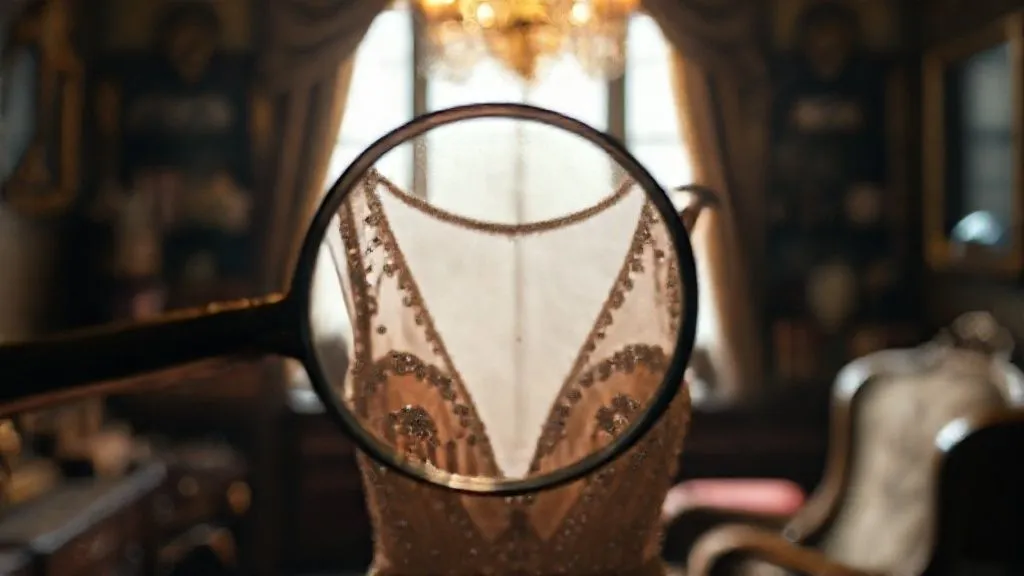
My initial assessment is always the most critical phase. In this case, I performed a meticulous examination under magnification, noting every tear, every loose thread, and every area of fiber fatigue. I then conducted a series of fiber and dye stability tests on inconspicuous areas, like an inside seam. This involved applying a tiny drop of distilled water, a mild pH-neutral detergent solution, and even a faint oxidizing agent to gauge the silk's reaction and dye fastness – a non-negotiable step before any full immersion.
Based on the tests, which showed no immediate dye bleeding but confirmed the silk's fragility, I opted for a complete, controlled immersion cleaning rather than spot treatment alone, as the overall discoloration required it. My philosophy is that sometimes, a thorough, gentle wash is less damaging than repeated spot treatments that can stress localized areas. For this, I prepared a bath of lukewarm (around 70°F/21°C) distilled water with a specialized, pH-neutral conservation detergent, ensuring the water was free from mineral impurities that could cause further discoloration.
- Prepare the Bath: A large, padded basin was lined with a fine mesh screen to support the gown's weight evenly, preventing undue stress on the wet fibers.
- Controlled Immersion: The gown was gently lowered into the solution, allowing the water to slowly penetrate the fabric, avoiding any sudden movements or agitation.
- Gentle Agitation (Minimal): Using gloved hands, I very carefully and lightly 'patted' the fabric in the solution, allowing the detergent to lift the accumulated grime and oils. No rubbing or twisting was permitted.
- Repeat Soaks: The water, which quickly turned murky, was drained and replaced with fresh cleaning solution up to three times until the water remained relatively clear, indicating most soluble soils had been removed.
Addressing the persistent yellowing and underarm stains required a more targeted, yet still incredibly gentle, approach. After the primary washes, I prepared a very dilute solution of a mild, non-chlorine oxygen-based brightener, specifically formulated for antique textiles. This was applied locally with a soft brush to the stained areas, allowing it to dwell for only a minute or two, constantly monitored, before being thoroughly rinsed away with a targeted stream of distilled water.
The rinsing phase for fragile silk is as crucial as the cleaning. The gown was rinsed repeatedly in clean, distilled water until absolutely all traces of detergent and brightener were gone. To dry, it was carefully lifted on its support screen and transferred to a large, flat surface covered with absorbent cotton towels. I rolled the gown gently within the towels to wick away excess moisture, then laid it flat, reshaping it precisely, and allowed it to air dry away from direct heat or sunlight, turning it periodically to ensure even drying.
Once completely dry, the transformation was remarkable. The silk had regained a significant portion of its original creamy white hue, the stains were virtually invisible, and surprisingly, the fibers felt considerably softer and more pliable, less brittle. Post-cleaning, I performed minor, stabilizing repairs on a few loose seams and reattached some delicate lace trim using archival-quality silk thread, ensuring the repairs were reversible and invisible.
This case study underscores a fundamental truth in vintage textile conservation: patience, meticulous testing, and a deep understanding of material science are paramount. The gown was then carefully padded with acid-free tissue and stored in an archival-quality, breathable textile box, ensuring its future preservation. Its revival was not just about aesthetics; it was about extending the life of a cherished family legacy.
In my two decades of handling these precious pieces, I've learned that true preservation isn't just about cleaning; it's about understanding the unique narrative of each fiber and respecting its journey through time. Sometimes, the most fragile pieces hold the strongest stories, and their revival is a testament to the power of careful, informed intervention.
Essential Tools and Resources for Heirloom Silk Care and Preservation
Caring for fragile vintage silk heirlooms is less about luck and more about precision, requiring a curated collection of tools and a deep understanding of their purpose. In my fifteen years of experience, I've seen countless pieces saved – and unfortunately, lost – due to the presence or absence of the right essentials. This isn't just about cleaning; it's about creating an environment of gentle respect for these delicate fibers.First and foremost, you'll need a **pH-neutral, silk-specific cleanser**. This is non-negotiable. Regular detergents are often too alkaline, stripping the natural sericin from the silk fibers, leading to dullness, weakening, and irreversible damage. A common mistake I see is using a "gentle" laundry soap that still contains harsh enzymes or brighteners – these are detrimental to silk's protein structure.
For the actual washing process, a **clean, non-abrasive basin or tub** is essential. I always recommend plastic or enamel; metal basins can sometimes react with water or detergents, potentially leaving stains on your precious silk. Ensure it's large enough for the item to lie flat without crowding, minimizing stress on the fabric.
When it comes to drying, **white, lint-free cotton towels** are your best friend. These are used for gently blotting excess water, never rubbing. Colored towels, even those pre-washed, can transfer dyes, particularly onto light-colored silk. Microfiber can also work, but be wary of its tendency to snag on delicate weaves or embellishments.
Another crucial element, often overlooked, is **distilled water**. Tap water, even filtered, contains minerals and chemicals like chlorine that can leave deposits on silk, leading to yellowing, dullness, or even permanent streaking. For the final rinse, especially, distilled water ensures a pure, residue-free finish, preserving the silk's natural luster.
For garments that can be hung, **padded hangers** are indispensable. These prevent unsightly shoulder bumps and distribute the garment's weight evenly, minimizing stress and distortion. For items that must dry flat, such as heavily embellished or bias-cut pieces, a **clean, flat surface lined with a fresh white towel** provides the necessary support without stretching or creasing.
Transitioning to preservation, **acid-free tissue paper** is paramount. Not just any tissue paper will do; it must be unbuffered archival quality. This paper is used for stuffing sleeves, bodices, and folds to maintain shape, prevent creasing, and act as a barrier against potential acid migration from other materials. It's a small investment that pays dividends in preventing future damage.
The choice of storage container is equally vital. **Acid-free archival storage boxes** are designed to protect your heirlooms from light, dust, pests, and environmental fluctuations. These boxes create a stable microclimate around the textile, crucial for long-term preservation. Never use plastic bins that trap moisture and off-gas chemicals, or regular cardboard boxes which are highly acidic and will degrade silk over time.
"The true value of a vintage silk heirloom lies not just in its beauty, but in its story. Our role as custodians is to ensure that story continues, unmarred by avoidable damage. The right tools are simply extensions of our careful intent."
Finally, know when to call in the experts. A **reputable textile conservator or restorer** is an invaluable resource for items with significant damage, intricate embellishments, or those requiring specialized treatments beyond the scope of home care. They possess the knowledge, tools, and experience to address complex issues, from stain removal to structural repair, ensuring your heirloom's longevity and integrity.
Frequently Asked Questions (FAQ)
Navigating the care of vintage silk heirlooms often brings forth a unique set of questions, even after mastering the foundational cleaning steps. In my fifteen years of experience, I've seen countless enthusiasts approach this delicate task with both admirable intent and, occasionally, preventable missteps. Let's address some of the most frequently asked questions to deepen your understanding and ensure the longevity of your precious textiles.
Can I really wet-clean all types of vintage silk, even if it's very old or seems very fragile?
In short, no, not all vintage silk is suitable for wet cleaning. While the '7 Steps' guide provides a robust framework for many pieces, certain factors can make wet cleaning a significant risk. The primary concerns I always assess are dye stability and the fabric's structural integrity.
-
Dye Stability: Many early dyes, especially those pre-dating the mid-20th century, were not colorfast. A simple water test, as detailed in the cleaning steps, is crucial. If even a hint of color transfers, wet cleaning could lead to irreversible bleeding and ruin the piece.
-
Structural Integrity: Over time, silk fibers can degrade due to exposure to light, pollutants, or improper storage. If the fabric feels brittle, has significant areas of 'shattering' (where the weave is visibly broken), or simply feels extremely thin and weak, the agitation of wet cleaning, even gentle hand washing, could cause further damage. In such cases, professional textile conservation is often the only safe route.
A common mistake I see is an overestimation of a fabric's resilience. When in doubt, always err on the side of caution. A well-preserved piece that is slightly soiled is preferable to a damaged one that was 'clean.'
What are the most common mistakes people make when attempting to clean vintage silk at home?
Having observed countless attempts, several recurring errors stand out. These often stem from a lack of patience or an underestimation of silk's delicate nature, even vintage silk.
-
Aggressive Agitation: Even with a gentle cleanser, scrubbing, twisting, or vigorous squeezing will damage delicate silk fibers. Always treat it like a wet tissue – support its weight and use gentle compression, not friction.
-
Using the Wrong Water Temperature: Hot water can set stains, shrink fibers, and cause dyes to bleed. Always use cool or lukewarm water, consistent throughout the process, to minimize shock to the fibers and dyes.
-
Improper Drying Techniques: Hanging wet silk can cause distortion, stretching, and permanent creasing due to the weight of the water. Laying it flat on a clean, absorbent towel, gently rolled to wick away excess water, is paramount.
-
Skipping the Test Patch: This is non-negotiable. Applying cleanser or water to an inconspicuous area, like an inner seam, allows you to gauge dye stability and fabric reaction without risking the entire garment. Many heartbreaking incidents could have been avoided by this simple step.
My vintage silk piece has a noticeable stain. Should I try to spot clean it, or is a full wash always necessary?
Spot cleaning can be a viable option, but it comes with its own set of risks and considerations. In my experience, a full, controlled immersion wash is often safer for overall cleanliness and to avoid creating water rings, which can sometimes be worse than the original stain.
-
Spot Cleaning Pros: It targets specific areas, reducing overall stress on the fabric. It can be effective for very localized, fresh stains that haven't set.
-
Spot Cleaning Cons: It's notoriously difficult to do without leaving a water mark or ring, especially on older fabrics with varying levels of absorbency. The localized application of a cleaning agent can also interact differently with the dye in that specific area, potentially causing discoloration.
If you must spot clean, always test your chosen method and solution on an hidden area first. Apply the solution sparingly with a cotton swab, working from the outside of the stain inwards to prevent spreading, and then gently blot with a clean, damp cloth. For any significant or old stains, a professional textile conservator's assessment is truly your best bet.
After cleaning, how should I properly store my vintage silk heirloom to ensure its long-term preservation?
Proper storage is just as critical as proper cleaning in preserving your vintage silk. It's the final, crucial step in ensuring your heirloom remains beautiful for generations. I always advise thinking of storage as creating a stable, protective micro-environment for your textile.
Here are the key elements for optimal storage:
-
Acid-Free Materials: This is non-negotiable. Use acid-free tissue paper (unbuffered for protein fibers like silk) to pad folds and prevent creasing. Store items in acid-free archival boxes or garment bags made of breathable cotton or Tyvek. Never use regular cardboard boxes or plastic dry-cleaning bags, which off-gas harmful chemicals and trap moisture.
-
Environment Control: Store your silk in a cool, dark, and dry environment. Avoid attics, basements, or garages where temperature and humidity fluctuate wildly. Ideal conditions are generally between 60-75°F (15-24°C) with 40-55% relative humidity.
-
Minimize Folding Stress: For garments, consider rolling them around an acid-free tube padded with tissue if space allows, or fold them as few times as possible, generously padding each fold with tissue paper to prevent sharp creases that can weaken fibers over time. Rotate the folds every 6-12 months if folded.
-
Pest Prevention: Ensure the storage area is clean and free of pests. Cedar chests are often recommended, but direct contact between cedar and silk can be detrimental; use a barrier. Regular inspection of your stored items is a good practice.
Remember, the goal is to create a stable, gentle environment that protects the silk from environmental damage, physical stress, and chemical degradation. This thoughtful approach ensures your heirloom continues its journey through time.
Can I machine wash vintage silk heirlooms?
The unequivocal answer, in my experience spanning over fifteen years in vintage textile preservation, is a resounding **no**. Machine washing vintage silk heirlooms is a gamble with incredibly high stakes, and the odds are stacked heavily against preserving your cherished piece.A common mistake I see is the assumption that because modern silk can sometimes withstand a gentle machine cycle, vintage silk will too. This simply isn't the case. Time is not kind to natural fibers, and even the most robust silk from yesteryear has undergone significant degradation.
The primary reason for this staunch advice lies in the **mechanical stress** of a washing machine. Even on the gentlest cycle, the agitation and tumbling action are far too aggressive for aged silk fibers. It's akin to putting a delicate antique teacup in a rock tumbler – the outcome is rarely positive.
In my professional opinion, exposing a vintage silk heirloom to a washing machine is a direct path to irreversible damage, ranging from fiber weakening and tearing to dye bleed and structural collapse.
Consider the cumulative effects of decades. Vintage silk often has weakened protein bonds, making it incredibly susceptible to stretching and tearing under the slightest strain. The spin cycle, in particular, exerts immense centrifugal force that can permanently distort the garment's shape or even shred fragile areas like seams and embellishments.
Furthermore, **dye stability** is a critical concern. Many vintage dyes were not formulated with the colorfastness we expect today. The fluctuating water temperatures, even in a "cold" cycle, combined with the sheer volume of water and the friction, can cause dyes to bleed spectacularly, ruining the garment's original colors and potentially staining other parts of the fabric.
Even if you use a mesh bag, which offers only minimal protection, you're still exposing the item to a host of risks:
- Uneven water absorption: Leading to localized stress and potential distortion.
- Harsh detergents: Modern detergents, even "gentle" ones, often contain enzymes or brighteners that can strip the natural luster from silk or cause irreversible yellowing on aged fibers.
- Snagging: Despite a mesh bag, delicate lace, embroidery, or loose threads can still catch on other items or within the machine drum itself.
While some might consider it for a non-heirloom piece that is already in poor condition and they are prepared to lose, I strongly advise against it for anything you value. The risk of shrinkage, color loss, fiber damage, or complete destruction far outweighs any perceived convenience.
Ultimately, the integrity of a vintage silk heirloom is paramount. Its historical value and delicate nature demand a level of care that only **hand washing** or, in some specific cases, **professional dry cleaning by a textile conservator** can provide.
What's the best way to store vintage silk to prevent yellowing?
In my fifteen years working with vintage textiles, few issues cause more distress to collectors than the dreaded yellowing of cherished silk heirlooms. This isn't merely an aesthetic problem; it's a clear indicator of degradation, signalling that your precious item is under stress and its fibers are breaking down. The primary culprits behind yellowing are **oxidation**, **acid migration**, and **light exposure**. Even residual chemicals from improper cleaning can accelerate the process. Our goal in storage, therefore, is to create a controlled environment that meticulously mitigates these factors, preserving the silk's natural lustre and integrity for generations. The absolute cornerstone of effective vintage silk storage is the use of **archival-quality materials**. This means anything that comes into direct contact with your silk must be acid-free and lignin-free. Lignin, a natural polymer in wood pulp, breaks down over time, releasing acids that will inevitably yellow and weaken your silk.- Acid-Free, Lignin-Free Tissue Paper: This is non-negotiable for padding folds and interleaving layers.
- Archival Storage Boxes: Made from acid-free, buffered corrugated board or inert polypropylene, these provide physical protection and a stable micro-environment.
- Padded Hangers (if hanging): For items like slips or robes that benefit from hanging, use well-padded, fabric-covered hangers, ensuring the fabric is unbleached cotton or another inert material. Never use raw wood or wire.
- Unbleached Cotton Garment Bags: If hanging, a breathable cotton bag allows air circulation while protecting from dust and light. Avoid plastic dry-cleaning bags at all costs.
- Store your silk in a **cool, dark, and dry place**.
- Maintain a stable temperature, ideally between **65-75°F (18-24°C)**.
- Keep relative humidity between **40-50%**. Too high and you invite mold; too low, and fibers become brittle.
- **Avoid attics, basements, and garages**. These areas are notorious for temperature and humidity swings, and often harbor pests.
- Ensure the storage area is **dark**, shielding items from both natural and artificial UV light.
If folding, always ensure your hands are clean and dry. Use a soft, flat surface. Pad every fold with **acid-free tissue paper** to prevent sharp creases that can permanently weaken the fibers. For multiple items in one box, interleave each piece with a generous layer of tissue paper to prevent dye transfer and friction.
A common mistake I see, even among seasoned collectors, is storing vintage silk in ordinary plastic garment bags or sealed plastic bins. While seemingly protective, these non-breathable plastics can trap moisture, leading to mildew, and many plastics off-gas chemicals that will actively degrade and yellow your silk over time."The true artistry of preserving vintage silk lies not just in its initial cleaning, but in creating an enduring, protective sanctuary for it. Prevention is always the best cure for yellowing."Finally, make it a practice to **periodically inspect your stored silks**, perhaps once every 6-12 months. This allows you to check for any signs of yellowing, pest activity, or environmental issues before they become irreversible. With the right materials and a vigilant approach, you can ensure your exquisite vintage silks retain their pristine beauty for many decades to come.
When should I consult a professional textile conservator for my silk heirloom?
While the allure of personally caring for a vintage silk heirloom is strong, knowing when to step back and seek professional help is perhaps the most crucial lesson in preservation. In my fifteen years of working with these delicate treasures, I've seen countless instances where well-intentioned DIY efforts have inadvertently caused irreversible damage.
A common mistake I see is underestimating the cumulative effect of age on silk fibers. Even seemingly robust silks can harbor hidden weaknesses. Here are the definitive indicators that it's time to consult a professional textile conservator:
-
Extreme Fragility or Deterioration: If the silk feels brittle, stiff, or "shatters" when gently manipulated, it's experiencing dry rot or significant fiber degradation. This isn't just a matter of cleaning; it's about stabilizing the very structure of the fabric. Attempting to clean such an item at home will almost certainly cause irreparable tearing or disintegration.
-
Complex or Unknown Stains: Old, set-in stains, especially those of unknown origin, require specialized chemical knowledge. Protein stains (like blood or food), oil-based marks, or rust spots can be notoriously difficult to remove without damaging the delicate silk fibers or dyes. A conservator will identify the stain type and use targeted, gentle methods, often involving micro-suction or localized treatments, that are simply not feasible for home application.
-
Intricate Embellishments or Mixed Media: Heirlooms featuring delicate beading, sequins, metallic embroidery, hand-painted details, or lace overlays present a complex challenge. The cleaning process suitable for the silk might be entirely inappropriate for the embellishments, leading to detachment, tarnishing, or color bleed. A professional understands the interaction of different materials and will choose a method that respects all components.
-
Dye Instability or Bleeding Concerns: If you suspect the dyes in your silk might not be colorfast, or if the item features multiple, contrasting colors, professional intervention is paramount. A conservator performs meticulous spot tests in inconspicuous areas to assess dye stability, a critical step to prevent irreversible bleeding that can ruin an heirloom.
-
Significant Historical or Monetary Value: For items of high historical significance, museum quality, or substantial monetary value, the stakes are simply too high for experimentation. A professional conservator provides not only expert cleaning and stabilization but also a documented record of the item's condition and treatment, which can add to its provenance and value.
-
Existing Damage or Amateur Repairs: If your silk heirloom already has tears, weak seams, or previous repairs (especially those done with non-archival materials like sticky tape or household glues), cleaning can exacerbate these issues. A conservator can stabilize these fragile areas *before* any cleaning takes place, preventing further degradation during the process.
Ultimately, if you feel even a flicker of doubt, if the thought of touching it fills you with dread, that's your intuition telling you to seek expert help. As the adage goes, 'First, do no harm.' This applies profoundly to irreplaceable textiles.
Consulting a professional isn't an admission of defeat; it's an act of profound respect for the heirloom's longevity and historical integrity. They possess the specialized knowledge, equipment, and archival materials to ensure your silk is not only clean but also preserved for generations to come.
Reading Recommendations:
- 7 Elite Strategies: Acquire Exclusive Clientele for Haute Couture
- AR Revolution: How is AR Changing Fashion Retail Now? The Future!
- Cracking the Teen Code: 7 Steps to Forecast Volatile Fashion Trends
- Unleash Your Potential: How Compression Clothing Enhances Athletic Performance
- The Secret to Soothing Comfort: How to Choose Newborn Clothes for Sensitive Skin
Key Points and Final Thoughts
Ultimately, the journey of cleaning and preserving a vintage silk heirloom is one of profound respect and meticulous attention. These aren't merely garments; they are tangible threads connecting us to the past, each with its own story and inherent fragility.
In my over fifteen years in this niche, I've observed that the most successful preservationists approach each piece not as a chore, but as a delicate negotiation with time and material.
The absolute cornerstone of any successful vintage textile care regime is patience. Rushing through any step, from pre-treatment assessment to final drying, significantly escalates the risk of irreversible damage.
Think of yourself as a textile archaeologist: every fiber, every stitch, every discoloration holds clues that inform your next move. Observe, plan, then act with a gentle, deliberate hand.
A common, and often catastrophic, mistake I frequently encounter is the omission of a proper patch test. This isn't an optional step; it's your early warning system against dye bleed, fiber degradation, or unexpected chemical reactions.
I once consulted on a case where a client, eager to wear a 1920s flapper dress, skipped this vital step. The result was a beautiful, but now mottled, garment where the vibrant emerald green bled into the delicate ivory, rendering it unwearable for its intended event.
Beyond the actual cleaning, the stages of drying and subsequent storage are equally paramount for the longevity of your silk. Improper drying can lead to mildew, weakening of fibers, or permanent creasing.
Consider these often-underestimated factors:
- Air Circulation: Ensure ample, gentle airflow during drying to prevent moisture traps.
- Support: Never hang wet vintage silk; the weight of the water can cause stretching or tearing. Lay flat on a clean, absorbent surface, turning periodically.
- Environmental Control: For long-term storage, stable temperature and humidity are non-negotiable. Fluctuations are the enemy of delicate fibers.
While a DIY approach can be incredibly rewarding, it's crucial to recognize when a piece demands professional intervention. If the silk is severely degraded, heavily stained with unknown substances, or exceptionally delicate (e.g., certain antique laces), it's always wise to consult a specialized textile conservator.
Their expertise and specialized equipment can often achieve results that are simply beyond the scope of home care, safeguarding the heirloom for future generations.
The true art of vintage silk preservation lies not in the ability to erase every trace of time, but in the wisdom to stabilize its beauty, honor its history, and ensure its continued existence as a cherished artifact. It's a dialogue with the past, whispered through the threads.
Embrace this responsibility with confidence and care. Each successful cleaning and preservation effort not only saves a beautiful object but also enriches our collective understanding of fashion history and craftsmanship.
Your dedication ensures these exquisite pieces continue to tell their stories, gracefully bridging centuries.

Your email address will not be published. Required fields are marked *