


How Does Compression Clothing Enhance Athletic Performance?
Have you ever watched elite athletes, seemingly effortlessly pushing their limits, and wondered if there's a secret to their sustained power and rapid recovery? Beyond rigorous training and meticulous nutrition, many professionals swear by a seemingly simple garment: compression clothing. But is it just a trend, or does it genuinely offer a tangible edge?
For years, the use of compression gear in sports has been met with a mix of enthusiasm and skepticism. Athletes report feeling stronger, recovering faster, and performing better, yet the precise mechanisms behind these claims often remain a mystery to the average enthusiast. This leads to the fundamental question: what exactly does this specialized apparel do to warrant its widespread adoption?
This comprehensive guide will demystify the science and practical benefits of compression clothing. By the end of this reading, you will understand the intricate ways these garments interact with your physiology, from improving blood flow to reducing muscle oscillation, ultimately revealing precisely how compression clothing enhances athletic performance and how you can leverage it for your own fitness journey.
The Science Behind Compression: More Than Just Tight Fabric
At its core, compression clothing works by applying precise, graduated pressure to the body. This isn't just about tightness; it's a strategically engineered pressure gradient that plays a crucial role in physiological responses.
Understanding Graduated Compression
Most effective compression garments utilize what's known as graduated compression. This means the pressure is highest farthest from the heart (e.g., at the ankle for socks, or the wrist for arm sleeves) and gradually decreases as it moves closer to the heart. This design is critical for promoting efficient blood flow back towards the heart, counteracting the effects of gravity.
This targeted pressure helps to support the venous system, aiding veins in pushing deoxygenated blood and metabolic waste products back up to the heart and lungs for re-oxygenation and clearance. Without this gradient, a uniform tightness might impede circulation rather than assist it.
The Role of Pressure on Blood Flow
The external pressure from compression garments helps to narrow the diameter of superficial veins, increasing the velocity of blood flow. This enhanced circulation is vital for both performance and recovery. During exercise, improved blood flow means more oxygen and nutrients are delivered to working muscles more efficiently.
Post-exercise, this same mechanism helps to flush out metabolic byproducts like lactic acid, which contribute to fatigue and soreness. It's a continuous, beneficial cycle that supports the body's natural systems.
Proprioception and Muscle Awareness
Beyond circulatory benefits, compression clothing also significantly impacts proprioception – your body's awareness of its position and movement in space. The constant, gentle pressure on the skin and underlying tissues stimulates sensory receptors.
This heightened sensory feedback can lead to improved balance, coordination, and more efficient movement patterns. Athletes often report feeling more 'locked in' or stable, which can translate to better form and reduced risk of awkward movements that lead to injury. This enhanced awareness helps muscles fire more synchronously, optimizing performance.
Direct Performance Benefits During Exercise
While often associated with recovery, compression clothing offers tangible advantages that directly impact performance during physical activity. These benefits contribute to an athlete's ability to maintain intensity and precision.
Enhanced Blood Circulation and Oxygen Delivery
As previously discussed, compression aids in venous return, which means more oxygen-rich blood reaches the muscles. This improved oxygen delivery is paramount for aerobic performance, allowing muscles to work harder and longer before succumbing to fatigue.
A more efficient circulatory system means less energy is expended on maintaining blood flow, leaving more resources for the actual physical exertion. This can be particularly beneficial in endurance sports where sustained effort is key.
Reduced Muscle Oscillation and Vibration
One of the less obvious, yet significant, benefits of compression is its ability to reduce muscle oscillation, or the unwanted movement and vibration of muscles during high-impact activities like running or jumping. When muscles vibrate excessively, it can lead to microscopic tears and increased fatigue.
By snugly encasing the muscles, compression garments act like a second skin, dampening these vibrations. This stabilization not only helps to preserve muscle integrity but also contributes to more efficient force production. Research indicates that reducing muscle oscillation can delay the onset of fatigue and improve biomechanical efficiency. For more detailed insights into this phenomenon, you can explore scientific studies on muscle biomechanics and performance here.
Improved Power and Endurance Output
The combined effects of enhanced blood flow, reduced muscle vibration, and improved proprioception can collectively lead to gains in both power and endurance. Athletes may experience a perceived increase in strength due to better muscle alignment and reduced energy waste.
For instance, in activities requiring explosive power, the stability offered by compression can ensure that force is directed more efficiently. For endurance, the delayed fatigue and improved oxygenation allow athletes to maintain a higher output for longer periods, pushing their limits further.
Accelerating Recovery and Minimizing Soreness
Perhaps the most widely recognized benefit of compression clothing is its role in post-exercise recovery. This is where the garments truly shine, helping athletes bounce back faster and reduce the dreaded Delayed Onset Muscle Soreness (DOMS).
Lactic Acid Removal and Toxin Clearance
During intense exercise, muscles produce metabolic byproducts, including lactic acid, which can accumulate and contribute to fatigue and soreness. Compression garments, by enhancing blood flow, help to accelerate the removal of these waste products from the muscle tissues.
The increased pressure aids the lymphatic system in clearing fluid and toxins, ensuring a quicker return to a balanced physiological state. This 'flushing' action is crucial for reducing the duration and intensity of post-workout discomfort.
Decreased Delayed Onset Muscle Soreness (DOMS)
DOMS is a common phenomenon characterized by muscle pain, stiffness, and tenderness that typically peaks 24-72 hours after unaccustomed or intense exercise. It's caused by microscopic damage to muscle fibers.
Compression clothing helps to mitigate DOMS by reducing swelling and inflammation in the affected muscles. The sustained pressure helps to minimize the fluid accumulation that contributes to swelling, thereby alleviating pressure on nerve endings and reducing the perception of pain. Many athletes report a noticeable reduction in the severity and duration of their muscle soreness when consistently using compression gear.
Managing Swelling and Inflammation
Post-exercise swelling is a natural response to muscle exertion and micro-trauma. While some inflammation is necessary for repair, excessive swelling can impede recovery and cause discomfort. Compression garments provide external pressure that helps to contain this swelling, preventing excessive fluid buildup in the tissues.
This controlled environment allows the body's natural healing processes to proceed more efficiently, reducing the overall recovery time. By managing inflammation effectively, compression supports faster tissue repair and regeneration.
Injury Prevention and Support
Beyond performance and recovery, compression clothing also plays a significant role in injury prevention, offering support and protection to vulnerable areas during strenuous activity.
Stabilizing Joints and Muscles
The snug fit of compression garments provides a degree of external support to muscles and joints. While not a substitute for proper joint support like braces for serious injuries, they can offer a subtle stabilizing effect that helps to keep muscles aligned and prevent excessive movement.
This stabilization can be particularly beneficial for muscles that are prone to strain, such as hamstrings or calves, especially during repetitive or high-impact movements. By keeping muscles 'packed' together, they are less likely to overextend or tear.
Reducing Risk of Strain and Pulls
By reducing muscle oscillation and providing gentle support, compression clothing can help to minimize the risk of muscle strains and pulls. When muscles are well-supported and their vibrations are dampened, they are less susceptible to the micro-traumas that can escalate into more significant injuries.
This is especially pertinent in sports involving sudden accelerations, decelerations, and changes in direction, where muscles are subjected to rapid stretching and contracting forces. The consistent pressure helps maintain muscle integrity under stress.
Thermal Regulation and Skin Protection
Many modern compression garments are made from advanced moisture-wicking fabrics that help to regulate body temperature. They draw sweat away from the skin, promoting evaporation and keeping the athlete cool in warm conditions, or providing an insulating layer in colder environments.
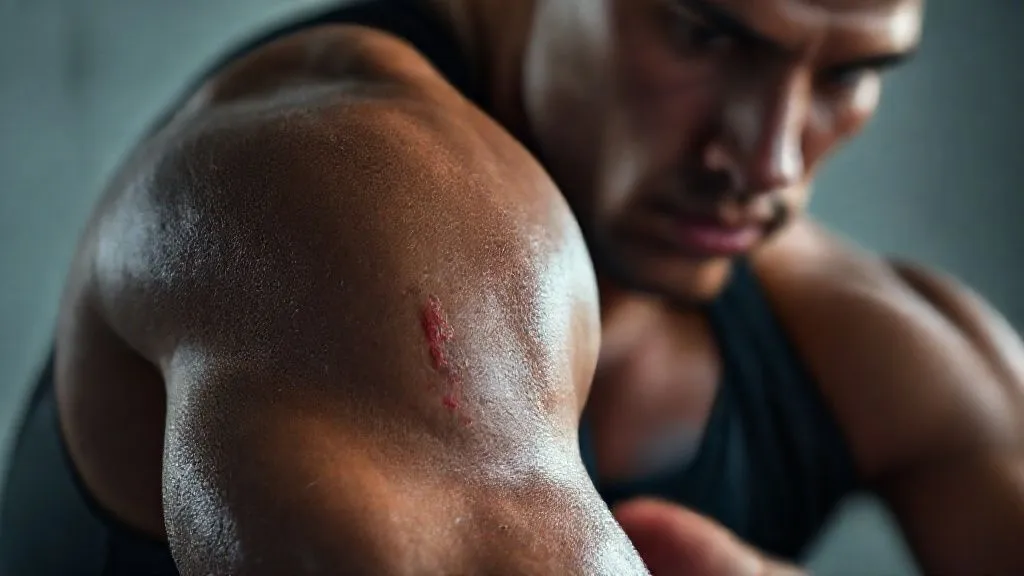
Additionally, wearing compression clothing can provide a layer of protection against scrapes, abrasions, and UV radiation, especially for outdoor activities. This dual benefit of thermal comfort and physical protection adds another layer to their utility in athletic pursuits.
Choosing the Right Compression Gear: A Practical Guide
With a myriad of options available, selecting the appropriate compression clothing can seem daunting. However, understanding a few key factors can ensure you pick gear that truly benefits your athletic endeavors.
Material Matters: Fabric Blends and Breathability
The effectiveness and comfort of compression clothing largely depend on the materials used. Most high-quality compression garments are made from a blend of nylon, polyester, and spandex (or elastane). The spandex content is crucial as it provides the necessary stretch and compression properties.
Look for fabrics that are moisture-wicking and breathable to keep you dry and comfortable during intense workouts. Some advanced fabrics also offer anti-microbial properties to prevent odor buildup. Durability is also a key consideration, as these garments need to withstand repeated washing and stretching.
Fit is King: Sizing and Compression Levels
The most critical aspect of compression clothing is the fit. It needs to be snug enough to apply the necessary pressure without being uncomfortably tight or restrictive. A garment that is too loose won't provide adequate compression, while one that is too tight can impede circulation or cause discomfort.
Always refer to the manufacturer's sizing chart, and if in doubt, it's often better to size down slightly if you are between sizes, as the fabric will stretch with wear. Compression levels are often measured in mmHg (millimeters of mercury), similar to medical compression. For athletic use, levels typically range from 15-30 mmHg, with higher numbers indicating greater compression.
Specific Garments for Specific Needs (Socks, Sleeves, Tights)
- Compression Socks: Ideal for lower leg recovery, reducing calf soreness, and preventing shin splints. Excellent for long-distance runners or travelers.
- Compression Sleeves (Calf, Arm, Elbow, Knee): Target specific muscle groups or joints for localized support and recovery. Useful for athletes with recurrent issues in a particular area.
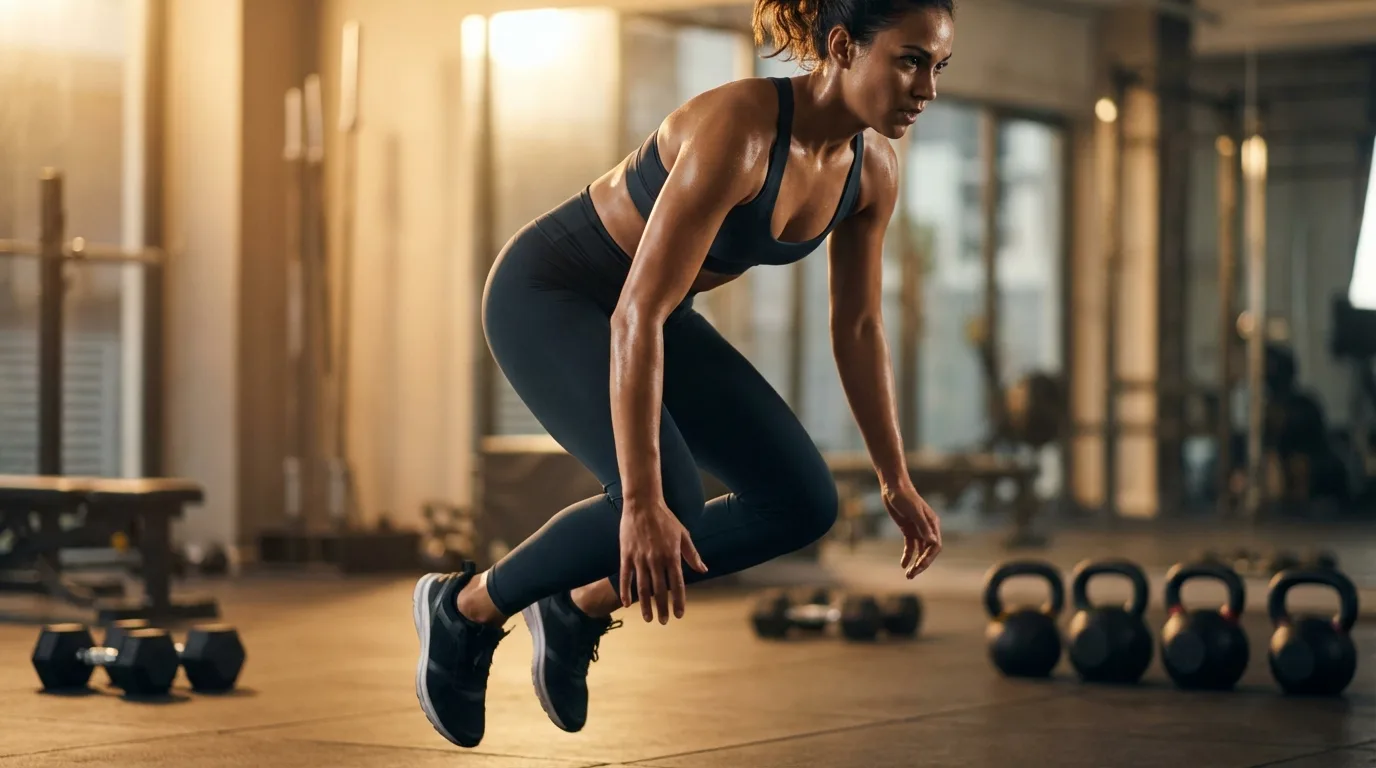
- Compression Tights/Pants: Offer comprehensive support for the entire lower body, beneficial for squats, running, and cycling. They help stabilize quads, hamstrings, and glutes.
- Compression Tops/Shirts: Provide upper body support, reduce muscle oscillation in the chest and back, and can improve posture during activity.
Consider the specific activity and your personal needs when choosing which garments to invest in. Many athletes mix and match based on their training regimen.
Common Misconceptions and Best Practices
Despite its proven benefits, compression clothing isn't a magic bullet and should be used strategically. Understanding its limitations and best practices will maximize its effectiveness.
It's Not a Magic Bullet: Complementing Training
While compression clothing can certainly enhance athletic performance and aid recovery, it is not a substitute for proper training, nutrition, or rest. It's a tool to complement a holistic approach to athletic development, not a shortcut to success.
Relying solely on compression without addressing fundamental aspects of training and recovery will yield minimal results. Think of it as an amplifier for your efforts, not a replacement for them.
When and How Long to Wear Compression
The optimal time to wear compression clothing depends on your goals:
- During Exercise: For performance benefits like reduced muscle oscillation and improved blood flow.
- Immediately Post-Exercise: For active recovery, aiding in lactic acid removal and reducing DOMS. Experts suggest wearing it for 2-4 hours post-workout, or even overnight if comfortable. For more detailed guidelines on post-exercise recovery, you might consult resources like those provided by Mayo Clinic Sports Medicine.
- Travel: To prevent swelling and improve circulation during long periods of sitting.
There's no strict rule for how long to wear them, but generally, the most significant benefits are seen in the immediate post-exercise window. Prolonged wear when not exercising or recovering might offer diminishing returns.
Cleaning and Care for Longevity
To maintain the elasticity and effectiveness of your compression garments, proper care is essential. Always follow the manufacturer's washing instructions, which typically recommend:
- Washing in cold water.
- Using a mild detergent.
- Air drying or tumble drying on low heat (high heat can damage elastic fibers).
- Avoiding bleach and fabric softeners, as they can degrade the material.
Proper care ensures your investment in compression clothing continues to support your athletic performance for a long time.
Real-World Impact: Testimonials and Studies
The efficacy of compression clothing isn't just theoretical; it's supported by both anecdotal evidence from athletes and a growing body of scientific research.
Anecdotal Evidence from Elite Athletes
Walk into any professional sports locker room, and you'll likely see athletes donning compression gear before, during, or after training and competition. From marathon runners to basketball players and weightlifters, many credit compression with helping them recover faster and feel more prepared for their next session.
These personal accounts, while not scientific proof, highlight the perceived benefits and comfort that athletes experience, often making compression wear an indispensable part of their routine.
Clinical Research Supporting Claims
Scientific studies have increasingly validated many of the claims surrounding compression clothing. Research has shown its positive impact on various physiological markers, including:
- Reduced muscle oscillation and damage.
- Improved perceived exertion and muscle soreness.
- Enhanced blood lactate removal post-exercise.
- Modest improvements in power output and endurance in certain contexts.
While the degree of benefit can vary based on the individual, the type of exercise, and the specific garment, the overall consensus in sports science points to compression clothing as a valuable tool in an athlete's arsenal. For a deeper dive into the medical and athletic applications of compression, you can refer to Wikipedia's detailed overview of compression garments.
Frequently Asked Questions (FAQ)
Is compression clothing only for elite athletes? No, compression clothing offers benefits for athletes of all levels, from casual fitness enthusiasts to professional competitors. Anyone looking to improve recovery, reduce soreness, or gain a slight performance edge can benefit.
Can I wear compression clothing all day? While generally safe, it's typically recommended to wear compression clothing during or immediately after exercise, or for specific purposes like long travel. Wearing it all day isn't harmful but might not offer additional benefits beyond the targeted recovery window. Consult a healthcare professional if you have underlying circulatory conditions.
How do I know if my compression clothing fits correctly? It should feel snug and supportive, like a second skin, but not uncomfortably tight or restrictive. There should be no pinching, digging, or excessive wrinkling. Refer to the manufacturer's sizing chart, and if unsure, try it on.
Does compression clothing make you warmer? Modern compression fabrics are designed to be breathable and moisture-wicking, helping to regulate body temperature. While they provide a layer of fabric, they are engineered to prevent overheating in warm conditions and offer a slight insulating effect in cooler ones.
Is there a difference between medical and athletic compression? Yes, medical compression garments (e.g., for DVT prevention or lymphedema) have higher, more precise mmHg ratings and are prescribed by doctors. Athletic compression typically has lower mmHg ratings and is designed for performance, recovery, and comfort during movement.
Recommended Reading
- Apple Picking Perfection: Best Fall Accessories for Your Outfit
- Unlocking Feminine Style: The Essential Characteristics You Need to Know
- Unlock the Secret: How to Translate Jewelry Sketches into Stunning 3D Designs
- Clean Suede Shoes Like a Pro: Avoid Ruining Them! Here's How
- Unlock the Secret: How to Safely Wash Your Conductive Fabric Clothing
Conclusion
In conclusion, the question of how does compression clothing enhance athletic performance is answered not by a single magical effect, but by a synergistic combination of physiological benefits. From optimizing blood circulation and reducing muscle oscillation during activity to accelerating recovery by flushing out metabolic waste and mitigating soreness post-exercise, these garments offer a tangible advantage.
While not a substitute for disciplined training and proper rest, compression clothing serves as a powerful complementary tool, enabling athletes to push harder, recover faster, and ultimately unlock their full potential. By understanding the science and applying best practices, you can effectively integrate compression gear into your routine and experience the benefits for yourself, taking your athletic endeavors to the next level.



Your email address will not be published. Required fields are marked *