

What to Do When a Bespoke Client Rejects Final Garment Delivery?
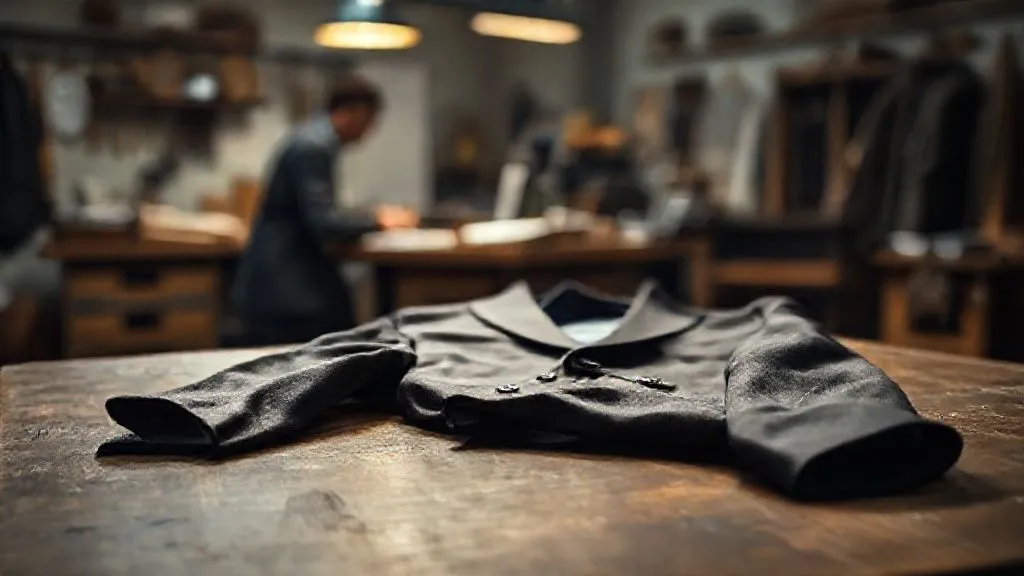
For over two decades in the rarefied world of luxury bespoke tailoring, I've witnessed the profound joy of a client seeing their vision brought to life – and the equally profound disappointment when a final garment, meticulously crafted, is met with rejection. It's a gut-wrenching experience, a blow to your craftsmanship, your reputation, and often, your bottom line. I vividly recall an early career incident where a client, despite multiple fittings, suddenly declared a fully hand-canvassed overcoat 'not what they envisioned' at the point of final delivery. The shock was immense, the financial implications daunting, and the emotional toll significant.
This scenario, while rare in truly bespoke relationships, is a bespoke tailor's nightmare. It’s not just about a lost sale; it’s about a damaged relationship, potential negative word-of-mouth in a tight-knit luxury market, and the immense investment of time, skill, and precious materials. The bespoke journey is deeply personal, and a rejection feels like a personal failure, leaving many artisans scrambling for a solution, often without a clear roadmap.
But rejection, even in its most challenging forms, is not the end. It's a critical juncture that, if navigated correctly, can actually strengthen your brand and client relationships. In this definitive guide, I will share the actionable frameworks, real-world insights, and expert strategies I've honed over years to effectively address client garment rejection, transform challenging situations into opportunities for service recovery, and fortify your bespoke business against future pitfalls. You'll learn not just what to do when bespoke client rejects final garment delivery, but how to emerge stronger.
The Initial Shock: Navigating the Immediate Aftermath of Rejection
The moment a client expresses dissatisfaction, especially after the final fitting, can feel like a punch to the gut. Your first instinct might be defensiveness, or perhaps even despair. However, how you react in these initial moments sets the tone for the entire resolution process. Professionalism and a calm demeanor are paramount.
Step 1: Listen Actively and Without Interruption
The most critical first step is to create a safe space for the client to articulate their concerns fully. Schedule a private, calm meeting – ideally in person – where distractions are minimized. Avoid any accusations or immediate justifications. Your role here is purely to listen and absorb.
- Schedule a Calm Meeting: Suggest a dedicated time and place, free from the rush of a typical delivery appointment. This signals respect for their concerns.
- Let Them Speak Fully: Allow the client to express every detail of their dissatisfaction without interruption. Sometimes, simply feeling heard is half the battle.
- Take Meticulous Notes: Document every complaint, specific detail, and emotional nuance. This isn't just for your records; it shows the client you're taking their feedback seriously.
- Empathize and Validate: Use phrases like, 'I understand this is frustrating,' or 'I hear your concern about the drape.' Validate their feelings, even if you don't yet agree with their assessment of the garment.

Step 2: Document Everything Meticulously
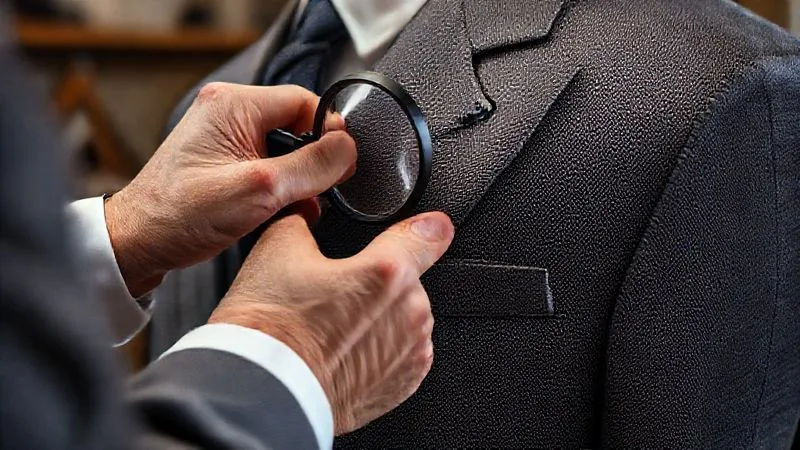
Beyond listening, rigorous documentation is your best friend. This includes not just their verbal feedback but also photographic evidence, email correspondence, and notes from all previous fittings. This creates an objective record that can be invaluable in diagnosing the problem and protecting your business.
Ensure you have detailed notes from every consultation and fitting, including any changes requested or approved. Take high-resolution photographic evidence of the garment as delivered, highlighting the areas of concern as pointed out by the client. Maintain comprehensive communication logs of all interactions, whether in person, via email, or phone. This body of evidence is crucial when considering what to do when bespoke client rejects final garment delivery, acting as both a diagnostic tool and a contractual safeguard.
Diagnosing the Root Cause: Fit, Fabric, or Expectation Mismatch?
Once you've listened and documented, the next crucial step is to pinpoint the exact reason for the rejection. It's rarely a simple 'it's wrong.' Often, it's a complex interplay of factors, and a skilled bespoke artisan must become a detective, sifting through layers of feedback to uncover the true issue. Is it a tangible flaw in craftsmanship, or a subjective shift in the client's perception?
Common Causes of Bespoke Garment Rejection
Understanding these common pitfalls is key to effective resolution:
- Major Fit Issues: Discrepancies in measurements that lead to significant discomfort or an unflattering silhouette, despite previous fittings. This could be due to an error in cutting or a sudden, uncommunicated change in the client's body.
- Minor Fit & Aesthetic Preferences: Small adjustments like sleeve length, jacket waist suppression, or trouser break that the client now perceives differently than at the final fitting. These are often subjective.
- Fabric Perception Discrepancy: The client might have expected the fabric to drape or feel differently in a finished garment than it did as a swatch.
- Style Misinterpretation: A fundamental disagreement on the aesthetic outcome, perhaps due to a lack of clarity in the initial design brief or a client's evolving taste.
- Communication Breakdown: Misunderstandings during the consultation or fitting process that led to a garment not aligning with the client's true desires, even if all instructions were followed.
- Client's Changing Mind: The client might have seen a new trend or simply had a change of heart after the design was finalized and construction began. This is particularly challenging in bespoke.
- Unforeseen Body Changes: Weight fluctuations or posture shifts between fittings and final delivery can render a perfectly tailored garment ill-fitting.
- External Influences: Feedback from a spouse, friend, or business associate that sways the client's initial satisfaction.
The most expensive garment is the one that never leaves the closet because it doesn't feel right. This 'feeling right' is often subjective and can shift even after a garment is complete.
Crafting a Resolution Strategy: Your Options and Their Implications
Once the root cause is identified, you can formulate a strategic response. Your goal should always be to find a mutually agreeable solution that preserves the client relationship and upholds your brand's integrity. There are generally three main avenues, each with its own implications.
Option 1: Minor Alterations and Re-fitting
This is often the most straightforward and cost-effective solution for issues related to minor fit adjustments or subtle aesthetic preferences. It demonstrates your commitment to perfection and customer satisfaction without necessitating a complete overhaul.
- Identify Specific Points: Based on your notes and the client's feedback, pinpoint the exact areas requiring adjustment (e.g., 'shorten sleeves by 0.5 inch,' 'take in waist by 1 inch').
- Propose Precise Adjustments: Clearly articulate the proposed changes and explain how they will address the client's concerns. Ensure they understand the limitations of minor alterations.
- Re-schedule Fitting: Conduct a new fitting after alterations. This is crucial to ensure the changes meet their approval.
- Document Approval: Once satisfied, obtain explicit written or verbal (recorded) approval from the client that the garment is now acceptable.
Option 2: Partial or Full Remake
For significant fit issues, fundamental style disagreements, or when the client's expectations have shifted dramatically, a partial or full remake might be necessary. This is a substantial investment of time and resources, and careful consideration of who bears the cost is critical.
A full remake is a rare and extreme measure, usually reserved for situations where the garment is fundamentally flawed due to the tailor's error, or where the client's requirements were completely misunderstood. Partial remakes, such as recutting a jacket front or trousers, are more common. Discuss cost-sharing transparently, especially if the fault lies partially with the client (e.g., uncommunicated body changes, changing their mind on a design element after approval). Be clear about the extended timeline this will entail, as bespoke craftsmanship cannot be rushed. The aim here is to ensure client goodwill, even at a significant cost to your atelier, as the long-term value of a loyal client often outweighs the short-term loss.
Case Study: The Silk Gown Redesign
A client rejected a bespoke silk evening gown due to a complete misunderstanding of the silhouette, despite multiple fittings. I discovered the client had seen a new trend after our final design approval, which drastically altered her desired look. Rather than lose the client and face negative feedback, I offered a 50% remake cost, reusing some fabric where possible, and absorbed the other 50%. This rebuilt trust and led to two more commissions from her network, demonstrating the power of compromise and exceptional service recovery. The initial financial hit was easily offset by the subsequent business and reinforced brand loyalty.
Option 3: Refund or Store Credit (Last Resort)
When all other avenues fail, or if the relationship has deteriorated beyond repair, offering a refund or store credit may be the only viable option. This should be a last resort, as it represents a significant financial loss and a clear acknowledgment of a failed commission.
Before offering a refund, review your contractual agreements thoroughly. Understanding the legal aspects and consumer rights regarding bespoke goods is essential. In bespoke, where a product is custom-made and cannot be resold, the legal landscape can be complex. Always refer to your signed contracts and policies regarding deposits, cancellations, and returns. For more insights into bespoke contracts, you can consult resources like ContractsCounsel.
| Resolution Strategy | Pros | Cons | Client Impact |
|---|---|---|---|
| Minor Alterations | Cost-effective, quick, preserves original design intent | May not address fundamental issues | High satisfaction if successful |
| Partial/Full Remake | Addresses major issues, rebuilds trust | High cost, extended timeline, potential for client fatigue | High satisfaction if successful, but requires patience |
| Refund/Credit | Clean break, avoids prolonged conflict | Significant financial loss, reputational risk if handled poorly | Neutral to negative, but avoids escalation |
Communication is Key: Rebuilding Trust and Managing Expectations
Regardless of the chosen resolution path, transparent, consistent, and empathetic communication is the bedrock of successful service recovery. It's not just about what you do, but how you communicate it.
Transparent Dialogue and Timely Updates
Keep the client informed at every stage of the resolution process. Set realistic timelines for alterations or remakes and adhere to them. Proactive updates, even if they're just to say 'we're still working on it, and it's on schedule,' can significantly reduce client anxiety. As a Forbes article on customer service highlights, proactive communication builds trust and manages expectations effectively.
The Power of Empathy and Professionalism
Maintain a professional demeanor at all times, even if the client is emotional or unreasonable. Empathy doesn't mean agreeing with their every complaint, but acknowledging their feelings. Focus on finding a solution, not assigning blame. This approach reinforces your brand's commitment to excellence and client satisfaction.
A client's dissatisfaction isn't a personal attack; it's feedback demanding a professional response. How you manage this feedback defines your brand's true character in the luxury market.
Legal and Contractual Considerations: Protecting Your Business
In the luxury bespoke sector, clear contracts are not just good practice; they are essential. They protect both the client and your business, especially when a bespoke client rejects final garment delivery. A well-drafted contract can prevent many disputes from escalating.
Clear Terms and Conditions
Your contract should meticulously outline every aspect of the bespoke process. This includes:
- Deposit Policies: Clearly state the non-refundable nature of deposits, especially for custom materials.
- Alteration Limits: Define what constitutes 'minor' versus 'major' alterations and who bears the cost in each scenario.
- Cancellation Clauses: Outline the consequences of client cancellation at various stages of the process.
- Dispute Resolution: Specify the process for resolving disagreements, whether through mediation or arbitration.
- Approval Sign-offs: Require client signatures at key stages, such as design approval, fabric selection, and final fitting.
Documentation as Your Shield
Every interaction, every decision, and every fitting should be meticulously documented. This includes signed agreements for initial designs and any subsequent changes, detailed fitting notes with client feedback and agreed adjustments, and comprehensive email correspondence. This paper trail acts as your legal defense, providing objective evidence of the bespoke journey and mutual agreements. As the Harvard Business Review emphasizes, well-crafted contracts and thorough documentation are cornerstones of strong business relationships.
Prevention is Better Than Cure: Strategies to Minimize Future Rejections
While handling rejections gracefully is crucial, the ultimate goal is to minimize their occurrence. Proactive measures, deeply embedded in your bespoke process, can significantly reduce the likelihood of a bespoke client rejecting final garment delivery.
Enhanced Consultation and Design Phase
The foundation of a successful bespoke commission is laid during the initial consultation. Invest heavily in this stage:
- Detailed Client Profiles: Go beyond measurements. Understand their lifestyle, profession, aesthetic preferences, and how they envision wearing the garment.
- Visual Aids: Utilize mood boards, sketches, 3D renderings, and extensive fabric swatches. Help them visualize the final product as accurately as possible.
- Manage Expectations: Be upfront about the limitations of certain fabrics or designs. Educate them on the nuances of bespoke tailoring versus off-the-rack.
- Co-creation, Not Just Commission: Involve the client deeply in the design process, making them feel like a partner.

Rigorous Fitting Process
Fittings are your checkpoints, your opportunities to refine and confirm. They are not merely about taking measurements but about ensuring the client's vision is aligning with the garment's evolution.
- Multiple Fittings: Never rush this. Two to three fittings (baste, forward, final) are standard for complex garments. More if needed.
- Varying Poses: Ask the client to move, sit, and raise their arms during fittings. A garment must fit well in motion, not just standing still.
- Client Feedback Loops: Actively solicit feedback at each fitting. Ask specific questions: 'How does this feel here?' 'Does this drape as you expected?'
- Final Approval Sign-off: Before the garment is taken away, conduct a meticulous final fitting. Once the client is fully satisfied, have them sign an acceptance form, acknowledging the garment meets their specifications.
Internal Quality Control Checkpoints
Even with the best client communication, internal quality control is paramount. Implement rigorous checks at every stage of production within your atelier. This includes fabric inspection, pattern accuracy verification, interlining application, and stitching quality. A final, independent inspection by a senior tailor or quality manager before delivery can catch minor issues before they become client rejections. Adhering to high standards, much like those outlined in ISO 9001 quality management principles, ensures consistent excellence.
Turning Adversity into Advantage: Elevating Your Brand Reputation
While client rejection is undoubtedly challenging, how you manage it can significantly impact your brand's long-term reputation in the luxury market. A well-handled service recovery can actually foster deeper loyalty than if no issue had ever arisen.
The Power of Service Recovery
Service recovery isn't just about fixing a problem; it's about demonstrating your commitment to excellence under pressure. Clients in the luxury segment expect perfection, but they also value integrity and responsiveness. Successfully resolving a rejection shows resilience, dedication, and a client-first philosophy. This builds immense trust and distinguishes your atelier from competitors. It's not about avoiding mistakes, but how gracefully and effectively you recover from them, transforming a potential crisis into a testament to your unwavering standards.
Cultivating Long-Term Client Loyalty
A client who experiences a problem and sees it resolved to their complete satisfaction often becomes your most fervent advocate. They've witnessed your commitment firsthand. This can lead to invaluable referrals and repeat business, far outweighing the initial inconvenience or cost of resolution. In the bespoke world, where relationships are everything, this loyalty is the true measure of success.
Frequently Asked Questions (FAQ)
Q1: What if the client is simply changing their mind and there's no fault in the garment? This is one of the most challenging situations. Your contract should be explicit about design approvals and the non-refundable nature of deposits once work has commenced. If the garment perfectly matches the approved design and measurements, your position is strong. You can offer minor alterations as a goodwill gesture, but a full remake or refund should generally be declined unless you choose to absorb the cost for strategic relationship reasons. Reiterate the bespoke nature of the garment and its custom fit, making it unsaleable to others.
Q2: How do I determine who pays for alterations or a remake? This depends entirely on fault. If the error is clearly yours (e.g., measurement mistake, deviation from approved design), you should bear the cost. If the client changed their mind, provided incorrect information, or experienced body changes, the cost should ideally be shared or borne by the client, as per your contract. Transparency and clear communication during the diagnosis phase are vital to reaching a fair agreement. Document all agreements regarding cost-sharing.
Q3: Is it ever acceptable to refuse a client's request for a remake or refund? Yes, absolutely. If you have meticulously followed the agreed-upon design, used the specified materials, and the garment fits according to the measurements and approvals documented at each fitting, and the client's rejection stems solely from a change of mind or an unreasonable expectation not communicated during the process, you are within your rights to refuse. However, always weigh the potential reputational damage against the financial cost. Sometimes, a partial credit or a goodwill gesture, even when not obligated, can prevent negative reviews in the luxury sector.
Q4: How can I protect myself from 'difficult' clients who might exploit my return policy? Robust contracts are your primary defense. Clearly define what constitutes an acceptable reason for rejection and the corresponding remedies. Implement strict sign-off procedures at every stage – design, fabric, and especially final fitting. Document every interaction. If a client has a history of unreasonable demands, consider whether they are the right fit for your atelier in the first place, or adjust your contractual terms for them. Trust your instincts.
Q5: What role does the initial deposit play in a rejection scenario? The initial deposit typically covers the cost of materials and a portion of the design and labor invested upfront. It should be clearly stipulated in your contract as non-refundable once work commences. In a rejection scenario, if the fault is not yours, this deposit helps mitigate your financial loss. If a full refund is agreed upon, the deposit would be returned. Its purpose is to protect the tailor's investment in a custom product that cannot be resold.
Key Takeaways and Final Thoughts
Navigating the complex waters of client rejection in bespoke tailoring demands a blend of artistry, business acumen, and profound empathy. It's a test of your professionalism and your dedication to the craft. Remember these critical takeaways:
- Listen & Document: Always start by actively listening to the client and meticulously documenting every detail.
- Diagnose Accurately: Pinpoint the true root cause of dissatisfaction, whether it's fit, style, or expectation.
- Strategize Solutions: Have clear options – alterations, remakes, or refunds – and understand their implications.
- Communicate Transparently: Keep the client informed and manage their expectations with empathy and professionalism.
- Protect Your Business: Utilize robust contracts and thorough documentation as your safeguards.
- Prevent Proactively: Invest in enhanced consultations, rigorous fittings, and internal QC to minimize future issues.
- Grow from Adversity: A well-managed rejection can transform into a powerful testament to your brand's integrity and service, fostering deeper client loyalty.
The bespoke journey is an intimate collaboration. While rejections are painful, they offer invaluable lessons and opportunities for growth. By approaching these challenges with a structured, empathetic, and professional mindset, you not only resolve the immediate issue but also strengthen your atelier's reputation, cultivate lasting client relationships, and ultimately, elevate your standing in the esteemed world of luxury bespoke fashion. Your commitment to excellence, even in adversity, is your most powerful asset.
Recommended Reading
- 12-Hour Fresh: Your Expert Guide to a Polished Workday Look
- 5 Pillars: Choosing Sustainable Luxury Belts for High-End Client Styling
- Scaling WBP Fabric Production: 7 Ways to Maintain Peak Performance
- Sell Out Instantly: 7 Pro Steps for a Viral Men's Streetwear Drop
- 7 Steps to Safely Restore Vintage Accessories: Maximize Resale Profit by 30%?



Your email address will not be published. Required fields are marked *