

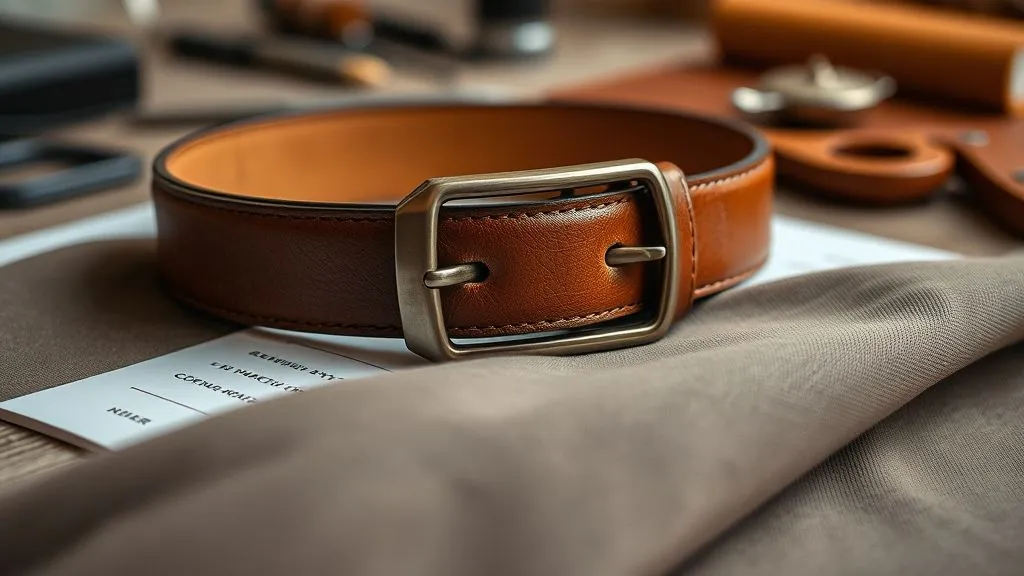
How to choose sustainable luxury belts for high-end client styling?
For over two decades in the dynamic world of luxury fashion and accessories, I've witnessed a profound transformation. What was once a subtle undercurrent – a quiet concern for ethics and provenance – has now become a powerful, non-negotiable demand, especially among discerning high-end clients. The conversation has shifted dramatically, and as stylists, our role is no longer just about aesthetics; it's about integrity, longevity, and impact.
The challenge for many stylists, I've observed, is navigating this complex landscape. How do you confidently advise an elite client on a luxury belt that isn't just exquisitely designed, but also genuinely sustainable? The market is awash with 'green' claims, making it incredibly difficult to distinguish true sustainable luxury from clever marketing. This isn't just about opting for 'vegan leather'; it's about understanding the entire lifecycle, from raw material to the artisan's touch, and beyond.
This comprehensive guide is born from my extensive experience, designed to equip you with a robust, actionable framework. We'll delve into everything from material science and supply chain transparency to rigorous brand vetting and confident client communication. My aim is to share proven strategies that will empower you to seamlessly integrate truly sustainable luxury belts into your high-end client styling repertoire, ensuring every choice reflects both impeccable taste and unwavering responsibility.
Beyond the Buzzwords: Deconstructing True Sustainable Luxury in Belts
In the realm of luxury, the term 'sustainable' can often feel nebulous, diluted by a multitude of marketing buzzwords. As an industry specialist, I've learned that true sustainable luxury in belts transcends simple 'eco-friendly' labels; it's a holistic philosophy encompassing environmental, social, and economic responsibility throughout a product's entire lifecycle.
It begins with a deep understanding of a product's lifecycle assessment (LCA). This means scrutinizing everything from the impact of raw material extraction or cultivation, through manufacturing processes, transportation, usage, and ultimately, its end-of-life disposal or recycling. A truly sustainable luxury belt minimizes negative impacts at every single stage.
Key terms: When we talk about this, we're considering concepts like the circular economy, where materials are kept in use for as long as possible; cradle-to-cradle design, aiming for zero waste; ethical sourcing, ensuring fair labor and environmental practices; and the use of low-impact materials that regenerate or biodegrade responsibly. These are the foundations upon which genuine sustainable luxury is built.
"True luxury isn't just about rarity; it's about responsibility. A sustainable luxury belt tells a story of integrity from its raw material to its final form, a narrative that resonates deeply with today's conscious connoisseur."
The Material Matrix: Vetting Innovative and Traditional Sustainable Options
The core of any luxury belt's sustainability lies in its materials. Navigating this can be complex, as both innovative alternatives and traditional options offer unique challenges and opportunities. I always advise stylists to look beyond surface claims and delve into the specifics of each material's journey.
Innovative Sustainable Materials: The Future of Ethical Belts
The past decade has seen an explosion of incredible material innovations, offering compelling alternatives to conventional options. These often provide a significantly lower environmental footprint when chosen wisely.
- Mushroom Leather (Mylo, Reishi): Bio-fabricated from mycelium, the root structure of fungi. It boasts a remarkably similar hand-feel to animal leather, requires less water and land, and is often biodegradable. Brands like Stella McCartney are already using it.
- Cactus Leather (Desserto): Made from Nopal cactus, this organic, partially biodegradable material is soft, breathable, and highly durable. It requires minimal water to grow and no toxic chemicals in its processing.
- Pineapple Leather (Piñatex): Crafted from the waste leaves of pineapples, this innovative material is water-resistant, flexible, and vegan. It provides additional income for farming communities and repurposes agricultural waste.
- Apple Leather: Derived from apple pomace, a waste product from the juice industry, this material offers a durable and versatile leather alternative with a significantly reduced environmental impact compared to traditional leather.
- Recycled Plastics (RPET): While not always ideal for luxury's tactile experience, high-quality RPET can be used for belt linings or specific components, offering a way to divert waste from landfills. It's crucial to ensure the source and processing are certified.
Responsibly Sourced Traditional Materials: A Nuanced Approach
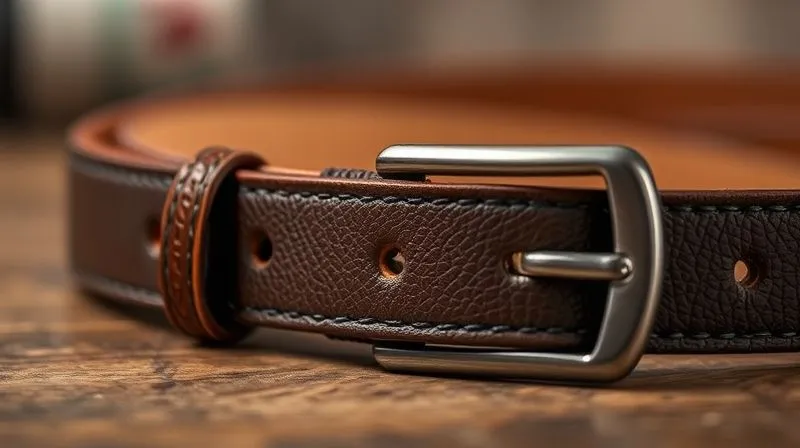
For clients who still prefer traditional leather, it’s vital to understand that not all leather is created equal. Responsible sourcing can significantly mitigate environmental and social impacts.
- Certified Leathers (LWG): The Leather Working Group (LWG) audits tanneries based on their environmental performance, including water and energy usage, waste management, and chemical handling. Always look for LWG gold or silver ratings.
- Upcycled/Recycled Leather: Utilizing leather scraps or pre-consumer waste to create new products reduces the demand for virgin materials and minimizes landfill waste. This often results in unique, artisanal pieces.
- Exotic Leathers (CITES): If exotic leathers are requested, absolute adherence to CITES (Convention on International Trade in Endangered Species of Wild Fauna and Flora) regulations is paramount. This ensures the species are not endangered and trade is legal and sustainable. However, I often guide clients towards innovative alternatives first.
Actionable Step: When evaluating traditional leather, always look for certifications like Leather Working Group (LWG) gold or silver ratings, indicating best practices in environmental stewardship and a commitment to reducing environmental impact.
"Don't just ask 'Is it vegan?'. Ask 'What is its total environmental footprint, from farm to fashion, and beyond? Is its provenance transparent, and are its makers treated ethically?' That's the depth of inquiry true luxury demands."
Unpacking the Supply Chain: Transparency as the Ultimate Luxury
In my experience, for high-end clients, transparency is becoming as coveted as the material itself. A truly luxurious belt isn't just beautiful; it comes with a verifiable story, free from ethical ambiguities. Understanding the supply chain is paramount to confidently choosing sustainable luxury belts for high-end client styling.
From Farm to Fastening: Tracing the Journey
The journey of a luxury belt, from its raw materials to the final clasp, is often complex. Knowing the origin of materials, the manufacturing processes involved, and the labor conditions throughout the chain is crucial. This level of detail allows you to assure your clients of the product's true integrity.
Actionable Steps for Due Diligence:
- Research Brand Websites for Sustainability Reports: Many leading luxury brands now publish annual sustainability reports detailing their efforts and supply chain practices. These are invaluable resources.
- Look for Third-Party Certifications: Beyond material-specific certifications, look for broader ethical certifications like Fair Trade for labor or B Corp status for overall social and environmental performance.
- Engage with Brand Representatives Directly: Don't hesitate to reach out to a brand's sustainability department or customer service with specific questions about their supply chain. Their willingness and ability to provide detailed answers speak volumes.
Case Study: The Artisan's Ethical Edge
Consider 'Aethelred Leather Goods', a niche brand I recently vetted for a client seeking unparalleled craftsmanship and unquestionable ethics. Their belts, while utilizing traditional leather, boast a fully traceable supply chain. They partner directly with small-scale, LWG-certified tanneries in Italy, ensuring minimal chemical use and rigorous wastewater treatment. The artisans are paid above-average wages, work in safe conditions, and each belt comes with a unique QR code linking to its specific material origin and the crafting workshop. This level of transparency resonates deeply with discerning clients who value integrity as much as design, transforming a purchase into an investment in ethical artistry.
| Supply Chain Stage | Sustainability Indicator | Client Benefit |
|---|---|---|
| Raw Material Sourcing | LWG Certification, CITES Compliance | Ethical Assurance, Reduced Environmental Impact |
| Manufacturing & Craftsmanship | Fair Labor Practices, Low-Impact Dyes | Social Responsibility, Artisan Support |
| Packaging & Distribution | Recycled/Biodegradable Materials, Carbon Neutral Shipping | Minimized Waste, Eco-Conscious Delivery |
Certifications and Standards: Navigating the Greenwashing Minefield
As the demand for sustainable luxury grows, so does the unfortunate trend of 'greenwashing' – brands making misleading claims about their environmental practices. To truly choose sustainable luxury belts for high-end client styling, you must become adept at deciphering genuine certifications from mere marketing fluff.
I've seen countless brands use vague terms like 'eco-conscious' or 'natural' without any verifiable backing. This is where understanding specific certifications becomes your superpower as a stylist.
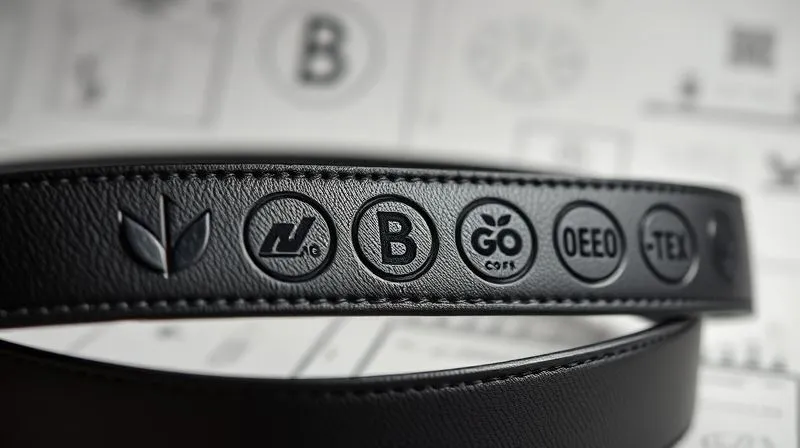
Essential Certifications for Sustainable Belts:
- Leather Working Group (LWG): As mentioned, LWG assesses environmental compliance and performance capabilities of tanners. Gold, Silver, and Bronze ratings indicate different levels of achievement. This is crucial for traditional leather belts.
- Global Organic Textile Standard (GOTS): While primarily for textiles, if a belt incorporates organic cotton linings or fabric elements, GOTS ensures organic status from harvesting of raw materials through environmentally and socially responsible manufacturing.
- OEKO-TEX Standard 100: This certification guarantees that every component of a product, from the fabric to the thread and accessories, has been tested for harmful substances and is therefore harmless for human health. Essential for belts that come into direct skin contact.
- B Corp Certification: This isn't product-specific but certifies the entire company's social and environmental performance, accountability, and transparency. A B Corp certified luxury brand is a strong indicator of holistic commitment.
- Cradle to Cradle Certified®: This rigorous standard assesses products for material health, material reutilization, renewable energy, water stewardship, and social fairness. A belt with this certification has been designed with its entire lifecycle in mind.
Pro Tip: Don't just look for a logo; understand what the certification *actually* guarantees. A quick search on the certification body's website will reveal their criteria and what it means for the product you're evaluating.
Design & Durability: The Longevity Imperative in Luxury
In my opinion, the most fundamental aspect of sustainability in luxury, especially for accessories like belts, is durability and timeless design. A belt that lasts for decades, perhaps even a lifetime, inherently has a lower environmental footprint than one that needs frequent replacement, regardless of its 'eco-friendly' materials. Longevity is the ultimate luxury.
Craftsmanship and Construction: Built to Last
True luxury belts are investments, and their construction should reflect that. This means meticulous attention to detail and traditional artisanal techniques that ensure resilience and repairability.
- Full-Grain Materials: For leather, full-grain is the strongest and most durable, developing a beautiful patina over time. For innovative materials, look for high-density, tear-resistant compositions.
- Hand-Stitching vs. Machine Stitching: While machine stitching is efficient, hand-stitching (like saddle stitching) is incredibly strong and less likely to unravel. It's a hallmark of exceptional craftsmanship.
- Robust Hardware: Buckles and clasps should be made of solid, high-quality metals like brass, stainless steel, or sterling silver, not plated alloys that will chip or tarnish quickly. Ensure they are securely attached.
- Repairability: Can the buckle be replaced? Can the strap be re-stitched? A truly sustainable luxury belt is designed with repair in mind, extending its lifespan significantly.
Key Questions to Ask: Is it full-grain leather or a high-performance bio-material? Is the hardware solid brass or merely plated? Can it be repaired by a skilled artisan? These questions guide you towards genuine longevity.
Timeless Aesthetics: Beyond Trend Cycles
As stylists, we guide clients in making choices that transcend fleeting trends. A sustainable luxury belt should be a versatile piece that complements various styles and remains elegant for years to come. Focus on classic silhouettes, neutral palettes, and understated elegance rather than overly trendy designs.
"A truly sustainable luxury belt isn't just made responsibly; it's designed to be cherished, worn, and potentially passed down through generations. Its enduring style and robust construction make it a timeless testament to conscious consumption."
Brand Vetting: Identifying Genuine Leaders in Sustainable Luxury
Once you understand materials, supply chains, and certifications, the next critical step is to apply this knowledge to vet brands themselves. It's about looking at the brand's entire ethos, not just individual product claims. This is how I identify the genuine leaders in sustainable luxury, helping me confidently choose sustainable luxury belts for high-end client styling.
Holistic Brand Assessment:
To really get a sense of a brand's commitment, I look for a comprehensive approach to sustainability that extends beyond just one product line. It's about their entire business model.
- Mission Statement Alignment: Does their stated mission genuinely reflect sustainability values, or is it just tacked on?
- Public Sustainability Reports: Look for detailed, transparent reports that include measurable goals, progress, and challenges. Brands that are truly committed are open about their journey.
- Third-Party Audits: Do they submit to independent audits of their factories and supply chain? This adds a layer of verifiable trust.
- Community Engagement: Are they investing in the communities where their materials are sourced or products are made?
- Repair Services and End-of-Life Programs: Brands that offer repair services or take-back programs for their products demonstrate a commitment to circularity and longevity.
Actionable Step: Cross-reference brand claims with independent sources like the Fashion Transparency Index or Good On You ratings. These platforms provide valuable, unbiased insights into a brand's ethical and environmental performance.
My Personal Vetting Framework:
Over the years, I've refined a systematic approach to vetting luxury brands for their sustainability credentials, ensuring I can confidently recommend their products.
- Initial Screen: I start by thoroughly reviewing the brand's website. Is there a dedicated, prominent section for sustainability? Are their claims clear and specific, or vague and generic?
- Deep Dive: Next, I delve into any available annual reports, sustainability reports, and specific certifications. I look for data, targets, and evidence of progress.
- Product Audit: I then examine the specific belt in question. What materials are used? Are they certified? What do I know about its construction and expected longevity?
- Reputation Check: I consult independent reviews, industry articles, and ethical rating platforms like Good On You to understand the brand's broader reputation and any controversies.
- Direct Inquiry: If I still have unanswered questions, I directly contact the brand's sustainability department or customer service with specific, detailed queries. Their responsiveness and the quality of their answers are key indicators.
Client Communication: Presenting Sustainable Luxury with Confidence
Even with all your expert knowledge, the final step is effectively communicating the value of sustainable luxury belts to your high-end clients. This isn't just about presenting facts; it's about framing a compelling narrative that resonates with their values and aspirations. I've found that how you present these choices is just as important as the choices themselves.
Framing the Narrative: Beyond 'Eco-Friendly'
High-end clients aren't just buying a product; they're investing in a lifestyle, a statement, and increasingly, a set of values. Your language should reflect this, moving beyond basic 'eco-friendly' terms.
- Investment & Legacy: Position the belt as a lasting investment, a piece of enduring style that can be cherished for years, perhaps even passed down.
- Craftsmanship & Unique Story: Highlight the artisanal skill, the origin of the materials, and the ethical journey behind each belt. This adds a layer of exclusivity and meaning.
- Personal Values Alignment: Connect the purchase to the client's desire for responsible consumption, for making a positive impact, or for aligning their wardrobe with their personal ethics.
- Exclusivity: Emphasize that genuinely sustainable luxury is often rarer and more thoughtfully produced, offering a unique proposition.
Example Phrasing: Instead of "This is an eco-friendly belt," try: "This isn't just a belt; it's an investment in enduring style and responsible luxury, meticulously crafted from innovative [material] with a fully traceable supply chain. It's a piece that truly aligns with your commitment to both impeccable taste and conscious living."
Addressing Client Concerns:
Clients may have reservations, particularly regarding cost or perceived aesthetic limitations. Be prepared to address these with confidence and expert insight.
- Cost: Explain that the upfront investment often yields long-term value through unparalleled durability, timeless design, and a clear conscience. Emphasize that true luxury often comes with a premium for ethical sourcing and superior craftsmanship, which translates to fewer replacements over time.
- Style: Reassure them that sustainable doesn't mean compromising on aesthetics, luxury feel, or versatility. Many sustainable luxury brands are at the forefront of design, offering innovative textures and sophisticated finishes that are indistinguishable from, or even superior to, their conventional counterparts.
Future-Proofing Your Styling Practice: Staying Ahead in Sustainable Luxury
The landscape of sustainable luxury is not static; it's a rapidly evolving field driven by material science, technological advancements, and shifting consumer values. As an experienced stylist, I've learned that staying ahead means committing to continuous learning and adaptation. This proactive approach ensures you'll always be able to choose sustainable luxury belts for high-end client styling with authority and foresight.
Continuous Learning and Adaptation:
To remain at the forefront, you need to actively seek out new information and insights. The industry is constantly innovating, and new sustainable materials and practices emerge regularly.
- Industry Reports & Webinars: Regularly consult reports from organizations like Business of Fashion, McKinsey, and sustainability consultancies. Attend webinars and virtual summits focused on sustainable fashion and material innovation.
- Networking with Experts: Connect with material scientists, sustainable fashion designers, and fellow stylists who specialize in ethical luxury. Their insights can be invaluable.
- Attending Trade Shows: Visit trade shows that feature sustainable materials and innovative brands. This offers a direct look at emerging trends and technologies.
Recommendation: Subscribe to influential publications like Business of Fashion and Vogue Business for their dedicated sustainability sections and in-depth analyses. They often provide early insights into market shifts and material breakthroughs.
Building a Curated Network:
Beyond knowledge, cultivate relationships. Connect with brands that are genuinely committed to sustainability, material innovators who are developing the next generation of ethical options, and fellow stylists who share your values. This network becomes a powerful resource for sourcing, insights, and collaborations.
| Trend Category | Expected Impact | Stylist Action |
|---|---|---|
| Material Innovation | Wider range of high-performance, low-impact materials | Stay updated on bio-based alternatives, material science research |
| Traceability & Digitalization | Blockchain for supply chain transparency | Familiarize with digital verification tools, QR codes for product history |
| Circular Design | Increased repair services, take-back programs, upcycling | Advise clients on longevity, explore brands offering circular solutions |
Frequently Asked Questions (FAQ)
Question: Are vegan leather belts *always* more sustainable than traditional leather?
Detailed answer: Not necessarily. While traditional leather has its environmental impacts (deforestation, tanning chemicals), many 'vegan leathers' are made from PVC or PU, which are petroleum-based plastics that are not biodegradable and can have significant environmental footprints during production and disposal. Truly sustainable vegan options are bio-based (e.g., mushroom, cactus, pineapple leather) and ideally biodegradable or recyclable. It's crucial to look at the specific composition and lifecycle assessment of each material, not just the 'vegan' label.
Question: How can I verify a brand's sustainability claims if they don't have many certifications?
Detailed answer: If certifications are sparse, focus on transparency. Look for detailed information on their website regarding their supply chain, manufacturing processes, and labor practices. Do they provide specific data, even if it's not a full report? Are they open about challenges? Look for evidence of repair services, take-back programs, or partnerships with reputable NGOs. Independent ethical fashion ratings (like Good On You) can also offer insights. If information is vague or hard to find, it's often a red flag.
Question: What's the biggest misconception high-end clients have about sustainable luxury belts?
Detailed answer: The most common misconception is that 'sustainable' equates to a compromise on luxury, aesthetics, or durability. Many clients fear that sustainable options will look less sophisticated or feel less premium. It's our role as stylists to educate them that modern sustainable luxury, particularly in belts, is at the cutting edge of design and material innovation, offering exquisite craftsmanship, unique textures, and superior longevity without ethical compromise. It's about redefining luxury to include responsibility.
Question: How do I balance aesthetic demands with strict sustainability criteria for a client?
Detailed answer: This is where your expertise truly shines. Start by understanding the client's aesthetic needs and then present them with a curated selection of sustainable options that *meet* those needs. Highlight the innovative materials, superior craftsmanship, and unique story of each piece. Frame sustainability not as a limitation, but as an added layer of value, exclusivity, and personal alignment. Sometimes, a discussion about investing in a timeless, high-quality sustainable piece that lasts decades versus a trendy, less ethical option can help shift their perspective.
Question: Is investing in a "vintage" luxury belt considered a sustainable choice for clients?
Detailed answer: Absolutely, and it's a strategy I often recommend. Purchasing a high-quality vintage luxury belt is an excellent example of circular fashion. It extends the life of an existing product, reduces the demand for new production, and minimizes waste. It also offers a unique sense of history and individuality that many high-end clients appreciate. Ensure the vintage piece is in good condition, or that any necessary repairs can be done sustainably by a skilled artisan, further enhancing its longevity.
Key Takeaways and Final Thoughts
Navigating the evolving landscape of luxury fashion, particularly when it comes to accessories like belts, demands a nuanced and informed approach. As we've explored, choosing sustainable luxury belts for high-end client styling is far more intricate than simply selecting 'eco-friendly' options; it's about a holistic understanding and a commitment to verifiable integrity.
- Go Beyond the Buzzwords: True sustainable luxury is defined by a comprehensive lifecycle assessment and a commitment to circularity, ethical sourcing, and low-impact materials.
- Master the Material Matrix: Understand the true environmental footprint of both innovative (e.g., mushroom, cactus leathers) and responsibly sourced traditional materials (LWG-certified leather, CITES-compliant exotics).
- Demand Supply Chain Transparency: The ability to trace a belt's journey from raw material to final product is the ultimate luxury, ensuring ethical labor and environmental practices.
- Decipher Certifications: Leverage certifications like LWG, B Corp, and Cradle to Cradle to confidently identify genuinely sustainable brands and avoid greenwashing.
- Prioritize Design & Durability: Longevity is paramount. Invest in timeless designs and superior craftsmanship that ensure a belt will be cherished and worn for decades.
- Vett Brands Holistically: Look for brands with transparent sustainability reports, third-party audits, and a commitment to repair and end-of-life solutions.
- Communicate with Confidence: Frame sustainable luxury as an investment in enduring style, personal values, and unique craftsmanship, resonating deeply with discerning clients.
- Embrace Continuous Learning: The industry is dynamic. Stay informed about new materials, technologies, and best practices to remain at the forefront of ethical styling.
As stylists, you hold a powerful position not just in shaping aesthetics, but in influencing responsible consumption. By applying these expert strategies, you can confidently guide your high-end clients towards choices that reflect both impeccable taste and a profound respect for our planet and its people. This isn't just about selecting a belt; it's about making a statement, building a legacy, and contributing to a more conscious, beautiful future for luxury fashion. Your expertise is crucial in this exciting evolution.
Recommended Reading
- 5 Steps: Quickly Choose Professional Outfits from Your Capsule Wardrobe?
- 5 Executive Frame Secrets: Elevate Your Presence with Prescription Glasses
- 7 Proven Steps: Turn Silent Fashion Followers into an Engaged Community
- Halve Fashion Returns: Your Guide to Accurate Body Scan Data
- 7 Proven Steps: Authenticate Vintage Silhouettes vs. Modern Replicas Effectively

Your email address will not be published. Required fields are marked *