


How to Select Prescription Frames for Executive Presence?
For over two decades in the dynamic world of eyewear fashion, I've had the privilege of advising countless professionals – from burgeoning entrepreneurs to seasoned C-suite executives. One common thread I've observed is the often-underestimated power of prescription glasses in shaping one's professional image. It's not just about seeing clearly; it's about being seen clearly.
Many executives grapple with the challenge of aligning their visual identity with their professional aspirations. They might choose frames based purely on trend or comfort, inadvertently missing an opportunity to reinforce their authority, trustworthiness, and approachability. This oversight can subtly undermine their executive presence, impacting everything from boardroom negotiations to client interactions.
In this definitive guide, I will share my expert insights on how to select prescription frames for executive presence, transforming your eyewear from a mere visual aid into a strategic asset. We'll delve into actionable frameworks, psychological insights, and practical steps, ensuring your glasses always project the confidence and leadership you embody.
Understanding the Psychology of Executive Eyewear
First Impressions: More Than Just Sight
The human brain processes visual information incredibly fast, forming judgments about others within milliseconds. As an experienced industry specialist, I've seen firsthand how a well-chosen pair of glasses can instantly communicate intelligence, seriousness, and meticulous attention to detail. Conversely, ill-fitting or inappropriate frames can convey the opposite, creating an unconscious bias.
Your eyewear is often the first thing people notice after your eyes, making it a critical component of your personal brand. It's a non-verbal cue that speaks volumes before you even utter a word. Think of it as a subtle but powerful extension of your professional attire, designed to enhance rather than distract from your message.
In my experience, executive presence isn't just about what you say or do, but how you are perceived. Your prescription frames are a silent ambassador of your professional brand, capable of amplifying your gravitas or diminishing it.
The Halo Effect: How Glasses Shape Perception
The 'halo effect' is a cognitive bias where our overall impression of a person influences how we feel and think about their character. When it comes to eyewear, studies, such as those cited in the Harvard Business Review, suggest that people who wear glasses are often perceived as more intelligent, diligent, and honest. However, this effect is highly dependent on the style and fit of the frames.
For executive presence, we're not just aiming for 'intelligent.' We're aiming for 'authoritative,' 'trustworthy,' 'visionary,' and 'decisive.' The right frames can subtly enhance these perceptions, making you appear more commanding and credible. It’s about leveraging this psychological phenomenon to your strategic advantage.
Mastering Your Face Shape: The Foundation of Frame Selection
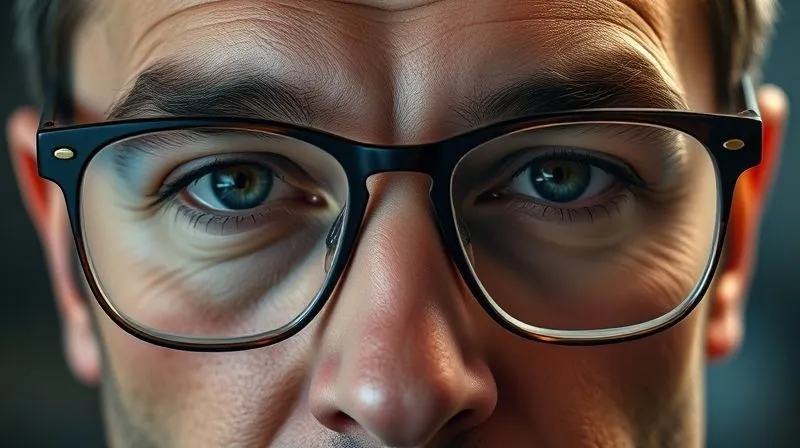
The cardinal rule of selecting eyewear for executive presence is to choose frames that complement your face shape, creating balance and harmony. This isn't about hiding your features but enhancing them to project an image of confident self-awareness.
Identifying Your Unique Facial Geometry
Before you even look at frames, you need to understand your face shape. This is a crucial first step that many overlook. Grab a mirror and follow these simple steps:
- Pull Back Your Hair: Ensure your entire face, from hairline to chin, is visible.
- Outline Your Face: Use a washable marker or lipstick to trace the outline of your face on the mirror.
- Analyze the Shape: Step back and observe the shape you've drawn. Is it widest at the forehead, jawline, or cheekbones? Is it long, short, angular, or rounded?
- Categorize: Most faces fall into categories like oval, round, square, heart, or oblong.
Accurate identification is the cornerstone of making an informed decision. I've seen executives spend fortunes on designer frames only to find they don't enhance their look because the basic face-shape rule was ignored.
Frame Styles for Every Face: A Strategic Match
Once you know your face shape, selecting frames becomes a strategic exercise. The goal is to create contrast and balance, softening angular features with curves or adding definition to softer ones. Here's a general guide I share with my clients:
| Face Shape | Recommended Frame Styles | Avoid |
|---|---|---|
| Oval | Most styles, especially square, rectangular, and geometric shapes | Overly wide or narrow frames |
| Round | Angular, rectangular, cat-eye, D-frame | Round or overly small frames |
| Square | Round, oval, cat-eye, semi-rimless | Angular or boxy frames |
| Heart | Bottom-heavy, round, oval, cat-eye (subtle) | Top-heavy or overly embellished frames |
| Oblong | Tall, deep frames, decorative temples, aviator | Narrow or small frames |
Remember, these are guidelines, not rigid rules. The key is to find frames that are slightly wider than the broadest part of your face, with the top line of the frame ideally aligning with your eyebrows. The fit across the bridge of your nose is also paramount for comfort and appearance.
The Power of Material and Color: Beyond Aesthetics
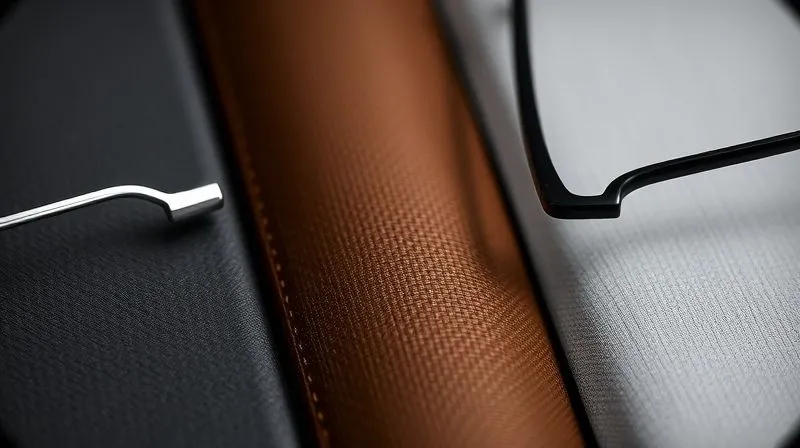
The material and color of your frames convey subtle yet significant messages about your professional persona. These choices contribute significantly to how to select prescription frames for executive presence.
Material Matters: Durability, Weight, and Statement
The material of your frames speaks to quality, durability, and a certain level of sophistication. For executive presence, I always recommend premium materials that offer both comfort and a refined aesthetic.
- Titanium: Lightweight, durable, hypoallergenic, and offers a sleek, modern, high-tech look. Ideal for a minimalist yet powerful statement.
- High-Quality Acetate: Offers a wider range of colors and patterns (like sophisticated tortoiseshell or deep solids). It has a substantial feel, conveying a sense of classic elegance and creativity.
- Stainless Steel: Durable and versatile, providing a clean, contemporary edge. Often more subtle than titanium.
- Horn or Wood: For a truly bespoke and distinctive look, these natural materials exude luxury and individuality, often suited for those in creative executive roles.
Avoid flimsy or overly plastic-looking frames, as they can detract from a polished executive image. The tactile experience and visual weight of the material contribute to the perceived quality.
Color Psychology in Professional Settings
Color is a powerful psychological tool. For executive presence, aim for colors that convey professionalism, stability, and confidence, while also complementing your skin tone and hair color.
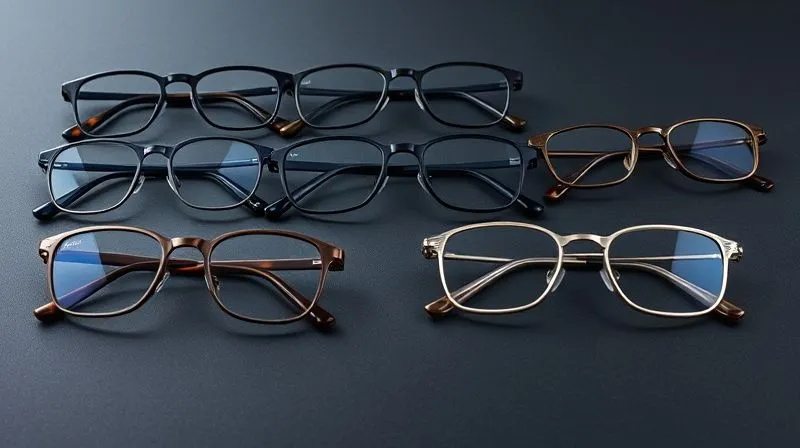
- Classic Neutrals: Black, charcoal grey, deep navy, and rich brown are timeless and universally professional. They project seriousness and reliability.
- Subtle Metallics: Brushed silver, gunmetal, or muted gold can add a touch of sophistication without being flashy.
- Deep Hues: Dark tortoiseshell, burgundy, or forest green can add personality while maintaining professionalism, especially when paired with complementary wardrobe colors.
Avoid overly bright, neon, or highly patterned frames unless your industry or role specifically calls for a more flamboyant creative expression. The goal is to enhance, not overpower, your executive image.
Lens Technology for the Modern Executive
While frames catch the eye, the lenses are where the true functionality lies. For an executive, optimal vision and eye comfort are non-negotiable for sustained performance during long workdays and demanding tasks.
Clarity and Comfort: Essential for Performance
Investing in high-quality lenses is just as important as choosing the right frames. Thin, lightweight lenses (high-index) are crucial for stronger prescriptions, preventing the 'coke bottle' effect and reducing the overall weight of your glasses. This contributes to both aesthetics and comfort.
Progressive lenses are a game-changer for executives over 40 who need vision correction for both distance and near tasks. Seamless transitions between focal points prevent neck strain and ensure you can effortlessly switch from reading a document to addressing a room.
Anti-Reflective Coatings and Blue Light Filters
These are not luxuries; they are necessities for the modern executive. An anti-reflective (AR) coating eliminates glare from lights and screens, improving visual clarity and reducing eye strain. Crucially, it also makes your eyes more visible to others, fostering better eye contact and communication – vital for executive presence.
Blue light filters, increasingly important in our digital age, protect your eyes from the harmful blue light emitted by computers, tablets, and smartphones. Reducing digital eye strain leads to greater comfort, less fatigue, and potentially better sleep, all of which contribute to your overall well-being and executive performance.
As an expert, I always emphasize that the best frames are only as good as the lenses within them. For executives, advanced lens technology is an investment in sustained performance, visual comfort, and clear, unhindered communication.
The Brand Factor: Signifying Quality and Discretion
In the world of luxury and professional goods, brand often signifies a commitment to quality, craftsmanship, and a certain aesthetic. Eyewear is no different.
Choosing Reputable Eyewear Brands
Opting for reputable eyewear brands can ensure you receive frames made from superior materials with excellent construction. Brands known for their heritage in eyewear or their commitment to precision often offer designs that are timeless, sophisticated, and durable.
While I don't advocate for overt brand display, the subtle quality of a well-crafted frame from a respected manufacturer speaks volumes. It aligns with the executive mindset of valuing substance and longevity. Researching brands known for their optical engineering and design integrity, such as those often reviewed in professional lifestyle publications, is a wise step. For further reading on the importance of quality in professional attire, consider insights from sources like Forbes on professional image.
Subtlety Over Ostentation: The Executive's Mantra
For executive presence, subtlety is key. You're aiming for elegance and authority, not flashy declarations of wealth. Frames with large, prominent logos or overly ornate designs can distract from your face and undermine your professional gravitas.
The executive's mantra is 'understated confidence.' Choose frames that complement your features and enhance your overall look without drawing undue attention to themselves. The quality should be evident in the design, fit, and finish, not in an overt brand stamp.
Case Study: Sarah's Strategic Eyewear Transformation
How a Mid-Level Manager Achieved C-Suite Visibility
Let me share a real-world (though anonymized) example. Sarah, a brilliant but somewhat overlooked mid-level manager at a fast-paced tech company, approached me for advice. She was highly competent but felt her professional image wasn't quite aligning with her ambitions for a director-level role. Her current glasses were a trendy, oversized plastic pair that, while fashionable, made her appear younger and less authoritative than her true capabilities suggested.
After a thorough consultation, we identified her face shape (oval with soft features) and discussed her career aspirations. We decided on a pair of sleek, rectangular titanium frames in a deep gunmetal grey. The angularity of the frames added definition to her soft features, and the sophisticated material conveyed a sense of seriousness and modernity. We also upgraded her lenses to include advanced anti-reflective and blue light coatings.
Within six months, Sarah reported a noticeable shift. Colleagues and superiors commented on her 'sharper' and 'more focused' appearance. She felt more confident in high-stakes meetings, and her new eyewear helped project an image of decisive leadership. This subtle yet strategic change contributed significantly to her being considered and ultimately promoted to Director of Product Development, demonstrating how to select prescription frames for executive presence can be a powerful career tool.

Actionable Steps: Your Executive Eyewear Checklist
To ensure you make an informed and impactful decision, here’s a checklist based on years of advising top professionals:
- Assess Your Face Shape Accurately: Don't guess. Use the mirror method described earlier to truly understand your facial geometry.
- Define Your Professional Brand: What qualities do you want your eyewear to communicate? Authority, innovation, trustworthiness, approachability? Let this guide your style choices.
- Prioritize Quality Materials and Craftsmanship: Invest in titanium, high-grade acetate, or stainless steel. These materials offer durability, comfort, and a refined aesthetic that cheap plastics cannot replicate.
- Select Colors That Complement and Convey Authority: Stick to classic neutrals or deep, rich hues that enhance your features without being distracting.
- Invest in Advanced Lens Technology: High-index, progressive, anti-reflective, and blue light filter coatings are essential for visual comfort, clarity, and effective communication.
- Seek Expert Consultation: Work with an experienced optician or eyewear stylist who understands professional image and can offer personalized recommendations based on your face shape, prescription, and professional goals.
- Test Drive and Refine: Don't rush. Wear the frames for a few minutes, move your head, and observe how they feel and look from different angles. Get a second opinion from a trusted colleague or mentor.
Making a conscious choice about your eyewear is a tangible step in curating your executive presence, as highlighted by various resources on professional development and visual communication, such as those found on Inc.com regarding executive habits.
Common Pitfalls to Avoid When Selecting Executive Frames
Even with the best intentions, some common mistakes can derail your efforts to select prescription frames for executive presence. Being aware of these can save you time, money, and potential image missteps.
Mistake 1: Prioritizing Trend Over Professionalism
While staying current is important, blindly following fleeting eyewear trends can be detrimental to an executive image. Oversized, overly embellished, or highly unconventional frames might be fashionable but can detract from your authority and seriousness in a corporate setting. Always choose timeless elegance and professional appropriateness over temporary fads.
Mistake 2: Ignoring Comfort and Fit
No matter how stylish your frames are, if they pinch, slip, or cause discomfort, they will undermine your focus and confidence. Poorly fitting glasses can also look unprofessional, constantly requiring adjustment. Ensure the bridge fits snugly, the temples don't press behind your ears, and the overall weight is comfortable for extended wear.
Mistake 3: Underestimating Lens Quality
As I mentioned, the lenses are just as crucial as the frames. Skimping on lens quality, coatings, or opting for outdated prescriptions can lead to eye strain, headaches, and a less clear visual appearance. Your eyes are the windows to your soul, and clear, comfortable vision is paramount for projecting a sharp, engaged executive image. Remember, investing in your vision is investing in your performance, a principle echoed in research on cognitive performance and visual input, such as studies found in ophthalmology journals on visual comfort.
Frequently Asked Questions (FAQ)
Q: Can rimless or semi-rimless frames project executive presence? A: Absolutely. Rimless or semi-rimless frames can project a sophisticated, minimalist, and intellectual image. They are particularly effective for those who prefer a less obtrusive look, allowing their facial features to take center stage. The key is to choose high-quality materials (like titanium) and ensure the shape complements your face. They often convey a refined, understated authority.
Q: How do I know if my frames are too trendy for an executive role? A: A good rule of thumb is to consider whether the frames draw immediate attention to themselves rather than to your eyes. If they are unusually large, brightly colored, heavily patterned, or have prominent embellishments, they might be too trendy. Executive frames should enhance your features and convey gravitas, not serve as a fashion statement that overshadows your professional message. Classic, well-proportioned designs are generally safer.
Q: Should I have different pairs of glasses for different professional settings? A: While not strictly necessary for everyone, having a 'primary' executive pair and a 'secondary' pair for more casual or creative professional settings can be beneficial. Your primary pair would be the epitome of executive presence – classic, high-quality, and perfectly fitted. A secondary pair might allow for a bit more personality or a slightly different style, depending on the context. This allows for versatility without compromising your core professional image.
Q: Are dark frames always better for executive presence than lighter ones? A: Not necessarily. While dark frames (black, deep navy, charcoal) often convey seriousness and authority, lighter metallic frames (brushed silver, light gold) can project a modern, innovative, and approachable executive image, especially for those with lighter hair and skin tones. The best choice depends on your personal coloring, face shape, and the specific brand image you wish to cultivate. The contrast between your frames and your skin tone is more important than the absolute darkness of the color.
Q: How often should I update my prescription frames to maintain executive presence? A: While the lifespan of high-quality frames can be several years, I generally recommend evaluating your frames every 2-3 years. This allows you to account for changes in your prescription, evolving professional style, and any wear and tear. It also ensures your eyewear remains current and polished, reflecting your ongoing commitment to a sharp executive image. Don't wait until your frames are visibly worn or outdated to make a change.
Key Takeaways and Final Thoughts
Selecting prescription frames for executive presence is a strategic art, not a mere purchase. It's about understanding how your eyewear shapes perception and leveraging that knowledge to reinforce your professional brand. Here are the critical takeaways:
- Your glasses are a powerful non-verbal communicator, influencing first impressions and projecting qualities like intelligence, authority, and trustworthiness.
- Prioritize frames that perfectly complement your face shape, creating harmony and balance.
- Invest in premium materials and classic, understated designs that speak to quality and sophistication.
- Advanced lens technology (anti-reflective, blue light filters, high-index) is essential for visual comfort, clarity, and effective communication.
- Avoid common pitfalls like chasing fleeting trends or neglecting comfort and lens quality.
- Seek expert advice to ensure your eyewear aligns seamlessly with your professional aspirations.
Your journey to enhanced executive presence is a continuous one, and every detail matters. By thoughtfully choosing your prescription frames, you're not just improving your vision; you're strategically investing in your professional image, ensuring you always present yourself as the confident, capable leader you are. Step forward with clarity, confidence, and impeccable style.
Recommended Reading
- Mastering Realistic Digital Twins for Virtual Fashion Showcases: A 7-Step Guide
- Beat the Shine: The Ultimate Makeup Guide for Oily Skin This Summer
- 6 Strategic Moves When Your Streetwear Drop Flops: A Veteran's Guide
- Gen Z & 90s Nostalgia: 7 Ways to Market Your Retro Brand Effectively
- Unveiling the Secret: What is the Process of Creating a Haute Couture Gown?




Your email address will not be published. Required fields are marked *