

How to Sell Vintage Clothes as Sustainable Luxury Despite Minor Flaws?
For over two decades immersed in the dynamic world of fashion, particularly the burgeoning realm of sustainable luxury, I've observed a common misconception that often hinders sellers of vintage clothing. It's a pervasive belief that even the slightest imperfection in a vintage garment renders it unsellable at a premium, relegating it to discount bins or charity shops.
This mindset not only undervalues the inherent charm and rich history of these pieces but also misses a massive opportunity in the conscious consumer market. Many entrepreneurs struggle, believing that absolute perfection is the prerequisite for luxury, especially when trying to understand how to sell vintage clothes as sustainable luxury despite minor flaws.
But what if I told you that minor flaws aren't necessarily detractors, but rather unique identifiers that can elevate a garment's story and value? This article will dive deep into actionable frameworks, expert insights, and real-world strategies to transform what some see as imperfections into desirable attributes, teaching you precisely how to sell vintage clothes as sustainable luxury despite minor flaws.
Understanding the Psychology of Sustainable Luxury Consumers
Before we delve into the 'how,' it's crucial to grasp the 'who.' The modern sustainable luxury consumer isn't your traditional luxury buyer. They are discerning, educated, and driven by a complex set of values that extend far beyond mere brand status or pristine condition. They seek authenticity, provenance, and a tangible connection to environmental and ethical responsibility.
In my experience, these consumers are less concerned with factory-fresh perfection and more captivated by the narrative behind an item. They understand that true luxury, especially in a sustainable context, often comes with a history – a story told through subtle wear, a lovingly mended seam, or a faded hue. According to a 2023 report by Statista, the global secondhand apparel market is projected to reach $350 billion by 2027, with a significant segment driven by consumers actively seeking sustainable and unique luxury alternatives.
"Sustainable luxury isn't about discarding the old for the new; it's about valuing the enduring, the unique, and the ethically sourced. Flaws, in this paradigm, become badges of honor, testaments to a garment's journey and resilience."
This shift in consumer values means that your approach to selling vintage, particularly items with minor flaws, must align with their deeper aspirations. It's about selling a philosophy, a piece of history, and a commitment to a more circular economy, rather than just a garment. This understanding is foundational to successfully addressing how to sell vintage clothes as sustainable luxury despite minor flaws.
The Art of Flaw Disclosure: Transparency as Your Strongest Asset
The biggest mistake I see sellers make is trying to hide or downplay imperfections. This erodes trust and ultimately devalues your product. Instead, embrace transparency as a cornerstone of your luxury brand. When you openly and honestly present a garment's history, including its minor flaws, you build credibility and allow the buyer to connect with the item's unique narrative.
Mastering the Product Description
Your product description is where the magic happens. Don't just list a flaw; contextualize it. Transform a 'small tear' into 'a testament to a life well-lived, a small tear near the hem, lovingly repaired, adding to its unique character.' Here's an actionable framework:
- Identify the Flaw: Be specific (e.g., 'a faint discoloration,' 'a tiny pinhole,' 'a subtle scuff').
- Locate Precisely: Mention where it is (e.g., 'on the right sleeve cuff,' 'just above the left pocket').
- Describe its Nature: Is it superficial? Structural? How does it affect wearability?
- Contextualize with Story: Weave it into the garment's history or character.
- Assure Quality: Emphasize that despite the flaw, the garment's overall integrity and luxury appeal remain.
Photography That Tells a Story
Visuals are paramount. Don't rely solely on words to describe flaws; show them. Professional, detailed photography of imperfections, presented alongside overall garment shots, demonstrates honesty and confidence. Use natural light and high resolution. Take close-up shots of the flaw, but also wider shots that show the flaw in context, proving it doesn't detract from the overall beauty.
As renowned marketing guru Seth Godin often says, "People don't buy goods and services. They buy relations, stories, and magic." Your photography should reinforce this narrative, proving that even with a flaw, the magic is still very much present. This meticulous approach is key to understanding how to sell vintage clothes as sustainable luxury despite minor flaws.
| Flaw Type | Description Strategy | Impact on Value |
|---|---|---|
| Faint Discoloration | Highlight as 'patina of time,' show in natural light, assure cleanliness. | Minimal, if contextualized well. |
| Small Snag/Pull | Describe as 'character mark,' show close-up, mention stability. | Moderate, if repairable or barely visible. |
| Missing Button | Offer replacement suggestion, show other buttons' quality, reduce price slightly. | Low to Moderate, easily remedied. |
| Minor Pilling | Explain as natural wear, suggest fabric shaver, emphasize fabric quality. | Minimal, common with certain materials. |
The 'Wabi-Sabi' Approach: Repositioning Imperfections as Character
One of the most powerful philosophical frameworks I've adopted in my career is 'Wabi-Sabi,' a Japanese aesthetic concept that celebrates imperfection, impermanence, and incompleteness. It finds beauty in the natural processes of aging and wear. Applying this to vintage fashion isn't just a marketing trick; it's a shift in perspective that allows you to genuinely embrace and highlight the unique story of each garment.
Storytelling the Journey of Each Piece
Every vintage item has lived a life before it reaches you. Its flaws are not defects, but rather echoes of that journey. A faded spot might have been caused by sunlight filtering through a window in a Parisian atelier. A tiny mend could be the careful handiwork of a previous owner, extending its life. These aren't just clothes; they are artifacts. Share this narrative. Research the era, potential designers, and the cultural context to enrich the story. This depth of information adds immense value and luxury appeal.
Curating a Narrative of Authenticity
When you present a vintage piece, you're not just selling fabric; you're selling authenticity. In an era of mass production and fast fashion, a truly authentic item that bears the marks of time stands out. Emphasize that these 'flaws' are proof of its genuine vintage status, distinguishing it from modern replicas. This approach directly answers how to sell vintage clothes as sustainable luxury despite minor flaws by reframing the conversation entirely.
Case Study: The 'Mended Masterpiece' Collection
Consider 'The Threadbare & Co.' a fictional boutique I advised. They initially struggled with selling vintage cashmere sweaters that had minor moth holes or stretched cuffs. Instead of discounting them, I suggested they launch a 'Mended Masterpiece' collection. Each sweater was meticulously repaired by a local artisan using visible mending techniques (like Sashiko stitching), turning the repair itself into an artistic feature. They documented the mending process, shared the artisan's story, and highlighted the eco-conscious choice of extending the garment's life. The result? These 'flawed' sweaters, now transformed into unique, limited-edition pieces, sold at a premium, exceeding the price of their pristine counterparts, and garnered significant media attention for their innovative approach to sustainable luxury.
Strategic Pricing: Valuing Authenticity Over Perfection
Pricing vintage items with minor flaws requires a nuanced approach. It’s not simply about slashing prices because of an imperfection. It’s about understanding that the value of sustainable luxury vintage is derived from a confluence of factors, where condition is just one component. You're selling uniqueness, history, sustainability, and craftsmanship.
Beyond Condition: Factors Influencing Vintage Value
While condition certainly plays a role, it's rarely the sole determinant of value in the sustainable luxury market. Consider these factors when pricing:
- Rarity: Is the item truly one-of-a-kind or from a very limited production?
- Designer/Provenance: Is it a piece by a renowned designer or from a historically significant collection?
- Historical Significance: Does it represent a particular era, movement, or cultural moment?
- Craftsmanship: Is the quality of construction, fabric, and finishing exceptional?
- Desirability: Is there high demand for this specific style, fabric, or period?
- Sustainability Impact: Emphasize the environmental benefit of choosing vintage over new.
A rare 1960s Dior dress with a small, expertly mended tear will command a significantly higher price than a mass-produced, pristine contemporary garment. The flaw, when transparently disclosed and contextualized, becomes part of its story, not a detractor from its inherent value.
The Ethics of Sustainable Pricing
Pricing should also reflect the ethical labor involved in sourcing, cleaning, repairing (if applicable), and curating. Sustainable luxury consumers are often willing to pay more for items that represent fair practices and a conscious business model. Don't undervalue your expertise and the effort you put into bringing these pieces to market. Fair pricing reinforces your brand's commitment to sustainability and ethical commerce, providing a clear pathway for how to sell vintage clothes as sustainable luxury despite minor flaws.
| Factor | Impact on Price | Example |
|---|---|---|
| Rarity | High | Limited edition designer piece from a specific collection. |
| Designer/Brand | High | Haute couture, iconic luxury brands. |
| Historical Significance | Medium to High | Garment from a significant cultural era. |
| Craftsmanship | Medium | Hand-stitched details, high-quality natural fibers. |
| Condition (with minor flaws) | Variable (can be high if other factors are strong) | A perfectly functional item with a small, disclosed imperfection. |
| Sustainability Narrative | Medium | Emphasis on circular fashion, reduced environmental footprint. |
Elevating the Customer Experience: Packaging and Presentation
Selling sustainable luxury vintage, especially with minor flaws, demands an elevated customer experience that extends beyond the item itself. The way a garment is presented and packaged speaks volumes about your brand's perceived value and attention to detail. This is where you transform a transaction into an experience, reinforcing the luxury aspect.
Unboxing as an Event
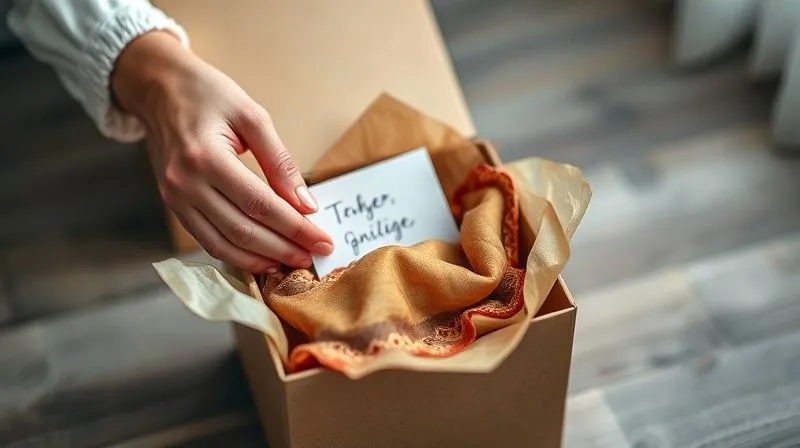
Think of the unboxing experience as the final chapter of your item's story. It should feel special, thoughtful, and luxurious. Utilize eco-friendly packaging materials – recycled tissue paper, biodegradable mailers, natural twine, or reusable fabric bags. Include a handwritten thank you note that perhaps reiterates the garment's story or offers a personal touch. You might also include a small, branded card explaining your commitment to sustainable fashion and how the purchase contributes to it.
This careful consideration transforms a simple delivery into a memorable event, justifying the luxury price point and reinforcing the idea that even an item with minor imperfections is a cherished acquisition. It communicates that you value the garment, and by extension, the customer.
Aftercare and Longevity Advice
Part of sustainable luxury is empowering the customer to care for their garment, extending its life even further. Include a small, elegant card with specific aftercare instructions tailored to the vintage item's fabric and construction. Offer tips on proper storage, gentle cleaning methods, and even recommendations for local repair services for future needs. This not only adds value but also strengthens the customer's perception of your brand as an expert and a partner in their sustainable lifestyle journey. It's a proactive way to address any residual concerns about durability, especially when figuring out how to sell vintage clothes as sustainable luxury despite minor flaws.
Building Your Brand: Trust, Expertise, and Community
In the vintage luxury market, your brand is your most valuable asset. It's not just about the clothes you sell; it's about the trust you cultivate, the expertise you demonstrate, and the community you build around your values. A strong brand can easily overcome minor flaws because customers are buying into *you* and your curated vision.
Leveraging Social Media for Storytelling
Social media platforms like Instagram and Pinterest are ideal for showcasing your vintage finds and telling their stories. Don't just post product shots. Share behind-the-scenes glimpses of your sourcing trips, the careful restoration process (if any), and the philosophy behind your curation. Highlight the beauty in imperfections. Use compelling captions to narrate the history of each piece, emphasizing its unique character and sustainable value. Engage with your followers, answer their questions, and educate them about the benefits of sustainable vintage. This builds a loyal audience who appreciates the depth and authenticity of your offerings.
Collaborations and Expert Endorsements
Partner with influencers, stylists, or other sustainable fashion brands that align with your values. A collaboration with a respected voice in the sustainable fashion community can significantly boost your credibility and reach. Seek endorsements from textile experts or fashion historians. These partnerships lend authority to your brand and implicitly validate your approach to selling vintage, even with its charming imperfections. According to Forbes, influencer marketing continues to be a highly effective strategy for building brand trust and driving sales.
Overcoming Objections: Proactive Communication Strategies
Even with perfect transparency, some buyers will inevitably have questions or hesitations about purchasing an item with a disclosed flaw. Your ability to proactively address these objections with empathy and expertise is crucial. This is where your deep understanding of how to sell vintage clothes as sustainable luxury despite minor flaws truly shines.
First, anticipate common concerns. Is the flaw structural? Will it worsen over time? Is it easily repairable? Have these answers ready. Provide clear, concise information in your FAQs or product descriptions. Second, offer reassurance. Emphasize your quality control process, explaining that even with a flaw, the item has been carefully inspected and deemed worthy of a second life. Highlight the durability and longevity of vintage craftsmanship compared to modern fast fashion.
Finally, empower the customer. Offer suggestions for care or even recommend trusted repair services. Frame any potential future maintenance not as a burden, but as part of the unique ownership experience of a storied item. This approach shifts the narrative from 'problem' to 'part of the journey,' building confidence and trust in your brand.
Frequently Asked Questions (FAQ)
Q: How do I distinguish between a minor flaw and significant damage? A: A minor flaw typically doesn't compromise the garment's structural integrity or primary function. Examples include faint stains, small snags, tiny pinholes, or subtle fading. Significant damage, conversely, would be large tears, broken zippers, irreparable holes, or widespread fabric deterioration that impacts wearability or requires extensive, costly repair. Always use your expert judgment and err on the side of caution with disclosure.
Q: Should I repair minor flaws before selling, or leave them as is? A: This depends on the flaw and your brand's aesthetic. Small, easily mendable flaws (like a loose seam or a missing button) can often be repaired to enhance value. However, some brands embrace visible mending as part of the item's story, as seen in our 'Mended Masterpiece' case study. The key is to be intentional and transparent about your choice, explaining why you've chosen to repair or leave a flaw.
Q: How can I build trust with buyers regarding imperfect items? A: Transparency is paramount. Provide detailed descriptions and multiple high-quality photos of any flaws. Share the item's story, emphasizing its uniqueness and sustainability. Offer clear return policies and excellent customer service. Building a strong brand narrative around authenticity and circular fashion also helps cultivate trust.
Q: What's the best way to photograph flaws without making them look worse? A: Use natural, diffused light. Take close-up shots that clearly show the flaw, but also include wider shots that show the flaw in context with the entire garment. This demonstrates that the flaw doesn't overwhelm the item's overall beauty. Avoid harsh shadows or flash, which can exaggerate imperfections. Be honest but artistic in your presentation.
Q: Can I really charge luxury prices for items with flaws? A: Absolutely, if the item's other value propositions (rarity, designer, historical significance, craftsmanship, sustainability narrative) are strong. The 'luxury' in sustainable vintage often comes from its uniqueness, provenance, and the conscious choice it represents, rather than absolute perfection. Your ability to tell that story and curate a high-end experience is what justifies the price, even when learning how to sell vintage clothes as sustainable luxury despite minor flaws.
Key Takeaways and Final Thoughts
Navigating the world of vintage fashion, especially when confronting minor imperfections, can feel daunting. However, as an experienced industry specialist, I've seen firsthand that these very 'flaws' can be transformed into compelling selling points within the sustainable luxury market. It's not about hiding or apologizing for them, but rather about embracing them as integral parts of a garment's unique history and character.
- Embrace Transparency: Disclose flaws openly and honestly, using detailed descriptions and high-quality photography.
- Adopt 'Wabi-Sabi': Frame imperfections as elements of beauty, authenticity, and a unique story.
- Tell the Story: Weave rich narratives around each item, emphasizing its provenance and journey.
- Price Strategically: Value rarity, designer, craftsmanship, and sustainability over mere condition.
- Elevate Experience: Create a luxurious unboxing and provide thorough aftercare advice.
- Build Trust: Cultivate a brand based on expertise, ethical practices, and proactive communication.
Remember, the modern luxury consumer is evolving. They seek depth, meaning, and sustainability. By mastering the art of presenting vintage clothing – flaws and all – as cherished, sustainable luxury, you're not just selling garments; you're selling a vision for a more conscious, beautiful future. Go forth and transform those 'imperfections' into your greatest assets, confidently knowing how to sell vintage clothes as sustainable luxury despite minor flaws.
Recommended Reading
- Mastering Expressive Poses: 7 Techniques for High-End Fashion Models
- 7 Ways to Pivot Unsold Winter Womenswear for Spring's Trends
- 7 Crucial Reasons Your Beauty Influencer Sales Are Flatlining
- 7 AI Personalization Strategies to Halve Your Fashion E-commerce Returns
- 7 Proven Strategies: Banish Uninspired Fashion Content Ideas Forever



Your email address will not be published. Required fields are marked *