

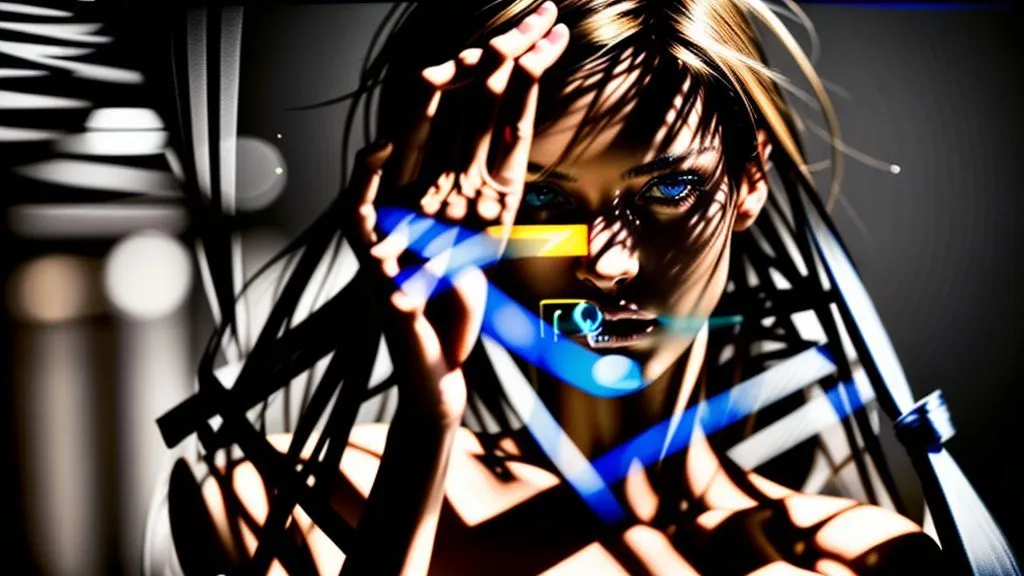
How to get models to pose expressively for high-end fashion?
For over 15 years in the exhilarating, often demanding, world of fashion photography, I've witnessed countless shoots where technical perfection was achieved, yet the final images fell flat. The garments were stunning, the lighting impeccable, but the model's expression lacked that elusive spark, that emotional resonance that truly elevates high-end fashion from mere display to compelling art.
The problem, as I've observed, often isn't a lack of talent from the model, but a disconnect in communication, a missed opportunity to tap into their inner world. High-end fashion demands more than just a pretty face or a statuesque physique; it requires a narrative, an emotion, a story told silently through the model's gaze, posture, and subtle gestures. Without this expressive depth, even the most exquisite couture can appear lifeless, failing to connect with an audience that craves authenticity and aspiration.
In this definitive guide, I will share the frameworks, psychological insights, and actionable techniques I've honed over years on set, working with some of the industry's most sought-after talent. You'll learn not just what to ask for, but how to cultivate an environment where genuine expression flourishes, transforming your models into compelling storytellers and your high-end fashion photography into unforgettable visual poetry.
1. Cultivating Connection: The Unseen Foundation of Expression
Before you even think about specific poses, you must first build a bridge of trust and understanding with your model. Without genuine connection, any attempt to elicit deep emotion will feel forced or superficial. It's about seeing them as a collaborator, not just a canvas.
Building Rapport: The Foundation of Trust
I always start a shoot with a conversation that has nothing to do with the work. Ask about their day, their interests, their favorite music. Find common ground. This isn't wasted time; it's an investment in their comfort and willingness to be vulnerable. A relaxed model is an expressive model.
- Active Listening: Show genuine interest in their responses.
- Empathy: Acknowledge any anxieties they might have.
- Shared Vision: Briefly explain your creative concept, inviting their input.
The Power of Storytelling: Giving Models a Narrative
Humans are wired for stories. Instead of saying, 'Look dramatic,' tell them, 'You're a mysterious heiress, contemplating a secret, standing on the edge of a vast estate.' Give them a character, a scenario, a feeling to inhabit. This shifts their focus from 'posing' to 'being,' allowing for far more authentic reactions. As Harvard Business Review often emphasizes, narratives resonate deeply with our psychology.
In my experience, the most profound expressions emerge when a model forgets they are being photographed and instead fully embodies a character or an emotion.
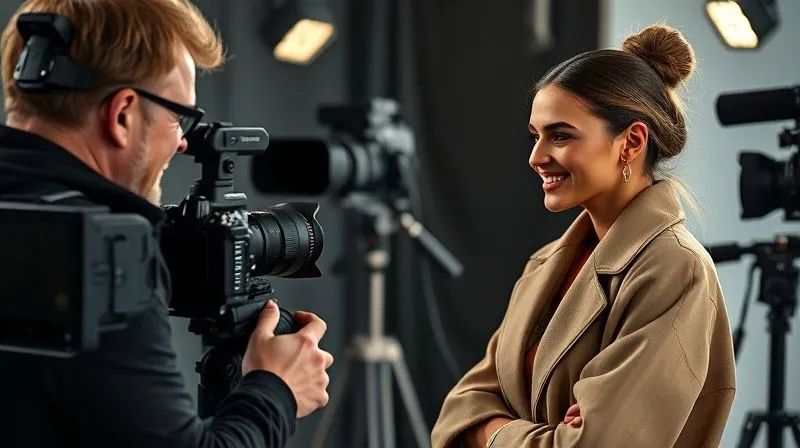
2. The Art of Direction: Crafting a Shared Vision for Expressive Posing
Effective direction is a delicate balance of specificity and freedom. You need to guide, but also allow space for the model's own interpretation and unique expression to shine through. Vague instructions lead to generic poses; overly rigid instructions stifle creativity.
Verbal Cues vs. Visual Demonstrations
I find a combination works best. Verbal cues should be evocative and concise. 'Imagine you're reaching for something just out of grasp,' or 'Feel the weight of the fabric, let it pull you.' Sometimes, a quick demonstration of a feeling or a desired body line can be incredibly effective, but avoid mimicking expressions too literally, as this can make the model feel like they're simply copying, rather than creating.
The 'Why' Behind the Pose
Always explain the purpose. 'We need a sense of longing here because the garment represents unfulfilled desire,' or 'Your strong stance will convey the power of this collection.' When a model understands the 'why,' they can better internalize the emotion and translate it into their body language and facial expression. This deepens their engagement and produces more nuanced results.
| Direction Type | Impact on Model | Example | Expert Alternative |
|---|---|---|---|
| Vague & Ineffective | Confusion, Generic Poses | Just look good. | Imagine you're carrying a secret; let that weight settle in your eyes. |
| Specific & Technical | Stiffness, Lack of Emotion | Chin up, right shoulder back, left arm bent at 90 degrees. | Feel the strength in your core, let your posture radiate confidence, then allow a hint of vulnerability to surface. |
| Narrative & Emotional | Authentic Expression, Deeper Connection | You've just received unexpected news, a mix of shock and quiet joy. | You are the guardian of an ancient forest, powerful yet serene, protecting its delicate balance. |
3. Movement and Flow: Unleashing Dynamic Energy in High-End Fashion
Static poses often feel unnatural and can drain the life out of an image. High-end fashion thrives on dynamism, a sense of movement frozen in time. Encouraging continuous motion is one of the most powerful techniques I employ.
The Continuous Motion Technique
Instead of asking a model to hit a pose and hold it, I often ask them to move fluidly, almost like a dance. 'Slowly shift your weight, turn your head, let your hands explore the fabric, then gaze into the distance.' I shoot continuously during these transitions, capturing those in-between moments where genuine expression and elegant lines naturally occur. This approach, similar to principles discussed in dance photography, yields incredibly rich and authentic results.
Utilizing Props and Environment for Interaction
A simple prop – a flowing scarf, an architectural element, even the garment itself – can become a catalyst for natural movement and expression. Ask the model to interact with it, to 'feel' its texture, to 'play' with its form. This gives them something tangible to respond to, diverting their focus from the camera and encouraging organic gestures. The environment itself can also be a prop; leaning against a wall, engaging with a shadow, or stepping through a doorway can all inspire movement.
True expression often emerges not from stillness, but from the subtle nuances of interrupted motion.
4. Emotion Mapping: Guiding Models to Inner Worlds
Eliciting specific emotions requires a nuanced approach, far beyond simply asking a model to 'look sad' or 'look happy.' It's about guiding them to a mental space where those emotions can naturally manifest.
The Role of Music and Mood
Music is an incredibly potent tool for setting the emotional tone on set. I curate playlists specifically for each shoot – melancholic classical for introspection, upbeat indie for playful energy, or dramatic cinematic scores for powerful statements. Discuss the music with your model, ask what resonates with them, and observe how it influences their mood and movement. According to a study published in Frontiers in Psychology, music has a profound impact on emotional processing and memory.
Breathing and Micro-Expressions
Guide your model to focus on their breath. Deep, slow breaths can induce calm and introspection, while shorter, sharper breaths can convey tension or excitement. Once they are in a particular emotional state, pay close attention to micro-expressions – the fleeting, involuntary facial movements that reveal true emotion. Encourage them to hold a feeling, not just an expression, and then capture those subtle shifts in their eyes, the corners of their mouth, or the tension in their jawline.
Case Study: How 'Ethereal' Magazine Elevated Its Editorial Shoots
For years, 'Ethereal' Magazine, known for its avant-garde fashion editorials, struggled with models appearing detached despite high-concept styling. Their creative director, Maya, implemented my 'Emotion Mapping' framework. Instead of broad directives, models were given detailed character backstories and specific music playlists tailored to each narrative. For a shoot themed 'Lost in Thought,' models listened to atmospheric ambient music and were asked to recall a moment of intense contemplation. This shift resulted in a dramatic increase in the emotional depth of their images, garnering significant industry praise and a 25% boost in online engagement for those specific editorials. The magazine found that by fostering an environment where models could genuinely connect with a feeling, their high-end fashion pieces took on a more profound, relatable quality.
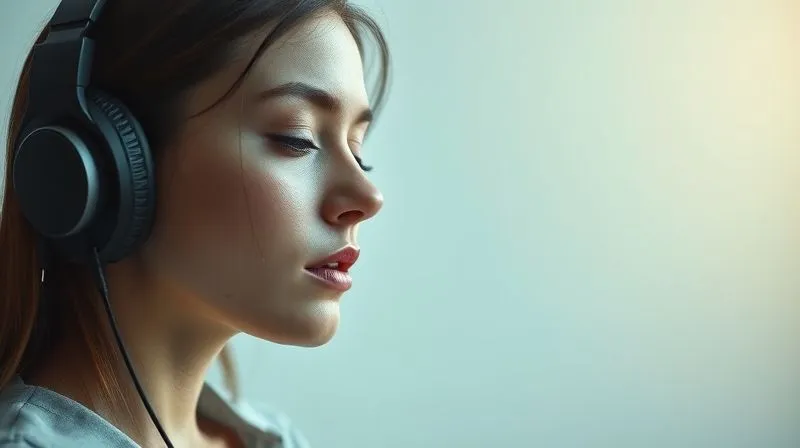
5. Mastering the Face: Eyes, Lips, and Jawline in Expressive Posing
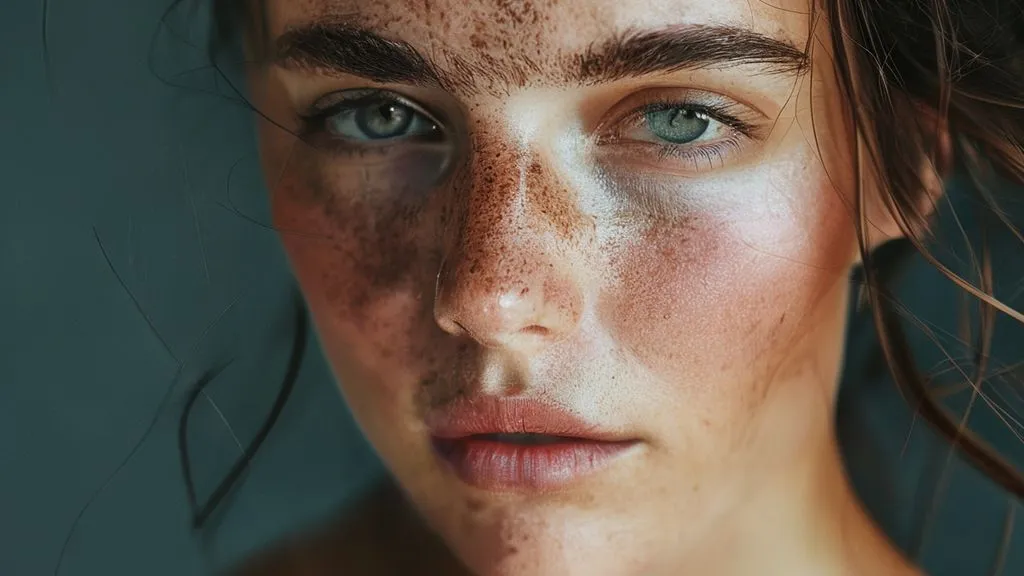
The face is the focal point of emotion. Even the subtlest shift in the eyes or the curve of the lips can dramatically alter the narrative of a high-end fashion image.
The Gaze: Direct, Away, and Implied
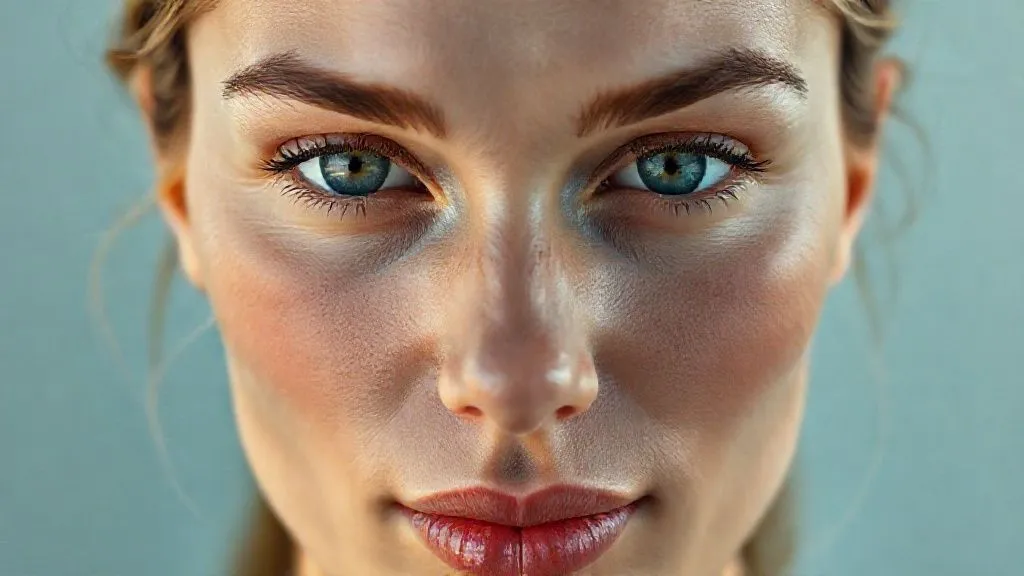
The eyes are truly the windows to the soul. A direct gaze at the camera can convey confidence, challenge, or intimacy. A gaze off-camera can suggest contemplation, longing, or a narrative unfolding beyond the frame. An implied gaze, where the eyes are partially obscured or looking downward, can evoke mystery or vulnerability. Work with your model to experiment with the intensity and direction of their gaze, always tying it back to the story you're telling. Encourage them to 'look through' the lens, not just 'at' it.
Subtle Shifts: Lips and Jaw
Often, less is more. A slight parting of the lips can convey curiosity or surprise. A barely perceptible clenching of the jaw can suggest determination or tension. Avoid asking for exaggerated smiles or frowns, which can look forced in high-fashion contexts. Instead, focus on the muscles around the mouth and jaw, encouraging micro-movements that hint at deeper feelings. Think about the subtle expressions seen in classic portraiture or editorial work, where ambiguity often adds to the intrigue.
6. Body Language Decoded: From Posture to Fingertips
Expression isn't confined to the face; the entire body is a powerful communicator, especially in high-end fashion where the garment often dictates the body's interaction with space.
The Spine and Shoulders: Foundation of Grace
The spine is the anchor of posture and can convey everything from regal confidence to slumped despair. Encourage models to be mindful of their core, to lengthen their spine, and to use their shoulders to frame their neck and face. A slight rotation of the shoulders can create dynamism, while a gentle curve can soften a silhouette. Think about how the body interacts with the fabric – does it drape, does it pull, does it flow? This interaction is key to how to get models to pose expressively for high-end fashion.
Hands and Feet: Often Overlooked Storytellers
Hands can be incredibly expressive, conveying elegance, tension, fragility, or strength. Avoid stiff, claw-like, or limp hands. Encourage natural gestures – a gentle touch of the face, an elegant extension, or a subtle clasp. Similarly, feet, even when partially obscured, contribute to the overall balance and energy of a pose. A pointed toe can add grace, while a firmly planted foot can ground a powerful stance. Pay attention to every detail; the smallest adjustment can make a significant difference.
| Body Part | Expressive Cues | Common Pitfall |
|---|---|---|
| Eyes | Direct gaze, averted gaze, narrowed, widened, looking through lens, subtle squint. | Blank stare, looking bored. |
| Mouth/Lips | Slightly parted, soft curve, hint of a smile, subtle tension. | Forced smile, pout. |
| Jawline | Relaxed, subtly tensed, slightly dropped. | Overly clenched, looking stiff. |
| Shoulders | Relaxed, slightly rolled back, one higher than the other (dynamism), gentle curve. | Hunched, overly stiff, uneven. |
| Hands | Relaxed fingers, gentle curve, expressive gestures, interacting with fabric/face. | Clenched fists, limp fingers, awkward positioning. |
| Feet/Legs | Weight distribution, pointed toe, crossed legs (elegant), dynamic stance. | Stiff, parallel feet, awkward angles. |
7. Post-Production Enhancement: When Subtle Tweaks Matter
While expression must originate on set, post-production plays a crucial role in refining and enhancing what was captured, but always with a light touch. The goal is to amplify, not fabricate.
Enhancing, Not Creating, Expression
In post-production, I might subtly enhance the catchlights in a model's eyes to add sparkle, or gently deepen shadows to emphasize a pensive mood. Minor adjustments to contrast or dodging and burning can draw attention to the nuances of an expression. However, I strongly advise against digitally altering expressions – adding a smile where there was none, or changing the direction of a gaze. This not only creates an inauthentic image but also undermines the work done on set.
The Ethical Line
As a professional, maintaining the integrity of the image is paramount. Over-manipulation can lead to images that feel artificial and detract from the high-end aesthetic. The best post-production is often imperceptible, simply bringing out the best of what was already there. This aligns with broader industry discussions around authenticity, as highlighted by publications like Vogue Business, which increasingly value genuine portrayal over heavily retouched idealism.
8. Building a Portfolio of Expressive Talent: Casting for Depth
Ultimately, the ability to consistently achieve expressive poses starts long before the shoot day: it begins with casting. Identifying models who possess an innate ability to connect with emotion is a game-changer for high-end fashion photography.
Beyond Aesthetics: Seeking Emotional Intelligence
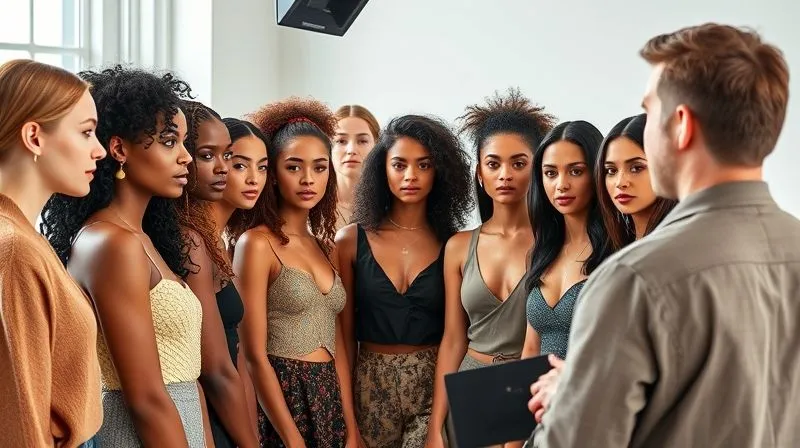
When casting, I look beyond physical attributes. I pay close attention to how models carry themselves in the casting room, how they respond to direction, and their general demeanor. Do they seem engaged? Can they take direction and translate it into something authentic? I often ask models to perform simple emotional prompts – 'show me anticipation,' 'show me quiet reflection' – to gauge their range and comfort with vulnerability. A model with high emotional intelligence will intuitively understand how to get models to pose expressively for high-end fashion.
The Interview: Uncovering Personality and Potential
A brief conversation during the casting process can reveal a lot about a model's personality, their experiences, and their potential for expressive depth. Are they articulate? Do they have a natural curiosity? Models who bring their unique life experiences to the set are often the most capable of conveying complex emotions. This holistic approach to casting ensures you're not just hiring a face, but a collaborator with depth and understanding, ready to tell a story.
Casting for emotional resonance is not a luxury; it's a necessity for truly impactful high-end fashion photography.
Frequently Asked Questions (FAQ)
Q: What if a model is shy or struggles to show emotion? A: Begin by focusing on building rapport and trust. Instead of asking for a specific emotion, give them a scenario or a character to inhabit. Use music to set a mood. Sometimes, allowing them to look away from the camera can reduce self-consciousness and encourage more natural expressions. Patience and positive reinforcement are key. Remember, not every model is an actor, but every person has emotions; your job is to create a safe space for them to surface.
Q: How do I balance creative freedom with a client's specific brief for expressive posing? A: Always start by thoroughly understanding the client's vision and the brand's aesthetic. Communicate this vision clearly to the model. Within those parameters, encourage the model to explore variations. Present the client with options that fulfill their brief but also showcase the model's expressive range. Frame it as 'elevating the brief' rather than deviating from it. This requires strong communication skills and the ability to articulate the value of expressive depth.
Q: Can music really make that much of a difference on set? A: Absolutely. Music bypasses the conscious mind and directly impacts our emotional state. The right soundtrack can instantly set a mood, evoke a memory, or energize a model. I've seen stoic models visibly relax and become more fluid with the right music. It's a powerful, often underutilized, tool for fostering authentic expression. Experiment with genres and tempos to see what resonates best with your model and concept.
Q: How much direction is too much? When should I step back? A: This is an art, not a science. Too much direction can make a model feel like a puppet, stifling their natural instincts. Too little can leave them feeling lost. The key is observation. Watch for signs of frustration or stiffness. Provide a clear initial direction, then step back and let the model interpret it. Capture their initial responses, then offer small, precise adjustments. If a model is flowing, let them flow. Step in when they seem stuck or when you need to refine a specific detail. It's a dance between leading and following.
Q: What's the biggest mistake photographers make when trying to get models to pose expressively? A: The biggest mistake is treating the model as merely a prop or a mannequin. When a photographer fails to connect, communicate the 'why,' or create an emotionally safe environment, the resulting expressions will inevitably be generic or forced. Another common error is asking for an emotion without providing a context or a narrative. You can't just demand 'sadness'; you must inspire the feeling that leads to sadness.
Key Takeaways and Final Thoughts
- Connection is Paramount: Build trust and rapport before expecting vulnerability and expression.
- Narrative Drives Emotion: Give your models a story or character to inhabit, not just a pose to strike.
- Embrace Movement: Encourage continuous, fluid motion to capture natural, dynamic expressions.
- Leverage Micro-Expressions: Focus on subtle shifts in the eyes, lips, and body for genuine depth.
- Direct with Empathy: Guide your models with clear, evocative cues, but allow room for their unique interpretation.
- Casting for Depth: Prioritize emotional intelligence and expressive potential during model selection.
- Refine, Don't Fabricate: Use post-production to subtly enhance, never to create, expressions.
Mastering how to get models to pose expressively for high-end fashion isn't about a magic trick; it's about cultivating a profound understanding of human connection, psychology, and the art of subtle guidance. It demands patience, empathy, and a deep appreciation for the unique contribution each model brings to your vision. By implementing these expert-level strategies, you won't just capture beautiful images; you'll capture compelling narratives, transforming your fashion photography into powerful visual storytelling that truly resonates. The journey to unlocking that expressive potential in your models is one of the most rewarding aspects of this incredible craft, and I encourage you to embrace it fully.
Recommended Reading
- Unlock the Secret: How to Prevent Scratches on Your Watch Crystal
- 7 Proven Ways to Halt Activewear Breathability Loss Fast
- Unearthing Obscure Costume Details: A Filmmaker's 7-Step Research Guide
- Boost Textile Recycling: 7 Proven Ways to Incentivize Garment Returns
- Eyewear for Sensitive Skin: Find Your Perfect, Irritation-Free Fit


Your email address will not be published. Required fields are marked *