


How to Pivot Unsold Winter Womenswear for Spring's Unexpected Trends?
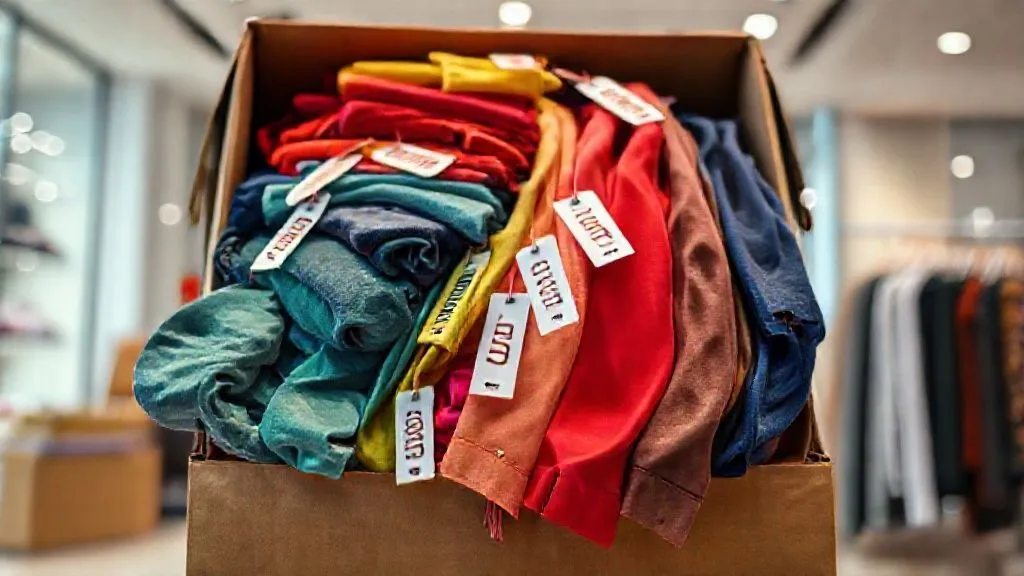
For over fifteen years in the dynamic world of womenswear, I've witnessed countless retailers grapple with the perennial challenge of unsold seasonal inventory. It's a common dilemma: you invest heavily in a winter collection, anticipating consumer demand, only to find yourself with a surplus as the first buds of spring appear. This isn't just about lost revenue; it's about tying up capital, occupying valuable retail space, and potentially damaging brand perception with constant deep discounts.
The pain point is palpable: a warehouse full of beautiful, high-quality winter garments that feel increasingly out of place as temperatures rise and new trends emerge. The fear of obsolescence looms large, coupled with the pressure to make way for fresh spring arrivals. Many resort to aggressive markdowns, eroding margins and sometimes, paradoxically, devaluing their brand in the eyes of their loyal customers. This reactive approach often exacerbates the problem rather than solving it strategically.
But what if I told you there's a more ingenious path? A way to not only mitigate losses but to transform unsold winter womenswear into desirable, on-trend pieces for spring? In this definitive guide, I'll share actionable frameworks, real-world insights, and expert strategies developed from years in the trenches, showing you precisely how to pivot unsold winter womenswear for spring's unexpected trends, turning potential liabilities into profitable assets. We'll explore everything from data-driven trend analysis to creative repurposing and strategic marketing, ensuring your brand remains agile and profitable.
Understanding the Seasonal Shift & Unexpected Trends
The fashion calendar is a relentless cycle, but within its predictable rhythm, unexpected micro-trends and shifts often emerge, catching many off guard. While winter fashion typically emphasizes warmth, layering, and richer textures, spring ushers in lightness, brighter palettes, and different silhouettes. The key to a successful pivot lies in understanding these shifts not as rigid boundaries, but as fluid transitions.
Unexpected trends often arise from cultural movements, social media virality, or even global events. Think about how comfort-wear exploded, or how cottagecore suddenly dominated. These aren't always predicted by traditional trend forecasting but can quickly influence consumer buying habits. As an industry veteran, I’ve learned that agility is paramount. It's not just about knowing what's coming, but being able to adapt your existing inventory to meet these emergent demands. This requires a proactive mindset, moving beyond the traditional 'clearance sale' mentality to one of creative transformation.
Before any strategic move, we must first deeply analyze the current landscape. What are consumers actually looking for? What are the subtle signals emerging from street style, influencers, and early adopters? This foundational understanding will inform every subsequent decision, ensuring your pivot is not a shot in the dark, but a well-aimed dart at a moving target.

The Data-Driven Approach: Unearthing Spring's Nuances
In today's retail landscape, intuition alone is a risky navigator. To effectively pivot unsold winter womenswear for spring's unexpected trends, you must embrace a data-driven approach. This means diving deep into your own sales data, analyzing customer behavior, and staying keenly attuned to broader market signals. I've seen countless brands make assumptions that cost them dearly; the data, however, rarely lies.
Analyzing Internal Sales Data for Hidden Opportunities
Begin by dissecting your unsold winter inventory. Which specific items, categories, or styles are lingering? Are there particular colors, fabrics, or silhouettes that performed poorly? Conversely, identify any winter items that showed surprising resilience or cross-seasonal appeal. Perhaps a lightweight knit cardigan, despite being part of the winter collection, could easily transition into spring layering.
- Identify Underperforming SKUs: Pinpoint items with high stock levels and low sell-through rates.
- Segment by Attributes: Analyze by color, fabric, silhouette, and price point. Are certain attributes universally problematic, or only in specific combinations?
- Review Customer Feedback: Scour reviews, social media comments, and customer service logs. Are there recurring complaints about fit, comfort, or style that could inform repurposing efforts?
- Spot Transitional Pieces: Look for items that, with minor modifications or clever styling, could blend into a spring wardrobe.
External Market Research and Trend Spotting
Beyond your internal data, external market intelligence is crucial. This is where you identify those 'unexpected' spring trends. Utilize trend forecasting services, industry reports, and social listening tools.
According to a recent report by McKinsey & Company on the State of Fashion, agility and data analytics are now non-negotiable for retail survival. They emphasize the importance of real-time trend monitoring and flexible supply chains.
| Data Point | Key Metric | Insight |
|---|---|---|
| Website Traffic (Spring) | Peak days, popular categories | Indicates emerging interest areas |
| Social Media Mentions (Spring) | Hashtags, influencer content | Reveals micro-trends and consumer sentiment |
| Competitor Spring Launches | New styles, pricing, promotions | Benchmarks and identifies gaps |
| Search Volume (Spring fashion terms) | Long-tail keywords, product searches | Direct consumer intent |
By combining your internal performance data with external trend insights, you build a robust foundation for strategic decision-making. This isn't just about reacting; it's about intelligent, informed adaptation.
Repurposing & Reimagining: Creative Design Pivots
This is where the magic truly happens – transforming what was once a winter staple into a spring sensation. The goal isn't just to make it wearable, but to make it desirable and relevant to the current aesthetic. As a specialist in womenswear, I’ve seen firsthand how a small design tweak can completely alter a garment’s seasonal appeal.
Design Modifications for Seasonal Transition
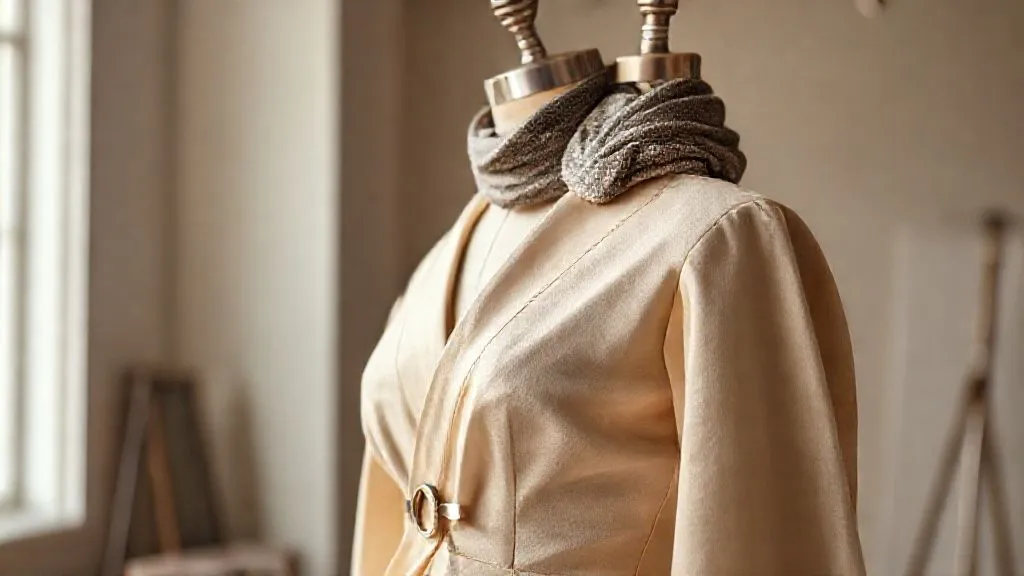
Consider the core elements of your unsold inventory. Can heavy wool coats become stylish trench-style vests by removing sleeves and adding lighter linings? Can chunky knit sweaters be cropped or embellished with spring-appropriate details?
- Color Transformation: Dark winter hues can be overdyed to lighter, brighter spring tones. Think pastel pinks, sky blues, or soft greens over navy or charcoal.
- Silhouette Adjustments: Cropping hemlines, removing sleeves from jackets, or adding cinching details can instantly lighten the feel of a garment.
- Fabric Embellishment: Incorporate spring fabrics like lace, eyelet, or lightweight embroidery onto existing pieces. Adding floral patches or delicate beadwork can transform a plain knit.
- Hardware & Detailing: Replace heavy, utilitarian zippers or buttons with lighter, more decorative options. Add drawstrings or tie details for a softer, more fluid look.
- Layering Potential: Re-market heavier pieces as transitional layering items. A lightweight wool blazer, for instance, can be styled over a delicate spring dress.
Case Study: How 'Aurora Apparel' Revitalized its Winter Knitwear
Case Study: How Aurora Apparel Revitalized its Winter Knitwear
Aurora Apparel, a mid-sized boutique specializing in knitwear, found itself with a significant surplus of chunky merino wool sweaters as spring approached. Instead of drastic markdowns, they opted for a creative pivot. Their design team identified several sweaters with strong core designs but heavy winter branding. They implemented a three-pronged approach:
- Cropping & De-sleeving: Approximately 40% of the sweaters were cropped to a modern, waist-length silhouette, and a portion of those had their sleeves removed to create knit vests.
- Natural Dyeing: A selection of dark grey and navy sweaters were professionally overdyed using natural, lighter pigments like sage green and dusty rose, aligning with emerging spring palettes.
- Embellishment: For a small, premium batch, delicate floral embroidery was added to the shoulders and cuffs, transforming them into unique, artisanal pieces.
This initiative allowed Aurora Apparel to re-launch these 'new' spring items at near-original prices, selling through 70% of the repurposed stock within six weeks. The new collection garnered positive media attention for its sustainable approach and creative design, proving that thoughtful transformation can yield significant returns.
"True innovation in fashion often lies not in creating something entirely new, but in finding fresh relevance in what already exists. It's about seeing potential where others see only obsolescence." - Fashion Industry Expert, Sarah Blank

Strategic Pricing & Promotional Power Plays
Pricing unsold winter stock for spring requires a delicate balance. You want to move inventory without devaluing your brand or setting a precedent for future deep discounts. The goal is to present these items not as 'leftovers,' but as smart, versatile investments for the transitional season.
Value-Driven Pricing Strategies
Avoid the immediate impulse to slash prices by 50% or more. Instead, consider strategies that add perceived value or create unique purchase incentives.
- Transitional Collection Pricing: Position repurposed items as part of a 'Transitional' or 'Seasonless' collection, allowing for a more stable price point than a traditional 'Sale' tag.
- Bundling Opportunities: Pair a repurposed winter item with a new spring accessory (e.g., a lightweight scarf, a delicate necklace) at an attractive combined price. This increases average order value and clears two items.
- Tiered Discounts: Offer increasing discounts for purchasing multiple items from the repurposed collection (e.g., Buy one, get 15% off; Buy two, get 25% off).
- Loyalty Program Exclusives: Offer early access or special pricing on these items to your most loyal customers as a perk, reinforcing their value.
Creative Promotional Messaging
The messaging around your repurposed collection is just as important as the pricing. It needs to tell a compelling story that resonates with spring's unexpected trends and consumer values.
As Seth Godin, the renowned marketing guru, often emphasizes, "People don't buy goods and services. They buy relations, stories, and magic." Your narrative for these revitalized pieces must be powerful.
Focus on versatility, sustainability, and smart styling. Highlight how these pieces extend their wardrobe, offer unique styling opportunities, and represent a conscious choice against fast fashion. Frame them as 'investment pieces' that defy seasonal limitations.
Mastering the Marketing Message: Storytelling for Sustainability
Once you've creatively pivoted your winter womenswear, the next critical step is to master the marketing message. This isn't about selling old stock; it's about telling a new story, one that aligns with contemporary consumer values like sustainability, versatility, and conscious consumption. Your narrative must be compelling, authentic, and forward-thinking.
Crafting a Compelling Narrative
The core of your marketing message should revolve around the transformation. How did these pieces evolve? What makes them perfect for the transitional spring season? Emphasize their renewed purpose and style.
- The 'Seasonless Style' Angle: Position these garments as essential building blocks for a versatile wardrobe that transcends traditional seasonal boundaries. Highlight their ability to be layered or worn independently.
- The 'Conscious Collection' Story: If you've repurposed items, lean into the sustainability aspect. Talk about extending the life cycle of garments, reducing waste, and making environmentally responsible fashion choices. This resonates deeply with a growing segment of consumers.
- 'From Winter Warmth to Spring Chic': Use evocative language that illustrates the journey of the garment, from its original winter function to its new spring aesthetic.
- Highlight Unique Features: If you've added new embellishments, colors, or structural changes, showcase these as desirable, fresh attributes.
Leveraging Visuals and Influencers
Visual storytelling is paramount in fashion. Showcase your repurposed collection in dynamic, aspirational spring settings. Think bright, airy backdrops, natural light, and diverse models.
Social Media & Digital Storytelling
Utilize platforms like Instagram, TikTok, and Pinterest to tell your story visually. Create engaging reels or short videos demonstrating the 'before and after' transformation, or showing multiple ways to style a repurposed item for spring.
- Style Guides & Lookbooks: Develop digital lookbooks or blog posts featuring your repurposed items styled for various spring occasions – from casual brunches to evening events.
- Behind-the-Scenes Content: Share snippets of the repurposing process (e.g., dyeing, tailoring, adding embellishments). This builds transparency and highlights the craftsmanship involved.
- Influencer Collaborations: Partner with micro-influencers whose aesthetics align with your brand and who champion sustainable or versatile fashion. They can authentically showcase how to pivot unsold winter womenswear for spring's unexpected trends in real-life scenarios.
Remember, your customers want to feel good about their purchases. By framing your repurposed winter stock as a conscious, stylish choice for spring, you're not just selling clothes; you're selling a narrative that aligns with their values.

Channel Optimization: Where to Sell Your Revitalized Collection
Simply having a great repurposed collection isn't enough; you need to strategically place it where your target spring customer is shopping. The channels you choose for your revitalized winter womenswear can significantly impact its success and visibility. It's about meeting your customer where they are, with a message tailored to that specific platform.
Expanding Beyond Traditional Retail
While your flagship store or e-commerce site remains crucial, consider diversifying your sales channels to reach new audiences and create a sense of exclusivity or urgency for these unique pieces.
- Pop-Up Shops & Seasonal Markets: A temporary physical presence in a high-traffic spring location (e.g., a farmers' market, a popular outdoor shopping district, or a festival) can generate buzz and allow customers to experience the transformed garments firsthand.
- Online Marketplaces with a Sustainable Focus: Platforms like Etsy (for artisanal, unique pieces), or even specialized sustainable fashion marketplaces, can provide a targeted audience looking for conscious consumption options.
- Collaborations with Complementary Brands: Partner with a brand that offers spring accessories, footwear, or lifestyle products. A joint marketing effort or a shared retail space can introduce your collection to their customer base.
- Flash Sales & Limited Edition Drops: Create excitement by releasing limited quantities of your repurposed collection as 'drops' at specific times. This plays on scarcity and can drive immediate purchases.
According to Forbes Business Council, an omnichannel strategy, blending online and offline experiences, is key to modern retail success. This approach allows you to engage customers across multiple touchpoints.
Optimizing Your E-commerce Presentation
Your online store needs to reflect the new narrative. High-quality product photography is non-negotiable, showing the repurposed items styled for spring. Update product descriptions to highlight versatility, sustainable modifications, and styling tips. Create dedicated landing pages for your 'Transitional' or 'Seasonless' collection to ensure clear navigation and a compelling presentation.
Operational Agility: Supply Chain & Inventory Management
Pivoting unsold winter womenswear for spring's unexpected trends isn't just a marketing or design challenge; it's fundamentally an operational one. Your ability to execute these transformations efficiently and cost-effectively hinges on a lean and agile supply chain and robust inventory management practices. I've observed that the most successful brands are those with an operational backbone that can flex and adapt.
Streamlining the Repurposing Process
If you're undertaking design modifications, this process needs to be as efficient as possible to minimize costs and time-to-market. Consider:
- Local Sourcing & Production: If possible, partner with local ateliers or specialized workshops for dyeing, tailoring, or embellishment. This reduces lead times and shipping costs.
- Modular Design: For future collections, consider designing garments with modularity in mind – components that can be easily added, removed, or swapped to adapt to different seasons or trends.
- Small Batch Production: Don't repurpose your entire unsold stock at once. Start with smaller batches of the most promising items to test market reaction before scaling up. This minimizes risk.
Improving Future Inventory Forecasting
The lessons learned from your current surplus should inform future inventory planning. This is an opportunity to refine your forecasting models and build greater resilience into your supply chain.
| Metric | Target (Next Winter) | Actionable Insight |
|---|---|---|
| Sell-Through Rate (Previous Winter) | Increase by 10-15% | Adjust initial order quantities for underperforming categories |
| Inventory Turnover (Previous Winter) | Improve by 20% | Implement more frequent, smaller orders; adopt quick response manufacturing |
| Lead Time for Production | Reduce by 15-20% | Diversify supplier base; explore nearshoring options |
| Customer Demand Predictability | Increase accuracy by 25% | Invest in AI-driven forecasting tools; integrate real-time sales data |
By focusing on these operational aspects, you not only solve the immediate problem of unsold winter stock but also build a more robust, responsive, and sustainable business model for the long term. This agility is the competitive edge in an unpredictable fashion market.
Building Resilience: Future-Proofing Your Inventory Cycle
The current challenge of pivoting unsold winter womenswear for spring's unexpected trends offers a crucial opportunity for introspection and long-term strategic planning. As an industry specialist, I believe true success lies not just in solving immediate problems, but in building systems that prevent them from recurring. Future-proofing your inventory cycle is about designing for longevity, embracing circularity, and fostering an agile business model.
Designing for Longevity and Seasonless Appeal
Shift your design philosophy to create pieces that have inherent versatility and a longer shelf life. This means:
- Timeless Aesthetics: While trends are important, prioritize classic silhouettes and foundational pieces that can be styled in multiple ways across seasons.
- Quality over Quantity: Invest in high-quality materials and construction that withstand wear and evolving trends. This justifies a higher price point and encourages conscious consumption.
- Modular & Convertible Designs: As mentioned, consider items that can be easily adapted – detachable linings, convertible hemlines, or adjustable features that allow a garment to transition from one season to another with ease.
This approach not only reduces the risk of unsold inventory but also aligns with the growing consumer demand for sustainable and durable fashion.
Embracing Circular Fashion Principles
The ultimate future-proofing strategy involves integrating circular economy principles into your business model. This goes beyond just repurposing unsold stock; it's about a holistic approach to design, production, and consumption.
- Rentals & Resale: Explore offering rental services for higher-value items or facilitating a brand-managed resale platform for your past collections.
- Take-Back Programs: Encourage customers to return old garments for recycling or upcycling, offering incentives for their participation. This creates a closed loop.
- Design for Disassembly: Create garments that are easy to take apart, allowing components to be recycled or reused at the end of their life.
The Ellen MacArthur Foundation advocates for a circular economy in fashion, highlighting its potential to reduce waste and pollution, and keep products and materials in use. This isn't just an ethical choice; it's becoming a business imperative.
By embedding these principles, you transform your brand from one that simply sells clothes to one that offers sustainable value, fosters customer loyalty, and builds true resilience against the unpredictable currents of seasonal fashion.

Frequently Asked Questions (FAQ)
Is it truly too late to pivot winter stock for spring once the season has officially changed? Absolutely not. While urgency increases, a strategic pivot is always possible. The key is to act decisively and creatively. The longer you wait, the more deeply you'll have to discount. By embracing design modifications and a strong marketing narrative, you can still find significant success well into the spring season.
How can I quickly identify unexpected spring trends without a large budget for forecasting services? Leverage free or low-cost resources. Monitor social media platforms like TikTok, Instagram, and Pinterest for emerging aesthetics and viral fashion moments. Observe street style in major cities (even virtually). Pay attention to micro-influencers. Tools like Google Trends can also reveal rising search queries for specific styles or colors, offering real-time insights into consumer interest.
What if my winter items are genuinely too heavy or warm for any practical spring use? This is a valid concern. For truly heavy items, focus on repurposing for cooler spring evenings or transitional weather in regions with more variable climates. Consider deconstruction: can parts of the garment (e.g., a high-quality wool fabric) be used to create smaller, lighter accessories like bags, scarves, or even home decor items? Or, as a last resort, explore donation to charities in colder regions or textile recycling programs, ensuring responsible disposal.
How do I communicate these changes to my customers without making my brand look desperate or inconsistent? Transparency and storytelling are your best allies. Frame the pivot as a conscious, sustainable choice to extend the life of beautiful garments and offer versatile, seasonless style. Use language that emphasizes innovation, creativity, and your brand's commitment to thoughtful fashion. Avoid terms like 'clearance' or 'old stock' for these repurposed items. Instead, introduce them as a 'Transitional Collection' or 'Reimagined Essentials.'
What's the biggest mistake retailers make when trying to pivot unsold inventory? The most significant error is a lack of strategy and a reactive, panic-driven approach. Simply slapping a '50% Off' sign on winter coats without understanding why they didn't sell, or how they could be re-contextualized for spring, is a missed opportunity. It devalues your product, erodes margins, and doesn't solve the root problem of inventory management. A true pivot requires careful planning, creativity, and a willingness to invest in transformation.
Key Takeaways and Final Thoughts
Navigating the unpredictable currents of seasonal fashion is a constant challenge for womenswear retailers. However, the problem of unsold winter inventory doesn't have to be a recurring nightmare. By embracing a strategic, data-driven, and creatively agile approach, you can transform liabilities into assets, ensuring your brand remains profitable and relevant.
- Embrace Data: Use both internal sales analytics and external trend forecasting to inform your pivot decisions.
- Creative Repurposing: Don't just discount; reimagine and redesign winter pieces for spring appeal.
- Strategic Marketing: Craft a compelling narrative centered on versatility, sustainability, and seasonless style.
- Channel Optimization: Explore new sales avenues like pop-ups, sustainable marketplaces, and collaborations.
- Operational Agility: Streamline your repurposing process and refine future inventory forecasting.
- Future-Proofing: Design for longevity and integrate circular fashion principles into your core strategy.
Remember, every challenge in retail is an opportunity for innovation. By learning how to pivot unsold winter womenswear for spring's unexpected trends, you're not just clearing stock; you're building a more resilient, responsive, and ultimately, more successful fashion business. Stay agile, stay creative, and trust in your expertise to guide your brand through every seasonal transition.
Recommended Reading
- Clean Suede Shoes Like a Pro: Avoid Ruining Them! Here's How
- Unveiling the True Worth: Why Haute Couture Hand-Sewn Details Are Invaluable
- The Definitive Guide: How to Verify if a Fabric is Truly Biodegradable?
- Scaling Biodegradable Textiles: 7 Strategies to Cut Costs & Innovate
- Unveiling the Future: How Advanced Textile Technologies Are Slaying Fashion Waste



Your email address will not be published. Required fields are marked *