

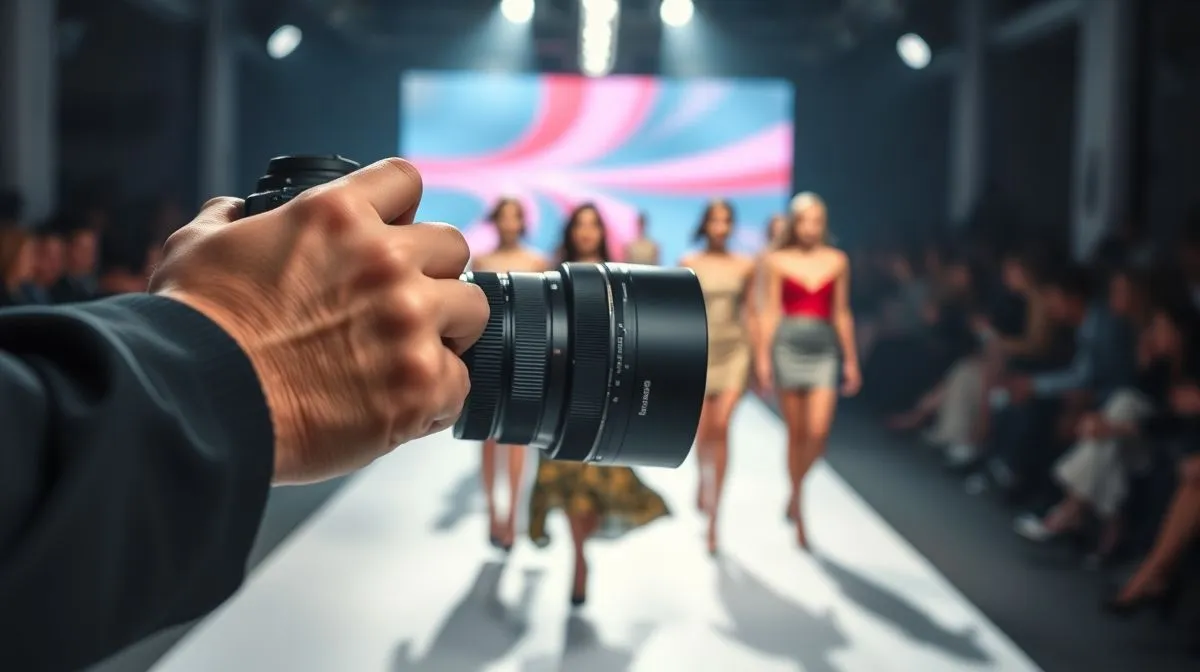
How to Consistently Deliver High-Quality Runway Images Quickly?
For over two decades in the exhilarating, high-stakes world of fashion photography, I’ve witnessed countless photographers grapple with one persistent, career-defining challenge: the relentless demand for speed without sacrificing an inch of quality in runway imagery. It’s a tightrope walk – a sprint against the clock while maintaining artistic integrity and technical perfection.
The pain point is palpable: a missed shot means a missed opportunity, a slow delivery can mean losing out to faster competitors, and inconsistent quality can tarnish a hard-earned reputation. Clients, from designers to publications, expect immediate, impeccable results in an industry that moves at lightning speed. It’s not enough to be good; you must be fast and consistently brilliant.
In this definitive guide, I’ll share the battle-tested frameworks, insider strategies, and nuanced techniques that I and other top-tier professionals employ to not just meet, but exceed these expectations. You’ll learn how to master every stage of the process, from pre-show planning to final delivery, ensuring you consistently deliver high-quality runway images quickly, every single time.
The Unseen Demands of Runway Photography
Before we dive into solutions, let’s truly appreciate the beast we’re taming. Runway photography isn't just about pointing a camera at a model. It's a complex ecosystem of fleeting moments, challenging lighting, immense pressure, and tight deadlines. You're capturing art in motion, often under less-than-ideal conditions, with no second chances.
- Momentary Perfection: Each walk, each pose, each garment’s movement is unique and happens only once. There’s no re-take button.
- Lighting Labyrinth: From stark spotlights to ambient stage washes, lighting is constantly shifting, requiring rapid camera adjustments.
- Volume Velocity: Hundreds, sometimes thousands, of images per show are standard. Each needs a critical eye and efficient handling.
- Immediate Gratification: Clients often expect selects within hours, sometimes even minutes, for social media or press releases.
"In the blink of an eye, a runway moment is gone. Your ability to capture, process, and deliver that moment flawlessly and rapidly is your ultimate differentiator."
Pre-Show Mastery: Setting the Stage for Success
Success on the runway begins long before the first model steps out. It's in the meticulous planning and preparation. This is where you lay the groundwork for speed and quality.
1. Gear Selection and Redundancy
Your tools are an extension of your vision. I always advocate for redundancy and reliability.
- Dual Camera Bodies: Always have two professional-grade DSLR or mirrorless bodies. One with a long telephoto (e.g., 70-200mm f/2.8) and another with a versatile mid-range (e.g., 24-70mm f/2.8 or 85mm f/1.4). This minimizes lens changes and maximizes coverage.
- Fast Lenses: Prioritize lenses with wide apertures (f/2.8 or faster) for low-light performance and beautiful bokeh.
- High-Speed Memory Cards: Invest in the fastest CFexpress or SDXC cards (V90 or higher). This is critical for continuous shooting and quick buffer clearing.
- Portable Hard Drives: Multiple, fast external SSDs for immediate backups.
- Battery Power: Enough charged batteries to last through multiple shows, plus spares.
2. Reconnaissance and Communication
Never walk into a show blind. Knowledge is power, and it translates directly into speed.
- Venue Walkthrough: If possible, scout the location beforehand. Understand the lighting, the runway length, and potential vantage points.
- Lighting Assessment: Pay close attention to the stage lighting during rehearsals. Is it consistent? Are there hotspots or dark zones? Adjust your strategy accordingly.
- Show Flow: Understand the schedule, the number of looks, and any special moments (celebrity appearances, designer bow).
- Communicate with Organizers: Confirm your access, designated press pit area, and any specific client requests for hero shots.
In-Camera Excellence: Capturing the Moment, Flawlessly
The less you have to fix in post-production, the faster your delivery. This means nailing the shot in-camera.
1. Mastering Camera Settings for Speed and Quality
Your camera settings are your first line of defense against delays.
- Manual Mode (M): Take full control. Set your aperture to your desired depth of field (typically f/2.8-f/4 for runway).
- Shutter Speed: Crucial for freezing motion. I typically start at 1/500s to 1/1000s, adjusting based on the speed of models and available light. This ensures sharp details on moving fabric and limbs.
- ISO: Let ISO float, but monitor it. Use Auto ISO with a maximum limit (e.g., 6400 or 12800) to maintain shutter speed and aperture, allowing the camera to adjust to varying light levels.
- White Balance: Custom White Balance (CWB) or a specific Kelvin temperature is best. Fluorescent or mixed lighting can be tricky; shoot a gray card if possible during rehearsals, or use a preset you know works.
- Continuous Autofocus (AF-C/AI Servo): Essential for tracking moving subjects. Use a wide-area AF mode that covers the runway, or a dynamic area mode that allows the camera to track within a cluster of points.
- High-Speed Continuous Shooting: Burst mode is your friend. It increases your chances of capturing the exact peak moment.
2. Strategic Framing and Composition
Don't just shoot. Compose.
- Full Body Shots: Capture the entire look as the model pauses or reaches the end of the runway.
- Mid-Shots: Focus on details like accessories, fabric movement, or the model’s expression.
- Movement Shots: Experiment with slightly slower shutter speeds (e.g., 1/250s) to convey motion blur in fabric while keeping the model relatively sharp, if the lighting allows.
- Clean Backgrounds: Always be aware of distractions behind the models. Position yourself to minimize clutter.
The Art of Agile Post-Production: Speed Without Compromise
This is where the rubber meets the road. Efficient post-production is non-negotiable for rapid delivery.
1. Rapid Culling and Selection
Don't waste time on unusable images.
- First Pass – The Brutal Cull: Immediately after the show, import images to a fast SSD. Go through them once, ruthlessly deleting out-of-focus, badly exposed, or redundant shots. Use keyboard shortcuts (e.g., 'X' for reject in Lightroom).
- Second Pass – The Selects: Quickly identify your absolute best shots. Use star ratings (e.g., 5 stars) or color labels. Focus on sharp, well-composed images that showcase the garment.
- Client Pre-Selects: If clients need immediate social media content, prioritize 10-20 key looks for a super-fast initial delivery.
2. Batch Processing and Presets
Consistency and speed come from automation.
- Develop Your Signature Presets: Create custom Lightroom or Capture One presets for runway. These should include exposure adjustments, white balance corrections, contrast, and sharpening.
- Apply in Batches: Apply your base preset to all selected images. Then, fine-tune individual images as needed. According to a study published by Adobe's photography insights, leveraging presets can reduce editing time by up to 50% for high-volume shoots.
- Sync Settings: Use synchronization features to apply adjustments across multiple similar images.
Case Study: How ‘Chic Shots Studio’ Slashed Delivery Times
Chic Shots Studio, a medium-sized fashion photography agency, consistently struggled with delivering runway images within the tight 24-hour window demanded by their high-profile clients. Their post-production was a bottleneck. By implementing a strict two-pass culling system combined with a robust library of customized Lightroom presets for various lighting conditions, they revolutionized their workflow. They also invested in faster external SSDs and trained their retouchers on keyboard-only navigation for culling. This resulted in a staggering 60% reduction in their average delivery time, allowing them to take on more shows and significantly boost client satisfaction and revenue.
Leveraging Technology: Tools for Rapid Delivery
The right software and hardware are force multipliers in your quest for speed.
1. Powerful Editing Software
- Adobe Lightroom Classic / Capture One: These are industry standards for a reason. Their cataloging, culling, and batch processing capabilities are unmatched.
- Photo Mechanic: For lightning-fast initial culling and metadata tagging, Photo Mechanic is unparalleled. Its ability to ingest, view, and keyword images faster than any other software makes it a crucial tool for professional event photographers.
2. Cloud-Based Collaboration and Delivery Platforms
Gone are the days of FTP servers.
- Pixieset / ShootProof: Excellent platforms for client proofing, selection, and final delivery. They offer branded galleries, download options, and often integrate with print labs.
- WeTransfer / Dropbox: For quick, large file transfers when a full gallery isn't needed immediately.
- Digital Asset Management (DAM) Systems: For larger studios, a robust DAM system ensures images are easily searchable, organized, and accessible to the entire team. As marketing guru Seth Godin often says, "Anticipate what's next." A good DAM system anticipates your future needs for image retrieval.
Building Your Dream Team: Collaboration for Consistency
You can’t do it all alone, especially not at scale. A well-oiled team is your secret weapon to consistently deliver high-quality runway images quickly.
1. The Photographer-Editor Synergy
This relationship is paramount.
- Clear Communication: The photographer must clearly articulate their vision and any specific instructions for editing.
- Standardized Workflow: Establish a shared understanding of presets, color grading, and retouching standards.
- Feedback Loop: Regular feedback sessions ensure consistency and continuous improvement.
2. Delegating Tasks Efficiently
- Dedicated Culler: If budget allows, have a dedicated person whose sole job is the brutal first pass of culling immediately after the show.
- Retouching Specialists: For high-end work, specific retouchers can handle skin, hair, or complex background clean-up while others focus on basic color correction.
- Assistant on Site: An assistant can manage memory cards, backups, and even help with minor equipment adjustments, freeing you to focus on shooting.
The Feedback Loop: Continuous Improvement
Excellence isn't a destination; it's a continuous journey of refinement. After every show, take time to analyze and adapt.
1. Post-Show Debrief
Gather your team (even if it's just you) and review the entire process.
- What Went Well? Identify successes in shooting, culling, and editing.
- What Could Be Improved? Pinpoint bottlenecks, technical issues, or missed opportunities.
- Client Feedback: Actively solicit feedback from your clients. Their satisfaction is the ultimate metric. Were they happy with the speed? The quality? The selection?
2. Refining Your Presets and Workflow
Use insights from your debrief to tweak your presets, optimize your culling strategy, or invest in new tools. Perhaps a specific venue’s lighting requires a slightly different white balance setting, or a new lens could improve sharpness.
"Every show is a masterclass in itself. Embrace the lessons, refine your craft, and you'll not only be faster but infinitely better."
Beyond the Show: Client Relations & Delivery
Your work isn't done until the client is delighted and the images are in their hands.
1. Setting Client Expectations
Be transparent about your turnaround times from the outset. Under-promise and over-deliver.
2. Organized Delivery
- Clear Naming Conventions: Use consistent file naming (e.g., 'DesignerName_Collection_LookNumber_PhotographerInitials.jpg'). This helps clients and your own archive.
- Variety of Formats: Provide images in high-resolution for print and web-optimized versions for online use.
- Metadata: Ensure all images are tagged with relevant metadata (keywords, copyright, photographer name). This is crucial for discoverability and protecting your work, as emphasized by organizations like the U.S. Copyright Office.
Frequently Asked Questions (FAQ)
What's the absolute minimum shutter speed for a sharp runway image? While 1/500s is a safe starting point for most scenarios, you might get away with 1/250s for models walking slowly or pausing, especially if you have excellent stabilization and lighting. However, for dynamic movement, especially with flowing fabrics, aim for 1/800s or faster to truly freeze motion. It's a balance between freezing action and managing ISO noise.
How do I handle wildly inconsistent lighting during a show? This is a common challenge. First, shoot in RAW for maximum flexibility. Use Auto ISO with a sensible upper limit. For major shifts, consider using your camera's custom white balance memory slots for quick recall of different lighting temperatures. If you have time during a lull, shoot a gray card. In post, apply a base preset and then fine-tune white balance for specific image groups. Tools like Lightroom’s “Match Total Exposures” can also help normalize exposure across varied lighting.
Is it better to cull on-site or back at the studio? For maximum speed, an initial, brutal cull on-site or immediately upon return to the studio is critical. Get rid of the obvious duds (blurry, misfired, eyes closed) while the show is fresh in your mind. This saves significant time later. The deeper, more refined selection can happen at your main workstation where you have a calibrated monitor and fewer distractions.
What’s the role of AI in speeding up runway photography? AI is increasingly becoming a game-changer. AI-powered culling tools can quickly identify sharp, well-exposed images with open eyes, significantly reducing your manual culling time. AI noise reduction tools (like those in Lightroom or Topaz DeNoise AI) can clean up high-ISO images without sacrificing detail, allowing you to push your camera’s ISO limits. AI upscaling can also be useful for cropping aggressively while maintaining print quality. The future will see more AI integration for automated color correction and even basic retouching, further enhancing your ability to consistently deliver high-quality runway images quickly.
How do I manage file sizes and storage for thousands of RAW images? Invest in robust, fast storage solutions. Multiple external SSDs for active projects and a Network Attached Storage (NAS) device for long-term archiving are essential. Implement a clear folder structure (e.g., Year/Client/ShowDate_ShowName) and backup strategy (3-2-1 rule: 3 copies, 2 different media types, 1 off-site). Consider cloud storage for critical selects. While RAW files are large, they offer the most flexibility for editing; optimize your workflow rather than compromising on file quality. For example, B&H Photo's guide on Digital Asset Management provides excellent insights on managing large volumes of files.
Recommended Reading
- Unlock All-Day Comfort: The Ultimate Guide to Business Casual Shoes for Men Who Stand
- The Secret to Preserving Vintage Silk Heirlooms: A Home Guide
- The Ultimate Secret to Effortlessly Transitioning Outfits for Busy Women
- Authenticate Vintage Designer Handbags: The Expert's Secret Guide
- Unlock the Secret: How to Care for Handcrafted Bespoke Leather Goods?
Key Takeaways and Final Thoughts
- Preparation is Paramount: Meticulous pre-show planning, from gear redundancy to venue reconnaissance, sets the foundation for speed and quality.
- Master In-Camera: Nail exposure, focus, and composition in-camera to minimize post-production time.
- Optimize Post-Production: Ruthless culling, smart use of presets, and batch processing are your best friends for rapid delivery.
- Leverage Technology: Invest in fast hardware and efficient software (Photo Mechanic, Lightroom/Capture One, cloud platforms) to streamline your workflow.
- Build a Strong Team: Delegate effectively and foster clear communication with retouchers and assistants.
- Embrace the Feedback Loop: Continuously analyze your process and adapt to improve with every show.
The world of fashion photography demands excellence at speed. By systematically implementing these strategies, you won't just keep up; you'll set the pace. You'll gain a reputation for reliability, speed, and uncompromising quality, allowing you to confidently tackle the most demanding runway shows and consistently deliver high-quality runway images quickly. Go forth and capture brilliance, swiftly!


Your email address will not be published. Required fields are marked *