

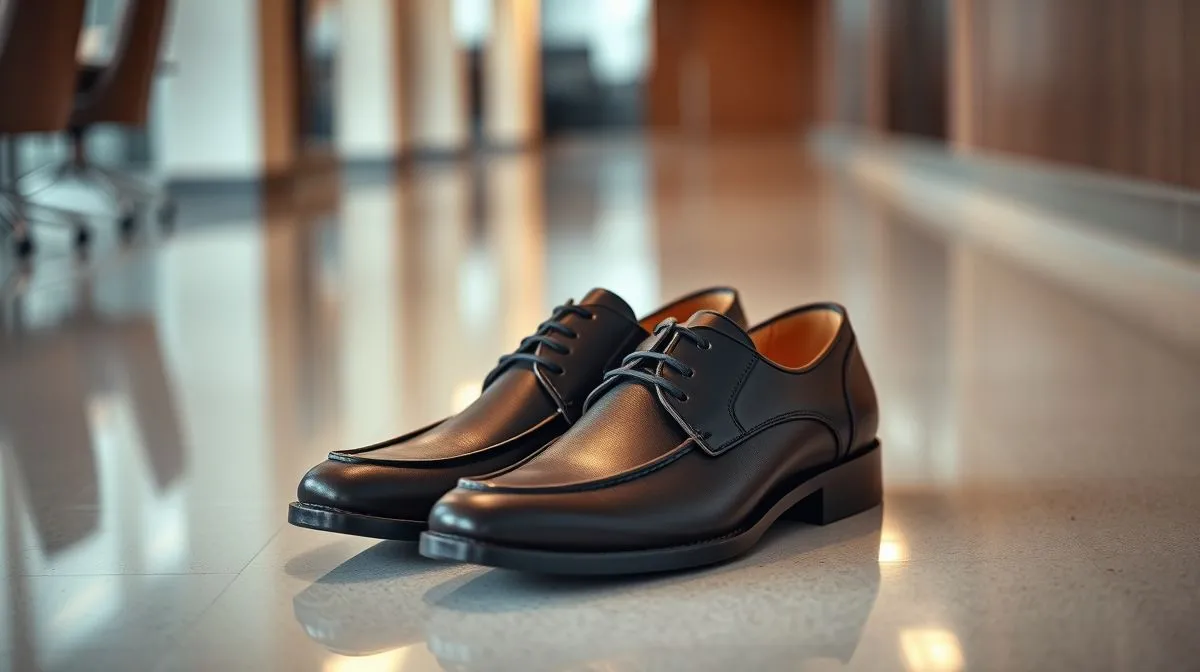
The Ultimate Guide to Best Business Casual Shoes for Standing All Day Men
Have you ever experienced that familiar ache in your feet after a long day at the office, wondering if stylish comfort is an impossible dream? For many professionals, the demands of a business casual dress code often clash with the need for all-day comfort, especially when your role involves prolonged standing. The persistent discomfort, fatigue, and even chronic pain can significantly impact your productivity and overall well-being.
For men whose professions demand both a sharp business casual aesthetic and hours spent on their feet, the dilemma is real. Traditional dress shoes often sacrifice comfort for style, leading to discomfort, fatigue, and even long-term foot health issues like plantar fasciitis, bunions, or metatarsalgia. This isn't just about minor annoyance; it's about preserving your foot health and maintaining your energy throughout the workday.
This comprehensive guide will unravel the secrets to finding the best business casual shoes for standing all day men, offering a blend of sophisticated style, superior support, and enduring comfort that will transform your workday. By the end, you'll know exactly what to look for, ensuring your feet stay happy and healthy, from morning commute to evening unwind, making foot pain a thing of the past.
Why Your Feet Deserve Better: The Impact of Standing All Day
Standing for extended periods puts immense pressure on your feet, ankles, knees, hips, and even your lower back. Without proper support, this constant strain can lead to a cascade of physical issues that extend far beyond simple fatigue. Understanding these impacts is the first step toward choosing the right footwear.
Understanding Foot Fatigue and Its Consequences
Foot fatigue is more than just tired feet. It's a complex response to prolonged stress on the muscles, ligaments, and tendons of the foot. Over time, this can lead to inflammation, pain, and a decreased ability to absorb shock effectively.
- Plantar Fasciitis: Inflammation of the thick band of tissue that runs across the bottom of your foot, connecting your heel bone to your toes.
- Metatarsalgia: Pain and inflammation in the ball of your foot.
- Arch Collapse: Weakening of the foot's natural arch, leading to flat feet and associated problems.
- Circulation Issues: Reduced blood flow to the lower extremities, causing swelling and discomfort.
These conditions not only cause pain but can also affect your posture, gait, and overall physical performance. Investing in appropriate footwear is a proactive measure against these debilitating issues.
The Link Between Footwear and Overall Well-being
Your shoes are the primary interface between your body and the ground. Ill-fitting or unsupportive shoes can disrupt your entire biomechanical chain, leading to discomfort not just in your feet, but throughout your body. Conversely, well-chosen footwear can significantly improve your posture, reduce muscle strain, and enhance your overall sense of well-being.
According to Mayo Clinic experts, choosing the right shoes is crucial for preventing foot pain and related conditions. Proper shoes distribute pressure evenly, provide necessary cushioning, and support the natural alignment of your foot. This in turn reduces stress on your joints and spine, allowing you to maintain focus and energy throughout your demanding workday.
Key Features of the Best Business Casual Shoes for Standing All Day
When searching for the ideal footwear, it's essential to look beyond aesthetics. The true value lies in the engineering and materials that provide enduring comfort and support. Here are the critical features that define the best business casual shoes for prolonged standing.
Superior Arch Support: The Foundation of Comfort
The arch of your foot is a natural shock absorber, distributing weight and supporting your body. Shoes with inadequate arch support can cause your arches to collapse, leading to overpronation and a host of painful conditions. Look for shoes that offer robust, anatomically contoured arch support.
- Built-in Arch Support: Many quality brands integrate supportive structures directly into the footbed.
- Removable Insoles: This feature allows you to insert custom orthotics or high-quality aftermarket insoles for personalized support.
- Firm Midsole: A stable midsole prevents excessive foot movement and maintains the shoe's structural integrity over time.
Cushioning and Shock Absorption: Bouncing Through Your Day
Standing on hard surfaces like concrete or tile requires significant cushioning to absorb the impact of each step. Without it, the force reverberates through your feet and up your kinetic chain, leading to discomfort.
The best shoes utilize advanced cushioning technologies in their midsoles and outsoles. Materials like EVA (ethylene-vinyl acetate) foam, polyurethane, or specialized gel inserts provide excellent shock absorption. Look for shoes that feel responsive and plush without being overly soft, as too much softness can compromise stability.
Breathability and Material Selection: Keeping Cool Under Pressure
Hot, sweaty feet are not only uncomfortable but can also lead to fungal infections and blisters. The material of your shoes plays a crucial role in breathability and overall foot health. High-quality materials allow air circulation, wicking away moisture.
- Full-Grain Leather: A premium choice, full-grain leather is naturally breathable and molds to your foot over time. It offers durability and a refined look.
- Suede: While less formal than polished leather, good quality suede can be surprisingly breathable and comfortable.
- Perforated Uppers: Small holes or patterns in the leather or textile upper can significantly enhance airflow.
Avoid synthetic materials that don't allow for proper air exchange, as they can trap heat and moisture, exacerbating discomfort during long hours of standing.
Outsole Grip and Flexibility: Stability Meets Agility
The outsole provides traction and contributes to the shoe's flexibility. A good outsole should offer stability on various surfaces while allowing your foot to move naturally. Rubber or composite outsoles are generally preferred over traditional leather for standing all day.
Look for outsoles with a moderate lug pattern or textured design to ensure reliable grip. Flexibility in the forefoot is also crucial, allowing your foot to bend and push off naturally as you shift weight or take small steps, reducing strain on your metatarsals.
Top Styles of Business Casual Shoes for All-Day Standing
The term 'business casual' encompasses a wide range of styles. Fortunately, several classic and contemporary designs can be found with the comfort features necessary for prolonged standing. Here are some of the most suitable options:
The Versatile Derby and Oxford: Classic Comfort Reimagined
Both Derbies and Oxfords are timeless staples of business attire. While Oxfords are traditionally more formal due to their closed lacing system, many modern interpretations offer enhanced comfort. Derbies, with their open lacing, tend to be more forgiving for wider feet or those that swell throughout the day.
- Key Comfort Features: Look for versions with padded collars, cushioned insoles, and rubber or composite outsoles instead of traditional leather. Brands often integrate athletic-shoe technology into their dress lines.
- Ideal For: Formal business casual environments where a polished look is paramount, but all-day comfort is non-negotiable.
Loafers and Slip-Ons: Effortless Elegance and Ease
Loafers offer unparalleled convenience and a relaxed yet refined aesthetic, making them excellent business casual shoes for standing all day men. Penny loafers, bit loafers, and tassel loafers are all stylish choices that can be found with comfort-oriented designs.
- Key Comfort Features: Seek out models with generous toe boxes, cushioned footbeds, and flexible soles. Some feature elastic goring or soft leather linings for a custom-like fit.
- Ideal For: Less formal business casual settings, travel, or anyone who values the ease of a slip-on style without sacrificing professionalism.
Chukka Boots and Desert Boots: Rugged Refinement
Chukka boots, characterized by their ankle-high cut and two or three eyelets, bridge the gap between casual and formal footwear. Desert boots are a type of chukka often made of suede with crepe soles, offering excellent comfort and a distinctive look.
- Key Comfort Features: The ankle support provided by these boots can be beneficial for stability. Look for padded insoles, soft linings, and resilient outsoles that offer both cushioning and grip.
- Ideal For: Creative industries, smart casual offices, or environments where a slightly more rugged yet sophisticated look is acceptable.
Hybrid Sneakers: When Athletic Meets Professional
The rise of the 'hybrid sneaker' or 'dress sneaker' has been a game-changer for those seeking ultimate comfort without completely abandoning a professional appearance. These shoes combine the sleek silhouettes of traditional dress shoes with the advanced cushioning and support systems of athletic footwear.
- Key Comfort Features: Expect highly engineered midsoles, advanced arch support, lightweight materials, and often knit or stretch uppers for superior breathability and flexibility.
- Ideal For: Modern, relaxed business casual workplaces, or roles where movement and comfort are paramount and a slightly more contemporary style is embraced.
Beyond the Basics: Advanced Considerations for Foot Health
Choosing the right shoes is paramount, but a holistic approach to foot health for those who stand all day involves more than just the initial purchase. These additional considerations can significantly enhance your comfort and well-being.
The Importance of Proper Fit and Sizing
Even the best-engineered shoe will fail if it doesn't fit correctly. A common mistake is assuming your shoe size never changes. Feet can change size due to age, weight fluctuations, or even time of day. Always measure your feet, and try shoes on later in the day when your feet are slightly swollen.
- Thumb's Width Rule: Ensure there's about a thumb's width of space between your longest toe and the end of the shoe.
- Heel Fit: Your heel should feel secure without slipping excessively.
- Width: The widest part of your foot should align with the widest part of the shoe. Your toes should have room to wiggle freely.
Don't rely solely on the stated size; fit varies between brands and styles. Walk around in the shoes for a few minutes to assess comfort and fit.
Incorporating Orthotics and Inserts
Even shoes with good built-in support can often be enhanced with aftermarket insoles or custom orthotics. These can provide additional cushioning, superior arch support, or correct specific biomechanical issues.
Consider consulting a podiatrist if you experience persistent foot pain; they can recommend custom orthotics tailored precisely to your foot's unique needs. For general enhancement, high-quality over-the-counter insoles can make a significant difference, especially if your chosen shoes have removable footbeds.
Rotation and Maintenance: Extending Shoe Life and Foot Health
Wearing the same pair of shoes every day, especially when standing for long hours, can accelerate wear and tear and prevent the shoes from fully drying out. This can lead to material degradation and unhygienic conditions.
Rotating between two or three pairs of the best business casual shoes for standing all day men allows each pair to air out, dry completely, and recover its cushioning properties. Regular cleaning and conditioning of leather shoes, along with timely resoling or repair, will also extend their lifespan and maintain their supportive qualities.
Common Mistakes to Avoid When Choosing Your Footwear
Even with the best intentions, some common pitfalls can lead to discomfort and regret. Being aware of these can save you time, money, and most importantly, your feet.
Sacrificing Comfort for Style: A Costly Error
It's tempting to prioritize aesthetics, especially in a professional setting. However, choosing overly stiff, narrow, or unsupportive shoes simply because they look good is a recipe for disaster. The pain and long-term foot issues will quickly outweigh any perceived style benefits.
Remember, true style includes confidence and comfort. When you're constantly shifting your weight or wincing with pain, your professional demeanor is compromised. Seek out brands and styles that master the art of combining both form and function.
Ignoring Material Quality: The Hidden Drain
Cheap materials might offer an attractive price point, but they rarely stand up to the rigors of prolonged standing. Synthetic leathers often don't breathe well, leading to sweaty feet, and foam cushioning can quickly compress and lose its supportive properties.
Investing in high-quality leather, durable stitching, and resilient cushioning materials will pay dividends in the long run. These materials not only last longer but also provide consistent comfort and support, making them a worthwhile investment for your foot health.
Not Trying Before Buying: The Fit Fiasco
Online shopping is convenient, but for shoes, especially those you'll be standing in all day, trying them on is non-negotiable. Different brands have different lasts (the foot-shaped form around which a shoe is built), and sizes can vary significantly.
Always try on both shoes, walk around, and pay attention to how they feel on your feet. Consider wearing the type of socks you'd typically wear with the shoes. This hands-on approach ensures that the shoes truly fit your unique foot shape and provide the comfort you need for all-day wear.
Frequently Asked Questions (FAQ)
How often should I replace my business casual shoes for standing? It depends on wear, but generally every 6-12 months for shoes worn daily for standing, or when you notice a decrease in support and cushioning. Signs include flattened insoles, visible wear on the outsole, or increased foot discomfort.
Can I wear athletic insoles in my business casual shoes? Yes, many athletic insoles offer superior arch support and cushioning, which can be highly beneficial. Ensure they fit properly within your business casual shoes without making them too tight or causing your heel to slip out.
What's the difference between Derbies and Oxfords in terms of comfort? Derbies typically offer a more forgiving fit due to their open lacing system, making them slightly more comfortable for wider feet or those prone to swelling compared to the closed lacing of Oxfords. Oxfords are generally perceived as more formal.
Are leather soles bad for standing all day? While stylish, traditional leather soles offer less shock absorption and grip than rubber or composite soles, making them less ideal for prolonged standing unless they have a rubber insert or are paired with excellent insoles. For all-day standing, rubberized soles are generally superior.
How can I tell if a shoe has good arch support? Look for shoes with a defined arch contour in the footbed. When you press on the arch area, it should feel firm and supportive, not soft and flat. Many reputable brands will also highlight their specific arch support technologies in the product description.
Recommended Reading
- Iconic Haute Couture Houses: Unveiling the Secrets & History!
- The Ultimate Guide: How to Get Your Fashion Photos Published in Top Magazines
- Unlock Your Radiance: Discovering Your Unique Personalized Beauty Needs
- The Ultimate Secret: How to Properly Prevent Pilling on Yoga Leggings
- Unlock the Secrets: How to Write an Engaging Fashion Blog Post That Captivates
Conclusion
Finding the best business casual shoes for standing all day men is not merely about aesthetics; it's an investment in your health, productivity, and overall well-being. By prioritizing features like superior arch support, ample cushioning, breathable materials, and proper fit, you can unlock a world of unparalleled comfort without compromising your professional image. Remember, your feet carry you through your entire day, and equipping them with the right footwear is a decision you'll never regret. As the CDC's NIOSH guidelines on prolonged standing suggest, proper footwear is a cornerstone of reducing discomfort and preventing musculoskeletal disorders.
Empowered with this knowledge, step confidently into your next workday, knowing that stylish comfort is not just a possibility, but a tangible reality for your feet. Your professional stride will be more confident, and your focus sharper, when your feet are supported and pain-free.





Your email address will not be published. Required fields are marked *