

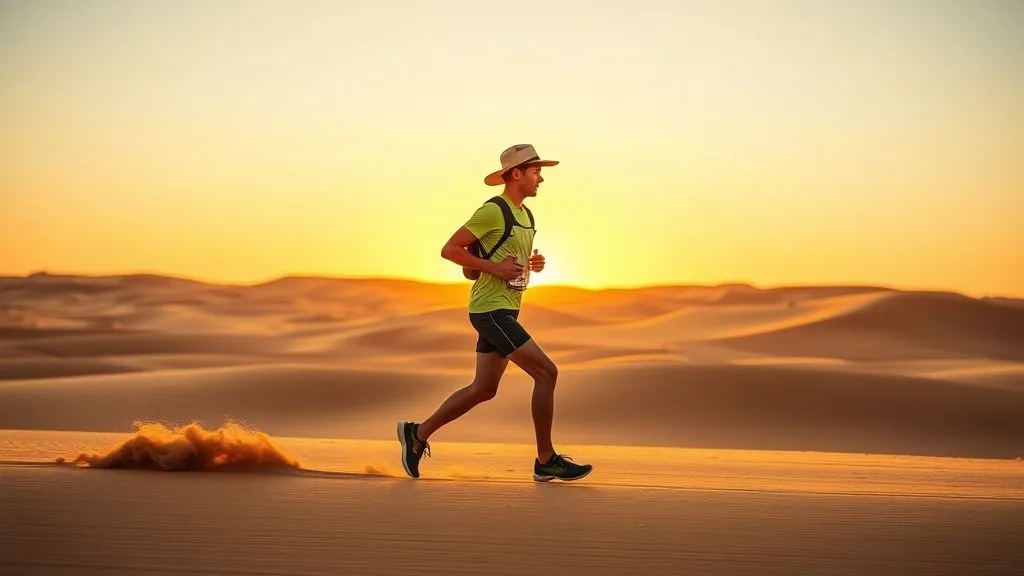
How to Select Running Apparel for Peak Performance in Desert Ultras?
For over two decades in the activewear industry, specializing in performance gear for extreme environments, I've seen countless runners underestimate the brutal, unforgiving nature of desert ultras. The allure of these races is undeniable – the vast landscapes, the mental fortitude required – but the physical toll, especially from inadequate apparel, can turn a dream into a DNF (Did Not Finish) nightmare. Many believe simply 'lightweight' is enough, but that's a dangerous oversimplification.
The desert isn't just hot; it's a complex ecosystem of intense solar radiation, abrasive sand, significant diurnal temperature swings, and often relentless wind. These elements combine to create a perfect storm for chafing, severe dehydration, heat stroke, and debilitating sunburns. The pain point for many aspiring desert ultra-runners is a lack of understanding that their apparel isn't just clothing; it's a critical component of their survival and performance strategy.
This comprehensive guide will equip you with the expert frameworks, material science insights, and actionable strategies I've honed over years of working with elite athletes and testing gear in the harshest conditions. We'll move beyond generic advice to uncover the specific apparel choices that will not only protect you but actively enhance your peak performance, ensuring you finish strong and healthy. Prepare to transform your approach to desert ultra-running gear.
Understanding the Desert Environment: Beyond Just Heat
To truly master apparel selection for desert ultras, we must first deeply appreciate the multifaceted challenges of the environment itself. It's not merely about enduring high temperatures. Solar radiation is perhaps the most insidious threat, relentlessly bombarding your skin with UV-A and UV-B rays, leading to rapid sunburn, accelerated dehydration, and long-term skin damage. This isn't just about comfort; it's about minimizing physiological stress.
Then there's the abrasive sand, which infiltrates every crevice, causing friction, hot spots, and equipment damage. I've witnessed runners lose toenails and develop severe blisters simply because their footwear system wasn't adequately protected against fine sand. Humidity, while often low, can vary and impact evaporative cooling, and the often-overlooked diurnal temperature swings mean blistering daytime heat can give way to surprisingly chilly nights, requiring adaptable layering.
"The desert doesn't care how tough you are; it cares how smart you are with your preparation, and that starts with your skin and what covers it."
Wind, too, plays a role. While it can offer a cooling sensation, sustained wind can also accelerate dehydration and carry sand, further exacerbating skin irritation. Understanding these elements—UV, sand, temperature variability, and wind—is the foundational step in selecting truly effective gear, moving beyond the simplistic 'light and airy' mindset.
The Core Principles of Desert Ultra Apparel: Layering & Materials
My philosophy for desert ultra apparel hinges on two critical pillars: strategic layering and advanced material science. These aren't just buzzwords; they are the difference between thriving and merely surviving. Strategic layering allows for adaptability to the desert's notorious temperature fluctuations, providing protection from the sun during the day and warmth during cooler evenings, without adding unnecessary bulk.
Principle 1: Moisture Management is Paramount
Your primary goal is to facilitate evaporative cooling while preventing chafing. This means prioritizing fabrics that excel at moisture-wicking – drawing sweat away from your skin – and quick-drying. Materials like polyester, nylon, and specific blends engineered for athletic performance are superior to cotton, which absorbs moisture and stays wet, leading to chafing, heavier garments, and compromised thermoregulation. I've seen athletes make the cotton mistake, and it always ends badly.
Principle 2: Superior UV Protection (UPF)
Every piece of apparel exposed to the sun should offer a high UPF (Ultraviolet Protection Factor) rating, ideally UPF 30+ or even UPF 50+. This is non-negotiable. It's not just about comfort; it's about reducing the physiological load on your body. Less sun exposure means less energy expended on repairing sun-damaged skin, leaving more energy for running. Look for labels explicitly stating UPF ratings.
Principle 3: Breathability and Ventilation
While sun protection is crucial, clothing must also allow heat to escape. Highly breathable fabrics, often with mesh panels or laser-cut perforations in strategic areas, are essential. This balance between sun protection and ventilation is a delicate one, and the best desert apparel achieves it through clever design and advanced fabric weaves.
Principle 4: Durability and Anti-Abrasion
The desert environment is harsh on gear. Sand acts like sandpaper, and thorny vegetation can snag fabrics. Your apparel needs to be durable enough to withstand days, if not weeks, of continuous exposure and abuse. Look for ripstop weaves or fabrics known for their abrasion resistance, especially in areas prone to friction like inner thighs and shoulders (from pack straps).
Head-to-Toe Breakdown: Essential Gear Choices
Let's break down the specific apparel choices from head to toe, focusing on the features that truly matter for desert ultra performance.
Headwear & Sun Protection: Your First Line of Defense
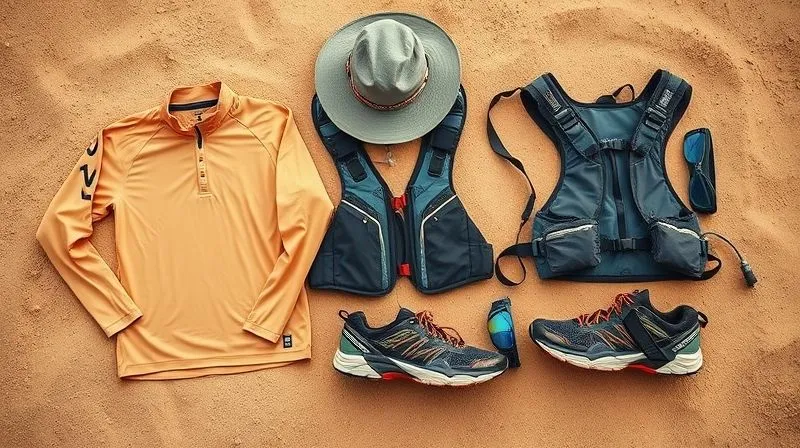
- Wide-Brimmed Hat or Cap with Neck Flap: This is non-negotiable. A wide brim protects your face, ears, and neck from direct sun. Many caps now come with integrated, detachable neck flaps, which I highly recommend. Look for lightweight, quick-drying, and breathable materials with a high UPF rating.
- Buff/Neck Gaiter: A versatile piece. Use it as a headband, neck protection, or to cover your face from sand and sun. Carry at least two – one for active use, one as a spare or for cleaning. Again, UPF 50+ is ideal.
- Performance Sunglasses: Opt for high-quality lenses that offer 100% UV protection and are designed for active use (lightweight, secure fit, good ventilation to prevent fogging). Photochromic lenses that adjust to light conditions can be very useful.
Upper Body: The Art of Wicking and Shielding
Your upper body is a large surface area for sweat evaporation and sun exposure. The wrong choice here can lead to rapid dehydration and severe burns.
- Long-Sleeve Technical Shirt: This might seem counterintuitive in the heat, but a lightweight, loose-fitting, long-sleeve shirt with UPF 30-50+ is your best friend. It offers superior sun protection compared to short sleeves (reducing the need for constant sunscreen application) and, crucially, aids in evaporative cooling. Look for laser-cut ventilation holes or mesh panels.
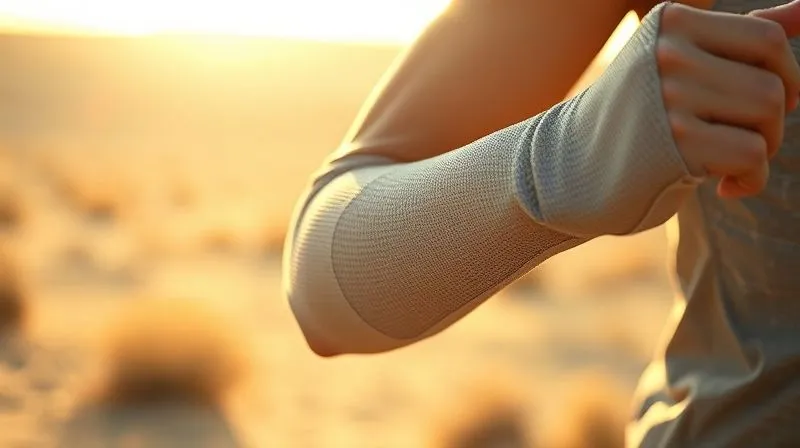
- Arm Sleeves (Optional but Recommended): If you prefer short-sleeve tops, high-UPF arm sleeves are an excellent alternative. They can be easily removed or adjusted, offering flexibility in varying conditions or during night running.
- Lightweight Vest/Windbreaker: For cooler mornings, evenings, or unexpected wind, a feather-light, packable vest or windbreaker can make a huge difference. It provides just enough core warmth without causing overheating.
Lower Body: Chafing Prevention & Durability
Chafing in a desert ultra is not just uncomfortable; it can be debilitating. Your lower body apparel choices are critical for preventing this.
- Lightweight Shorts or Running Skirt with Liner: Many prefer shorts for maximum ventilation. Ensure the inner liner is soft, seamless, and made of moisture-wicking material. The inseam length of the liner is crucial – longer liners tend to prevent thigh chafing better.
- Compression Shorts/Tights (Optional): Some runners swear by lightweight compression shorts worn under looser shorts for additional muscle support and chafing prevention. Ensure they are highly breathable and quick-drying.
- Loose-Fitting Running Pants (for specific conditions): In extremely windy or sand-heavy environments, or for those who prefer full leg protection, lightweight, breathable running pants (often with zip-off options) can be beneficial. They must be very thin and quick-drying.
Footwear & Gaiters: The Sand Barrier
Your feet are your most valuable asset. Protecting them from sand and blisters is paramount.
- Trail Running Shoes: Choose shoes with good cushioning for hard-packed desert trails, but also sufficient breathability. The fit is crucial; account for foot swelling in the heat.
- Gaiters: Non-negotiable for desert ultras. These attach to your shoes and prevent sand and debris from entering, which is the primary cause of blisters and discomfort. Look for durable, breathable gaiters designed specifically for ultra-running, often with a hook-and-loop attachment system.
- Performance Running Socks: Opt for synthetic, moisture-wicking socks (e.g., merino wool blends, synthetic blends) that are specifically designed to prevent blisters. Carry multiple pairs and change them regularly, especially if they get damp or sandy.
The Science of Sweat & Thermoregulation: Why Fabric Matters
The human body's primary mechanism for cooling in heat is sweating. In a desert ultra, optimizing this process through apparel is key to preventing overheating and maintaining performance. When sweat evaporates from your skin, it carries heat away from your body – this is known as evaporative cooling. If your clothing inhibits this process, you effectively trap heat, leading to a dangerous rise in core body temperature.
This is where fabric science comes into play. Cotton, as I mentioned, is a terrible choice because its fibers absorb water and hold it close to the skin. This prevents evaporation, keeps your skin wet (leading to chafing), and makes the garment heavy. Synthetic fabrics like polyester, nylon, and polypropylene, on the other hand, are hydrophobic – they resist water absorption. Instead, they have a capillary action, wicking moisture away from the skin to the fabric's outer surface where it can evaporate more readily.
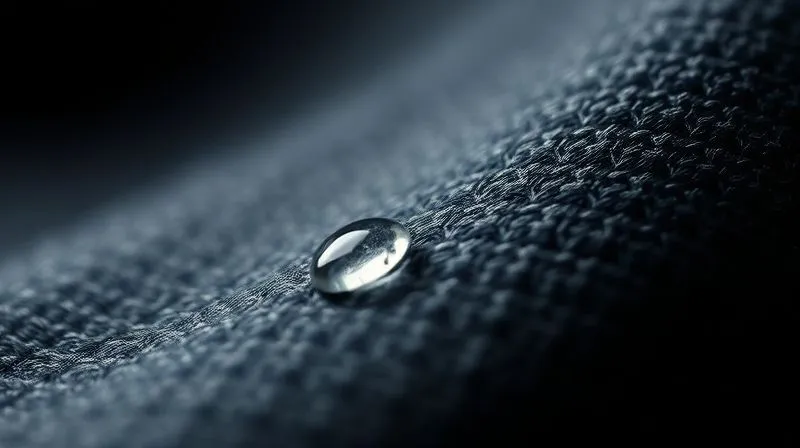
Moreover, the weave of the fabric significantly impacts breathability. Open weaves, mesh panels, and laser-cut perforations are all design elements that allow air to circulate freely, facilitating heat exchange. According to a study published in the Journal of Sports Sciences, effective moisture management in apparel can significantly reduce physiological strain during prolonged exercise in hot environments. Choosing fabrics that actively aid your body's natural cooling system is not just a comfort factor; it's a performance enhancer and a safety measure.
| Fabric Type | Moisture Wicking | Drying Speed | Chafing Risk | UPF Rating | Best Use for Desert Ultras |
|---|---|---|---|---|---|
| Cotton | Poor | Slow | High | Low (when wet) | Avoid entirely |
| Polyester (Technical) | Excellent | Fast | Low | Good (UPF 30-50+) | Primary choice for all layers |
| Nylon (Technical) | Good | Fast | Low | Good (UPF 30-50+) | Good for outer layers, durability |
| Merino Wool Blend | Good | Moderate | Low | Moderate to Good | Socks, base layers for cooler night stages |
Pre-Race Testing & Adaptation: No Surprises on the Course
I cannot stress this enough: your desert ultra is not the place to test new gear. Every item of apparel you plan to wear must be thoroughly tested in training, ideally under conditions that simulate the race environment as closely as possible. This means long runs in the heat, runs with your hydration vest fully loaded, and runs where you intentionally push your body to see how your gear performs under stress.
Actionable Steps for Apparel Testing:
- Simulate Race Conditions: Do your longest training runs during the hottest part of the day, wearing your full race kit. Pay attention to how fabrics feel against your skin as you sweat, where chafing might occur, and if your sun protection is adequate.
- Test Layering Systems: Practice transitioning between day and night layers. Can you easily add or remove your windbreaker or arm sleeves without breaking stride? Does your headlamp fit comfortably over your hat and buff?
- Wash and Re-Test: Don't just test gear fresh out of the package. Wash it a few times to see how it holds up and if there's any change in fit or performance. Sometimes, a fabric's properties can subtly change after washing.
- Identify Chafing Hotspots: Pay close attention to areas like inner thighs, armpits, nipples (for men), and under pack straps. If you feel even a hint of irritation, address it immediately with anti-chafing balm or by adjusting your apparel.
- Practice with Gaiters: Ensure your gaiters integrate seamlessly with your shoes and socks. Run through sandy or dusty areas to confirm they effectively keep debris out and don't cause any pressure points.
This meticulous testing phase builds confidence and allows you to identify and rectify any apparel issues long before race day. As marketing guru Seth Godin often says, "The cost of being wrong is directly correlated to the number of people you tell." In ultra-running, the cost of being wrong with your gear can be your race, or worse, your health.
Common Apparel Mistakes & How to Avoid Them
Having observed countless desert ultras and debriefed with athletes, certain apparel mistakes surface repeatedly. Avoiding these pitfalls is as crucial as making the right choices.
- Mistake 1: Relying on Cotton: As emphasized, cotton is the enemy in the desert. It absorbs sweat, stays wet, causes chafing, and offers poor insulation when damp (even in the desert, this can be an issue at night). Solution: Stick exclusively to synthetic, moisture-wicking fabrics.
- Mistake 2: Neglecting Full Sun Protection: Believing short sleeves or a baseball cap are enough. This leads to severe sunburn, increased dehydration, and energy drain. Solution: Embrace long sleeves, wide-brimmed hats with neck flaps, buffs, and high-UPF fabrics.
- Mistake 3: Poor Gaiter Integration: Using gaiters that don't fit well or aren't designed for ultra-running, leading to sand ingress and blisters. Solution: Invest in purpose-built ultra-running gaiters with a robust attachment system, and test them extensively with your race shoes.
- Mistake 4: Overlooking Chafing Prevention: Assuming it won't happen to you, or relying solely on balms without considering apparel fit. Solution: Choose seamless underwear/liners, proper fit (not too tight, not too loose), and proactively apply anti-chafing products in known hotspots.
- Mistake 5: Lack of Adaptable Layering: Packing only for extreme heat and being caught off guard by cold desert nights or strong winds. Solution: Include a lightweight, packable windbreaker or long-sleeve base layer for temperature fluctuations.
Case Study: How Sarah Conquered the Marathon Des Sables with Smart Apparel
Sarah, a client of mine preparing for the Marathon des Sables, initially planned to wear a short-sleeve top and a standard running cap. After our consultation, we overhauled her strategy. She adopted a lightweight, UPF 50+ long-sleeve technical shirt, a wide-brimmed hat with a detachable neck flap, and high-quality trail gaiters. During her training, she experienced significant relief from sun exposure and zero chafing, despite intense heat. On race day, while many competitors struggled with sunburn and blistered feet, Sarah maintained consistent performance, crediting her carefully selected apparel for minimizing physiological stress. This resulted in her finishing in the top 20% of female competitors, a testament to the power of thoughtful gear choices.
Strategic Accessories for Survival and Comfort
While the core apparel forms your foundation, a few strategic accessories can significantly elevate your performance and comfort in the desert.
- Lightweight Gloves: Not just for warmth, but also for sun protection on the back of your hands and to prevent blisters from trekking poles. Fingerless options can offer dexterity while still providing protection.
- Compression Calves/Socks: While debated for performance benefits, many runners find compression garments helpful for reducing muscle vibration and swelling, which can be beneficial over multi-day events. Ensure they are breathable and don't cause overheating.
- Hydration Vest/Pack: While not strictly 'apparel', your pack is intimately connected to your clothing. Choose one with breathable back panels and shoulder straps to minimize sweat build-up and chafing. Ensure it fits snugly over your chosen top without creating pressure points.
- Headlamp: For night stages, a comfortable headlamp that integrates well with your hat/buff system is crucial. Test its fit and stability during training.
Each of these items, when chosen strategically and tested rigorously, contributes to a holistic system designed to optimize your performance in the most challenging environments. Remember, every ounce of discomfort or distraction costs you energy and focus, which are precious commodities in a desert ultra.
Frequently Asked Questions (FAQ)
Is cotton ever acceptable in desert running? Absolutely not. Cotton absorbs and holds moisture, leading to rapid cooling (dangerous at night), severe chafing, and a heavy, uncomfortable garment. Always opt for synthetic, moisture-wicking fabrics like polyester or nylon. This is the cardinal rule of desert apparel.
How often should I change socks during a multi-stage desert ultra? Ideally, you should change socks at least once a day, or more frequently if your feet get wet, sandy, or you feel any hotspots developing. Clean, dry socks are your best defense against blisters. Many runners carry 3-5 pairs for a multi-stage race.
What's the best way to prevent chafing in extreme heat? A multi-pronged approach is best: 1) Wear well-fitting, seamless, moisture-wicking technical apparel (especially underwear and shorts liners). 2) Proactively apply anti-chafing balm or cream to known hotspots (inner thighs, nipples, armpits, under pack straps) before each stage. 3) Stay hydrated, as dehydration can exacerbate skin sensitivity.
Are compression garments beneficial in the desert? For some runners, yes. Compression socks or calf sleeves can help reduce muscle vibration and fatigue over long distances, potentially aiding recovery. However, ensure they are made of highly breathable, moisture-wicking material to prevent overheating. Test them thoroughly in training to see if they work for you.
What role does color play in heat absorption? Lighter colors (white, light grey, tan) reflect more solar radiation than darker colors, which absorb it. Therefore, choosing lighter-colored apparel for daytime desert running is generally recommended to help keep you cooler. However, some advanced technical fabrics in darker colors can also be designed to reflect heat. Focus on fabric technology first, then color.
Key Takeaways and Final Thoughts
Navigating the extreme demands of a desert ultra requires more than just physical prowess; it demands intelligent, strategic apparel choices. As an industry veteran, I've seen firsthand how the right gear can transform a grueling experience into a triumphant journey.
- Prioritize UPF 30-50+ fabrics: Sun protection is paramount for energy conservation and safety.
- Embrace moisture-wicking synthetics: Cotton is your enemy; quick-drying fabrics are your friend.
- Layer strategically: Adapt to the desert's notorious temperature swings.
- Mandatory gaiters: Protect your feet from abrasive sand to prevent debilitating blisters.
- Test everything: Never introduce new gear on race day; train extensively in your full kit.
- Prevent chafing proactively: Seamless apparel and anti-chafing balms are essential.
- Hydration pack integration: Ensure your pack fits seamlessly with your apparel to avoid discomfort.
Your apparel is an extension of your body's defense system against the desert's harsh realities. By meticulously selecting and testing your running gear, you're not just preparing for a race; you're investing in your performance, your safety, and ultimately, your ability to truly experience and conquer one of the world's most challenging endurance events. Go forth, be smart, and run strong in the sand!
Recommended Reading
- Unlocking Streetwear Gold: 7 Steps to Pinpoint Profitable Accessory Trends
- Bridal Gown Disaster? 5 Steps When a Custom Client Hates Their Final Dress
- 9 Ways to Verify Supply Chain Transparency in Sustainable Kids Wear
- Mastering Expressive Poses: 7 Techniques for High-End Fashion Models
- 7 Expert Strategies: Revamp Your Outdated Professional Capsule Wardrobe



Your email address will not be published. Required fields are marked *