

What to do when a custom bridal client hates their final gown?
For over 15 years in the intricate, high-stakes world of custom bridal fashion, I've witnessed the full spectrum of emotions – from pure elation to utter despair. Among the most challenging scenarios is when a custom bridal client, after months of anticipation and fittings, expresses profound dissatisfaction, even outright hatred, for their final gown.
This isn't just a transactional problem; it's an emotional crisis. A bride's wedding gown is often the most significant garment she'll ever wear, imbued with dreams, expectations, and substantial financial investment. When that dream shatters, it can feel like a personal failure for both the bride and the designer, threatening reputations and livelihoods.
In this definitive guide, I'll share a battle-tested framework for navigating this delicate situation. You’ll learn actionable steps to de-escalate, diagnose, and resolve client dissatisfaction, transforming a potential PR nightmare into a testament to your professionalism and client commitment. We'll explore communication strategies, ethical resolution options, and proactive measures to prevent such heartbreaks in the future.
The Emotional Landscape: Understanding Her Disappointment
When a bride expresses deep unhappiness with her gown, it's rarely a superficial issue. It's often a collision of deeply held expectations with a perceived reality. Her disappointment isn't just about fabric or fit; it's about a vision unfulfilled, a dream potentially compromised.
The Dream vs. Reality Gap
Every bride has an idealized vision of her wedding day, and the gown is central to that fantasy. She's likely spent countless hours pinning images, discussing details, and envisioning herself walking down the aisle. When the final product doesn't align with this deeply personal and often unspoken ideal, the emotional fallout can be intense.
It's crucial to remember that this gap can stem from various sources: miscommunication during the design process, evolving preferences, external pressures, or even unrealistic expectations. Your role isn't to judge, but to understand the depth of her feeling and its origin.
Identifying the Root Cause: Beyond "I Hate It"
The phrase "I hate it" is a symptom, not a diagnosis. Your first task is to gently, yet thoroughly, uncover the specific issues. Is it the silhouette, the fabric choice, the embellishments, the fit, or perhaps a feeling that the gown doesn't reflect her personality?
Often, what she dislikes might be something that can be altered or adjusted. Sometimes, it's a fundamental design element. Active listening and probing questions are paramount here. As renowned customer service expert Shep Hyken often emphasizes, "The goal as a company is to have customer service that is not just the best but legendary." This starts with understanding.
Common areas of concern include:
- Fit: Too tight, too loose, unflattering in certain areas.
- Design Elements: Sleeves aren't right, neckline is wrong, embellishments are too much/too little.
- Fabric: Doesn't drape as expected, feels uncomfortable, looks different from swatches.
- Overall Aesthetic: Doesn't feel "bridal enough," doesn't match the wedding theme, or simply doesn't feel like "her."
- Communication Breakdown: A detail discussed was overlooked, or an expectation wasn't managed effectively.
Immediate Action: The Crucial First 24 Hours
When you first learn that a custom bridal client hates their final gown, your immediate response sets the tone for the entire resolution process. Panic is a natural reaction, but professionalism and a clear head must prevail. This initial phase is about de-escalation and demonstrating unwavering support.
The Art of the Initial Response
Your first interaction should prioritize empathy and a commitment to finding a solution. Avoid defensiveness at all costs. The bride needs to feel heard and understood, not challenged.
- Listen Actively and Empathetically: Let her express everything without interruption. Validate her feelings. Phrases like "I hear how upsetting this is for you" or "I understand this isn't what you envisioned" are vital. Do not minimize her feelings.
- Acknowledge the Gravity: Recognize the importance of this moment for her. This isn't just a dress; it's her wedding gown.
- Avoid Immediate Solutions or Promises: Don't jump to "We can fix it!" before you fully understand the problem. This can sound dismissive. Your goal is to gather information, not to offer instant fixes.
- Schedule an In-Person Consultation: The phone or email is insufficient for this level of emotional and technical complexity. Request an immediate, dedicated meeting where you can review the gown together. Emphasize that you want to understand fully and work collaboratively.
- Reassure Her of Your Commitment: End the initial conversation by reiterating your dedication to ensuring she has a gown she loves for her wedding day. This builds a crucial bridge of trust.
"In moments of client crisis, active listening isn't just a skill; it's an act of professional empathy. It signals respect, builds trust, and lays the groundwork for genuine resolution. You must hear not just what is said, but what is felt."
De-escalation and Diagnosis: The In-Person Consultation
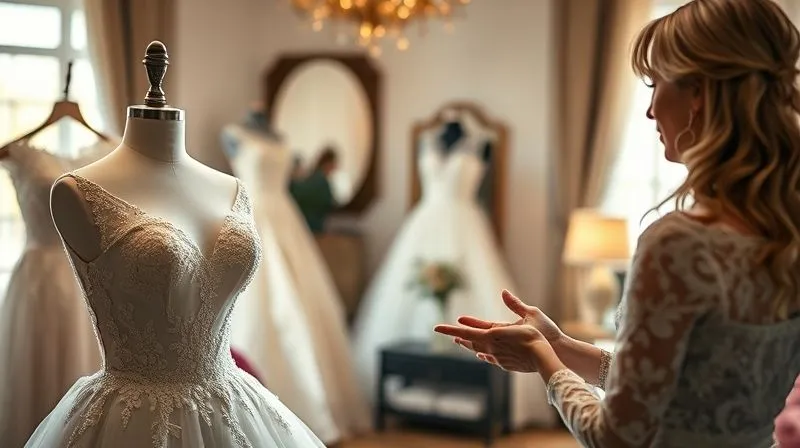
The in-person consultation is your opportunity to move from emotional distress to practical problem-solving. It requires a calm, structured approach, focusing on collaboration rather than confrontation. This meeting is where you truly begin to understand the depth of the issue and explore potential remedies.
Setting the Right Atmosphere
Choose a private, comfortable setting where both you and the bride can speak openly without interruption. Have relevant documents ready – the original design sketches, fabric swatches, contract, and any communication logs. Offer her a drink, create a relaxed environment, and ensure you allocate ample time.
The Collaborative Review Process
This isn't about you defending your work; it's about understanding her perspective and working together. Approach the gown as a team, analyzing it piece by piece.
- Review the Gown Together, Side-by-Side: Ask her to put the gown on, if comfortable, or to point out specific areas of concern while it's on a mannequin.
- Ask Open-Ended, Specific Questions: Instead of "What do you hate?", ask "Can you show me precisely what isn't working for you here?", "How does this particular detail make you feel?", or "When you envisioned this part, what was different in your mind?"
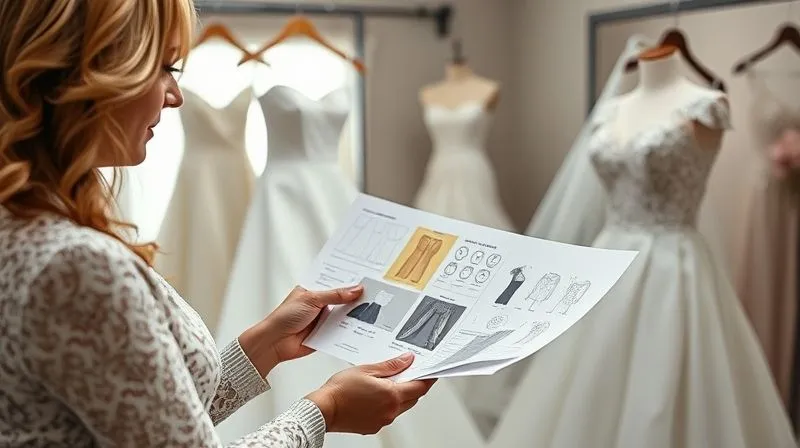
- Compare to Original Documentation: Refer back to sketches, fabric choices, and measurement records. This helps to identify if the issue is a deviation from the agreed-upon design or a change in her preference.
- Take Detailed Notes and Photos: Document every specific complaint, every suggestion. Take photos of the gown on her (with permission) highlighting the areas she dislikes. This is crucial for planning the next steps and for your records.
- Propose Potential Solutions Tentatively: Once you have a clear understanding, you can start to brainstorm possibilities. "It sounds like the neckline isn't quite right. We could explore..." but avoid definitive promises until you've fully assessed feasibility.
According to a study by McKinsey & Company on customer satisfaction, companies that demonstrate empathy and proactive problem-solving during service recovery often achieve higher loyalty rates than those who never had a problem in the first place. This consultation is your moment for service recovery.
| Issue Category | Diagnostic Questions | Potential Solutions |
|---|---|---|
| Fit | Where does it feel uncomfortable or unflattering? Can you show me the exact areas that don't sit right? | Minor alterations, re-patterning specific sections, adding/removing boning. |
| Design Elements | Which specific details are not as you imagined? How did you envision this detail originally? | Adding/removing lace, modifying sleeve style, adjusting neckline, changing embellishments. |
| Fabric/Texture | What about the fabric isn't meeting your expectation? Does it drape differently than you thought? | Partial overlay, adding lining, strategic fabric removal/addition, full fabric replacement (rare). |
| Overall Aesthetic | Does the gown make you feel less like a bride than you expected? What is missing from the overall 'look'? | Adding a train, incorporating a specific accessory, a partial redesign of key features, considering a new gown (last resort). |
Crafting the Resolution Plan: Options and Ethics
Once you’ve thoroughly diagnosed the issues, the next step is to formulate a clear, actionable resolution plan. This requires a delicate balance of technical feasibility, financial implications, and ethical considerations. Your goal is to satisfy the client while maintaining the integrity and sustainability of your business.
Alterations & Redesign Possibilities
Often, the "hatred" stems from specific elements that, with expert hands, can be significantly improved or completely transformed. Focus on areas where changes can make a dramatic difference without necessitating a full rebuild.
- Minor Adjustments: Reshaping a neckline, adjusting sleeve length, refining the fit through strategic darting or seam adjustments.
- Moderate Redesigns: Adding or removing straps, changing the back detail, incorporating additional lace or beading, adjusting the length of a train.
- Structural Modifications: Re-cutting a bodice, completely changing a sleeve style, altering the skirt silhouette. This requires significant skill and time.
Present these options clearly, explaining the scope of work, the time required, and any associated costs. Be honest about what is achievable and what isn't without starting from scratch.
Partial or Full Remake Considerations
In rare, extreme cases, where the fundamental design is flawed or the client's vision has drastically shifted, a partial or full remake might be the only viable option. This is a significant undertaking with substantial cost and time implications.
Before considering a remake, review your contract for clauses regarding client dissatisfaction and remakes. Evaluate the financial impact on your business. Is this a goodwill gesture, a shared cost, or entirely the client's responsibility based on the contract? Be prepared to discuss these financial aspects transparently.
Financial Adjustments & Compensation
This is often the trickiest part. If the fault lies clearly with your studio (e.g., a design detail was missed, a measurement error), then covering the cost of corrections is a given. If the issue is due to a change in the client's preference or an unrealistic expectation that wasn't managed, the financial responsibility becomes more complex.
Consider offering a goodwill discount on alterations, a partial refund, or a credit towards other services (e.g., veil, accessories). The long-term value of a satisfied client and positive word-of-mouth often outweighs the short-term financial hit. According to a Harvard Business Review article on customer loyalty, retaining customers is significantly more cost-effective than acquiring new ones.
"The true measure of a luxury bridal designer isn't just in creating beautiful gowns, but in how gracefully and effectively they navigate the unexpected. Integrity and client satisfaction should always guide your resolution, even when it's challenging."
Case Study: From Despair to Dream Gown – The "Ethereal Lace" Redemption
How a Structured Approach Saved a Boutique
Let me share a fictional, yet highly realistic, scenario from my years in bridal fashion. "Bella's Bridal," a bespoke boutique known for its delicate lace work, faced a crisis with a client named Sarah. Sarah had commissioned an intricate, off-the-shoulder gown with specific French lace details and a unique illusion back. At her final fitting, just three weeks before her wedding, Sarah burst into tears, declaring, "I hate it. It's not me. It's too heavy, too traditional. I feel trapped."
The lead designer, Evelyn, took immediate action. Instead of defending the gown, which had been crafted meticulously to Sarah's specifications, Evelyn listened. She acknowledged Sarah's profound distress and scheduled a dedicated, two-hour consultation for the very next day. During this meeting, Evelyn didn't just ask "What's wrong?"; she asked Sarah to articulate how she *felt* in the gown, and what her evolving vision for her wedding day had become.
Through careful questioning, Evelyn discovered that Sarah had recently attended a bohemian-themed wedding and felt her own gown now seemed too formal. The "too heavy" feeling was about the structure, not the fabric. The "trapped" feeling related to the off-the-shoulder sleeves. Evelyn then brought out the original sketches and fitting notes, showing Sarah where her initial preferences had led to the current design. This wasn't to blame, but to illustrate the journey.
The resolution plan involved a significant, but achievable, redesign. Evelyn proposed: lightening the internal structure of the bodice, transforming the off-the-shoulder sleeves into delicate, detachable spaghetti straps (creating a strapless look for the reception), and adding a sheer, flowing overskirt in a lighter tulle to layer over the original skirt, giving it an ethereal, bohemian feel. The original French lace was retained, but re-appliquéd in a more organic pattern on the new skirt overlay and bodice.
Evelyn presented this plan with a clear timeline and a shared cost proposal: Bella's Bridal would absorb 50% of the additional labor and materials as a goodwill gesture, given the emotional impact. Sarah, feeling heard and empowered, agreed. The team worked tirelessly, with daily updates to Sarah. The new gown, dubbed "The Ethereal Lace Redemption," was delivered one week before the wedding. Sarah was overjoyed, leaving a glowing testimonial that highlighted not just the beautiful gown, but Evelyn's exceptional problem-solving and empathy. This experience cemented Bella's Bridal's reputation for unparalleled client care, even in the face of crisis, answering the question 'What to do when a custom bridal client hates their final gown?' with a resounding success story.
Legal and Contractual Safeguards: Protecting Your Business
While empathy and excellent customer service are paramount, a strong legal foundation is equally crucial when dealing with client dissatisfaction. A well-crafted contract protects both you and the client, clarifying expectations and responsibilities from the outset.
The Importance of a Solid Contract
Your custom bridal contract should be comprehensive and explicit. It should detail:
- Design Approval Process: How many revisions are allowed? What constitutes final approval?
- Fabric & Embellishment Selection: Clauses about potential variations in dye lots or availability.
- Fitting Schedule & Client Responsibility: What happens if a client misses fittings or changes their measurements?
- Payment Schedule & Refund Policy: Clearly state what deposits are non-refundable and under what circumstances a refund or credit may be issued.
- Alteration & Redesign Clauses: What happens if a client requests significant changes after final approval? Who bears the cost?
- Dispute Resolution: Outline the process for addressing disagreements.
Having a lawyer specializing in small business or fashion law review your contract is a wise investment. As legal experts at Business Journals frequently advise, clear contracts prevent future disputes.
Documentation and Communication Records
Maintain meticulous records of every interaction: initial consultations, design approvals, fabric selections, fitting notes, email exchanges, and phone call summaries. Every change, every decision, and every client approval should be documented and ideally, signed off on by the client.
These records are invaluable if a dispute escalates. They provide an objective timeline and evidence of agreements, helping you to address the question 'What to do when a custom bridal client hates their final gown?' with factual support, not just anecdotal recollection.
Preventing Future Catastrophes: Proactive Strategies
The best way to handle a client who hates their final gown is to prevent that situation from ever arising. Proactive measures, rooted in clear communication and expectation management, are your strongest defense.
Enhanced Client Onboarding & Vision Alignment
Invest significant time at the very beginning to deeply understand the bride's vision. Don't just ask what she likes; ask about her wedding theme, her personality, her comfort level, and her body image perceptions.
- Vision Boards & Mood Boards: Encourage her to create visual references.
- Detailed Design Consultations: Go beyond sketches. Use fabric draping, existing samples, and even digital mock-ups.
- Manage Expectations Realistically: Be honest about what is achievable within her budget, body type, and the chosen fabrics.
Incremental Approvals & Frequent Fittings
Break down the design and creation process into manageable stages, each requiring client approval. This ensures continuous alignment and catches potential issues early.
- Design Approval: Final signed sketch, including fabric and embellishment details.
- Muslin/Toile Fitting: A mock-up in less expensive fabric to perfect the fit and silhouette before cutting into the final fabric. Crucial for custom work.
- First Fabric Fitting: Checking the fit and drape of the actual gown.
- Embellishment Approval: Showing placement of lace, beading, etc., before final application.
- Final Fitting: The last check before delivery.
Frequent communication throughout this process, checking in and providing updates, also builds confidence and trust. This iterative process is a cornerstone of successful custom work, minimizing the risk of a bride asking 'What to do when a custom bridal client hates their final gown?' because she's been part of every step.
Visual Aids and 3D Rendering
Leverage technology to bridge the imagination gap. If possible, use 3D rendering software to show the bride a highly realistic visualization of her gown before it's even cut. This offers an unparalleled level of clarity and allows for virtual adjustments.
For more traditional studios, detailed technical drawings, professional sketches with color, and swatches draped on mannequins can achieve similar clarity. The more visual information you provide, the less room for misinterpretation.
| Preventative Measure | Benefit | Implementation Tip |
|---|---|---|
| Detailed Client Vision Session | Aligns expectations early, uncovers unspoken desires. | Use mood boards, ask open-ended questions about wedding theme and personal style. |
| Muslin/Toile Fitting | Perfects fit and silhouette before cutting expensive fabric, allows for easy design changes. | Schedule early in the process, encourage honest feedback. |
| Progress Photo/Video Updates | Keeps client engaged and informed, catches small issues before they escalate. | Send weekly updates, highlight key milestones. |
| Clear Contract & Communication Log | Sets boundaries, clarifies responsibilities, provides dispute resolution framework. | Review contract thoroughly with client, document all decisions and approvals. |

Building a Reputation for Resilience and Excellence
Successfully navigating a client crisis, especially one as emotionally charged as a custom bridal gown gone wrong, isn't just about problem-solving; it's about reputation building. How you handle adversity speaks volumes about your brand's integrity and commitment to excellence.
Turning Challenges into Testimonials
A client who was initially unhappy but ultimately satisfied due to your exceptional service often becomes your most fervent advocate. Their testimonial, detailing how you turned a potential disaster into a dream come true, is incredibly powerful. It demonstrates resilience, empathy, and a genuine passion for your craft. These stories are far more compelling than simply hearing about a perfect process.
Don't be afraid to ask for a testimonial from clients with whom you've successfully navigated a challenge. Their unique perspective adds immense credibility. As Forbes contributor Sarah E. Needleman notes, "Customer service is paramount for small businesses seeking to stand out from the competition."
The Power of Word-of-Mouth
In the bridal industry, word-of-mouth is gold. Brides talk. They share their experiences, good and bad, with friends, family, and online communities. A reputation for handling crises with grace and competence will spread quickly, attracting clients who value reliability and exceptional service above all else.
Conversely, a mishandled situation can severely damage your brand, leading to negative reviews that are hard to shake. By mastering 'What to do when a custom bridal client hates their final gown?', you're not just saving one relationship; you're safeguarding your entire business reputation. Learn more about effective customer service strategies from experts like those at Forbes Advisor.
Frequently Asked Questions (FAQ)
Q: What if the bride is being completely unreasonable and changing her mind constantly? A: This is where your detailed contract and communication log become critical. Refer back to signed approvals and clearly outline the financial and time implications of further changes. Offer solutions within the scope of the original agreement or propose new terms for significant deviations. Documentation protects you from endless revisions and unreasonable demands.
Q: Should I offer a full refund if she truly hates the gown and no alteration can fix it? A: A full refund is typically a last resort and depends heavily on your contract and who is at fault. If there's a clear design error on your part that renders the gown unusable, it might be necessary. However, if the gown was made to approved specifications and her taste simply changed, a partial refund or credit towards a new, simpler design might be an option, but a full refund is usually not contractually obligated. Always consult your legal counsel for such extreme cases.
Q: How do I handle negative online reviews if a client remains unhappy? A: Respond professionally, calmly, and empathetically to online reviews. Acknowledge their disappointment without admitting fault (unless you genuinely were at fault). Offer to discuss the matter privately to find a resolution. Avoid getting into a public debate. Your professional response itself can mitigate the negative impact, showing others your commitment to customer service.
Q: What if the wedding date is too close for any significant changes? A: This is a high-pressure situation. Your priority is to manage expectations realistically. Clearly communicate what is physically possible within the remaining timeframe. Focus on the most impactful, rapid alterations. If a full redesign isn't possible, explore temporary solutions or even the possibility of a loaner gown if you have one that fits her vision better, as a goodwill gesture. Transparency about limitations is key.
Q: How can I prevent this from happening with my next client? A: Implement robust preventative measures: an extensive initial consultation, a muslin/toile fitting for all custom gowns, clear design approval sign-offs at every stage, frequent photo/video updates, and a comprehensive contract. Over-communicate and manage expectations proactively. These steps build trust and ensure alignment throughout the creation process.
Key Takeaways and Final Thoughts
Navigating the complex and emotionally charged situation of a custom bridal client hating their final gown is undoubtedly one of the toughest challenges a designer can face. However, it's also an opportunity to showcase unparalleled professionalism, empathy, and problem-solving prowess.
- Listen, Empathize, and De-escalate: Your initial response sets the tone. Prioritize understanding her feelings over defending your work.
- Diagnose Systematically: Move beyond surface-level complaints to uncover the true root cause of dissatisfaction through careful questioning and review.
- Craft Ethical Solutions: Explore alterations, redesigns, and financial adjustments fairly, balancing client satisfaction with business sustainability.
- Leverage Documentation: A robust contract and meticulous records are your best defense and guide in any dispute.
- Proactive Prevention is Key: Implement thorough onboarding, incremental approvals, and visual aids to align expectations from the very start.
Remember, every challenge overcome strengthens your brand and deepens your expertise. By approaching these situations with a commitment to excellence and a genuine desire to make her dream come true, you not only resolve a crisis but also build a reputation for resilience and client devotion that will serve your bridal business for years to come. Your ability to gracefully answer 'What to do when a custom bridal client hates their final gown?' will define your legacy.
Recommended Reading
- 7 Proven Strategies: Halting Fast Fashion's Replication of Couture Designs
- Unlock the Secrets: How to Write an Engaging Fashion Blog Post That Captivates
- Unlocking Time: How to Identify Authentic Retro Clothing Eras Like a Pro
- 7 Proven Strategies: Cut Footwear Returns from Premature Material Failure by 25%
- Eyewear for Sensitive Skin: Find Your Perfect, Irritation-Free Fit



Your email address will not be published. Required fields are marked *