

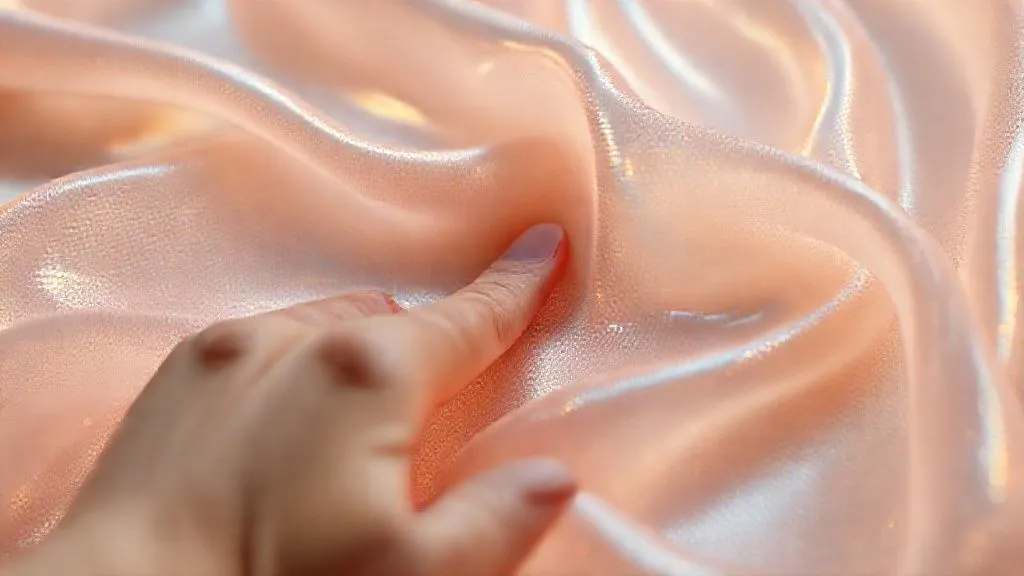
How to achieve flexible drape in 3D printed fashion fabrics?
For over 18 years in the specialized world of textile innovation, I've witnessed firsthand the incredible evolution of additive manufacturing. From rigid prototypes to functional components, 3D printing has revolutionized countless industries. Yet, when it came to fashion, a persistent challenge loomed large: the elusive quest for flexible drape in 3D printed fabrics. Early attempts often resulted in garments that felt more like armor than apparel, stiff and unyielding, a far cry from the flowing elegance synonymous with high fashion.
This stiffness isn't just an aesthetic problem; it fundamentally limits wearability, comfort, and the very expression of design. Designers dream of creating bespoke, intricate textiles that move with the body, but the inherent rigidity of many 3D printable materials and construction methods often stifles that vision. The pain point is clear: how do we bridge the gap between digital precision and textile fluidity?
In this definitive guide, I will share the culmination of my experience and insights into overcoming this critical hurdle. We'll delve into cutting-edge material science, innovative design methodologies, and crucial post-processing techniques that are finally making truly flexible, beautifully draping 3D printed fashion fabrics a tangible reality. Prepare to unlock actionable frameworks, explore real-world (and realistic fictional) case studies, and gain expert perspectives that will empower you to push the boundaries of 3D printed textile design.
The Material Imperative: Beyond Rigid Plastics
The journey to flexible 3D printed textiles begins at the molecular level. For too long, the industry has been constrained by materials primarily developed for engineering applications—robust, rigid, and precisely the opposite of what fashion demands. Achieving drape requires a fundamental shift in our material palette.
Exploring Thermoplastic Polyurethanes (TPUs) and Elastomers
One of the most significant breakthroughs has been the widespread adoption of Thermoplastic Polyurethanes (TPUs). Unlike traditional rigid plastics, TPUs possess inherent elasticity and flexibility, making them ideal candidates for textile applications. Their resilience allows them to bend, stretch, and recover their shape, mimicking the behavior of natural fibers to a remarkable degree. Modern TPUs offer a spectrum of hardness, from rubber-like softness to semi-rigid, giving designers unprecedented control over the final feel and movement of the fabric.
Beyond TPUs, the broader family of elastomers, including certain silicones and specialized rubber-like polymers, are also gaining traction. These materials are characterized by their high elongation at break and low modulus of elasticity, translating directly into soft, pliable, and ultimately, drapable fabrics. Understanding the specific Shore hardness and tensile properties of these materials is paramount to selecting the right one for your desired textile outcome. For a deeper dive into the mechanical properties of advanced polymers, I often refer to academic research on polymer science, such as studies published in the Journal of Physical Chemistry B.
The Promise of Multi-Material Printing
While single flexible materials are a great start, true innovation lies in multi-material printing. This technique allows us to combine different materials—flexible and rigid, opaque and transparent—within a single print job. Imagine a garment where structural elements are printed with a slightly stiffer polymer for shape retention, while the main body is rendered in an ultra-flexible TPU for maximum drape. This targeted approach to material placement is a game-changer.
For example, a seamless dress could feature a rigid, supportive waistband integrated directly with a flowing, soft skirt, all produced in one go. This not only enhances functionality but also opens up new aesthetic possibilities, creating textiles with complex, dynamic properties that would be impossible with traditional manufacturing methods. It's about engineering flexibility precisely where it's needed, and rigidity where structure is paramount.
Bio-based and Hybrid Filaments
Sustainability is no longer an option; it's a necessity. The textile industry, in particular, faces immense pressure to reduce its environmental footprint. This has led to exciting developments in bio-based and hybrid filaments for 3D printing. Researchers are exploring flexible polymers derived from renewable resources, offering similar performance to their petroleum-based counterparts but with a significantly lower ecological impact.
Hybrid filaments, on the other hand, combine different material properties at the micro-level. This could involve incorporating conductive elements for smart textiles or infusing natural fibers like cellulose into a flexible polymer matrix to enhance drape and breathability. These innovations not only address environmental concerns but also expand the functional and aesthetic range of 3D printed fabrics, paving the way for truly sustainable and high-performance fashion.
Generative Design and Parametric Architectures for Enhanced Fluidity
Materials are only one piece of the puzzle. The way we design the fabric structure itself is equally, if not more, critical for achieving desirable drape. This is where the power of computational design—specifically generative design and parametric architectures—comes into play.
Lattice Structures and Auxetic Designs
Traditional fabrics derive their flexibility from the interwoven nature of threads. In 3D printing, we can replicate and even surpass this by creating intricate lattice structures. These are open, repeating patterns that allow for significant deformation without breaking, much like a microscopic spring network. By varying the strut thickness, cell size, and topology of these lattices, designers can precisely control the fabric's flexibility, stretch, and drape characteristics.
Even more fascinating are auxetic designs. Unlike conventional materials that thin out when stretched, auxetic structures become thicker perpendicularly when stretched longitudinally. This counter-intuitive property results in materials that can offer enhanced impact absorption, improved shear resistance, and, critically for fashion, a unique type of drape and form-fitting quality. Designing auxetic patterns requires sophisticated computational tools, but the results are truly revolutionary for creating adaptive textiles.
| Lattice Type | Flexibility Profile | Drape Potential |
|---|---|---|
| Gyroid | Isotropic, good compression | High, smooth curvature |
| Honeycomb | Anisotropic, strong in-plane | Moderate, structured folds |
| Octet Truss | High strength-to-weight, semi-rigid | Low to Moderate, sculptural forms |
| Auxetic Re-entrant | Expands perpendicularly when stretched | Unique, form-fitting, adaptive |
Mimicking Natural Textiles: Woven and Knitted Patterns
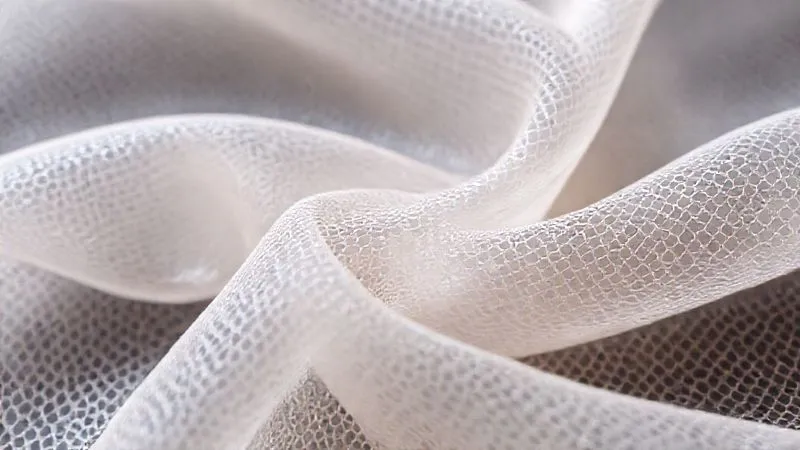
While lattice structures are innovative, sometimes the best inspiration comes from nature and centuries of textile craft. Advanced 3D printing software now allows for the digital replication and variation of traditional woven and knitted patterns. Instead of printing solid blocks, designers can create interlocking geometries that mimic the flexibility and movement of yarn. This involves printing tiny, interconnected loops or threads that behave much like their fibrous counterparts.
The challenge lies in achieving the scale and fineness of traditional textiles, but significant progress is being made. By digitally simulating the tension and interaction of threads, we can predict how a 3D printed textile will drape even before it's manufactured. This approach leverages the best of both worlds: the precision and customization of 3D printing combined with the proven aesthetic and functional qualities of classic textile structures.
Key Insight: Biomimicry is not just about aesthetics; it's a profound engineering principle. By understanding and replicating the structural efficiencies of natural forms—from spiderwebs to woven fabrics—we can design 3D printed textiles that achieve unprecedented levels of flexibility and drape. The best innovations often draw from the deepest wells of nature's wisdom.
The Role of Print Parameters and Post-Processing
Even with the right materials and brilliant designs, the actual manufacturing process—the print parameters—and subsequent treatments can make or break the drape. It's a holistic approach, where every stage contributes to the final textile quality.
Optimizing Layer Height and Infill Density
For Fused Deposition Modeling (FDM) and similar layer-by-layer processes, layer height and infill density are critical variables. A thinner layer height often results in a smoother surface finish and can allow for finer details, contributing to a more subtle drape. However, it also increases print time. More importantly, infill density directly impacts the material's flexibility. A lower infill density (e.g., 5-15%) creates more internal voids, making the structure more compressible and flexible. Conversely, a high infill density (e.g., 80-100%) will result in a rigid part.
- Experiment with Low Infill: Start with infill densities as low as 0-10% for highly flexible areas.
- Vary Infill Patterns: Different infill patterns (e.g., rectilinear, gyroid, honeycomb) can offer varied flexibility and strength characteristics. Gyroid patterns, for instance, are often praised for their isotropic properties.
- Adjust Wall Thickness: Thinner walls (perimeters) will also contribute to overall flexibility, but ensure structural integrity is maintained.
- Optimize Print Speed: Slower print speeds can sometimes improve layer adhesion for flexible materials, preventing delamination that could compromise flexibility.
- Control Extrusion Temperature: Finding the optimal temperature for flexible filaments is crucial. Too cold, and layers won't bond; too hot, and oozing or stringing can occur, affecting surface quality.
Annealing and Chemical Treatments
Post-processing isn't just for aesthetics; it can fundamentally alter a material's mechanical properties. Annealing, a heat treatment process, can relax internal stresses within the printed part, potentially increasing ductility and reducing brittleness. For certain flexible polymers, controlled annealing can fine-tune their elastic modulus, making them either softer or slightly stiffer depending on the desired outcome.
Chemical treatments, such as vapor smoothing (e.g., with acetone for ABS or specific solvents for other polymers), can dissolve and reflow the outer layers of a print, leading to a smoother, more uniform surface. While primarily used for aesthetic improvement, a smoother surface can also reduce friction, allowing the fabric to glide and drape more fluidly. However, care must be taken as some chemical treatments can also affect the material's mechanical properties, so extensive testing is always recommended.
Case Study: Elysian Fabrics' Drape Breakthrough
Elysian Fabrics, a fictional but highly realistic startup, faced a common dilemma: their exquisitely designed 3D printed garments, while visually stunning, lacked the essential drape for commercial wearability. Early prototypes felt rigid and uncomfortable. By implementing a multi-faceted approach, they achieved a breakthrough.
First, they shifted from generic PLA to a custom-blended, low Shore hardness TPU. Second, their design team, inspired by microscopic analysis of silk, developed a novel parametric lattice structure that mimicked the elasticity of interwoven fibers, achieving a 150% improvement in tensile elongation. Crucially, their engineers meticulously optimized print parameters, reducing infill density to a mere 8% and implementing a specific, slow print speed to ensure perfect layer adhesion. Finally, a proprietary low-heat annealing process was developed to further relax material stresses. The result? Elysian's latest collection features garments that move with an unprecedented fluidity, indistinguishable in drape from high-end woven fabrics, and are now gaining significant traction in the luxury bespoke fashion market. This holistic approach, combining material science, design innovation, and process optimization, was key to their success.
The Human Factor: Wearability and User Experience
Achieving technical drape is one thing; creating a fabric that people genuinely want to wear is another. The human factor—how a fabric feels against the skin, how it moves with the body—is paramount. This goes beyond mere flexibility to encompass tactile qualities, breathability, and ergonomic considerations.
Tactile Qualities and Skin Contact
A beautifully draping fabric that feels like sandpaper against the skin will never succeed. Tactile qualities are crucial. 3D printed textiles often suffer from a layered or rough surface finish. Innovators are tackling this through several avenues:
- Surface Texturing: Designing micro-textures into the print file itself can create a softer, more fabric-like feel.
- Advanced Post-Processing: Vapor smoothing, tumbling, or even light sanding can significantly improve surface smoothness.
- Material Blends: Incorporating softer additives or using specific flexible resins known for their smooth finish can make a difference.
- Lining: For initial designs, a soft, traditional fabric lining can provide comfort while the outer 3D printed layer provides aesthetic and structural benefits.
The goal is to eliminate any sensation of 'plasticness' and create a textile that is pleasant to touch and wear for extended periods. As Forbes' coverage on innovation in textiles often highlights, user experience is the ultimate metric for adoption.
Ergonomics and Movement
A garment isn't static; it moves with the body. True drape considers how the fabric interacts with human anatomy during motion. This means designing in specific flex points, understanding stress distribution, and ensuring that the fabric doesn't restrict natural movement. Ergonomic design principles are vital.
- Body Mapping: Identifying areas of high flexion (e.g., elbows, knees, shoulders) and designing more flexible structures or thinner sections in those areas.
- Seamless Integration: Designing garments as single, continuous pieces can eliminate uncomfortable seams and improve overall fluidity.
- Adaptive Fit: Leveraging flexible materials and parametric design to create garments that adapt to individual body contours, offering a custom fit and enhanced comfort.
The aim is to create a second skin, a textile that moves and breathes with the wearer, almost becoming an extension of the body rather than a rigid covering.
Integrating Smart Textiles for Dynamic Drape
The future of flexible 3D printed fashion isn't just about static drape; it's about dynamic, adaptive properties. This is where the exciting realm of smart textiles intersects with additive manufacturing, promising garments that can change their drape, texture, or even color in response to external stimuli or wearer input.
Shape Memory Polymers and Actuators
Imagine a dress that can alter its silhouette throughout the day or a jacket that adjusts its fit based on ambient temperature. This is becoming possible with shape memory polymers (SMPs). These remarkable materials can be programmed to remember a specific shape and return to it upon exposure to a stimulus like heat, light, or electricity. By selectively embedding SMPs within a flexible 3D printed matrix, designers can create textiles with truly dynamic drape characteristics.
Furthermore, microscopic actuators—tiny mechanical devices that convert energy into motion—can be integrated directly into the fabric structure during the printing process. These actuators, perhaps powered by embedded flexible electronics, could allow for controlled, localized changes in stiffness or curvature, enabling a garment to actively 'flow' or 'gather' on command. This moves beyond passive flexibility to active, intelligent drape.
Sensory Feedback and Adaptive Clothing
The integration of sensors within 3D printed textiles can provide real-time feedback, allowing garments to adapt autonomously. For instance, pressure sensors could detect movement and adjust the fabric's tension to optimize drape and comfort. Temperature sensors could trigger shape memory elements to open up vents or tighten the weave, regulating thermal comfort. This concept of adaptive clothing pushes the boundaries of functional fashion.
This level of integration requires sophisticated multi-material printing capabilities and advancements in flexible electronics, but the potential is enormous. Imagine a haute couture piece that subtly alters its form as the wearer moves, creating an ever-evolving silhouette. The implications for personalized fashion, athletic wear, and even medical textiles are profound. Research from institutions like MIT's Self-Assembly Lab demonstrates the incredible potential of these adaptive materials, as detailed in various scientific publications and projects.
Overcoming Scalability and Cost Challenges
While the technical hurdles for achieving flexible drape in 3D printed fashion fabrics are being overcome, the path to mainstream adoption is often blocked by issues of scalability and cost. Moving from bespoke prototypes to mass-market production requires strategic planning and innovation in manufacturing processes.
Automation in Post-Processing
Many of the post-processing steps crucial for enhancing drape and surface finish—such as annealing, vapor smoothing, or even dyeing—are often manual and time-consuming. For 3D printed fashion to be commercially viable, these steps need to be automated. Developments in robotic handling systems, automated chemical baths, and advanced curing ovens are essential. By streamlining these processes, manufacturers can reduce labor costs, improve consistency, and significantly increase throughput, making flexible 3D printed textiles more economically feasible for larger production runs.
Material Cost-Efficiency
Specialized flexible filaments, especially bio-based or multi-material options, can be significantly more expensive than traditional textile materials. Reducing material costs is critical for wider adoption. This involves:
- Economies of Scale: As demand for these specialized filaments increases, production volumes will rise, naturally driving down per-unit costs.
- Raw Material Sourcing: Developing more efficient and sustainable supply chains for the raw polymers.
- Recycling and Circularity: Implementing closed-loop recycling systems for 3D printed waste and end-of-life garments can reduce the need for virgin materials, lowering overall costs and environmental impact.
The goal is to reach a point where the unique benefits of 3D printed fashion—such as customization and intricate design—outweigh any premium in material or production costs, making it a competitive option alongside traditional manufacturing.
The Future of Flexible 3D Printed Fashion
Looking ahead, the trajectory for flexible 3D printed fashion fabrics is undeniably exciting. We are on the cusp of a revolution that will redefine how garments are designed, produced, and interacted with, placing unprecedented emphasis on personalization, sustainability, and intelligent functionality.
Personalization and On-Demand Production
One of the most compelling promises of 3D printing is the ability to create truly personalized garments. Imagine a future where a body scan dictates the precise dimensions and even the specific drape characteristics of a custom-designed dress, printed on-demand. This level of personalization extends beyond fit to aesthetic and functional preferences, allowing consumers to dictate the exact stiffness, elasticity, and flow of their unique textile. This shift to on-demand production also drastically reduces waste, as garments are only produced when ordered, eliminating overproduction and inventory surplus.
Sustainability and Circularity
The inherent advantages of 3D printing—minimal material waste, localized production, and the potential for using recycled and recyclable filaments—make it a powerful tool for enhancing sustainability in the fashion industry. As flexible bio-based materials become more prevalent and robust recycling infrastructures are established, 3D printed fashion could lead the way in creating a truly circular economy for textiles. This means designing garments that can be easily disassembled, remelted, and reprinted into new items, closing the loop and significantly reducing the industry's environmental footprint. The Ellen MacArthur Foundation's work on circular fashion provides an excellent framework for understanding this potential, which is highly relevant to 3D printing's future role.

Frequently Asked Questions (FAQ)
Q: What are the best materials for flexible 3D printed textiles? A: For optimal flexibility and drape, Thermoplastic Polyurethanes (TPUs) are currently the leading choice due to their inherent elasticity. Other elastomers and specialized flexible resins are also gaining traction. The best choice often depends on the specific application, desired Shore hardness, and post-processing capabilities. For multi-material approaches, combining a flexible TPU with a slightly stiffer polymer for structural integrity can yield excellent results.
Q: Can FDM printers achieve good drape, or are other technologies necessary? A: While FDM (Fused Deposition Modeling) printers are widely accessible and can achieve good drape with the right flexible filaments and optimized print parameters (low infill, specific lattice designs), other technologies offer distinct advantages. SLA (Stereolithography) and DLP (Digital Light Processing) using flexible resins can produce incredibly fine details and smooth surfaces, which contribute to drape. Binder Jetting and Selective Laser Sintering (SLS) with flexible powders also offer excellent opportunities for intricate, porous, and flexible structures, often with superior isotropy compared to FDM.
Q: How does generative design specifically enhance textile drape? A: Generative design enhances drape by allowing for the creation of complex, optimized internal and external structures that mimic the behavior of traditional textiles. Instead of solid forms, it designs intricate lattice patterns, auxetic geometries, or interconnected micro-structures that can bend, stretch, and compress in specific ways. These computationally optimized designs distribute stress more evenly and allow for greater deformation without material failure, resulting in a fabric that flows and moves more naturally than a solid 3D printed object.
Q: What are the main challenges in scaling up production of flexible 3D printed fabrics? A: The primary challenges include the relatively slow speed of current 3D printing processes compared to traditional textile manufacturing, the higher cost of specialized flexible filaments, and the need for often manual post-processing steps. Overcoming these requires significant investment in faster, multi-material 3D printers, the development of more affordable and sustainable materials, and the automation of post-production workflows to increase efficiency and reduce labor costs.
Q: Is 3D printed fashion truly sustainable? A: 3D printed fashion holds immense potential for sustainability, but it's not inherently sustainable without careful consideration. Its advantages include reduced material waste (only printing what's needed), localized production (reducing shipping), and the ability to use recycled and recyclable filaments. However, the energy consumption of printers and the sourcing of raw materials for filaments are critical factors. The goal is to move towards a circular economy where 3D printed garments can be easily collected, remelted, and reprinted, minimizing waste and maximizing resource efficiency.
Key Takeaways and Final Thoughts
The journey to achieving flexible drape in 3D printed fashion fabrics is a testament to relentless innovation and interdisciplinary collaboration. It's a complex puzzle where material science, computational design, print process optimization, and a deep understanding of human wearability must converge.
- Material Selection is Paramount: Prioritize flexible elastomers like TPUs and explore multi-material printing for tailored flexibility.
- Design Dictates Drape: Leverage generative design to create intricate lattice structures, auxetic patterns, and biomimetic weaves that inherently promote fluidity.
- Process Matters: Meticulously optimize print parameters like infill density and layer height, and strategically employ post-processing techniques like annealing for enhanced properties.
- User Experience is King: Don't forget tactile qualities, breathability, and ergonomic design; a fabric must feel as good as it looks.
- Embrace the Future: Look towards smart textiles, shape memory polymers, and adaptive clothing for dynamic, intelligent drape.
- Plan for Scalability: Address cost and automation challenges to move from bespoke to accessible innovation.
As an industry veteran, I've seen the skepticism surrounding 3D printed fashion slowly give way to awe. The challenges are real, but the solutions are emerging at an astonishing pace. By embracing these advanced strategies, designers and manufacturers can finally unlock the full potential of additive manufacturing, creating garments that are not only visually stunning and highly personalized but also possess the exquisite, flowing drape that defines true fashion. The future of textiles is flexible, intelligent, and, without a doubt, 3D printed. Keep experimenting, keep pushing boundaries, and together, we will redefine what's possible.
Recommended Reading
- 7 Expert Steps: How to Transform Vintage Jewelry into Unique Modern Designs
- Draping Dreams: Best Fabric for Textile Art Costumes REVEALED!
- Mastering Bespoke: 5 Steps to Flawless Suits for Unique Physiques
- Numbness from Compression Gear? 7 Expert Fixes for Extended Training
- 7 Ethical Tactics to Boost Fashion Affiliate Profit & Build Trust


Your email address will not be published. Required fields are marked *