

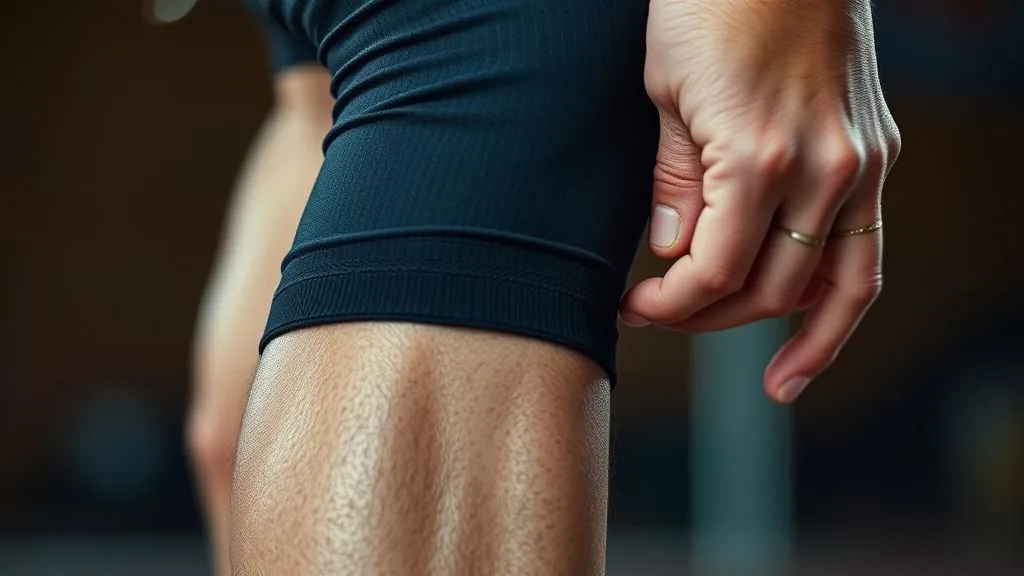
Why is my compression gear causing numbness during extended training?
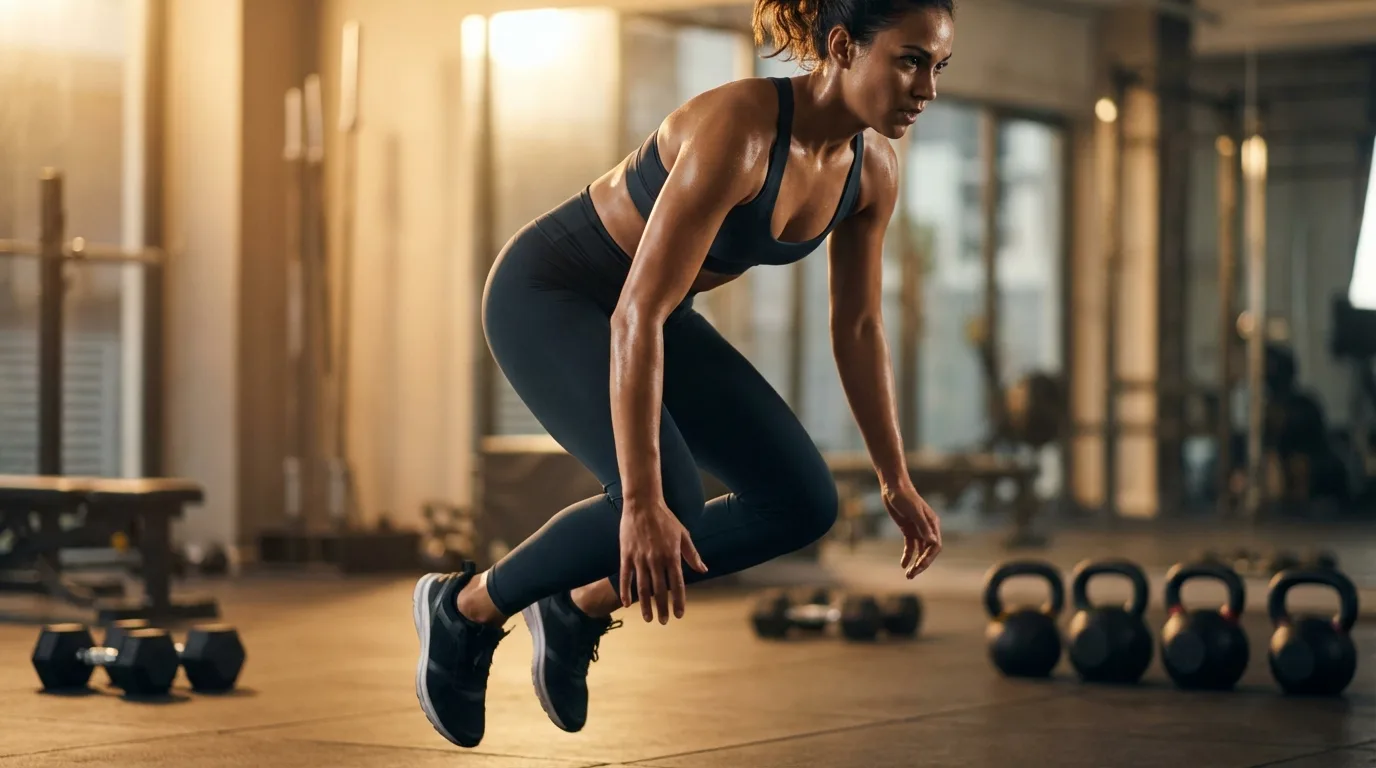
For over two decades immersed in the dynamic world of activewear, particularly in the niche of high-performance compression, I've witnessed firsthand the incredible advancements designed to elevate athletic potential. Yet, I've also observed a recurring, often misunderstood problem that can severely hinder an athlete's progress: the onset of numbness during extended training sessions.
That unsettling tingling, the pins-and-needles sensation, or even a complete loss of feeling in a limb, isn't just a minor annoyance; it's a critical signal from your body. It disrupts focus, compromises performance, and can even pose underlying health risks. It's profoundly frustrating when the very gear intended to support and enhance your efforts seems to be working against you.
In this definitive guide, we're not just going to scratch the surface. We'll dive deep into the physiological mechanisms behind this discomfort, dissect common mistakes in gear selection and usage, and provide you with a robust, actionable framework. My goal is to empower you to select, wear, and maintain your compression gear in a way that truly supports your extended training, eliminating numbness and optimizing your performance.
Understanding the Physiology: Why Numbness Occurs
To truly solve the problem of numbness, we must first understand its roots in human physiology. It’s not simply a matter of 'too tight'; it's a complex interplay of nerve function, blood flow, and tissue dynamics.
Nerve Compression: The Primary Culprit
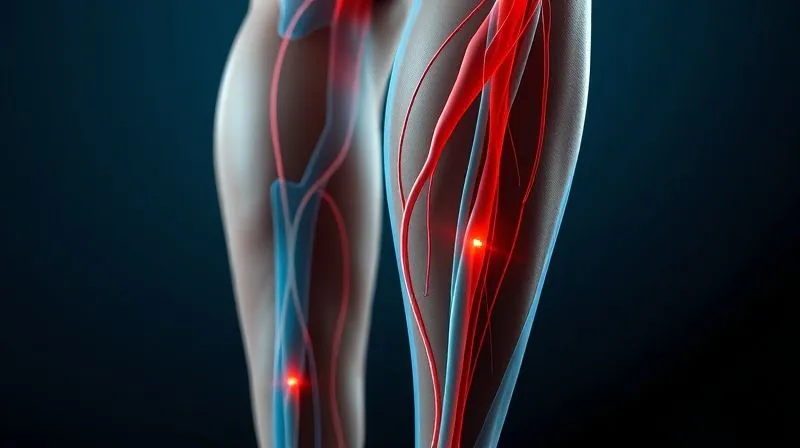
One of the most common reasons for numbness, medically termed paresthesia, is direct pressure on superficial nerves. Compression garments, by their very nature, apply pressure to the body. When this pressure is excessive or poorly distributed, it can impinge upon nerves that lie close to the skin's surface.
Consider the peroneal nerve, which runs along the outside of your calf and shin. If compression socks or tights are too tight around this area, they can press on this nerve, leading to numbness or tingling in the foot or lower leg. Similarly, overly tight arm sleeves can affect the median or ulnar nerves, causing sensations in the hands and fingers. This sustained pressure interferes with the nerve's ability to transmit signals, resulting in the characteristic numbness.
Restricted Blood Flow: Ischemia and Hypoxia
While compression is often lauded for its ability to *enhance* venous return and improve circulation, excessive or improperly designed compression can have the opposite effect on arterial flow. If the garment is too tight, it can constrict arteries, reducing the supply of oxygen-rich blood to the muscles and nerves. This condition, known as ischemia (lack of blood flow) and subsequent hypoxia (lack of oxygen), can cause nerves to malfunction.
When nerves and muscles are deprived of adequate oxygen, they cannot function optimally, leading to sensations of weakness, fatigue, and, yes, numbness. This is particularly problematic during extended training, where metabolic demands for oxygen are high.
Edema and Fluid Dynamics
Paradoxically, improper compression can sometimes contribute to localized swelling or edema, which in turn can exacerbate numbness. If a garment is too tight in one area but too loose in another, it can create a 'tourniquet effect.' This might restrict lymphatic drainage or venous return in the segment below the constriction, leading to fluid accumulation and increased pressure on nerves and blood vessels.
The Fit Factor: Is Your Gear Truly Supporting You?
In my experience, the single biggest culprit behind numbness from compression gear is often a fundamental misunderstanding of 'fit.' Many athletes believe tighter is better, equating extreme snugness with superior performance. This couldn't be further from the truth.
The Goldilocks Principle: Not Too Tight, Not Too Loose
Effective compression is about finding that 'just right' balance. It should feel like a firm, supportive hug – snug enough to provide the intended physiological benefits (like improved blood flow and reduced muscle oscillation) but never constrictive. If your garment leaves deep red marks, feels painful, or restricts your full range of motion, it's too tight.
Remember, different brands have varying sizing philosophies and utilize diverse fabric technologies. A 'medium' from one brand might be a 'small' or 'large' in another. This variability makes relying solely on your usual clothing size a risky gamble when it comes to performance compression.
Common Mis-sizing Mistakes
- Buying Smaller for More Compression: This is a classic error. While the intent is to maximize compression, the reality is often constriction, leading directly to the problems we're discussing.
- Ignoring Body Changes: Our bodies are dynamic. Weight fluctuations, muscle gain, or even temporary swelling can alter your ideal size.
- Focusing on One Measurement: A pair of compression tights might fit your waist perfectly but be far too tight or loose around your thighs or calves. Comprehensive measurements are key.
Actionable Steps for Proper Sizing:
- Always Consult Brand-Specific Size Charts: This is non-negotiable. Each reputable brand will provide detailed charts.
- Measure Yourself Accurately: Use a flexible tape measure to get circumference measurements of relevant body parts (e.g., calf, thigh, bicep, waist). Do this when your muscles are relaxed and also consider measurements after a workout if swelling is a concern for extended training.
- Try Before You Buy (If Possible): If buying in-store, try on different sizes and move around in them. Perform some of the movements you'd do during your training.
- Pay Attention to Seams and Elastic Bands: These should lie flat against your skin without digging in or causing visible indentations.
"The goal of compression isn't to create discomfort, but to provide a supportive hug that enhances circulation and muscle stability without impeding nerve function."
Material Matters: Fabric Composition and Breathability
Beyond fit, the very fabric of your compression gear plays a pivotal role in comfort and performance. Not all compression materials are created equal, and their properties can significantly influence whether your gear becomes a source of numbness.
The Role of Fabric in Compression Performance
Most high-quality compression garments are crafted from blends of synthetic fibers like nylon, spandex (Lycra), and polyester. Spandex provides the essential stretch and recovery, ensuring the garment maintains its shape and compressive force. Nylon and polyester contribute durability, moisture-wicking capabilities, and often a smooth, comfortable feel against the skin.
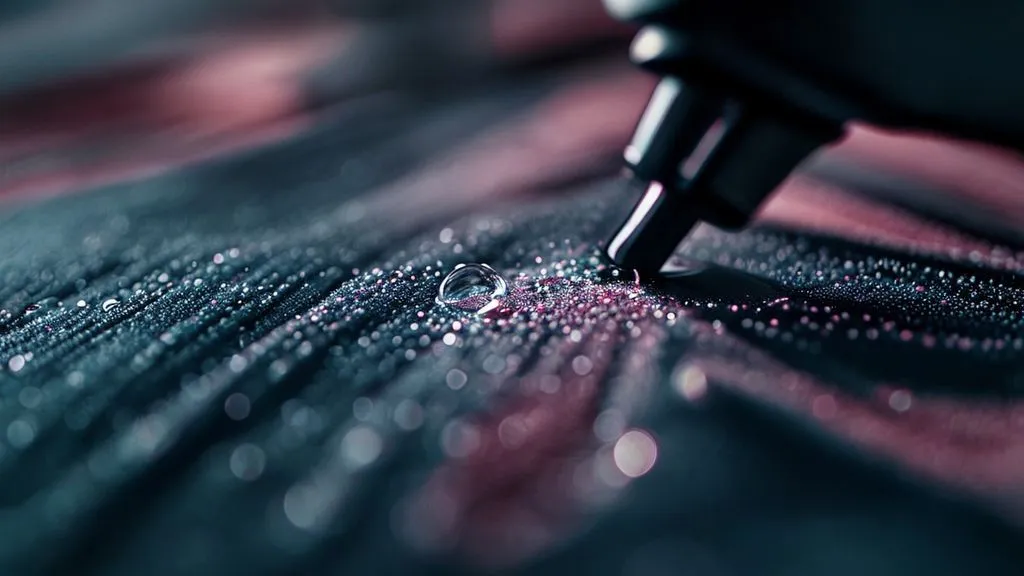
Effective moisture-wicking is crucial for skin health and comfort during extended training. Fabrics that efficiently draw sweat away from the body prevent moisture buildup, which can lead to chafing, skin irritation, and even localized swelling that exacerbates pressure on nerves.
When Fabrics Work Against You
Poorly chosen or low-quality fabrics can actually contribute to numbness. Non-breathable materials, for instance, can trap heat and moisture, leading to excessive sweating and skin maceration. This can cause the skin to swell slightly, increasing the pressure exerted by the garment.
Furthermore, stiff, overly rigid, or inelastic materials might not conform smoothly to your body's contours. Instead of applying uniform, graduated pressure, they can create localized pressure points, particularly around joints or muscle bellies, directly impinging on nerves. This is a common issue with cheaper garments that lack the sophisticated weave and fiber technology of premium activewear.
| Fabric Type | Pros | Cons | Ideal Use |
|---|---|---|---|
| Nylon/Spandex Blend | Excellent stretch, moisture-wicking, durable, retains shape, comfortable next-to-skin feel | Can be expensive, less breathable than natural fibers in extreme heat | High-intensity training, recovery, all-around performance |
| Polyester Blend | Durable, wrinkle-resistant, good moisture-wicking, quick-drying | Less stretchy than spandex, can feel less luxurious, prone to odor retention if not treated | Endurance sports, general training, outdoor activities |
| Cotton Blend (Low Compression) | Soft, breathable, comfortable for casual wear | Poor moisture-wicking, retains sweat, heavy when wet, offers minimal true compression | Casual wear, light activity (avoid for serious compression needs) |
Training Intensity and Duration: The Extended Factor
The keyword in our discussion, 'extended training,' is highly significant. What might feel perfectly fine for a short 30-minute workout can become a significant problem when stretched over several hours.
Why Extended Training Worsens Numbness
- Prolonged Static Pressure: Over long durations, even moderate pressure can become problematic. Nerves, like any tissue, need periods of relief. Constant, unrelenting pressure from ill-fitting gear can eventually lead to nerve fatigue and numbness.
- Exercise-Induced Muscle Swelling: During intense or prolonged exercise, muscles naturally swell due to increased blood flow and fluid accumulation (exercise-induced edema). If your compression gear is already snug, this swelling can push the garment's pressure beyond its intended therapeutic range, turning it into a constrictive force.
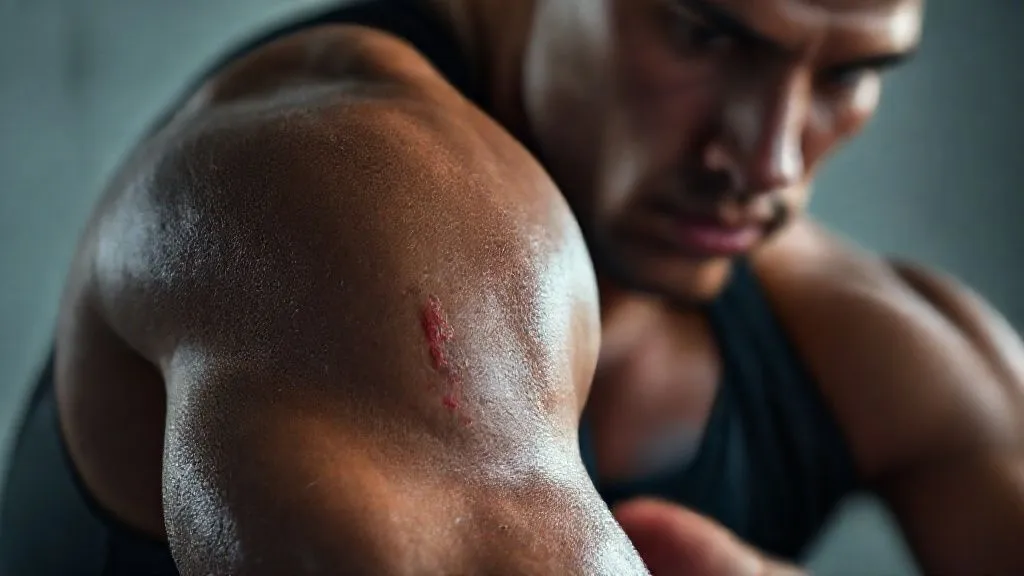
- Repetitive Movements and Friction: Long training sessions involve countless repetitive movements. If seams or elastic bands are not perfectly aligned or are too stiff, these repeated motions can cause friction or localized pressure, irritating nerves over time.
Case Study: Sarah's Marathon Dilemma
Case Study: Sarah's Marathon Dilemma
Sarah, a dedicated marathon runner, came to me frustrated. She swore by her compression socks for their perceived benefits, yet consistently experienced debilitating numbness in her left calf and foot after mile 10 of any long run. She had always bought size 'M,' believing it was her standard size. During shorter runs, the socks felt fine, but the extended duration of her marathon training was a different story.
My advice was simple: measure her calves *after* a long run. We discovered her calves swelled by nearly an inch in circumference during extended exertion. Her 'M' socks, which fit well pre-run, effectively became a tourniquet on her swollen muscles, particularly around the peroneal nerve. By comparing her post-run measurements against the brand's size chart, we identified she actually needed a size 'L' for her extended training sessions.
The result? Sarah's numbness vanished. She completed her next marathon with newfound comfort and was able to maintain her pace without the mental and physical distraction of pins and needles. This demonstrates that for extended training, accounting for exercise-induced swelling is paramount.
"Extended training is where the true test of your compression gear lies. What feels fine for an hour might become a significant problem after three."
Beyond the Gear: Underlying Physiological Factors
While ill-fitting or inappropriate compression gear is a common cause, it's crucial to acknowledge that sometimes the numbness stems from, or is exacerbated by, other physiological factors. As an industry specialist, I've learned that a holistic view is always best.
Hydration and Electrolyte Balance
Proper hydration is fundamental to overall physiological function. Dehydration can affect blood volume and viscosity, potentially impacting circulation. Similarly, imbalances in electrolytes (like sodium, potassium, and magnesium) are vital for proper nerve signal transmission and muscle function. A deficiency can make nerves more susceptible to irritation or malfunction, even under moderate compression.
Nerve Entrapment Syndromes
Sometimes, numbness is a symptom of a pre-existing nerve entrapment syndrome, which compression gear can unfortunately aggravate. Conditions like Meralgia Paresthetica involve the lateral femoral cutaneous nerve in the thigh, and even mild pressure from a tight waistband can trigger symptoms. Similarly, certain anatomical variations can make individuals more prone to peroneal nerve palsy, where compression around the knee or calf can be problematic. While not caused by the gear, the gear becomes a trigger.
Medical Conditions and Medications
Certain medical conditions significantly increase susceptibility to numbness. Individuals with diabetes, for example, are at higher risk for peripheral neuropathy, making their nerves more vulnerable to compression. Circulatory issues, such as peripheral artery disease, can also manifest as numbness or tingling. Furthermore, some medications can affect fluid retention or blood pressure, indirectly influencing how your body reacts to compression.
The Importance of a Pre-Existing Condition Check
If you've meticulously followed all advice regarding fit and material and still experience persistent numbness, it's a clear signal to consult a healthcare professional. A doctor can rule out or diagnose any underlying medical conditions that might be contributing to your symptoms. Your well-being should always take precedence over training goals.
Optimizing Your Compression Wear Strategy
Developing a smart strategy for your compression wear is about more than just buying a product; it’s about informed usage and continuous self-assessment. This is where your expertise as an athlete truly comes into play.
The Pre-Training Check-Up
Before every extended training session, make it a habit to inspect your gear and assess its fit. Look for any signs of wear and tear that might compromise its integrity or create uneven pressure. As you put on your compression garment, pay attention to how it feels. Are there any immediate pinch points? Do seams lie flat? Is the material uniformly snug, or are there areas that feel uncomfortably tight?
During Training Adjustments
Listen to your body. This is perhaps the most critical skill for any athlete. If you start to feel any tingling, numbness, or discomfort, don't ignore it. Take a brief break, adjust your garment, or even remove it if necessary. Pushing through numbness is never advisable. Sometimes, a simple adjustment of the waistband or pulling up a sock can alleviate pressure.
Post-Training Assessment and Recovery
After your training, remove your compression gear and examine your skin. Deep red indentations, especially from seams or elastic bands, are clear indicators that the garment was too tight in those areas. Pay attention to any residual numbness or tingling that lingers after removal; this warrants further investigation into your gear or potentially a medical consultation.
For recovery, gentle compression can be beneficial, aiding in reducing muscle soreness and swelling. However, ensure that even recovery compression is comfortably snug, not constrictive. Elevating your limbs and gentle massage can also complement the benefits of proper compression.
- Activity Specificity: Choose compression gear designed for your specific activity. Running tights often have different paneling and compression zones than, say, recovery sleeves or weightlifting gear.
- Graduated vs. Uniform Compression: Most effective compression garments utilize graduated compression, meaning the pressure is highest furthest from the heart (e.g., at the ankle) and gradually decreases upwards. This aids venous return. Uniform compression, if too tight, can act more like a tourniquet.
- Targeted Compression Zones: Some garments feature strategic paneling with varying levels of compression to support specific muscle groups or joints without over-compressing others.
Maintenance and Longevity: Keeping Your Gear Optimal
The performance of your compression gear isn't just about initial purchase; it's also about how you care for it. Proper maintenance ensures your garments retain their elasticity and effectiveness, preventing them from becoming a source of discomfort or numbness over time.
Washing and Drying Guidelines
The elastic fibers (spandex/Lycra) that give compression garments their unique properties are sensitive to heat and harsh chemicals. Always follow the care instructions on the garment's label, but generally:
- Wash Cold: Use cold water, ideally on a gentle cycle or hand wash.
- Mild Detergent: Avoid harsh detergents, bleach, or fabric softeners, as these can break down elastic fibers.
- Air Dry: The golden rule for longevity. High heat from tumble dryers is the enemy of elasticity. Hang dry your compression gear to preserve its stretch and shape.
When to Replace Your Compression Gear
Compression garments, like all activewear, have a lifespan. Over time, the elastic fibers will degrade, and the fabric will lose its ability to provide effective compression. Continuing to wear worn-out gear offers diminished benefits and can even contribute to issues if the garment stretches unevenly.
- Loss of Elasticity: If your gear feels less snug, bags or sags, or doesn't snap back into shape, it's time for replacement.
- Visible Damage: Holes, tears, thinning fabric, or unraveling seams are clear indicators of degradation.
- No Longer Providing Effective Compression: If you notice your performance benefits diminishing or you're experiencing more muscle soreness than usual, your gear might no longer be doing its job.
Investing in quality compression gear and caring for it properly extends its life and ensures it continues to support your training without causing problems like numbness.
Frequently Asked Questions (FAQ)
Q: Can compression gear cause permanent nerve damage? A: While rare, prolonged and severe nerve compression can lead to temporary or, in extreme cases, permanent nerve damage. This is why addressing numbness promptly is crucial. Most cases of compression-induced numbness are transient and resolve once the pressure is removed. However, persistent symptoms, especially if they last for hours or days after removing the garment, warrant immediate medical attention. Your body is sending a clear warning signal.
Q: How do I know if my compression gear is too tight or just 'doing its job'? A: The key difference lies in sensation and function. 'Doing its job' means a snug, supportive feel that enhances blood flow and muscle stability, allowing for comfortable, uninhibited movement. 'Too tight' manifests as discomfort, itching, deep red marks, swelling below the compressed area, a feeling of constriction, or, most importantly, any numbness, tingling, or a pins-and-needles sensation. If you experience any of these, especially during extended training, your gear is likely too tight.
Q: Should I wear compression gear for recovery, and is the fit different? A: Yes, compression gear is often beneficial for recovery, helping to reduce muscle soreness and swelling by promoting blood flow and waste removal. For recovery, the fit can sometimes be slightly less aggressive than for active training, focusing more on gentle, sustained pressure for longer durations. However, the 'Goldilocks Principle' still applies – it should be comfortably snug, never constrictive, to avoid impeding the very recovery processes it's meant to aid.
Q: Are there specific body parts more prone to numbness from compression? A: Yes, areas with superficial nerves close to the skin or where muscles swell significantly during exercise are more susceptible. Common areas include the calves (affecting the peroneal nerve, leading to foot/lower leg numbness), thighs (lateral femoral cutaneous nerve, causing outer thigh numbness), and arms/forearms (radial, ulnar, median nerves, impacting hands/fingers). Waistbands can also cause issues if they press on abdominal or inguinal nerves.
Q: What if I've tried everything and still experience numbness? A: If you've diligently followed sizing guides, experimented with different brands/materials, ensured proper hydration, paid attention to training duration, and still experience persistent numbness during or after extended training, it's absolutely essential to consult a healthcare professional. There might be an underlying medical condition, such as a nerve entrapment syndrome, circulatory issue, or other physiological factor that needs diagnosis and treatment. Your well-being and long-term health are paramount.
Key Takeaways and Final Thoughts
Navigating the world of activewear, especially specialized items like compression gear, requires more than just following trends; it demands an understanding of your body and the science behind the apparel. The question, 'Why is my compression gear causing numbness during extended training?' is a critical one, and answering it is fundamental to safe and effective performance.
- Prioritize Proper Fit: Always choose gear based on accurate body measurements and brand-specific size charts, prioritizing comfort and supportive snugness over perceived 'more compression.'
- Understand Physiological Causes: Remember that numbness is often a sign of nerve compression or restricted blood flow, both of which can be detrimental to your health and performance.
- Consider Material, Duration, and Individual Physiology: Fabric choice, the length of your training session, and any underlying health conditions all play a significant role.
- Listen to Your Body: Be vigilant for signs of discomfort, adjust your gear during training, and assess your skin post-workout.
- Maintain Your Gear: Proper washing and timely replacement ensure your compression garments remain effective and safe.
- Don't Hesitate to Seek Medical Advice: For persistent numbness, professional medical consultation is a non-negotiable step.
As a veteran in this industry, I've seen countless athletes unlock new levels of performance once they truly optimize their relationship with their gear. Compression wear, when chosen and used correctly, should be an asset that enhances your strength, endurance, and recovery – never a source of pain or numbness. Empower yourself with this knowledge, listen to your body, and continue to push your limits, comfortably and effectively.
Recommended Reading
- Verify True Sustainability in Vintage: 7 Steps for Ethical Sourcing
- 7 Steps: Compelling Lookbooks on a Shoestring Budget & Small Team
- The Ultimate Guide: How to Properly Store Leather Handbags Long Term
- 7 Breakthroughs: Enhancing Wearer Comfort in Rigid 3D Printed Fabrics
- Unlock Your Style: How to Chicly Dress Diverse Body Types (7 Pro Tips)

Your email address will not be published. Required fields are marked *