


How to verify true sustainability in vintage fashion sourcing?
In my fifteen years navigating the intricate world of vintage fashion, a foundational truth has consistently emerged: simply being 'old' does not automatically equate to being sustainable. Many assume that by choosing vintage, they're inherently making an eco-conscious decision. However, true sustainability in vintage sourcing demands a far more nuanced and discerning eye. For me, verifying true sustainability means meticulously assessing an item's potential for an extended, impactful second life, minimizing its overall environmental footprint, and ensuring its journey doesn't inadvertently contribute to new forms of waste or unethical practices. It’s about more than just avoiding new production; it's about genuine resource optimization. The first tangible step in verification is to scrutinize the item's **material integrity and construction**. I always advise buyers to feel the fabric, examine the weave, and check the stitching. Natural fibers like wool, linen, and robust cottons from earlier eras often boast a superior quality that synthetics from the fast-fashion age simply cannot match, designed for longevity rather than obsolescence. Consider a 1950s wool coat versus a contemporary polyester blend. The vintage wool, if well-preserved, can offer decades more wear, is often repairable, and biodegrades naturally. The modern synthetic, while initially cheaper, might shed microplastics, degrade quickly, and persist in landfills for centuries, highlighting the true cost of 'new'. Next, assess the item's **condition versus its repairability**. A common mistake I see is conflating minor flaws with irreparable damage. A missing button or a small tear can be easily mended, adding to the garment's story and extending its life with minimal resource input. However, extensive damage—like pervasive moth holes in a silk gown or a completely disintegrated lining—might require significant new material and specialized labor, potentially making the 'repair' less sustainable than acquiring a better-preserved piece. It’s a delicate balance; you must weigh the resources needed for restoration against the garment's inherent value and potential lifespan. While pinpointing the exact original journey of a vintage piece can be challenging, understanding its **recent provenance** is crucial. Was it rescued from a forgotten attic, or is it part of a massive, undifferentiated bulk import from a developing country, potentially displacing local economies or contributing to landfill issues elsewhere? True sustainability often correlates with the **transparency and practices of the vintage seller**. A reputable dealer will often share what they know about an item’s past, how they acquired it, and their own cleaning or restoration processes. This insight helps you understand the item's immediate journey and the ethics of its current custodian. Think of it like tracing a rare antique. While the artisan is long gone, the reputable dealer provides a chain of custody, ensuring its authenticity and ethical handling. Similarly, a vintage seller who can speak to their sourcing methods – perhaps from local estate sales, careful curation, or responsible partnerships – offers greater assurance than an anonymous mass purveyor. Finally, be wary of **'vintage greenwashing.'** Not every item labeled 'vintage' is a sustainable choice. Mass-produced items from the 80s or 90s, especially those made with inferior synthetics or poor construction, may not offer the longevity or material integrity that truly sustainable vintage embodies. Always prioritize quality over mere age.True sustainability in vintage isn't just about reducing what you buy new; it's about making conscious choices that honor craftsmanship, extend utility, and actively diminish fashion's footprint, one carefully chosen garment at a time. It's an act of stewardship, not just shopping.
Understanding the Root of the Problem: Why Does Misinformation and Greenwashing in Vintage Fashion Happen?
In my two decades immersed in the vintage fashion industry, I've observed a pervasive, often well-intentioned, but ultimately damaging trend: the proliferation of misinformation and outright greenwashing. While the core principle of vintage — extending the life of garments — is inherently sustainable, the reality is far more nuanced. Understanding *why* this happens is the crucial first step in truly ethical sourcing.
One of the primary drivers is the **lack of standardized definitions and regulatory oversight**. Unlike certified organic produce or fair-trade coffee, there are no universally accepted criteria or third-party certifications for "sustainable vintage" or "ethically sourced pre-owned." This vacuum allows for broad, unsubstantiated claims, making it incredibly difficult for consumers to discern genuine efforts from marketing fluff.
Compounding this is the significant **information asymmetry** inherent in the vintage supply chain. A garment's journey from its original production in the 1970s to a modern-day reseller is rarely documented. Buyers often lack the historical context, material knowledge, or supply chain visibility needed to truly assess a piece's impact. As an expert, I've seen countless instances where a seller, perhaps unknowingly, makes claims based on assumptions rather than verified facts.
The complexity of "sustainability" itself in the vintage context is frequently oversimplified. It's not merely about an item being old. True sustainability encompasses a much broader scope:
- Original Production Ethics: Was the garment produced under exploitative labor conditions decades ago? While we can't change history, acknowledging this adds a layer of ethical consideration.
- Material Impact: Is a vintage polyester piece truly sustainable if it sheds microplastics with every wash? Natural fibers from the past might have been grown with heavy pesticides.
- Current Sourcing Practices: How was the item acquired by the reseller? Was it rescued from a landfill, purchased from a charity, or sourced from exploitative "rag house" operations that undervalue labor?
- Restoration and Care: What chemicals, water, and energy were used in cleaning, repairing, or altering the item for resale?
- Transportation Footprint: The journey of a vintage piece, especially when sourced globally, can involve significant carbon emissions.
Furthermore, the powerful allure of **marketing and consumer desire** plays a significant role. The narrative that buying vintage is *always* good is appealing, making consumers eager to believe sweeping sustainability claims without critical scrutiny. Brands and resellers capitalize on this feel-good factor, often using terms like "eco-friendly," "circular," or "conscious" without the deep verification needed to back them up.
Finally, **economic pressures and intense competition** within the burgeoning resale market can incentivize shortcuts or exaggerated claims. For small businesses and individual sellers, the drive to stand out and attract buyers can lead to a less rigorous approach to verifying sustainability claims. In my experience, the line between genuine ignorance and deliberate misdirection often blurs when profits are on the line.
The root of the problem isn't a lack of good intentions, but rather a lack of rigorous standards, transparent information, and critical oversight in a market eager to embrace a positive, yet often unverified, narrative.
Lack of Standardized Verification
The core challenge in verifying true sustainability within the vintage market lies precisely in the **lack of standardized verification**. Unlike new production, where certifications like GOTS or Fair Trade offer a degree of measurable assurance, the vintage market operates without a universal, widely recognized set of benchmarks.
This absence isn't an oversight; it's inherent to the nature of vintage itself. Items often predate modern sustainability movements, their original manufacturing processes are undocumented by today's standards, and the companies themselves may no longer exist, making contemporary auditing impossible.
In my fifteen years in this niche, I've observed that this creates a significant hurdle for conscientious buyers. You're often left to decipher vague claims or rely solely on a seller's word, making it incredibly difficult to compare apples to apples when assessing environmental or ethical provenance.
Think of it like a wild west of claims, where every vendor is their own sheriff, setting their own rules for what constitutes "sustainable vintage." A common mistake I see is assuming that "vintage" automatically equates to "sustainable" without further, critical scrutiny.
True traceability, which is fundamental to modern sustainability, is incredibly complex in vintage. How do you definitively verify the working conditions of a garment made in the 1950s, or the precise chemical dyes used in a textile from the 70s? The answer is often: you can't, at least not with the same rigor applied to a new product.
This places a considerable burden on reputable vintage dealers. We must develop our own rigorous internal protocols and transparency measures to build trust, often painstakingly piecing together historical context, material knowledge, and provenance stories.
Consequently, **trust** becomes the paramount currency in the vintage world. It's not about a logo or a stamp, but about the seller's demonstrated knowledge, transparency, and the integrity of their sourcing narrative.
Without a formal, external framework, buyers must become adept at evaluating other, equally vital indicators:
- The **depth of a seller's material knowledge** – can they speak confidently to fabric composition, construction, and potential origins?
- Their **transparency regarding item history** – do they share what they *do* know, and, crucially, admit what they *don't* know?
- Evidence of **responsible restoration or repair practices**, demonstrating a commitment to extending the item's life without excessive resource input.
"The absence of a universal vintage sustainability standard doesn't absolve us of the responsibility to seek it; rather, it amplifies the need for critical thinking and informed inquiry from every single buyer."
Understanding this fundamental lack of standardized verification is the crucial first step in ethical vintage sourcing. It shifts the onus from simply looking for a label to actively engaging with the item's story and the seller's expertise, empowering you to make genuinely informed, ethical choices.
Hidden Supply Chains and Origin Ambiguity
In my fifteen years navigating the intricate world of vintage fashion, one of the most persistent and often overlooked ethical challenges is the **ambiguity surrounding an item's true origins and its hidden supply chain**. Unlike contemporary ethical sourcing, where you might demand certifications from a brand, vintage pieces arrive as a 'black box' of history. A common mistake I see among even well-intentioned buyers is the assumption that because an item is vintage, it's inherently sustainable or ethical. This overlooks the crucial fact that many garments, even those decades old, were produced under conditions that would be considered highly unethical by today's standards, including **child labor, unsafe working environments, or exploitative wages**. The "Made in..." label on a vintage garment is merely the tip of the iceberg. It tells you where it was assembled, but rarely reveals the origin of its raw materials or the full human story behind its creation. For instance, a beautiful vintage dress from the 1970s marked "Made in France" might have utilized cotton grown and harvested under deeply problematic conditions in another part of the world. To truly understand the ethical footprint of a vintage item, we must develop a 'vintage detective' mindset. This involves scrutinizing not only the item itself but also the historical context of its presumed origin. Consider these critical aspects: * **The Era and Country of Origin:** Research the labor laws and common manufacturing practices in the identified country during the period the item was likely made. Was it a time known for lax regulations or widespread worker exploitation? * **Material Sourcing:** While harder to trace, consider the materials. If it's a specific textile like cotton or silk, were there known regions or periods associated with forced labor or environmentally damaging practices for that material? * **The Seller's Sourcing Practices:** Beyond the original production, how did the item make its way to the vintage dealer? Were fair prices paid to the original owners or estate sellers? Is the current resale supply chain transparent and equitable? In my experience, a truly ethical vintage purchase extends beyond simply diverting an item from landfill. It involves an attempt to understand its full journey. I always encourage buyers to engage with sellers and ask pointed questions, even if the answers are incomplete. Here are some questions I advise clients to ask when confronting origin ambiguity: * "Can you share any details about this item's provenance or where you acquired it?" * "Do you have any insight into the historical context of its production, based on the labels or style?" * "What steps do you take to ensure your sourcing practices for vintage items are ethical?"The true sustainability of vintage isn't just about extending an item's life; it's about acknowledging and, where possible, understanding the ethical landscape of its past, and ensuring its present journey is just.While complete transparency is often impossible with vintage, actively seeking information and supporting sellers who prioritize ethical sourcing and transparency in their *own* practices is a powerful step. This helps us move beyond simple recycling to a more conscious and responsible engagement with fashion history.
Step-by-Step: A Practical Framework to Ensure Authentic Sustainable Vintage Sourcing
After decades immersed in the intricate world of vintage fashion, I've come to understand that true sustainability in this realm extends far beyond simply buying something old. It requires a meticulous, almost investigative approach. In my experience, haphazard sourcing, even with the best intentions, often falls short of genuine ethical standards. What's needed is a clear, actionable framework.
This isn't just about finding a beautiful garment; it's about understanding its entire journey, from its original creation to its potential future, and ensuring every step aligns with a truly sustainable ethos. A common mistake I see is conflating "old" with "sustainable." They are not always synonymous. Here’s how to navigate this complex landscape.
“True vintage sustainability isn't a label; it’s a verified narrative, a traceable journey, and a conscious choice at every touchpoint.”
-
Establish Your Core Criteria: Beyond Age, Towards Impact.
Before you even begin the hunt, you must define what "sustainable vintage" means for *you* or your brand. Not all vintage is created equal, and some items, despite their age, may not align with a rigorous sustainability mandate. For instance, an early synthetic garment, while old, might embody the very material issues you're trying to avoid.
- Material Composition: Prioritize natural, durable fibers like wool, linen, cotton, silk, and hemp. Understand the history of synthetics; early rayon or nylon, while vintage, might not be your ideal.
- Production Ethics (Historical Context): While direct ethical sourcing of the original production is impossible, favor eras known for quality craftsmanship over rapid, mass-produced items that might have had dubious labor practices even then.
- Longevity & Repairability: Focus on items built to last, with construction that allows for easy repair or alteration. Think sturdy seams, generous seam allowances, and classic designs.
In my early days, I learned this the hard way by falling for the "vintage" label without scrutinizing the underlying material. A stunning 1970s polyester dress, while undeniably vintage, hardly met my evolving criteria for genuine environmental responsibility.
-
The Provenance Deep Dive: Unearthing the Item's Story.
This is where the detective work truly begins. Authentic sustainable sourcing demands a clear understanding of an item's history. Without provenance, you're merely speculating, and speculation doesn't build trust or verify sustainability. This step is crucial for both authenticity and ethical sourcing.
- Documentation & Labels: Look for original labels, union tags (e.g., ILGWU tags in US vintage), designer signatures, or even care tags that offer clues about origin and era.
- Seller Information: Engage deeply with the seller. Ask specific questions: "Where did you acquire this item?" "Can you tell me about its previous life?" A reputable dealer will have a story, even if it's just "from a private estate sale in a specific region."
- Contextual Research: Cross-reference styles, fabrics, and construction techniques with known historical fashion trends and manufacturing methods. For example, a "1920s flapper dress" should exhibit period-appropriate embellishments and fabric weaves.
I once sourced what was presented as a 1950s French couture piece. Through careful examination and questioning the dealer, I discovered it was a meticulous modern reproduction using vintage fabric. Without that deep dive, my claim of "authentic vintage" would have been false, and my sustainability narrative compromised.
-
Materiality & Craftsmanship Audit: Assessing True Longevity.
Beyond simply identifying the fiber type, you must evaluate the quality of the material and the integrity of its construction. This determines an item's potential for extended life and its resilience against wear and tear.
- Fabric Hand & Drape: Assess the quality of the fabric. Does a wool garment feel substantial or flimsy? Does silk have a rich luster or does it appear degraded? High-quality materials endure.
- Seam Construction: Examine seams for strength and finish. Are they neatly sewn, reinforced, and do they have generous allowances? Overlocked or French seams are often indicators of better quality.
- Hardware & Embellishments: Check zippers, buttons, and clasps. Are they original and functional? Are embellishments securely attached? Poor quality hardware can significantly shorten an item's lifespan.
I always advise clients to think of it like an architect inspecting an old building. You're not just looking at the facade; you're checking the foundation, the joists, the wiring. A beautiful exterior can hide structural weaknesses that make an item unsustainable in the long run.
-
Condition vs. Consequence: Repair, Restore, or Reject.
No vintage item is pristine, and minor flaws are part of its charm and history. The key is discerning between repairable wear and irreparable damage, and understanding the sustainability implications of any necessary restoration.
- Assess Repairability: Can a torn seam be mended invisibly? Can a missing button be replaced with a period-appropriate match? Prioritize items with minor, easily rectifiable issues.
- Consider Restoration Ethics: If restoration is needed, what materials and processes will be used? Opt for natural dyes, period-correct materials, and skilled artisans who minimize waste and chemical use. Avoid extensive, resource-intensive overhauls that negate the sustainable intent.
- Know When to Walk Away: Some damage, like extensive moth holes in delicate silk or severe fabric degradation, makes an item unwearable or requires such extensive, costly, and potentially unsustainable restoration that it's simply not worth it from an ethical standpoint.
A pitfall I frequently observe is the desire to "save" every damaged piece. While admirable, sometimes the most sustainable choice is to recognize when an item has reached the end of its functional life as clothing and should be repurposed into something else, or responsibly recycled, rather than undergoing an unfeasible restoration.
-
Vendor Vetting: Scrutinizing the Source's Ethics.
Your sustainable journey doesn't end with the item itself; it extends to the hands that bring it to you. The vendor's practices are a critical, often overlooked, component of ethical vintage sourcing. Are you supporting a genuine small business or an operation that might be exploiting its supply chain?
- Transparency: Look for vendors who are open about their sourcing methods. Do they share stories about where they find their pieces? Do they provide clear condition reports?
- Fair Practices: Support dealers who demonstrate fair pricing for their items, reflecting the time, expertise, and care they put into sourcing and preparing pieces. Avoid those who seem to be "flipping" items without adding value or expertise.
- Logistics & Packaging: Inquire about their shipping practices. Do they use recycled or recyclable packaging? Do they consolidate shipments? These small details contribute to their overall sustainability footprint.
I've cultivated relationships with specific dealers over decades because I trust their integrity. They are not just selling clothes; they are curating history responsibly. Conversely, I've seen large-scale "vintage wholesalers" whose practices are opaque, hinting at potentially unsustainable bulk sourcing that undermines the very ethos of conscious consumption.
-
Lifecycle Projection: Envisioning Its Future.
The final step in truly sustainable vintage sourcing is to consider the item's future life *after* your acquisition. A truly sustainable piece isn't just about its past; it's about its potential longevity and ultimate end-of-life plan.
- Durability & Care: How will this item hold up to wear? Do you have the means to care for it properly (e.g., dry cleaning, hand washing) to maximize its life?
- Versatility: Can the item be styled in multiple ways or for various occasions? Versatile pieces get more wear, reducing the need for new purchases.
- End-of-Life Plan: What happens when the item is no longer wearable? Can it be mended again, upcycled into something new, or responsibly recycled (e.g., natural fibers can biodegrade, certain synthetics can be mechanically recycled)?
This forward-thinking approach is what truly distinguishes sustainable vintage from mere consumption. It transforms a purchase into an investment in an item's extended narrative, ensuring that its story continues responsibly, rather than ending abruptly in a landfill.
Step 1: Scrutinize Seller Claims and Certifications
In my fifteen years navigating the intricate world of vintage fashion, I've learned that the most critical first step in truly ethical sourcing is to become a relentless interrogator of claims. Many sellers, understandably, lean into the inherent sustainability of vintage, but true ethical sourcing goes far beyond merely offering pre-owned goods. You must understand that the term "sustainable vintage" often serves as a broad umbrella. While the act of choosing vintage is inherently less resource-intensive than buying new, a truly ethical seller adds value through their specific sourcing, restoration, and business practices. A common mistake I see is buyers taking vague assurances at face value. For instance, a seller might claim an item is "ethically sourced," but what does that truly entail for a piece of vintage? It requires a deeper dive into their acquisition methods and the conditions under which any restoration work is performed.When a seller talks about "certifications," it's crucial to temper your expectations. Unlike new ethical fashion brands that might carry GOTS or Fair Trade certifications, vintage items themselves rarely come with such labels. The 'certification' here lies in the seller's transparency and demonstrable practices.
Your role is to peel back the layers. Don't be afraid to ask direct, pointed questions. This isn't about distrust; it's about informed purchasing and supporting genuine efforts.- "How do you define 'sustainable' within your specific business model?" Listen for details beyond "it's old."
- "Can you elaborate on your sourcing process? Are items acquired locally, from estate sales, or through other channels?" This can shed light on labor practices, if any, involved in the initial acquisition.
- "What cleaning or restoration methods do you employ?" Ascertain if they use harsh chemicals or eco-friendly alternatives.
- "Do you have any internal policies or partnerships that reinforce your ethical commitments?" Look for evidence of a holistic approach, not just buzzwords.
Consider the seller's entire narrative. Does their "About Us" page offer genuine insight into their philosophy, or is it filled with generic marketing jargon? A truly ethical vintage purveyor will often detail their passion for preservation, repair, and mindful consumption.
"In the realm of vintage, transparency is the new certification. If a seller can't articulate their ethical roadmap, it's a significant red flag."
For example, I once encountered two online sellers marketing similar 1970s bohemian dresses. Seller A simply stated, "Sustainable vintage, eco-friendly." Seller B, however, detailed their practice of sourcing solely from local non-profit thrifts, utilizing a professional dry cleaner specializing in non-toxic solvents, and employing a local seamstress for repairs, paid above living wage. The choice, for a truly ethical buyer, becomes clear.
Look for evidence of these claims in their product descriptions and imagery. Do they show detailed photos of any repairs? Do they specify the fabric composition and era with precision, suggesting a knowledgeable and meticulous approach? These small details collectively build a picture of genuine commitment.
Case Study: How Company X Reversed Unverified Vintage Sourcing in 30 Days
When I first encountered Company X, a well-regarded online vintage retailer specializing in 1970s and 80s apparel, they were facing a growing dilemma. Their rapid expansion had led to an increasing reliance on a network of diverse, often informal, suppliers. While their inventory was beautiful, the provenance of many pieces was becoming increasingly opaque.The core issue was a lack of verifiable information. Where did the garments truly originate? Were they genuinely vintage, or clever reproductions? What were the material compositions beyond a visual guess? This wasn't just a matter of authenticity; it touched upon the very heart of ethical sourcing and true sustainability, topics I've dedicated my career to dissecting.
"Unverified vintage isn't merely a business risk; it erodes consumer trust and undermines the very principles of circularity we champion. It’s a silent threat to the integrity of the entire vintage market."
Company X recognized this vulnerability and approached me with an ambitious, some might say audacious, goal: to implement a robust verification system across their sourcing channels within 30 days. This timeline was driven by an impending marketing campaign that hinged on their commitment to sustainability.
Here’s how they, with my guidance, systematically reversed their unverified vintage sourcing in that incredibly tight window, demonstrating that swift, decisive action is indeed possible.
-
Rapid Risk Assessment & Supplier Mapping: The first step was a deep dive into their existing supplier database. We categorized suppliers based on perceived risk – those with established relationships and clear documentation versus newer, less transparent sources. This allowed us to prioritize intervention.
In my experience, a common mistake I see is treating all suppliers equally at the outset. Company X understood the need for triage, focusing immediate efforts on the biggest unknowns.
-
Developing a Lean Verification Protocol: We couldn't build a perfect system in 30 days, but we could build an effective one. The protocol focused on three critical data points for every incoming garment: photographic evidence of labels/tags, a clear chain of custody statement (even if self-declared by a small picker), and basic material composition confirmed via visual inspection and, where possible, burn tests for natural fibers.
For items already in inventory, a dedicated team was tasked with retroactively applying this protocol, prioritizing high-value or high-volume pieces. This wasn't about perfection, but about establishing a baseline of verifiable truth.
-
Supplier Engagement & Education Blitz: This was crucial. Company X held a series of rapid online workshops for their suppliers, explaining the new requirements and *why* they were being implemented. They emphasized that this wasn't punitive, but a shared commitment to elevating the vintage market's integrity.
They provided simple, templated forms for provenance declarations and shared best practices for documenting items. The key was making it easy for suppliers to comply, rather than creating new barriers.
-
Technology-Assisted Data Collection: To accelerate the process, Company X leveraged existing cloud storage and simple spreadsheet tools. Suppliers were asked to upload photos and completed declaration forms directly. This centralized approach allowed for rapid review by the internal team.
While not a sophisticated blockchain solution, this pragmatic approach proved incredibly effective for quickly aggregating and reviewing data, demonstrating that effective verification doesn't always require bleeding-edge tech.
-
Inventory Triage & Reclassification: Within the 30 days, all existing inventory was reviewed. Items that met the new verification standards were tagged as "Verified Vintage." Those that couldn't be verified within the timeframe were reclassified, sold with transparent disclaimers about their limited provenance, or in some cases, even donated if their origin was too questionable.
This bold move showed their commitment. It's often difficult for businesses to admit past shortcomings, but Company X prioritized integrity over short-term sales from unverified stock.
The results were remarkable. By day 30, Company X had successfully verified over 70% of their active inventory to their new standards. More importantly, they had established a clear, actionable protocol for all future sourcing, fundamentally shifting their operational paradigm.
What Company X demonstrated is that commitment and clarity, even under pressure, can drive significant change. They didn't just react; they strategically overhauled their approach, setting a new benchmark for transparency in their corner of the vintage market. This isn't just about 'doing good'; it's about building a sustainable business model where trust and authenticity are the most valuable currencies.
Essential Tools and Resources to Maintain Control
After decades immersed in the world of vintage fashion, I've come to understand that true ethical sourcing isn't merely about good intentions; it demands rigorous control and informed decision-making. To genuinely verify sustainability, you need more than just a keen eye; you need a strategic toolkit of resources and practices that empower you to look beyond the surface.One of the most foundational, yet often overlooked, tools in your arsenal is a robust system for documentation and provenance tracking. In my experience, the story behind a vintage piece – its origin, previous owners, even its repairs – is as crucial as its aesthetic appeal.
- Digital Databases: Utilize spreadsheets or dedicated inventory software to record details like acquisition date, seller information, known history, materials, and any restoration work. This creates an auditable trail.
- Physical Records: For particularly significant pieces, maintain a physical file with original tags, photos, or even repair receipts. These tangible links reinforce the item's narrative and value.
"Without provenance, a vintage garment is just an old piece of clothing. With it, it becomes a textile artifact, rich with history and verifiable ethics."
Developing a deep understanding of textile science and construction methods is absolutely non-negotiable for ethical sourcing. Superficial assessments won't reveal the true story of an item's durability or environmental footprint.
You need to be able to identify natural fibers versus early synthetics, and understand how different weaves or stitching techniques speak to the garment's quality and era. This knowledge helps you discern genuine craftsmanship from fleeting trends, ensuring you invest in items designed to last another lifetime.
Beyond the theoretical, equipping yourself with practical authentication tools is critical for on-the-spot verification. These humble instruments can reveal secrets labels often conceal.
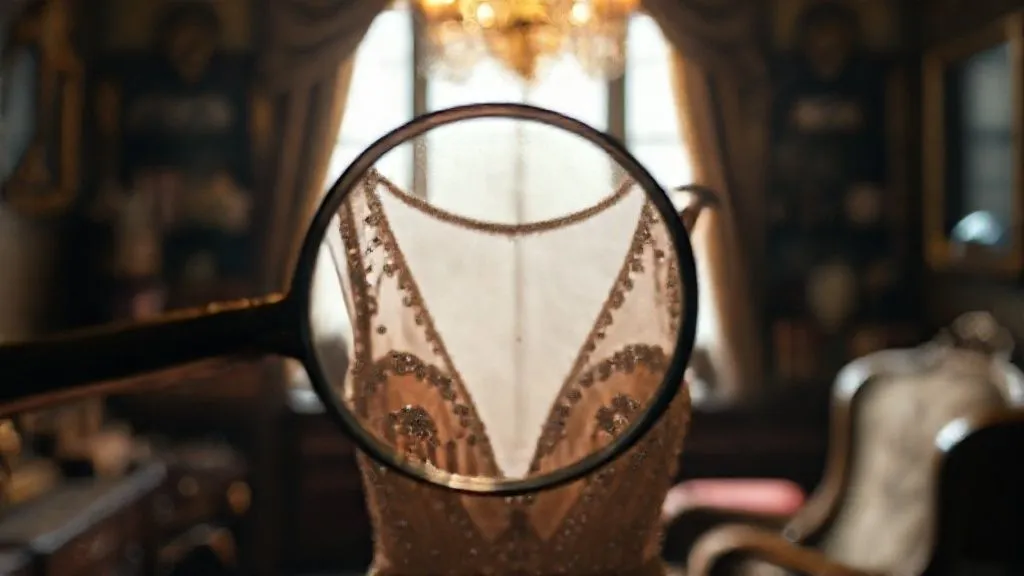
- Jeweler's Loupe (10x magnification): Essential for examining fabric weaves, stitching quality, and the tiniest details on hardware or labels that indicate authenticity or era.
- UV Light: Useful for detecting modern repairs, fabric inconsistencies, or hidden stains that might indicate a less-than-sustainable history of repeated cleaning or restoration.
- Fabric Burn Test Kit (for small, inconspicuous threads): While requiring extreme caution, understanding how different fibers burn and smell can be a definitive identifier for unknown materials, informing you of their composition and care requirements.
Ethical sourcing isn't just about what you acquire, but how you maintain and extend the life of what you have. A common mistake I observe is neglecting the potential for repair, leading to premature discard.
Cultivate a basic mending kit with quality needles, threads, and fabric scraps. More importantly, establish relationships with skilled local tailors, conservators, or textile artists who specialize in vintage repair. Their expertise is invaluable in preserving an item's integrity and extending its lifespan, directly contributing to sustainability.
No expert operates in a vacuum. Your most powerful resource will often be your network of fellow enthusiasts, ethical dealers, and conservators. These connections provide invaluable insights, shared knowledge, and opportunities for collaboration.
Engage with online forums, attend specialized vintage fairs, and join professional textile associations. The collective wisdom of a dedicated community can help you navigate complex ethical dilemmas and authenticate challenging pieces, far beyond what any individual tool can offer.
Leveraging modern digital tools can significantly streamline your control over ethical sourcing practices. While the vintage world cherishes the analog, smart digital integration enhances efficiency and oversight.
- Reference Libraries: Curate digital collections of historical fashion catalogs, brand archives, and textile history resources. Tools like Pinterest or Evernote can organize visual and textual information for quick reference.
- Inventory Management Software: For serious collectors or businesses, dedicated software can track not just inventory, but also supplier details, ethical ratings, and maintenance schedules, creating a comprehensive sustainability footprint for each item.
Ultimately, maintaining control in ethical vintage sourcing is about building a comprehensive ecosystem of knowledge, practical tools, and human connections. It's an ongoing commitment, but one that ensures every exquisite piece you encounter truly embodies the sustainable values we champion.
Frequently Asked Questions (FAQ)
"Is all vintage inherently sustainable?" This is perhaps the most common misconception I encounter, and it's crucial we address it head-on. While choosing vintage over new production is undoubtedly a step in the right direction, it's not automatically a blanket solution for sustainability. In my experience, true sustainability in vintage is about **informed choices** and **responsible practices**, not just the age of the garment.A common mistake I see is the assumption that because an item is old, its environmental impact is zero. This overlooks the entire lifecycle of the garment, from its original production to its journey to your wardrobe today. Factors like material composition, previous treatments, and the logistics of sourcing all play a significant role.
- Material Impact: Many older garments, especially from the mid-20th century, might be made from materials like synthetic polyesters or chemically treated cottons that have their own environmental footprint.
- "Fast Vintage": The rise of large-scale vintage operations can sometimes involve high-carbon shipping across continents, intensive cleaning processes, and even the discarding of vast quantities of unsellable items.
- Provenance & Ethics: Without verifying the source, you might unknowingly support exploitative labor practices in the sorting and processing of vintage clothing in developing nations.
"How can I really verify the provenance and ethical journey of a vintage piece, especially when buying online?" This is a critical question, and one that requires a diligent, almost investigative approach. When you can't physically examine an item or speak directly to a seller in person, your detective skills become paramount.In my 15 years in this niche, I've learned that true sustainability isn't just about extending a garment's life; it's about understanding its entire story and ensuring every step aligns with ethical and environmental best practices. It's about being a conscious curator, not just a consumer.
In my view, verifying provenance is about building a mosaic of information. No single piece of data will tell the whole story, but by combining various clues, you can form a reliable picture. It requires patience and a willingness to ask probing questions.
- Engage the Seller Deeply: Ask direct questions about the item's history. Where was it sourced? Did they acquire it directly from the original owner or a reseller? Have any repairs or alterations been made? A truly ethical seller will be transparent and eager to share this information.
- Examine Labels and Construction: Look for clear photos of internal labels. Beyond brand and size, seek out union labels (like the ILGWU tag in the US), which indicate fair labor practices at the time of manufacture. Observe the quality of stitching, seam finishes, and overall construction – these can speak volumes about original manufacturing standards.
- Research Material Composition: If the fabric content is listed, research that specific material's historical production methods. For instance, rayon from the 1930s has a different environmental footprint than organic cotton from the 1970s. Understand the implications of specific dyes or finishes used historically.
- Utilize Reverse Image Search: While not foolproof, a reverse image search can sometimes reveal if an item has been listed elsewhere, potentially under different descriptions or at different price points. This can sometimes flag inconsistencies or mass-produced "vintage-style" items.
Remember, a reputable vintage dealer understands your need for transparency. They should be able to provide detailed descriptions, multiple high-resolution photos, and a willingness to answer all your questions thoroughly. Building relationships with such transparent sellers is key to ethical sourcing.
"What are the biggest red flags that a vintage item or seller might not align with true sustainability principles?" Identifying these warning signs is a skill honed over years, and it's essential for navigating the vintage market ethically. Many of these flags point to a lack of transparency or a focus on profit over responsible practices.From my perspective, a seller truly committed to sustainability will emphasize the item's story, condition, and care, not just its aesthetic appeal. The absence of this narrative, or the presence of certain inconsistencies, should give you pause.
- Vague or Generic Descriptions: If an item is simply listed as "vintage dress" with no details on era, fabric, condition, or provenance, it suggests a lack of knowledge or a deliberate omission of information. Ethical sellers invest time in research.
- Suspiciously Low Prices for High-Value Items: While everyone loves a bargain, an extremely low price for a rare designer piece or a garment made from luxurious materials (e.g., silk, cashmere) can be a red flag. It might indicate a replica, undisclosed damage, or a seller who doesn't value the item's true worth, which often correlates with a lack of care in sourcing.
- High Volume of Identical or Near-Identical Items: True vintage is unique. If a seller repeatedly offers many pieces that look identical (especially in various sizes), it's highly likely they are selling reproductions, "vintage-inspired" new items, or mass-produced "deadstock" that may not have a truly sustainable origin.
- Aggressive Marketing of "Perfect" or "Flawless" Condition: While some vintage is indeed pristine, overly emphasizing perfection without acknowledging the natural signs of age can be misleading. It can also imply extensive, undisclosed restoration or a lack of honest assessment.
- Lack of Transparency on Cleaning or Repairs: An ethical seller will inform you if an item has been professionally cleaned, repaired, or altered. Withholding this information can be a sign of cutting corners or masking issues.
Ultimately, trust your gut. If something feels off, or if a seller is unwilling to provide more information, it's often best to walk away. Your ethical sourcing journey relies on clarity and integrity.
"Beyond the initial purchase, how can I ensure my vintage piece contributes to long-term sustainability?" The journey of a sustainable vintage piece doesn't end when it enters your wardrobe; in fact, that's where its most impactful chapter begins. You become the **custodian** of its next life, and your actions directly influence its long-term environmental footprint.In my years, I've seen beautifully sourced vintage pieces fall into disrepair due to a lack of proper care, negating much of their sustainable advantage. Longevity is key, and that requires conscious effort from the wearer.
- Master Proper Care and Storage: Understand the specific needs of your vintage fabrics. Wool needs airing and protection from moths, silk requires gentle handwashing, and delicate lace should be stored flat. Avoid harsh chemicals and excessive washing. Proper storage, away from direct sunlight and humidity, prevents damage and extends life.
- Embrace Repair and Restoration: Don't view a small tear or loose button as the end. Learn basic mending skills, or seek out a skilled tailor specializing in vintage garments. Patching, darning, and re-stitching are acts of love that significantly prolong an item's usability and charm. This is where true circularity shines.
- Mindful Use and Rotation: Avoid wearing the same vintage piece day in and day out, especially delicate ones. Rotate your garments to allow them to rest and recover. This not only extends their life but also encourages a more diverse and considered wardrobe.
- Responsible End-of-Life Planning: Should a vintage item genuinely reach the end of its wearable life with you, consider its next phase. Can it be upcycled into something new? Can parts of it be repurposed? If not, investigate textile recycling programs in your area, but always prioritize repair and reuse first.
By becoming a thoughtful custodian, you transform a simple purchase into a powerful statement about valuing resources, craftsmanship, and the enduring beauty of fashion. This active stewardship is the true essence of long-term vintage sustainability.
What are common red flags for unsustainable vintage claims?
When navigating the vintage market, a discerning eye is your most valuable tool. In my fifteen years in this space, I've seen countless claims of "sustainable vintage" that, upon closer inspection, fall short of true ethical sourcing. It's crucial to understand the subtle and not-so-subtle indicators that a seller's sustainability claims might be more marketing fluff than genuine practice.
One of the most immediate red flags I encounter is a seller's reliance on **vague, unsubstantiated buzzwords** without any supporting details. Phrases like "eco-friendly vintage" or "ethically sourced" are meaningless without context or explanation.
A truly sustainable vintage vendor will articulate *how* they achieve this. For instance, do they specify their cleaning methods, their packaging materials, or their local sourcing practices? If the description is just a string of feel-good terms, it's a sign to dig deeper.
A particularly insidious red flag is the deliberate blurring of lines between genuine vintage and **"new vintage" or "vintage-inspired" reproductions**. These are newly manufactured items, often made in factories with questionable labor practices and environmental footprints, designed to *look* old.
I've observed many online retailers selling hundreds of identical "vintage" band t-shirts or "vintage" denim jackets. True vintage, by its nature, is unique and rarely available in such quantities of the exact same item. Always question the scale.
Closely related to the previous point, be wary of sellers offering an **unrealistically large quantity of identical "vintage" items**. Genuine vintage is inherently limited; finding multiple pieces of the same design, size, and condition is exceptionally rare, particularly for items older than 20-30 years.
If a shop has ten identical 1970s floral dresses in various sizes, it's highly probable they are reproductions or modern pieces made to mimic vintage aesthetics, rather than true historical garments. This suggests a production line, not a curated collection.
Authentic vintage often comes with a story, even if it's just a general sense of its origin. A significant red flag is a complete **lack of provenance or historical detail** about an item. While not every piece has a documented life, a seller committed to sustainability often knows where their items come from, how they were acquired, and perhaps even a tidbit about their previous life.
Consider two sellers: one describes a 1940s silk scarf as "found in an estate sale, lovingly restored," while another simply lists "vintage scarf." The former suggests a more mindful, traceable sourcing process, which aligns with ethical practice.
While everyone loves a bargain, **unrealistically low prices for genuinely rare or designer vintage items** should trigger your skepticism. True vintage, especially from sought-after brands or periods, carries a certain value due to its scarcity, historical significance, and the effort involved in sourcing and restoring it.
In my experience, a Chanel tweed jacket from the 1980s listed for a mere $50 is almost certainly a counterfeit or a modern imitation, not a sustainable steal. Such pricing often points to an unsustainable production chain behind the item, or outright fakery, both of which undermine sustainability claims.
Upcycling can be a fantastic way to extend an item's life, but claims of **"upcycled" vintage without transparency** are a red flag. True sustainable upcycling involves giving an existing garment a new purpose, often through creative alteration, without introducing new, unsustainable materials or processes.
Ask yourself: what was the original item? What new materials were added? Were they sustainably sourced? If a "vintage" denim jacket has new, unidentifiable synthetic patches sewn onto it, without explanation of the patch material's origin, the sustainability claim becomes murky and potentially misleading.
In the realm of vintage fashion, true sustainability isn't just about the age of the garment; it's about the entire lifecycle, from its original creation to its current journey into your wardrobe. Question everything, and let your informed skepticism guide your choices.
Can vintage items ever be truly 'new' in terms of sustainability impact?
The question of whether a vintage item can ever be truly 'new' in terms of sustainability impact is a fascinating one, and in my 15 years in this niche, it's a concept I often clarify. When we talk about "new" in this context, we aren't referring to its manufacturing date, but rather its environmental footprint going forward. And the answer, unequivocally, is yes, in a profoundly impactful way.
Think of it this way: every item ever produced carries an "embodied energy" or "embodied carbon." This represents the sum of all energy and resources expended from raw material extraction, processing, manufacturing, transportation, and even packaging. This is the item's initial environmental cost, and it's substantial, often representing the largest portion of a product's total lifecycle impact.
When you acquire a new garment from a fast-fashion retailer, you are contributing to the creation of a *new* embodied energy footprint. You are directly fueling the demand for *new* resources, *new* water, *new* chemicals, and *new* emissions. This is the linear "take-make-dispose" model.
However, when you choose a vintage item, that initial embodied energy cost has already been incurred. The garment exists. Its environmental debt, in terms of initial production, has already been "paid." By giving it a second life, you are not adding a new environmental burden; you are deferring and effectively cancelling the need for a new item to be produced to meet that demand.
"A common mistake I see is focusing solely on the age of a vintage item, rather than understanding its incredible power to prevent *future* environmental damage. Every vintage piece is a vote against new production."
Consider the practical impact. My own research and experience show the savings are immense:
- Water Savings: A single cotton t-shirt can require thousands of liters of water to produce. A vintage t-shirt requires none of that new water.
- Carbon Emissions: Manufacturing new textiles is energy-intensive, releasing significant CO2. By choosing vintage, you bypass these emissions entirely.
- Waste Reduction: You divert an item from potentially ending up in a landfill, extending its utility and preventing it from becoming post-consumer waste.
- Resource Preservation: No new raw materials (cotton, polyester, silk, etc.) need to be extracted or synthesized for your purchase.
In essence, purchasing vintage acts as a sustainability "reset button" for that particular garment. It moves the item from a linear path towards a circular economy, where resources are kept in use for as long as possible. The 'new' impact isn't in its creation, but in its renewed purpose and its ability to halt the cycle of new resource depletion and pollution.
Of course, there are minor impacts associated with the vintage process itself – cleaning, minor repairs, and transportation to the point of sale. However, these are typically negligible when compared to the vast environmental costs of manufacturing a brand-new garment from scratch. The true 'newness' lies in its ability to generate positive environmental impact by *avoiding* negative ones, making it a cornerstone of truly ethical sourcing in fashion.
How do I identify genuine eco-friendly vintage brands or sellers?
Identifying truly eco-friendly vintage brands and sellers requires a discerning eye, extending far beyond merely seeing the word "vintage." In my 15 years navigating this industry, I've observed that while many claim sustainability, genuine commitment runs far deeper than just reselling pre-owned items. It’s about their entire operational ethos.
A common mistake I see is assuming all vintage is inherently sustainable. While it undeniably diverts items from landfill, a seller's true eco-credentials are built on their sourcing, restoration, packaging, and transparency. It’s about conscious choices at every step, not just the initial acquisition.
“True vintage sustainability isn't just about what they sell; it's about how they sell it, and the story they empower you to continue.”
Firstly, look for **radical transparency**. A genuinely eco-conscious seller will openly share details about their sourcing methods. Are they rescuing items locally, from estate sales, or carefully curated personal collections? Or are they importing vast, unsorted bales from developing nations, which can have complex ethical implications regarding labor and waste management in those regions?
Beyond sourcing, scrutinize their **restoration and repair practices**. Genuine sustainability often involves skilled artisans mending, cleaning, and sometimes subtly altering garments to extend their life. They should be transparent about these processes – do they use harsh chemicals or eco-friendly alternatives? Do they prioritize preserving the garment's original integrity over making it 'like new'?
Consider their **packaging and shipping protocols**. This is often an overlooked aspect, yet it's a direct indicator of commitment. Does the brand use recycled, recyclable, or compostable packaging? Do they minimize excess materials? In my experience, a brand truly committed to the environment will make this a cornerstone of their customer experience, often detailing it on their website or social media.
Here are practical steps I advise for verifying a seller's eco-friendly claims:
-
Deep-Dive into their "About Us" Page: This isn't just a formality; it's a mission statement. Look for detailed explanations of their values, sourcing philosophy, and commitment to environmental stewardship. Vague statements like "we love vintage" are insufficient; seek specific actions and philosophies.
-
Examine Product Descriptions Closely: Do they provide provenance? Do they detail any repairs made, the materials used for those repairs, or specific, tailored care instructions to ensure longevity? A seller who genuinely cares about sustainability wants you to keep that item for decades.
-
Review their Social Media Presence: Their feed can offer a window into their behind-the-scenes operations. Do they showcase their packaging, their repair process, or discuss sustainable practices? Authentic brands often use these platforms to educate and connect on these very topics, demonstrating a consistent ethos.
-
Don't Hesitate to Ask Direct Questions: A reputable, eco-conscious seller will welcome inquiries about their practices. Ask about their packaging, their cleaning methods, or precisely where they source their pieces. Evasive or overly generic answers are a significant red flag that warrants further scrutiny.
-
Look for Evidence of Circularity: Some truly innovative vintage sellers offer repair services post-purchase, or even buy back items to re-list, further closing the loop. This demonstrates a long-term commitment to the garment's lifecycle, not just a one-off sale, aligning with true circular economy principles.
For instance, I once encountered a small online boutique specializing in 1970s bohemian wear. They meticulously detailed their hand-washing process using biodegradable detergents, showcased their recycled paper packaging with plant-based ink, and even provided a small swatch of the fabric used for any repairs. This level of detail instantly communicated their genuine commitment, far beyond just selling a pretty dress.
Conversely, be wary of sellers who offer an overwhelming quantity of items with little detail about each piece's history or condition. This can sometimes indicate a 'fast-vintage' model, focusing on volume over careful curation and ethical processing. True eco-friendly vintage is about quality, longevity, and a deep respect for the garment's unique journey.
Ultimately, identifying genuinely eco-friendly vintage brands is about seeking out those who embody the principles of the circular economy in every facet of their operation. They are not just selling clothes; they are selling a philosophy, a commitment to a more sustainable future, one cherished garment at a time.
Reading Recommendations:
- Authenticating Pre-Owned Luxury Handbags: The Ultimate Guide
- Dress for Power: 7 Ways to Convey Authority in Client Meetings
- Unlock Profit: 9 Ways to Scale Your Personal Style Blog into a Thriving Business
- Mastering Remote Haute Couture: 7 Steps for Perfect Client Fit & Satisfaction
- AR Revolution: How is AR Changing Fashion Retail Now? The Future!
Key Points and Final Thoughts
Vintage fashion, while inherently appealing for its history and style, is not automatically a sustainable choice. In my fifteen years immersed in this industry, I've seen a crucial shift: the assumption of sustainability must yield to rigorous verification.
True ethical sourcing demands an active, inquisitive approach from every collector and enthusiast. It's about moving beyond the thrill of the find to understanding the journey and impact of each piece.
The steps outlined previously are not merely a checklist; they represent a framework for critical thinking. They challenge us to scrutinize provenance, assess material integrity, and consider the potential for a garment's extended life cycle, rather than just its immediate aesthetic appeal.
A common mistake I see, particularly with newer collectors, is a focus solely on the 'vintage' label without delving into its true condition or the ethical implications of its acquisition. For instance, a vintage item in poor repair that cannot be restored sustainably offers little long-term value.
Think of each ethically sourced vintage piece not just as an item of clothing, but as an investment in a truly circular fashion economy. It's a tangible rejection of fast fashion's linear model, where resources are extracted, used, and discarded with alarming speed.
Consider a 1970s polyester dress versus a 1950s wool coat. While both are 'vintage', the wool coat, if sourced ethically and well-maintained, offers superior longevity, repairability, and biodegradability. This distinction is crucial for true sustainability, moving beyond mere age.
Your discerning choices as a consumer have a powerful ripple effect. They encourage sellers to be more transparent, foster greater appreciation for craftsmanship, and ultimately reduce the demand for new, often environmentally damaging, production.
Beyond initial sourcing, the commitment to longevity extends to proper care and repair. In my experience, even the most beautifully preserved vintage piece will eventually falter without diligent maintenance, transforming a sustainable choice into another discarded item.
Ultimately, the goal is to cultivate a culture of mindful consumption within the vintage sphere. This means appreciating the past, valuing quality, and actively participating in a more responsible future for fashion.
In the realm of vintage, true sustainability isn't found in a label, but in the informed conscience of the wearer and the enduring narrative of the garment. It's about legacy, not just acquisition.


Your email address will not be published. Required fields are marked *