

How to Shoot a Compelling Fashion Lookbook with Minimal Budget and Team?
For over 15 years immersed in the dynamic world of fashion photography, I've witnessed countless emerging designers and independent brands grapple with a universal challenge: how do you produce a high-impact fashion lookbook without the luxury of a sprawling budget or an army of crew members? The industry often paints a picture of lavish productions, exotic locations, and celebrity stylists, which can be incredibly daunting for those just starting out or operating on lean resources.
The pain point is palpable: you have incredible designs, a unique vision, and a burning desire to showcase your collection, but the perceived financial and logistical hurdles of a professional lookbook shoot feel insurmountable. You worry about compromising quality, looking amateurish, or simply not standing out in a crowded market. This often leads to paralysis or settling for subpar imagery that doesn't do your hard work justice.
But here’s the truth I’ve learned and applied time and again: a minimal budget and a small team are not obstacles; they are catalysts for unparalleled creativity and resourcefulness. In this definitive guide, I’ll share my expert frameworks, actionable strategies, and real-world insights to empower you to shoot a truly compelling fashion lookbook, proving that ingenuity trumps opulence every single time. You’ll learn how to redefine your approach, maximize every resource, and produce imagery that not only captures attention but also genuinely represents your brand's essence.
The Mindset Shift: Resourcefulness Over Riches
Before we dive into the technicalities, it's crucial to cultivate the right mindset. The biggest mistake I've seen aspiring brands make isn't a lack of budget, but a lack of belief in their ability to innovate within constraints. Forget the notion that more money automatically equals better results; often, it just means more complexity and less agility.
Embracing Creative Constraints
Think of your limitations not as roadblocks, but as guardrails that force you to think outside the box. A tight budget compels you to be more selective, more intentional, and ultimately, more creative. It pushes you to find unique solutions that a larger budget might simply gloss over.
"True innovation often springs from necessity. When resources are scarce, your creative muscle is forced to work harder, leading to more original and impactful solutions. Embrace the challenge; it's your secret weapon."
This approach fosters a sense of ownership and personal investment that a large, outsourced production often lacks. It allows your authentic brand voice to shine through, unadulterated by external influences. You're not just shooting a lookbook; you're crafting a visual story under your own terms.
- Enhanced Creativity: Limitations foster unique problem-solving.
- Authenticity: Your brand's true voice emerges without external pressures.
- Cost Efficiency: Every dollar spent is optimized for maximum impact.
- Skill Development: You and your team will learn invaluable new skills.
- Agility: Small teams can adapt and pivot much faster than large productions.
Strategic Pre-Production: Your Blueprint for Success
The success of any shoot, especially one with minimal resources, hinges almost entirely on meticulous pre-production. This is where you compensate for what you lack in budget with an abundance of planning and foresight. A well-thought-out plan minimizes surprises, streamlines the shoot day, and ensures every moment is productive.
Defining Your Narrative & Vision
Your lookbook isn't just a collection of clothes; it's a story. What narrative are you trying to tell? What emotion do you want to evoke? What is the core essence of your brand and this specific collection? Answer these questions before anything else.
- Mood Board Creation: Don't skip this. Gather images, textures, colors, and even sounds that represent your desired aesthetic. This isn't just for you; it's a visual language to share with your model and any volunteers, ensuring everyone is aligned.
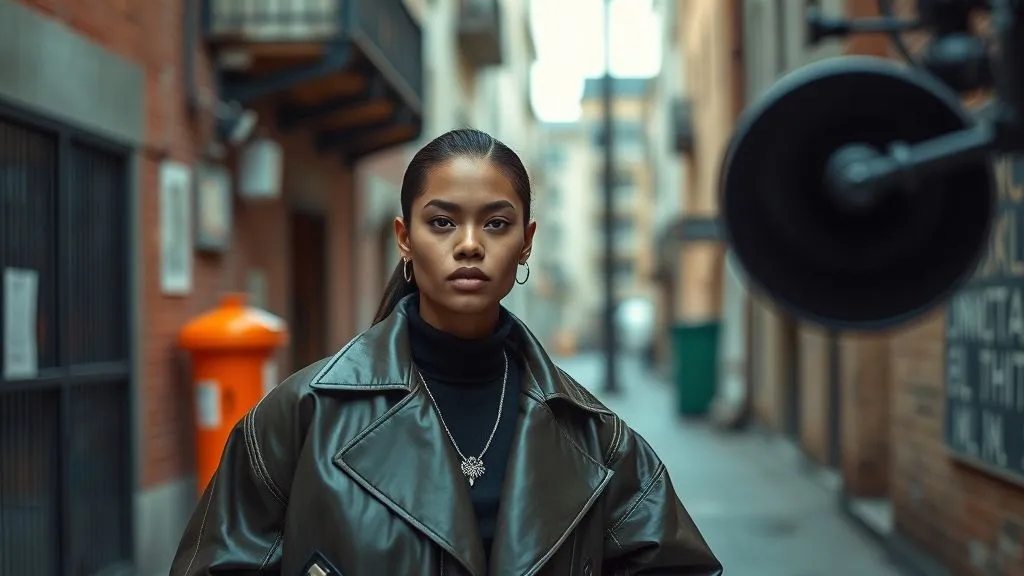
- Location Scouting with a Budget Eye: Instead of expensive studios, think creatively. Urban alleys, local parks, industrial areas, even a beautifully lit corner of your own home can be stunning backdrops. Focus on natural light and interesting textures. Always get permission if required!
Casting Smart: Friends, Family, and Emerging Talent
Professional models come with professional fees. For a minimal budget, consider leveraging your network. Do you have friends or family members with a striking look and a willingness to pose? Look for individuals who genuinely embody your brand's aesthetic. Alternatively, connect with aspiring models on social media or local modeling groups; many are eager for portfolio work.
Styling with What You Have: Curating a Cohesive Collection
Beyond your main collection pieces, think about how you can accessorize creatively. Can you borrow props from friends? Utilize existing items in your home or chosen location? The goal is cohesion, not extravagance. Ensure all garments are perfectly steamed, pressed, and lint-free before the shoot.
- Develop a Detailed Concept: Write down the story, mood, and key messages for your lookbook.
- Create a Comprehensive Mood Board: Include references for styling, poses, lighting, and location.
- Scout and Secure Locations: Prioritize free or low-cost options that align with your vision.
- Cast Your Model(s): Reach out to your network or emerging talent for TFP (Time For Print) collaborations.
- Plan Outfits & Styling: List every item, including accessories, shoes, and props for each look.
- Draft a Shot List & Storyboard: Visualize every shot, pose, and angle to maximize efficiency on set.
- Prepare Your Gear: Ensure all equipment is charged, clean, and functioning.
Mastering the Minimalist Gear Kit
You don't need the latest, most expensive camera body or a studio full of lighting equipment. What you need is a solid understanding of the basics and how to make the most of what you have. I've seen breathtaking lookbooks shot with surprisingly simple setups.
The Essential Camera & Lens Setup
A decent DSLR or mirrorless camera (even an older model) paired with a versatile prime lens like a 50mm f/1.8 (often called the 'nifty fifty') or an 85mm f/1.8 can produce stunning, professional results. These lenses are affordable, sharp, and excel in low light, offering beautiful depth of field that separates your subject from the background. If you only have a kit lens, learn its limitations and work within them, focusing on good light and composition.
Leveraging Natural Light & Simple Reflectors
Natural light is your best friend. It's free, abundant, and often more flattering than artificial light, especially for beginners. Learn to observe how light changes throughout the day. The 'golden hour' (shortly after sunrise or before sunset) provides soft, warm light perfect for fashion. Overcast days offer a large, softbox-like light source. A simple white or silver reflector (you can even use a large piece of white foam board) can bounce light back onto your subject, filling in shadows and adding sparkle to the eyes.
DIY Props and Backgrounds
Think resourcefully. Can a plain wall be painted? Can you use textured blankets or curtains as backdrops? Scour thrift stores for unique furniture pieces or props. Sometimes, the most compelling imagery comes from unexpected sources. The key is to ensure they complement, rather than distract from, your garments.
| Item | Recommendation | Approx. Cost (Used) |
|---|---|---|
| Camera Body | Entry-level DSLR/Mirrorless (e.g., Canon Rebel, Sony a6000 series) | $300-$600 |
| Lens | 50mm f/1.8 or 85mm f/1.8 prime lens | $100-$300 |
| Reflector Kit | 5-in-1 collapsible reflector (silver/white/gold/black/diffuser) | $20-$40 |
| Tripod | Basic, sturdy tripod for stability | $30-$70 |
| Props/Styling | Borrowed items, thrift store finds, natural elements | $0-$50 |
| Editing Software | Adobe Lightroom (subscription) or free alternatives like GIMP/Darktable | $0-$10/month |
The Lean Team: Maximizing Every Role
When you have a minimal team, every individual's contribution becomes exponentially more valuable. This isn't about cutting corners; it's about smart delegation, clear communication, and empowering each person to wear multiple hats effectively. In my experience, smaller teams often foster a more collaborative and intimate atmosphere, which can translate into more authentic imagery.
The Multi-Talented Photographer/Director
Often, this will be you, or a single hired individual. This person isn't just operating the camera; they are guiding the model, directing the poses, ensuring the styling is perfect, and maintaining the overall vision. Strong communication skills and a clear understanding of the shot list are paramount. This role requires immense focus and the ability to multitask under pressure.
The Model as a Collaborator
When working with non-professional or emerging models, treat them as collaborators. Share your mood board, explain the narrative, and encourage them to bring their own personality to the poses. A comfortable and engaged model will always deliver more compelling shots. Provide clear, concise direction, and offer positive reinforcement.
The Friend/Volunteer Assistant: More Than Just a Helper
Even one assistant can make a world of difference. This person can hold the reflector, adjust clothing, fetch props, manage the shot list, keep track of time, and provide valuable second opinions. Their role is to alleviate smaller tasks from the photographer, allowing them to focus on composition and light. Brief them thoroughly on their responsibilities and the overall vision.
"On a lean team, communication isn't just important; it's the bedrock of success. Every person must understand the collective vision, their specific tasks, and how their contribution fits into the larger picture. Over-communicate, clarify, and always maintain a positive, supportive environment."
Case Study: 'Evolve Apparel's Guerrilla Lookbook Success
Evolve Apparel, a burgeoning sustainable fashion brand, faced the daunting task of launching their first collection with virtually no marketing budget. Instead of hiring a full agency, the founder, a talented designer named Maya, decided to embrace a minimal team approach. She enlisted her best friend, an amateur photographer, and her cousin, who had a striking, natural look, as her model. Their 'crew' was just three people.
Their strategy involved scouting free, public locations around their city that resonated with Evolve's urban-nature aesthetic – a local botanical garden, a graffiti-covered alley, and a brutalist concrete bridge. Maya meticulously planned every shot, creating a detailed mood board and shot list. On shoot day, the photographer used a single DSLR with a 50mm lens and a DIY reflector made from a car sunshade. Her friend acted as the sole assistant, holding the reflector and steaming clothes.
The result? A raw, authentic, and visually striking lookbook that perfectly captured Evolve Apparel's brand identity. The images felt genuine and relatable, resonating deeply with their target audience on social media. This grassroots approach not only saved thousands but also fostered a unique brand story of resourcefulness and passion, proving that compelling visuals don't require exorbitant budgets.
On Set Efficiency: Shooting Smart, Not Hard
With a minimal team and limited resources, time is your most precious commodity on shoot day. Every minute counts. Efficiency isn't about rushing; it's about being incredibly organized and intentional with every action.
Shot List & Storyboard Adherence
Your meticulously prepared shot list and storyboard are your bible. Stick to them. This ensures you capture all necessary angles and looks without getting sidetracked. Mark off each shot as you get it to maintain momentum and track progress. This also helps in ensuring consistency across the entire lookbook.
Batching Poses & Outfits
Group similar shots together. If you're using a specific location, try to get all the necessary poses and angles for several outfits before moving on. This minimizes setup and breakdown time. Similarly, if a model has a particular hair or makeup look that works for multiple outfits, schedule those together. For more insights on maximizing shoot time, check out this guide on efficient photography workflows.
Harnessing Available Light: Time of Day is Key
As discussed, natural light is a game-changer. Schedule your shoot around the best available light for your chosen location. If shooting outdoors, the golden hour or an overcast day can provide stunning results without any artificial lighting. For indoor shoots, position your subject near large windows. Understand how light falls and how to use it to sculpt your subject and define your garments.
Post-Production Prowess on a Budget
The shoot doesn't end when you put the camera down. Post-production is where your raw images are refined and polished into a cohesive, professional lookbook. This is another area where strategic choices can save you significant time and money.
Strategic Culling & Editing Software Choices
Don't keep every single shot. Be ruthless in your culling process, selecting only the strongest images that align with your vision. For editing, while Adobe Lightroom and Photoshop are industry standards, subscription costs can add up. Consider powerful free alternatives like GIMP for photo manipulation or Darktable for RAW processing. Many photographers also find value in more affordable one-time purchase software. For a comparison of editing software, Adobe offers a good overview of their options.
Consistent Color Grading & Retouching Focus
Consistency is key. Develop a cohesive color palette and apply it across all selected images. This creates a professional and unified aesthetic. For retouching, focus on essential corrections: skin blemishes, stray hairs, and minor garment imperfections. Avoid over-editing; the goal is to enhance, not to create an artificial look. Minimal retouching also means less time spent per image, which is crucial when you're doing it yourself.
Distribution & Impact: Making Your Lookbook Work Harder
Once your compelling lookbook is complete, it's time to ensure it reaches the right audience. A stunning lookbook sitting in a digital folder does no one any good. This final stage is about strategic dissemination, again, with a minimal budget in mind.
Digital-First Approach: Websites, Social Media, Email
Your website should be the primary home for your lookbook. Create a dedicated, easily navigable section. Then, leverage social media platforms (Instagram, Pinterest, Facebook) to tease and promote your new visuals. Break down the lookbook into individual outfit posts, behind-the-scenes glimpses, and model spotlights. An email newsletter to your existing audience is also a highly effective, low-cost way to announce the launch. Consider platforms like Mailchimp for free tiers.
Leveraging Press Kits & Brand Partnerships
Even with a minimal budget, you can create a simple digital press kit that includes your lookbook, brand story, and contact information. Share this with relevant fashion bloggers, micro-influencers, and local media outlets who might be interested in featuring your brand. Explore collaborations with complementary brands (e.g., a jewelry designer or hat maker) for cross-promotion. For guidance on creating an effective press kit, Forbes offers excellent advice.
Remember, your lookbook is a powerful marketing tool. Don't just publish it; actively promote it across all your channels. Engage with your audience, tell the story behind the collection, and invite them into your brand's world. This personal touch is often more impactful than a high-budget ad campaign.
| Channel | Strategy | Cost |
|---|---|---|
| Your Website | Dedicated lookbook page, high-resolution images, easy navigation. | Included in website hosting |
| Social Media (Instagram, Pinterest, TikTok) | Teasers, individual outfit posts, behind-the-scenes, Reels/Shorts with products. | Free |
| Email Newsletter | Announce launch, link to website, exclusive content for subscribers. | Free (Mailchimp basic) |
| Digital Press Kit | Share with bloggers, micro-influencers, local media for earned media. | Free (DIY) |
| Brand Partnerships | Collaborate with complementary brands for cross-promotion. | Trade/Barter |
Frequently Asked Questions (FAQ)
How many looks should be included in a minimal budget lookbook? For a minimal budget, I recommend focusing on 5-8 strong, distinct looks. Quality trumps quantity. Each look should clearly represent a different facet or key piece of your collection. This allows for focused planning, less time on set, and a more curated final product that avoids overwhelming the viewer.
Is it acceptable to use a smartphone for a fashion lookbook? Absolutely, with caveats. Modern smartphones (especially flagship models) are incredibly capable. If you understand lighting, composition, and can edit well, a smartphone can produce compelling imagery. The key is to prioritize good light, stable shots (using a tripod or gimbal), and a strong narrative. Avoid relying on built-in filters; focus on clean, professional editing. However, if you have access to a DSLR/mirrorless, it will generally offer more flexibility in low light and depth of field.
How do I find affordable or TFP (Time For Print) models who are still professional? Start with your personal network – friends, family, or acquaintances who have a unique look and are comfortable in front of a camera. Beyond that, explore social media groups dedicated to aspiring models or local creative communities. Websites like Model Mayhem or even local art/fashion schools can also be good resources. Clearly communicate expectations, provide a detailed mood board, and offer high-quality images for their portfolio in exchange for their time.
What's the biggest mistake to avoid when shooting a lookbook on a budget? The biggest mistake is compromising on vision and consistency. Just because you have a small budget doesn't mean your lookbook should look cheap or disjointed. A lack of clear direction, inconsistent styling, or haphazard editing can undermine all your efforts. Invest time in meticulous planning and ensure every element, from concept to final edit, aligns with your brand's aesthetic and message. Authenticity and consistency build trust.
How important is location when working with a minimal budget? Location is incredibly important, but not in the way most people think. It's not about exotic locales; it's about finding a backdrop that enhances your garments and tells your story without costing a fortune. A plain, well-lit wall can be more effective than a busy, distracting paid studio. Focus on locations that offer great natural light, interesting textures, and a mood that complements your collection. Sometimes, a single, carefully chosen corner can provide enough versatility for several looks.
Key Takeaways and Final Thoughts
Creating a compelling fashion lookbook with minimal budget and team is not only achievable but can often lead to more authentic, creative, and memorable results. It demands ingenuity, meticulous planning, and a deep understanding of your brand's narrative. Remember, your limitations are your greatest assets, forcing you to innovate and truly connect with your audience.
- Embrace Resourcefulness: View budget constraints as catalysts for creativity.
- Prioritize Pre-Production: A detailed plan is your most valuable asset.
- Master Your Minimal Gear: Learn to maximize natural light and essential equipment.
- Empower Your Lean Team: Clear communication and collaboration are key.
- Optimize On-Set Efficiency: Stick to your shot list and batch tasks.
- Refine in Post-Production: Focus on consistency and strategic editing.
- Distribute Smartly: Leverage digital channels and partnerships for maximum reach.
I’ve seen firsthand how a well-executed, budget-conscious lookbook can launch careers and elevate brands. Your passion, vision, and dedication are far more potent than any dollar amount. Go forth, create your vision, and show the world that true style and compelling storytelling know no financial bounds. Your next great lookbook is within reach – it just requires a little more thought and a lot more heart.
Recommended Reading
- 7 Steps: Select Truly Eco-Friendly Dyes for Production (No Greenwashing!)
- Safeguarding Haute Couture: 7 Strategies to Prevent Heritage Technique Erosion
- Scaling Luxury Fashion: 7 Strategies to Preserve Artisan Quality
- Mastering Couture: 7 Strategies for Flawless Fit Despite Posture Issues
- Unlock the Secrets: How to Create Dramatic Fashion Photography Lighting Outdoors?

Your email address will not be published. Required fields are marked *