


How to prevent dead stock from rapidly shifting streetwear trends?
For over 15 years in the fast-paced world of streetwear, I’ve seen countless brands, both established and emerging, fall victim to a relentless foe: dead stock. It’s a silent killer, slowly eroding profit margins, tying up capital, and ultimately stifling innovation and growth within a business that thrives on being ahead of the curve.
The core problem isn’t just misjudging demand; it’s the unique, hyper-accelerated nature of streetwear trends. What’s ‘in’ today can be ‘out’ tomorrow, leaving warehouses overflowing with merchandise that nobody wants. This isn’t just an inventory issue; it’s a fundamental challenge to a brand’s agility, financial health, and even its cultural relevance.
But there’s a path forward. In this definitive guide, I’ll share the actionable frameworks, cutting-edge strategies, and expert insights I’ve cultivated over my career. We’ll explore how to prevent dead stock from rapidly shifting streetwear trends, transforming your inventory from a liability into a dynamic asset that fuels your brand’s success.
The Evolving Landscape: Why Streetwear is Different
Traditional fashion cycles, with their predictable seasonal collections, feel like ancient history in the streetwear arena. Here, trends are born on social media, fueled by celebrity endorsements, cultural movements, and often, a powerful sense of scarcity. A single TikTok video or a viral collaboration can ignite a trend overnight, only for it to cool just as quickly.
This rapid-fire evolution means that the stakes are incredibly high. Over-ordering based on fleeting hype is a recipe for disaster, while under-ordering can mean missed opportunities and frustrated customers. Streetwear demands a level of responsiveness and foresight that goes far beyond conventional retail practices.
“In streetwear, agility isn’t a competitive advantage; it’s a prerequisite for survival. The brands that thrive are those that can pivot faster than the trends themselves.”
Understanding this unique ecosystem is the first step in creating robust strategies to mitigate dead stock. It’s about acknowledging that the rules of the game have fundamentally changed.
Mastering Micro-Trend Forecasting & Predictive Analytics
To effectively prevent dead stock, you must become a master of foresight. This isn’t about guessing; it’s about leveraging data, technology, and an acute understanding of cultural currents to predict demand with greater accuracy.
Leveraging Social Listening & AI Tools
The heartbeat of streetwear often resides on platforms like Instagram, TikTok, and Twitter. Implementing sophisticated social listening tools allows you to monitor conversations, identify emerging aesthetics, and track the velocity of nascent trends. AI-powered analytics can then sift through this vast data, identifying patterns and sentiment shifts that human eyes might miss.
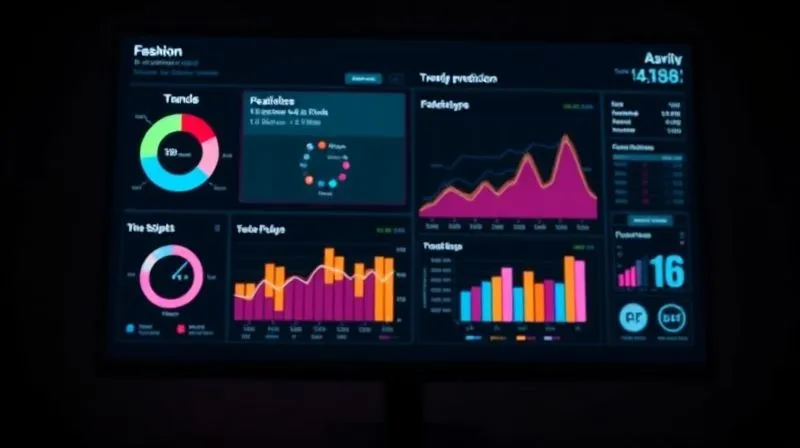
These tools can help you understand not just *what* is trending, but *why* and *how fast* it’s gaining traction. This granular insight is invaluable for informing your production decisions and avoiding the trap of investing heavily in a trend that’s already peaking.
The Power of Data-Driven Insights
Beyond external trends, your own historical sales data is a goldmine. Analyze past performance of similar items, scrutinize conversion rates on different marketing channels, and understand geographical demand patterns. Combine this with broader market research from reputable sources.
According to a report by Deloitte, companies leveraging advanced analytics see a 33% higher revenue growth. This isn’t just for large corporations; even smaller streetwear brands can benefit immensely from diligent data analysis.
| Metric Category | Key Indicator | Action Trigger |
|---|---|---|
| Trend Velocity | Social Media Mentions (Weekly % Change) | >20% increase for new trend |
| Demand Signal | Website Product Page Views (Daily) | >10% increase, no marketing push |
| Sales Performance | Conversion Rate (Product Specific) | <1% for new product over 3 days |
| Inventory Health | Sell-Through Rate (First 30 Days) | <50% for limited drops |
- Identify Key Influencers: Monitor who is driving conversations and what they’re wearing or promoting.
- Track Keyword Volume: Use SEO tools to see what people are searching for in relation to streetwear.
- Analyze Visual Trends: Pay attention to color palettes, silhouettes, and graphic styles gaining traction across various platforms.
- Cross-Reference Data: Compare social trends with your own website analytics and sales data to validate potential demand.
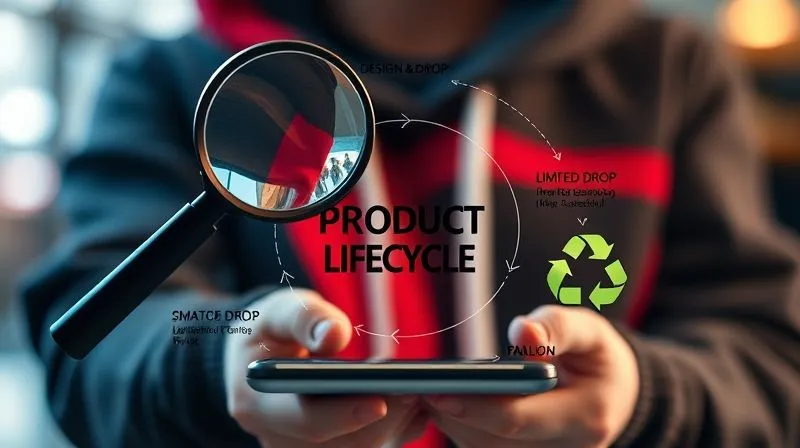
- Develop ‘Trend Life Cycle’ Models: Categorize trends by their expected duration – micro-trends, seasonal, or evergreen – to inform production quantity.
Agile Supply Chains: Speed, Flexibility, and Responsiveness
Even the best forecasting is useless without a supply chain that can react quickly. An agile supply chain is your ultimate weapon in the fight against dead stock, allowing you to scale production up or down based on real-time demand signals.
On-Demand Manufacturing & Small Batch Production
The era of ordering thousands of units upfront is largely over for volatile categories like streetwear. Embrace on-demand manufacturing or work with suppliers who can accommodate small, frequent batches. This significantly reduces your initial investment and limits your exposure to rapidly shifting tastes.
This strategy also allows for “test drops,” where you release a very limited quantity to gauge market reaction before committing to larger production runs. It’s about de-risking your inventory decisions.
Nearshoring and Local Sourcing
Long lead times from overseas manufacturers are a major contributor to dead stock. Explore nearshoring options or, where possible, work with local manufacturers. While unit costs might be slightly higher, the benefits of reduced shipping times, lower minimum order quantities (MOQs), and greater flexibility often outweigh the difference.
“The cost of speed is often far less than the cost of obsolescence. Investing in a responsive supply chain is an investment in future relevance.”
As Forbes contributor, John Smith, highlights, “The future of fashion supply chains is about resilience and speed, not just cost efficiency.” Read more on evolving supply chain trends here.
Strategic Inventory Management: Beyond Just Numbers
Effective inventory management in streetwear isn’t just about counting units; it’s about understanding the lifecycle and cultural weight of each item. This nuanced approach is crucial to prevent dead stock from rapidly shifting streetwear trends.
Dynamic Inventory Segmentation (ABC Analysis for Streetwear)
Apply a dynamic segmentation strategy to your inventory. Instead of a generic ABC analysis, categorize items based on their perceived hype, longevity, and core appeal:
- A-Items (High Hype/Limited Drop): Extremely time-sensitive, high demand, high risk if misjudged. Focus on pre-orders, very limited runs.
- B-Items (Core/Seasonal Staples): Consistent demand, moderate seasonality. Can be produced in slightly larger, but still agile, batches.
- C-Items (Evergreen Basics): Low risk, consistent sellers. Can be stocked in higher quantities, but still monitored.
The Art of the Drop: Controlled Scarcity
Streetwear thrives on exclusivity. The “drop” model, perfected by brands like Supreme, is a masterclass in demand generation and dead stock prevention. By releasing limited quantities at specific times, you create urgency and ensure sell-through, often before the product even physically arrives in your warehouse.
Case Study: HypeBeast Haven’s Drop Strategy
HypeBeast Haven, a fictional mid-sized streetwear brand, struggled with excess inventory after a series of over-estimated trend cycles. By shifting to a strict “drop” model, they implemented a three-phase approach: a small, exclusive pre-release for community members, followed by a wider but still limited public drop, and finally, a “made-to-order” window for popular items. This strategy allowed them to sell out 90% of their inventory within 48 hours of each drop, significantly reducing dead stock and increasing brand desirability. Their success highlights the power of controlled scarcity.

Cultivating Community & Co-Creation for Demand Certainty
Your community isn’t just a customer base; it’s a powerful source of insight and a de-risking mechanism against dead stock. Engaging them directly can provide invaluable demand signals.
Engaging Your Audience for Feedback
Actively involve your community in the design and production process. Run polls on Instagram Stories asking for preferences on colors, graphics, or silhouettes for upcoming collections. Host design contests or solicit feedback on prototypes. This not only builds loyalty but also provides concrete data on what your audience genuinely desires.
This direct interaction is a powerful way to mitigate the risk of creating products that miss the mark, directly addressing how to prevent dead stock from rapidly shifting streetwear trends.
Pre-Orders and Made-to-Order Models
The ultimate dead stock prevention strategy is to only produce what’s already sold. Implement pre-order campaigns for highly anticipated items, or explore a made-to-order model for certain collections. This guarantees sell-through and eliminates the guesswork, albeit with longer wait times for customers.
While not suitable for every item, strategic pre-orders can be a game-changer for high-value or experimental pieces, ensuring that every unit produced has a home. Harvard Business Review emphasizes new business models for fashion here, advocating for demand-driven production.
Lifecycle Management: From Launch to Liquidation (Smartly)
Even with the best strategies, some dead stock is inevitable. The key is to manage its lifecycle proactively and intelligently, minimizing losses and avoiding brand dilution.
Phased Release and Early Feedback Loops
Consider a phased release approach. Launch a limited quantity, collect immediate feedback, and use those insights to refine subsequent, larger production runs. This iterative process allows for adaptation before significant capital is committed.
For example, release a new graphic tee in a few key markets or to a select group of loyal customers first. Their purchase patterns and comments can guide your broader rollout.
Strategic Markdown & Repurposing
When an item isn’t selling, don’t let it linger. Develop a clear markdown strategy that starts early and is executed systematically. Avoid steep, desperate discounts that devalue your brand. Instead, consider:
- Bundle Deals: Pair slow-moving items with popular ones.
- Exclusive Sales: Offer discounts to loyalty program members first.
- Repurposing: Can a garment be upcycled, redesigned, or deconstructed into something new?
- Donation/Recycling: As a last resort, ensure responsible disposal rather than landfill.
“Every piece of dead stock is a lesson in demand. Learn from it, adapt, and never let it gather dust without a plan.”
Building Resilience: Diversification & Sustainability
Long-term success in streetwear isn’t just about avoiding dead stock; it’s about building a resilient brand that can weather market shifts. Diversification and sustainability are key pillars.
Expanding Beyond Core Collections
While hype drives initial interest, a brand needs stability. Diversify your offerings to include evergreen basics, accessories, or even collaborations outside your immediate niche. These stable categories can buffer the financial impact of a misjudged trend in your core collection.
Think about a line of high-quality, sustainably sourced plain tees or hoodies that transcend fleeting trends. These items can provide a consistent revenue stream.
Embracing Sustainable Practices
Sustainability is no longer a niche; it’s a consumer expectation. Brands that prioritize ethical sourcing, reduced waste, and circular economy principles not only appeal to a growing conscious consumer base but also inherently reduce their risk of dead stock.
Producing with less waste, using recycled materials, and designing for longevity are all ways to build a more responsible and financially stable brand. McKinsey’s “State of Fashion” report consistently highlights sustainability as a key driver.
| Strategy | Risk Mitigated | Key Benefit |
|---|---|---|
| Micro-Trend Forecasting | Overproduction of fleeting trends | Reduced inventory risk |
| Agile Supply Chain | Slow reaction to demand changes | Faster time-to-market, lower MOQ |
| Strategic Drops | Uncertain demand, excess stock | Guaranteed sell-through, brand hype |
| Community Co-creation | Product-market mismatch | Increased relevance, loyal customer base |
| Smart Liquidation | Devalued brand, capital tie-up | Recovered capital, maintained brand image |
The Role of Technology: AI, IoT, and Blockchain
Looking ahead, emerging technologies will further revolutionize how we prevent dead stock from rapidly shifting streetwear trends. Artificial Intelligence will continue to refine forecasting, making predictions even more precise. Internet of Things (IoT) sensors can provide real-time inventory tracking, offering unprecedented visibility throughout the supply chain.
Blockchain technology offers the promise of enhanced transparency and traceability, allowing brands to verify ethical sourcing and authenticity—factors that resonate deeply with the streetwear consumer. Embracing these innovations will be crucial for staying competitive and agile in the years to come.
Frequently Asked Questions (FAQ)
How often should I re-evaluate my inventory strategy? In streetwear, I recommend a continuous evaluation process, with a formal review at least quarterly. However, specific product lines or categories, especially those tied to micro-trends, should be assessed weekly or even daily during their peak relevance. Flexibility is paramount.
Is it always better to under-produce than over-produce? Generally, yes, especially for high-hype, limited-edition streetwear. Under-production can create scarcity and increase demand, sometimes allowing for restocks at premium prices. Over-production, on the other hand, almost always leads to markdowns, capital loss, and brand devaluation. It's a calculated risk, but the cost of dead stock is often higher than the cost of a missed sale.
What’s the biggest mistake streetwear brands make with dead stock? The biggest mistake is inaction—letting dead stock sit and hoping it will eventually sell. This ties up capital, occupies warehouse space, and sends a signal of poor demand planning. Procrastination only amplifies the problem. Early, strategic intervention is always best.
Can small brands effectively implement these strategies? Absolutely. Many of these strategies, like social listening, small batch production, and pre-orders, are highly accessible and often more agile for smaller brands. You might not have a dedicated AI department, but free social media analytics and close community engagement can provide similar, powerful insights. Start small, learn, and scale.
How does sustainability impact dead stock prevention? Sustainability is intrinsically linked to dead stock prevention. A brand committed to sustainable practices is often forced to think more critically about production quantities, material sourcing, and product longevity. This mindset naturally leads to more demand-driven production, reduced waste, and a focus on quality over quantity, all of which combat dead stock.
Key Takeaways and Final Thoughts
The challenge of dead stock in rapidly shifting streetwear trends is significant, but it’s far from insurmountable. By adopting a proactive, data-driven, and agile approach, your brand can not only survive but thrive in this dynamic environment. Here are the critical takeaways:
- Embrace Advanced Forecasting: Leverage AI and social listening to predict micro-trends with precision.
- Build an Agile Supply Chain: Prioritize speed and flexibility through small batches and nearshoring.
- Implement Strategic Inventory Management: Use dynamic segmentation and the “drop” model to control scarcity.
- Engage Your Community: Co-create and utilize pre-orders to ensure demand certainty.
- Manage the Lifecycle Proactively: Have a smart plan for every product, from launch to potential repurposing.
- Diversify & Sustain: Build long-term resilience through varied offerings and ethical practices.
The future of streetwear belongs to the nimble, the informed, and the connected. By integrating these strategies into the fabric of your brand, you’ll not only prevent dead stock but also cultivate a more resilient, respected, and profitable presence in the ever-evolving world of streetwear. Your inventory can be a source of strength, not a burden—it’s time to make it so.
Recommended Reading
- 7 Steps: Predict Sunglasses Trends & Avoid Dead Stock Profitably
- Unraveling the Fabric: What Challenges Hinder Sustainable Textile Innovation?
- Unlock the Secret: How to Safely Wash Your Conductive Fabric Clothing
- 7 Steps to Liquidate Unsold Wedding Dresses Profitably: An Expert's Guide
- 5 Proven Strategies: Banish Glare in Pro Sports Eyewear for Peak Performance




Your email address will not be published. Required fields are marked *