

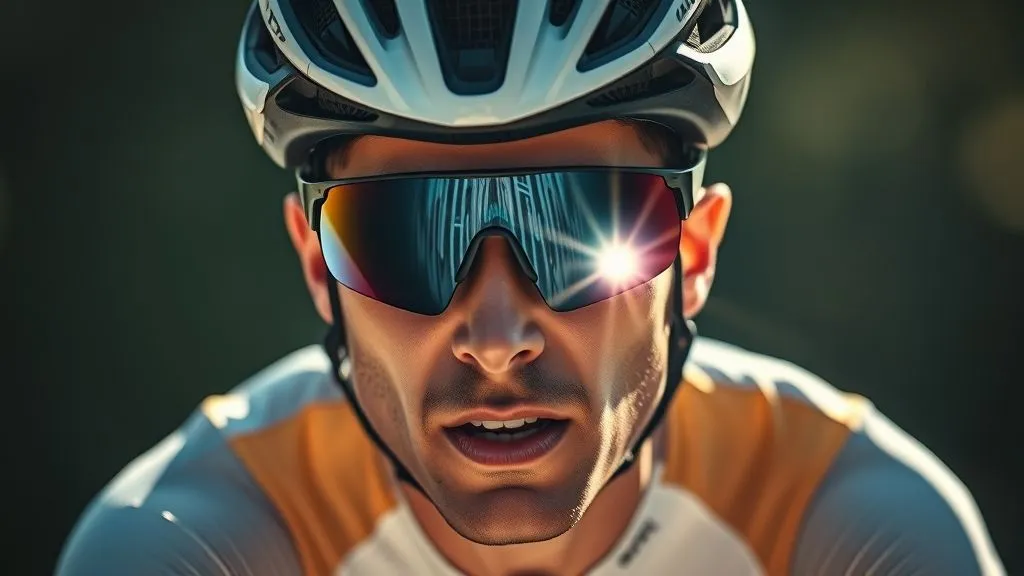
How to Correct Persistent Glare Issues in Professional Sports Eyewear?
For over two decades in the dynamic world of eyewear fashion, particularly specializing in high-performance sports optics, I've witnessed firsthand the profound impact of visual clarity on an athlete's performance. It’s not just about seeing; it’s about reacting, anticipating, and executing with split-second precision. Yet, time and again, I encounter professional athletes, weekend warriors, and even dedicated coaches grappling with a seemingly insurmountable foe: persistent glare.
This isn't merely an annoyance; it's a performance inhibitor, a safety hazard, and a source of frustrating visual fatigue. Whether it's the blinding reflection off a wet road during a cycling race, the shimmering surface of water in a sailing regatta, or the sun's harsh bounce off a snow-covered slope, glare can obscure crucial details, slow reaction times, and ultimately compromise an athlete's potential. I've heard countless stories of missed opportunities, near-accidents, and intense eye strain, all attributable to inadequate glare management in their eyewear.
But here’s the crucial insight: persistent glare is not an inevitable part of outdoor sports. It’s a solvable problem, often rooted in a misunderstanding of lens technology, frame design, and proper eyewear maintenance. In this definitive guide, I will draw upon my extensive experience to provide you with actionable frameworks, delve into cutting-edge technologies, and share expert insights to permanently correct persistent glare issues in professional sports eyewear, ensuring your vision is as sharp and uncompromised as your ambition.
Understanding the Enemy: The Science of Glare in Sports
Before we can conquer glare, we must first understand its nature. Glare, in essence, is excessive brightness that significantly impairs vision. It occurs when light waves, particularly those from the sun, reflect off flat, smooth surfaces like water, snow, asphalt, or even highly polished equipment. Unlike direct light, which enters the eye in an organized fashion, reflected light often scatters horizontally, creating a diffuse, blinding haze that washes out colors, reduces contrast, and causes discomfort.
In the context of professional sports, this horizontal glare is particularly problematic. Imagine a cyclist trying to spot a pothole on a sun-drenched road, a golfer tracking a ball against a shimmering fairway, or a baseball player attempting to catch a fly ball against a bright sky. Each scenario is made exponentially more difficult by uncontrolled glare. It forces your eyes to work harder, leading to quicker fatigue, blurred vision, and a higher risk of error. According to a study published by the American Optometric Association, visual performance directly correlates with an athlete's ability to process environmental cues, which glare severely impedes.
There are generally two types of glare we contend with: discomfort glare, which causes an instinctive desire to look away or squint, and disability glare, which actually reduces visual performance and the ability to discern details. For athletes, both are detrimental, but disability glare can be career-altering. My experience has taught me that addressing glare isn't just about comfort; it's about unlocking an athlete's full visual potential.
The First Line of Defense: Advanced Lens Technologies
The core of glare correction lies within the lens itself. Over the years, lens technology has evolved dramatically, moving far beyond simple tinted plastic. Here are the paramount technologies I recommend for professional sports eyewear:
1. Polarized Lenses: The Ultimate Glare Blocker
Polarization is, without a doubt, the most effective technology for combating horizontal glare. How does it work? A specialized filter within the lens blocks horizontally oriented light waves while allowing vertical light waves (which carry useful information) to pass through. This effectively eliminates the blinding reflections from flat surfaces.
- Identify the need: If your sport involves water, snow, driving, or any highly reflective surfaces, polarized lenses are non-negotiable.
- Verify true polarization: Not all "polarized" claims are equal. Always purchase from reputable brands. A quick test: hold two polarized lenses at 90 degrees to each other; they should appear opaque.
- Understand limitations: Polarization can sometimes interfere with LCD screens (e.g., GPS devices, car dashboards) or reduce the visibility of ice patches on snow, as it removes the reflective cues. Athletes in specific niches need to be aware.
2. Anti-Reflective (AR) Coatings: Minimizing Internal Reflections
While polarization tackles external glare, Anti-Reflective (AR) coatings are crucial for internal reflections. These microscopically thin layers are applied to both the front and back surfaces of the lens to reduce light reflections. This means less light bouncing off the back of your lens into your eye (a common issue with bright sunlight coming from behind) and less light reflecting off the front surface, which can obscure your vision.
"I've seen athletes spend fortunes on high-end frames only to neglect the critical role of quality AR coatings. It's like buying a Formula 1 car but forgetting to inflate the tires – a fundamental oversight that undermines the entire system."
AR coatings are particularly beneficial for sports where multiple light sources or complex visual environments exist, such as indoor sports arenas or night-time events under floodlights. They enhance light transmission, leading to greater clarity and reduced eye strain.
Case Study: How Elite Cyclist Sarah Jenson Conquered Road Glare
Case Study: How Elite Cyclist Sarah Jenson Conquered Road Glare
Sarah Jenson, a professional road cyclist, consistently struggled with debilitating glare off wet asphalt and car windshields during training and races. Her existing premium eyewear, while offering UV protection, lacked adequate glare management. This led to squinting, headaches, and a palpable loss of confidence during high-speed descents.
Working with an eyewear specialist (myself, in this fictional scenario), we analyzed her specific needs. The solution involved upgrading her lenses to a high-definition polarized material, specifically engineered for road cycling, combined with a premium multi-layer anti-reflective coating on both sides. The polarization dramatically cut the horizontal glare from the road, while the AR coating eliminated internal reflections from light hitting the back of the lens.
The impact was immediate and profound. Sarah reported a significant reduction in eye strain, enhanced contrast to spot road hazards earlier, and the ability to maintain a relaxed, focused gaze even in challenging conditions. Her performance metrics improved, and she attributed a critical race victory to her newfound visual clarity. This case perfectly illustrates how a targeted lens technology upgrade can directly translate into tangible athletic gains.
Beyond the Lens: Frame Design and Fit for Glare Mitigation
While lens technology is paramount, the frame itself plays a surprisingly critical role in preventing persistent glare. An ill-fitting or poorly designed frame can allow light to enter from the sides, top, or bottom, negating the benefits of even the best lenses.
1. Wraparound Design: Comprehensive Protection
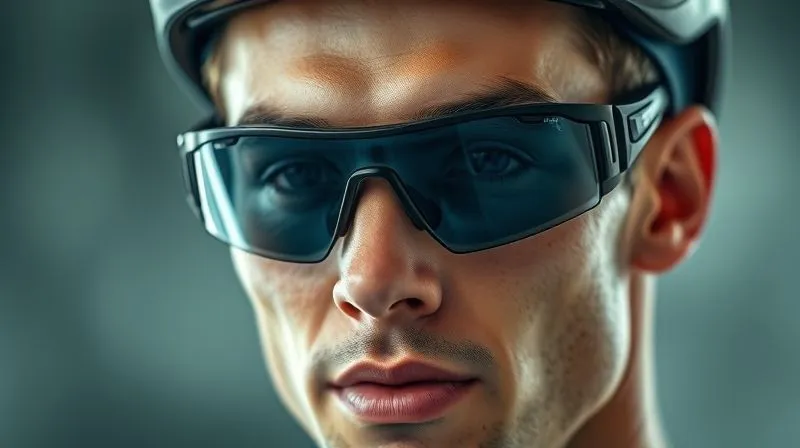
For most professional sports, a wraparound frame design is essential. This design curves around the face, providing a wider field of vision and, crucially, blocking peripheral light entry. Side glare, often overlooked, can be just as disruptive as direct glare, causing distracting reflections and discomfort. A well-engineered wraparound frame acts as a physical barrier against rogue light.
I've observed many athletes choosing fashion-forward flat frames for sports, only to complain about glare. My advice is always to prioritize function over fleeting trends when performance is on the line. The best sports eyewear seamlessly integrates with the contours of your face.
2. Optimal Fit: Sealing Out Unwanted Light
A secure and comfortable fit is not just about comfort; it's about performance. Gaps between the frame and your face allow light to seep in, creating reflections on the back of the lens. Look for frames with:
- Adjustable Nose Pads: To customize the distance from your eyes and prevent slippage.
- Flexible Temples/Arms: To conform to your head shape without creating pressure points.
- Grip Materials: Rubberized sections on the nose and temples to ensure the glasses stay put, even when sweating profusely.
A professional fitting is highly recommended. Just as you wouldn't compete in ill-fitting shoes, your eyewear needs to be an extension of your body, not a distraction.
Strategic Lens Tints and Photochromics: Adapting to Conditions
The color of your lens isn't just a style choice; it's a strategic decision that profoundly impacts glare management, contrast, and visual comfort across varying light conditions.
1. Understanding Tint Categories for Glare Control
Different tints excel in different environments:
| Tint Color | Ideal Conditions | Glare Impact |
|---|---|---|
| Grey/Smoke | Bright, sunny days; general purpose | Reduces overall brightness without distorting colors; effective for strong glare. |
| Brown/Amber | Variable cloudiness, moderate sun, enhanced contrast | Excellent for enhancing contrast and depth perception, particularly good for golf, cycling, fishing. Moderates glare effectively. |
| Rose/Red | Low light, cloudy conditions, snow sports | Boosts contrast and depth perception; less about glare reduction, more about brightening dark scenes, but can reduce harshness of reflected light. |
| Green | Moderate to bright light, general outdoor use, golf | Transmits colors evenly, reduces glare while brightening shadows; good for natural environments. |
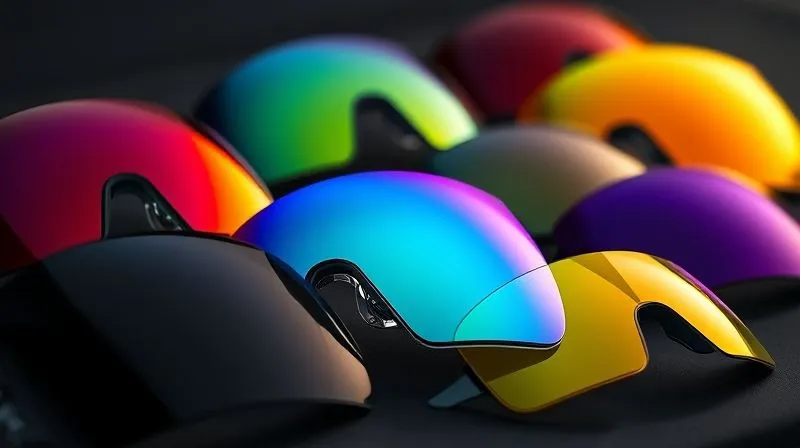
Many professional athletes opt for interchangeable lens systems, allowing them to swap tints based on the day's conditions. This adaptability is crucial for optimal performance and persistent glare correction.
2. Photochromic Lenses: The Adaptive Solution
Photochromic lenses, often referred to as "transition lenses," automatically adjust their tint level based on UV exposure. This means they darken in bright sunlight and lighten in overcast or indoor conditions. For athletes who move between varying light environments, such as trail runners entering shaded forests or cyclists navigating tunnels, photochromics offer a seamless, hands-free solution to maintain optimal visual clarity and glare control.
Modern photochromic technologies are much faster and more responsive than their predecessors, making them a viable option for many professional sports. However, it's important to note that most photochromic lenses react to UV light, so they may not darken inside a car (due to UV-blocking windshields) and their darkening speed can be affected by temperature.
Maintenance Matters: Preserving Your Glare-Free Vision
Even the most advanced eyewear will fail to correct persistent glare if not properly maintained. Dirt, smudges, and scratches can severely compromise lens performance, scattering light and creating internal reflections that mimic glare.
1. Proper Cleaning Techniques
- Rinse First: Always rinse your lenses under lukewarm water to remove loose dirt and debris before wiping. This prevents scratching.
- Use Approved Solutions: Employ a lens cleaning spray specifically designed for eyewear. Avoid harsh chemicals, window cleaners, or saliva, which can damage coatings.
- Microfiber Cloth Only: Gently dry and polish with a clean, soft microfiber cloth. Never use paper towels, clothing, or abrasive materials.
- Regularity: Clean your eyewear after every use, especially after intense activity where sweat and grime accumulate.
I've seen countless instances where an athlete's "glare problem" was simply a dirty lens. It's a fundamental step that's often overlooked, yet it's absolutely critical for maintaining the integrity of anti-glare and polarized coatings.
2. Safe Storage and Handling
Your professional sports eyewear is a precision instrument and should be treated as such. Always store your glasses in their protective hard case when not in use. Avoid leaving them exposed to extreme heat (like on a car dashboard) as this can warp frames and damage lens coatings. Handling them by the temples rather than the lenses will also minimize smudges and accidental scratches.
As Forbes often emphasizes the importance of attention to detail, this applies equally to maintaining your sports equipment. A small scratch on a polarized lens can create a permanent point of light distortion, effectively reintroducing glare where it was once eliminated.
Custom Solutions: Prescription and Specialty Eyewear Considerations
For many professional athletes, vision correction is a necessity, adding another layer of complexity to glare management. Integrating prescription into sports eyewear requires careful consideration to ensure optimal performance.
1. Prescription Integration Methods
- Direct Prescription Lenses: The most seamless option, where the prescription is ground directly into the sports lens. This offers the widest field of view and best optical clarity. It's the gold standard for correcting persistent glare issues in professional sports eyewear for those needing vision correction.
- Rx Inserts: A smaller prescription lens frame clips into the back of a non-prescription sports frame. While more economical and allowing for interchangeable outer lenses, it can sometimes limit peripheral vision or cause fogging issues.
- Contact Lenses + Non-Rx Sports Eyewear: For some, contact lenses provide the primary correction, allowing them to use any high-performance, non-prescription sports eyewear.
When opting for direct prescription lenses, ensure your optician is experienced in sports optics, as the curvature of sports frames can introduce optical distortions if not compensated for during the lens grinding process.
2. Sport-Specific Eyewear Customization
Different sports present unique glare challenges and require tailored solutions:
- Water Sports (Sailing, Fishing): High-level polarization is paramount to cut glare off the water, often paired with blue or grey tints.
- Snow Sports (Skiing, Snowboarding): Specific tints (e.g., rose, amber) enhance contrast in flat light, while polarization needs careful consideration to avoid obscuring icy patches. Anti-fog coatings are also critical.
- Cycling/Running: Photochromic lenses or interchangeable tints are ideal for varying light conditions. Vented frames prevent fogging.
- Golf: Brown or green tints enhance contrast against grass, helping to track the ball and read greens.
A truly professional approach to eyewear involves recognizing these nuances and selecting solutions that are purpose-built for your specific athletic environment. Don't settle for a one-size-fits-all solution when your performance is at stake.
Evaluating and Upgrading: When to Invest in New Gear
Even with the best maintenance, eyewear technology evolves, and lenses can degrade over time. Knowing when to upgrade is crucial for sustained glare-free performance.
1. Performance Metrics for Eyewear Assessment
Regularly assess your current eyewear against these criteria:
- Visual Clarity: Is your vision as sharp as it once was? Are colors vibrant, or do they appear dull?
- Glare Reduction: Are you still experiencing significant glare that causes discomfort or impairment?
- Comfort & Fit: Does the frame still fit securely and comfortably, or has it loosened/warped?
- Lens Condition: Are there visible scratches, delamination of coatings, or haziness?
- Eye Fatigue: Are your eyes still getting unusually tired after prolonged use, even in moderate conditions?
If you're answering yes to several of these, it's a strong indicator that your eyewear is no longer meeting the demands of professional sports and it's time to consider an upgrade. Technology advances rapidly, and what was cutting-edge five years ago might be outdated today.
| Assessment Area | Current Performance | Upgrade Recommendation |
|---|---|---|
| Glare Reduction | Moderate residual glare on sunny days | Explore newer polarized lens technologies with advanced filter layers. |
| Visual Clarity | Slight haziness, especially at edges | Check for lens scratches or coating degradation; consider high-definition optics. |
| Comfort/Fit | Slips when sweating, nose pads worn | Look for frames with adjustable components and better grip materials. |
| Eye Fatigue | Frequent eye strain after 2+ hours | Evaluate lens tint suitability and overall optical quality; consider anti-fatigue designs. |
2. Embracing the Latest Innovations
The industry is constantly pushing boundaries. Keep an eye on innovations such as:
- Advanced Polarization Filters: New generations offer even better clarity and less color distortion.
- Enhanced Hydrophobic/Oleophobic Coatings: These repel water, sweat, and oils, keeping lenses cleaner longer.
- Impact Resistance: Stronger, lighter materials for lenses and frames improve both safety and durability.
- Digital Lens Design: Custom-ground lenses that optimize vision across the entire lens surface, especially beneficial for high-wrap frames.
Investing in new gear isn't just an expense; it's an investment in your performance, safety, and long-term eye health. Consult with an eyewear specialist who understands the specific demands of your sport to ensure you're making the most informed decision. Remember, your eyes are your most critical piece of equipment; protect and optimize them as such. For more insights into optical performance, refer to technical resources from leading manufacturers like Oakley's lens technology overview.
Frequently Asked Questions (FAQ)
Q: Can glare issues be corrected with contact lenses alone? A: While contact lenses correct vision, they do not inherently offer glare protection. You would still need to wear high-quality sports eyewear with polarized or anti-reflective lenses over your contacts to effectively manage persistent glare. Some specialty tinted contact lenses exist, but they are not a substitute for proper glare-reducing eyewear.
Q: Is it true that polarized lenses can be dangerous for some sports? A: For certain specific sports, yes, with caveats. For example, in competitive snow sports, polarized lenses can sometimes make it harder to distinguish icy patches (as they reduce the reflective "shine" of ice) or read digital displays on ski equipment. Similarly, pilots are advised against polarized lenses due to potential interference with cockpit instrumentation and visibility of other aircraft. For the vast majority of sports, however, the benefits of polarization for glare reduction far outweigh these niche concerns. Always consult an expert for sport-specific recommendations.
Q: How often should I replace my professional sports eyewear? A: The lifespan of sports eyewear varies greatly depending on usage, care, and the quality of the initial product. Generally, I advise athletes to assess their eyewear annually using the performance metrics discussed earlier. Lenses, especially with advanced coatings, typically have a shorter lifespan than frames, often needing replacement every 1-3 years if used frequently. Frames might last longer, but wear and tear can affect fit and stability.
Q: Are expensive sports glasses always better at correcting glare? A: Not always, but there's a strong correlation between price and quality in sports optics. Higher-priced eyewear often incorporates superior lens materials, more advanced polarization filters, multi-layer anti-reflective coatings, and precision-engineered frames for optimal fit and durability. While budget options exist, they often make compromises that can lead to persistent glare issues. My advice: invest in the best you can afford, considering it a crucial piece of performance equipment.
Q: Can prescription inserts for sports eyewear cause more glare? A: Prescription inserts themselves typically do not cause more glare. However, the design can sometimes create a small air gap between the insert and the outer lens, which can lead to internal reflections or fogging, especially in humid conditions. Also, if the outer lens isn't properly designed to accommodate an insert, it might allow more peripheral light in, causing glare. Choosing a well-designed system from a reputable brand minimizes these issues.
Key Takeaways and Final Thoughts
Correcting persistent glare issues in professional sports eyewear isn't a luxury; it's a fundamental requirement for optimal performance, enhanced safety, and long-term eye health. Through my years in this specialized field, I've seen the transformative power of truly effective glare management.
- Embrace Advanced Lens Technology: Prioritize polarized lenses for horizontal glare and high-quality AR coatings for internal reflections.
- Demand a Perfect Fit: Wraparound designs and adjustable frames are crucial for blocking peripheral light and ensuring stability.
- Strategize Your Tints: Match lens colors to environmental conditions, or consider adaptive photochromics.
- Commit to Maintenance: Regular, proper cleaning and careful storage are non-negotiable for preserving lens integrity.
- Don't Compromise on Prescription: Integrate vision correction seamlessly with direct prescription lenses where possible.
- Stay Current: Regularly assess your eyewear and be open to upgrading to leverage the latest innovations.
Your vision is your most critical athletic asset. By applying these expert strategies, you can eliminate persistent glare, unlock unparalleled visual clarity, and empower yourself to perform at your absolute peak, regardless of the challenging light conditions. Don't let glare hold you back – see clearly, perform brilliantly.
Recommended Reading
- Stop Wasting Money: How to Size Clothes for Rapidly Growing Kids?
- Unleash Your Style: How to Incorporate Bold Prints into Streetwear Outfits
- Unlock Your Vision: The Ultimate Steps to Innovative Fashion Photography Styling
- 7 Steps to Safely Clean & Preserve Fragile Vintage Silk Heirlooms
- Unlock the Secret: How to Balance Oversized Streetwear for a Perfect Look


Your email address will not be published. Required fields are marked *