

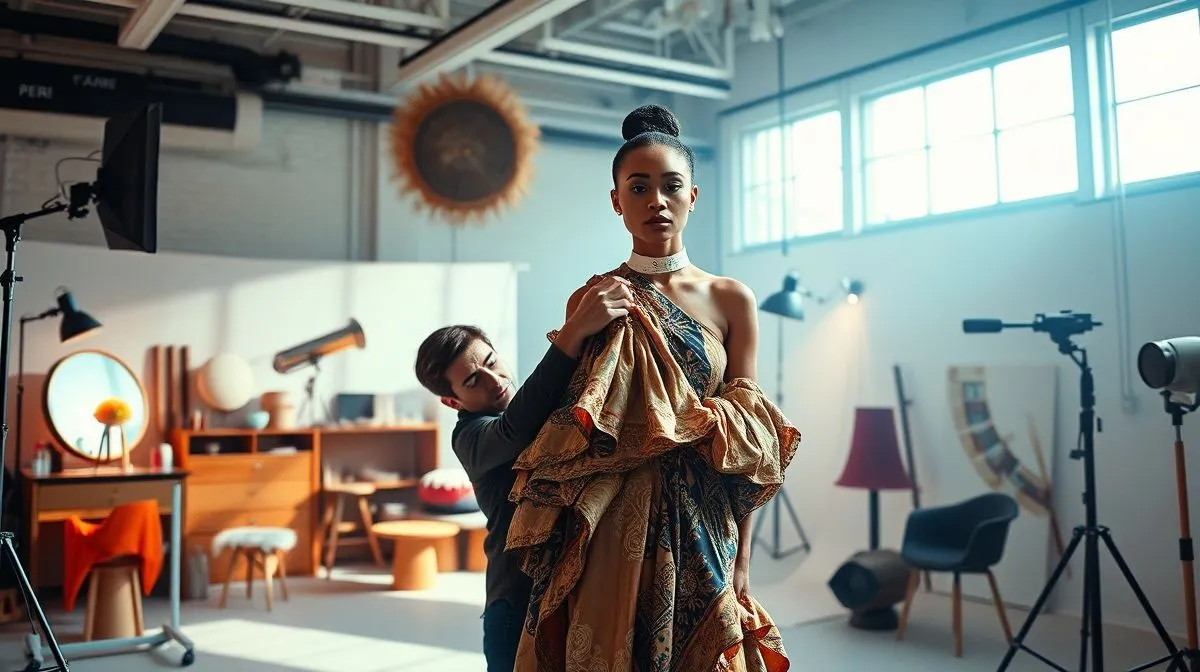
Unlocking Creativity: The Steps to Create Innovative Fashion Photography Styling
Have you ever wondered what truly sets apart a memorable fashion photograph from a merely good one? It’s often not just the model, the clothes, or even the photographer's skill alone. It's the intangible magic woven by innovative styling – a narrative that transcends the fabric and captures the imagination, transforming a simple garment into a piece of art.
In today's highly competitive visual landscape, the challenge for fashion creatives is immense. How do you consistently produce work that resonates, breaks through the noise, and pushes the boundaries of what's expected? The 'problem' isn't a lack of talent, but often a lack of a structured approach to fostering true stylistic innovation.
This comprehensive guide will reveal the strategic steps to create innovative fashion photography styling. By the end of this reading, you will learn how to conceptualize, execute, and refine your styling projects to achieve truly groundbreaking and impactful visual narratives that captivate your audience.
The Foundation: Deconstructing Innovation in Fashion Styling
Before diving into the practical steps, it’s crucial to understand what 'innovation' truly means in the context of fashion photography styling. It's more than just being different; it's about being thoughtfully unique, impactful, and often, trend-setting.
Defining 'Innovative' in Fashion Photography
Innovation in fashion styling goes beyond simply assembling outfits. It involves a creative process that challenges norms, integrates unexpected elements, and tells a compelling story. It's about creating a visual language that feels fresh and forward-thinking, whether through unconventional pairings, groundbreaking concepts, or the reinterpretation of classic aesthetics.
An innovative stylist doesn't just follow trends; they anticipate them or even create new ones. They understand that every element, from the choice of garment to the smallest prop, contributes to the overall narrative and emotional impact of the photograph.
Why Innovation Matters in a Saturated Market
The fashion industry is flooded with imagery. Standing out requires more than technical proficiency; it demands a unique voice and a distinctive visual signature. Innovative styling helps you:
- Capture Attention: In a scroll-heavy world, unique visuals are essential for stopping viewers in their tracks.
- Build Brand Identity: Consistent innovation helps establish a recognizable and respected brand for stylists, photographers, and even fashion labels.
- Drive Engagement: Thought-provoking and original imagery encourages deeper interaction and discussion.
- Push Creative Boundaries: Innovation fuels artistic growth and prevents stagnation, keeping your work exciting and relevant.
Without a commitment to innovation, your work risks blending into the background, becoming just another image in an endless feed.
Step 1: Deep Dive into Conceptualization and Research
Every truly innovative fashion photograph begins with a powerful concept. This initial phase is where the seeds of creativity are sown, nurtured by meticulous research and fearless brainstorming.
Brainstorming Beyond the Obvious
Start by breaking free from conventional thinking. Instead of immediately thinking about clothes, consider broader themes, emotions, historical periods, scientific concepts, or even abstract ideas. Ask yourself:
- What story do I want to tell?
- What emotion do I want to evoke?
- What message do I want to convey?
- How can I twist a familiar concept into something new?
Mind mapping, free association, and even sketching can help unleash ideas. Don't censor yourself in this phase; no idea is too outlandish initially.
Trend Forecasting vs. Trend Setting
While awareness of current fashion trends is important, true innovation often comes from looking beyond them. Trend forecasting helps you understand the prevailing mood, but trend-setting involves creating something that anticipates the next wave or establishes an entirely new direction. This requires a keen eye for cultural shifts, emerging technologies, and a deep understanding of fashion history.
Consider how designers like Iris van Herpen utilize technology to create avant-garde pieces that challenge traditional garment construction, inspiring stylists to think beyond conventional fabrics and forms.
Visual Storytelling as a Core Principle
At its heart, fashion photography is visual storytelling. Innovative styling transforms garments into characters and sets into worlds. Every element—from the model's pose to the texture of a background—should contribute to a cohesive narrative. Think of your styling as directing a silent film where the clothes and accessories are the primary dialogue.
Step 2: Crafting the Mood Board and Narrative Arc
Once your initial concepts are brewing, the mood board becomes your visual blueprint. It's where abstract ideas begin to take concrete form, guiding every subsequent decision.
Elements of an Effective Mood Board
A mood board for innovative styling is more than just a collection of pretty pictures. It's a curated collage of inspiration that includes:
- Color Palettes: Specific hues, tones, and their emotional impact.
- Textures: Swatches of fabrics, natural elements, or industrial materials.
- Imagery: Photos that convey mood, light, composition, or specific poses (not just fashion).
- Words/Quotes: Literary excerpts, song lyrics, or single words that capture the essence of your concept.
- Art/Architecture: References to art movements, sculptural forms, or architectural styles.
- Hair & Makeup Inspiration: Ideas that complement the overall aesthetic.
The mood board should evoke the feeling and direction of the shoot, acting as a shared vision for the entire creative team.
Developing a Cohesive Story
With your mood board as a guide, flesh out the narrative arc. What is the beginning, middle, and end of your visual story? Consider a series of images that build upon each other, revealing different facets of your concept. For example, if your theme is 'Rebirth,' your styling might evolve from muted, constricted looks to vibrant, expansive ones across the shoot.
Incorporating Unexpected Visual Elements
Innovation thrives on surprise. Look for opportunities to introduce elements that are not typically seen in fashion photography. This could be:
- Unconventional locations (e.g., an abandoned factory for delicate haute couture).
- Unusual props (e.g., scientific instruments, natural decay).
- Surprising juxtapositions (e.g., formal wear in a chaotic environment, or high fashion with everyday objects).
A great example of this is seen in the editorial work of high-fashion magazines like Vogue, which frequently push the boundaries of setting and narrative.
Step 3: Sourcing and Curating Garments & Accessories
This is where your vision truly comes to life. Innovative sourcing isn't just about finding expensive clothes; it's about finding the right pieces that speak to your concept, regardless of their origin.
The Art of Mix-and-Match
Forget the idea that all pieces must come from a single collection or designer. Innovative styling often involves blending high fashion with vintage finds, designer pieces with thrift store gems, or even custom-made elements. The goal is to create a unique ensemble that couldn't be replicated off the rack.
Consider how different textures, silhouettes, and eras can interact to create a dynamic and unexpected visual. A structured modern blazer paired with a flowing vintage skirt can create an intriguing tension.
Sustainability and Ethical Sourcing Considerations
In today's conscious world, innovative styling also considers its impact. Exploring sustainable fashion brands, utilizing vintage or upcycled garments, and collaborating with ethical designers not only aligns with modern values but can also open up new creative avenues. This approach demonstrates a forward-thinking mindset and can add another layer of depth to your narrative.
Collaboration with Designers and Artisans
For truly unique pieces, consider collaborating directly with emerging designers, textile artists, or craftspeople. This allows for custom creations that perfectly fit your concept, offering a level of originality that mass-produced items cannot. Such collaborations can also provide valuable networking opportunities and mutual exposure.
Step 4: Mastering the Art of Prop Styling and Set Design
Props and set design are not mere backdrops; they are integral characters in your visual story. They can enhance the mood, provide context, and add layers of meaning to your fashion narrative.
Props as Narrative Enhancers
Every prop should serve a purpose. Is it symbolic? Does it create a sense of time or place? Does it add humor, drama, or mystery? For innovative styling, think beyond obvious props. A wilting bouquet might symbolize decay and beauty, while a single, perfectly balanced stone could evoke tranquility and precision.
Consider scale, texture, and color when selecting props. How do they interact with the garments and the model? Sometimes, the most mundane objects, used in an unexpected way, can become the most compelling.
Creating Immersive Environments
The set is your stage. Whether it's a grand studio setup or a carefully chosen outdoor location, the environment should immerse the viewer in your story. This might involve:
- Building custom backdrops that reflect your theme.
- Utilizing natural light and existing structures in unique ways.
- Transforming a familiar space into something surreal or abstract.
The key is to ensure the environment complements, rather than competes with, the fashion. It should amplify the narrative, not distract from it.
Lighting and Its Role in Styling
Lighting is a powerful styling tool. It can sculpt garments, highlight textures, and create mood. Innovative use of light might involve:
- Dramatic shadows to add mystery.
- Soft, ethereal light for a dreamy aesthetic.
- Bold, colored gels to evoke specific emotions or themes.
- Playing with natural light at different times of day.
Work closely with the photographer to ensure the lighting enhances your styling vision, bringing out the best in the garments and the overall concept.
Step 5: Collaboration is Key: Model, Photographer, and MUA Synergy
Fashion photography is a team sport. Even the most brilliant styling concept can fall flat without seamless collaboration among the model, photographer, and hair/makeup artist.
Directing the Model for Expressive Poses
The model is your living canvas. Communicate your vision clearly, explaining the narrative and the emotion you want to convey. Encourage experimental poses that go beyond typical fashion stances. Sometimes, awkwardness can be beautiful, and stillness can be powerful. Guide them through the story, allowing them to embody the character you've envisioned.
Communicating Your Vision to the Creative Team
Before the shoot, share your mood board, narrative arc, and a detailed styling brief with everyone involved. A pre-production meeting is invaluable. Discuss:
- The overall concept and desired mood.
- Specific looks and their corresponding narratives.
- Hair and makeup inspiration.
- Desired lighting and camera angles.
Ensure everyone understands their role in bringing the innovative vision to life. This collaborative spirit is essential for successful execution.
The Synergy of Hair and Makeup with Styling
Hair and makeup are extensions of the styling. They should enhance the garments and the narrative, not just be 'pretty.' For innovative styling, this might mean:
- Unconventional hair sculptures or colors.
- Bold, theatrical makeup that transforms the model.
- Subtle, almost invisible makeup that emphasizes natural beauty for a minimalist concept.
A truly cohesive look is achieved when hair, makeup, and styling blend seamlessly to tell the same story.
Step 6: Post-Production: The Final Polish for Impact
The work doesn't end when the camera stops clicking. Post-production is a critical phase where the stylist's vision is refined and brought to its ultimate impactful form.
Enhancing the Narrative Through Editing
Work closely with the retoucher and photographer. Discuss how color grading, cropping, and other editing techniques can further enhance your styling concept. For instance, desaturated tones might emphasize a somber mood, while vibrant, saturated colors could convey energy and joy. The editing process can amplify the textures, details, and overall feeling of your styled looks.
Color Grading and Mood Creation
Color grading is perhaps the most powerful post-production tool for mood creation. A skilled colorist can transform the emotional resonance of an image, taking it from ordinary to extraordinary. Discuss specific color palettes from your mood board and how they can be applied or enhanced in post-production to maintain consistency with your innovative vision.
When to Stop: Avoiding Over-Editing
While post-production is essential, there's a fine line between enhancement and over-editing. The goal is to refine and elevate, not to create something artificial that detracts from the original styling. As Adobe's photography experts often advise, the best editing is often the most subtle, making the image feel natural yet perfected. Trust your initial concept and use editing to bring out its inherent strengths.
Common Pitfalls and How to Avoid Them
Even seasoned stylists can fall into common traps. Being aware of these can help you maintain your innovative edge.
Overlooking the Target Audience
Innovation for innovation's sake can be alienating. While pushing boundaries, always consider who you are trying to reach. Is your innovative styling still understandable or relatable to your intended audience, or does it become too abstract? Balance groundbreaking ideas with effective communication.
Sticking to Safe Choices
The opposite extreme is playing it too safe. Innovation requires risk-taking. Don't be afraid to experiment with unconventional pairings, bold colors, or unexpected concepts. The greatest works often emerge from stepping outside one's comfort zone.
Neglecting Logistics
A brilliant concept can be hampered by poor execution. Ensure you have a clear plan for sourcing, transportation, and on-set organization. Unexpected delays or missing items can derail a shoot and compromise the final output, regardless of how innovative the initial idea was.
Staying Ahead: Continuous Learning and Evolution
The fashion world is constantly moving. To remain at the forefront of innovative styling, continuous learning and adaptation are non-negotiable.
Attending Workshops and Exhibitions
Immerse yourself in the broader creative world. Attend fashion shows, art exhibitions, and photography workshops. These experiences can spark new ideas, expose you to different aesthetics, and help you refine your craft. Institutions like The Metropolitan Museum of Art's Costume Institute offer invaluable insights into fashion history and its future.
Analyzing Industry Trends
Beyond current fashion trends, pay attention to broader industry shifts: new technologies (AI, VR in fashion), sustainability movements, and evolving consumer behaviors. These macro trends often inform the next wave of stylistic innovation.
Experimentation and Personal Projects
Dedicate time to personal projects where you can experiment freely without commercial constraints. This is where true innovation often blossoms, allowing you to refine your unique voice and explore concepts that might be too risky for client work initially.
Case Studies in Innovative Fashion Styling
To truly grasp the essence of innovative styling, let's briefly look at examples that have redefined the landscape.
Pat McGrath's Transformative Makeup
While primarily a makeup artist, Pat McGrath's work dramatically influences styling. Her theatrical, boundary-pushing makeup often becomes the central styling element, transforming models into otherworldly beings and pushing fashion narratives into fantastical realms. Her approach demonstrates how one element can redefine an entire look.
Grace Coddington's Narrative Editorials
As a legendary creative director, Grace Coddington's editorials for Vogue were renowned for their elaborate storytelling. She didn't just style clothes; she built entire worlds, often drawing inspiration from literature, history, and cinema. Her work exemplifies how a strong narrative arc elevates fashion photography beyond mere product display.
Conceptual Work of Nick Knight and SHOWstudio
Photographer Nick Knight and his platform SHOWstudio consistently challenge traditional fashion photography. They embrace digital innovation, live streams, and experimental formats, often focusing on the conceptual aspect of fashion. Their collaborations with stylists push the boundaries of how fashion is presented, often blurring the lines between art, fashion, and technology. For deeper insights into fashion's historical context and its evolution, resources like the Fashion History Timeline from FIT can provide valuable background.
Frequently Asked Questions (FAQ)
What is the most important skill for an innovative fashion stylist? The most important skill is a strong conceptual mind combined with an acute understanding of visual storytelling. Technical skills can be learned, but the ability to generate truly unique ideas and translate them into a cohesive visual narrative is paramount.
How can I find inspiration for innovative styling? Look beyond fashion magazines. Draw inspiration from art, architecture, history, nature, science, music, and everyday life. Observe, question, and connect seemingly disparate ideas. Keep a visual journal or digital mood board of anything that sparks your interest.
Is it necessary to have a large budget for innovative fashion photography styling? Not at all. Innovation is about creativity, not cost. Many groundbreaking projects have been created with minimal budgets, relying on resourceful sourcing, clever prop usage, and strong conceptual ideas. Vintage finds, DIY elements, and collaborations can be incredibly effective.
How do I build a portfolio that showcases my innovative styling? Focus on quality over quantity. Include projects that clearly demonstrate your unique vision, conceptual thinking, and ability to execute complex ideas. Personal projects where you have full creative control are excellent for showcasing innovation. Seek out photographers who share your artistic sensibilities.
Recommended Reading
- Effortless Elegance: How to Choose Casual Menswear for Men Over 40
- Uncover the Hidden Impact: How Wartime Rationing Reshaped 1940s Fashion
- Unlock Hidden Gems: Your Guide to Scouting Unique Fashion Photography Locations
- Mastering the Art: How to Effectively Age a Costume for Theater Production
- Unlocking Transparency: The Ultimate Guide to Tracking Ethical Sourcing in Fashion
Conclusion
The journey to create innovative fashion photography styling is an exciting and continuous one. It demands a blend of rigorous conceptualization, meticulous execution, and a fearless willingness to challenge the status quo. By focusing on storytelling, embracing collaboration, and committing to lifelong learning, you can transform your approach to styling and produce truly impactful and memorable fashion imagery. Remember, innovation isn't just about being different; it's about being better, more thoughtful, and more resonant. Now, go forth and redefine the visual narrative of fashion, one groundbreaking image at a time.


Your email address will not be published. Required fields are marked *