

How to Scout Unique Fashion Photography Locations: The Ultimate Guide
Have you ever scrolled through a fashion magazine or an online editorial and found yourself captivated not just by the clothing, but by the breathtaking backdrop that elevates the entire image? That feeling of wonder, of discovering a place that perfectly complements the narrative of a fashion story, is no accident. It's the result of meticulous, creative, and often adventurous location scouting.
The challenge for many photographers and stylists lies in moving beyond the obvious, the overused, or the readily available. How do you unearth those truly unique fashion photography locations that make your work stand out in a crowded visual landscape? How do you transform a simple shoot into an unforgettable visual experience?
This comprehensive guide will demystify the art and science of location scouting, equipping you with the strategies, tools, and mindset needed to discover the hidden gems that will define your next fashion masterpiece. By the end of this reading, you'll possess the knowledge to find truly unparalleled settings for your shoots, ensuring your photography not only captures attention but also tells a compelling story.
The Indispensable Role of Location in Fashion Photography
A location in fashion photography is far more than just a backdrop; it's an active participant, a silent storyteller, and a crucial element in conveying the mood, theme, and overall message of a collection or editorial. The right setting can amplify the narrative, evoke specific emotions, and even become an extension of the garments themselves.
Why Location Elevates Your Narrative
- Contextualizes the Fashion: A bustling city street tells a different story than a serene natural landscape or a gritty industrial site. The location immediately provides context for the clothing, influencing how the viewer perceives its style, purpose, and target audience.
- Enhances Mood and Atmosphere: Imagine a flowing gown shot against a stormy beach versus a vibrant urban mural. The emotional resonance changes dramatically. Locations can infuse images with drama, tranquility, energy, or mystery.
- Provides Unique Visual Elements: Architectural lines, natural textures, specific lighting conditions, and unexpected props found in a location can add depth, interest, and originality to your compositions, making them visually richer.
- Distinguishes Your Work: In an era where everyone has a camera, truly unique fashion photography locations are a powerful differentiator. They help your portfolio stand out, demonstrating creativity and a keen eye for detail.
Conversely, a poorly chosen or uninspired location can detract from the fashion, making the entire shoot feel generic or even amateurish. It can create visual clutter, clash with the aesthetic, or simply fail to provide the necessary visual interest to hold the viewer's gaze. Therefore, understanding how to scout unique fashion photography locations is not merely a skill but a cornerstone of exceptional fashion imagery.
Cultivating the Scout's Mindset: Seeing Beyond the Obvious
Effective location scouting begins not with a map or a search engine, but with a shift in perspective. It requires developing an acute awareness of your surroundings and an ability to envision potential where others see only the mundane. This 'scout's mindset' is about curiosity, patience, and a willingness to explore.
Developing Your Visual Acuity
- Become an Observer: Start looking at everyday environments through a photographic lens. Notice how light falls on buildings, the textures of walls, the patterns in nature, or the unique character of different neighborhoods.
- Think Thematically: When you see a location, ask yourself: What story could be told here? What kind of fashion would thrive in this setting? Does it evoke a specific era, emotion, or cultural vibe?
- Embrace Imperfection: Sometimes the most compelling locations are not pristine. Gritty alleys, abandoned buildings, or weathered natural landscapes can offer incredible depth and contrast, especially for avant-garde or edgy fashion.
- Document Everything: Carry a small notebook or use your phone to quickly snap photos and jot down notes about potential spots. Include details like time of day, lighting conditions, specific features, and potential challenges.
This proactive approach means you're constantly building a mental (and physical) library of potential shooting spots. You're not just looking for a location when a project arises; you're always on the hunt, ready to match the perfect spot with the perfect concept when the time comes. This continuous process is key to mastering how to scout unique fashion photography locations.
Leveraging Digital Tools for Initial Reconnaissance
Before hitting the streets, modern technology offers an invaluable suite of tools for preliminary location scouting. These digital resources allow you to explore vast areas, assess potential spots, and gather crucial information from the comfort of your studio.
Essential Digital Scouting Resources
- Google Maps & Street View: These are indispensable. Use satellite view to identify open spaces, unique architectural structures, or natural features. Street View allows you to virtually walk through streets, assess building exteriors, and get a feel for the neighborhood's character. Look for interesting walls, doorways, textures, or even street art.
- Social Media (Instagram, Pinterest, Flickr): Search hashtags like #[City]photography, #abandonedplaces, #urbanexploration, #architecturalphotography, or even specific local landmarks. Photographers often share locations, and you can gain inspiration or even discover hidden gems through their work. Be respectful and consider direct messaging for specific details.
- Online Photo Communities & Forums: Websites like 500px, Unsplash, or local photography groups on Facebook can be goldmines. Many photographers share their favorite spots or discuss location challenges and solutions.
- Local Tourism Websites & Blogs: These often highlight visually appealing areas, historical sites, or unique local attractions that might be suitable for fashion shoots. Look beyond the obvious tourist traps for less-known spots.
- Weather Apps & Sun Trackers: Crucial for planning. Apps like Sun Seeker or PhotoPills can show you the sun's path and angles at any given time of day, helping you predict lighting conditions for your chosen location.
While digital tools are excellent for narrowing down options and pre-visualizing, they are only the first step. They help you create a shortlist of promising candidates, but nothing replaces an in-person visit.
The Art of On-the-Ground Exploration
Once you have a list of potential spots from your digital reconnaissance, it's time to lace up your boots and explore them in person. This is where the true magic of scouting happens, allowing you to experience the location's atmosphere, assess its practicalities, and discover unexpected angles.
Key Steps for In-Person Scouting
- Visit at Different Times: Light changes dramatically throughout the day. A location that looks flat at noon might be breathtaking at golden hour or moody at dusk. If possible, visit during the planned shooting time.
- Assess Light Conditions: Pay close attention to how natural light interacts with the location. Look for areas of direct sun, open shade, interesting shadows, or reflective surfaces. Consider how artificial light might be needed.
- Check for Obstacles & Distractions: Are there power lines, street signs, or unsightly bins that will be difficult to avoid? Is there heavy foot traffic that could disrupt the shoot?
- Evaluate Access & Logistics: How easy is it to get equipment to the site? Is there parking? Are there restrooms nearby? What about changing areas for the model? These practicalities can make or break a shoot.
- Look for Unique Angles & Details: Don't just stand in one spot. Walk around, climb a small rise, kneel down. Look for interesting textures, patterns, reflections, or overlooked corners that could offer a fresh perspective.
- Take Reference Photos: Use your phone or a simple camera to snap detailed reference photos from various angles. Include wide shots, close-ups of textures, and specific lighting observations. These will be invaluable during planning.
- Consider the 'Feel': Does the location truly align with the mood and concept of your fashion story? Does it inspire you? This subjective assessment is just as important as the practical one.
This hands-on approach is critical to successfully how to scout unique fashion photography locations. It allows you to anticipate challenges and opportunities that digital views simply cannot reveal, ensuring a smoother and more creative shoot day.
Legal & Logistical Considerations for Location Usage
Finding a beautiful location is only half the battle; ensuring you can legally and practically use it is the other. Ignoring permits, permissions, or safety can lead to significant problems, delays, or even legal repercussions. Always prioritize responsible and legal practices.
Navigating Permissions and Practicalities
- Permits: Many public spaces (parks, historical sites, government buildings, busy streets) require permits for commercial photography. Research the local city or park department's regulations well in advance. Fees and processing times vary significantly. For private property, written permission from the owner is essential. Learn more about location scouting legalities on Wikipedia.
- Safety Assessment: Is the location safe for your team and models? Look for uneven terrain, unstable structures, hazardous materials, or excessive traffic. Always prioritize safety over a 'cool' shot.
- Insurance: Commercial general liability insurance is crucial. It protects you in case of accidents, property damage, or injury on location. Many venues will require proof of insurance.
- Accessibility: Consider the ease of access for models, crew, equipment, and wardrobe. Is it wheelchair accessible if needed? How far do you have to carry gear?
- Contingency Planning: Always have a backup plan. Weather can be unpredictable, or your primary location might become unavailable. A second and even third option can save a shoot day.
- Respect & Leave No Trace: Always leave the location exactly as you found it, or better. Pack out all trash, respect private property, and be mindful of noise levels and disturbances to residents or other visitors. Building a good reputation is vital for future scouting.
Understanding these logistical and legal aspects is a sign of professionalism and is integral to successfully scouting and utilizing unique fashion photography locations without incident.
Exploring Different Types of Unique Locations
To truly master how to scout unique fashion photography locations, it's beneficial to think beyond the typical studio or urban street. Broaden your horizons and consider a diverse range of environments, each offering distinct aesthetic possibilities.
Categories of Unconventional Settings
- Industrial & Urban Grittiness: Think abandoned factories, train yards, concrete brutalist architecture, graffiti-laden alleys, or construction sites (with permission and safety checks). These offer raw textures, strong lines, and a sense of decay that can create powerful contrasts with high fashion.
- Nature's Grandeur & Intimacy: From vast deserts, rugged coastlines, and dense forests to serene lakes, botanical gardens, or even a single striking tree. Nature provides unparalleled natural light, organic textures, and a sense of timelessness or wild beauty. Consider how the elements (wind, fog, rain) can add drama.
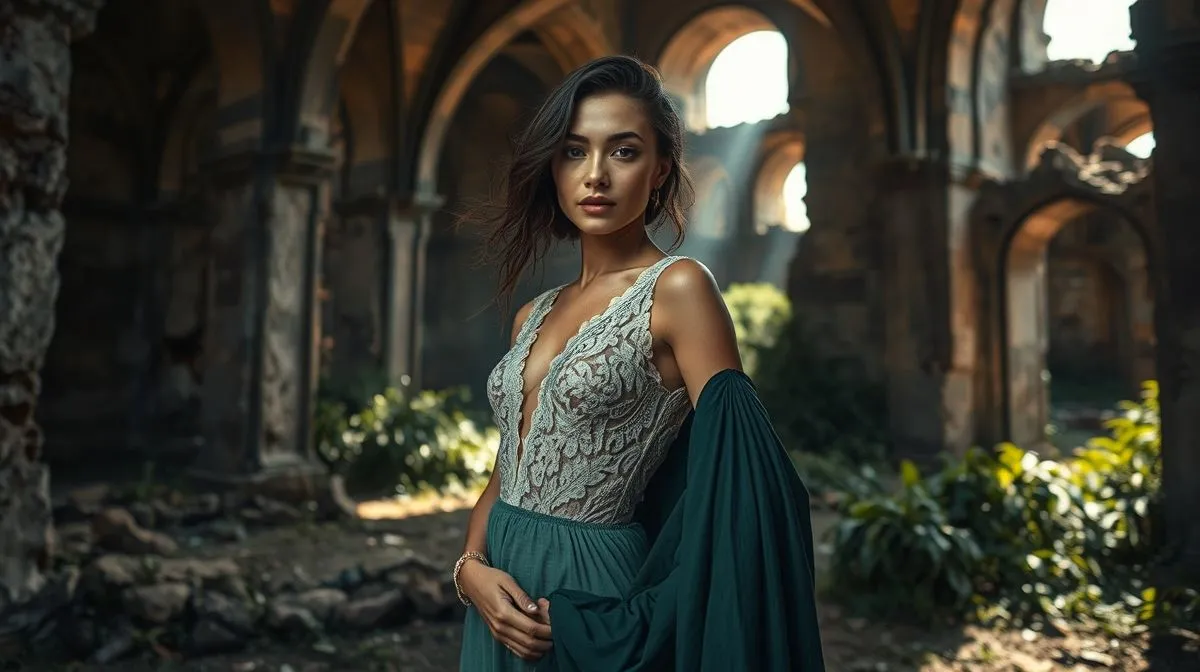
- Historical & Architectural Gems: Old mansions, derelict churches, ornate theaters, libraries, or even specific historical districts. These locations bring a sense of history, grandeur, or faded elegance, offering rich backdrops and intricate details.
- Everyday Transformed: Sometimes, the most unique locations are ordinary places seen with fresh eyes. A laundromat, a bustling market, an old diner, a subway station, or a specific type of shop can become extraordinary with the right styling and lighting.
- Abstract & Minimalist Spaces: Look for clean lines, vast empty spaces, monochromatic walls, or geometric structures. These locations allow the fashion to truly pop, creating a modern, stark, or artistic feel.
- Private & Exclusive Access: Don't be afraid to reach out to owners of unique private properties – an eccentric home, a vineyard, a private art gallery, or a specialized workshop. A compelling proposal can sometimes grant you access to truly one-of-a-kind settings.
Each type of location presents its own set of opportunities and challenges. By diversifying your scouting efforts across these categories, you increase your chances of finding that truly unique spot that perfectly aligns with your creative vision. For more inspiration on diverse locations, consider exploring articles on leading photography blogs like PetaPixel or Fstoppers for location ideas and techniques.
Overcoming Common Location Scouting Challenges
Scouting for unique fashion photography locations is rarely a straightforward process. You'll encounter obstacles, but a proactive and flexible approach can help you navigate them successfully.
Strategies for Tackling Hurdles
- Dealing with Permissions: Start early. Be polite, professional, and clear about your intentions. Offer compensation or credit if appropriate. If denied, ask if there's an alternative or another contact.
- Weather Woes: Always have a weather contingency plan. This could be an indoor backup location, a covered outdoor space, or a willingness to embrace the elements (e.g., shooting in the rain with appropriate gear and styling).
- Crowds & Public Interference: For popular public spots, consider shooting during off-peak hours (early mornings, weekdays). Use long lenses to compress the background and minimize distractions. Work quickly and efficiently.
- Budget Constraints: Not every unique location requires a high fee. Focus on publicly accessible areas that don't require permits, or explore less-known spots. Creative use of lighting and styling can transform even a simple wall into something extraordinary.
- Finding the 'Perfect' Spot: Sometimes, the ideal location doesn't exist or is inaccessible. Be open to adapting your concept to a slightly different but equally compelling location. Flexibility is key to creativity.
- Fatigue & Burnout: Location scouting can be time-consuming and tiring. Break it into manageable chunks. Don't try to find everything in one day. Enjoy the process of discovery.
Remember, every challenge is an opportunity for creative problem-solving. The most unique and memorable shoots often arise from adapting to unforeseen circumstances and finding beauty in unexpected places.
Frequently Asked Questions (FAQ)
How far in advance should I scout for locations? It's advisable to start scouting at least 2-4 weeks before your planned shoot date, especially if permits are required. For complex or highly sought-after locations, even earlier (1-2 months) is better. This allows ample time for permissions, contingency planning, and revisiting the site if needed.
What's the most important thing to look for when scouting? While aesthetics are crucial, the most important thing is how the location's light interacts with its features throughout the day. Understanding the available light will dictate your shoot time and impact the mood and quality of your images more than any other single factor.
Can I use residential areas for fashion shoots? Yes, but with extreme caution and respect. Always obtain explicit permission from the property owner if you plan to shoot on private land (e.g., a specific house exterior, garden). If shooting on public sidewalks adjacent to homes, be mindful of noise, privacy, and avoid blocking access. It's often best to seek non-residential unique fashion photography locations to avoid potential issues.
Should I bring my model to the scouting trip? While not always necessary, bringing your model (or a stand-in) can be highly beneficial. It allows you to visualize poses, check how the wardrobe interacts with the environment, and assess practicalities like changing spaces or comfortable standing spots. This can save valuable time on the actual shoot day.
What if I can't find a truly 'unique' location? Even a seemingly ordinary location can become unique through creative vision. Focus on unique angles, unconventional lighting, innovative styling, or specific props. Sometimes, it's not about the location itself, but how you transform it through your lens. The key is to make it unique to your vision, even if it's a common spot.
Recommended Reading
- Killer Fashion Blog Posts: Your Ultimate Writing Guide!
- Unlock Your Glow: How to Choose Statement Earrings for Your Face Shape
- The Secret Revealed: How Stylists Pick Celebrity Luxury Red Carpet Gowns
- Is Virtual Try-On Accurate for Clothes? The Surprising Truth!
- Sportswear Streetwear Style Mix: The Ultimate Fashion Fusion?
Conclusion
The quest for unique fashion photography locations is an ongoing journey of discovery, blending meticulous planning with serendipitous exploration. By cultivating a keen eye, leveraging digital resources, embracing on-the-ground investigation, and navigating logistical challenges with professionalism, you can consistently unearth the perfect backdrops to elevate your fashion stories. Remember that the most compelling images often emerge when the location itself becomes a character, adding depth, narrative, and an unforgettable visual impact to your work. So, step out, observe, explore, and let the world be your canvas for truly distinctive fashion photography.


Your email address will not be published. Required fields are marked *