

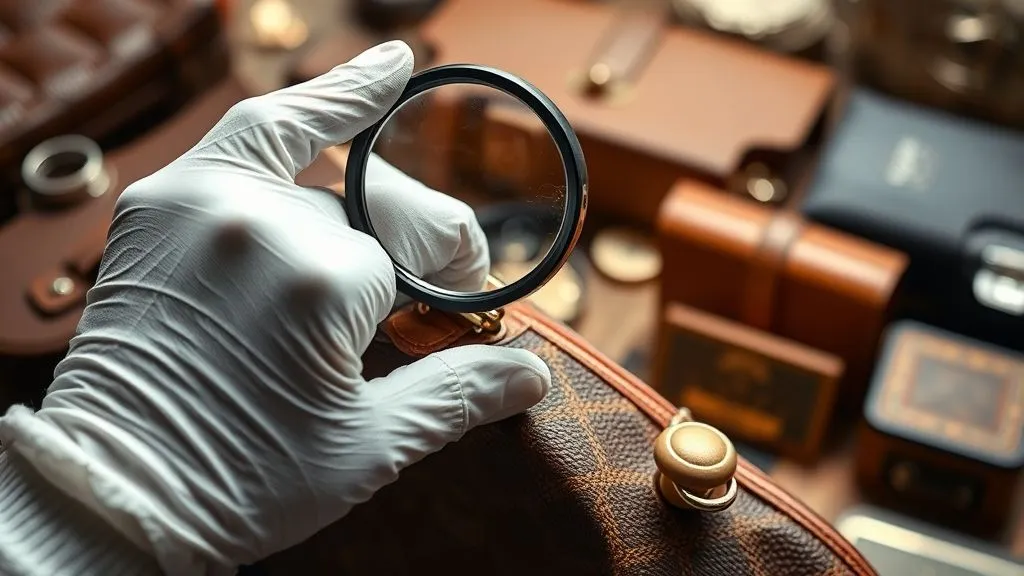
How to Authenticate Iconic Luxury Vintage for Resale Profit?
For over two decades in the luxury fashion sphere, I've witnessed the exhilarating highs of discovering a rare, authentic vintage gem and the crushing lows of encountering a masterfully crafted counterfeit. The allure of iconic luxury vintage is undeniable, yet the path to profitable resale is fraught with peril if you lack the discerning eye for authenticity. Many aspiring resellers fall prey to convincing fakes, not only losing their investment but also damaging their reputation in a market built on trust.
The problem is profound: the global market for counterfeit luxury goods is estimated to be worth hundreds of billions of dollars, and vintage pieces are particularly vulnerable due to their age, varied production methods, and often less standardized documentation. Without a robust authentication process, you're essentially gambling your capital and credibility.
In this definitive guide, I will share the invaluable frameworks, expert insights, and actionable steps I've honed over my career. You'll learn not just how to identify fakes, but how to meticulously verify iconic luxury vintage pieces, transforming uncertainty into a strategic advantage for significant resale profit. We'll delve into brand-specific nuances, material science, and the art of forensic examination, ensuring every acquisition is a confident investment.
The Foundation: Understanding Brand DNA and Craftsmanship
Before you even begin a specific authentication process, you must immerse yourself in the Brand DNA of the designer you're examining. Each iconic luxury house – be it Chanel, Hermès, Louis Vuitton, or Dior – possesses a unique philosophy, a signature aesthetic, and an unparalleled commitment to craftsmanship that permeates every single item they produce. This isn't just about superficial branding; it's about the very soul of the product.
Craftsmanship is the first and most crucial tell. Luxury houses employ artisans who are masters of their trade, using techniques passed down through generations. This results in an almost flawless finish that mass-produced fakes simply cannot replicate. I've seen countless mistakes where resellers focus solely on logos, missing the subtle yet definitive indicators of true artistry.
"The true mark of luxury is not just what you see, but what you don't see – the hidden perfection, the meticulous attention to every single detail, however small."
According to a report by the World Customs Organization, the sheer volume and sophistication of counterfeits demand a deeper understanding of genuine article characteristics. This means understanding everything from stitch count per inch to the weight and feel of hardware, the specific leathers used, and even the internal lining materials. These details are often overlooked by counterfeiters who prioritize external appearance.
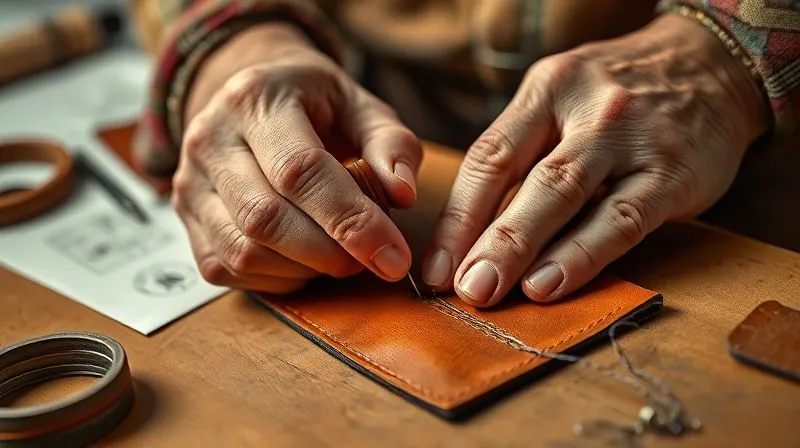
Key Elements of Brand DNA to Study:
- Material Quality: Understand the specific leathers (e.g., Hermès Togo vs. Epsom), exotic skins, fabrics, and metals used by the brand. Fakes often use inferior substitutes.
- Stitching: Examine stitch consistency, angle, length, and thread type. Chanel's diamond quilting stitching, for instance, is incredibly precise and consistent.
- Hardware: Assess weight, finish, engraving clarity, and how it feels. Real gold-plated or solid brass hardware will feel substantial and have a perfect polish, unlike cheap, lightweight alloys.
- Heat Stamps & Embossing: Look at the font, spacing, depth, and crispness of brand stamps. They should be clear, even, and indelible, not blurry or faded.
- Interior Details: The lining, internal pockets, and hidden tags often reveal more than the exterior. Luxury brands maintain consistency in these less visible areas.
Step 1: The Macro-Examination – First Impressions and Overall Proportions
When you first encounter a vintage luxury item, take a step back and absorb its overall presence. Does it look right? This initial macro-examination is crucial, as many fakes fail at capturing the correct silhouette, size, or proportion. A genuine piece, especially from an iconic designer, will possess an inherent elegance and balance that is hard to replicate.
I always begin by comparing the item to known authentic images from official brand archives or reputable historical sources. Pay attention to:
- Silhouette and Shape: Is the bag's structure firm or slouchy where it shouldn't be? Are the curves and lines accurate to the model?
- Size and Dimensions: Measure the item. While vintage pieces can vary slightly, significant discrepancies in length, width, or height are immediate red flags.
- Hardware Placement: Are the handles, clasps, feet, and zippers positioned exactly where they should be? Are they symmetrical?
- Color and Finish: Does the color match known authentic shades for that specific model and era? Is the finish (e.g., matte, glossy, patent) consistent and of high quality?
Case Study: The Misplaced Chanel Flap
I once consulted for a client who had purchased what they believed was a vintage Chanel Classic Flap bag for a significant sum. On first glance, the leather and quilting seemed passable. However, during my macro-examination, I immediately noticed the flap's proportion to the body of the bag was slightly off – it was about half an inch too short, making the closure mechanism sit awkwardly low. This subtle structural flaw, invisible to an untrained eye, was a dead giveaway. Further micro-examination confirmed the bag was a high-quality replica. This saved my client from a substantial financial loss and preserved their reputation.
Step 2: The Micro-Examination – Diving into Details and Materials
This is where the real detective work begins. Armed with a magnifying glass, a keen eye, and often a jeweler's loupe, you'll scrutinize every minuscule detail. This stage is paramount for how to authenticate iconic luxury vintage for resale profit, as it exposes the subtle flaws that separate genuine artistry from imitation.
A. Stitching: The Unsung Hero of Authenticity
Luxury brands employ incredibly precise stitching techniques. Look for:
- Consistency: Stitches should be uniform in length, perfectly straight, and evenly spaced. No loose threads, no skipped stitches.
- Angle: Many brands, like Hermès, use a distinctive saddle stitch that creates a slightly angled appearance. Chanel often uses a straight, tight stitch.
- Thread Type: High-quality, often waxed, durable thread is used. Fakes often use thinner, weaker, or synthetic threads.
- Stitch Count: While not a definitive rule for all brands, some models have a characteristic stitch count per inch or around specific features.
B. Hardware: Weight, Engravings, and Functionality
Hardware is a common Achilles' heel for counterfeiters. Genuine hardware is:
- Weighty and Substantial: Made from solid brass, gold-plated metals, or other high-quality alloys. It should feel robust, not hollow or flimsy.
- Flawless Finish: Smooth, perfectly polished, with no bubbles, pitting, or discoloration. Zippers should glide effortlessly.
- Precise Engravings: Logos, brand names, and serial numbers on hardware should be crisp, deep, and perfectly legible, without any blurriness or unevenness.
- Correct Font and Spacing: Counterfeiters often use incorrect fonts or spacing for engravings.
Consider the famous Hermès 'clochette' or Chanel's CC turn-lock. These are iconic, and their construction, weight, and finish are meticulously consistent across authentic pieces. Any deviation is a major red flag.
C. Materials: Tactile and Visual Verification
The quality of materials is often the hardest for fakes to replicate. This requires developing a tactile memory for genuine luxury materials.
- Leather: Genuine luxury leather (e.g., caviar, lambskin, epi) has a distinct smell, feel, and grain pattern. It should feel supple, rich, and often has a natural patina over time. Fakes often use PU leather, bonded leather, or lower-grade genuine leather that feels stiff, plastic-y, or has an unnatural sheen.
- Lining: The interior lining is often overlooked by fakers. Is it made of the correct material (e.g., leather, canvas, alcantara)? Is it perfectly fitted, with no wrinkles or loose edges?
- Exotic Skins: For items like crocodile or alligator, examine the scales. Real exotic skins have natural, irregular patterns, and the scales will feel distinct. Fakes often use embossed leather that lacks the organic variation.
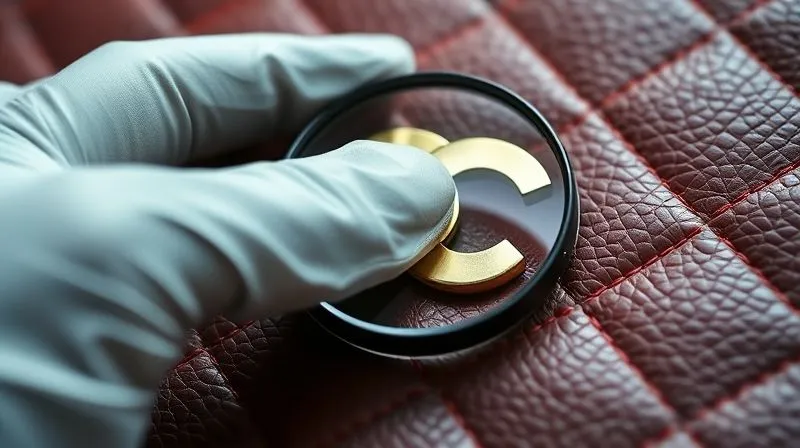
Step 3: Decoding Serial Numbers, Date Codes, and Authenticity Cards
While not foolproof, serial numbers, date codes, and authenticity cards provide crucial data points. However, it's vital to remember that these can be expertly faked, so they should never be the sole basis for authentication. They are part of a larger puzzle.
A. Serial Numbers/Date Codes: Brand-Specific Nuances
Each luxury brand has its own system for marking production dates or unique identifiers. You must know these systems intimately:
- Chanel: Uses a sticker with a serial number, often protected by a hologram. The number corresponds to the production year. Online guides can help decipher the year range.
- Louis Vuitton: Uses date codes (not serial numbers) embossed on leather tabs or linings. These codes indicate the factory location and production week/year.
- Hermès: Uses blind stamps (letters and shapes) to indicate the production year and often the artisan's stamp. These are usually discreetly placed.
- Dior: Often uses a serial number tag inside.
Crucial Tip: Verify the font, spacing, and format of these codes. Counterfeiters often get these subtly wrong. The placement of the code is also critical – is it exactly where it should be for that model and year?
B. Authenticity Cards/Dust Bags/Packaging: Secondary Indicators
While authenticity cards can be easily faked, they should still be examined. Look for:
- Card Quality: Genuine cards are typically made of high-quality card stock, with crisp printing and often a specific texture.
- Matching Information: For brands like Chanel, the serial number on the card should precisely match the serial number inside the bag.
- Dust Bags: Examine the material, stitching, and logo printing on dust bags. Luxury brands use high-quality dust bags, not cheap, thin fabric.
- Packaging: Boxes, ribbons, and shopping bags should also be scrutinized for quality, correct branding, and consistency.
| Brand | Identifier Type | Typical Location | Key Check |
|---|---|---|---|
| Chanel | Serial Number Sticker | Interior lining/pocket | Hologram integrity, font/spacing match to year |
| Louis Vuitton | Date Code | Leather tab/lining | Factory code & date format, embossed clarity |
| Hermès | Blind Stamp | Under flap/strap | Letter/shape corresponds to year, precise stamp |
| Dior | Serial Number Tag | Interior pocket | Font, spacing, tag material quality |
Step 4: The 'Feel' Test and Sensory Authentication
This step is often overlooked by novices but is paramount for an experienced authenticator. Luxury items engage all the senses. Over years of handling genuine pieces, you develop an intuitive 'feel' for authenticity that goes beyond visual inspection.
A. The Tactile Experience: Weight, Texture, and Sound
- Weight: Genuine luxury bags often have a substantial weight due to quality materials and hardware. Fakes often feel surprisingly light or hollow.
- Texture: Run your fingers over the leather or fabric. Does it feel smooth, supple, grained, or firm as it should? Does it have a natural give?
- Sound: Listen to the sound of hardware. Do zippers glide smoothly with a satisfying 'zip'? Do clasps click securely? Cheap hardware often rattles or feels loose.
B. The Olfactory Test: The Scent of Luxury
Genuine leather has a distinct, rich, earthy smell. It's pleasant and natural. Counterfeit items, especially those made with synthetic materials or poor-quality adhesives, often emit a strong chemical, plastic-y, or glue-like odor. This is a very reliable indicator once you've trained your nose on enough authentic pieces.
"The scent of genuine leather is an unmistakable signature of quality. It's a subtle symphony that fakes can never truly compose."
Step 5: Seeking Expert Opinion and Continuous Education
Even with years of experience, I still advocate for seeking additional expert opinions, especially for high-value or particularly complex pieces. The luxury counterfeit market is constantly evolving, and staying ahead requires vigilance and collaboration.
A. Professional Authentication Services: When to Invest
For items where there's any doubt, or for pieces that represent a significant investment, utilizing professional authentication services is a smart move. Companies like Entrupy (which uses AI and microscopic analysis) or highly reputable human authenticators (e.g., Real Authentication, Authenticate First) offer invaluable peace of mind and often provide certificates of authenticity, which significantly boost resale value and buyer confidence.
As Seth Godin often says, "The market rewards trust." A verified authentic piece commands a premium and sells faster.
B. Continuous Learning and Community Engagement
The world of luxury vintage is dynamic. New counterfeiting techniques emerge, and new authentication insights are discovered. To maintain your edge and ensure you know how to authenticate iconic luxury vintage for resale profit, you must commit to continuous education:
- Join Forums and Groups: Participate in reputable online forums and communities dedicated to luxury authentication. Share knowledge and learn from others' experiences.
- Attend Workshops: If available, attend workshops or seminars on luxury authentication.
- Study Brand Archives: Regularly consult official brand websites, historical catalogs, and reputable books on luxury fashion.
- Handle Genuine Items: The more authentic items you handle, the more refined your senses and knowledge will become. Visit high-end boutiques and museums.

Frequently Asked Questions (FAQ)
Q: Can I rely solely on an authenticity card to verify a luxury item? No, absolutely not. Authenticity cards are among the easiest items for counterfeiters to replicate. While they are a piece of the puzzle, they must always be cross-referenced with all other authentication indicators, especially the craftsmanship and materials of the item itself. Always prioritize the item's inherent characteristics over accompanying paperwork.
Q: How quickly do counterfeiting techniques evolve, and how can I stay updated? Counterfeiting techniques evolve at an alarming rate, often mimicking genuine production changes within months. To stay updated, I recommend regularly engaging with expert authentication communities, following industry news from organizations like the International Anti-Counterfeiting Coalition (IACC), and continuously studying brand-specific details for new collections as well as historical pieces. Never assume what you learned five years ago is still entirely accurate today for all brands.
Q: What are the biggest red flags that immediately suggest an item is fake? Beyond obvious poor quality, some immediate red flags include: incorrect or inconsistent fonts on brand stamps/date codes, unusually low price for the condition, misspellings on any tags or packaging, a strong chemical smell, hardware that feels too light or cheap, and an overall 'off' feeling in the item's proportions or silhouette compared to known authentic models. Any single significant deviation should prompt extreme caution.
Q: Is it possible for a genuine vintage item to show some wear and tear that might resemble a fake? Yes, absolutely. Genuine vintage items will naturally show signs of age, use, and patina. The key is to differentiate between authentic wear and tear (e.g., softened leather, minor scuffs, tarnished hardware that can be polished) and manufacturing defects or low-quality materials indicative of a fake (e.g., peeling pleather, broken stitching on a new item, poor quality hardware from the outset). An experienced eye can discern the difference, recognizing the 'graceful aging' of a quality item versus the 'premature deterioration' of a counterfeit.
Q: What's the role of provenance or purchase history in authentication? Provenance, or the item's documented history of ownership and purchase, is incredibly valuable. If an item comes with original receipts from a reputable boutique, or can be traced back to a known collector, it adds a significant layer of trust. While not a standalone authentication method (receipts can be faked), strong provenance significantly reduces risk and adds to the item's narrative and value, especially for rare pieces. Always ask for it, but always verify the item itself.
Key Takeaways and Final Thoughts
Mastering the art of authenticating iconic luxury vintage for resale profit is a journey that requires dedication, continuous learning, and a profound respect for the craftsmanship of legendary fashion houses. It's not just about avoiding fakes; it's about confidently identifying genuine masterpieces that will appreciate in value and bring joy to their next owner.
- Immerse yourself in Brand DNA: Understand each brand's unique philosophy and craftsmanship.
- Master both Macro and Micro-Examination: Start with overall proportions, then dive into stitching, hardware, and materials.
- Decipher Codes, But Don't Rely Solely on Them: Serial numbers and date codes are clues, not definitive proof.
- Develop Your Sensory Intelligence: Trust your feel, weight, and even the scent of genuine luxury.
- Embrace Continuous Learning and Expert Collaboration: The market evolves, so should your knowledge.
By meticulously applying these principles, you will not only protect your investments but also build an unparalleled reputation in the luxury vintage market. This isn't just a business; it's a passion, a treasure hunt, and a commitment to preserving the legacy of iconic design. Go forth, authenticate with confidence, and profit from your expertise.
Recommended Reading
- Bespoke Jewelry Copied? 5 Steps to Protect Your Design & Brand
- 7 Steps: Predict Micro-Hat Trends for Profitable Inventory Planning
- 7 Expert Steps: How to Source Rare Materials for Screen-Accurate Cosplay
- Eco-Friendly Kids Clothes: Last Longer & Save You Money!
- Cracking the Code: 7 Ways New Bloggers Land Exclusive Fashion Event Invites


Your email address will not be published. Required fields are marked *