

Stop Workout Clothes Chafing for Daily Professional Training: The Unspoken Battle
For over two decades in the activewear industry, I've seen countless athletes, from weekend warriors to elite professionals, battle a silent, relentless foe: chafing. It's an insidious problem that can derail even the most meticulously planned training session, turning an empowering workout into an agonizing ordeal. I've personally experienced the sting and frustration, and I’ve advised countless individuals on how to overcome it.
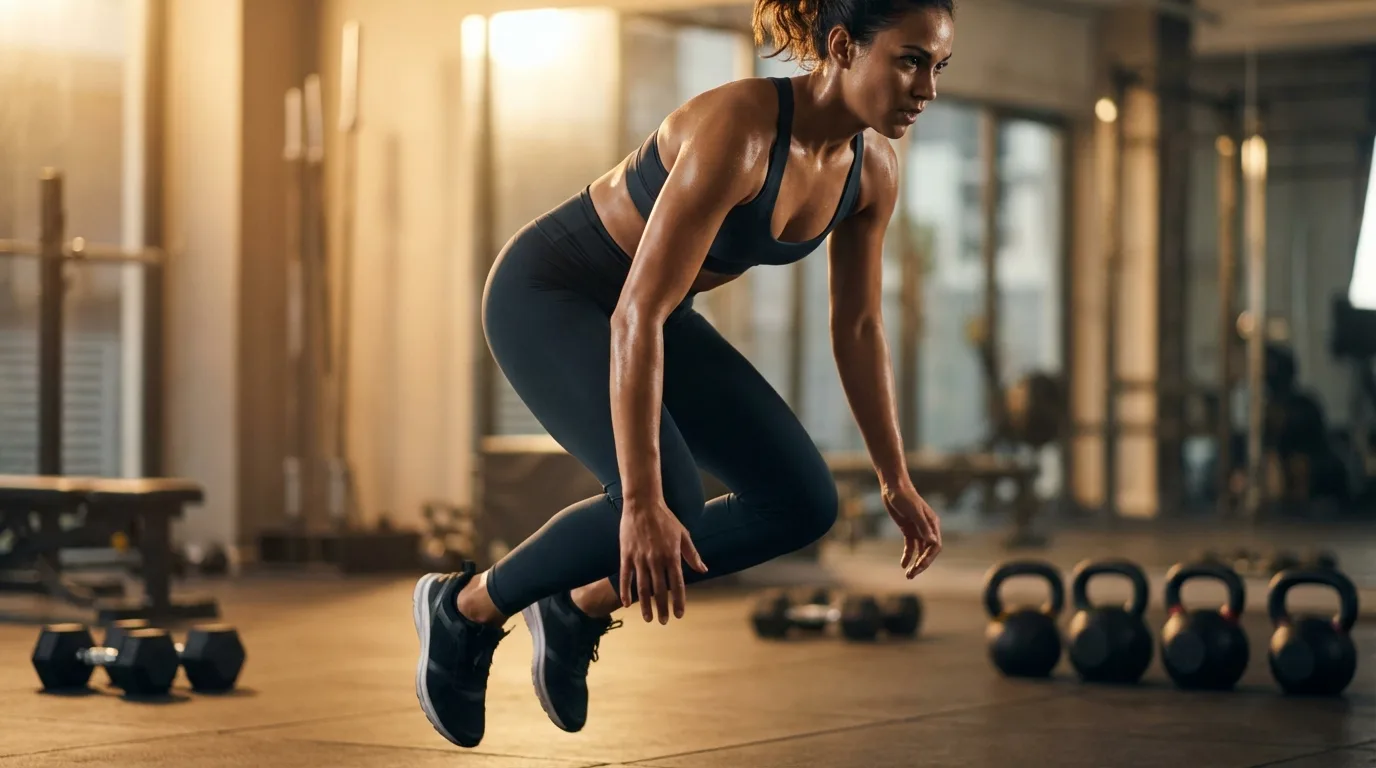
This isn't just about discomfort; it's about compromised performance, mental distraction, and even potential skin infections. When you're pushing your limits daily, whether in a CrossFit box, on a long-distance run, or during intense tactical drills, the last thing you need is your apparel working against you, literally rubbing you the wrong way.
Today, I'm going to share my accumulated wisdom and practical, actionable strategies to definitively stop workout clothes chafing for daily professional training. We'll dive deep into fabric science, fit dynamics, preventative measures, and holistic approaches, ensuring your activewear becomes an ally, not an adversary, in your pursuit of peak performance.
Understanding the Enemy: What Causes Chafing in Activewear?
Before we can conquer chafing, we must understand its roots. It’s a complex interplay of several factors, often compounding each other to create the perfect storm for skin irritation.
Friction: The Primary Culprit
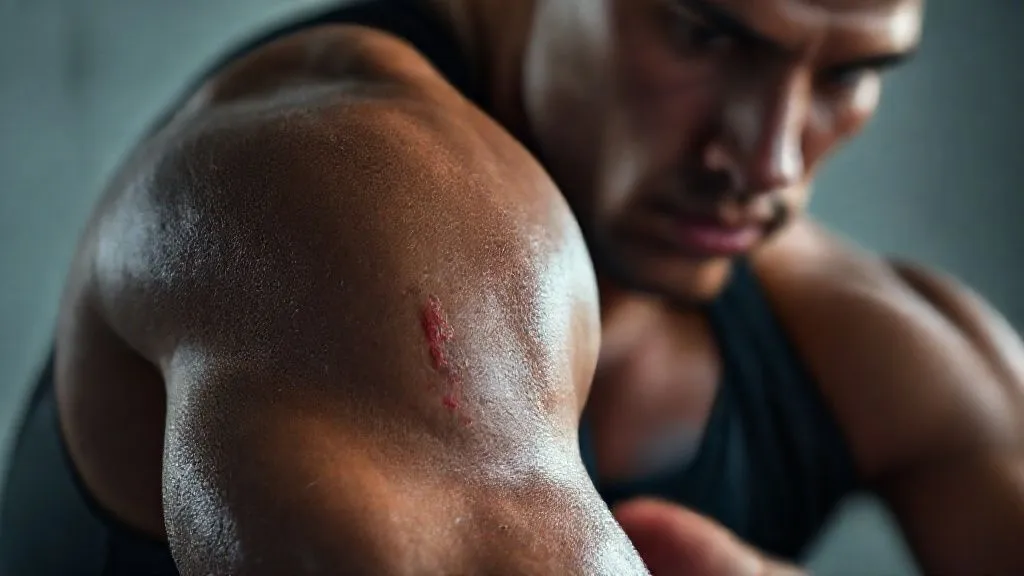
At its core, chafing is caused by friction. Repeated rubbing of skin against skin, or skin against fabric, breaks down the skin's protective barrier, leading to redness, irritation, and eventually raw sores. This is particularly prevalent in areas like the inner thighs, underarms, nipples, and around bra lines.
Moisture: A Chafing Accelerator
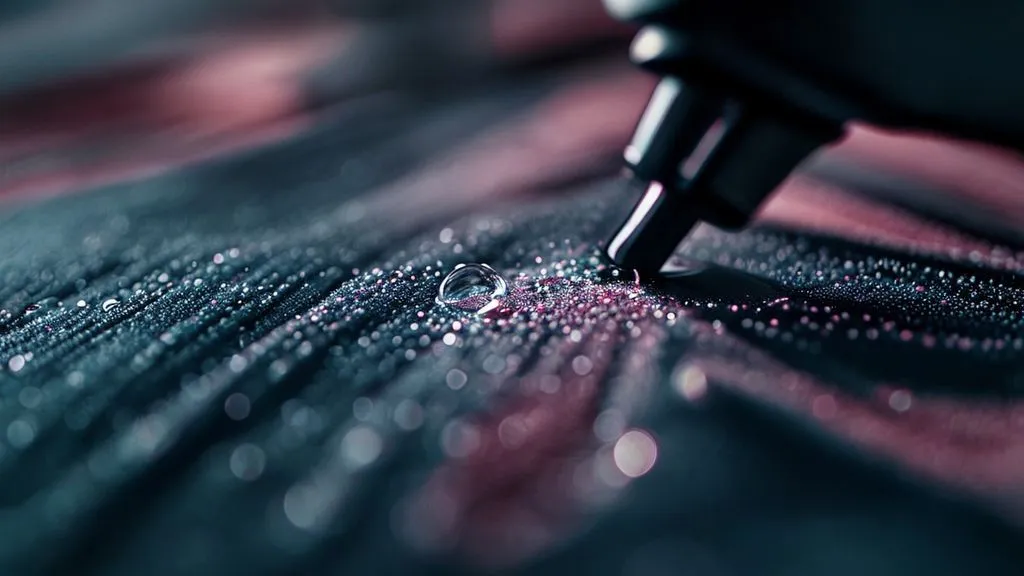
Sweat, rain, or even high humidity significantly exacerbates friction. Moist skin is more delicate and prone to damage. As sweat evaporates, it can leave behind salt crystals, which act like tiny abrasive particles, intensifying the rubbing effect. This is why a sweat-soaked cotton tee is a chafing nightmare.
Fabric Choice: A Double-Edged Sword
The material of your workout clothes plays a monumental role. Some fabrics, particularly natural fibers like cotton, absorb moisture and hold it against the skin, creating a damp, friction-prone environment. Others, while designed to wick sweat, might have rough seams or a texture that irritates sensitive skin over time.
Ill-Fitting Apparel: The Obvious Trap
This might seem straightforward, but it's a mistake I've seen even seasoned athletes make. Clothing that is too loose can bunch and rub, while clothing that is too tight can restrict movement and press seams uncomfortably into the skin, creating concentrated points of friction. The ideal fit is often a fine balance.
In my experience, the battle against chafing is fundamentally a battle against unchecked friction, supercharged by moisture. Address these two elements effectively, and you're halfway to a chafe-free training regimen.
The Fabric Frontier: Choosing Your Chafe-Free Armor
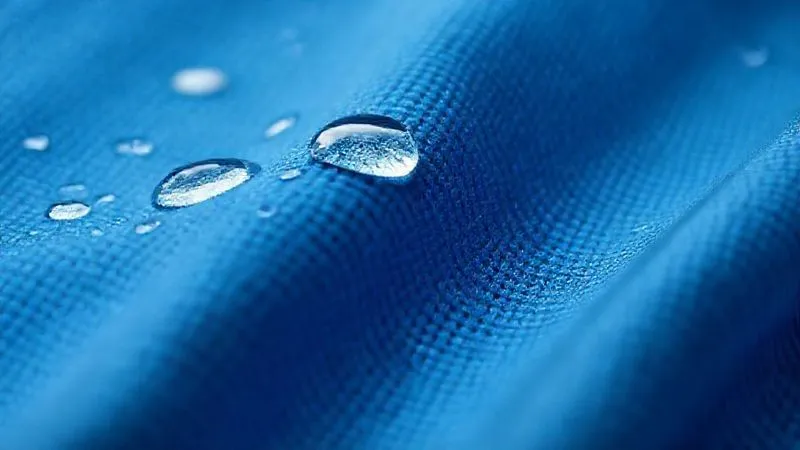
When it comes to activewear, fabric isn't just about aesthetics; it's your first line of defense against chafing. The right material can make all the difference in your daily professional training.
My top recommendation is always to opt for high-performance synthetic blends. These are engineered for active pursuits, moving moisture away from your skin rather than absorbing it. Look for terms like 'moisture-wicking,' 'quick-drying,' and 'anti-odor' in product descriptions.
- Polyester: A workhorse in activewear, known for its durability, wrinkle resistance, and excellent moisture-wicking properties. Modern polyesters are soft and feel great against the skin.
- Nylon: Similar to polyester but often with a silkier feel and greater stretch. It's incredibly strong and quick-drying, making it ideal for high-intensity activities.
- Spandex/Lycra/Elastane: Crucial for stretch and shape retention. Blended with polyester or nylon, it allows for a snug, supportive fit that moves with your body without restricting or bunching.
- Merino Wool: While a natural fiber, merino wool is an exception to the 'avoid natural fibers' rule. Its fine fibers are incredibly soft, naturally moisture-wicking, temperature-regulating, and anti-microbial. It's excellent for cooler weather or as a base layer.
Conversely, there are fabrics you should actively avoid, especially for high-intensity or long-duration training sessions.
- Cotton: The absolute enemy of chafe-free training. Cotton absorbs sweat like a sponge, stays wet, and becomes heavy and abrasive. This creates a prime environment for friction and irritation.
- Rough Synthetics: Some lower-quality synthetics can feel coarse or have a texture that causes irritation. Always feel the fabric before purchasing.
The Power of Fit: Tailoring Comfort for Peak Performance
Beyond fabric, the fit of your activewear is paramount. The difference between a comfortable, chafe-free workout and a miserable one often comes down to the nuances of how your clothes sit on your body.
Compression vs. Loose
For most professional training, I advocate for a snug, supportive fit. Compression garments, when properly sized, can be incredibly effective at preventing chafing. They hold the fabric close to the body, minimizing movement and friction. However, 'snug' does not mean 'restrictive.' You should still have a full range of motion.
Seam Placement Matters
Pay close attention to seams. Flatlock seams are a game-changer; they are designed to lie flat against the skin, reducing bulk and irritation. Raised, traditional seams, especially in high-friction areas like the inner thighs or underarms, are notorious for causing chafing. Many premium activewear brands now utilize seamless construction techniques to eliminate this issue entirely.
Size It Right: Don't Guess
Never assume your size across brands. Always consult size charts and, if possible, try garments on. A piece that's too small will pull and create pressure points, while one that's too large will bunch and rub. The goal is a second-skin feel that moves with you.
- Measure Yourself: Don't rely on old sizes. Body composition changes.
- Check Seams: Ensure they lie flat and don't dig in, especially in high-friction zones.
- Perform Movement Tests: Squat, lunge, stretch, and jump. Does the fabric bunch? Does it restrict? Does it ride up?
- Consider Activity Specifics: A running tight might fit differently than a yoga legging, even from the same brand.
Here's a quick guide to understanding the impact of fit:
| Fit Type | Impact on Chafing | Performance Impact |
|---|---|---|
| Too Loose | High – fabric bunches, folds, and rubs against skin. Can absorb more sweat and stay wet. | Distracting, uncomfortable, can catch on equipment. |
| Too Tight | Moderate to High – creates pressure points, digs seams into skin, restricts movement, increases sweat in compressed areas. | Restricts blood flow, limits range of motion, causes discomfort. |
| Ideal (Snug/Compression) | Low – fabric moves with body, minimizes friction, wicks sweat efficiently, flat seams prevent irritation. | Enhances muscle support, improves blood flow, reduces muscle oscillation, maximizes comfort and focus. |
Pre-Emptive Strikes: Anti-Chafing Products & Strategies
Even with the perfect fabric and fit, some individuals, particularly those engaging in very long or intense daily professional training, might need an extra layer of protection. This is where anti-chafing products shine, creating a barrier between your skin and potential irritants.
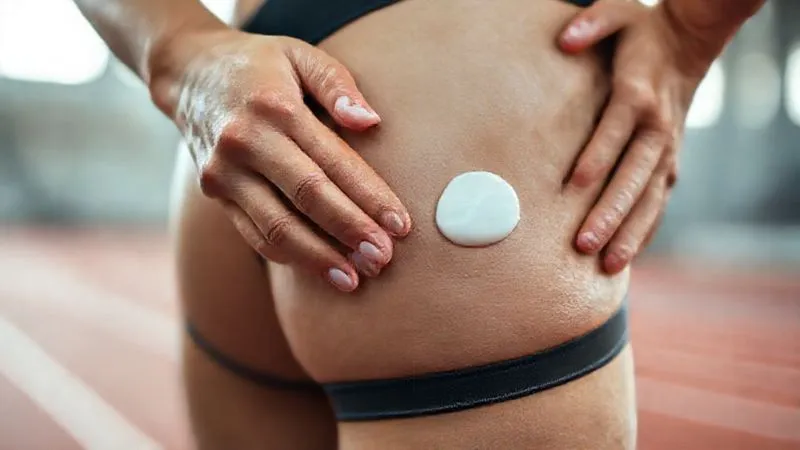
- Anti-Chafing Balms & Creams: These create a smooth, invisible barrier on the skin, reducing friction. They are typically sweat-resistant and long-lasting. Apply them liberally to known problem areas before your workout.
- Powders: Talc-free powders can absorb excess moisture, keeping skin dry and reducing friction. While effective for lighter activities, they might not hold up during very heavy sweating.
- Body Glide & Sticks: These are solid, wax-like products that glide onto the skin, forming a protective, non-greasy layer. They are incredibly popular among runners and cyclists for their ease of application and effectiveness.
Case Study: Sarah's Marathon Triumph
Sarah, a client of mine and a dedicated marathon runner, came to me frustrated. Every long run for her daily professional training ended with painful inner thigh chafing, despite trying various shorts. We analyzed her gear, switching her from a popular mid-thigh short with a slight inseam to a longer compression tight made of a seamless nylon-spandex blend. Additionally, I recommended she apply a generous layer of an anti-chafing balm before each run. The results were transformative. Her next marathon training cycle was chafe-free, allowing her to focus entirely on her pace and endurance, ultimately leading to a personal best. This case underscores the power of combining the right apparel with targeted preventative products.
Laundry Day Wisdom: Maintaining Your Chafe-Proof Gear
The longevity and performance of your anti-chafing activewear depend significantly on how you care for it. Incorrect washing can degrade technical fabrics, compromise their moisture-wicking properties, and even lead to premature wear that creates new friction points.
Gentle Wash Cycles
Always wash your activewear on a cold, gentle cycle. Hot water can break down the elastic fibers (spandex/Lycra) that give your garments their stretch and supportive fit. Use a mild detergent and consider using a mesh laundry bag for delicate items like sports bras or seamless pieces.
Avoid Fabric Softeners
This is a crucial tip I share with everyone: never use fabric softener on activewear. Fabric softeners leave a residue that clogs the pores of technical fabrics, inhibiting their ability to wick away moisture. This can turn your high-performance gear into a sweat-soaked cotton impostor, making you vulnerable to chafing.
Air Dry Whenever Possible
The heat from a dryer is another enemy of elastic fibers. Tumble drying can weaken and damage the stretch components, leading to a looser, less supportive fit over time. Air drying, either by laying flat or hanging, is always the best option. It preserves the integrity of the fabric and extends the life of your garments.
- Turn Inside Out: Protects outer fabric and prints.
- Cold Water, Gentle Cycle: Preserves fabric integrity.
- Use Mild Detergent: Avoid harsh chemicals.
- NO Fabric Softener: Essential for wicking performance.
- Air Dry: Extend garment life and maintain fit.
Strategic Underpinnings: The Role of Base Layers
For certain activities or individuals with highly sensitive skin, an additional base layer can provide an invaluable barrier against chafing. This is particularly true for sports involving repetitive movements or where outer layers might shift.
A good base layer acts as a second skin, providing a smooth, consistent surface that minimizes friction. It also adds an extra layer of moisture management, drawing sweat away from your body before it can accumulate and contribute to chafing.
- Enhanced Protection: Creates a smooth barrier between your skin and outer garments, especially useful under uniforms or non-technical outerwear.
- Superior Moisture Management: Many base layers are designed with advanced wicking properties, pulling sweat away from the body more efficiently than some standalone garments.
- Temperature Regulation: Depending on the material (e.g., merino wool or specialized synthetics), base layers can help keep you warm in cold conditions or cool in hot ones.
When choosing a base layer, apply the same principles as your outer activewear: look for seamless construction, flatlock seams, and high-performance synthetic or merino wool fabrics. Ensure it fits snugly but comfortably, without any bunching or tightness.
Beyond the Garment: Hydration, Nutrition, and Skin Health
While gear plays a significant role, I've learned that a holistic approach to your body's health can also impact your susceptibility to chafing. Your skin is your largest organ, and its condition directly affects its resilience.
Hydration's Impact
Adequate hydration is crucial for overall skin health. Dehydrated skin can be drier, less elastic, and more prone to irritation and damage. Ensuring you're well-hydrated throughout the day and especially during intense daily professional training helps maintain skin's suppleness and protective barrier. Research consistently highlights the link between hydration and skin barrier function.
Skin Barrier Health
A healthy skin barrier is your body's natural defense. Using gentle, pH-balanced soaps and moisturizers can help maintain this barrier. Avoid harsh chemicals or excessive scrubbing, which can strip natural oils and leave your skin more vulnerable. Post-workout showers should be quick and lukewarm, followed by a light, non-comedogenic moisturizer.
Post-Workout Care
After a strenuous session, showering promptly to remove sweat and salt is vital. If chafing has occurred, gently clean the area and apply a soothing, antiseptic cream or balm to aid healing and prevent infection. Allowing the skin to breathe and recover is just as important as prevention.
When Chafing Persists: Advanced Troubleshooting & Expert Advice
Despite all best efforts, there might be rare instances where chafing continues to be an issue. In my experience, this often points to a nuanced problem that requires deeper investigation.
Re-evaluate Your Gear
Go back to basics. Are you absolutely certain about the fabric and fit? Sometimes, a seemingly perfect garment might have a subtle design flaw or a specific seam placement that irritates *your* unique body mechanics. Consider experimenting with different brands or even specific models within a brand. As Seth Godin often says, "The market chooses you." Sometimes, your body will simply prefer one brand's cut over another.
Consult a Specialist
If persistent chafing leads to open sores, infection, or chronic discomfort, it's time to consult a medical professional. A dermatologist can offer expert advice on skin care, prescribe stronger barrier creams, or identify underlying skin conditions that might be contributing to the problem. In some cases, a sports physiotherapist might even be able to identify biomechanical factors that are causing unusual friction points during your movements.
Here's a troubleshooting checklist I often provide:
| Problem Area | Troubleshooting Steps |
|---|---|
| Inner Thighs | Try longer compression shorts/tights, apply balm liberally, ensure seamless construction. |
| Underarms | Check sleeve fit (not too tight/loose), use roll-on anti-chafing stick, consider seamless tops. |
| Nipples | Use nipple covers/tape, specialized balms, avoid abrasive fabrics. |
| Bra Line/Rib Cage | Ensure proper sports bra fit (not too tight), look for wide, soft bands, flatlock seams. |
| Lower Back/Waistband | Check waistband elasticity, ensure it doesn't ride up/down, consider seamless waistbands. |
| General/Persistent | Review all fabric choices, ensure proper garment care, assess hydration/skin health, consult medical professional if severe. |
The solution to persistent chafing often lies in a combination of meticulous attention to detail in your gear choices and a proactive approach to skin health. Don't dismiss persistent irritation; it's your body telling you something needs to change.
Frequently Asked Questions (FAQ)
What's the absolute best fabric to stop workout clothes chafing for daily professional training? While 'best' can be subjective, high-performance synthetic blends (polyester/nylon with spandex) featuring moisture-wicking and quick-drying properties, ideally with seamless or flatlock seam construction, are consistently the top choice. Merino wool is an excellent natural alternative for specific conditions.
Can compression garments actually cause chafing if they're too tight? Yes, absolutely. While properly fitted compression is excellent for preventing chafing, garments that are too tight can create excessive pressure points, restrict movement, and force seams uncomfortably against the skin, leading to irritation and chafing. Always ensure a snug, supportive fit that doesn't feel constrictive.
How often should I replace my anti-chafing workout clothes? The lifespan of your activewear depends on usage intensity and care. If you notice fabric pilling, stretching out, losing elasticity, or seams becoming rougher, it's likely time for replacement. Generally, high-use items might last 1-2 years before their anti-chafing properties diminish.
Are there any natural remedies for chafing I can use during professional training? While I advocate for purpose-designed anti-chafing products for reliability, some natural alternatives like cornstarch (for moisture absorption, but reapply often) or petroleum jelly (as a barrier, though can stain clothes) are sometimes used. However, for serious, daily professional training, specialized balms and sticks are generally more effective and durable.
Does body hair play a role in chafing? In some cases, yes. Coarse body hair can increase friction against certain fabrics or against skin-on-skin contact. While not a universal solution, some individuals find that trimming or managing body hair in high-chafing areas can reduce irritation, especially around the inner thighs or chest.
Key Takeaways and Final Thoughts
Conquering chafing isn't a single fix; it's a strategic blend of informed choices and consistent practices. As an industry veteran, I’ve seen the profound impact that simply addressing this issue can have on an athlete's confidence and performance.
- Prioritize Fabric: Always choose moisture-wicking, quick-drying synthetics or fine merino wool. Say NO to cotton.
- Master the Fit: Opt for a snug, supportive fit with seamless or flatlock seam construction.
- Pre-Emptive Protection: Utilize anti-chafing balms, sticks, or creams in problem areas.
- Smart Laundry: Wash cold, avoid fabric softeners, and air dry to preserve garment integrity.
- Holistic Health: Maintain good hydration and skin barrier health.
Remember, your daily professional training demands your full focus and effort. Don't let something as preventable as chafing detract from your potential. By implementing these expert strategies, you're not just preventing discomfort; you're investing in your performance, your well-being, and your unwavering commitment to your athletic goals. Go forth, train hard, and stay chafe-free!
Recommended Reading
- 5 Executive Frame Secrets: Elevate Your Presence with Prescription Glasses
- 5 Pillars: Choosing Sustainable Luxury Belts for High-End Client Styling
- Beyond Sponsored Posts: 7 Proven Streams for Fashion Blog Income?
- Safeguarding Biometrics: 7 Pillars for Secure Personalized Fashion
- 7 Expert Checks: Quickly Spot Advanced Replica Luxury Handbags


Your email address will not be published. Required fields are marked *