

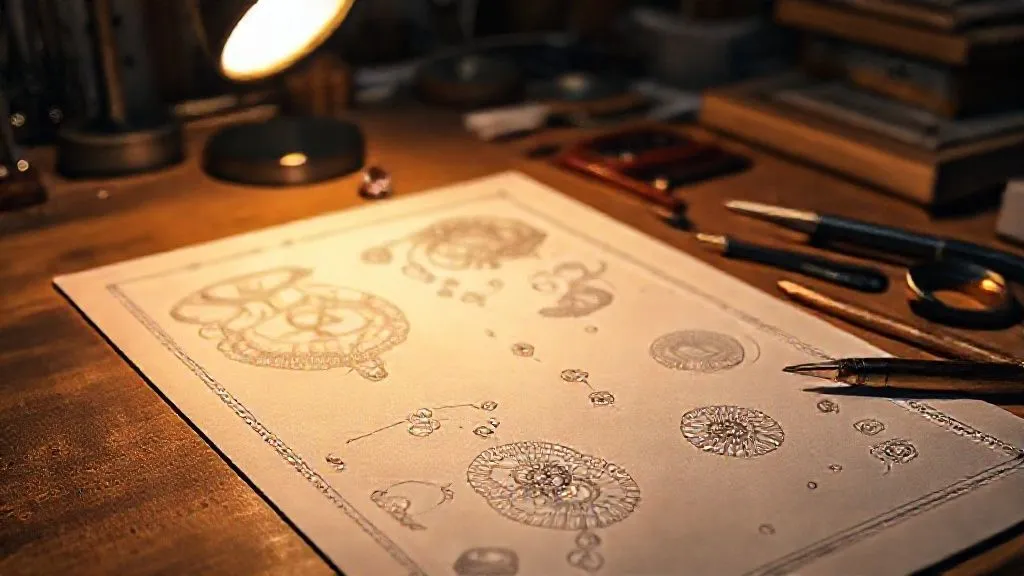
How to ensure new jewelry designs are cost-effective to produce?
For over two decades in the intricate world of jewelry design and manufacturing, I've witnessed firsthand the exhilarating birth of a dazzling concept and, sadly, its agonizing demise. The culprit isn't usually a lack of creativity or market appeal, but a fundamental oversight: the failure to integrate cost-effectiveness into the design process from day one. I've seen countless designers pour their hearts and souls into breathtaking pieces, only to find them unproducible at a viable price point, leading to lost investments, wasted resources, and shattered dreams.
The pain point is universal: how do you balance artistic vision with the cold, hard realities of production costs? Many believe that exquisite design inherently means exorbitant expense, or that reducing costs inevitably compromises quality or aesthetics. This misconception can stifle innovation and prevent truly remarkable pieces from ever reaching the market, leaving designers and brands struggling with slim margins or even significant losses.
But what if I told you there's a proven path to creating stunning, desirable jewelry that is also inherently profitable? In this definitive guide, I'll share the actionable frameworks, real-world strategies, and expert insights I've cultivated over my career to help you master the art of designing for cost-effectiveness. You'll learn not just what to do, but precisely how to integrate these principles into every stage of your design process, ensuring your next collection is both brilliant and brilliantly profitable.
1. Embrace Design for Manufacturability (DFM) Early On
In my experience, the single most impactful strategy for cost reduction begins at the drawing board. Design for Manufacturability (DFM) isn't a post-design audit; it's a mindset that prioritizes ease and efficiency of production right from the initial sketch. It's about designing a piece so that it can be produced using standard processes, minimal specialized tooling, and efficient labor.
The DFM Mindset: Beyond Aesthetics
DFM in jewelry means considering the practicalities of every curve, every setting, and every component. Will this intricate filigree be excessively fragile during casting? Can this clasp be assembled without requiring hours of highly specialized hand labor? Will this gem setting hold securely without excessive material usage?
- Collaborate with Manufacturers Early: Don't wait until your design is 'final' to consult with your production partners. Their insights into material behavior, tooling limitations, and process efficiencies are invaluable. A quick conversation can save weeks of rework and thousands in tooling costs.
- Simplify Geometric Complexity: While unique shapes are desirable, overly complex geometries can lead to higher mold costs, increased material waste during casting or stamping, and more difficult finishing processes. Look for opportunities to simplify internal structures or hidden elements without compromising the external aesthetic.
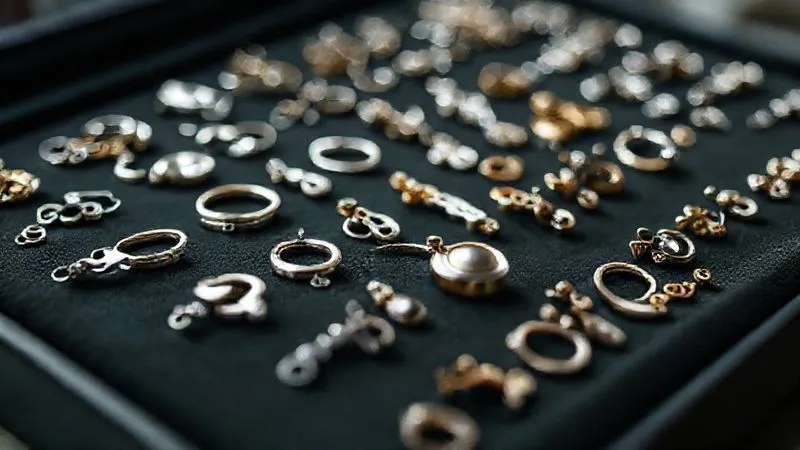
- Standardize Components: Whenever possible, use standard findings (clasps, jump rings, bails, ear wires) and common stone sizes. Custom components drive up costs significantly due to tooling and minimum order quantities.
- Consider Assembly Methods: Design components that can be easily assembled, ideally with minimal soldering points or complex interlocking mechanisms. Each additional assembly step or specialized skill required adds to labor costs.
“The most elegant solutions often hide their complexity, not in their form, but in the efficiency of their creation. DFM is where true design mastery meets market viability.”
By embedding DFM principles, you're not just designing a piece of jewelry; you're designing a profitable product. This proactive approach prevents costly redesigns and ensures a smoother, more efficient path to market. According to a study by Harvard Business Review, companies that effectively implement DFM can reduce product development costs by 15-30%.
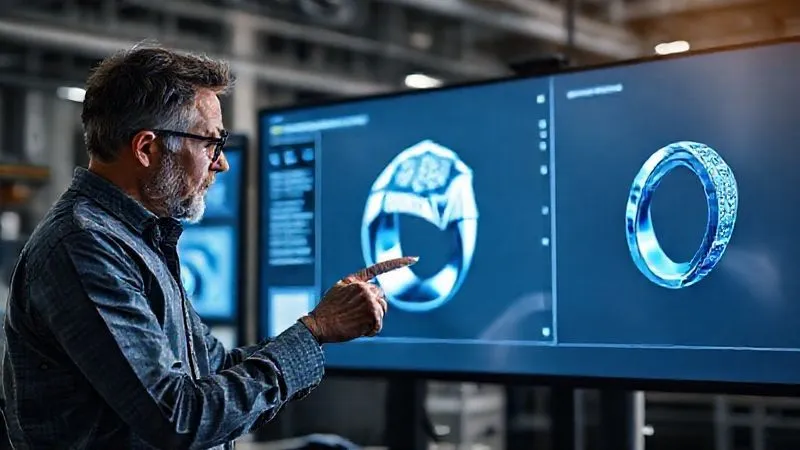
2. Strategic Material Sourcing & Selection
The materials you choose are, naturally, a dominant factor in your jewelry's cost. However, strategic sourcing goes far beyond simply picking the cheapest option; it involves a nuanced understanding of quality, availability, market fluctuations, and ethical considerations.
Balancing Quality, Cost, and Sustainability
In my career, I've seen designers fixate solely on precious metals, overlooking the vast potential of alternative materials or innovative alloys. While gold and platinum have their place, a diversified material strategy can unlock new price points and market segments.
- Precious Metals: Understand the current market prices for gold, silver, platinum, and palladium. Consider using lower karats (e.g., 14K instead of 18K) or exploring plating options for certain components.
- Alternative Metals: Stainless steel, titanium, brass, and bronze can offer durability and unique aesthetics at a fraction of the cost. These are excellent for fashion-forward pieces or specific design challenges.
- Gemstones & Alternatives: Beyond diamonds, sapphires, and rubies, explore semi-precious stones, lab-grown gems, or even high-quality synthetic alternatives. The perceived value can often be maintained through exceptional design and craftsmanship.
- Responsible Sourcing: While often perceived as a cost driver, transparent and ethical sourcing can enhance brand value and appeal to a conscious consumer base. Many suppliers offer certified recycled metals or ethically mined stones at competitive prices. For more on this, refer to guidelines from organizations like the Responsible Jewellery Council.
Developing strong relationships with a diverse set of material suppliers is paramount. Bulk purchasing, negotiating favorable terms, and staying informed about market trends are all critical components of strategic sourcing.
| Material Type | Typical Cost Factor | Key Benefit | Consideration for Cost-Effectiveness |
|---|---|---|---|
| 18K Gold | High | Prestige, Value Retention | Use for focal points, reduce overall weight |
| 14K Gold | Medium-High | Durability, Balance of Value & Cost | Excellent for everyday wear, broader market appeal |
| Sterling Silver | Low-Medium | Versatility, Affordability | Ideal for fashion jewelry, larger pieces, intricate details |
| Stainless Steel | Low | Hypoallergenic, Durability, Modern Look | Great for contemporary designs, male jewelry, base for plating |
3. Leveraging CAD/CAM and Advanced Prototyping
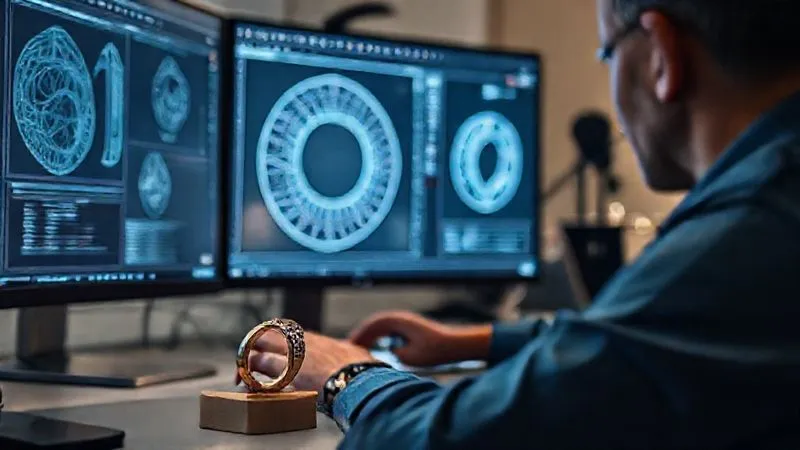
The advent of Computer-Aided Design (CAD) and Computer-Aided Manufacturing (CAM) has revolutionized the jewelry industry, transforming how designers approach cost-effectiveness. These technologies are not just tools for visualization; they are powerful engines for optimization and precision.
Precision, Iteration, and Cost Savings
In the old days, every design iteration meant a new hand-carved wax model, a time-consuming and expensive process. Today, CAD software allows for rapid, precise modifications with minimal cost. This iterative freedom is where significant savings are found.
- Accuracy and Error Reduction: CAD designs are inherently precise, minimizing errors that lead to costly rework or material waste during production. You can calculate exact material weights and dimensions, optimizing usage.
- Virtual Prototyping: Before physical production, CAD allows for realistic renderings and virtual try-ons, helping to identify aesthetic or structural issues early. This significantly reduces the need for multiple physical prototypes.
- Rapid Prototyping (3D Printing): Once a CAD model is finalized, 3D printing (SLA, DLP, wax printing) allows for quick, relatively inexpensive physical prototypes. These prototypes can be used for fit tests, client approvals, and even direct casting, bypassing traditional wax carving.
- Tool Path Optimization for CAM: For designs involving CNC milling or laser cutting, CAM software can optimize tool paths, reducing machine time and material waste, especially crucial for repetitive components.
Case Study: How 'GemmaLux' Streamlined Prototyping
GemmaLux, a boutique jewelry brand specializing in intricate engagement rings, struggled with high prototyping costs and long lead times. Each new design required 3-4 wax models, taking weeks and costing hundreds of dollars per model. By investing in an in-house SLA 3D printer and upskilling their design team in advanced CAD, they transformed their process. They now generate multiple design iterations virtually, print a single final prototype in under 24 hours, and send it directly for casting. This reduced their prototyping costs by 60% and cut their time-to-market for new designs by 50%, allowing them to launch more collections per year.
4. Optimizing Production Techniques and Vendor Relationships
The choice of production technique profoundly impacts cost, quality, and scalability. An expert designer understands that not all techniques are suited for every design or every budget. Furthermore, your relationships with manufacturers are not merely transactional; they are strategic partnerships.
From Casting to Finishing: Efficiency is Key
Each manufacturing method has its sweet spot in terms of cost-effectiveness:
- Casting (Lost-Wax): Excellent for intricate, three-dimensional designs. Costs are influenced by mold complexity, material weight, and the number of pieces cast per flask. Optimizing sprue placement and gating can reduce material waste and finishing time.
- Stamping: Ideal for flat, repetitive components, sheet metal designs, or mass production. Initial tooling costs for dies can be high, but per-unit costs are extremely low for high volumes.
- Laser Cutting/Engraving: Highly precise for intricate patterns on flat surfaces. Excellent for customization and small-batch production without expensive tooling.
- CNC Machining: Best for precise, complex components that require tight tolerances, often used for setting components or unique structural elements.
- Hand Fabrication: While often associated with higher costs, for very limited runs, bespoke pieces, or designs that are genuinely unsuited to other methods, hand fabrication can be the most cost-effective if labor is managed efficiently.
Beyond the technical methods, the strength of your vendor relationships cannot be overstated. I've seen brands thrive because of loyal, transparent relationships built over years. A good manufacturer isn't just a service provider; they are an extension of your team.
- Open Communication: Share your vision, budget constraints, and expectations clearly. Be open to their suggestions for design modifications that could reduce costs without compromising integrity.
- Negotiate Smartly: Don't just haggle over price. Discuss payment terms, lead times, minimum order quantities (MOQs), and quality control processes. A lower price might come with hidden costs if quality is compromised.
- Diversify if Necessary: While loyalty is good, having a backup or specialized vendors for different components can mitigate risks and ensure competitive pricing.
- Regular Performance Reviews: Periodically review your manufacturer's performance on quality, delivery, and cost. Provide constructive feedback and celebrate successes.
Establishing a robust supply chain and fostering strong vendor partnerships is detailed in many business resources, including articles from Forbes on supply chain best practices.
5. Value Engineering: Stripping Back Without Losing Sparkle
Value engineering is a systematic, creative approach to optimizing the value of a product by analyzing its functions. In jewelry design, it means finding ways to achieve the desired aesthetic and functionality at the lowest possible cost, without sacrificing perceived value or quality. It's not about making a cheaper product; it's about making a product more efficiently valuable.
Identifying Non-Essential Costs
This process often requires a critical look at every element of a design and asking: Is this absolutely necessary? Does it add proportional value? Can it be achieved differently?
- Material Reduction: Can the shank be slightly thinner without compromising durability? Can a hollow construction be used for larger pieces to reduce metal weight? Can a smaller center stone be paired with a halo to create the illusion of a larger gem?
- Process Simplification: Are there too many steps in the finishing process? Can a specific texture be achieved through casting instead of hand-engraving?
- Component Consolidation: Can two separate components be designed as a single, integrated part? This reduces assembly time and potential failure points.
- Alternative Stone Settings: While pave is beautiful, it's labor-intensive. Consider bezel, prong, or channel settings for efficiency, or design a pave-like effect with fewer, larger stones.
“True value in jewelry isn't just about the sum of its parts; it's about the emotional resonance and the perceived luxury achieved through intelligent design and production.”
Value engineering demands a keen eye for detail and a willingness to challenge assumptions. It's often best done collaboratively with your manufacturing team, as they can offer practical insights into cost-saving modifications. The goal is always to maintain or enhance the customer's perceived value while reducing your internal costs.
6. Standardization and Modularity in Design
The concept of standardization and modularity, often seen in industrial design, is incredibly powerful for cost-effective jewelry production. It involves designing pieces with interchangeable or common components, allowing for greater efficiency and flexibility.
Building Blocks for Cost-Efficiency
Think of it like a LEGO set for jewelry. By designing a core set of components that can be mixed and matched, you unlock significant savings:
- Reduced Tooling Costs: If you design a standard bezel setting that can be used across multiple ring styles or pendant designs, you only pay for the tooling once.
- Simplified Inventory Management: Stocking fewer unique components means less capital tied up in inventory and reduced storage costs.
- Faster Assembly: Workers become highly proficient at assembling standardized components, leading to faster production times and fewer errors.
- Scalability: Modular designs are inherently easier to scale up. You can produce large quantities of common components and then customize them for different collections.
- Customization Opportunities: Paradoxically, modularity can enhance customization. Offer clients a choice of standard components (e.g., different stone cuts for a standard setting, different chain lengths for a standard pendant).
Examples include designing a signature clasp that can be used on various necklaces and bracelets, or a series of pendant frames that can house different gemstone shapes. This approach not only reduces costs but also strengthens brand identity through consistent design elements. The benefits of standardization are well-documented across various industries, including in academic studies on manufacturing efficiency and ISO standards.
7. Rigorous Cost Analysis and Lifecycle Management
Cost-effectiveness isn't a one-time calculation; it's an ongoing process. A truly experienced industry specialist understands that the 'cost' of a jewelry piece extends far beyond its initial manufacturing expense. It encompasses the entire product lifecycle, from concept to customer's hand and beyond.
Beyond Initial Production Costs
To truly ensure cost-effective designs, you must adopt a holistic view:
- Total Cost of Ownership (TCO): This includes design, prototyping, tooling, material, labor, packaging, quality control, shipping, marketing, sales commissions, returns, and even potential repair costs. Often, a slightly higher material cost upfront can lead to significantly lower costs in later stages (e.g., fewer defects, stronger customer satisfaction).
- Breakeven Analysis: For every new design, conduct a thorough breakeven analysis. How many pieces do you need to sell at a given price point to cover all your costs and start generating profit? This informs pricing strategies and production quantities.
- Post-Launch Performance Review: Once a design is launched, track its actual costs versus projections. Gather data on production efficiency, defect rates, customer returns, and marketing effectiveness. Use this feedback loop to refine future designs and processes.
- Inventory Management: Overproduction of a design, no matter how cost-effectively made, will tie up capital and incur storage costs. Accurate demand forecasting is critical.
I've seen many promising designs fail not because of production cost, but because of poor cost analysis that overlooked marketing spend, return rates, or excessive inventory. A detailed cost breakdown, updated regularly, is your financial compass.
| Cost Category | Estimated % of Total Cost | Impact on Cost-Effectiveness |
|---|---|---|
| Design & Prototyping | 5-10% | Early investment reduces later rework |
| Raw Materials | 30-50% | Strategic sourcing is key |
| Labor & Manufacturing | 20-30% | DFM, efficient techniques critical |
| Finishing & QC | 5-10% | Prevents costly returns, rework |
| Packaging & Logistics | 3-7% | Bulk purchasing, optimized shipping |
| Marketing & Sales | 10-20% | Targeted efforts reduce wasted spend |

Frequently Asked Questions (FAQ)
Can ethical sourcing always be cost-effective in jewelry design? While ethical sourcing might sometimes involve a slightly higher initial material cost, it often leads to significant long-term benefits. These include enhanced brand reputation, access to new markets of conscious consumers, and reduced risks associated with supply chain disruptions or negative publicity. Many certified suppliers offer competitive pricing for responsibly sourced materials, and the added brand value can justify the investment, ultimately proving more cost-effective through increased sales and loyalty.
How do I choose between in-house production and outsourcing for cost-effectiveness? This decision hinges on several factors: your current production volume, the complexity of your designs, available capital for equipment, and your team's expertise. In-house production offers greater control over quality and lead times but requires significant investment. Outsourcing can reduce overheads, offer specialized expertise, and provide scalability, but requires rigorous vendor management and quality control. For cost-effectiveness, analyze your breakeven points for both scenarios and consider a hybrid model where some processes are in-house and others are outsourced.
What's the role of trend forecasting in cost-effective jewelry design? Trend forecasting plays a crucial role by informing design decisions that align with future market demand. Designing pieces that are likely to be popular reduces the risk of creating unsellable inventory, which is a significant cost sink. By understanding upcoming material preferences, color palettes, and stylistic directions, designers can make strategic choices about materials and production volumes, minimizing waste and maximizing sales potential.
How can small independent designers compete on cost with larger brands? Small designers can compete by leveraging their agility, unique aesthetic, and direct connection with customers. Focus on niche markets, embrace lean production methods (like made-to-order or small-batch production to minimize inventory risk), and build a strong brand narrative around craftsmanship and authenticity. While large brands benefit from economies of scale, small designers can offer bespoke services, faster adaptation to trends, and a personal touch that justifies a premium, making their smaller-scale operations inherently cost-effective for their chosen market.
Is it always cheaper to use fewer materials in a jewelry design? Not necessarily. While reducing material weight often lowers direct material costs, it's crucial to consider the broader impact. Using fewer materials might lead to a design that's too fragile, increasing defect rates, shipping damage, or customer returns – all of which incur costs. Conversely, a design with slightly more material might be more robust, easier to produce, and require less finishing, leading to overall cost savings. Value engineering, as discussed, is about optimizing, not just minimizing.
Key Takeaways and Final Thoughts
Mastering cost-effective jewelry design is not about compromising your artistic vision; it's about refining it through a lens of pragmatic ingenuity. By integrating strategic thinking into every phase of your process, you can create pieces that are not only beautiful and desirable but also inherently profitable. Here are the critical takeaways:
- Start with DFM: Design for manufacturability from the very first sketch.
- Source Smartly: Understand material costs, alternatives, and ethical implications.
- Embrace Technology: Leverage CAD/CAM for precision, iteration, and efficiency.
- Optimize Production: Choose the right techniques and cultivate strong vendor relationships.
- Value Engineer: Strip back non-essential costs without sacrificing perceived value.
- Standardize & Modularize: Build efficiency through common, interchangeable components.
- Analyze Holistically: Look at the total cost of ownership across the entire product lifecycle.
The journey to becoming a truly successful jewelry designer involves more than just an eye for beauty; it demands a strategic mind for business. I've seen the transformative power of these principles firsthand, enabling designers to turn their passion into sustainable, thriving businesses. By applying these expert strategies, you're not just designing jewelry; you're crafting a legacy of both artistry and profitability. Go forth, create beautifully, and design for success!
Recommended Reading
- Runway to Reader: 7 Actionable Ways to Master Engaging Fashion Blog Posts
- Sustainable Kids' Fashion: 7 Ways to Balance Affordability & Ethics
- Unlock Your Style: The Ultimate Guide to Selecting Streetwear Accessories for Outfit Cohesion
- 7 Proven Strategies: How to Reduce User Drop-Off in AR Fashion Try-On?
- Unlock Your Best Silhouette: How to Style Pear Shape Body for Flattering Looks

Your email address will not be published. Required fields are marked *