

How to eliminate persistent foot odor from mens dress shoes instantly?
For over two decades in the luxury footwear industry, I've witnessed firsthand how a seemingly minor issue like foot odor can undermine a man's entire professional presence. I've seen impeccably dressed executives lose confidence, shy away from close interactions, and even avoid removing their shoes in comfortable settings, all because of that pervasive, embarrassing smell.
The problem of persistent foot odor in men's dress shoes isn't just a nuisance; it's a silent confidence killer. It stems from a combination of factors: the warm, moist environment inside shoes, the bacteria thriving on sweat, and often, the materials of the shoes themselves, particularly non-breathable synthetics or poorly maintained leather. This isn't about cleanliness; it's about bacterial ecosystems and moisture management, and it affects millions, often without them realizing the true root causes.
But here's the good news: you don't have to live with it. In this definitive guide, I'll share expert-level strategies, drawing from my extensive experience, to not only eliminate persistent foot odor from men's dress shoes instantly but also to prevent its return. We'll delve into immediate fixes, long-term prevention, and the crucial role of proper foot and shoe hygiene, equipping you with actionable frameworks and insights that will restore your comfort and confidence.
Understanding the Enemy: What Causes Persistent Foot Odor?
Before we can truly combat foot odor, we must understand its origins. It's not just 'smelly feet'; it's a complex interplay of biology and environment. The primary culprit is bacteria, specifically Brevibacterium, which thrives in warm, moist, dark conditions – precisely the environment inside your dress shoes. These bacteria feed on the sweat (perspiration) from your feet, breaking down amino acids into volatile organic compounds (VOCs) that produce that distinctive, unpleasant smell.
Your feet have more sweat glands per square inch than any other part of your body – around 250,000 in total. While sweat itself is odorless, it creates the perfect breeding ground for these odor-causing bacteria. Factors like stress, certain foods, medications, and even hormonal changes can increase perspiration, exacerbating the problem. Moreover, the materials of your dress shoes play a critical role. Synthetic linings trap moisture, while natural leather, if not properly cared for, can absorb and hold onto these odor compounds, making the problem persistent.
Expert Insight: "Foot odor is a bacterial issue, not solely a hygiene issue. Even the cleanest feet can develop odor if the environment within the shoe promotes bacterial growth."
Immediate Action: Quick Fixes to Eliminate Odor Instantly
When you need to eliminate persistent foot odor from men's dress shoes instantly, you need powerful, rapid-acting solutions. These aren't long-term preventatives, but they are crucial for immediate relief and managing acute situations.
1. Deodorizing Sprays and Powders: Your First Line of Defense
These products are designed to neutralize odors and absorb moisture quickly. Look for formulations containing zinc ricinoleate, activated charcoal, or antimicrobial agents. Zinc ricinoleate chemically binds with odor molecules, effectively neutralizing them rather than just masking them. Activated charcoal is a powerful absorbent, drawing moisture and odor compounds deep into its porous structure.
- For Sprays: Remove insoles if possible. Spray generously inside the shoe, focusing on the toe box and heel. Allow to air dry for at least 15-20 minutes before wearing.
- For Powders: Sprinkle a liberal amount inside the shoe, ensuring it coats the entire interior. Let it sit for several hours, or overnight, then tap out any excess before wearing. Powders often contain baking soda or cornstarch for moisture absorption.
Some highly effective options combine both odor neutralization and antimicrobial properties, offering a dual approach to immediate relief. Always ensure the product is safe for your specific shoe material, especially delicate leathers or suedes.
2. Activated Charcoal Inserts and Pouches
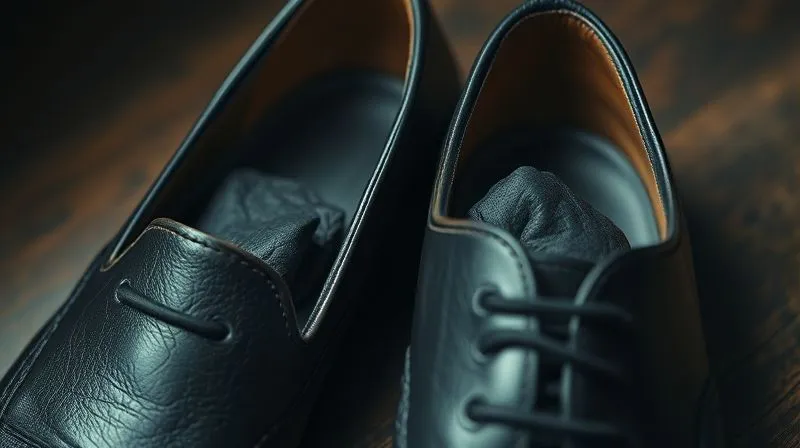
Beyond powders, dedicated activated charcoal inserts or small pouches can be slipped into your shoes when not in use. These work continuously to absorb moisture and odor, making them an excellent passive solution. They are particularly useful for shoes you wear frequently, as they help maintain freshness between wears.
Simply place them in your shoes overnight, and they'll draw out moisture and odors. Many are reusable and can be 'recharged' by placing them in direct sunlight for a few hours every month, which helps release absorbed moisture and odors.
3. Essential Oil Infusions (with Caution)
Certain essential oils possess natural antimicrobial and deodorizing properties. Tea tree oil, eucalyptus oil, and lavender oil are popular choices. However, direct application can stain shoes or irritate skin, so extreme caution is advised.
- Diluted Spray: Mix 5-10 drops of essential oil with a cup of water and a tablespoon of rubbing alcohol in a spray bottle. Lightly mist the inside of the shoes.
- Cotton Ball Method: Place a few drops of essential oil onto a cotton ball and tuck it into the toe of each shoe overnight. This provides a gentle, aromatic deodorizing effect without direct contact with the shoe lining.
Remember, essential oils primarily mask odors and offer some antimicrobial benefits; they don't absorb moisture as effectively as charcoal or powders. They are best used as an immediate freshener rather than a primary solution for severe odor.
Deep Cleaning and Disinfection: Getting to the Root of the Problem
Instant fixes are temporary. For persistent odor, you need to deep clean and disinfect your shoes to eliminate the bacterial colonies themselves.
1. The Rubbing Alcohol & Water Disinfection Method
Rubbing alcohol (isopropyl alcohol) is a powerful disinfectant that kills odor-causing bacteria. It also evaporates quickly, minimizing moisture introduction.
- Preparation: Mix equal parts rubbing alcohol and water in a spray bottle.
- Application: Lightly mist the inside of your shoes, paying close attention to the footbed and lining. Do not saturate, especially if your shoes have delicate leather or suede interiors.
- Drying: Allow shoes to air dry completely, ideally in a well-ventilated area, away from direct heat or sunlight, which can damage leather.
This method is highly effective for synthetic linings and some leathers. Always patch test on an inconspicuous area first to ensure no discoloration or damage occurs.
2. Baking Soda Power: A Natural Deodorizer and Moisture Absorber
Baking soda (sodium bicarbonate) is a household staple known for its ability to neutralize odors and absorb moisture. It's safe, affordable, and highly effective for shoes.
- Application: Generously sprinkle baking soda inside each shoe. Ensure it reaches all areas, including the toe box.
- Wait Time: Let the baking soda sit overnight, or for at least 8-12 hours. For very stubborn odors, leave it for 24-48 hours.
- Removal: Shake out the baking soda thoroughly. Use a vacuum cleaner with a narrow attachment to remove any residual powder.
I've personally recommended this to countless clients over the years. It’s a simple yet incredibly effective treatment, particularly when done regularly. According to a study published by the American Chemical Society, baking soda's alkaline nature helps neutralize acidic odor molecules, making it a powerful natural deodorizer.
Case Study: How Mr. Harrison Conquered His Persistent Shoe Odor
Mr. Harrison, a corporate lawyer, was a loyal customer who frequently purchased high-end leather dress shoes. Despite his investment, he struggled with persistent foot odor, which was impacting his confidence during client meetings. He tried various sprays, but the problem always returned. I advised him on a comprehensive approach:
- Immediate Fix: Used activated charcoal pouches daily in his rotation of shoes.
- Deep Clean: Weekly baking soda treatment for each pair.
- Long-Term Prevention: Switched to moisture-wicking merino wool dress socks, invested in cedar shoe trees, and adopted a two-day shoe rotation.
Within a month, Mr. Harrison reported a complete elimination of odor. His confidence soared, and he no longer worried about removing his shoes. This resulted in a renewed sense of professionalism and personal comfort, proving that a multi-faceted approach is key.
Proactive Prevention: Long-Term Strategies for Odor-Free Feet & Shoes
True success in eliminating persistent foot odor from men's dress shoes instantly and permanently lies in prevention. This involves a holistic approach to foot care, shoe care, and smart wardrobe choices.
1. Optimize Your Foot Hygiene Routine
Your feet are the starting point. Meticulous hygiene can significantly reduce the bacterial load.
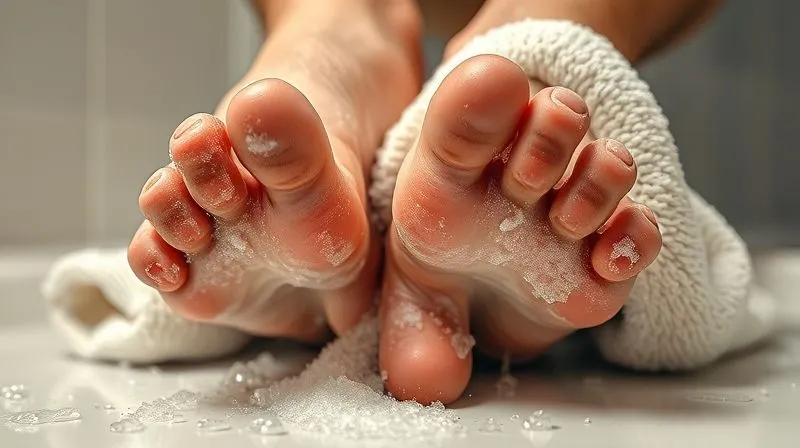
- Daily Washing: Wash your feet daily with antibacterial soap. Pay special attention to between your toes, where bacteria love to hide.
- Thorough Drying: Crucial step! Ensure your feet are completely dry, especially between the toes, before putting on socks and shoes. Moisture is bacteria's best friend.
- Antiperspirants/Deodorants for Feet: Yes, they exist! Specialized foot antiperspirants can reduce sweat production, while foot deodorants mask odor. Apply before putting on socks.
- Exfoliation: Regularly remove dead skin cells from your feet. These cells are a food source for bacteria. A pumice stone or foot scrub can help.
2. The Power of Proper Sock Selection
This is often overlooked but profoundly important for men's dress shoes.
- Material Matters: Opt for socks made from natural, moisture-wicking materials like merino wool or bamboo. These materials draw sweat away from your skin, keeping your feet drier. Cotton, while comfortable, absorbs and holds moisture, making it a poor choice for odor prevention in dress shoes.
- Fresh Pair Daily: Always wear a fresh pair of socks every day. Change them more frequently if you sweat excessively or after exercise.
- Seamless Design: Socks with seamless toes can reduce friction, which in turn can reduce blistering and irritation, further aiding foot health.
3. Strategic Shoe Care and Rotation
Your shoes need a break to air out and dry completely. This is non-negotiable for preventing odor.
- Shoe Rotation: Never wear the same pair of dress shoes two days in a row. Give your shoes at least 24-48 hours to air out and completely dry. This allows internal moisture to evaporate, starving odor-causing bacteria.
- Cedar Shoe Trees: These are not just for maintaining shoe shape. Cedar wood is naturally porous, absorbing moisture and imparting a pleasant, fresh scent. Insert them immediately after removing your shoes.
- Proper Storage: Store shoes in a well-ventilated area, not in a dark, closed closet without air circulation. Avoid plastic bags or airtight containers.
- Insole Management: Many dress shoes have removable insoles. Consider replacing them with anti-odor, moisture-wicking insoles. Some insoles are washable, allowing for regular cleaning.
4. Advanced Solutions: UV Sanitizers and Ozone Deodorizers
For those with persistent, severe odor issues, or for high-value shoes, advanced devices can offer a powerful solution.
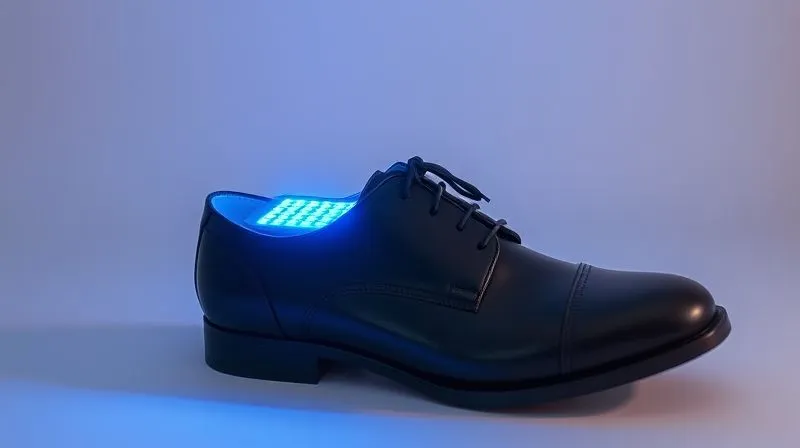
- UV Shoe Sanitizers: These devices use UV-C light to kill bacteria and fungi inside shoes. They are highly effective at sterilizing the shoe's interior, addressing the root cause of odor. Many models also incorporate a gentle heat to aid drying.
- Ozone Deodorizers: Ozone (O3) is a powerful oxidizer that can neutralize a wide range of odors and kill microorganisms. Ozone shoe deodorizers are typically small devices that you place inside your shoes. They generate ozone, which permeates the shoe material.
While these are an investment, they offer a professional-grade solution for maintaining hygienic and odor-free footwear, especially for individuals prone to excessive sweating or fungal issues. According to studies on UV-C germicidal irradiation, it can achieve a significant reduction in bacterial and viral loads on surfaces.
When to Seek Professional or Medical Advice
Most cases of foot odor can be managed with the strategies outlined above. However, if the odor persists despite diligent efforts, or if you experience other symptoms, it might be time to seek professional advice.
- Podiatrist: A podiatrist can assess your foot health, rule out underlying medical conditions like hyperhidrosis (excessive sweating) or fungal infections (like athlete's foot), and recommend prescription-strength treatments or specialized foot care routines.
- Dermatologist: For severe hyperhidrosis, a dermatologist might suggest treatments such as clinical-strength antiperspirants, iontophoresis, or even Botox injections to reduce sweat gland activity.
- Shoe Repair Specialist: For very old shoes where the odor has deeply permeated the materials, a professional shoe repair specialist might be able to offer deep cleaning, re-lining, or specialized deodorizing treatments that are safe for delicate leathers.
Don't hesitate to consult a medical professional if you suspect an underlying health issue. Your health and comfort are paramount.
Comparing Odor Elimination Methods: A Quick Reference
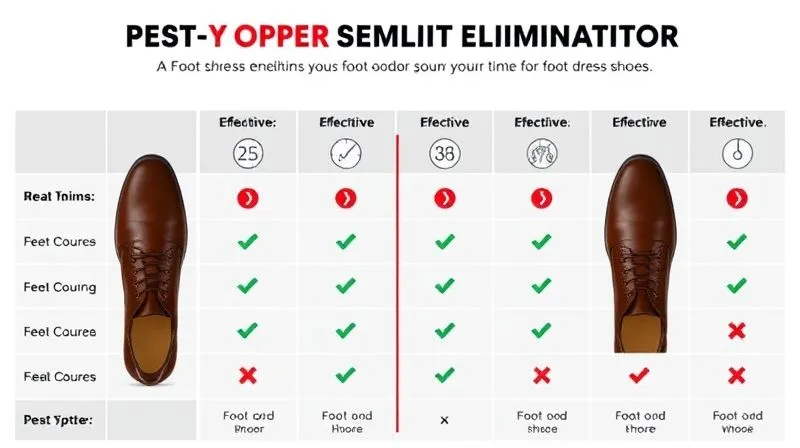
To help you choose the best approach, here's a quick comparison of common odor elimination methods:
| Method | Speed of Action | Mechanism | Best For | Effectiveness (1-5) |
|---|---|---|---|---|
| Deodorizing Sprays/Powders | Instant to Rapid | Neutralizes odor, absorbs moisture | Quick fixes, daily refresh | 3 |
| Activated Charcoal | Moderate (overnight) | Absorbs moisture & odor | Passive, continuous deodorization | 4 |
| Baking Soda | Moderate (overnight) | Neutralizes acid, absorbs moisture | Deep cleaning, natural option | 4 |
| Rubbing Alcohol | Rapid | Kills bacteria, evaporates fast | Disinfection, synthetic linings | 3 |
| UV/Ozone Sanitizers | Rapid to Moderate | Kills bacteria/fungi, oxidizes odor | Severe odor, high-value shoes | 5 |
Frequently Asked Questions (FAQ)
Q: Can foot odor be a sign of a medical condition? A: Yes, persistent or unusually strong foot odor (bromodosis) can sometimes indicate underlying medical conditions like hyperhidrosis (excessive sweating), fungal infections (athlete's foot), or even certain metabolic disorders. If home remedies aren't effective, or if you notice skin changes, it's wise to consult a podiatrist or dermatologist.
Q: Are natural remedies as effective as commercial products for eliminating shoe odor? A: For mild to moderate odor, natural remedies like baking soda, cedar shoe trees, and essential oils can be quite effective, especially as part of a consistent prevention routine. However, for severe or persistent odor, commercial antimicrobial sprays, powders, or advanced UV/ozone sanitizers often offer more potent and immediate results due to their targeted chemical formulations or germicidal properties.
Q: How often should I clean my dress shoes to prevent odor? A: It's not about 'cleaning' in the traditional sense every time, but rather daily maintenance. For odor prevention, you should rotate your shoes daily, use cedar shoe trees immediately after wearing, and apply activated charcoal inserts or baking soda overnight a few times a week, or whenever you notice a faint smell. A deep disinfectant clean with alcohol or specialized shoe cleaner can be done monthly or as needed.
Q: What's the best way to store shoes to prevent odor from returning? A: The key is ventilation and moisture control. Store your dress shoes in a well-ventilated closet or on a shoe rack, away from direct sunlight or heat. Always use cedar shoe trees after wearing. Avoid storing shoes in plastic bags or airtight containers, as this traps moisture and promotes bacterial growth. Proper air circulation is paramount.
Q: Do certain shoe materials worsen foot odor? A: Absolutely. Synthetic linings (like polyester or nylon) and non-breathable materials tend to trap moisture and heat, creating an ideal breeding ground for bacteria, thus worsening odor. Natural, breathable materials like full-grain leather (especially with a leather lining) and genuine suede allow for better air circulation and moisture evaporation, generally leading to less odor. However, even natural materials require proper care to prevent odor absorption.
Key Takeaways and Final Thoughts
Eliminating persistent foot odor from men's dress shoes instantly and permanently is not a singular action but a comprehensive strategy. It demands a commitment to understanding the root causes and implementing a multi-faceted approach. Here are the critical takeaways:
- Address the Immediate: Use quick-acting sprays, powders, or charcoal inserts for instant odor neutralization and moisture absorption.
- Deep Clean Regularly: Disinfect shoes with rubbing alcohol or baking soda to kill odor-causing bacteria at their source.
- Prioritize Foot Hygiene: Wash and thoroughly dry your feet daily, and consider foot antiperspirants.
- Choose Wisely: Opt for moisture-wicking socks (merino wool/bamboo) and breathable shoe materials.
- Implement Shoe Rotation: Never wear the same pair of shoes two days in a row; use cedar shoe trees consistently.
- Consider Advanced Solutions: UV sanitizers or ozone deodorizers offer professional-grade disinfection for stubborn cases.
Remember, your dress shoes are an investment in your professional image and personal comfort. By applying these expert strategies, you're not just eliminating an unpleasant smell; you're reclaiming your confidence and ensuring every step you take is with poise and assurance. Don't let foot odor hold you back – take control today!
Recommended Reading
- Best Affordable Streetwear Brands 2024: Your Ultimate Guide to Stylish Savings
- The Ultimate Guide: How to Choose Comfortable Fabrics for Kids Wear
- Unlock the Secret: How to Properly Clean & Maintain Smart Fabric Garments?
- 7 Proven Strategies: How to Market Inclusive Fashion Without Backlash
- 7 Expert Strategies: Slash Bespoke Gift Accessory Returns by 40%+



Your email address will not be published. Required fields are marked *