

Strategies to reduce returns on bespoke fashion gift accessories?
For over 15 years in the bespoke fashion accessories niche, I've seen countless artisans and brands struggle with a silent killer: returns on custom-made gift items. It’s a unique challenge – not only does it hit your bottom line hard, but it also chips away at your brand's reputation, especially when the item was meant to be a cherished, personalized gift. The emotional stakes are incredibly high, leading to more volatile customer dissatisfaction when things go wrong.
The problem isn't just about a faulty clasp or a mismatched color; it often stems from a deeper disconnect between expectation and reality, compounded by the subjectivity inherent in personalized gifts. Unlike off-the-shelf items, a bespoke accessory is an extension of someone's vision, a tangible piece of their thought and sentiment. When that vision isn't perfectly realized, or the recipient's taste differs from the giver's interpretation, the journey often ends in disappointment and, inevitably, a return.
But what if there was a way to significantly mitigate these risks, turning potential returns into raving reviews? In this definitive guide, I'll share a comprehensive framework, built on years of hands-on experience and industry insights, designed to drastically reduce returns on your bespoke fashion gift accessories. You'll gain actionable strategies, real-world case studies, and expert insights to not only protect your profit margins but also elevate your brand's standing as a purveyor of truly exceptional, perfectly tailored gifts.
1. Mastering the Consultation: Setting Crystal-Clear Expectations
The foundation of a successful bespoke order, and indeed, a strategy to reduce returns on bespoke fashion gift accessories, lies in the initial consultation. This isn't just a sales pitch; it's a deep dive into understanding the client's vision, the recipient's style, and the occasion. A misstep here can ripple through the entire process, ultimately leading to dissatisfaction.
My experience shows that many returns aren't due to poor craftsmanship, but rather a misalignment of expectations. The client thought they were getting one thing, and the artisan delivered another, however perfectly executed. This is particularly true for gifts where the giver might not fully grasp the recipient's nuanced preferences.
The Art of Active Listening and Visual Aids
Active listening is paramount. Ask open-ended questions that encourage the client to articulate their vision beyond simple adjectives. Don't just hear; truly understand. For gift accessories, inquire about the recipient's existing wardrobe, their daily style, their hobbies, and even their personality. Encourage clients to bring reference images, mood boards, or even existing accessories that the recipient loves.
- Deep Dive Questions: Go beyond 'what color?' Ask 'What feeling do you want this piece to evoke?', 'How will the recipient typically wear this?', 'What's their favorite piece of jewelry/accessory and why?'
- Visual References: Provide a curated portfolio of past work, material samples, color swatches, and different finishing options. Use high-quality photographs or 3D renderings to help visualize the final product.
- Concept Sketching: If possible, sketch out ideas during the consultation. This immediate visual feedback loop can clarify ambiguities and ensure you're both on the same page from the start.
- Document Everything: Every detail, every preference, every design decision must be meticulously documented. This serves as a critical reference point throughout the creation process and, crucially, as an objective record should any dispute arise.
According to a study published by the Harvard Business Review, clear communication is one of the most significant factors in customer satisfaction, especially for custom services. Investing time upfront in a thorough consultation is not a cost; it's an investment in preventing costly returns.

2. Precision in Design & Prototyping: Eliminating Guesswork
Once the vision is clear, the next critical step to reduce returns on bespoke fashion gift accessories is translating that vision into a tangible design with absolute precision. This phase is where potential flaws in understanding or execution can be caught and corrected long before the final product is made.
I’ve observed that many smaller bespoke operations skip prototyping or rely solely on verbal approvals, which is a significant risk. For bespoke items, especially gifts, the recipient's fit, comfort, and aesthetic preference are paramount, and these are difficult to gauge without a physical or highly realistic representation.
Leveraging Digital Mock-ups and Material Samples
Modern technology offers powerful tools. High-fidelity 3D renderings or CAD drawings allow clients to visualize the accessory from every angle, often with realistic material textures and lighting. This can be particularly effective for intricate pieces like custom jewelry or complex leather goods.
"The cost of fixing a mistake in the design phase is pennies compared to the dollars – or even hundreds of dollars – of re-work, material waste, and reputational damage incurred if that mistake makes it to the final product and results in a return." – Industry Veteran's Insight
For items where fit or feel is crucial, consider creating simple, inexpensive prototypes. For a custom bracelet, a wire or plastic mock-up can confirm size and drape. For a custom hat, a basic fabric version can confirm fit and brim shape. This tactile experience is invaluable, especially when the item is a gift and the giver needs to be confident in their choice.
Case Study: The Bespoke Bracelet Blunder
Acme Jewels, a boutique specializing in custom silver bracelets, faced a 25% return rate on their bespoke gift items, often due to 'incorrect size' or 'doesn't match recipient's style.' They were relying on client-provided wrist measurements and simple 2D sketches. By implementing a new two-step prototyping process – first, a detailed 3D render sent for digital approval, and second, a simple, adjustable plastic wrist sizer sent to the client to test against the recipient's wrist (discreetly, if a surprise) – they managed to reduce their returns to under 5% within six months. The upfront investment in these tools paid for itself many times over by eliminating material waste and enhancing customer trust.
3. The Power of Proofing: Client Sign-offs and Iterative Feedback
Once the design is finalized and any prototyping is complete, the process of obtaining formal client approval at various stages is a non-negotiable step to reduce returns on bespoke fashion gift accessories. This isn't just about covering yourself; it's about actively involving the client in the creation process, fostering a sense of ownership and shared responsibility.
In my professional journey, I’ve found that a clear, documented sign-off process acts as a powerful preventative measure against future disputes. It ensures that the client is fully aware of what they are approving at each stage, making it much harder for them to claim later that they 'didn't realize' or 'thought it would be different.'
Establishing Clear Milestones and Approval Stages
Break down the creation process into logical milestones, each requiring client approval. This could include:
- Design Concept Approval: Sign-off on sketches, 3D renders, or initial mock-ups.
- Material Selection Approval: Confirmation of specific metals, gemstones, leather types, colors, and finishes.
- Work-in-Progress (WIP) Photo Approval: For complex items, send photos or short videos of the item at key stages (e.g., after the main structure is formed, before final polishing or engraving).
- Final Pre-Shipping Approval: A final set of high-resolution photographs of the completed item before it is packed and shipped. This is your last chance for the client to confirm everything is as expected.
Each approval should be documented, ideally with a digital signature or a written confirmation email. This creates an audit trail that can be invaluable in resolving any post-delivery concerns. It also builds confidence, showing the client your commitment to transparency and quality.
| Milestone | Client Action | Approval Method | Impact on Returns |
|---|---|---|---|
| Design Concept | Review 3D render/sketch | Digital Signature/Email | Prevents fundamental aesthetic mismatches |
| Material Selection | Confirm samples/specs | Signed Form/Email | Eliminates material-related dissatisfaction |
| WIP Check (Mid-Production) | Review progress photos | Email Confirmation | Catches deviations early, ensures alignment |
| Final Pre-Shipment | Approve finished product photos | Digital Signature/Email | Verifies final product meets all agreed specs |
4. Uncompromising Quality Control: The Bespoke Standard
Even with the best communication and design approvals, a bespoke fashion gift accessory can still fall short if the craftsmanship isn't impeccable. For custom items, especially those given as gifts, the expectation of quality is significantly higher. A single loose stitch, a minor scratch, or an uneven finish can trigger a return, regardless of the perfect design.
From my vantage point in the industry, I've always advocated for a multi-layered approach to quality control. It's not just a final inspection; it's an integrated part of every step of the creation process. This is a crucial strategy to reduce returns on bespoke fashion gift accessories.
Multi-Stage Inspection Protocols
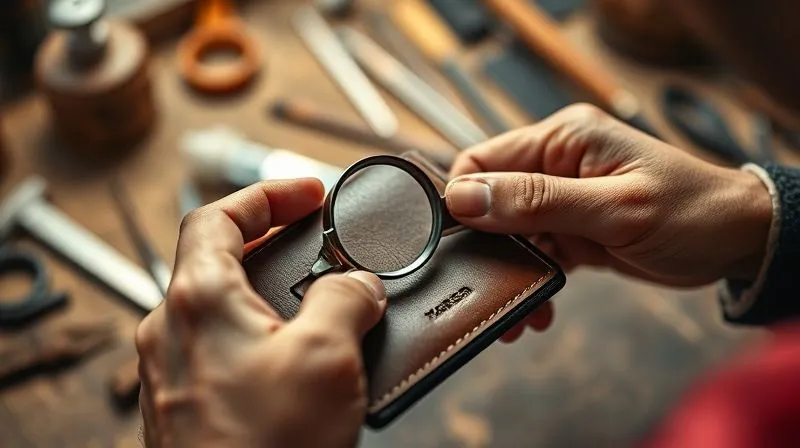
Implement a rigorous quality control (QC) checklist at various stages of production. Don't wait until the very end. Each artisan involved in a specific step should be responsible for checking their work before passing it on. This fosters a culture of accountability and reduces the likelihood of errors accumulating.
- Material In-take QC: Inspect raw materials upon arrival for any defects, inconsistencies, or damage.
- Mid-Production QC: After significant processes (e.g., cutting, shaping, initial assembly), check for adherence to design specifications, dimensions, and structural integrity.
- Finishing QC: Scrutinize all details – polishing, engraving, setting, stitching, and closures. Ensure all moving parts function smoothly and securely.
- Final Pre-Packaging QC: A comprehensive check by a dedicated QC specialist (or the lead artisan) against the original order specifications and client approvals. This is the last line of defense.
As marketing guru Seth Godin often says, "Anticipate the obvious problem, and solve it before it happens." This applies perfectly to QC. Proactive, thorough checks prevent issues from reaching the customer, thereby dramatically reducing the chances of a return.
5. Crafting an Ironclad Return Policy for Bespoke Items
Even with the most stringent preventative measures, some returns are inevitable. The key is to have a clear, fair, and legally sound return policy specifically tailored for bespoke items. A poorly defined policy can lead to endless disputes, frustrated customers, and reputational damage. This is a foundational strategy to reduce returns on bespoke fashion gift accessories, or at least manage them effectively.
From my legal and business consulting experience, I've seen many small businesses try to apply a standard retail return policy to custom goods, which simply doesn't work. Bespoke items are unique; they cannot be easily restocked or resold, making a full refund often financially devastating.
Differentiating Bespoke from Off-the-Shelf
Your policy must explicitly state that bespoke, custom-made, or personalized items are treated differently from standard inventory. Clearly define what constitutes a 'bespoke' item in your terms and conditions. Emphasize that these items are made specifically for the client's specifications and thus are generally non-returnable or subject to specific conditions.
- Clearly State Non-Returnable Conditions: For items customized with names, dates, specific colors, or unique designs, clearly state they are non-returnable unless there's a manufacturing defect or a significant deviation from the approved design.
- Defect vs. Dislike: Differentiate between a manufacturing defect (which should always be remedied) and a subjective dislike (e.g., 'the recipient didn't like the style'). Your policy should protect you from the latter.
- Partial Refunds/Store Credit: For certain bespoke items, consider offering store credit or a partial refund (e.g., excluding the customization fee) if a return is permitted under exceptional circumstances.
- Modification Services: Instead of a return, offer modification or alteration services for a fee. This is often a more palatable solution for clients and protects your initial investment in materials and labor.
- Communication is Key: Ensure your return policy is easily accessible, clearly written, and explicitly agreed upon by the client before the order is placed. This could be a checkbox during online checkout or a signature on an order form.
For more insights into consumer rights for custom goods, you might consult resources like the FTC's guidelines on online shopping, though specific laws vary by region.
6. Educating the Gifter: Empowering Informed Choices
When selling bespoke fashion gift accessories, you're often dealing with two customers: the giver and the eventual recipient. The giver makes the purchase decision, but the recipient's satisfaction is what ultimately prevents a return. Therefore, a critical strategy to reduce returns on bespoke fashion gift accessories is to empower the giver with all the necessary information to make the best possible choice for the recipient.
My observation is that many givers, despite their best intentions, don't always have a full grasp of the recipient's exact preferences or measurements. Your role is to bridge that gap as much as possible.
Providing Comprehensive Sizing Guides and Material Details
Don't assume the giver knows. Provide detailed, easy-to-understand guides that help them make informed decisions.
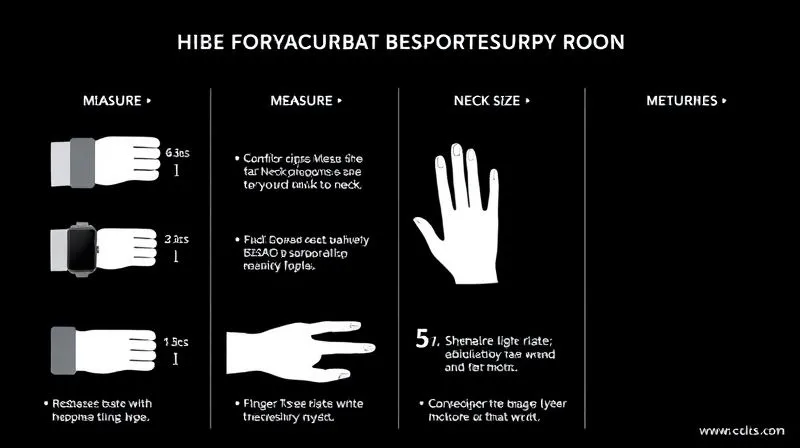
- Universal Sizing Charts: For items like rings, bracelets, or apparel accessories, offer clear, printable sizing charts with instructions on how to measure accurately. Include international conversions.
- Material Swatches/Descriptions: For items where material texture, weight, or drape is important (e.g., scarves, leather bags), provide detailed descriptions, high-resolution images, and even offer physical swatches if feasible.
- Recipient Profile Checklists: Create a simple checklist or questionnaire for the giver to consider about the recipient's style, preferred colors, metal allergies, or lifestyle. This isn't for you to collect data, but to guide the giver's thought process.
- Gift Card/Voucher Option: For truly difficult-to-guess items, suggest a bespoke gift card or voucher that allows the recipient to personalize the item themselves. This completely eliminates the risk of incorrect choices and turns the gifting experience into a collaborative one.
By providing these tools, you're not just selling an accessory; you're selling confidence. The giver feels more secure in their choice, and the likelihood of the recipient being delighted increases significantly.
7. Post-Purchase Nurturing: Turning Potential Returns into Loyalty
The journey to reduce returns on bespoke fashion gift accessories doesn't end when the item ships. In fact, the post-purchase phase is a critical opportunity to ensure satisfaction, address minor issues before they escalate, and convert a one-time transaction into lasting customer loyalty.
As an expert in customer experience, I've seen how proactive post-purchase engagement can defuse potential return situations and even turn a slightly disappointed customer into a brand advocate.
Follow-up and Feedback Loops
A simple, well-timed follow-up can make all the difference. This isn't about bombarding the client with emails, but about genuinely checking in.
- Delivery Confirmation & Care Instructions: Shortly after delivery, send an email confirming receipt and providing detailed care instructions for the bespoke item. This shows you care about the longevity of their purchase.
- Satisfaction Check-in (7-14 days post-delivery): A polite email or message asking if everything is to their satisfaction. This opens a channel for communication. If there's a minor issue, they're more likely to contact you directly rather than initiating a formal return.
- Offer Minor Adjustments: For issues that aren't defects but slight preferences (e.g., a necklace chain is a tad too long), offer to make minor adjustments for a nominal fee or even complimentary if it's a small fix. This goodwill gesture can save a return.
- Solicit Feedback: Actively ask for feedback, even if it's negative. Use this information to refine your processes and product offerings. A client who feels heard, even when dissatisfied, is more likely to give you a second chance.
Building a relationship post-purchase reinforces the value of their investment and your commitment to their satisfaction. This proactive approach is a powerful strategy to reduce returns on bespoke fashion gift accessories.
| Question Category | Sample Question | Response Type |
|---|---|---|
| Product Quality | How satisfied are you with the craftsmanship and materials of your bespoke accessory? | 1-5 Scale, Open Text |
| Design Accuracy | Did the final product match your expectations based on our consultation and approvals? | Yes/No, Open Text |
| Gifting Experience | How well do you feel the accessory suited the recipient's style/preferences? | 1-5 Scale, Open Text |
| Overall Satisfaction | Would you recommend our bespoke services to others? | NPS, Open Text |
For more on the psychology of customer retention and feedback loops, explore resources like Harvard Business Review articles on customer service.
8. Data-Driven Insights: Learning from Every Return
Even with the most robust strategies in place, some returns will occur. The crucial final step, and one that many businesses overlook, is to view each return not as a failure, but as a valuable data point. This analytical approach is perhaps the most sustainable strategy to reduce returns on bespoke fashion gift accessories over the long term.
In my consulting work, I always emphasize the importance of a 'return autopsy.' Every return holds clues that can help you prevent future ones. Without this analysis, you're merely reacting, not strategically improving.
Analyzing Return Reasons to Refine Processes
Implement a system to meticulously track and categorize every return reason. Go beyond generic labels. Was it 'incorrect size' or 'size based on inaccurate measurement by client'? Was it 'not as expected' or 'design deviation from approved mock-up'?
- Categorize Return Reasons: Create specific categories like 'Manufacturing Defect,' 'Design Miscommunication,' 'Incorrect Sizing (Client Error),' 'Incorrect Sizing (Artisan Error),' 'Material Discrepancy,' 'Subjective Dislike,' 'Shipping Damage,' etc.
- Quantify & Identify Trends: Use this data to identify patterns. Are a disproportionate number of returns due to a specific material? Is there a particular artisan whose work results in more defects? Is one design type consistently misunderstood?
- Root Cause Analysis: Once a trend is identified, conduct a root cause analysis. If 'design miscommunication' is high, perhaps your consultation process needs more visual aids. If 'incorrect sizing' is an issue, maybe your sizing guide isn't clear enough.
- Implement Corrective Actions: Based on your analysis, implement specific, measurable corrective actions. This could be additional training for staff, updating design templates, revising your return policy language, or improving material sourcing.
This systematic approach transforms negative experiences into actionable insights, leading to continuous improvement. It's how you build resilience and steadily reduce returns on bespoke fashion gift accessories, year after year.
For advanced data analysis techniques, even for small businesses, resources like Tableau's guides on data analytics can provide foundational knowledge.
Frequently Asked Questions (FAQ)
Q1: Can bespoke items ever be truly non-returnable? While it's legally challenging to make any item absolutely non-returnable in all jurisdictions, especially if there's a defect, you can craft a policy that makes bespoke items non-returnable for subjective reasons (e.g., 'didn't like it') or if they perfectly match the approved design and specifications. Clear communication and client sign-offs are key to enforcing this. Always consult local consumer protection laws.
Q2: How do I handle subjective dissatisfaction vs. actual defects? This is where your detailed documentation comes in. If the item perfectly matches the client's approved design and specifications, and there are no manufacturing defects, it falls under subjective dissatisfaction. Your policy should clearly state that such cases are generally not eligible for return/refund, but you might offer alteration services for a fee as a goodwill gesture. For actual defects, you must offer repair, replacement, or refund per your policy and local laws.
Q3: What's the role of deposit/down payment in reducing returns? A non-refundable deposit or down payment for bespoke items serves several purposes. Firstly, it indicates serious commitment from the client, reducing frivolous orders. Secondly, it helps cover your initial material and labor costs, mitigating your financial loss if a client abandons an order or insists on a return for subjective reasons. Clearly outline the non-refundable nature of the deposit in your terms.
Q4: How important is packaging for bespoke gifts in preventing returns? Extremely important. Premium, secure packaging not only protects the item during transit, preventing shipping damage (a common return reason), but also elevates the perceived value and enhances the unboxing experience. For a gift, this 'wow' factor can significantly contribute to the recipient's initial delight, reducing the likelihood of a return based on a poor first impression.
Q5: What if the gift recipient wants a modification after delivery? This is a common scenario. Your policy should anticipate this. Offer a clear modification service, outlining what types of modifications are possible, associated costs, and turnaround times. This provides a positive solution for the recipient without forcing a full return, thereby protecting your original sale and potentially building a new client relationship with the recipient.
Key Takeaways and Final Thoughts
Reducing returns on bespoke fashion gift accessories is not a single fix; it's a holistic approach that integrates meticulous communication, precision in craftsmanship, and proactive customer engagement at every stage. It demands a shift from simply fulfilling an order to curating an experience that delights both the giver and the recipient.
- Prioritize Communication: Master the consultation and obtain clear sign-offs at every stage to align expectations.
- Leverage Technology: Use 3D renders and visual aids to eliminate guesswork and clarify designs.
- Commit to Quality: Implement multi-stage QC and thorough prototyping to ensure flawless execution.
- Define Clear Policies: Craft a bespoke-specific return policy that protects your business while being fair to customers.
- Empower the Gifter: Provide comprehensive guides and options (like gift vouchers) to help them make perfect choices.
- Nurture Post-Purchase: Proactively follow up and offer solutions to turn potential issues into loyalty.
- Learn from Data: Analyze every return to identify root causes and continuously refine your processes.
By embracing these strategies, you're not just reducing return rates; you're building a reputation for excellence, fostering trust, and ensuring that every bespoke fashion gift accessory you create becomes a cherished treasure, not a dreaded return. It's a journey of continuous improvement, but one that will yield significant rewards in customer satisfaction, brand loyalty, and ultimately, a more profitable and sustainable business.
Recommended Reading
- Why Does Your Expensive Tailored Suit Scream 'Unprofessional'? 7 Hidden Flaws
- Eyewear for Sensitive Skin: Find Your Perfect, Irritation-Free Fit
- Beat Digital Eye Strain: 7 Stylish Eyewear Solutions for Professionals
- Scaling Couture: 7 Pillars to Preserve Uncompromising Atelier Quality
- Why Advanced Skincare Fails? 5 Secrets to Unlock Lasting Radiance



Your email address will not be published. Required fields are marked *