


How to evolve fashion blog into lifestyle without losing core audience?
For over 15 years in the dynamic world of fashion and digital content, I've witnessed countless bloggers grapple with a pivotal challenge: the desire to expand their niche beyond sartorial confines without alienating the loyal audience they've meticulously built. It's a common aspiration to grow, to share more facets of one's life, but the fear of losing that hard-won community often paralyzes even the most ambitious creators.
This isn't just about adding new topics; it's about a fundamental shift in your brand identity, a delicate dance between innovation and tradition. Many bloggers hit a ceiling in a hyper-focused niche, feeling creatively stifled or seeing limited growth opportunities. The pain point is palpable: how do you authentically broaden your content scope to encompass 'lifestyle' – from travel and home decor to wellness and personal development – while ensuring your core fashion followers feel even more connected, not less?
This comprehensive guide will provide you with a structured framework, actionable strategies, and real-world insights to navigate this crucial evolution successfully. We'll delve into understanding your audience, strategic content bridging, authentic personal brand expansion, and the technical savvy required to make this transition not just smooth, but genuinely rewarding. My goal is to equip you with the knowledge to evolve your fashion blog into a thriving lifestyle hub, strengthening your connection with your audience every step of the way.
Understanding Your Core Audience: The Foundation of Evolution
Before you even think about introducing new content, you must intimately understand the audience you already have. This isn't just about numbers; it's about delving into their desires, their demographics, and their digital behavior. Ignoring this foundational step is akin to building a house without a blueprint – it's destined to falter.
Deep Dive into Demographics & Psychographics
Who are your current fashion followers? Beyond age and location, consider their psychographics: what are their aspirations, their values, their challenges? Are they primarily interested in budget fashion, luxury trends, sustainable brands, or practical styling tips?
Use tools like Google Analytics, Instagram Insights, and Facebook Audience Insights to gather data on age, gender, location, and interests. But don't stop there. Go deeper by analyzing comments, DMs, and survey responses to understand their motivations and broader interests beyond just fashion. This qualitative data is gold.
Leveraging Analytics and Feedback Loops
Your existing content provides a treasure trove of information. Which fashion posts perform best? Which ones receive the most engagement in terms of comments and shares? Are there any subtle hints within these interactions that suggest broader interests?
Create opportunities for direct feedback. Use Instagram polls, create a simple survey (e.g., via Google Forms) asking about topics they'd like to see, or simply ask open-ended questions in your blog comments. This direct communication shows respect and empowers your audience, making them feel part of the journey.
- Analyze Existing Data: Scrutinize Google Analytics for top-performing posts, audience demographics, and referral sources.
- Engage on Social Media: Use polls and Q&A stickers on Instagram Stories to directly ask about potential new topics.
- Review Comments & DMs: Look for recurring themes or questions that hint at interests beyond pure fashion.
- Conduct a Simple Survey: Offer a small incentive for completing a short survey on broader lifestyle interests.
- Create Audience Personas: Develop 2-3 detailed profiles of your ideal core fashion follower, including their potential adjacent interests.
"Your audience isn't just a number; they are a community of individuals with evolving interests. True evolution means growing with them, not away from them."

Strategic Content Bridging: From Runway to Real Life
Once you understand your audience's broader interests, the next critical step is to strategically bridge your existing fashion content with new lifestyle topics. This isn't about an abrupt pivot; it's about a gradual, thoughtful expansion that feels natural and organic. Think of it as weaving new threads into an existing, beautiful tapestry.
Identifying Overlapping Interests and 'Adjacent' Niches
Where do fashion and lifestyle naturally intersect for your audience? If your followers love sustainable fashion, perhaps they also care about eco-friendly home products or mindful living. If they're into office wear, maybe productivity tips or healthy work-from-home lunches would resonate. These 'adjacent' niches are your entry points.
Start by identifying 2-3 lifestyle categories that have clear connections to your current fashion focus. For example, if you blog about street style, perhaps city guides featuring local boutiques and cafes could be a natural extension. If your niche is professional attire, then career development or stylish home office setups might fit perfectly.
The '30/70 Rule' for Gradual Integration
A common mistake is to flood your blog with new lifestyle content overnight. This can overwhelm and confuse your existing audience. I recommend starting with a '30/70 rule': initially, dedicate around 30% of your new content to lifestyle topics, while 70% remains focused on your core fashion niche. As your audience adapts and shows engagement with the new content, you can gradually shift this ratio.
This slow integration allows your audience to get accustomed to the changes, provides opportunities for feedback, and gives you time to refine your approach. It's about testing the waters, not diving headfirst into the deep end.
Case Study: How 'Style & Wanderlust' Successfully Bridged Niches
Sarah, the creator of 'Style & Wanderlust', initially built a thriving blog around minimalist fashion and capsule wardrobes. She noticed her audience frequently asked about her travel outfits and how she packed light. Instead of an abrupt shift, she began introducing 'Travel Capsule Wardrobe' posts, featuring specific destinations. This was a direct bridge. Over time, these posts evolved into full 'City Guides' that included not just fashion recommendations but also local eateries, hidden gems, and wellness tips relevant to travelers. By consistently tying new travel content back to her core fashion expertise, she expanded her blog to encompass travel and local experiences, increasing her engagement by 40% and attracting a new segment of readers interested in stylish adventures, all while retaining her original fashion-focused followers.
| Existing Fashion Niche | Adjacent Lifestyle Niche 1 | Adjacent Lifestyle Niche 2 | Content Bridge Idea |
|---|---|---|---|
| Sustainable Fashion | Eco-friendly Home Decor | Mindful Living & Wellness | My Sustainable Home Tour & Ethical Brands for Your Sanctuary |
| Professional Workwear | Career Development | Stylish Home Office Setup | Power Dressing for Your Promotion & Designing an Inspiring Workspace |
| Street Style & Urban Fashion | City Guides & Local Experiences | Foodie Adventures | Exploring [City Name] in Style: Best Boutiques & Brunch Spots |
For further insights into strategic content planning, I highly recommend exploring resources from reputable content marketing experts like The Content Marketing Institute. Their frameworks on audience-centric content are invaluable.
Authenticity as Your North Star: Personal Brand Expansion
The transition from a fashion blog to a lifestyle blog inherently requires a deeper dive into your personal story and values. Lifestyle blogging thrives on authenticity and relatability. Your audience isn't just buying into your style; they're buying into *you*.
Sharing Your Personal Journey: Beyond the Outfit
Your fashion blog likely already has elements of your personality, but a lifestyle blog demands more. This is where you can share your morning routine, your favorite healthy recipes, your struggles with work-life balance, or your passion for a particular hobby. These personal anecdotes humanize your brand and create deeper connections.
Think about the 'why' behind your fashion choices. Are you dressing for confidence, comfort, or creative expression? These underlying motivations can be expanded into broader lifestyle topics. Your journey, your vulnerabilities, and your triumphs become the narrative that connects diverse content pieces.
The Power of Storytelling in Lifestyle Blogging
Every blog post, whether it's about a new dress or a weekend getaway, should tell a story. How did this outfit make you feel? What experience did this travel destination offer? Storytelling is the glue that binds disparate lifestyle topics together under your unique personal brand. It's how you make a topic like 'my favorite coffee shop' feel as engaging as 'my fall fashion haul'.
Practice weaving narratives that reveal your personality, your values, and your perspective. This isn't about oversharing, but about sharing with purpose and intention. Your audience wants to feel like they're getting to know a real person, not just a content machine.
"In the crowded digital landscape, authenticity isn't a strategy; it's your competitive advantage. People connect with real stories, not just curated feeds."
As marketing guru Seth Godin often says, the most effective marketing is about telling stories that resonate and connect. Your evolution into lifestyle blogging is an opportunity to tell an even richer, more expansive story about who you are and what you stand for.
Visual Evolution: Adapting Aesthetics Without Alienating
Visuals are paramount in both fashion and lifestyle blogging. As you expand your content, your visual aesthetic must evolve alongside it, maintaining a cohesive brand identity while embracing the diversity of new topics. This is a delicate balance of consistency and creative growth.
Photography & Videography: Broadening Your Visual Language
While fashion photography might focus on details, poses, and specific garments, lifestyle photography often leans towards candid moments, broader scenes, and a more atmospheric feel. You'll need to adapt your shooting style, lighting, and editing to accommodate diverse subjects like food, interiors, travel landscapes, or wellness routines.
Consider investing in new lenses or learning new techniques. For example, a wider-angle lens might be beneficial for capturing interiors or expansive landscapes, while macro photography could highlight details in food or beauty products. The goal is to develop a visual signature that is recognizable as 'you,' regardless of the subject matter.
Consistency Across Platforms: A Cohesive Brand Identity
Your visual brand extends beyond your blog to all your social media channels. Ensure that your color palettes, fonts, and overall editing style remain consistent. This creates a seamless experience for your audience, reinforcing your brand identity even as your content diversifies.
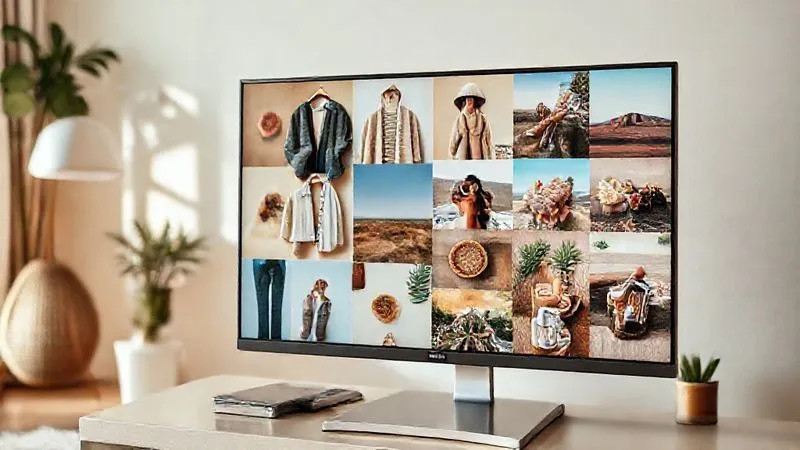
Develop a mood board for your new lifestyle aesthetic. What feelings do you want to evoke? What colors and textures will dominate? This visual guide will help maintain consistency across all your new content, from a flat lay of your morning coffee to a travel vlog of your latest adventure.
Engagement Strategies: Keeping Your Community Close
As you introduce new lifestyle content, active engagement with your audience becomes even more crucial. This isn't just about broadcasting; it's about fostering a dialogue, making your community feel heard, valued, and integral to your blog's evolution.
Interactive Content & Community Building
Beyond traditional blog comments, leverage interactive features on social media. Run polls asking which new lifestyle topics they'd like to see next. Host Q&A sessions on Instagram or Facebook Live where you discuss both fashion and emerging lifestyle themes. Encourage user-generated content by asking them to share their own lifestyle tips or experiences related to your new topics.
Consider creating a dedicated Facebook group or a Discord server where your most engaged followers can connect with each other and with you on a deeper level. This transforms your audience into a community, a powerful asset during any transition.
Transparent Communication About Your Blog's Direction
Be open and honest about your intentions. Write a blog post or create a video explaining why you're expanding into lifestyle content. Share your creative motivations, your personal growth, and how you believe this evolution will bring more value to your audience. Frame it as an exciting new chapter you want them to be a part of.
Address potential concerns head-on. Reassure them that fashion will still be a core part of your content, but now it will be complemented by other aspects of your life that you believe they'll enjoy. Transparency builds trust and reduces anxiety about change.
- Host Live Q&A Sessions: Dedicate time on Instagram or YouTube to answer audience questions about your content evolution.
- Run Themed Weeks/Months: Introduce a new lifestyle category for a week or month to gauge interest before full integration.
- Create Exclusive Content: Offer early access or bonus content to your most loyal subscribers to acknowledge their support.
- Personalized Responses: Make an effort to respond to as many comments and DMs as possible, showing you value their input.
- Solicit Feedback Actively: Regularly ask for opinions on new content through comments, polls, and direct messages.
According to a recent Forbes Advisor report on social media engagement, interactive content significantly boosts audience participation and loyalty. This underscores the importance of actively involving your community in your blog's journey.
Monetization & Partnerships: New Avenues, Same Values
Evolving into a lifestyle blog opens up a broader spectrum of monetization opportunities. However, it's crucial to ensure that new income streams align with your brand values and continue to resonate with your audience, both old and new.
Diversifying Income Streams in Lifestyle Blogging
While fashion blogs primarily rely on affiliate marketing for clothing, brand collaborations, and sponsored posts, lifestyle blogs can expand into areas like home decor affiliate programs, wellness product reviews, travel partnerships, recipe e-books, or online courses related to personal development. The key is to explore avenues that genuinely fit your expanded content and audience interests.
Consider creating your own digital products, such as a 'Stylish Travel Packing Guide' or a 'Mindful Morning Routine Planner.' These leverage your expertise and offer direct value to your audience, providing a more stable income stream than solely relying on ads or sponsored content.
Aligning Brand Partnerships with Your Evolving Niche
As you explore new lifestyle partnerships, rigorously vet brands to ensure they align with your authentic self and your audience's values. A partnership with a sustainable fashion brand might naturally extend to an eco-friendly home goods company, but a random partnership with a fast-food chain might feel jarring to an audience accustomed to your curated style.
Be transparent about sponsored content. Your audience trusts your recommendations, and maintaining that trust is paramount. Disclose partnerships clearly and only promote products or services you genuinely use and believe in. This builds long-term credibility.
"Monetization is the fuel, but authenticity is the engine. Never compromise your values for a paycheck; your audience will notice, and your brand will suffer."
Successful lifestyle bloggers often have a diverse portfolio of income streams, from affiliate links for home goods to sponsored travel experiences, all meticulously chosen to reflect their personal brand. This diversification not only offers financial stability but also enriches the content they can create.
SEO & Technical Considerations: Optimizing for a Broader Horizon
Expanding your blog into lifestyle content isn't just a creative endeavor; it's a technical one. Optimizing for new keywords and ensuring your site structure supports the wider range of topics is crucial for attracting new readers while retaining your search engine visibility.
Keyword Research for Lifestyle Topics
Your existing SEO strategy likely revolves around fashion-specific keywords. Now, you need to conduct thorough keyword research for your new lifestyle categories. Use tools like Ahrefs, SEMrush, or Google Keyword Planner to identify high-volume, low-competition keywords related to home decor, wellness, travel, or productivity that your target audience is searching for.
Look for long-tail keywords that indicate intent, such as "best ethical travel brands for solo female travelers" or "sustainable living tips for small apartments." Integrate these new keywords naturally into your blog posts, meta descriptions, and image alt text.
Site Structure and User Experience (UX) Adjustments
As your content grows, your blog's navigation and categorization become vital. Create clear, intuitive categories and tags for your new lifestyle topics. This might mean restructuring your main navigation menu to include 'Fashion,' 'Travel,' 'Home,' and 'Wellness' as distinct sections, or creating sub-categories within a broader 'Lifestyle' section.
Ensure your website is fast-loading and mobile-responsive. A seamless user experience (UX) is critical for audience retention and SEO. If users struggle to find content or navigate a slow site, they're likely to bounce, regardless of how great your content is.
| Existing Keyword Cluster | New Lifestyle Keyword Cluster | Bridging Content |
|---|---|---|
| Minimalist Fashion Tips | Minimalist Home Decor Ideas | How to Curate a Minimalist Wardrobe & Home |
| Sustainable Clothing Brands | Eco-friendly Living Products | My Favorite Sustainable Fashion & Home Essentials |
| Winter Outfit Ideas | Cozy Winter Home Decor | Creating a Hygge Winter: Fashion & Home Edition |
Regularly monitor your site's performance through Google Search Console to identify any indexing issues or drops in rankings. As Google's SEO Starter Guide emphasizes, a well-structured and user-friendly site is fundamental for search visibility.
Measuring Success & Iterating: The Continuous Growth Loop
Evolving your blog is an ongoing process, not a one-time event. To ensure your transition is successful and sustainable, you must continuously measure your efforts, analyze feedback, and be prepared to iterate on your strategy.
Key Performance Indicators (KPIs) for Lifestyle Blogs
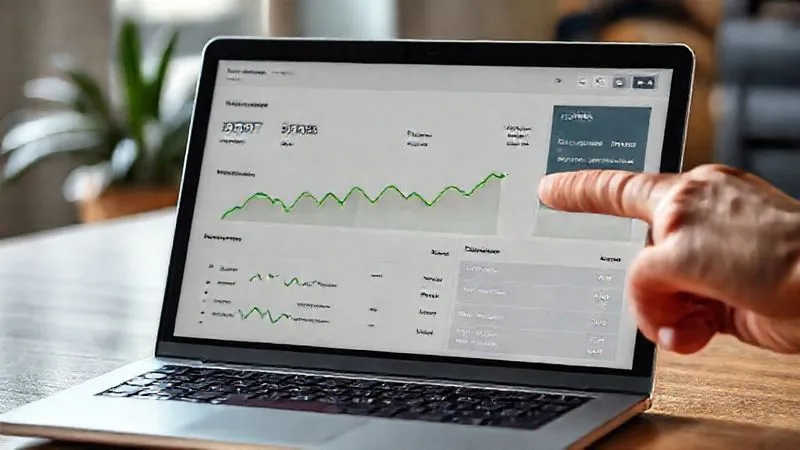
Beyond your usual fashion blog KPIs (e.g., traffic to outfit posts, affiliate sales), you'll need to track new metrics. Monitor engagement rates on lifestyle posts (comments, shares, time on page), traffic to new lifestyle categories, and the growth of your overall audience demographics. Are you attracting new readers interested in lifestyle, and are your existing fashion readers engaging with the new content?
Pay attention to your email list growth and segmentation. Can you segment your audience based on their interest in fashion vs. lifestyle topics? This allows for more targeted communication and ensures you're delivering content that truly resonates with each segment.
Embracing Feedback and Adapting Your Strategy
Your audience is your most valuable feedback mechanism. Pay close attention to their comments, DMs, and survey responses. If a particular lifestyle topic isn't resonating, don't force it. Be flexible and willing to pivot. The beauty of blogging is its agility.
Regularly review your analytics to understand what's working and what isn't. If a specific lifestyle category is outperforming others, consider dedicating more resources to it. If your fashion content is still driving the most engagement, ensure you're not neglecting it. This continuous feedback loop ensures your evolution remains audience-centric.
Frequently Asked Questions (FAQ)
How do I know *when* it's the right time to transition? The right time often presents itself when you feel a creative stagnation in your current niche, or when your audience consistently shows interest in topics beyond fashion through their comments and direct questions. Also, if you notice other successful creators in adjacent niches thriving, it can be a good indicator. It's less about a specific date and more about an organic feeling of growth and a clear signal from your community that they're ready for more. Don't wait until you're completely burnt out; start when you feel the gentle pull of new interests.
What if my audience strongly resists the new content? Audience resistance, while discouraging, is valuable feedback. First, don't panic or immediately abandon your plans. Revisit your communication strategy: have you clearly explained your 'why'? Is the new content truly relevant to their existing interests, or is it too far afield? Consider scaling back the new content introduction, or finding even stronger bridges between fashion and lifestyle. For example, if travel content is met with silence, try a 'travel capsule wardrobe' series first. Engage directly with those expressing resistance to understand their concerns, and adjust incrementally.
How much new lifestyle content should I introduce at once? I strongly advocate for a gradual approach, perhaps starting with a 20-30% allocation of new lifestyle content, with the remaining 70-80% still focused on your core fashion niche. This allows your audience to slowly adapt without feeling overwhelmed or alienated. Monitor engagement closely. If the new content performs well, you can gradually increase the ratio. If not, you have room to adjust without having made a drastic, irreversible change. Consistency, even with a small amount of new content, is more impactful than an erratic flood.
Can I still be seen as an 'expert' if I broaden my niche? Absolutely. In fact, broadening your niche thoughtfully can enhance your expertise. Modern audiences often prefer well-rounded individuals who can speak to various aspects of life. The key is to maintain your depth in fashion while demonstrating credible knowledge in your new lifestyle areas. You're not becoming a generalist; you're becoming a multi-faceted expert. For example, if you're a sustainable fashion expert, becoming a sustainable living expert is a natural, reinforcing expansion of your authority. Your personal brand can become stronger and more relatable.
What are the biggest mistakes to avoid during this evolution? The biggest mistakes are: 1) An abrupt, unannounced pivot that blindsides your audience. 2) Neglecting your core fashion content entirely, making your loyal followers feel abandoned. 3) Introducing lifestyle topics that have no authentic connection to you or your existing brand. 4) Failing to engage with your audience about the changes, missing valuable feedback. 5) Compromising your brand's visual identity or voice in an attempt to be 'everything to everyone'. Always prioritize authenticity, gradualism, and continuous audience engagement.
Key Takeaways and Final Thoughts
- Know Your Audience Intimately: Leverage data and direct feedback to understand their existing and potential interests beyond fashion.
- Bridge Content Strategically: Introduce new lifestyle topics gradually, finding authentic connections to your core fashion niche.
- Embrace Authenticity: Share your personal journey and values to deepen connections and expand your personal brand.
- Evolve Visually & Technically: Adapt your aesthetic and optimize your site for new content while maintaining brand consistency.
- Engage & Iterate: Foster dialogue with your community, be transparent about changes, and be willing to adapt based on feedback and analytics.
Evolving your fashion blog into a lifestyle platform without losing your core audience is a journey that requires introspection, strategic planning, and unwavering dedication to your community. It's about growth, not abandonment. By approaching this transition with empathy, authenticity, and a data-informed strategy, you won't just expand your content; you'll deepen your connection with your audience, unlock new creative potential, and build a more resilient, multifaceted brand for the long term. Embrace this exciting chapter, and remember: your most loyal followers are often your biggest champions, ready to grow with you.
Recommended Reading
- 8 Keys to Authentically Market Haute Joaillerie to UHNW Gen Z
- 7 Ways to Spot Greenwashing in Textile Suppliers: A Buyer's Guide
- 5 Ways to Stop Chafing: Select Gym Outfits for Intense Workouts
- 9 Proven Strategies: How to Prove Sustainable Fashion Impact to Skeptics?
- Slash Casual Womenswear Returns: 7 Fit Fixes to Boost Profit




Your email address will not be published. Required fields are marked *