

How to Design Kids' Clothes for Extreme Durability and Appeal?
For over two decades in the dynamic world of kids' fashion, I've witnessed countless brands rise and fall, often because they overlooked a fundamental truth: children are not miniature adults, and their clothing needs are uniquely demanding. I've seen beautifully designed garments fall apart after a few washes, leaving parents frustrated and designers scratching their heads, wondering where they went wrong.
The problem is clear: parents are tired of clothes that can't keep up with the boundless energy of their little ones. They seek garments that withstand endless adventures, countless washes, and the inevitable tumbles, yet still look good enough to be passed down. This isn't just about saving money; it's about reducing waste, ensuring comfort, and fostering a sense of quality that resonates with families.
In this definitive guide, I'll share the actionable frameworks and expert insights I've gathered over years of navigating this niche. We'll delve into the precise strategies on how to design kids' clothes for extreme durability and appeal, covering everything from material science to construction techniques and aesthetic considerations, ensuring your designs not only last but also capture the hearts of both children and parents.
The Foundation: Understanding the 'Wear & Tear' Landscape
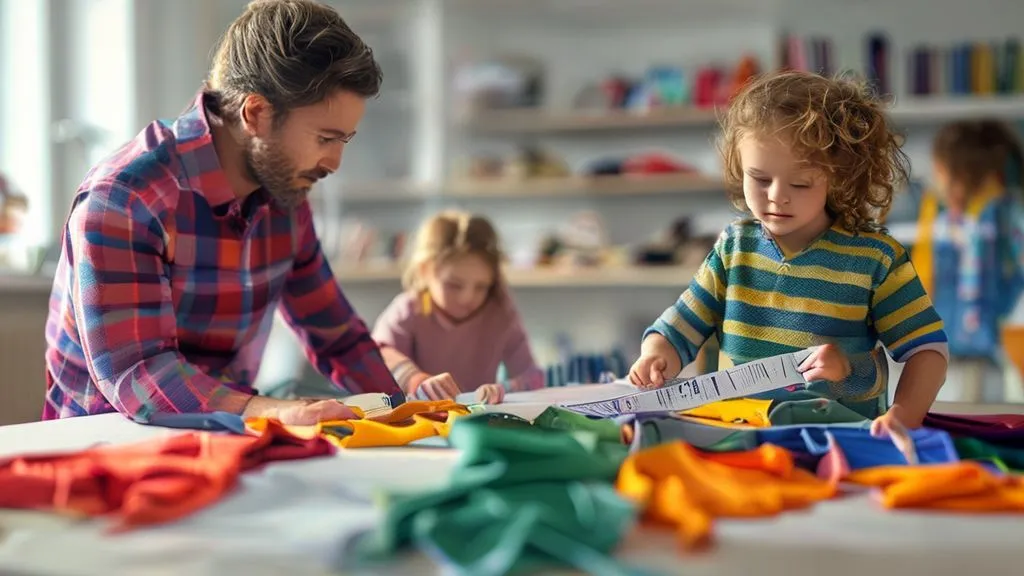
Before we even think about fabric swatches or stitch types, it's crucial to deeply understand the environment kids' clothes operate in. Children don't just wear clothes; they live in them. They crawl, climb, slide, jump, and explore, subjecting their garments to a level of stress that adult clothing rarely experiences. This isn't just about rough play; it's about the constant friction, stretching, pulling, and repeated washing cycles.
In my experience, many designers approach kids' wear with an adult-centric mindset, focusing solely on aesthetics or basic comfort. However, the true test of a kids' garment lies in its ability to endure. This means anticipating points of weakness and proactively designing solutions. Knees and elbows are high-impact zones, often scraped and stretched. Seams are constantly under tension, especially around armholes and crotches. Fastenings are pulled, twisted, and yanked.
"Designing for children isn't just about making small clothes; it's about engineering garments for a lifestyle of relentless exploration and growth. Durability isn't a feature; it's a prerequisite."
Common failure points I've observed:
- Torn Knees & Elbows: From crawling, falling, and rough play.
- Burst Seams: Especially in the crotch, armholes, and side seams due to stretching and movement.
- Pilled Fabrics: From constant friction against surfaces and other garments.
- Faded Colors & Distorted Prints: Due to frequent washing and sun exposure.
- Broken Fastenings: Snaps popping off, zippers jamming or breaking, buttons coming loose.
- Stretched-Out Necklines & Cuffs: From pulling on and off, and general wear.
By identifying these challenges upfront, we can integrate durability into the very DNA of the design process, rather than treating it as an afterthought.
Material Matters: Choosing Fabrics for Resilience and Comfort
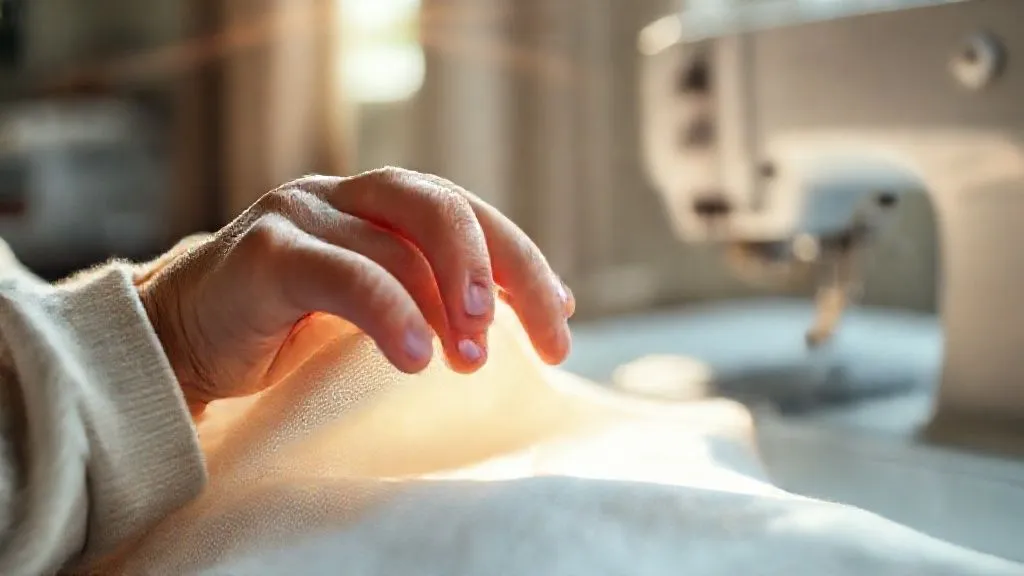
The choice of fabric is arguably the single most critical decision in designing durable kids' clothes. It's a delicate balance between resilience, comfort, and safety. You need materials that can withstand abuse, feel soft against sensitive skin, and are free from harmful chemicals. I've spent years researching and testing textiles, and I can tell you, not all fabrics are created equal for the playground.
When selecting fabrics, consider:
- Fiber Type: Natural fibers like organic cotton, bamboo, and hemp offer breathability and softness. Cotton, especially in heavier weaves like canvas or denim, is a workhorse. Blends (e.g., cotton-polyester) can combine the best of both worlds, adding strength and reducing wrinkles. Synthetics like polyester and nylon are excellent for outerwear and activewear due to their water resistance, quick-drying properties, and abrasion resistance, but ensure they are breathable for comfort.
- Weave and Construction: A tighter weave generally means greater durability. Twill (like denim) is incredibly strong and resistant to tearing. Canvas and corduroy also offer excellent resilience. Knits, while comfortable and flexible, need to be of a high gauge and density to resist pilling and stretching. Look for fabrics with a good weight; flimsy fabrics won't last.
- Stretch and Recovery: Kids need to move freely. Fabrics with a small percentage of elastane (spandex) can provide necessary stretch without sacrificing shape retention. This is vital for knees, elbows, and waistbands. However, too much stretch without good recovery can lead to stretched-out garments.
- Care Instructions: Durable clothes should be easy to care for. Prioritize fabrics that can withstand frequent machine washing and drying without shrinking, fading, or losing their integrity.
According to a report by the Oeko-Tex Association, selecting textiles certified for harmful substances is paramount for children's wear, ensuring safety alongside durability. Prioritizing certifications like Oeko-Tex Standard 100 or GOTS (Global Organic Textile Standard) adds an essential layer of trust for parents.
| Fabric Type | Durability Rating | Comfort Rating | Key Benefit | Best Use |
|---|---|---|---|---|
| Organic Cotton Twill | Excellent | High | Natural, strong, breathable | Pants, jackets, overalls |
| Polyester Blend (e.g., fleece) | Very Good | Medium-High | Abrasion resistant, quick-drying | Outerwear, activewear |
| Bamboo Viscose | Good | Very High | Soft, hypoallergenic, breathable | Base layers, sleepwear |
| Denim | Excellent | Medium | Extremely tough, classic look | Jeans, jackets, skirts |
| Heavyweight Jersey Knit | Good | High | Flexible, soft, good drape | T-shirts, dresses, leggings |
Engineering the Seams: Stitching for Strength
A garment is only as strong as its weakest seam. In kids' clothing, seams are under constant siege. A poorly constructed seam will unravel, tear, or pucker, rendering the garment useless prematurely. This is where meticulous attention to construction details truly pays off. I've spent countless hours in factories, observing and refining seam techniques to ensure they stand the test of time.
Here's how to engineer seams for maximum durability:
- Choose the Right Seam Type:
- Flat-Felled Seams: My absolute favorite for kids' trousers, shirts, and jackets. This seam encloses raw edges, making it incredibly strong and resistant to fraying, plus it's comfortable against the skin. Think denim jeans.
- French Seams: Ideal for finer fabrics or areas needing a neat, enclosed finish, like blouses or dresses. While not as robust as flat-felled, they protect raw edges well.
- Overlock (Serged) Seams: Most common in knits. A good quality overlock stitch with multiple threads (4 or 5-thread) provides stretch and prevents fraying. Ensure tension is balanced.
- Double-Stitched Seams: Simply running two parallel rows of stitches. This significantly reinforces stress points like armholes, side seams, and waistbands.
- Thread Selection: Use high-quality polyester thread. It's stronger and more resistant to abrasion and chemicals than cotton thread. For heavy-duty areas, consider core-spun threads.
- Stitch Density: A higher stitch density (more stitches per inch) generally means a stronger seam. However, too many stitches can perforate the fabric, weakening it. Aim for 10-14 stitches per inch for most applications, adjusting based on fabric weight.
- Seam Allowances: Don't skimp on seam allowances. Larger allowances (e.g., 5/8 inch or 1.5 cm) provide more fabric to absorb stress, reducing the likelihood of a seam bursting.
- Back-tacking/Locking Stitches: Always back-tack at the beginning and end of seams to secure them. This prevents unraveling, especially critical in areas of high stress like crotches and pocket openings.
Implementing these techniques requires precision, but the investment in time and skill will result in garments that truly last. As detailed in the Fashion Incubator's technical design guides, understanding seam mechanics is foundational to garment integrity.
Reinforcement & Strategic Design: Beyond Basic Construction
Even with the best fabrics and strongest seams, certain areas of kids' clothing will always be prone to excessive wear. This is where strategic reinforcement and thoughtful design elements come into play. It's about anticipating the impact and building in extra resilience. I've found that these small details make a monumental difference in a garment's lifespan.
Key reinforcement strategies:
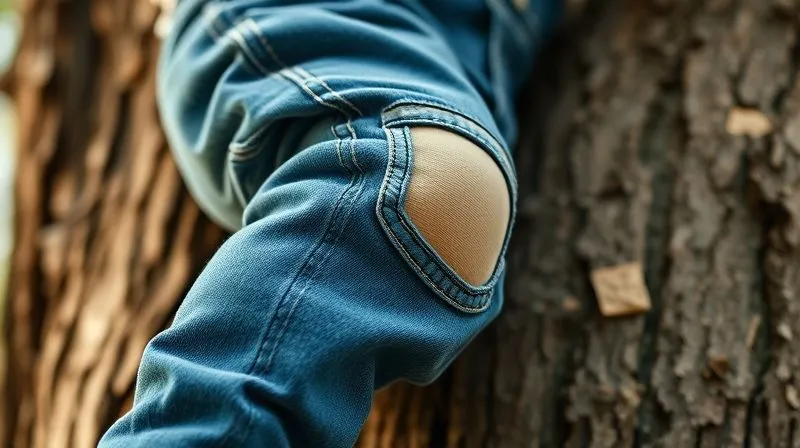
- Knee and Elbow Patches: This is a no-brainer for pants and long-sleeved tops. These can be integrated subtly (e.g., a double layer of the same fabric) or as a distinct design feature (e.g., contrasting fabric, embroidery). The key is to secure them with strong stitching, ideally a zig-zag or a coverstitch around the edges.
- Double Layers in High-Stress Areas: Beyond knees and elbows, consider doubling fabric in the seat of pants, shoulder yokes of shirts, or even entire front panels of jackets. This adds bulk but significantly enhances durability.
- Bar Tacks: These short, dense rows of zig-zag stitches are essential at stress points where seams meet or where openings are created. Think pocket corners, belt loops, and zipper bases. They prevent tearing at the ends of seams.
- Gussets and Panels: For maximum freedom of movement and durability in areas like the crotch of pants or underarms, consider adding gussets. These diamond or triangular-shaped fabric inserts distribute stress over a larger area, preventing rips.
- Adjustable Features: While not strictly reinforcement, adjustable waistbands, cuffs, and straps extend the life of a garment by accommodating growth. This means less strain on fixed points and longer wear time.
Case Study: How Little Explorers Apparel Mastered Durability
Little Explorers Apparel, a startup specializing in outdoor playwear for toddlers, faced initial challenges with garments failing at the knees and elbows within weeks. Their solution, guided by the principles above, was a multi-pronged approach. They switched to a heavier organic cotton twill, integrated double-layered, ergonomically shaped knee and elbow patches secured with triple-stitching, and added bar tacks at every pocket opening and belt loop. They also redesigned their leggings with a diamond-shaped crotch gusset for unrestricted movement. Within six months, their customer return rate for durability issues dropped by 70%, and their brand reputation for quality soared, leading to a 40% increase in repeat purchases. This resulted in a loyal customer base willing to pay a premium for their truly durable products.
Fastenings and Closures: Durability Meets Child-Friendliness
Fastenings are often overlooked, yet they are critical to both the durability and appeal of kids' clothing. They need to be secure, easy for little hands to manipulate (or impossible for tiny hands to open, depending on the age and safety requirements), and robust enough to withstand constant tugging and washing. I've seen too many otherwise well-made garments rendered useless by a faulty zipper or a snap that pops off.
Best practices for fastenings:
- Zippers: Opt for high-quality, durable zippers, preferably YKK or similar reputable brands. Nylon coil zippers are flexible and generally safer than metal teeth for younger children, but metal can be more robust for outerwear. Ensure the zipper is securely sewn in with double stitching and reinforced at the top and bottom with bar tacks. Look for self-healing zippers for jackets.
- Snaps: Use heavy-duty, rust-proof snaps, securely attached with a professional snap press, not just hand-sewn. Test their pull strength. For infants, ensure they are lead-free and firmly embedded to prevent choking hazards.
- Buttons: Choose robust, sew-through buttons rather than shank buttons for strength. Secure them with four holes (if applicable) and a thread shank for ease of use and reduced stress on the fabric. Always use strong thread and back-tack generously. For infants and toddlers, avoid small buttons that could be swallowed.
- Velcro: While convenient, Velcro can degrade with washing and attract lint. Use it judiciously for adjustable features or temporary closures. Opt for industrial-grade Velcro and ensure it's sewn securely around all edges.
- Drawstrings and Elastics: For waistbands and cuffs, use high-quality, durable elastic that retains its stretch. Secure drawstrings so they cannot be pulled out, and ensure they meet safety standards to prevent strangulation hazards, especially for hood and neck areas for children under 12.
Safety is paramount with fastenings. Always refer to relevant child product safety standards, such as those from the U.S. Consumer Product Safety Commission (CPSC), especially regarding small parts and drawstring hazards.
Aesthetics and Appeal: Designing for Joy and Longevity
Durability without appeal is a missed opportunity. Kids' clothes need to be fun, engaging, and reflective of childhood joy. But how do you achieve this while ensuring longevity? It's about making smart choices in color, print, and design elements that stand the test of time and trends. I've learned that truly appealing kids' wear often combines playful elements with a timeless quality.
Consider these aspects for appeal and longevity:
- Color Fastness: Invest in fabrics dyed with high-quality, colorfast dyes that won't fade after repeated washing or sun exposure. Vibrant colors are appealing, but only if they stay vibrant.
- Print Application: Screen prints should be soft, flexible, and durable, not prone to cracking or peeling. Sublimation printing works well on synthetics for vibrant, long-lasting designs. For natural fibers, consider digital printing with eco-friendly, durable inks. Avoid heavy, thick prints that can stiffen and crack.
- Patterns and Motifs: While trendy characters can be popular, classic patterns (stripes, polka dots, simple geometrics) or timeless nature-inspired motifs often have broader, longer-lasting appeal. This allows garments to be passed down or worn across different seasons without looking dated.
- Comfort-Driven Design: Appeal also comes from comfort. Avoid scratchy labels (use heat transfers or print directly on fabric), restrictive silhouettes, or overly tight elastic. Kids won't wear clothes they don't feel good in, regardless of how durable they are.
- Interactive Elements: Pockets for treasures, reversible designs, or clothes that allow for personalization (e.g., iron-on patches) can add immense appeal and a sense of ownership, making kids want to wear them more.
"True appeal in kids' fashion isn't just about visual aesthetics; it's about the emotional connection a child forms with a garment – the joy it brings, the comfort it provides, and the adventures it enables."
By integrating these elements, you create garments that kids love to wear and parents appreciate for their lasting charm and quality.
Testing Protocols: Ensuring Real-World Durability
All the careful design and material selection mean nothing if the garment doesn't perform in the real world. This is where rigorous testing comes in. As an industry specialist, I cannot overstate the importance of comprehensive testing protocols. It's the only way to truly validate your designs and build trust with your customers.
Here’s a multi-stage testing approach I recommend:
- Fabric Testing (Pre-Production):
- Abrasion Resistance: Test how well the fabric withstands rubbing (e.g., Martindale test).
- Tear Strength: Measure the force required to tear the fabric.
- Tensile Strength: How much force the fabric can withstand before breaking.
- Pilling Resistance: Assess the fabric's tendency to form pills on its surface.
- Colorfastness: Test against washing, rubbing, and light exposure.
- Shrinkage: Measure dimensional stability after washing.
- Garment Construction Testing (During Production):
- Seam Strength: Test how much force seams can withstand before breaking.
- Pull Strength of Fastenings: Ensure buttons, snaps, and zippers are securely attached.
- Zipper Durability: Cycle zippers multiple times to check for smooth operation and breakage.
- Wear Testing (Post-Production Sample):
- Field Testing with Target Demographic: Provide samples to a small group of children and their parents. Gather detailed feedback on comfort, durability, ease of care, and overall satisfaction after several weeks of real-world use and washing.
- Wash Testing: Conduct multiple wash cycles (e.g., 20-30 cycles) to simulate extended use. Check for shrinkage, fading, distortion, and seam integrity.
This systematic approach helps identify weaknesses before mass production, saving significant costs and protecting your brand's reputation. It's an investment that pays dividends in customer loyalty and reduced returns.
| Test Parameter | Standard Method | Target Result | Frequency |
|---|---|---|---|
| Fabric Abrasion | ASTM D4966 (Martindale) | Min 20,000 cycles for pants | Per fabric batch |
| Seam Strength | ASTM D1683 | Min 25 lbs force | Per garment style |
| Colorfastness to Washing | AATCC 61 | Grade 4-5 | Per fabric batch |
| Fastener Pull Strength | CPSC 16 CFR 1500.51-53 | Min 15 lbs force | Per fastener type/batch |
| Garment Shrinkage | AATCC 135 | Max +/- 3% | Per fabric/style |
Sustainable Practices in Durable Kids' Wear
In today's market, designing for extreme durability also means embracing sustainability. The most sustainable garment is often the one that lasts the longest, reducing the need for constant replacement and minimizing textile waste. This aligns perfectly with the goal of creating high-quality, long-lasting children's clothes. I believe that true innovation in kids' fashion now includes a strong ethical and environmental compass.
Integrating sustainability into durable design involves:
- Circular Design Principles: Think about the garment's entire lifecycle. Can it be easily repaired? Can components be recycled or repurposed? Designing for durability inherently supports circularity by extending product life.
- Eco-Friendly Materials: Beyond durability, prioritize organic, recycled, or upcycled fabrics. Look for certifications like GOTS, Oeko-Tex, or Bluesign. These choices reduce environmental impact from raw material extraction and processing.
- Reduced Waste in Production: Optimize pattern cutting to minimize fabric waste. Explore technologies like 3D design software to reduce physical samples.
- Repairability: Design clothes that are easy to mend. Provide extra fabric patches or buttons. Educate consumers on simple repair techniques to extend garment life.
- Ethical Manufacturing: Partner with factories that uphold fair labor practices and environmentally responsible production methods. Transparency in your supply chain builds immense trust.
The long-term value proposition of durable, sustainable kids' wear is powerful. Parents are increasingly willing to invest in higher-quality items that last, knowing they are making a more responsible choice for their children and the planet. This shift is highlighted in various industry reports, including those by the Ellen MacArthur Foundation on circular economy for textiles, which emphasize the economic and environmental benefits of durable design.
Frequently Asked Questions (FAQ)
Question: What's the biggest mistake designers make when trying to create durable kids' clothes? The most common mistake is prioritizing aesthetics or cost-cutting over functional resilience. Designers often use adult garment construction techniques on kids' wear, which simply doesn't hold up to the unique stresses children put on their clothes. They might choose a beautiful but delicate fabric, or skimp on seam finishes, leading to premature wear and tear. Always start with the child's active lifestyle in mind.
Question: How can I balance extreme durability with comfort for sensitive skin? This is a critical balance. The key lies in selecting high-quality natural fibers like organic cotton, bamboo, or soft merino wool for next-to-skin layers, ensuring they are Oeko-Tex certified for harmful substances. For outer layers needing more robustness, consider blends that offer both durability and a soft hand-feel, or use durable fabrics with soft linings. Smooth, flat seams (like flat-felled or French seams) also prevent irritation.
Question: Are synthetic fabrics ever a good choice for durable kids' clothes? Absolutely, for specific applications. High-quality synthetics like nylon and polyester are excellent for outerwear, activewear, and swimwear due to their superior abrasion resistance, water repellency, and quick-drying properties. The trick is to use them appropriately, ensuring breathability for comfort in active garments, and considering blends with natural fibers to mitigate potential issues like static or less natural feel.
Question: How do I ensure my durable designs still appeal to kids who often want trendy, character-based clothing? Appeal can be integrated smartly. Instead of relying on fleeting character licenses that fade, focus on timeless design elements: vibrant, colorfast colors, engaging but abstract patterns, and thoughtful details like hidden pockets, glow-in-the-dark stitching, or reversible designs. Encourage personalization through patches or embroidery. Kids are drawn to comfort, freedom of movement, and clothes that facilitate their play, which aligns perfectly with durable design.
Question: What's the role of ethical sourcing in designing for durability and appeal? Ethical sourcing is foundational. When you source materials and manufacturing ethically, you're often engaging with suppliers who prioritize quality and fair labor. This generally translates to better quality fabrics, more skilled craftsmanship, and a more stable supply chain – all contributing to a more durable final product. Furthermore, parents increasingly value brands with transparent and ethical practices, which significantly enhances your brand's appeal and trustworthiness.
Key Takeaways and Final Thoughts
Designing kids' clothes for extreme durability and appeal is not merely about making garments that last; it's about crafting experiences, fostering joy, and building trust with families. It's a commitment to quality that resonates deeply in a market often saturated with disposable fashion. As an experienced industry specialist, I've seen firsthand how this commitment transforms brands and creates lasting customer loyalty.
- Understand the Unique Demands: Always design with a child's active lifestyle and common wear points in mind.
- Prioritize Fabric Excellence: Select materials that offer a superior balance of resilience, comfort, and safety.
- Engineer for Strength: Master seam construction and strategic reinforcement techniques to prevent premature failure.
- Choose Robust Fastenings: Ensure closures are secure, safe, and built to withstand constant use.
- Blend Appeal with Longevity: Create designs that are visually engaging and comfortable, while also being timeless and resistant to fading.
- Implement Rigorous Testing: Validate your designs through comprehensive fabric, construction, and real-world wear testing.
- Embrace Sustainability: Integrate circular design principles, eco-friendly materials, and ethical practices to enhance both durability and brand value.
By meticulously applying these principles, you're not just designing clothes; you're creating heirlooms, garments that can be passed down, cherished, and relied upon. This approach not only elevates your brand but also contributes to a more sustainable future for the fashion industry. Go forth and design with purpose, knowing that every stitch of durability adds immeasurable value and appeal to the lives of the little explorers who wear your creations.
Recommended Reading
- Unlock the Secret: How to Prevent Platinum Jewelry from Scratching Easily
- 5 Swift Steps: How to Spot Moth Larvae Damage in Antique Wool Garments
- 6 Data Challenges Hindering AI Fashion Design & How to Conquer Them
- 5 Proven Strategies: Convert Fashion Blogs into Affiliate Sales
- Bridal Gown Delayed? 7 Steps to Navigate & Secure Your Dream Dress


Your email address will not be published. Required fields are marked *