

Reducing Textile Waste in Children's Apparel Manufacturing: A Sustainable Imperative
For over two decades in the fashion industry, particularly witnessing the explosive growth and subsequent challenges within kids' apparel, I've observed a critical paradox. We strive to create beautiful, durable, and safe clothing for our children, yet the manufacturing processes often generate an alarming amount of textile waste. This isn't just an abstract environmental problem; it's a tangible economic drain and a significant ethical concern that demands our immediate, innovative attention.
The sheer volume of fabric offcuts, rejected garments, and unsold inventory in children's wear contributes disproportionately to landfills. Children outgrow clothes rapidly, leading to high consumption rates. This exacerbates the problem, placing immense pressure on manufacturers to produce more, often with less consideration for the end-of-life cycle or the efficiency of resource utilization from the outset. It's a cycle that, left unchecked, threatens both our planet and the long-term viability of the industry.
This article isn't just about identifying the problem; it's about equipping you, the industry professional, with actionable frameworks, expert insights, and proven strategies to dramatically reduce textile waste in your children's apparel manufacturing operations. We'll explore everything from design-level interventions to cutting-edge technological solutions, providing a clear roadmap to a more sustainable and profitable future.
Understanding the Scope of Textile Waste in Kids' Fashion
Before we can tackle the problem effectively, we must first truly understand its scale and complexity within the children's fashion sector. Textile waste isn't monolithic; it manifests in various forms throughout the supply chain, each requiring a specific approach. From design to retail, every stage presents an opportunity for waste generation.
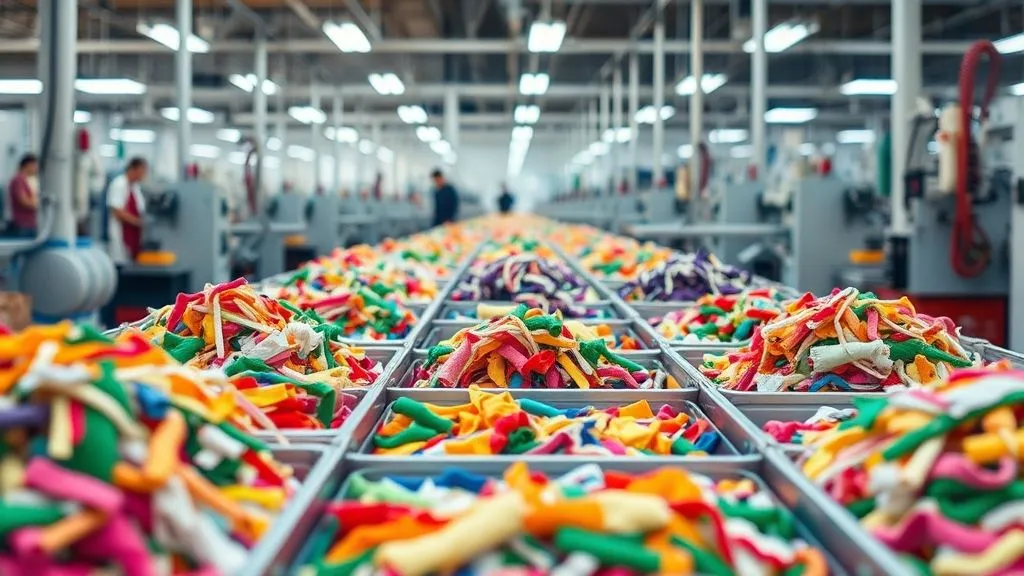
I've seen facilities where fabric offcuts alone account for 15-25% of total material input. Coupled with defective items, overproduction, and post-consumer waste, the figures become staggering. According to a report by the Ellen MacArthur Foundation, the global fashion industry consumes vast resources and generates significant waste, with only a fraction of clothing being recycled. Children's wear, due to its rapid turnover and diverse material needs, is a significant contributor to this global issue.
Understanding these waste streams – pre-consumer (e.g., cutting waste, damaged fabric) and post-consumer (e.g., worn-out garments, unsold inventory) – is the foundational step. Each type of waste has a different pathway for reduction or repurposing. Ignoring this granular detail means missing crucial opportunities for intervention.
Design for Longevity and Circularity: The First Line of Defense
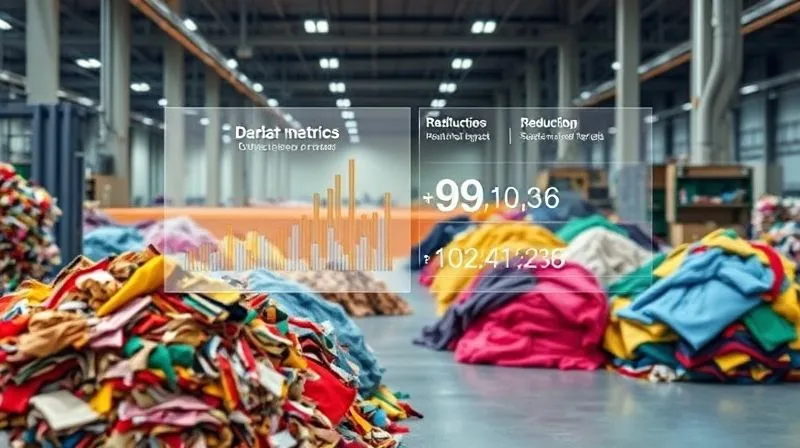
The most impactful changes often begin at the drawing board. Designing children's apparel with longevity and circularity in mind is, in my experience, the single most powerful strategy for reducing textile waste. This isn't just about making clothes that last longer; it's about designing them to be easily repaired, resized, or repurposed when their initial life cycle ends.
Embracing Modular Design and Upcycling Potential
Modular design, for instance, allows for components of a garment to be replaced or adapted. Think about grow-with-me features like adjustable waistbands, extendable cuffs, or snap-on accessories that prolong a garment's usability as a child grows. This directly combats the 'fast fashion' cycle prevalent in kids' wear.
- Durability: Selecting high-quality, durable fabrics and construction techniques that withstand countless washes and active play.
- Timeless Aesthetics: Designing classic, versatile pieces that don't quickly go out of style, encouraging longer wear and hand-me-downs.
- Repairability: Incorporating design elements that make repairs simple, such as easily replaceable buttons or reinforced stress points.
- Single-Fiber Composition: Prioritizing garments made from a single type of fiber (e.g., 100% cotton) to simplify future recycling processes.
- Upcycling Potential: Designing garments with the end in mind, considering how they could be disassembled or transformed into new items.
By integrating these principles, we shift from a linear 'take-make-dispose' model to a circular one, significantly reducing the volume of textiles destined for landfills.
Optimizing Cutting and Production Processes for Zero-Waste Principles
Once a design is finalized, the next major frontier for waste reduction lies within the cutting and production phases. This is where the bulk of pre-consumer textile waste, primarily fabric offcuts, is generated. Implementing lean manufacturing principles and advanced technologies can make an enormous difference.
Actionable Steps for Cutting Optimization:
- Advanced Pattern Nesting Software: Invest in sophisticated CAD software that optimizes pattern layouts on fabric, minimizing gaps and maximizing material utilization. I've seen brands reduce waste by 5-10% simply by upgrading their nesting algorithms.
- Automated Cutting Machines: Precision cutting equipment reduces human error and allows for incredibly tight nesting, further decreasing offcuts.
- Digitized Fabric Inventory: Maintain a real-time, accurate digital inventory of all fabric rolls, including widths and lengths, to ensure optimal utilization and prevent remnants.
- Waste Segregation at Source: Implement clear, labeled bins on the cutting floor for different types of fabric scraps (e.g., cotton, polyester blends, denim). This facilitates easier recycling or upcycling.
- Small Batch Production: Where feasible, producing in smaller, more responsive batches reduces the risk of overproduction and the subsequent waste of unsold inventory.
"True sustainability isn't just about using eco-friendly materials; it's about ensuring every fiber, every cut, and every stitch serves a purpose, minimizing waste at every touchpoint." - An industry veteran's insight.
Case Study: "Tiny Threads" Achieves 25% Waste Reduction
Tiny Threads, a mid-sized children's sleepwear brand, faced a significant challenge with fabric waste, particularly from their intricate pattern pieces. Their cutting waste hovered around 18-20% of total fabric input. By implementing a combination of advanced pattern nesting software and a strict 'waste-to-resource' segregation program on their factory floor, they achieved remarkable results.
They invested in a new CAD system that offered dynamic nesting for their specific fabric widths and print repeats. Simultaneously, they partnered with a local textile recycler for their cotton offcuts and a social enterprise for their polyester blends, which were then upcycled into insulation material. Within 18 months, Tiny Threads reduced its fabric waste by an impressive 25%, translating into substantial material cost savings and a stronger brand narrative around sustainability.
Leveraging Innovative Materials and Smart Sourcing
The choice of materials profoundly impacts a garment's environmental footprint, including its potential for waste. Moving beyond conventional fabrics and embracing innovative, sustainable alternatives is a crucial step in reducing textile waste in children's apparel manufacturing.
Sustainable Material Choices:
- Organic & Recycled Fibers: Prioritize GOTS-certified organic cotton, recycled polyester (RPET) from plastic bottles, or recycled cotton blends. These reduce reliance on virgin resources and can often utilize existing waste streams.
- Biodegradable & Regenerative Materials: Explore materials like Tencel™ Lyocell (from sustainably sourced wood pulp) or hemp, which have lower environmental impacts and are designed to break down naturally.
- Dyeing Innovations: Investigate waterless dyeing techniques or natural dyes that reduce water consumption and chemical waste.
- Fabric Scrap-to-Yarn Technologies: Support innovations that can turn textile waste directly back into new yarn, closing the loop on material usage.
Smart sourcing also means scrutinizing your supply chain for transparency and ethical practices. Partner with mills and suppliers who share your commitment to waste reduction and can provide certifications for their materials and processes. This not only reduces your own waste but also encourages sustainable practices upstream.
Implementing Robust Waste Management and Recycling Programs
Even with the best design and cutting optimizations, some waste is inevitable. The key is to view this 'waste' as a valuable resource. A comprehensive waste management and recycling program is essential for capturing and repurposing these materials, preventing them from ending up in landfills.
Developing an Internal Waste Hierarchy:
- Reduce: (As discussed above) The primary goal is always to generate less waste in the first place.
- Reuse: Can fabric remnants be used for smaller components, trim, or even other products like accessories or toys?
- Repair: Implement systems for repairing minor defects in garments rather than discarding them.
- Recycle: Partner with specialized textile recyclers who can process your fabric scraps into new fibers or other materials.
- Upcycle: Explore creative ways to transform waste into higher-value products. For instance, denim scraps can become patches or unique embellishments.
This requires dedicated personnel, clear protocols, and strong partnerships with recycling facilities. I've seen companies establish dedicated 'waste rooms' where scraps are meticulously sorted by fiber composition, color, and even size, making them much more attractive to recyclers or upcyclers. This systematic approach is critical for maximizing value recovery.
The Role of Technology: AI, IoT, and Data Analytics
In the modern manufacturing landscape, technology is not just an enabler; it's a game-changer for waste reduction. Artificial Intelligence (AI), Internet of Things (IoT), and advanced data analytics offer unprecedented opportunities to optimize processes, predict trends, and gain granular insights into waste generation.
How Technology Drives Waste Reduction:
- AI-Powered Demand Forecasting: AI algorithms can analyze vast datasets (historical sales, weather patterns, social media trends) to predict demand for specific children's apparel items with much greater accuracy. This directly combats overproduction, a major source of waste.
- IoT-Enabled Production Monitoring: Sensors on the factory floor can monitor machine efficiency, fabric usage, and defect rates in real-time. This allows for immediate corrective actions, reducing material waste from errors.
- Data Analytics for Waste Mapping: By tracking every gram of fabric from arrival to finished product, data analytics can pinpoint exactly where and why waste is occurring. Is it a specific pattern? A particular machine? A certain operator? This level of detail empowers targeted interventions.
- Digital Product Development (3D Design): Designing garments in 3D reduces the need for physical samples, saving significant amounts of fabric, time, and resources during the prototyping phase.
Embracing these technologies requires an upfront investment, but the long-term benefits in terms of waste reduction, cost savings, and increased efficiency are undeniable. As Forbes highlights, technology is central to driving sustainability across industries, and fashion is no exception. Read more on Forbes about tech in sustainable fashion.
| Technology | Impact on Waste Reduction | Key Benefit |
|---|---|---|
| AI Demand Forecasting | Reduces overproduction by 15-20% | Lower unsold inventory, optimized resource allocation |
| IoT Production Monitoring | Decreases defect rates by 5-10% | Real-time error correction, improved quality |
| 3D Design Software | Eliminates physical samples, saving 100% of fabric for prototypes | Faster product development, reduced material waste |
| Advanced Pattern Nesting | Minimizes cutting waste by 5-10% | Maximized fabric utilization, lower material costs |
Educating Consumers and Fostering a Circular Community
Our efforts within manufacturing are only one part of the equation. To truly achieve significant textile waste reduction, we must engage and educate the end-user: the parents and guardians purchasing children's clothing. Consumer behavior plays a huge role in the post-consumer waste problem.
Strategies for Consumer Engagement:
- Transparency: Clearly communicate your brand's sustainability efforts, material choices, and waste reduction strategies. Parents are increasingly conscious of ethical consumption.
- Care Instructions for Longevity: Provide detailed garment care instructions that help extend the life of the clothing, reducing premature wear and tear.
- Repair Guides & Services: Offer simple repair guides or even facilitate repair services for your garments.
- Take-Back Programs: Implement programs where customers can return worn-out garments for recycling or upcycling. This creates a direct circular loop.
- Resale & Hand-Me-Down Encouragement: Actively promote the idea of passing on or reselling children's clothing. Partner with resale platforms or organize community swap events.
As a brand, you have the power to influence and educate. By fostering a community around conscious consumption and circularity, you not only reduce waste but also build stronger customer loyalty and differentiate your brand in a crowded market. The shift towards a circular economy requires participation from all stakeholders, including the consumer. Learn more about the Circular Economy from the Ellen MacArthur Foundation.
Building a Sustainable Supply Chain: Collaboration and Transparency
Reducing textile waste isn't a solitary endeavor; it requires a holistic approach that extends throughout your entire supply chain. From the fiber producers to the logistics partners, every entity plays a role. I've found that true transformation happens when collaboration and transparency become core tenets of your business relationships.
Key Elements of a Sustainable Supply Chain:
- Supplier Audits: Regularly audit your suppliers for their environmental practices, including waste management, water usage, and energy consumption. Use recognized standards like the Higg Index.
- Traceability: Implement systems to trace your materials from source to finished product. This allows you to identify potential waste hotspots and ensure ethical sourcing.
- Logistics Optimization: Optimize shipping routes and packaging to reduce carbon footprint and minimize waste. Choose partners committed to sustainable logistics.
- Partnerships for Innovation: Collaborate with material innovators, textile recyclers, and technology providers to integrate cutting-edge solutions into your supply chain.
- Shared Vision: Work only with partners who genuinely share your commitment to sustainability and are willing to invest in waste reduction initiatives.
A transparent and collaborative supply chain not only reduces waste but also enhances your brand's reputation and resilience. It builds trust with consumers and stakeholders, demonstrating a genuine commitment beyond mere compliance. As Harvard Business Review emphasizes, supply chain transparency is increasingly critical for modern businesses. Explore HBR's insights on ethical consumption and supply chains.

Frequently Asked Questions (FAQ)
Is zero-waste truly achievable in children's apparel manufacturing? While 'zero-waste' is an aspirational goal, significant reduction, often upwards of 25-50%, is absolutely achievable. True zero-waste, where every single fiber is utilized or recycled into a new product without any landfill contribution, is challenging due to current technological and infrastructural limitations, but it's a powerful guiding principle that drives continuous innovation and improvement. The aim is to get as close as possible.
What are the biggest challenges in implementing these strategies for small brands? Small brands often face challenges related to scale, cost, and access to technology. Minimum order quantities for sustainable materials can be high, and advanced software/machinery can be expensive. However, small brands also have agility. They can start by focusing on design for longevity, meticulous cutting optimization, local recycling partnerships, and clear communication with their customer base. Collaboration with other small brands or utilizing shared resources can also be effective.
How can consumers contribute to reducing textile waste in kids' fashion? Consumers play a vital role. They can contribute by choosing durable, high-quality garments; repairing clothes instead of discarding them; actively participating in hand-me-down or resale circles; supporting brands with strong sustainability credentials; and utilizing take-back programs when available. Educating children about the value of their clothes also helps.
What's the economic benefit of reducing textile waste beyond environmental impact? The economic benefits are substantial. Reducing waste directly translates to lower material costs (buying less fabric), decreased disposal fees, and often, improved efficiency in production. It also enhances brand reputation, attracting ethically conscious consumers and potentially opening doors to new markets or investment. Furthermore, it insulates businesses against future resource scarcity and regulatory pressures.
Are there specific certifications or standards for sustainable children's apparel? Yes, several certifications can guide brands and consumers. Look for GOTS (Global Organic Textile Standard) for organic fibers, Oeko-Tex Standard 100 for harmful substance testing, and bluesign® for sustainable textile production. For broader sustainability, certifications like B Corp or Cradle to Cradle are also highly respected and applicable to children's apparel brands.
Key Takeaways and Final Thoughts
Reducing textile waste in children's apparel manufacturing is not merely an environmental obligation; it's a strategic imperative for any forward-thinking brand. It demands a holistic approach, integrating sustainable practices across every stage of the product lifecycle.
- Design with Intent: Prioritize longevity, repairability, and circularity from the initial design phase.
- Optimize Production: Leverage technology like advanced nesting and automated cutting to minimize fabric offcuts.
- Innovate Materials: Embrace organic, recycled, and biodegradable fibers.
- Manage Waste Systematically: Implement robust internal waste segregation and external recycling/upcycling partnerships.
- Harness Technology: Utilize AI, IoT, and data analytics for predictive accuracy and process optimization.
- Engage Consumers: Educate and empower your customers to participate in the circular economy.
- Build a Sustainable Supply Chain: Foster transparency and collaboration with all partners.
The journey towards a truly sustainable children's apparel industry is ongoing, but the steps we take today are critical. By embracing these strategies, we not only protect our planet for future generations but also build more resilient, innovative, and ethically sound businesses that will thrive in the evolving global market. Let's commit to dressing our children in a way that reflects our deepest values for their future.
Recommended Reading
- The Secret to Preserving Vintage Silk Heirlooms: A Home Guide
- Unlock the Secret: How to Safely Wash Your Conductive Fabric Clothing
- 7 Proven Strategies: Liquidate Urban Fashion Inventory Without Devaluing Your Brand
- Unleash Your Potential: How Compression Clothing Enhances Athletic Performance
- Find Your Perfect Fit: Best Luxury Eyewear Brands for Oval Faces




Your email address will not be published. Required fields are marked *